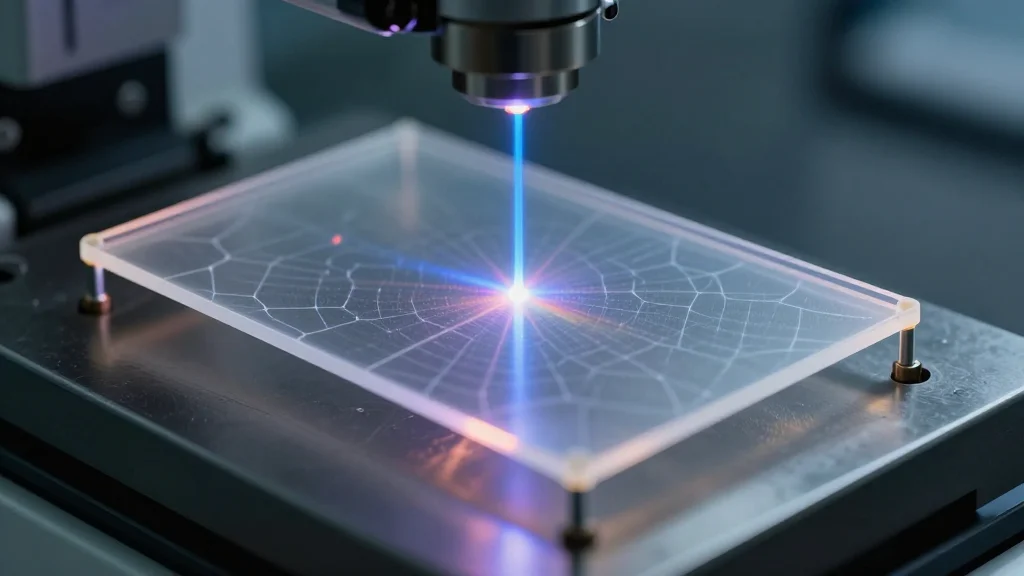
Standardized Elemental Composition Analysis of Graphene‐Related 2D Materials (GR2M) With SEM/EDS and XPS Works Reliably
Why It Matters
Accurate, rapid elemental analysis enables consistent quality control and regulatory compliance for graphene products, accelerating their commercial adoption.
Key Takeaways
- •SEM/EDS accurately measures O/C ratios in graphene oxides
- •Results consistent across excitation voltages and detector types
- •XPS validation confirms SEM/EDS reliability for light elements
- •Ionic liquid used as reference for light element quantification
- •Fast, widely available SEM/EDS can become standard method
Pulse Analysis
The rapid expansion of graphene‑related 2D materials in electronics, energy storage, and composites has outpaced the development of robust analytical standards. Traditional techniques such as XPS, ICP‑MS, TGA, and FTIR provide valuable data but often require specialized equipment, lengthy preparation, or destructive sampling. Consequently, manufacturers face challenges in reliably reporting key metrics like the oxygen‑to‑carbon ratio and residual metal contaminants, which directly affect material performance and regulatory acceptance.
In this pioneering work, researchers leveraged standard‑less SEM/EDS to quantify elemental composition in both laboratory‑synthesized and commercial graphene oxide samples. By testing multiple beam energies and detector types, they demonstrated that SEM/EDS delivers consistent O/C ratios and impurity levels comparable to XPS, the established benchmark. The inclusion of an ionic liquid reference material further refined quantification of light elements—carbon, nitrogen, oxygen, and fluorine—addressing a known limitation of EDS analysis. This methodological rigor confirms that SEM/EDS can reliably handle the nuanced chemistry of GR2M without extensive calibration.
The implications for industry are significant. SEM/EDS instruments are commonplace in quality‑control labs, offering a non‑destructive, high‑throughput alternative to more cumbersome techniques. Adoption of this standardized approach can streamline batch verification, reduce analytical costs, and support compliance with emerging material standards. As graphene applications move toward mass production, the ability to quickly and accurately assess composition will be a decisive factor in product reliability and market acceptance.
Standardized Elemental Composition Analysis of Graphene‐Related 2D Materials (GR2M) With SEM/EDS and XPS Works Reliably
Comments
Want to join the conversation?
Loading comments...