
Direct Observation of Electron Beam Induced Cu Ion Migration and Aggregation Dynamics in Van Der Waals Layered CuInP2S6
Researchers used in‑situ transmission electron microscopy and density‑functional theory to directly observe copper ion migration in the van der Waals ferroelectric CuInP2S6 (CIPS) under electron‑beam irradiation. The study shows that the beam induces a lateral electric field that drives Cu ions to move rapidly across atomic to mesoscopic scales. Migrating ions preferentially accumulate at physical boundaries, where they coalesce into copper nanoparticles, leading to structural degradation. These insights clarify the intrinsic instability of Cu in CIPS and inform strategies for reliable device integration.
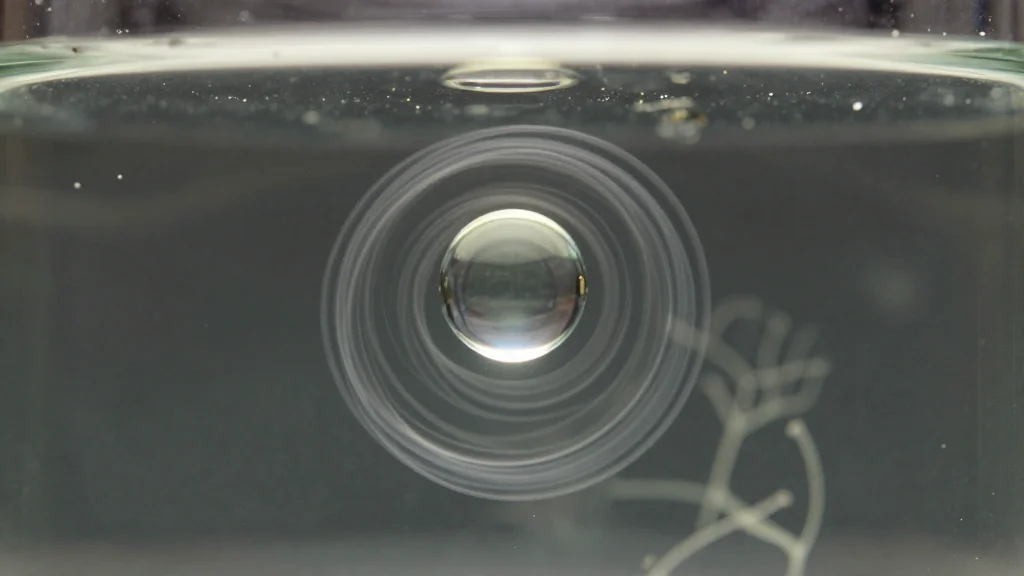
Liquid Phase TEM of Diffusing Emulsion Droplets
Researchers used in situ liquid phase transmission electron microscopy to track emulsion droplets at nanometer resolution, revealing that their motion deviates from classic Brownian behavior. Larger droplets displayed super‑diffusive trajectories constrained by spatial boundaries, while smaller droplets followed random walks...
Multi‐Subunit Nanozyme: A Functionally Programmed Ru Nanocluster‐Installed Tannic Acid‐Framed Hollow ZIF‐8 Single Construct Exhibits Subunit‐Specific Roles in Facilitating Remarkable Substrate...
Researchers have engineered a multi‑subunit nanozyme (Ru‑H‑ZIF‑8) by anchoring ruthenium nanoclusters onto a tannic‑acid‑framed hollow ZIF‑8 scaffold. The structural subunit provides hydrogen‑bonding activation of o‑aminophenol, while the Ru nanoclusters drive rapid electron‑transfer oxidation, delivering a high‑rate, substrate‑class selective reaction. Unlike...
Activating Bismuth Nanosheets for Electrochemical CO2 Reduction by Strain Engineering
Researchers applied a ~0.6% compressive strain to bismuth nanosheets using an electrochemical cathodic technique, dramatically improving CO2 electroreduction to formate. The strained nanosheets achieved over 90% formate selectivity across a 700 mV potential window, outperforming many existing catalysts. Density‑functional theory linked...

Stable Coacervate Microdroplets as Robust Microreactors for Enhanced Enzymatic Catalysis
Researchers have engineered highly stable coacervate microdroplets using polyethyleneimine (PEI) and sodium thioctate (ST) that resist coalescence for over 35 days without any additives. The droplets exploit electrostatic and hydrophobic interactions, creating a charge‑repelled surface that preserves structural integrity. They...
Multifunctional Biomimetic Hematoma Microspheres for Sustained Local Hydrogen Sulfide (H2S) Delivery to Enhance Vascularized Bone Regeneration
Researchers have engineered biomimetic hematoma microspheres that combine a pH‑responsive GelMA outer layer with a NaHS‑loaded liposomal core to deliver hydrogen sulfide (H₂S) directly to bone defect sites. The microspheres release H₂S in acidic environments, simultaneously reducing chronic inflammation, stimulating...
Surface Band Bending Engineered via Lithium‐Induced Reconstruction for Minimized Voltage Deficit in Kesterite Solar Cells
Researchers introduced a lithium‑based surface reconstruction for kesterite absorbers by spin‑coating a high‑concentration Li solution onto CZTSSe precursor films. The treatment forms n‑type ZnLi defects that generate strong band bending, enhancing p‑n conversion at the CZTSSe/CdS heterojunction. Devices treated with...
Phthalocyanine‐Based Bimetallic Azo Polymers as Highly Efficient Electrocatalysts for CO2 Reduction to CO
Researchers introduced a coordination‑driven method to embed Cu and Co ions into an azo‑phenolic porous organic polymer, creating the Cu@Azo‑CoPG catalyst. Electrochemical testing showed the bimetallic material delivers a 94.3% Faradaic efficiency for CO production, surpassing its monometallic Cu‑PG and...
A Focused Review of Anthraquinone Derivatives for Aqueous Soft‐Gel Electrode Batteries
The review introduces soft‑gel electrodes, a hybrid physical state that sits between solid and liquid designs, as a novel strategy for durable aqueous batteries. By leveraging the water affinity contrast between inorganic sulfate ions and water‑soluble polymers, a self‑forming gel...
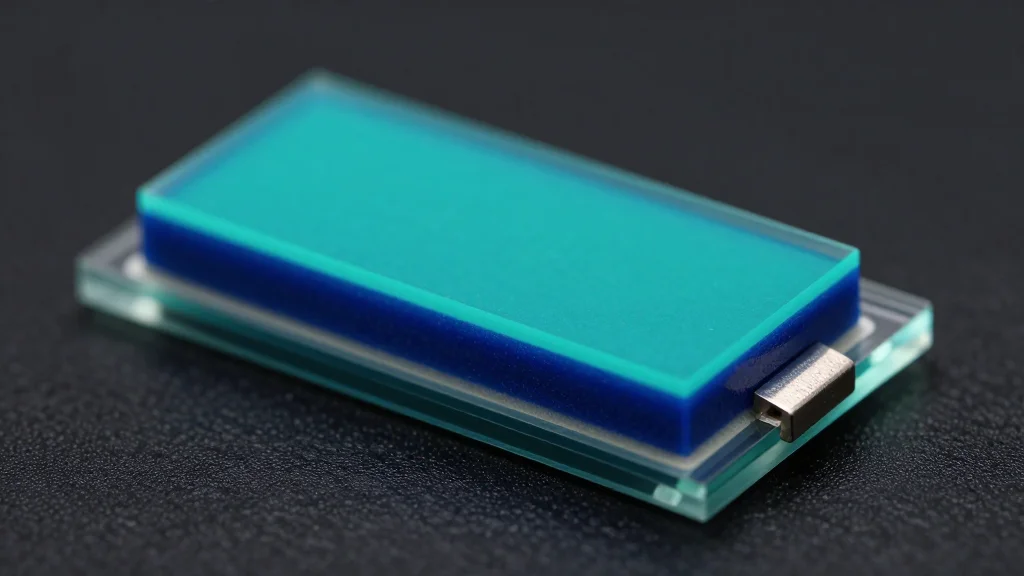
Quasi‐Dual‐Channel Oxide Transistors With Enhanced Stability and Performance
Researchers have introduced a quasi‑dual‑channel architecture for metal‑oxide thin‑film transistors that pairs an oxygen‑rich tantalum‑doped tin oxide (TTO) channel with an oxygen‑deficient HfOx surface layer. The new design delivers a 4.4‑fold increase in carrier mobility compared with conventional single‑channel TFTs...

Elucidating the Hierarchical Architecture of Polymer Spherulites via 4D Scanning Transmission Electron Microscopy
Researchers applied low‑dose four‑dimensional scanning transmission electron microscopy to poly(ε‑caprolactone) and polyethylene spherulite films, achieving unprecedented nanoscale visualization of their hierarchical architecture. The technique disclosed the preferential orientation and growth direction of lamellar crystals, as well as chain tilt within...

Alginate/PCL Dressing for Silver Nanoparticle and PDGF-B Delivery
Researchers have engineered an alginate/polycaprolactone (PCL) composite dressing that co‑delivers silver nanoparticles and platelet‑derived growth factor‑B (PDGF‑B). The hybrid matrix provides sustained antimicrobial release while preserving the bioactivity of PDGF‑B to stimulate tissue regeneration. In vivo tests on rodent wound...
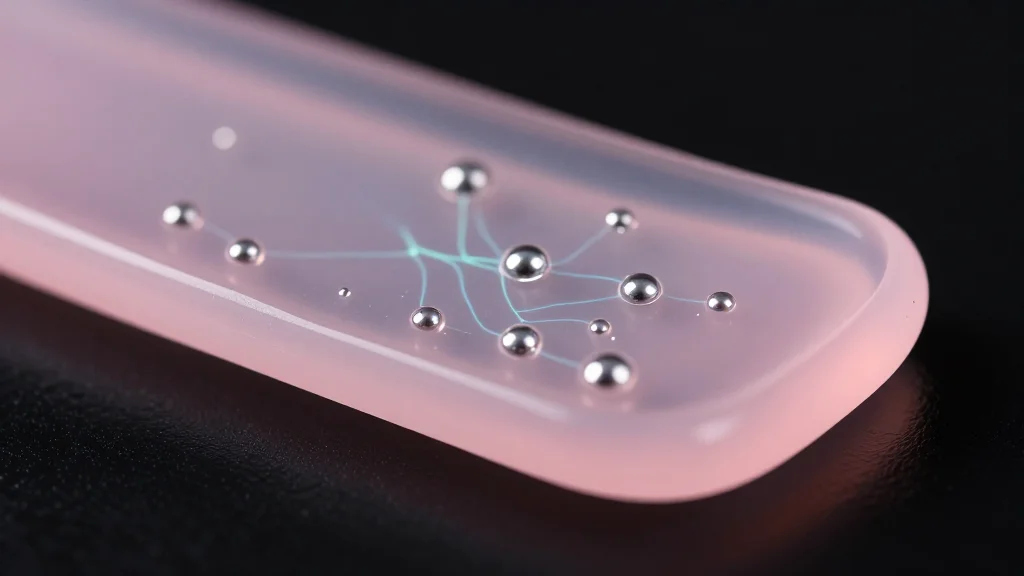
Liquid Metal‐Reinfored Hierarchically Aligned Double‐Network Hydrogels: Ultrahigh Crack/Fatigue Resistance and Strain‑Responsive Sensing
Researchers introduced a hierarchically anisotropic double‑network hydrogel reinforced with deformable liquid‑metal particles. The material achieves a fracture energy of 60.6 kJ m⁻² and a fatigue threshold of 5,560 J m⁻² while retaining a skin‑like modulus of 1.3 MPa. Liquid‑metal inclusion supplies stable electrical conductivity, enabling...

Mosaic’s Nanoneedle Granted Advanced Manufacturing Technology Designation for Gene Therapy Products
The FDA’s Center for Biologics Evaluation and Research granted NanoMosaic an Advanced Manufacturing Technology (AMT) designation for its Nanoneedle platform, which multiplexes vector genome and capsid titer testing in AAV gene‑therapy production. The designation confirms the technology’s ability to streamline...
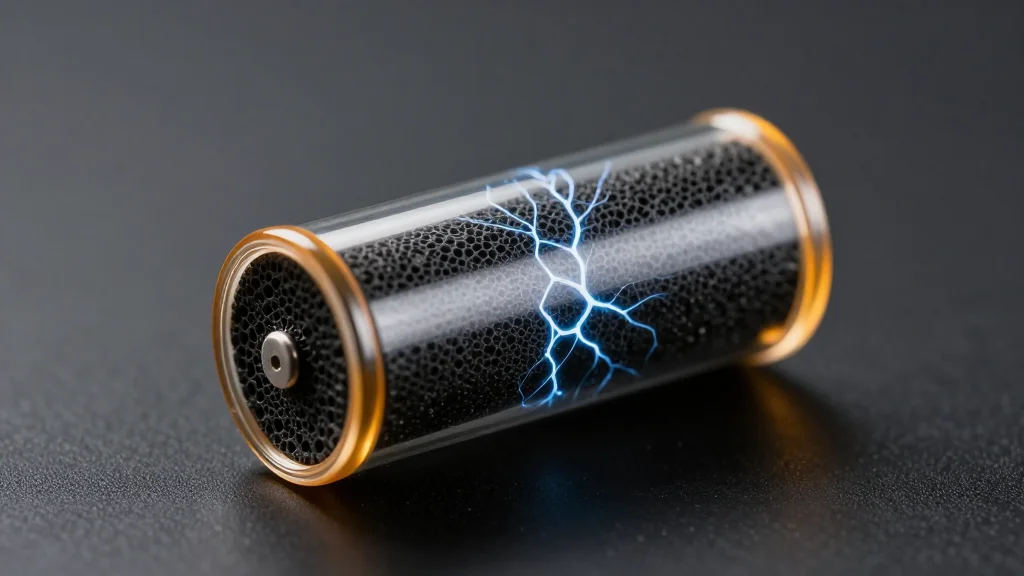
Researchers Develop Improved Supercapacitors Based on Dual-Functional Porous Graphene
Researchers at India’s ARCI have created a dual‑functional porous graphene carbon nanocomposite (PGCN) electrode that enables supercapacitors to operate at 3.4 V, exceeding the typical 2.5‑3.0 V ceiling. The material’s water‑repellent and organic‑electrolyte‑compatible surface boosts ion transport, delivering 33 % higher energy storage,...

Argo Graphene Solutions Starts Testing of Graphene-Infused Asphalt Mix
Argo Graphene Solutions has begun specialized design and testing of a proprietary graphene‑infused asphalt mix at its Saskatchewan R&D facility. The program targets enhanced tensile strength, freeze‑thaw resistance, and thermal conductivity to improve road durability in extreme cold. The company...
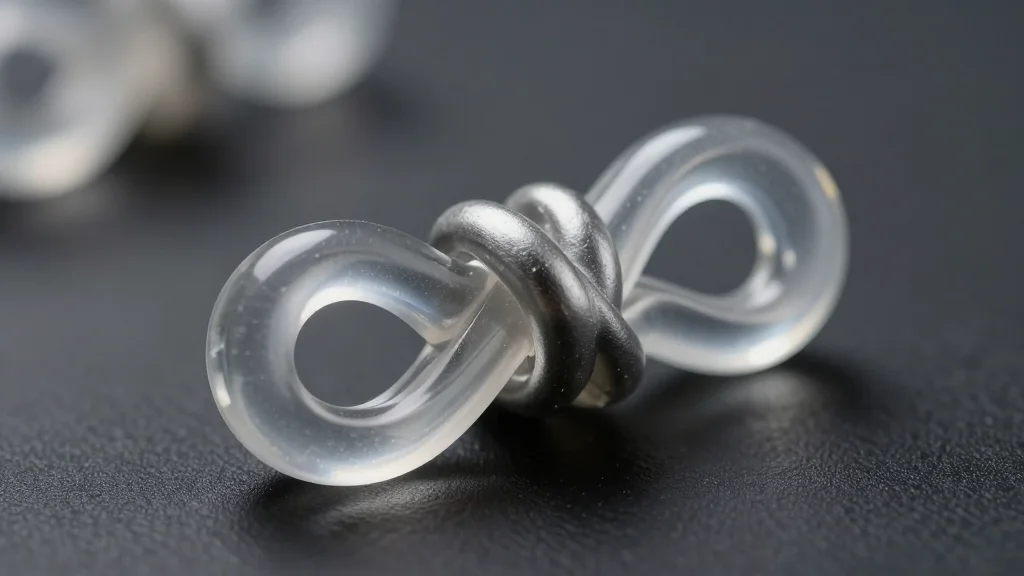
Nanosculpting Quantum Materials
Researchers at TU Wien have unveiled a refined focused ion milling method that can sculpt three‑dimensional chiral nanostructures directly from single‑crystal quantum materials. The technique achieves sub‑10 nm feature sizes while preserving the crystal lattice and intrinsic quantum properties. Results, published...
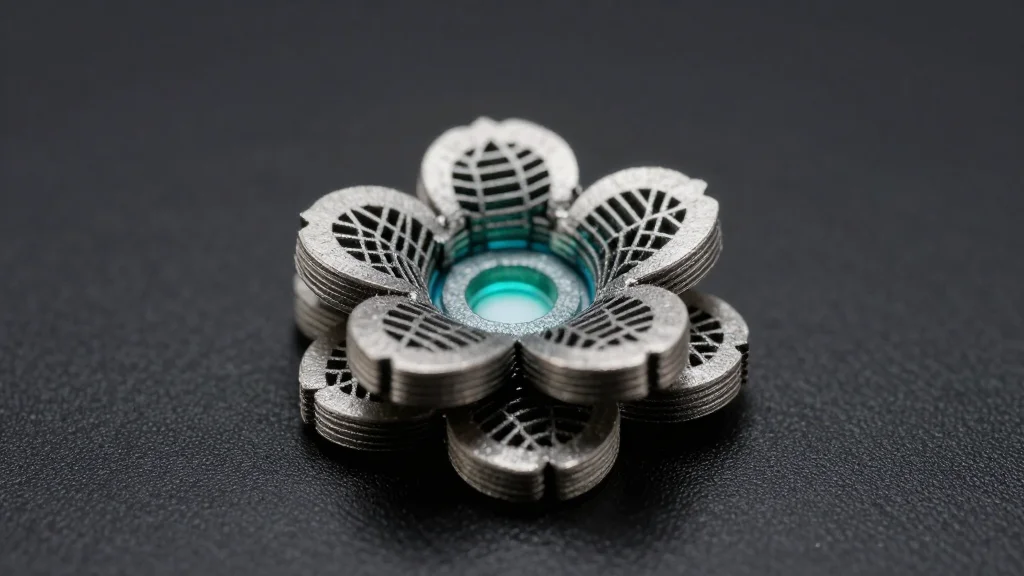
Freestanding 3D MXene Structures Push the Limits of Microscale Devices
Carnegie Mellon researchers have introduced a single‑step aerosol‑jet printing method that converts additive‑free MXene nanosheet ink into freestanding three‑dimensional structures. The technique eliminates ceramic backbones and post‑processing, enabling intricate micro‑flowers and tree‑like architectures. Using these printed networks, the team built...

Refractive-Index Microscope Measures a Sample's Optical Properties with Pinpoint Accuracy
Researchers at TU Wien have created a hybrid microscopy technique that merges single‑molecule localization microscopy with atomic force microscopy to directly measure the refractive index of biological samples at nanometer scales. By using AFM‑derived topography to decouple distance‑related blur from...

Nanoclay-Melon Protein Coatings Extend Mushroom Shelf Life
Researchers have created an edible nanoclay‑melon protein coating that dramatically prolongs the shelf life of fresh mushrooms. Laboratory tests showed the coating extended freshness by up to seven days and cut weight loss by roughly 40% compared with untreated produce....
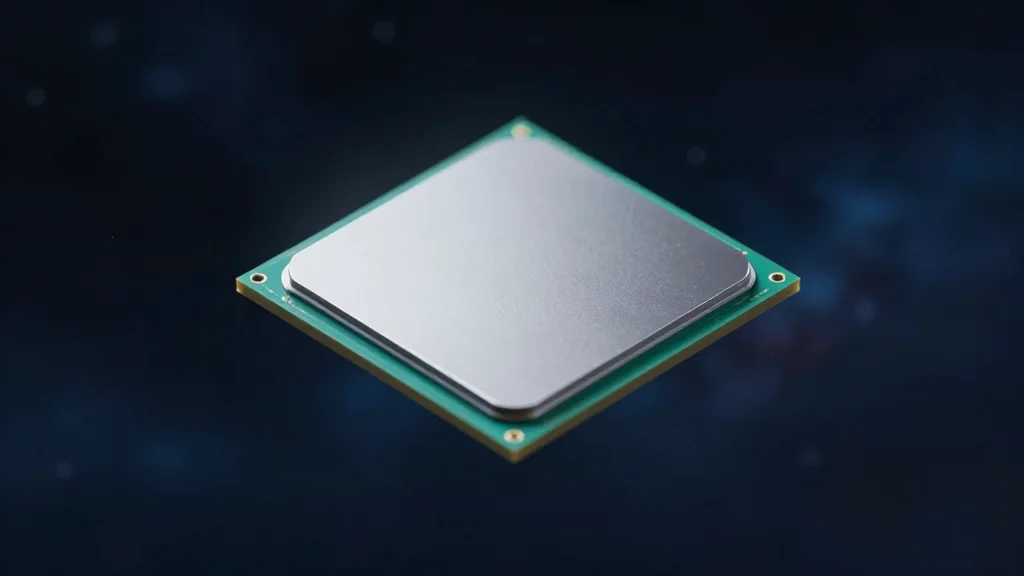
Radiation Hardened Circuit Platform Expands Space Electronics Development
BAE Systems introduced its RH12 Storefront, a radiation‑hardened 12‑nanometer circuit platform aimed at space‑grade integrated circuits. The offering bundles a full library of IP blocks, design tools, and licensing options, enabling customers to create custom system‑on‑chip solutions for harsh off‑Earth...
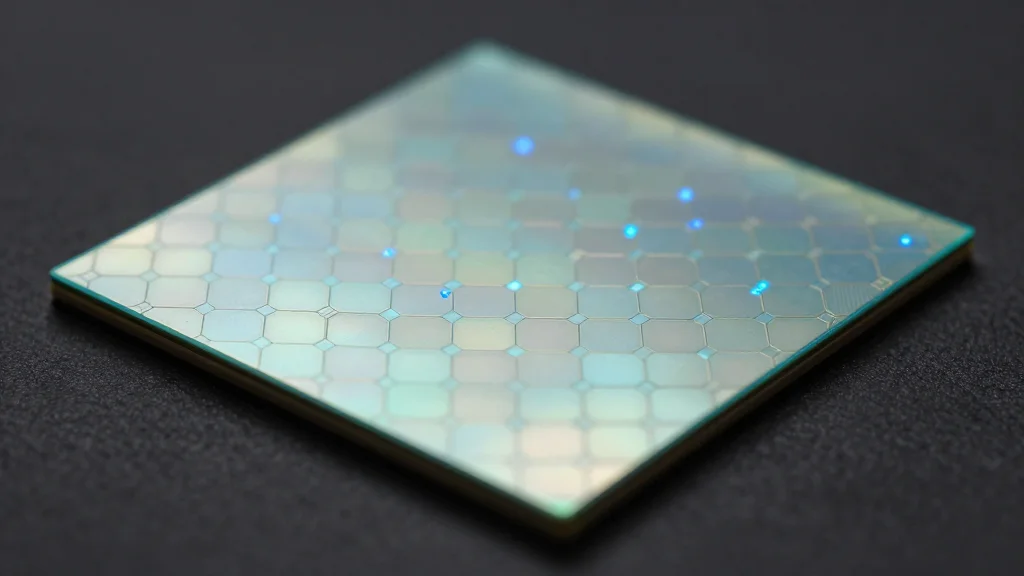
Archer Materials Advances Graphene and Carbon Quantum Technologies
Archer Materials announced significant progress in its graphene‑based quantum computing program during the December 2025 quarter, including on‑chip electrical detection of spin states and precise gating of carbon films. The company recorded room‑temperature electron spin lifetimes exceeding 0.4 µs and demonstrated wafer‑scale...
Advancing Flexible Zinc Air Battery: Exploring Non‐Noble Metal Oxides for Enhanced Electronic Structure Modulation in Scalable Engineering Design
Researchers have developed hierarchical flower‑like Fe–Mo oxide electrocatalysts using a scalable reflux‑calcination method. The optimized Fe0.25Mo0.75O (FeMoO‑III) shows an OER overpotential of 240 mV at 10 mA cm⁻² and an ORR half‑wave potential of 0.86 V, with durability exceeding 200 h. Integrated into both alkaline...
High‐Throughput Screening Enables Ultrathin and High Thermal Conductivity All‐Carbon Graphene Foam Thermal Interface Materials
Researchers have created an ultrathin all‑carbon graphene foam thermal interface material using PMMA microsphere templating and finite‑element high‑throughput screening. The foam delivers exceptional thermal diffusivity—608.6 mm²/s in‑plane and 51.8 mm²/s through‑plane—and an ultra‑low contact thermal resistance of 0.104 K·cm²/W at 40 psi. Its bond‑line...

DNA‐Assisted Synthesis of Defect‐Rich MnO2 Cathodes for High‐Rate and Long‐Life Aqueous Zinc‐Ion Batteries
The study presents a DNA‑assisted hydrothermal route to fabricate defect‑rich δ‑MnO₂ nanoflake cathodes for aqueous zinc‑ion batteries. DNA molecules coordinate with Mn ions, generating phosphate and nitrogen groups that create oxygen‑related defects and increase Mn³⁺ content while expanding interlayer spacing....
Synthesis of Highly Stable CdSe Magic‐Size Clusters Displaying Optical Absorption Peaking at 272 Nm
Researchers have demonstrated a ligand‑induced conversion of conventional CdSe magic‑size clusters (MSC‑391) into a newly identified MSC‑272 that absorbs at 272 nm. The transformation, driven by diphenylphosphine and cadmium carboxylate salts, yields a cluster with superior dispersibility and thermal stability up...
NIR‐Triggered 3D‐Bioprinted Hydrogels for Antibacterial Skin Regeneration
Researchers have developed a near‑infrared (NIR) triggered hydrogel bio‑ink that incorporates up‑conversion nanoparticles (UCNPs) with acrylic acid‑N‑vinyl‑2‑pyrrolidone and carboxymethyl cellulose. The NIR exposure induces rapid hydrogen‑bonding condensation, enabling in‑situ 3D printing of wound‑filling scaffolds. The printed hydrogel generates reactive oxygen...
Optimizing the Adsorptive Separation of Three‐Component C2 Hydrocarbons by Pore Environment Regulation in Metal–Organic Frameworks
Researchers engineered the pore environment of two isoreticular Zr‑MOFs, HIAM-411 (methyl‑functional) and HIAM-412 (amino‑functional), to tackle the long‑standing challenge of one‑step adsorptive separation of C2H2/C2H4/C2H6 mixtures. HIAM‑411 preferentially adsorbs acetylene and ethane but suffers low C2H2/C2H4 selectivity, limiting its efficiency....
Bioinspired Ultratough and Rapidly Responsive Hydrogels Empower Silent Communication
Researchers have engineered a starch‑based hydrogel by covalently grafting protocatechuic acid, creating a bioinspired material that is both ultratough and rapidly piezoresistive. The hydrogel’s dynamic hydrogen bonds and π‑π interactions eliminate the typical brittleness‑hysteresis trade‑off, enabling reliable strain‑dependent resistance. Integrated...
Regulated Zinc‐Based Organic Frameworks by Linker Functionalization for Multifunctional Photocatalysis and Photoelectrocatalysis
Researchers engineered four zinc‑based metal‑organic frameworks (Zn‑MOFs) by modifying organic linkers with electron‑donating or -withdrawing groups, precisely controlling the type of reactive oxygen species (ROS) produced. The fluorine‑substituted MOF (HIAM‑3001F) favored superoxide generation, achieving near‑unity conversion and 88.5% yield in...
Heterointerfacial and Architectural Engineering in MOF‐Templated Corn‐Like FePS3‐ZnPS3‐C@NC Anode for Durable Sodium Storage
Researchers have created a corn‑like FePS3‑ZnPS3 heterostructure anode using a MOF‑on‑MOF templating method, coated with N‑doped carbon. The architecture combines heterointerfacial engineering and structural design to improve charge transfer and buffer volume expansion. The resulting anode delivers an initial discharge...

A‐Site Cation‐Induced Hot‐Carrier Lifetime Extension in 2D Perovskites: A New Strategy for X‐Ray Detection Enhancement
Researchers engineered the A‑site cation in 2D perovskite single crystals, creating MPDA (MPDAPb2I6) that prolongs hot‑carrier cooling to 80 ps—eight times longer than the DMePDA counterpart. The extended hot‑carrier lifetime boosts hot‑electron extraction efficiency to 51.4%, a six‑fold increase, and raises...
Optically Stimulated Ultraviolet‐C Luminescence for Solar Blind Imaging
Researchers have introduced a double‑perovskite phosphor, Cs2NaYF6 doped with Pr3+, that exhibits optically stimulated luminescence (OSL) in the ultraviolet‑C (UVC) range. After X‑ray exposure, the material stores charge carriers in deep traps and releases them as persistent UVC light when...

Unlocking Klockmannite: Formation of Colloidal Quasi‐2D CuSe Nanocrystals and Photo‐Physical Properties Arising From Crystal Anisotropy
A thiol‑free hot‑injection technique enables the colloidal synthesis of quasi‑2D klockmannite CuSe nanocrystals, producing large nanosheets and uniform triangular nanoplatelets by tuning temperature and precursor ratios. The triangular plates, only 12–25 nm across, display strong near‑infrared plasmonic absorption driven by intrinsic...

Paradox in Visible‐Light: O2•‒ Generation by CsPbBr3 Perovskite Nanocrystals
The Perspective reexamines CsPbBr3 perovskite nanocrystals, showing that visible‑light excitation converts ambient O₂ into superoxide radical anions. These reactive species destabilize the crystal lattice, creating defects that paradoxically enable aerobic photocatalytic reactions. By linking defect formation, surface chemistry, and reaction...
Live Imaging of Silver Nanostructures Electrochemically Dissolving at Open‐Circuit Potential
The researchers combined beam‑effect‑corrected electrochemical liquid‑phase electron microscopy (EC‑LP‑EM) with bulk electrochemical testing to directly image silver nanostructures dissolving on a platinum substrate under open‑circuit conditions. Their workflow incorporates automated image analysis and beam‑effect assessment, delivering quantitative, real‑time data on...

AIEgen‐Based Photothermal Nanoparticles With Dual Antibacterial and Anti‐Inflammatory Activities for Enhanced Healing of Infected Diabetic Wounds
Researchers have engineered an aggregation‑induced emission luminogen (AIEgen) that converts near‑infrared light into heat, forming photothermal nanoparticles for diabetic wound therapy. The NIR‑activated particles efficiently kill multidrug‑resistant bacteria such as MRSA and carbapenem‑resistant Pseudomonas, while also disrupting biofilms and mitigating...

Heteroatom Loading of Nanodiamonds Modulates the Coupled Electrocatalytic Production of H2O2 by Oxygen Reduction and Water Oxidation
Researchers have synthesized oxygen‑doped nanodiamonds (O‑ND) and copper‑doped nanodiamond composites (Cu‑OND) that excel in two‑electron oxygen reduction (ORR) and water oxidation (WOR), respectively. O‑ND raises ORR Faradaic efficiency from 71% to 87.1%, while Cu‑OND delivers 78.2% WOR efficiency. When paired...
Non‐Corrosive Methide‐Based Lithium Salt for Stabilizing Ni‐Rich NMC Cathodes
Researchers introduced lithium bis‑trifluoromethanesulfonyl‑methide (LiCTf2), a methide‑based analogue of LiNTf2 that eliminates aluminum current‑collector corrosion and reinforces interfacial stability for Ni‑rich NMC cathodes. The CTf2⁻ anion forms low‑solubility Al³⁺ complexes and strengthens Li⁺ coordination, creating a hybrid inorganic‑organic cathode‑electrolyte interphase....

Engineered Biomimetic Nanorobots Orchestrate Targeted Nose‐to‐Brain Delivery to Resolve Neuron‐Glia Entanglement Against Parkinson's Disease
Researchers have engineered a biomimetic nanorobot (hPH‑RNPEC) that can be administered intranasally to deliver a combined payload of endogenous miRNAs and curcumin directly to the brain. The platform uses Pueraria lobata‑derived exosomes cloaked in neutrophil‑like membranes, a rabies virus glycoprotein...

Programmable G‐Quadruplex@DNA Nano‐Highway Network Platform Enables One‐Pot Electrochemical Detection of Exosomes for Breast Cancer Lymph Node Metastasis Evaluation
Researchers have created a rapid, one-pot electrochemical sensor for breast‑cancer‑derived exosomes. The device leverages an aptamer‑triggered hybridization chain reaction combined with a streptavidin‑biotin cross‑link to assemble a G‑quadruplex‑DNA nano‑highway network at room temperature. Binding of the vimentin aptamer disassembles the...

Renovating Neural Networks With Viral‐Mediated Gene Transfer From A Tissue Contacting Matrix Mimic
Researchers engineered a self‑assembling peptide hydrogel (Fmoc‑DDIKVAV) to encapsulate adeno‑associated virus delivering brain‑derived neurotrophic factor (AAV‑BDNF). In a mouse Huntington's disease model, the hydrogel‑mediated delivery achieved markedly higher BDNF expression and neuroprotection in the striatum than direct AAV injection. The...

Charge Directed Selective Co‐Assembly of Ionic Complementary Peptide Binary Mixtures
Researchers have shown that designing peptide charge distribution, together with pH, stoichiometry, and concentration, can selectively direct the co‑assembly of ionic complementary peptide binary mixtures. By adjusting these parameters, they control β‑sheet strand alignment, assembly kinetics, nanofiber morphology, and hydrogel...

Tunable Morphological Engineering of Self‐Assembled Copper‐Glutathione Nanoarchitectures: Size‐Dependent Antibacterial Action for Pathogen Infections Management
Researchers have developed size‑tunable copper‑glutathione (Cu‑GSH) nanocapsules using a simple co‑precipitation method, enabling precise control over particle morphology. In kiwifruit trials, the optimized formulation delivered 77% therapeutic and 66% protective efficacy, outperforming conventional copper pesticides. Small spherical nanocapsules penetrated plant...
Lithiated PAA‐Coated SiOx Anode for Stable and High‐Capacity Lithium‐Ion Batteries: Interfacial Regulation and Volume Expansion Suppression
Researchers have engineered a spherical SiOx@LiPAA composite anode using spray‑drying, where lithiated polyacrylic acid forms a conductive, elastic coating. The LiPAA layer buffers silicon‑oxide volume expansion and fosters a thin, LiF‑rich solid‑electrolyte interphase. Electrochemical tests show 1,234 mAh g⁻¹ after 200 cycles...

Ultrasensitive MicroRNA Detection Combining Reduced Graphene Oxide Electrolyte‐Gated Transistors and Machine Learning
Researchers have created an ultrasensitive biosensor that merges DNA‑functionalized reduced graphene oxide (rGO) electrolyte‑gated transistors (EGTs) with machine‑learning analytics to detect cancer‑ and neuro‑related microRNAs. The platform targets the miR‑34 family and achieves a limit of detection as low as...
Transition‐Metal‐Doped Hexagonal Boron Nitride for Efficient and Selective Nitrate‐to‐Ammonia Electrocatalysis: Theoretical Perspective and Design Principles
Researchers used first‑principles calculations to evaluate transition‑metal‑doped hexagonal boron nitride (TM@h‑BN) monolayers for electrochemical nitrate reduction to ammonia. Fe@h‑BN and Ir@h‑BN emerged as the most promising single‑atom catalysts, showing low limiting potentials of –0.45 V and –0.31 V respectively. Their balanced nitrate...
Sulfur‐Fumigation Engineered Ceria Nanoparticles With Augmented Oxygen Vacancies for Enhanced Therapy of Drug‐Induced Liver Injury
Researchers applied sulfur fumigation to reconfigure ceria nanoparticle surfaces, exposing (200) and (220) crystal facets and generating abundant oxygen vacancies. This structural shift dramatically boosts the particles’ reactive oxygen species (ROS) scavenging capability while maintaining a liver‑targeting hydrodynamic size (~136 nm)....
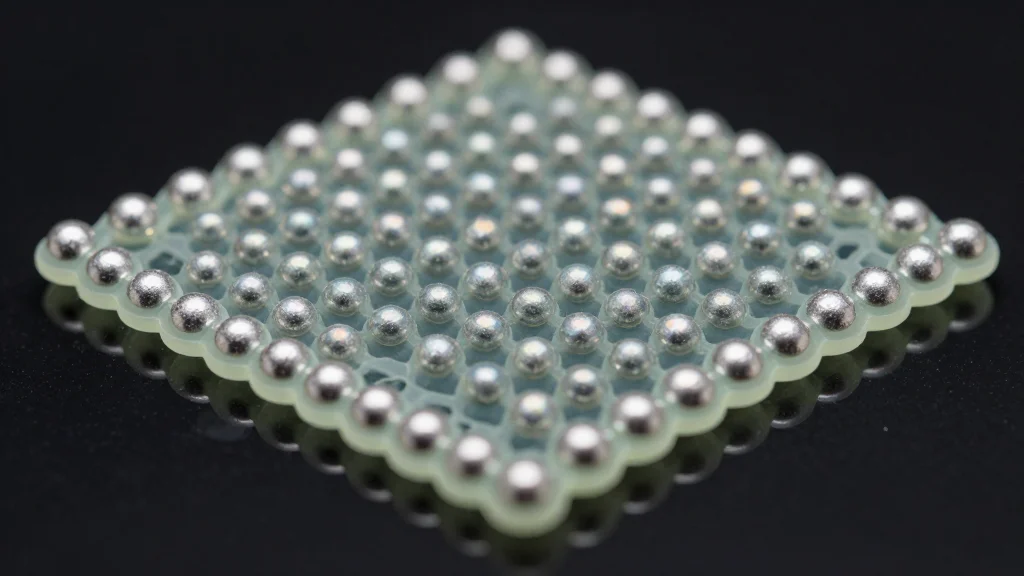
Symmetric Metal Organic Framework‐Plasmonic Architectures for Reversible and High‐Sensitivity Optical Sensing
The study introduces a plasmonic sensing platform that couples surface lattice resonances (SLRs) from two‑dimensional metal nanoparticle gratings with ZIF‑8 metal‑organic framework (MOF) films. Gratings are fabricated via a template‑assisted, scalable colloidal assembly compatible with MOF growth. By exchanging solvents...
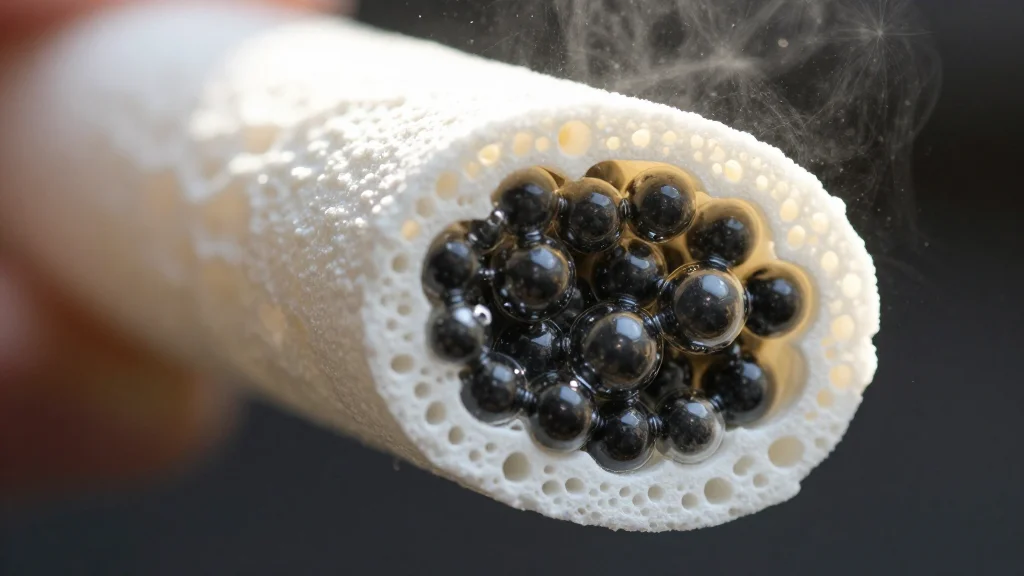
Hollow RuSe2‐MoSe2@NC Microsphere/Chitosan Aerogel Janus Electrode for Solar‐Driven Photothermal‐Promoted Synchronous Seawater Splitting and Evaporation
Researchers introduced a Janus‑type electrode that merges hollow RuSe2‑MoSe2@NC microspheres and carbon black within a chitosan aerogel matrix. The asymmetric design simultaneously drives seawater electrolysis and solar‑driven evaporation on a single platform. Under 1 kW m⁻² illumination, the device reduces the overall...