
Selection of Metal–Tellurium (M–Te) Alloy as Recyclable Controlled Te Precursors for Wafer‐Scale Synthesis of MxTey Thin Films
The study presents a confined tellurization technique that uses recyclable metal‑tellurium (M‑Te) alloys as controllable tellurium sources to grow wafer‑scale metal telluride (MxTey) films. Cohesive‑energy calculations and experiments identify Au‑Te and Ag‑Te alloys as optimal, delivering steady Te flux while avoiding bilayer delamination and metal co‑evaporation. Using an Au‑Te alloy, researchers produced atomically smooth, single‑crystalline 4‑inch Si2Te3 films—the largest reported—while film thickness is tuned via the Au/Te ratio. The approach is validated for MoTe2 and Cr2Te3 and the alloy source can be regenerated by re‑adding tellurium.
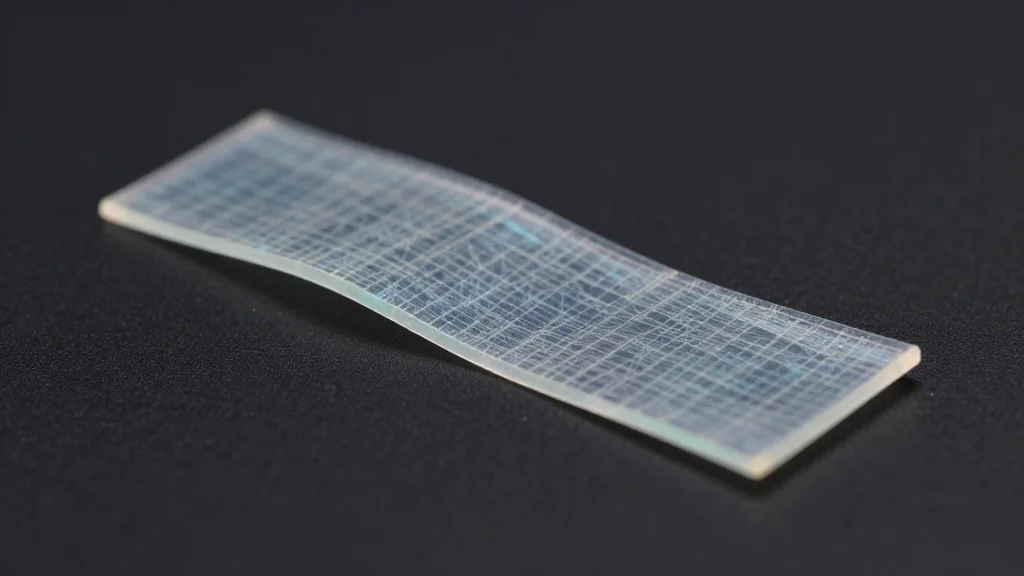
Large‐Area Bi2O2Se Nanosheets With Enhanced Optoelectronic Performance for Flexible Electronics
Researchers have demonstrated atmospheric‑pressure chemical vapor deposition (APCVD) of large‑area Bi2O2Se nanosheets, achieving domain sizes up to 0.4 mm. The nanosheets exhibit high carrier mobility—110 cm² V⁻¹ s⁻¹ at room temperature and over 3700 cm² V⁻¹ s⁻¹ at 2.3 K—while maintaining structural integrity under repeated bending. Detailed experiments...

Ligand‐Driven Optimization of Iron Oxide Nanoprobes for In Vivo MRI Enhancement at Ultra‐High Field
Researchers developed a ligand‑driven method to fine‑tune T2 relaxivity of 12 nm iron‑oxide nanoparticles for ultra‑high‑field MRI. By exchanging five surface coatings—PAA, PMA, PMAO, citric acid and silica—they achieved up to a 333 mm⁻¹ s⁻¹ increase in r₂, with citric‑acid‑coated particles reaching record...

Oxygen Vacancy Shell Coupled Pt Clusters Engineering for Sunlight Driven Selective Decarboxylation of Amino Acids
Researchers have engineered a heterogeneous photocatalyst comprising a titanium‑dioxide core, an oxygen‑vacancy‑rich shell, and platinum nanoclusters. The Pt/TiO2@VO‑shell catalyst dramatically improves sunlight‑driven decarboxylation of L‑lysine, achieving 73.5% cadaverine selectivity and a productivity of 154.5 mM per gram, far surpassing conventional TiO2....

Graphene-Enhanced Wallpaper Trial Launched in Fareham Military Homes
VIVO Defence Services has begun a six‑month trial of NexGen Heating’s graphene‑enhanced wallpaper in two military homes in Fareham, Hampshire. The electric graphene‑heated paper, installed on ceilings, emits low‑temperature far‑infrared radiation that warms occupants and objects within minutes, aiming to...

Magneto-Mechanical Forces Reprogram Macrophages for Tumor Immunity
Researchers have demonstrated that dynamic magneto‑mechanical forces applied within lysosomes can durably repolarize tumor‑associated macrophages from an M2 to an M1 phenotype. By loading macrophages with engineered magnetic nanoparticles and exposing them to alternating magnetic fields, the team triggered lysosomal...
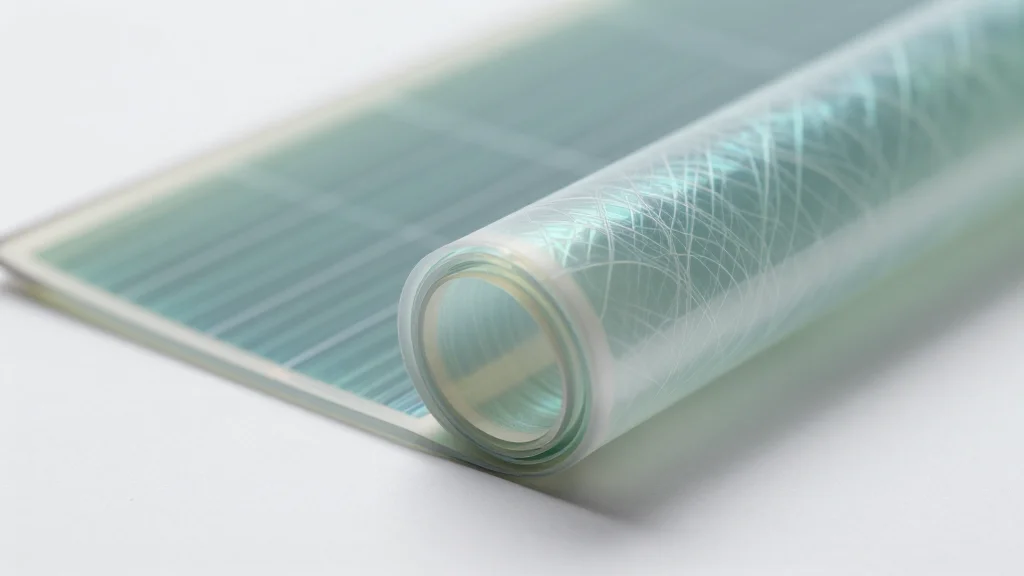
Acid Treated Carbon Nanotubes Raise Efficiency and Durability of Flexible Perovskite Solar Modules
Researchers from the Chinese Academy of Sciences and Zhengzhou University have demonstrated flexible perovskite solar modules exceeding 20% efficiency using sulfuric‑acid‑treated single‑walled carbon nanotube (SWCNT) window electrodes. The acid treatment raises the conductivity of the SWCNT network and creates a...

Polymer Nanoparticles Drive Platinum Free Solar Hydrogen
A research team at Chalmers University has demonstrated that conjugated polymer nanoparticles can photocatalytically split water into hydrogen using sunlight, eliminating the need for costly platinum. By engineering hydrophilic, loosely packed polymer chains, the particles achieve a production rate of...
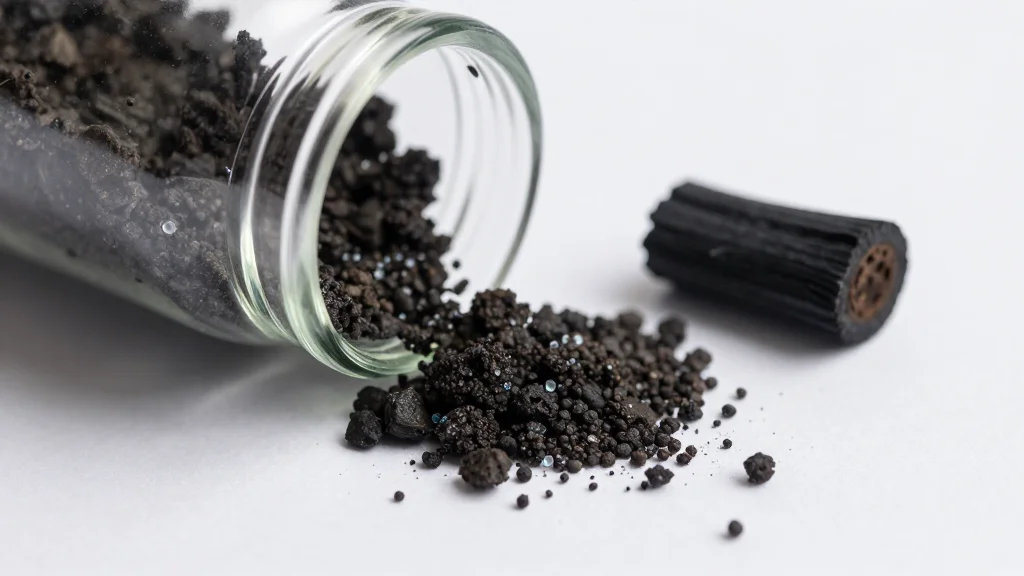
Corn Cob Biochar Filters Pull Ammonia and Micro and Nanoplastics From Water
Researchers at the University of Delaware have converted discarded corn cobs into high‑performance biochar filters that simultaneously adsorb dissolved ammonia and micro‑/nanoplastic particles. In lab tests, the optimized 700 °C corn‑cob biochar (CCB700) removed about 64% of ammonia at 10 ppm and...
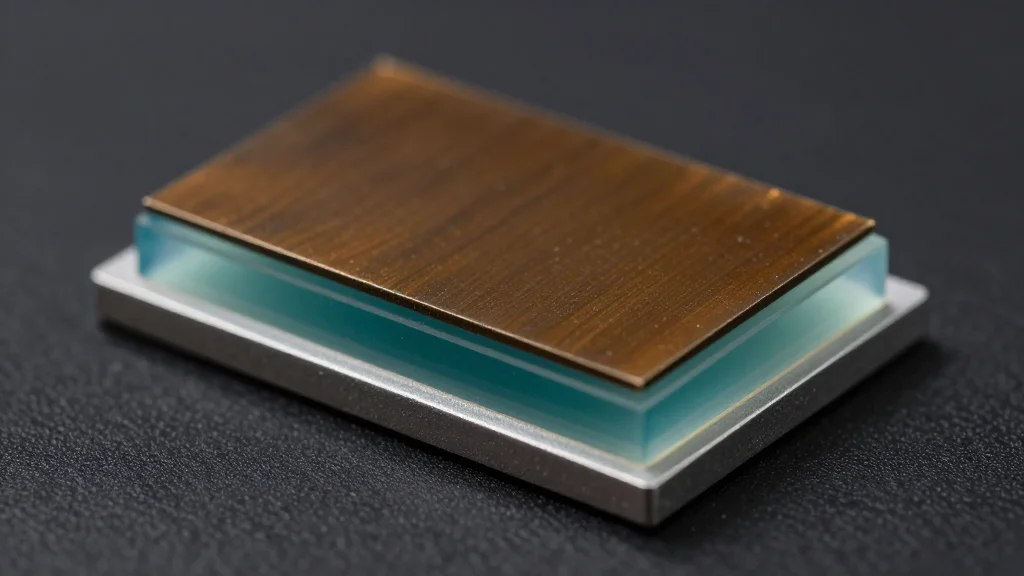
Germanium Oxide Interface Boosts Tin Monosulfide Thin Film Solar Cell Efficiency and Stability
Researchers at Chonnam National University introduced an ultra‑thin germanium oxide (GeOₓ) interlayer to improve the rear‑contact interface of tin monosulfide (SnS) thin‑film solar cells. The 7 nm GeOₓ layer, formed by vapor‑transport deposition and natural oxidation, suppresses deep‑level defects, blocks sodium...

Study Links Bottled Water to Higher Nanoplastic Levels than Tap
Researchers at Ohio State University found that popular bottled water brands contain roughly three times more nanoplastic particles than treated municipal tap water. The study introduced a combined scanning electron microscopy and optical photothermal infrared spectroscopy technique capable of detecting...

Paclitaxel Expands TREM2+ Macrophages, Reducing Efficacy
A recent preclinical study reveals that paclitaxel treatment expands TREM2‑positive macrophages within the tumor microenvironment, dampening anti‑tumor immune responses. The increase in these immunosuppressive cells correlates with a measurable reduction in paclitaxel’s cytotoxic efficacy across several cancer models. Researchers demonstrated...

Identifying Mechanisms that Support Nanoparticle Therapy for Autoimmune Diseases
Northwestern Medicine researchers identified how a biodegradable nanoparticle therapy induces antigen‑specific tolerance in autoimmune disease models. The study shows myeloid cells ingest the particles, undergo apoptosis, and release oxidized DNA that activates the STING pathway, leading to type‑I interferon production....

Real-Time View Inside Microreactor Reveals 2D Semiconductor Growth Secrets
A team led by Hiroo Suzuki at Okayama University captured real‑time, atomic‑scale images of monolayer transition metal dichalcogenide growth inside a micro‑reactor using an infrared‑heated CVD system. The study identified distinct growth regimes—triangular, hexagonal, and ribbon‑like crystals—driven by molten precursor...
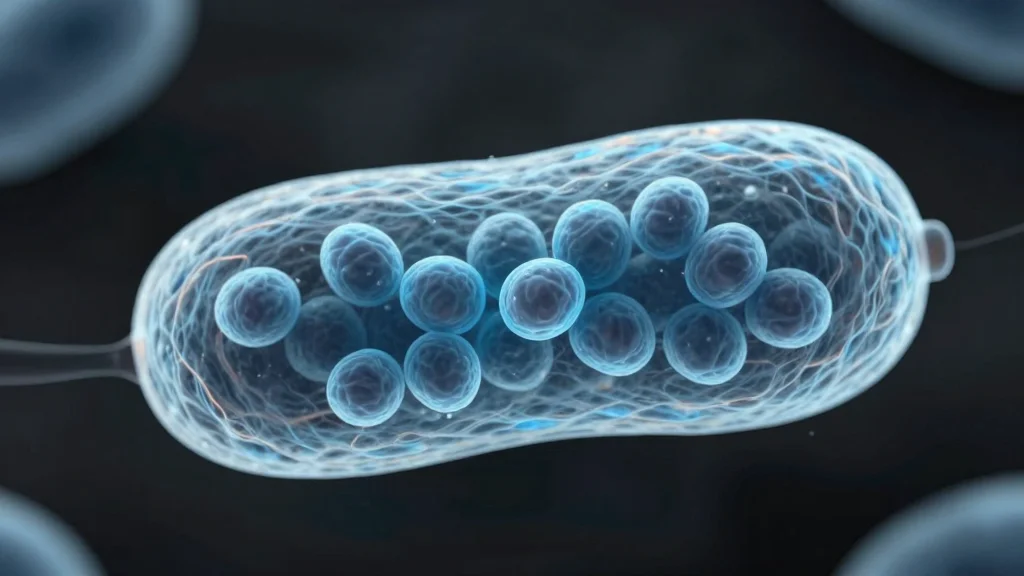
Two-Step Approach Creates More Sustainable Protein Nanostructures for Advanced Sensing and Therapeutics
Researchers at Rice University introduced a two‑step, dual‑inducer genetic system that decouples the expression of gas vesicle assembly factors from the shell protein in Escherichia coli. By giving assembly factors a two‑ to three‑hour head start, the method reduces cellular...

Nanotubes with Lids Mimic Real Biology
Lawrence Livermore National Laboratory and University of Maryland scientists engineered carbon nanotubes with pH‑responsive lid structures that act as molecular gates, mimicking biological ion channels. The lids close under acidic conditions, blocking water and ion flow, and open at neutral...
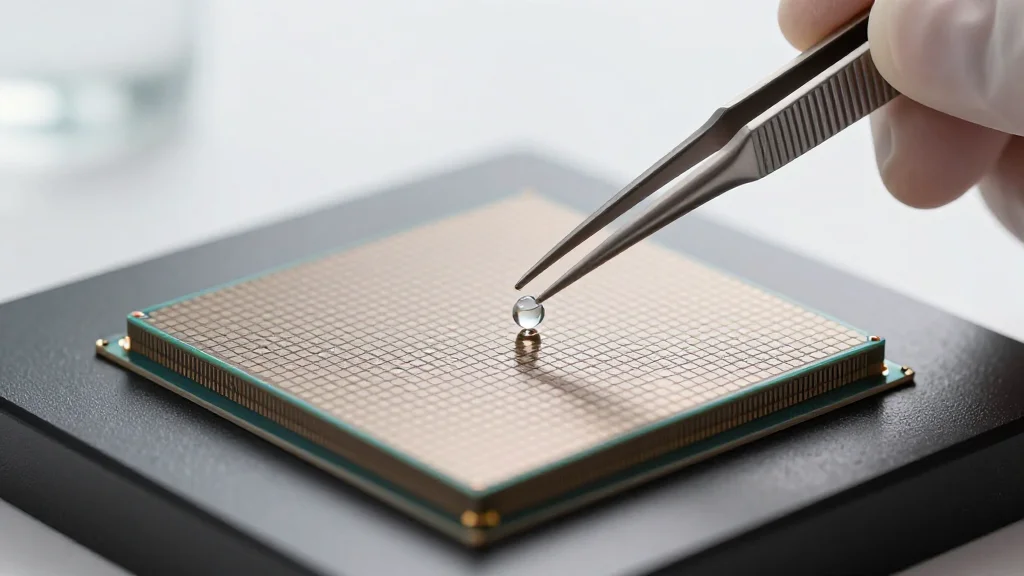
Excited‐State Dynamics in Lead Halide Perovskite Nanocrystals: Effects of Size, Shape, Doping, and Surface Modifications
The review surveys how size, shape, composition, surface ligands, metal‑ion doping, temperature, and heterostructure engineering influence the excited‑state dynamics of lead halide perovskite nanocrystals. It contrasts these perovskite NCs with traditional chalcogenide quantum dots, highlighting distinct defect states and relaxation...
Oxygen Vacancy‐Engineered High‐Entropy Oxide Nanozymes for Spatiotemporal Cascading Antifouling in Marine Environments
Researchers have engineered oxygen‑vacancy‑rich high‑entropy oxide nanozymes (Vo‑HEO) that mimic haloperoxidase activity to produce both hydroxyl radicals and long‑lived hypobromous acid (HOBr). The dual catalytic system delivers rapid oxidative damage at the surface while HOBr diffuses into bulk water, suppressing...
Harnessing the Heavy‐Atom Effect and Linkage Engineering in Isomorphic COFs for Enhanced H2O2 Photosynthesis
The research introduces a heteroatom‑tuned covalent organic framework (COF) strategy that dramatically boosts photocatalytic H2O2 synthesis. By incorporating sulfur atoms and optimizing linker geometry, the thiourea‑based COF‑127 delivers a record 6672 µmol g⁻¹ h⁻¹ production rate and an 11.03% apparent quantum yield without...

How PNIPAM Microgel Architecture Controls Pickering Foam Formation
Researchers examined how the internal architecture of poly(N‑isopropylacrylamide) (PNIPAM) microgels affects Pickering foam formation. They found that microgels with a distinct core‑shell structure generate larger foam volumes, smaller bubbles, and higher liquid fractions compared with less‑structured particles. Faster interfacial adsorption...
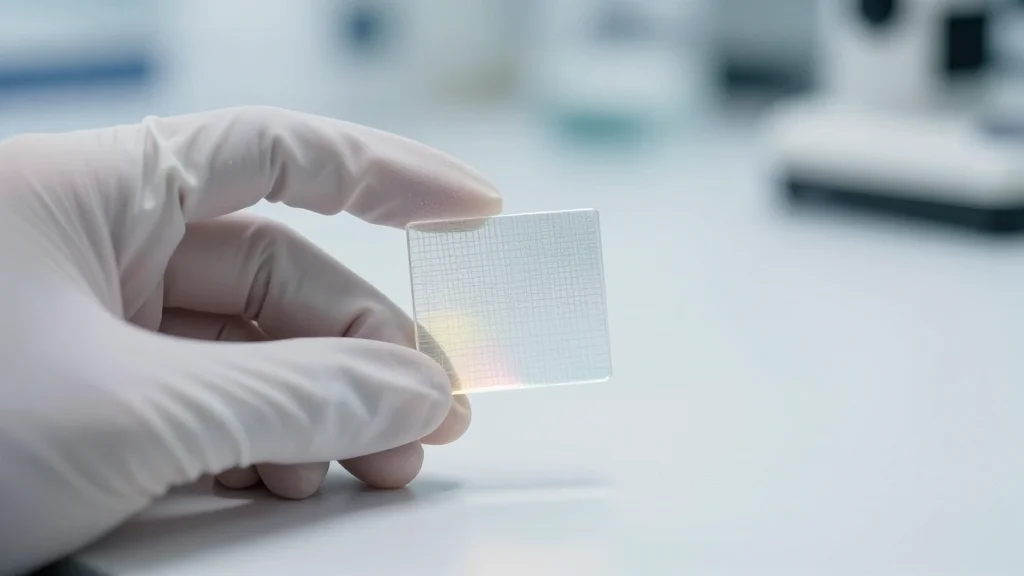
Chloride Ion‐Specific Etching‐Driven Synthesis of Porous Cobalt‐Doped FeOOH Anodes for Robust Ni‐Fe Batteries
Researchers introduced a chloride‑ion‑assisted etching technique to grow cobalt‑doped FeOOH porous nanosheets directly on iron foam, creating a high‑surface‑area anode for nickel‑iron batteries. The resulting electrode achieves an areal capacity of 1.4 mAh cm⁻² at 4 mA cm⁻² with 94 % coulombic efficiency over 1,000...

Sonocatalytic Eradication of Hepatocellular Carcinoma by Tailoring Structural Defects of Black Indium Oxide Sonocatalysts and Leveraging Apoptosis/Ferroptosis‐Hybridized Pathways
Researchers engineered palladium‑integrated indium oxide with abundant structural defects to create a high‑performance sonocatalyst for hepatocellular carcinoma. The Pd component provides catalase‑like and peroxidase‑like activities, relieving tumor hypoxia and increasing hydroxyl‑radical generation under ultrasound. This dual action triggers a synergistic...
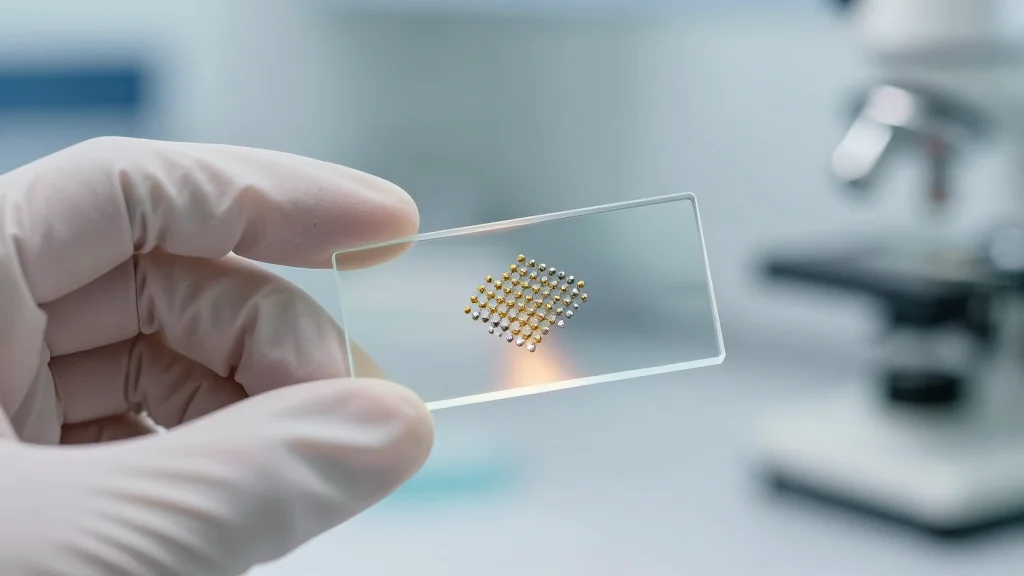
Structure‐Interface Synergistic Cu–Zn Hybrid Films for High‐Efficiency Thermal Management and Photothermal Conversion
Researchers have developed a multiscale Cu–Zn hybrid film that combines structured metal interfaces with polymer composites to achieve both high optical absorption and efficient heat transport. The electrodeposited Cu–Zn nanostructures form continuous thermal pathways along flake edges, delivering in‑plane thermal...

Electronic Structure Engineering in MXene SACs: Unveiling the Role of Mixed Termination for ORR/OER Bifunctionality
Researchers engineered Ti2COXClY MXene single‑atom catalysts to probe how mixed O and Cl surface terminations affect the oxygen reduction and evolution reactions. By systematically varying the O/Cl ratio on a Ti2C substrate, they demonstrated that the adsorption energy of the...

Enriched Localized Electron Confined Ultrafine Pt NPs Sites for Selective Catalytic Hydrogenation in Sulfur‐Containing Feedstocks
Researchers have developed an electronic confinement strategy that embeds ultrafine platinum nanoparticles within multilayer graphene enriched with localized electrons and encapsulated by cobalt particles. The Pt/Co@NC catalyst delivers a reaction rate of 33.1 mol p‑CAN gPt⁻¹ h⁻¹ and a turnover frequency of 6,449 h⁻¹ for...

AI‐Guided Design of pH‐ and Redox‐Responsive Lignin@GO@ZIF‐8 Nanocarriers for Targeted Co‐Delivery of 5‐Fluorouracil and Metformin in Prostate Cancer Therapy
Researchers employed an AI‑guided workflow to engineer pH‑ and redox‑responsive Lignin@GO@ZIF‑8 nanocarriers that co‑deliver 5‑fluorouracil and metformin for prostate cancer treatment. Machine‑learning models, particularly XGBoost trained on 500 formulation data points, achieved R² values of 0.86‑0.89 for predicting drug loading,...

Transition Between Digital Switching and Analog Synapse in AgOx/SnSe2 Memristor Through Thickness Engineering
Researchers demonstrated that an AgOx/SnSe2 memristor can toggle between digital and analog operation simply by varying the AgOx layer thickness. A 75 nm thick AgOx film produces abrupt, high‑contrast switching with an ON/OFF ratio above 10⁶, sub‑10 mV/dec subthreshold swing, and 5,000‑second...
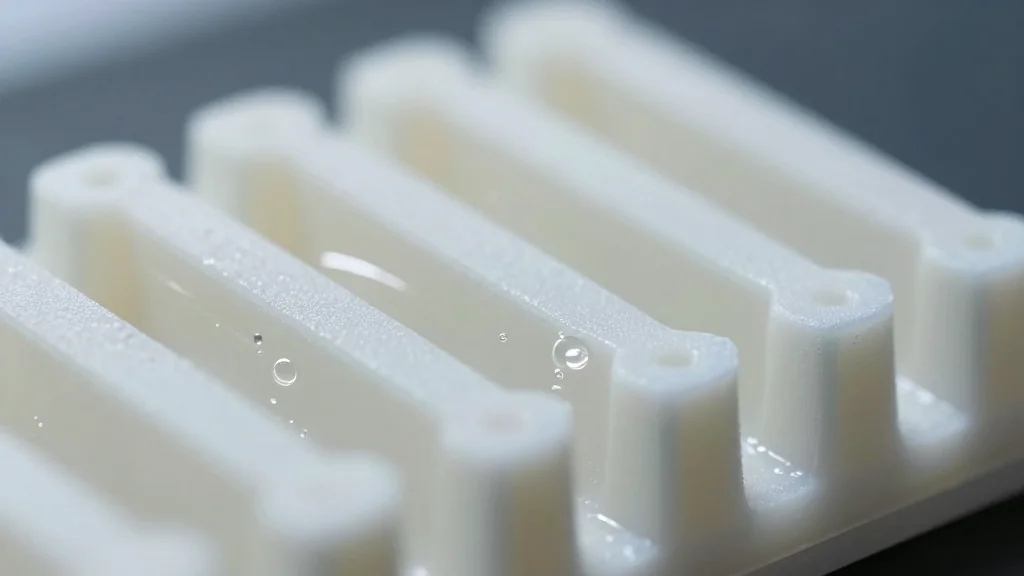
Structured Selective Activation for Bubble‐Controlled High‐Rate Alkaline OER
Researchers engineered a nickel‑iron (NiFe) electrode with selective activation and structured geometry to control bubble dynamics in alkaline oxygen evolution. The device combines micromilling, PTFE coating, and electrodeposition, creating deactivated regions that channel electrolyte and guide bubbles unidirectionally. This design...

Direct Printing of Electronics on Flexible Porous Substrates
The study introduces Drop Impact Printing (DIP), a nozzle‑free method that deposits highly concentrated inks onto untreated porous substrates such as paper in a single pass. By ejecting microdroplets through a sieve‑impact mechanism, DIP limits lateral spread and solvent penetration,...

Regulation and Synthesis of Mixed‐Ligand Titanium–Oxide Nanoparticles for 12 Nm Nanolithography
Researchers have developed titanium‑oxide nanoparticles functionalized with a mixed aromatic ligand shell containing benzoic acid and fluorobenzoic acid. The fluorinated mixed‑ligand design yields a characteristic particle size of 12 nm and achieves line‑width roughness (LWR) of about 1.3 nm in electron‑beam lithography...
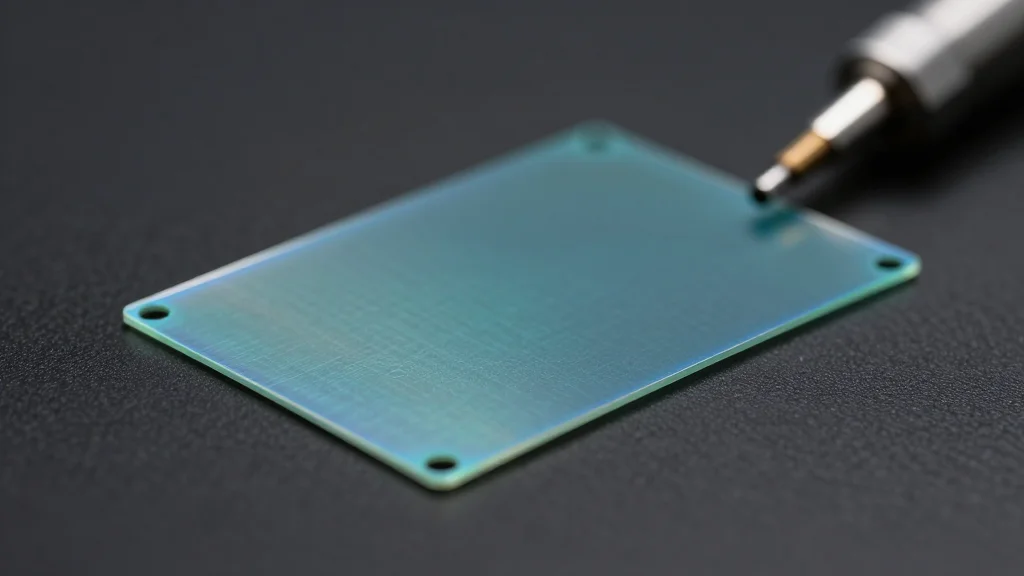
2D TMD‐Based Backplane Circuitry for Large‐Area Electronics
The review highlights 2D transition‑metal dichalcogenides (TMDs) as a promising platform for backplane circuitry in next‑generation large‑area electronics. It outlines recent advances in CVD synthesis of film‑type TMDs and their integration with low‑temperature, large‑area processes such as printing and vapor...
Role of NaF in Attenuating Interfacial Instability of Lithium Metal Anode: A Strategy to Modulate SEI for Enabling Dendrite Free...
Researchers demonstrate that a sodium fluoride (NaF) coating forms an artificial solid electrolyte interphase (SEI) on lithium metal anodes, directing Li⁺ transport and producing smooth, dendrite‑free deposition. In Li||Li symmetric cells the NaF‑modified electrodes sustain over 500 cycles at 1 mA cm⁻²...

Engineering M13 Filamentous Phages to Target Dendritic Cells and Elicit Anti‐Tumour Immunity
Researchers have engineered an M13 filamentous phage vector, termed SCP, that simultaneously displays dendritic‑cell targeting peptides and SpyCatcher proteins for antigen conjugation. In vitro, SCP activates dendritic cells, increasing co‑stimulatory markers and inflammatory gene signatures, which translates into enhanced cytotoxic...

Probing a Reactive Alkyne Center Aligned via a Triphenylmethane Tripod on Au(111) for Electric Field‐Induced Chemistry by STM and TERS
Researchers demonstrated a triphenylmethane‑based molecular tripod that anchors a terminal alkyne upright on Au(111), creating a reactive center aligned with intense electric fields generated by an STM tip. Low‑temperature STM and tip‑enhanced Raman scattering (TERS) verified the vertical orientation and...

Isolated Iodine Single Atoms Regulating the In‐Plane Electronic Structure of G‐C3N4 for Enhanced CO2 Photoreduction
Researchers have anchored isolated iodine atoms onto ultrathin graphitic carbon nitride (g‑C3N4), creating a single‑atom catalyst that stabilizes the material and accelerates in‑plane charge separation. The C‑I covalent bond acts as a direct hole‑transfer channel, while orbital hybridization with CO2...

External Electric Field‐Assisted TS Vacancy Mediation for Accelerating Dipole Polarization to Enhance Electromagnetic Attenuation
Researchers have introduced an external electric field (EEF)‑assisted synthesis to steer vacancy creation in ternary sulfides, enabling precise reconstruction of defect states and electronic structures. The applied field reduces migration barriers for Cu2+ and Co2+ ions while partially mobilizing S2−,...

Photocatalytic Acetic Acid Production with High Selectivity From Conversion of CH4 and CO Under Mild Conditions
Researchers have engineered a photocatalyst comprising WO3 nanosheets decorated with oxygen vacancies and palladium nanoparticles that converts methane and carbon monoxide into acetic acid. Under visible‑light irradiation at room temperature and ambient pressure, the catalyst delivers a production rate of...
Bimetallic 2D Metal Organic Frameworks for High Selective Ethylene Glycol Electrooxidation
Researchers have transformed waste polyethylene terephthalate (PET) into ultrathin 2D Co‑Ni metal‑organic framework (MOF) nanosheets that act as highly active electrocatalysts for ethylene glycol oxidation (EGOR). Incorporating nickel generates high‑valence cobalt sites, lowering the EGOR onset potential and strengthening oxygen‑species...

A Non‐Volatile, Low‐Voltage, Stretchable Transparent Dielectric Heater for Real‐World Autonomous Thermal Management Platform (Small 7/2026)
Researchers Jin Woo Bae et al. present a non‑volatile, low‑voltage dielectric heater that is both stretchable and transparent, enabling wearable thermal management in harsh, cold environments. The device uses a sandwich‑structured dielectric heating layer that activates autonomously when ambient temperature drops below a...

Tailoring High‐Entropy Oxide via Grain Boundary Engineering to Establish Adjacent Asymmetric Redox Sites for Full‐Spectrum Photothermal Catalytic CO2 Reduction
The researchers applied grain boundary engineering to (CoCrFeMnNi)3O4 high‑entropy oxide nanosheets, creating adjacent asymmetric Fe‑Vo‑Cr‑O redox sites that simultaneously activate water and bind CO2. Electronic redistribution at the boundaries produces electron‑deficient Fe Lewis‑acid sites for proton generation and electron‑rich Cr‑O...
Revealing Cycling‐Induced Evolution of Intact Sodium Metal Battery Interfaces Using Cryo‐Focused Ion Beam Cross‐Sectioning and Electron Microscopy
The researchers present a full‑cell cryogenic focused ion beam (cryo‑FIB) technique that slices intact sodium‑metal batteries, allowing simultaneous observation of anode, cathode and separator interfaces. By comparing ethylene carbonate/diethyl carbonate (EC/DEC) and diglyme electrolytes, they show that carbonate solvents trigger...
Ion Migration Control in Lead‐Free Halide Perovskite Transistors for Logic and Neuromorphic Circuits
Lead‑free tin halide perovskite field‑effect transistors (PeFETs) are emerging as a versatile platform for both logic and neuromorphic computing. Compared with lead‑based perovskites, Sn‑based materials exhibit higher vacancy migration barriers, reducing unwanted ion drift and improving logic stability. The review...
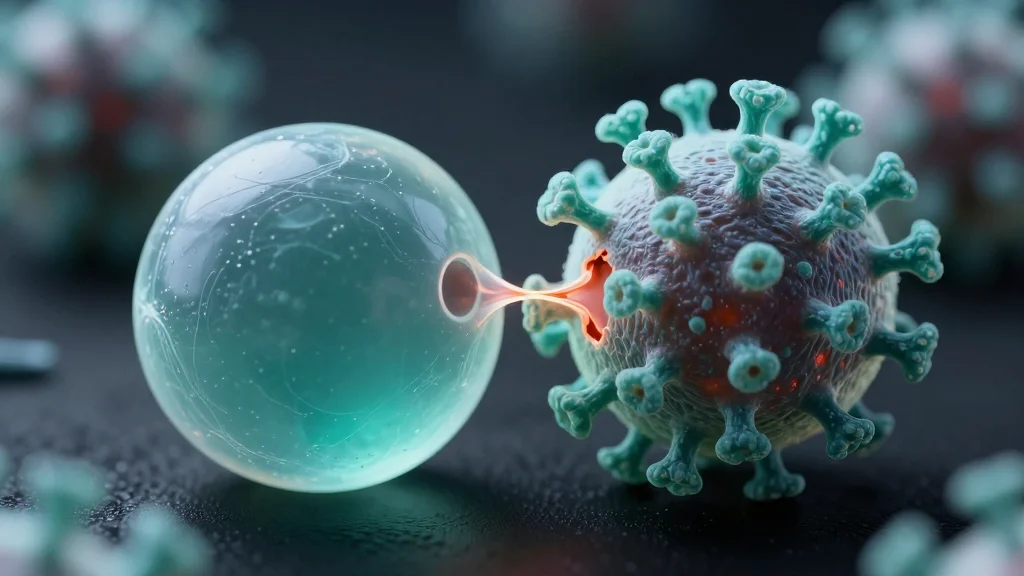
Novel Wide‐Spectrum Virucidal Lipid Nanoparticles (Small 7/2026)
Researchers Yugo Araújo Martins, Caroline Tapparel and colleagues introduced POSTAN, a lipid‑based nanoparticle that mimics heparan sulfate proteoglycans and viral lipid rafts. By exploiting the same entry pathways viruses use, POSTAN physically disrupts viral envelopes, halting replication. The platform showed...

Bandgap Engineering On Demand in GaAsN Nanowires by Post‐Growth Hydrogen Implantation
Researchers demonstrated post‑growth hydrogen implantation to raise the bandgap of GaAsN core‑shell nanowires by up to 460 meV, a shift far beyond what is achievable in planar epilayers. The process forms nitrogen‑hydrogen complexes that push the bandgap toward the GaAs value...

The State‐of‐the‐Art Two‐Dimensional Heterostructure Engineering on MXenes and Metal Chalcogenides for Boosting Lithium‐Ion Storage Properties
The review highlights recent progress in two‑dimensional MXene/metal‑chalcogenide heterostructures for lithium‑ion batteries, detailing synthetic routes, interfacial coupling mechanisms, and performance gains. By combining MXenes’ metallic conductivity with the high capacity of sulfides, selenides, and tellurides, these composites achieve markedly higher...

Lithium Extraction in Confined Channels
A recent review spotlights confined‑channel membranes as a breakthrough for sustainable lithium extraction from aqueous sources, including low‑grade seawater. By engineering sub‑nanometer pathways, these membranes achieve high lithium selectivity through size exclusion, pore‑wall interactions, and specific chemical affinities. The paper...

Spectrally Engineered Hierarchical Nanocomposite Enabling Full‐Spectrum Solar‐Thermal Conversion and Dynamic Anti‐/De‐icing in Harsh Environments
Researchers have created a spectrally engineered nanocomposite (PBMI‑PANI‑Cu@PZS) that converts the entire solar spectrum into heat, reaching a 65.1 °C temperature rise under one‑sun illumination. The material combines UV‑to‑visible Stokes shifting, plasmonic copper nanorods, and near‑ and far‑infrared absorbers to achieve...
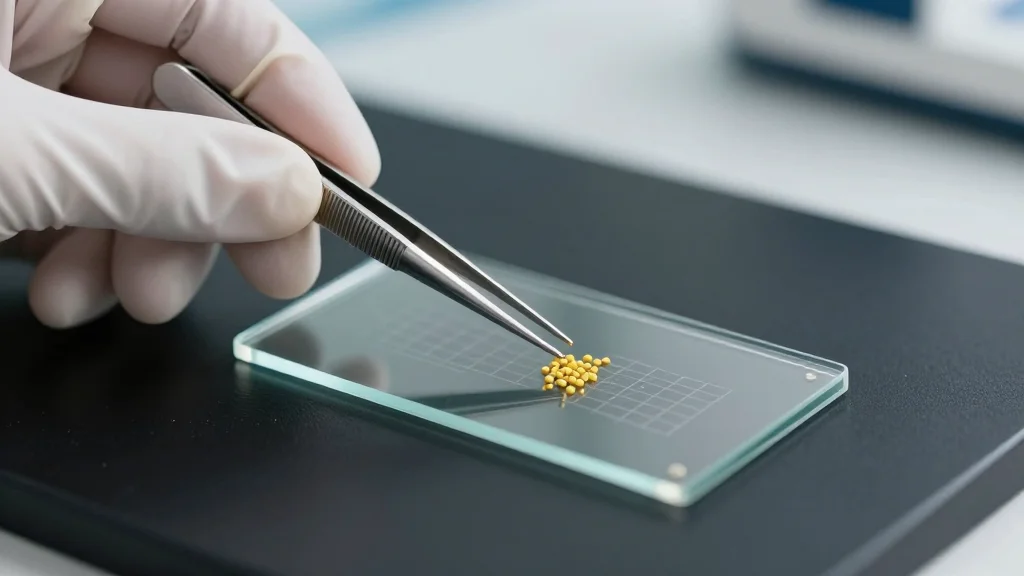
Bimetallic Active Sites Accelerate Electrons Transfer for Photo‐Thermal Catalytic CO2 Reduction
Researchers engineered bimetallic Fe–Ni active sites on a CaFeO3 perovskite to create a photo‑thermal catalyst that dramatically improves CO2 conversion. The Fe‑decorated Ni particles shift Ni’s 3d orbitals lower, accelerating electron transfer and favoring a formate‑dominated pathway. This catalyst achieved...

Large‐Area Atomically Thin WS2 Enables Exceptionally Scratch‐Resistant Silica Glass
Researchers have demonstrated that a large‑area, single‑layer WS2 film grown by chemical vapor deposition can dramatically improve the scratch resistance of silica glass. Atomic‑force microscopy tests show a roughly 95% reduction in nanoscale friction, effectively eliminating abrasive wear while maintaining...

Magnetron Sputtered Metallic Thin Films as Li‐Ion Battery Anodes
The review evaluates how magnetron sputtering advances metallic thin‑film anodes for Li‑ion batteries, targeting three core barriers: slow Li‑ion kinetics, pronounced volume expansion, and low initial Coulombic efficiency (ICE). It details nanostructure engineering, hybridization, and alloying strategies applied to Si,...