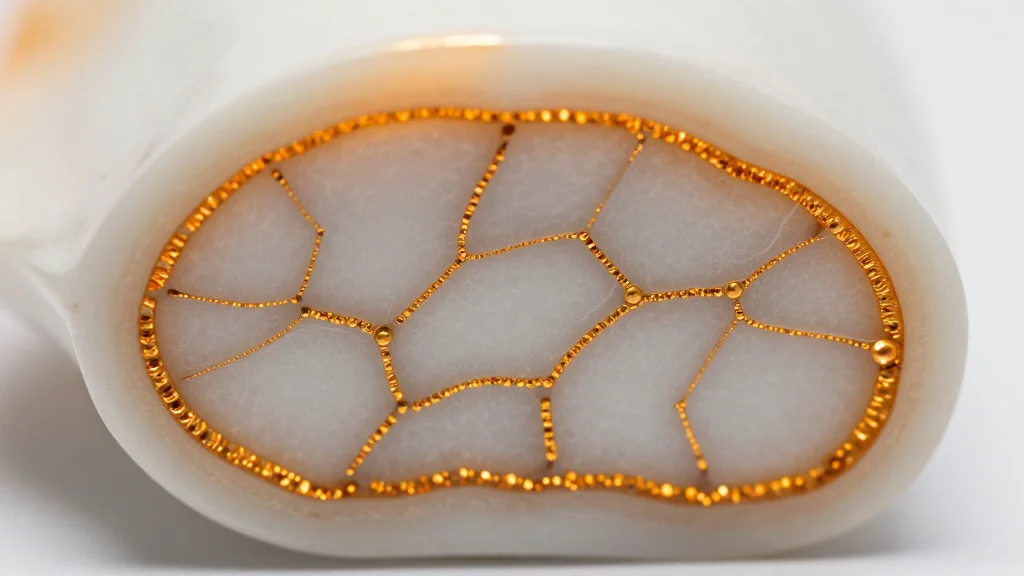
High Temperature Ni‐Diffusion Plaguing Ionic Conductivity of Solid Oxide Cell
Researchers discovered that the conventional 1400°C sintering step in solid oxide cell (SOC) manufacturing drives nickel atoms to migrate and accumulate at yttria‑stabilized zirconia (YSZ) grain boundaries. This Ni segregation, reaching up to 7 at.%, creates thick space‑charge layers that block oxide‑ion transport, cutting the overall ionic conductivity by roughly 50% at the cell’s operating temperature of ~750°C. By applying an ultrafast high‑temperature sintering technique, the team suppressed Ni enrichment, effectively doubling the ionic conductivity at 700°C. The findings point to grain‑boundary engineering as a critical lever for lowering SOC ohmic resistance and enhancing performance.

Temperature‐Driven Reversible P‐to‐n Switching in Ionic Liquid‐Modified Single‐Walled Carbon Nanotube Thermoelectric Films for Flexible Waste Heat Recovery
Researchers have created binary single‑walled carbon nanotube (SWCNT) films modified with imidazolium‑based ionic liquids that autonomously switch their thermoelectric polarity from p‑type to n‑type as temperature rises. The switching temperature aligns with the anion’s molecular mass, occurring around 130 °C for...
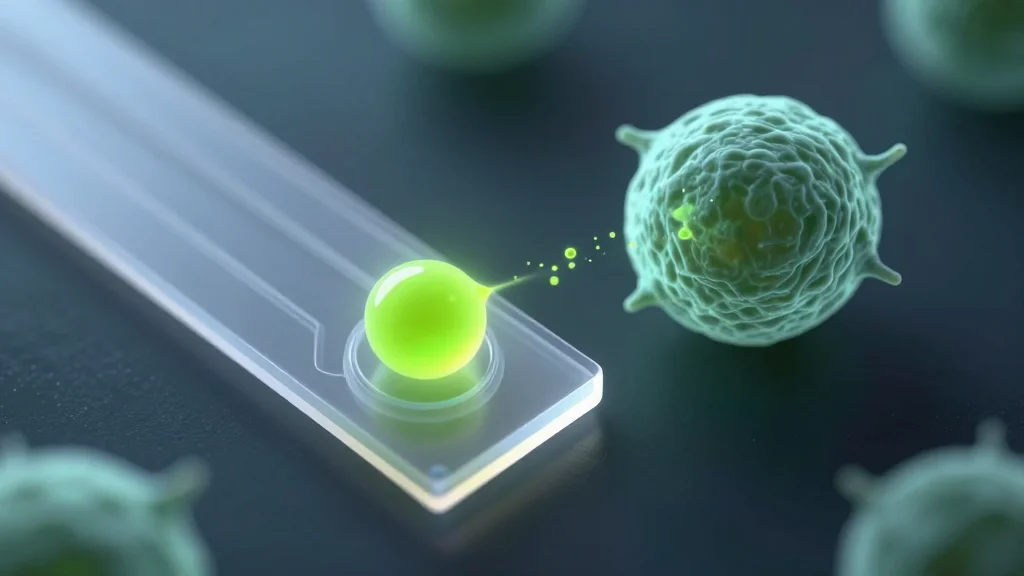
Safe and Efficient CRISPR Genome Editing of Primary Human T Cells Using a Droplet‐Based Cell Mechanoporation Platform
The paper presents a microfluidic droplet mechanoporation platform that delivers macromolecules into primary human T cells with unprecedented efficiency and viability. It achieves ~98% delivery of 2000 kDa FITC‑dextran and ~99% mRNA transfection, enabling robust CAR‑T cell generation. CRISPR‑Cas9 ribonucleoproteins are...
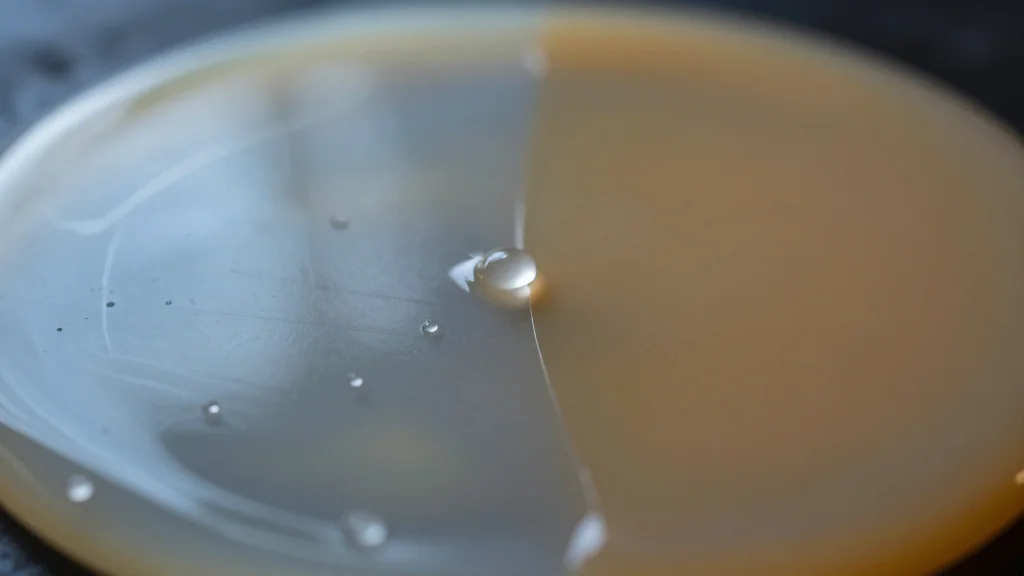
Topography‐Free Dual‐Lubricant Patterned Slippery Surfaces for Programmable Droplet Control and High‐Performance Water Harvesting
Researchers have developed a topography‑free slippery liquid‑infused porous surface (HOIPS) that uses spatially patterned dual lubricants to create interfacial energy contrasts, directing droplet migration without external forces. By chemically fluorinating selected regions of a PTMSDPA polymer film and infusing fluorinated...

Bioinspired Dual‐Pathogen Defense Through Electrostatic‐Capturing and Light‐Burst Sterilization for Smart Screen Windows
Researchers have created an ambient‑light‑activated antimicrobial coating by integrating quaternary ammonium salts (QAS) with aggregation‑induced emission (AIE) photosensitizers onto nonwoven fabrics. The dual‑functional system first electrostatically captures pathogens and then uses light‑burst ROS generation to inactivate them, delivering >99.9% reduction...

Supramolecular Assemblies of Self‐Immolative Janus Dendrimers With Rapid Photodegradation Response
Researchers have engineered self‑immolative Janus dendrimers (SIJDs) that spontaneously assemble into uniform spherical nanoparticles. The dendrimers feature a hydrophilic phenolic‑acid side and a hydrophobic oligo(ethyl glyoxylate) tail bearing UV‑responsive end groups. Upon brief UV exposure, the hydrophobic segment undergoes rapid...
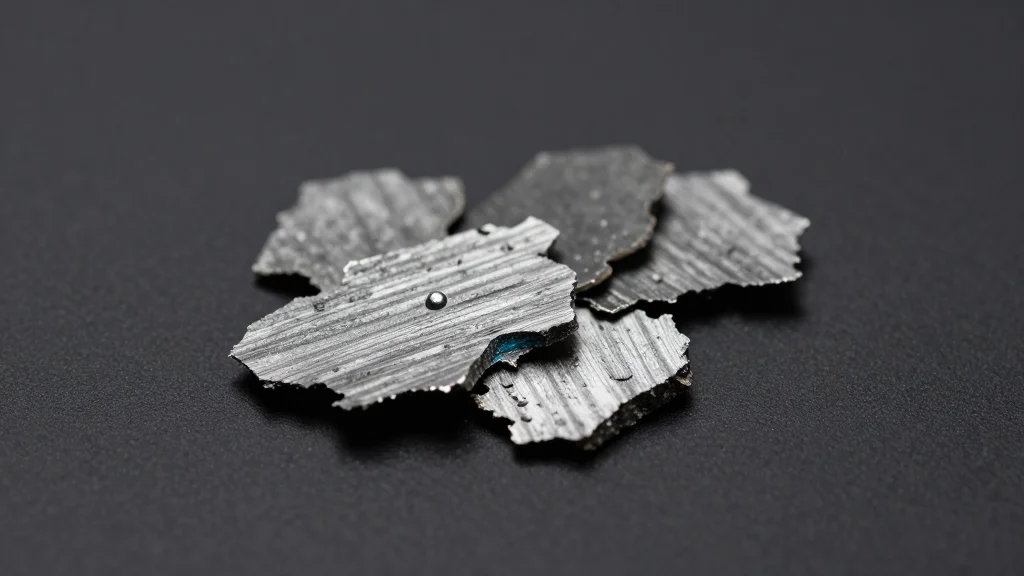
Nanostructure and Interface Engineering of Graphite Anodes for High‐Performance Potassium‐Ion Batteries: Mechanisms, Strategies, and Perspectives
The review examines graphite anodes for potassium‑ion batteries (PIBs), highlighting their promise due to low redox potential and cheap, stable structure. It details intrinsic challenges such as slow K⁺ diffusion, pronounced volume change, and unstable solid‑electrolyte interphase (SEI). The authors...
Acid Resistant and Highly Silver Selective Membranes Based on Charged Nanoporous 2D‐Materials
Researchers have created charged nanoporous 2D nanosheet membranes that selectively separate silver ions from other metals in waste electronics leachates. The membranes show unprecedented Ag selectivity, rapid separation within two minutes, and rare stability in acidic conditions. They also reveal...

Versatile Chitosan‐Based Hydrogel Dressings for Multi‐Scenario Wound Management
Researchers have engineered chitosan‑based hydrogel dressings that combine dynamic covalent and non‑covalent cross‑linking to deliver self‑healing, hemostatic, and antimicrobial functions. These smart hydrogels can release therapeutics on demand and respond to pH, temperature, or glucose cues, making them suitable for...

Dynamic Photovoltaic‐Electrolysis Coupling of Stable (>1000 H) CuP/CoF Catalysts with 6% Solar‐to‐Fuel Efficiency
Researchers introduced a dual‑functional CuP/CoF catalyst that maintains over 1000 hours of stable operation in anion‑exchange membrane electrolyzers, achieving 81.2% faradaic efficiency for nitrate‑to‑ammonia conversion at –0.3 V vs. RHE. Coupled with >25%‑efficient silicon PV modules, the integrated PV‑EC system produced ammonia...

QUT Researchers Secure Funding to Turn Waste Into Graphene Cooling Materials
The Australian Economic Accelerator Ignite program has allocated more than AU$2.7 million to seven Queensland University of Technology research teams, including a project led by Dr. Zengji Yue. The team will develop graphene‑based thermal interface materials by laser‑transforming organic waste such as...

Electron-Phonon 'Surfing' Could Help Stabilize Quantum Hardware, Nanowire Tests Suggest
UCLA researchers discovered that electrons can "surf" phonon waves in quasi‑one‑dimensional nanowires, causing flicker noise to drop as current rises. The effect was demonstrated in tantalum‑based and niobium‑based nanowires, with noise falling below measurable limits even at room temperature. This...
Graphene Sealing Enables First Atomic Images of Monolayer Transition Metal Diiodides
Researchers at the University of Manchester’s National Graphene Institute have demonstrated the first atomic‑resolution transmission electron microscopy images of monolayer transition metal diiodides by sealing the samples in graphene. The graphene‑encapsulation technique extends the usable lifetime of these highly reactive...

Quick Test Can Curb Antimicrobial Resistance, Identifying Bacteria and Antibiotic Susceptibility in Under 40 Minutes
McGill researchers unveiled QolorPhAST, a compact diagnostic that identifies bacterial species and determines antibiotic susceptibility in just 36 minutes, dramatically faster than the conventional 48‑72‑hour culture methods. The system leverages nanoplasmonic colorimetric sensors, microfluidic channels, and machine‑learning image analysis to...
How Lipid Nanoparticles Carrying Vaccines Release Their Cargo
Researchers at Friedrich‑Alexander University Erlangen‑Nürnberg have simulated how lipid nanoparticles used in mRNA vaccines release their cargo within acidic endosomes. Their computer models show that amino lipids become positively charged at specific pKa values, causing membrane destabilization and cargo discharge....

Nanocrystal Biohybrids Harvest Light to Reduce N₂ Gas to Ammonia
Researchers at the National Laboratory of the Rockies and partner universities created a nanocrystal‑biohybrid that uses cadmium sulfide quantum dots to harvest light and supply electrons to a molybdenum‑iron (MoFe) nitrogenase protein, driving the conversion of atmospheric N₂ into ammonia....
TUM Unveils EU’s 1st 7nm AI Chip with Local Processing and RISC-V Architecture
Technical University of Munich unveiled the EU’s first 7‑nanometer AI chip, a neuromorphic processor built on an open‑source RISC‑V architecture. Designed by Prof. Hussam Amrouch, the chip processes data locally, promising higher privacy and security than cloud‑centric solutions. Production will shift...

SQC Launches Quantum Twins Simulator and Reports 15,000-Qubit Register Fabrication
Silicon Quantum Computing (SQC) unveiled Quantum Twins™, an analogue quantum simulator built on a 15,000‑qubit silicon quantum‑dot array fabricated with 0.13 nm precision. The platform demonstrates controllable on‑site interaction (U) and tunnel coupling (t) across a 100 × 150 lattice, achieving U/t ratios...

Nanobodies: A Cure for Treatment-Resistant Depression Depression?
Researchers at the University of Miami have engineered a nanobody, Nb20, that selectively inhibits the metabotropic glycine receptor (mGlyR), a newly identified driver of depression. In rodent models, a single intranasal dose produced rapid antidepressant‑like behavior comparable to ketamine, with...

QT Sense Secures €4M ($4.7M USD) for Nanodiamond-Based Cellular Sensing Platform
QT Sense, a Dutch biotech startup, closed a €4 million seed round led by Cottonwood Technology Fund, supplemented by an ONCO‑Q grant and the Quantum Forward Challenge. The capital will accelerate development of Quantum Nuova, a nanodiamond‑based quantum‑sensing platform that provides real‑time,...

Electrochemical Unzipping of Carbon Nanotubes in a Molten Salt
Researchers have demonstrated an electrochemical technique that unzips carbon nanotubes into graphene stacks within a molten CaCl2‑NaCl salt. The melt temperature governs the resulting architecture, producing few‑layer turbostratic graphene below 850 °C and Bernal‑type graphite above 900 °C, both with ultralow defect...

Finite Size‐Effects in Martensite Microstructure of Magnetic Shape Memory Films
Researchers examined epitaxially grown Ni‑Mn‑Ga magnetic shape memory films to reveal how finite dimensions influence ferroelastic martensite microstructures. By comparing constrained (substrate‑bound) and freestanding micro‑patterns, they showed that both retain the variant distribution of the continuous film. Film thickness emerged...
Beyond Imaging: Atomic Force Microscopy as an Integrated Tool for Nanomechanical Probing and Active Manipulation of Low‐Dimensional Materials
Atomic force microscopy (AFM) is emerging as a versatile platform for probing and manipulating the nanomechanics of one‑ and two‑dimensional materials. The review details AFM‑based techniques that quantify elastic modulus, strength, adhesion, friction, superlubricity and fatigue with piconewton force sensitivity...

Trapped Energy Level‐Assisted Ultrafast Interfacial Charge Transfer in S‐Scheme Heterojunctions
Researchers have boosted interfacial electron transfer in CdS/TiO2 S‑scheme heterojunctions by engineering oxygen‑vacancy trap states on fluorine‑doped TiO2 surfaces. In‑situ soft X‑ray absorption and femtosecond transient absorption spectroscopy revealed an ultrafast, trap‑assisted charge‑migration pathway that extends carrier lifetimes and suppresses...
Molecular Engineering of Functionalized Amino‐Acid Additives for Synergistic Stabilization of Zinc Metal Anode
Researchers introduced a molecular engineering approach to create multifunctional electrolyte additives that stabilize zinc metal anodes. By screening twenty functionalized amino acids, they designed N‑Glycyl‑L‑tyrosine (GT), which merges glycine’s carboxyl group and tyrosine’s phenolic hydroxyl and carbonyl groups. GT coordinates...
Ultrathin Freestanding MoSiN Nanocomposite Membranes as Efficient High‐Temperature Mid‐Infrared Thermal Emitters
Researchers have fabricated a freestanding 12 nm MoSiN nanocomposite membrane that combines intermetallic and dielectric phases to act as an efficient mid‑infrared emitter. The membrane exhibits metal‑like emissivity of 0.41 and retains structural integrity at temperatures up to 900 °C, while its...

Engineering Lattice Asymmetry via a Cs+‐Triggered Domino Effect for Ultra‐Broadband Visible Emission From a Single Sb3+ Luminophore
Researchers have shown that incorporating cesium ions into the layered perovskite derivative (C4H14N2S2)2Cs2InCl9 triggers a structural “domino effect” that breaks lattice symmetry. This asymmetry creates two inequivalent indium chloride octahedra, which, when doped with antimony (Sb3+), produce ultra‑broadband visible photoluminescence...

Polymer‐Coated Manganese Dioxide Nanoparticles for Foliar Mn Delivery: Mechanisms of Uptake and Metabolic Responses in Mn Deficient Barley
Researchers demonstrated that ~25 nm polyacrylic acid‑coated MnO₂ nanoparticles can rapidly penetrate barley leaves through stomata when applied as a foliar spray. Within two hours the particles dissolve, releasing Mn²⁺ that restores photosynthetic efficiency in Mn‑deficient plants without causing phytotoxicity, even...
Hydrophobic Drug-Loaded pRNA Nanoparticles Target Tumors Safely
Researchers have engineered branched four‑way junction (4WJ) RNA nanoparticles that can conjugate up to 24 hydrophobic chemotherapeutic molecules, including camptothecin and paclitaxel. The RNA platform boosts paclitaxel’s water solubility by roughly 32,000‑fold and uses click‑chemistry ester linkers that cleave in...
Block Copolymer Particle‐Templated Cavitated Carbons Achieve Local Alkalinity for Enhancing Acidic Electrochemical CO2 Reduction
Researchers introduced a cavitated carbon particle (CCP) support for gold catalysts by exploiting interfacial instability in block‑copolymer particles. The resulting Au/CCP features ~130 nm internal cavities that concentrate OH⁻ ions, creating a locally alkaline microenvironment even when the bulk electrolyte is...
Engineered Nanofiber‐Based Nerve Guidance Conduit Facilitates the Restoration of Peripheral Nerve Injury Through Enhanced Vascularization
Researchers engineered a nerve guidance conduit (NGC) by coating electrospun polycaprolactone (PCL) nanofibers with endothelial cell‑derived matrix (ECd). The ECd@PCL scaffold provides oriented physical cues and bioactive signals that boost axonal extension in PC12 cells and improve intercellular communication in...

Unraveling Dynamic Interplay on Defective Indium Sites During CO2 Photoreduction
Researchers combined operando X‑ray photoelectron spectroscopy and infrared spectroscopy to map how CO₂ interacts with defective indium sulfide (In₂S₃) surfaces. Sulfur vacancies create electron‑rich indium sites that strongly adsorb CO₂, leading to sequential formation of *COOH and *CO intermediates under...

Interfacial Engineering for Enhanced Adhesion of Diamond Coatings
The review outlines the persistent adhesion challenges of thin‑film diamond coatings on non‑diamond substrates and details engineering approaches to overcome them. It highlights how thermal‑expansion mismatches, poor nucleation, and substrate degradation cause delamination. Strategies such as substrate roughening, interlayer insertion,...

Thomas Farrell
NanoSyrinx, a synthetic‑biology firm developing nanosyringe platforms for intracellular delivery, announced Thomas J. Farrell as its new Chief Executive Officer and Director, succeeding founder Joe Healey. Farrell brings more than 25 years of biotherapeutics leadership, having founded two NASDAQ‑listed companies...

Induced-Fit Growth of Ga Semiconductors for Neuromorphic Devices
Researchers introduced an “induced fit” growth technique that produces gallium‑based semiconductor thin films capable of atomic‑scale adaptation to substrates. The resulting films exhibit defect‑free crystal structures, high electron mobility, and robust performance under mechanical deformation, enabling flexible neuromorphic and optoelectronic...
Graphene-Info Publishes a New Edition of Its Graphene Supercapacitors Market Report
Graphene‑Info released the February 2026 edition of its Graphene Supercapacitors Market Report, updating market data, project pipelines, and research breakthroughs. The report highlights graphene’s role in enhancing energy density and power delivery for supercapacitors used in electric vehicles, mobile devices, and...
First Graphene Signs Agreements with Syron Greenthrust Dynamics
First Graphene has signed a distribution agreement and memorandum of understanding with India‑based Syron GreenThrust Dynamics, opening a commercial route for its PureGRAPH® products across India, the UAE and SAARC nations. The three‑year deal ramps volume from 0.25 tonnes in year...
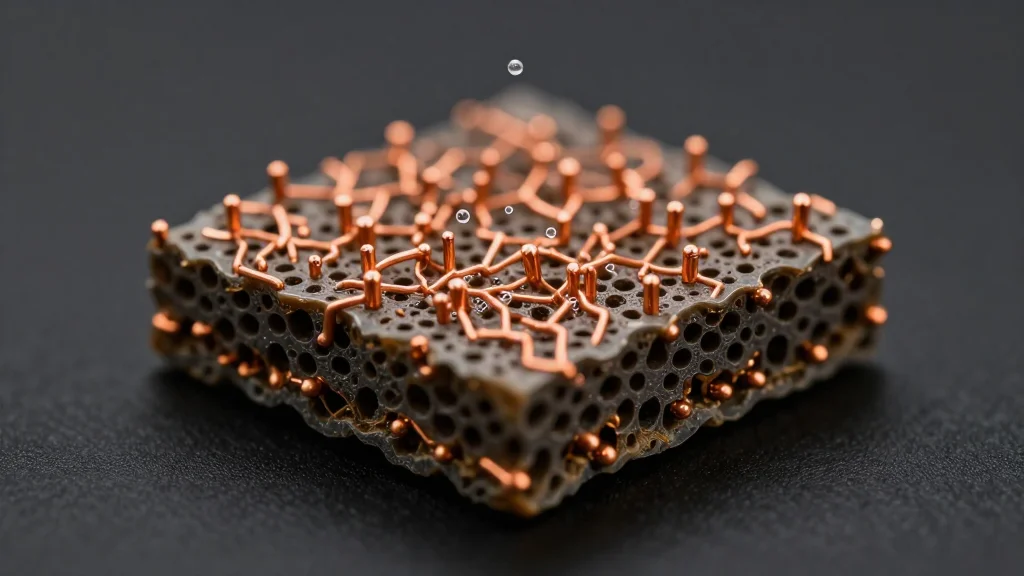
Tandem Architectures for Electrochemical CO2 Reduction: From Coupled Atomic Sites to Tandem Electrolysers
The review outlines how tandem architectures—linking atomic‑scale active sites with multi‑stage electrolyzers—drive electrochemical CO₂ reduction toward multicarbon products. It highlights the role of metal‑N‑C catalysts for selective CO generation, followed by copper‑based downstream catalysts that couple CO into C₂⁺ fuels....

Warning of Kidney Cell Damage From High Exposure to Nanoplastics
Flinders University researchers have demonstrated that high concentrations of nanoplastics can damage kidney cells, altering shape, survival and regulatory functions. The laboratory study exposed renal cells to polystyrene, PMMA and polyethylene particles of varying sizes, finding toxicity depends on both...
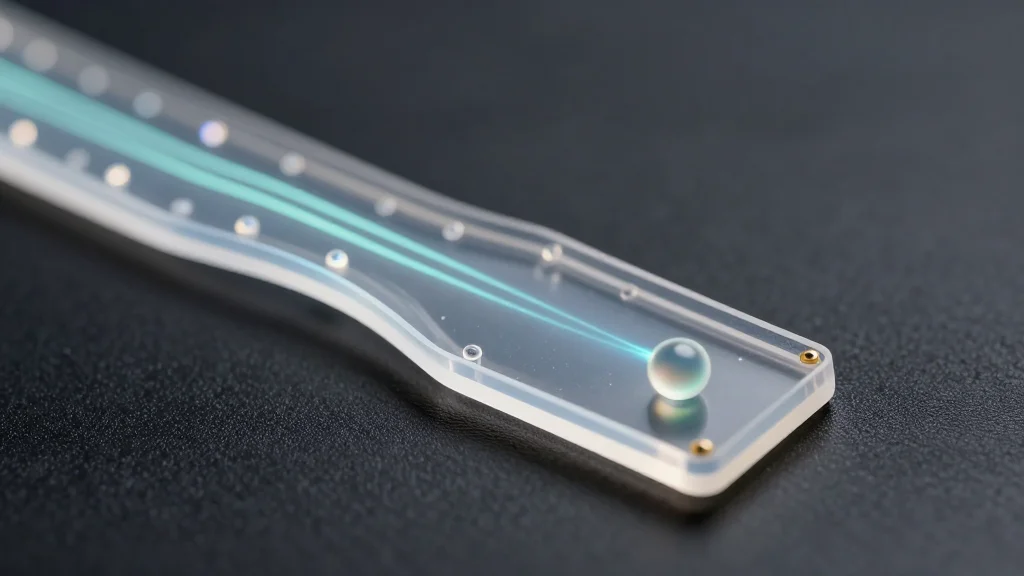
On-Chip Optical Tweezers Enable High-Throughput Biomanipulation
Researchers have introduced flexible, stretchable on‑chip optical tweezers that retain high‑precision trapping while bending or stretching. The platform uses elastomeric waveguides and micro‑lenses to deliver parallelized, high‑throughput manipulation of bioparticles. Demonstrations show reliable performance after thousands of deformation cycles and...
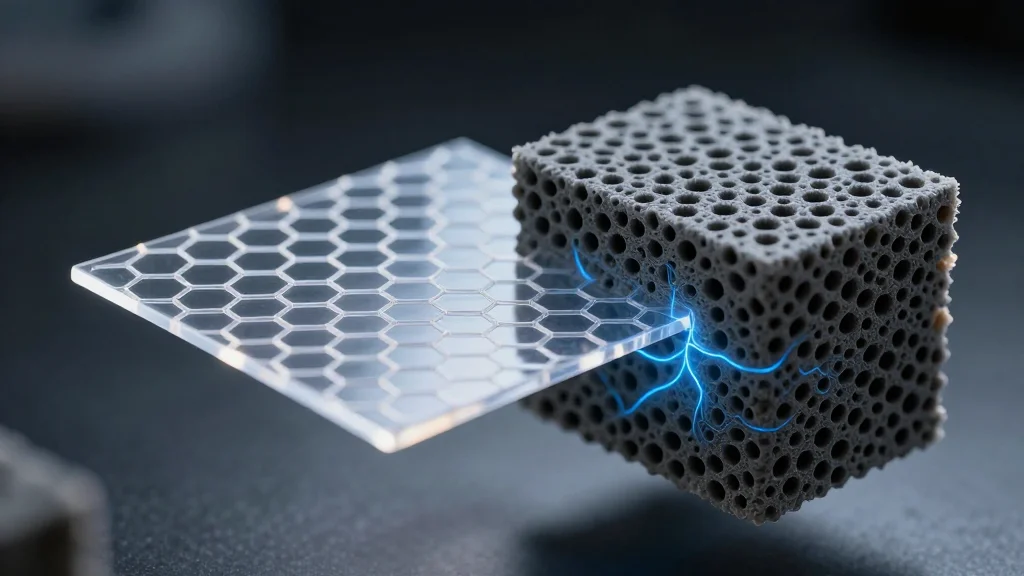
Agenda Update: Skeleton Technologies Joins Graphene Connect 2026!
Graphene Connect 2026 has added a new session featuring Skeleton Technologies, the European high‑power energy storage leader. The company will deliver a talk titled “From 2D to 3D: Turning Advanced Materials into Product‑Level Benefits,” highlighting how carbon‑based 2D materials can...
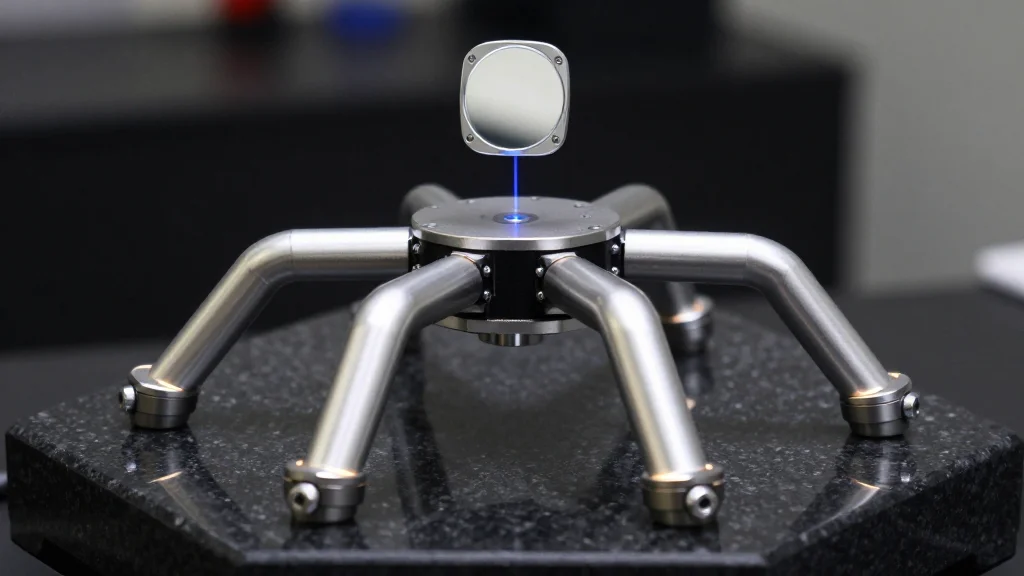
New Brochure for High-Precision Motion Control, Nanopositioning Automation & Piezo Solutions
Physik Instrumente (PI) has issued a new brochure positioning the company as a long‑term OEM partner for high‑precision motion control, nanopositioning and piezo solutions. The catalogue highlights fast steering mirrors, 6‑DoF hexapods, granite‑based multi‑axis platforms and nano‑focus motors tailored for...
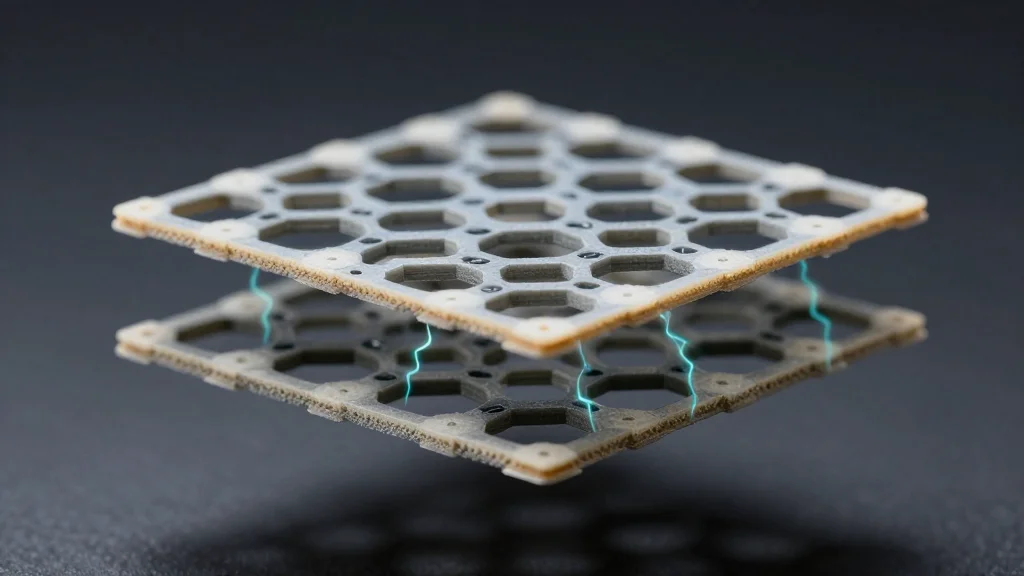
Stacked Graphene Sandwich Reveals Switchable Memory without Traditional Ferroelectrics
A research team from DGIST and KAIST demonstrated a novel memory device that uses a graphene‑hBN‑α‑RuCl₃ sandwich structure to generate switchable electric dipoles without any traditional ferroelectric material. The interfacial charge rearrangement creates a ferroelectric‑like state that can be written...

Ultra-Thin Metasurface Can Generate and Direct Quantum Entanglement
Researchers at Nanjing University and the University of Science and Technology of China have demonstrated an ultra‑thin metasurface that both creates and routes polarization‑entangled photon pairs. The nanostructured silicon‑pillar array converts two orthogonal photons into Bell‑state entanglement across multiple output...

Niobium's Superconducting Switch Cuts Near-Field Radiative Heat Transfer 20-Fold
University of Michigan engineers have demonstrated that a thin niobium film, when cooled below its superconducting transition at 7.4 K, suppresses near‑field radiative heat transfer by a factor of 20 compared with its normal metallic state. The team built a scanning...

Injectable Thermogel‐Loaded Bi2S3 Nanorods for Synergistic Photothermal Bacterial Elimination and Anti‑Inflammation to Remodel Periodontitis Microenvironment
Researchers have created an injectable, thermosensitive hydrogel (Bi2S3@Gel) loaded with bismuth sulfide nanorods that activates under near‑infrared light. The material delivers mild photothermal heating, amplifies reactive oxygen species, and depletes glutathione, achieving potent antibacterial action. At the same time, the...
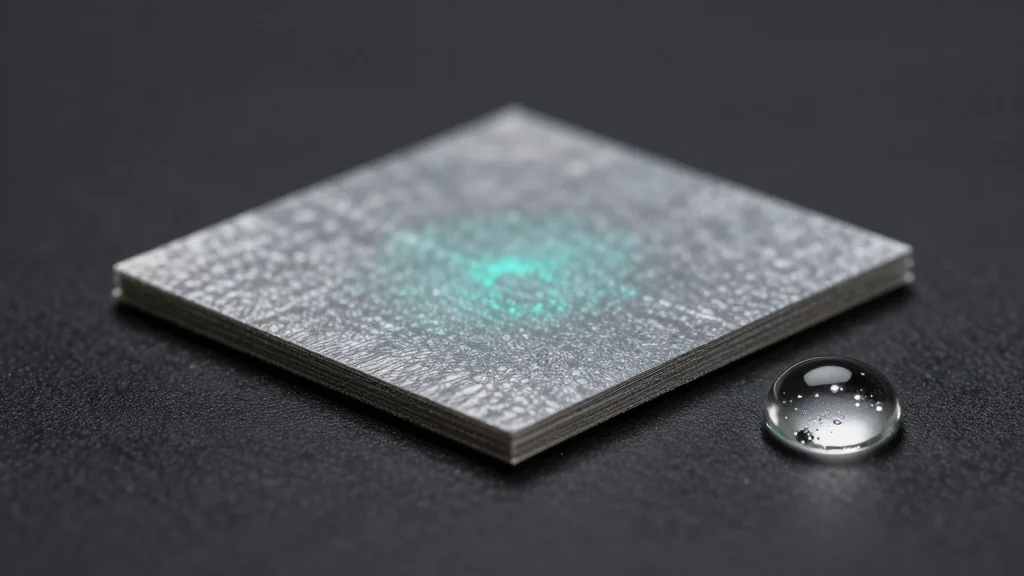
Ti3C2 MXene Nanosheets and K+/Strong Base Synergistically Regulated G‐C3N5 Jointly Construct a Novel Photogenerated Electron Capacitor for Efficient Photosynthesis of...
Researchers introduced a photo‑induced electron capacitor (MKCN) by self‑assembling Ti3C2 MXene nanosheets with potassium‑ and strong‑base‑treated nitrogen‑rich carbon nitride (g‑C3N5). The hybrid functions as a dual‑electrode system where g‑C3N5 generates electrons and MXene captures them, enabling spatial charge separation and...
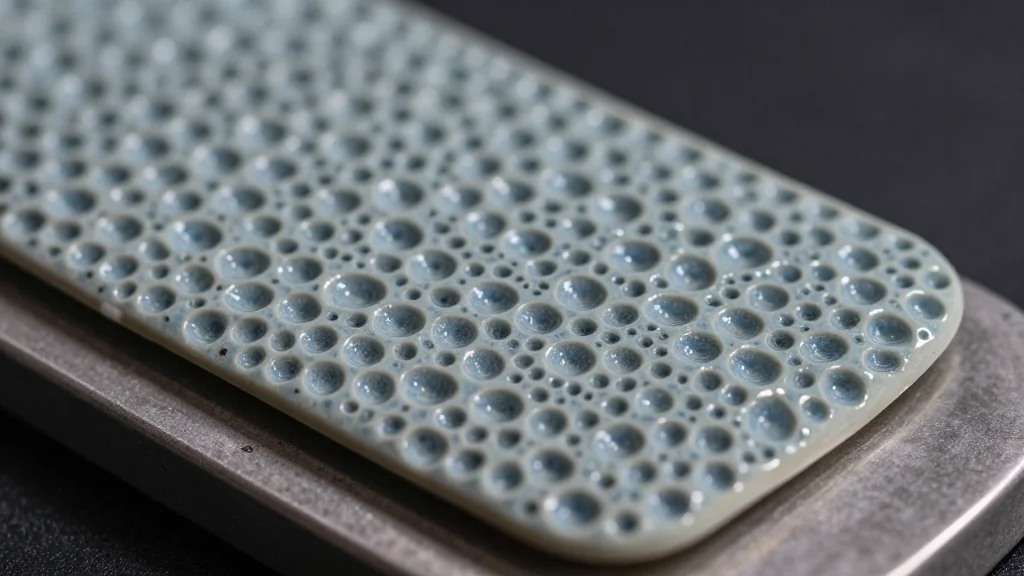
Enhancing Active Surface Area and Gas Diffusion Properties of Low‐Temperature Solid Oxide Fuel Cell Cathodes by Sputtering with Glancing Angle...
The research introduces glancing angle deposition (GLAD) to fabricate nanoporous La0.6Sr0.4Co0.2Fe0.8O3‑δ (LSCF) thin‑film cathodes for low‑temperature solid oxide fuel cells (LT‑SOFCs). By adjusting sputtering pressure and film thickness, the team achieved a nanocolumnar structure with 21.5% porosity, cutting polarization resistance...
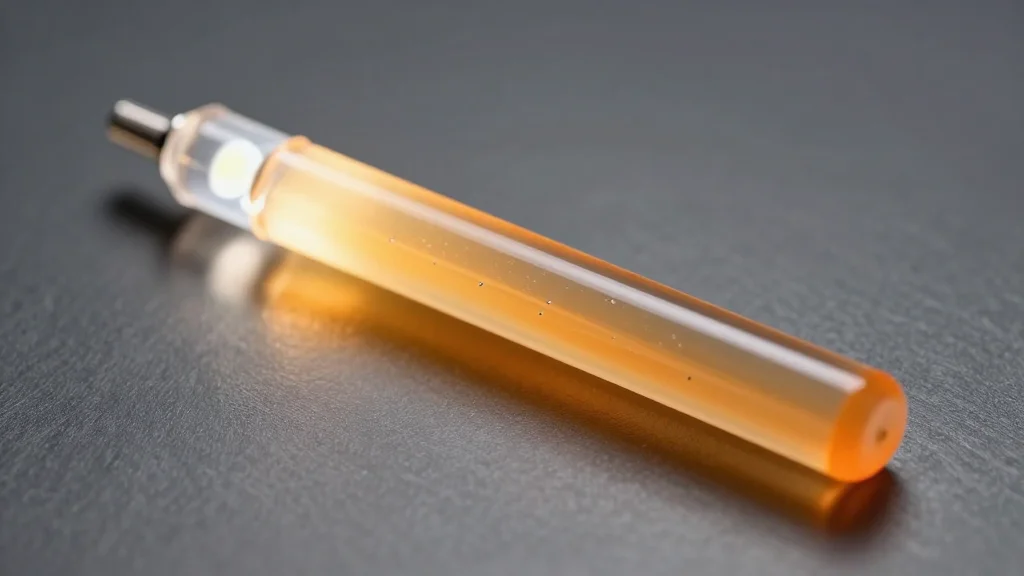
Cation‐Doped Ionic Thermoelectric Ionogels With Nonlinear Temperature‐Voltage Response Characteristics
Researchers developed a PVDF‑HFP‑based ionogel doped with various cations, achieving a thermopower of 23.7 mV K⁻¹ and a power density of 102.8 µW m⁻² K⁻². Precise temperature‑difference control induces a nonlinear temperature‑voltage response due to dynamic ion‑concentration reconstruction. An 18‑unit ionic thermoelectric device produced 2.09 V,...
The Next Frontier in Perovskite Stability: Operando Smart‐Responsive Materials Driving the Next Revolution
Researchers are integrating stimulus‑responsive materials into perovskite solar cells to turn external stressors—light, heat, humidity—into stabilizing actions. These operando smart‑responsive layers dynamically adjust their physicochemical state, curbing ion migration and extending device lifetimes. The review outlines recent mechanisms, from reversible...