
Co‐Assembled Layers for High Performance Wide Bandgap Inverted Perovskite Solar Cells
Researchers introduced a co‑assembled hole‑transport layer (AH‑SAM) by blending aminoguanidine dihydrochloride with the standard Me‑4PACz self‑assembled monolayer. The hybrid interface passivates halide vacancies, curbs Me‑4PACz aggregation, and lowers the HTL HOMO level, delivering an open‑circuit voltage of 1.27 V and a record 22.97% power conversion efficiency for a 1.67 eV wide‑bandgap perovskite cell. AH‑SAM also boosts UV stability, preserving 96% of its initial efficiency after 1,000 hours of continuous illumination. These gains address the long‑standing voltage loss and degradation issues in high‑bandgap perovskites.

Pollutants to Products: A Tailored Multicomponent Photocatalyst for Simultaneous CO2 and Plastic Waste Conversion
Researchers have engineered a high‑entropy oxide photocatalyst (BaTiNbTaZnO9) that simultaneously reduces CO₂ to carbon monoxide with over 95% selectivity and oxidizes polyethylene terephthalate (PET) waste into methane, acetate, glycolate and terephthalate under light. The catalyst’s distorted lattice combines electron‑accepting d⁰...

Tailored Molecular Fillers Enable High‐Temperature Insulation and Long‐Term Operating Stability in All‐Organic Polymers
Researchers introduced the TU3 organic molecule as a molecular filler for epoxy resin, creating deep charge traps that dramatically improve dielectric performance. With just 0.02 wt% TU3, breakdown strength rose 30.75% at room temperature and 52.28% at 120 °C, while maintaining long‑term...

Promises and Challenges of Na4Fe3(PO4)2(P2O7) Cathode for Electric Vehicles and Energy Storage From an Industrial Perspective
The review establishes a performance‑to‑application framework for Na4Fe3(PO4)2(P2O7) (NFPP) cathodes in sodium‑ion batteries, assessing six key metrics including energy density, power density, cycle life, temperature range, safety and cost. It benchmarks NFPP against commercial LiFePO4, highlighting comparable energy density, superior...

Engineering Interface Polarity via Halide‐Functionalized Self‐Assembled Monolayers for NiO‐Based QLEDs with High External Quantum Efficiency
Researchers introduced halide‑functionalized 2PACz self‑assembled monolayers (SAMs) on Cu‑doped NiO hole‑injection layers, creating a strong interfacial dipole that deepens the valence band and lowers the hole‑injection barrier. The high polarizability of the halide groups enhances van der Waals forces, yielding...
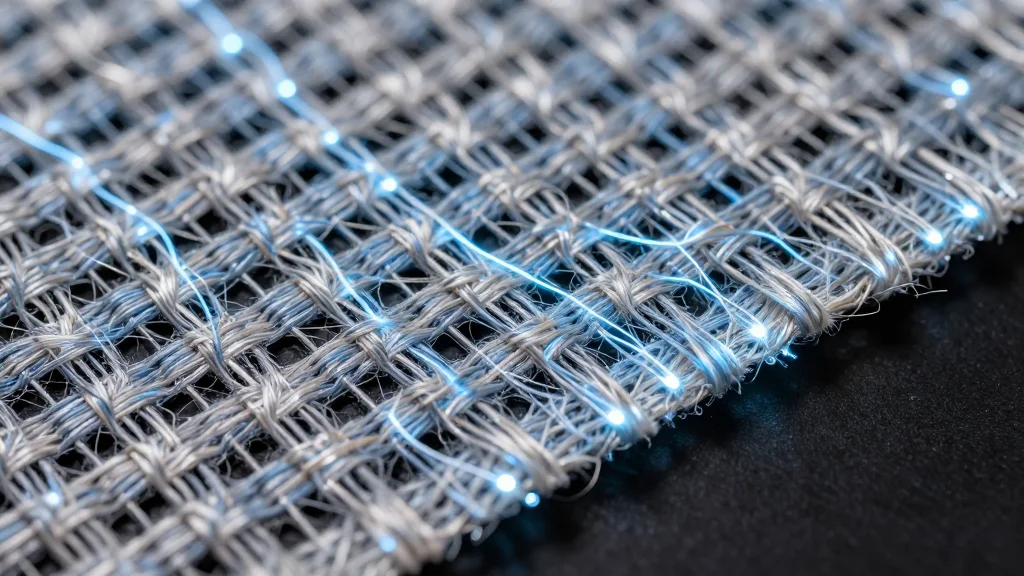
Dual‐Mode Triboelectric Textiles with Electrostatic Breakdown for Energy Harvesting and Motion Monitoring
The researchers introduced a dual‑mode triboelectric textile (DMTT) that can generate direct‑current (DC) in contact‑sliding mode and alternating‑current (AC) in contact‑separation mode. By employing core‑sheath‑structured fibers woven with cotton and conductive yarns, the fabric achieves a peak instantaneous DC current...

Confining Polyiodide in Polymer Cathode Boosts Cycling Stability in High Energy‐Dense Aqueous Zinc‐Sulfur Batteries
Researchers introduced a cationic polymer, poly(vinyl butyl imidazolium iodide) (PVIMI), that immobilizes polyiodide species within the cathode of aqueous zinc‑sulfur batteries. This confinement accelerates sulfur redox reactions, curtails polyiodide shuttling, and mitigates zinc anode corrosion. The binder‑free PVIMIx cathode delivers...

A Breakthrough that Turns Exhaust CO2 Into Useful Materials
Scientists have created a three‑layer electrode that simultaneously captures carbon dioxide from exhaust streams and converts it into formic acid. The device outperforms existing technologies, delivering about 40 % higher efficiency with pure CO₂ and maintaining strong output in simulated flue...
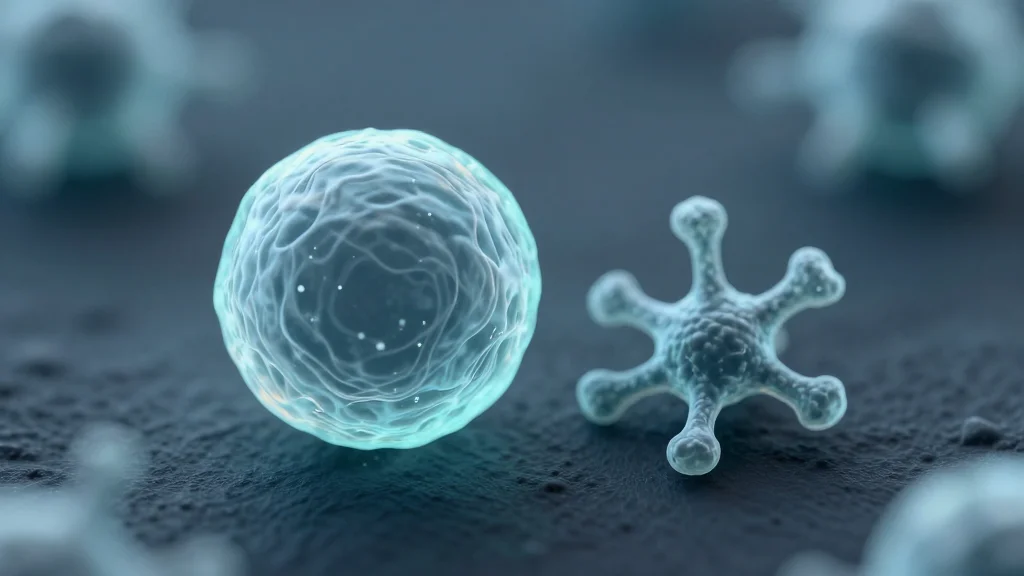
Biomimetic Vesicles Engineered From Modified Tumour Cells Act as Personalized Vaccines for Post-Surgical Cancer Immunotherapy
Researchers engineered tumor cells to overexpress STX11, converting them into dendritic‑cell‑like antigen‑presenting units. Membrane fragments from these cells were fused with PLGA nanoparticles carrying a TLR7 agonist, creating RP@SMs vesicles that act as personalized post‑surgical cancer vaccines. The platform demonstrated...

Biodegradable Graphene Sensors Made From Agripapers
Researchers at XYZ University have unveiled a new class of biodegradable sensors that combine graphene with agripaper—a paper made from agricultural residues. The devices demonstrate up to 95% of the sensitivity of conventional graphene sensors while fully decomposing in compost...

Framework Sets New Benchmarks for 3D Atom Maps in Amorphous Materials
Researchers at UCLA’s California NanoSystems Institute unveiled a step‑by‑step framework that maps three‑dimensional atomic positions and elemental identities in amorphous materials, achieving 100% accuracy for silica with roughly 7 picometer precision. The team validated the workflow using rigorously simulated atomic electron...

PlasmoBridge Chip Enables Ultrasensitive and Rapid Monitoring of Methotrexate
Researchers at the Chinese Academy of Sciences unveiled PlasmoBridge, a dual‑functional sensor chip that uses aptamer‑linked silver nanoparticles to generate plasmonic hotspots for methotrexate detection. The platform achieves a limit of detection of 4.64 × 10⁻⁸ M and, with a convolutional neural network,...

Capturing the Moment of Organelle Handoff Inside Living Cells
Researchers have, for the first time, directly visualized autophagosomes moving from the endoplasmic reticulum (ER) onto microtubule tracks inside living cells. By combining interferometric scattering microscopy with fluorescence labeling in a custom DySLIM platform, they captured the handoff event with...

Laser-Activated Nanodroplets Enable Photo-Activated Ultrasound Imaging
Researchers introduced photo‑activated ultrasound localization imaging (PAULI), using laser‑activated nanodroplets that vaporize into microbubbles for ultrasound detection. The method delivers micrometer‑scale spatial resolution and high contrast‑to‑noise ratios, surpassing traditional ultrasound. Activation is tunable via laser wavelength and pulse settings, allowing...

Self‐Adaptive Absorption‐Superspreading Coating for Environment Endurable and Long‐Lasting Antifogging Applications
Researchers have introduced a bioinspired self‑adaptive absorption‑superspreading coating (SAASC) that rapidly absorbs moisture and spreads water droplets within 2.5 ms, preventing fog formation. The polymer blends hydrophilic N‑methyl‑D‑glucosamine with hydrophobic glycidyl methacrylate, creating a cross‑linked network that remains optically clear and...

Curcuma Longa Starch for Effective Green Synthesis of Cerium Oxide Nanoparticles
Researchers have introduced a green synthesis route for cerium oxide nanodots using debranched Curcuma longa starch, achieving uniform 2–4 nm particles. The starch acts as both reducing and stabilizing agent, eliminating the need for toxic solvents and high‑temperature steps. In vitro...
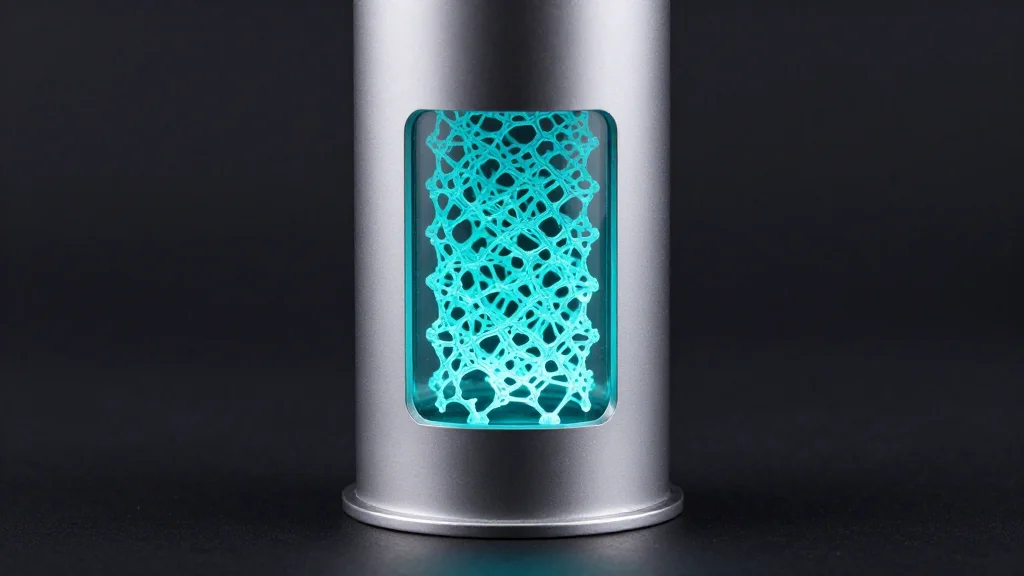
HydroGraph Scales up Graphene Capacity with Two New Hyperion Reactors
HydroGraph has begun construction of two additional Hyperion graphene reactors, each capable of producing about 10 tons per year of its FGA‑1 fractal graphene. The reactors, identical in size to the existing unit (6 × 6 × 18 feet), will be commissioned in Manhattan, Kansas, in...

Switching Graphitic Polytypes in Elastically Coupled Cavities
Researchers have demonstrated reversible switching of graphene polytypes using elastically coupled optical cavities. By modulating cavity strain, the stacking order—Bernal, rhombohedral, and mixed configurations—can be toggled on demand, altering band structure and ferroelectric behavior. The technique leverages super‑lubric interlayer sliding...
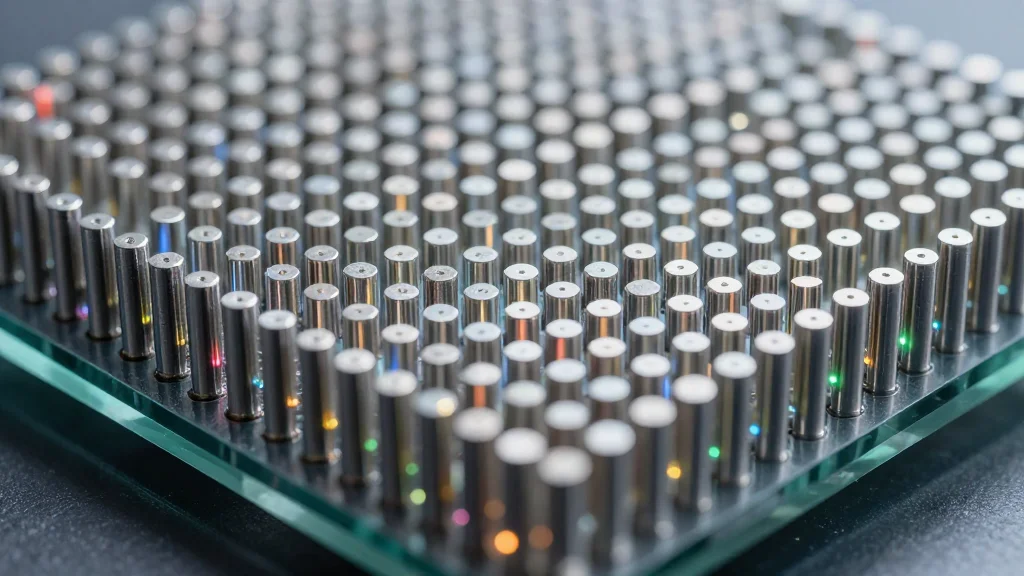
A Unified Model for Light Emission From Solids
Recent research converges on a unified framework that describes light emission from solids across thermal, plasmonic, and quantum regimes. By extending Kirchhoff’s law to non‑equilibrium nanostructures and linking fluctuational electrodynamics with the Fermi‑golden‑rule approach, the model reconciles disparate emission mechanisms....

Novel Nanomaterial Uses Oxidative Stress to Kill Cancer Cells
Scientists at Oregon State University have engineered an iron‑based metal‑organic framework that simultaneously generates hydroxyl radicals and singlet oxygen within cancer cells, exploiting the acidic, hydrogen‑peroxide‑rich tumor microenvironment. This dual‑reactive‑oxygen‑species approach achieved complete tumor regression in mice bearing human breast...

A New Route to Synthesize Multiple Functionalized Carbon Nanohoops
Researchers at Tokyo University of Science have unveiled a gold‑mediated macrocyclization route that delivers a brominated [9]cycloparaphenylene (CPP) in five steps with a 37 % overall yield. The resulting nanohoop carries six bromine atoms, providing a versatile platform for palladium‑catalyzed cross‑couplings...

Gold 'Supraballs' Nearly Double Solar Energy Absorption in Tests
Researchers at ACS Applied Materials & Interfaces have engineered gold nanosphere clusters called supraballs that capture nearly the entire solar spectrum. Laboratory tests showed an 89% absorption rate, almost double the 45% achieved by conventional gold nanoparticle coatings on a...

Drug Delivery Concept Boosts Nanoparticle Surfactants for Enhanced Oil Recovery
Skoltech researchers have adapted drug‑delivery technology by encapsulating two surfactants in mesoporous silica nanoparticles to improve enhanced oil recovery (EOR). Laboratory tests on carbonate rock cores showed the nanocarriers lower surfactant adsorption, cut water‑oil interfacial tension and increase rock wettability...

Regulating 4f‐2p‐3d Orbital Coupling in CeO2 via Dual‐Transition Metal Doping for Efficient Peroxymonosulfate Activation
Researchers engineered a Fe/Co co‑doped CeO2 catalyst that creates a gradient 4f‑2p‑3d orbital coupling, dramatically improving peroxymonosulfate activation. The dual‑metal system narrows the Fe/Co‑O energy gap, boosts Ce(IV) content, and accelerates electron transfer at Ce sites. As a result, the...

Researchers Develop a New Method for Water-Based, Layer-Selective Exfoliation of Few-Layer Graphene
Researchers at Korea‑based Edmayim Corp. unveiled a scalable, water‑based method for producing few‑layer graphene by first expanding interlayer spacing and then applying controlled centrifugation to fractionate layers. The technique avoids chemical oxidants, yields reproducible five‑layer graphene with preserved crystalline order,...

Pyrochlore‐Type Bi2Ru2O7 With Regulated Local Electronic Structure for Efficient Oxygen Evolution Reaction
Researchers introduced pyrochlore‑type Bi2Ru2O7 (BRO) as a next‑generation oxygen evolution reaction (OER) catalyst for anion‑exchange membrane water electrolysis. BRO achieves more than 20‑fold higher OER activity than conventional RuO2 while containing 48.3 wt % less ruthenium. The superior performance stems from bismuth‑induced...

High‐Entropy Spinel Oxides‐Decorated MXene Nanoarchitectures for Efficient Methanol Oxidation‐Assisted Hydrogen Production
Researchers have engineered high‑entropy spinel oxide nanoparticles containing five transition metals directly on ultrathin Ti3C2Tx MXene sheets. The resulting HEO/MX nanoarchitecture acts as a bifunctional electrocatalyst, delivering low‑voltage methanol oxidation (MOR) and efficient hydrogen evolution (HER) in alkaline media. It...

Prussian Blue Analogues for Non‐Aqueous Sodium‐Ion and Potassium‐Ion Batteries: The Landscape From Lab‐Scale Optimizations Toward Practical Applications
Prussian blue analogues (PBAs) are emerging as scalable cathode materials for non‑aqueous sodium‑ion and potassium‑ion batteries. The review connects crystal chemistry, defect control, and particle engineering to electrochemical performance, highlighting synthesis routes, crystal water, and interfacial stability. It outlines lab‑scale...

Interfacial Water Reorganization via Polyethyleneimine‐Functionalization for Enhanced Alkaline Hydrogen Evolution on Single‐Atom Platinum Anchored on Reduced Graphene Oxide
Researchers introduced a dual‑function electrocatalyst, RGO‑PEI/Pt1, that couples single‑atom platinum with a polyethyleneimine‑functionalized reduced graphene oxide scaffold. The PEI layer reorganizes interfacial water into a hydrogen‑bonded chain, acting as a proton pump and dramatically accelerating alkaline hydrogen evolution. The catalyst...
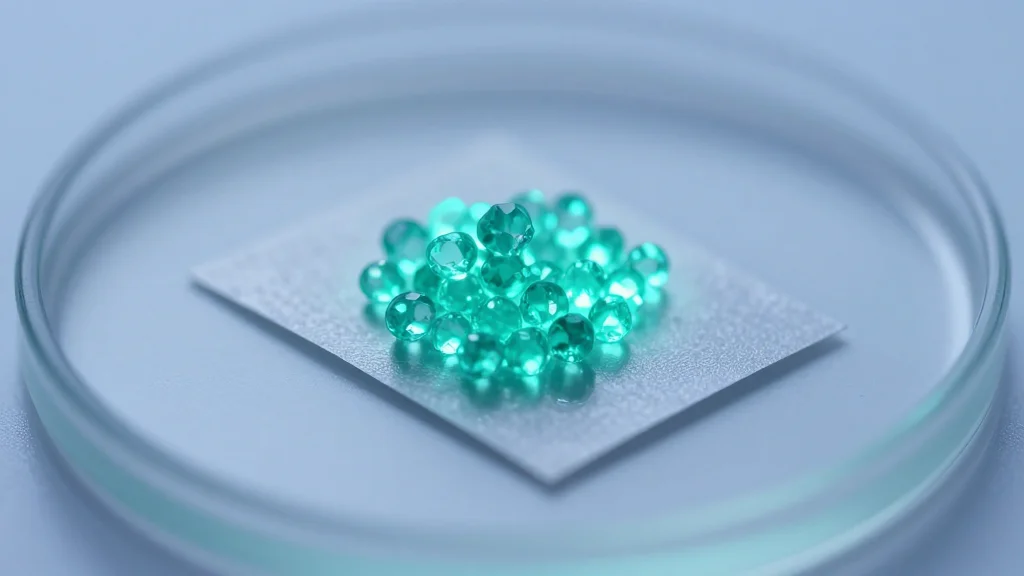
Enhanced Low‐Temperature Photoluminescence in Α‐CsPbI3/WS2 Heterostructures: Experimental and Theoretical Insights Into Exciton Dynamics in Low‐Dimensional Materials
Researchers have achieved a 109‑fold increase in photoluminescence (PL) from α‑CsPbI3 perovskite quantum dots integrated with a monolayer WS2 at 8 K, compared with room temperature. Combined photoluminescence spectroscopy and density functional theory reveal that reduced structural distortion in the perovskite...
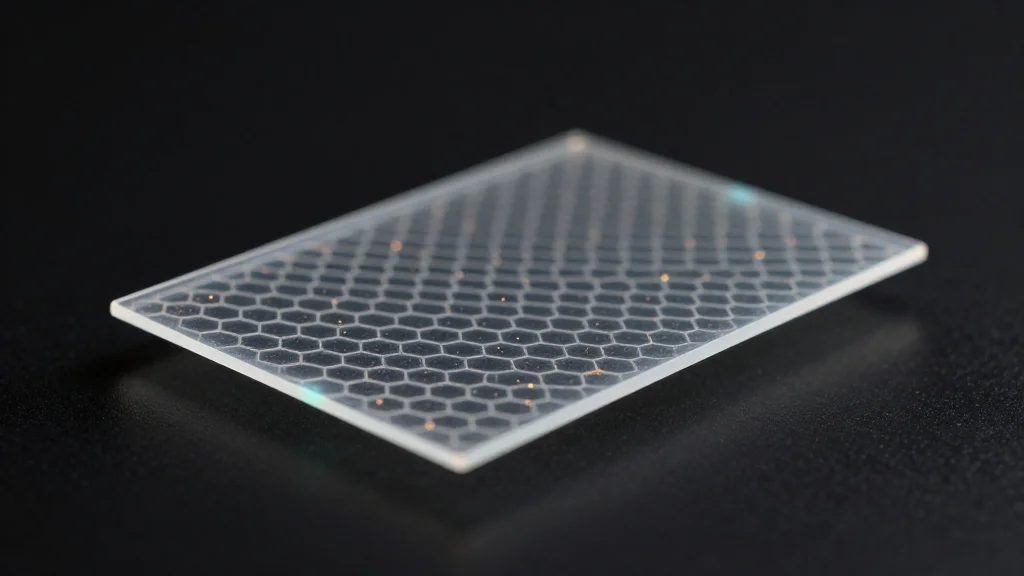
Metalloborophenes: Structural Diversity and Emerging Properties of Metal–Boron Two‐Dimensional Frameworks
Metalloborophenes are a newly emerging class of two‑dimensional boron frameworks whose stability and functionality derive from incorporated metal atoms. The first experimental realization—copper‑borophene nanoribbons—in 2024 confirmed long‑standing theoretical predictions and highlighted the material’s tunable electronic, magnetic, and catalytic traits. Computational...

Tuning Spin Valley Coupling via Strain‐Amplified Magnetic Proximity in Fe3GaTe2/WS2 Heterostructures
Researchers have shown that applying strain via a gold‑grating substrate dramatically strengthens the magnetic proximity effect in Fe3GaTe2/WS2 heterostructures. The enhanced interlayer coupling expands the exciton valley‑polarization hysteresis and drives the excitonic Landé g‑factor to an unprecedented –30. First‑principles calculations...

Turning Methane Into Carbon Nanotubes and Hydrogen
Researchers at the University of Cambridge and Stanford have engineered a continuous‑flow floating‑catalyst chemical vapor deposition reactor that simultaneously converts methane into low‑CO₂ hydrogen and high‑performance carbon nanotubes (CNTs). By recycling process gases in a multi‑pass configuration, the system dramatically...
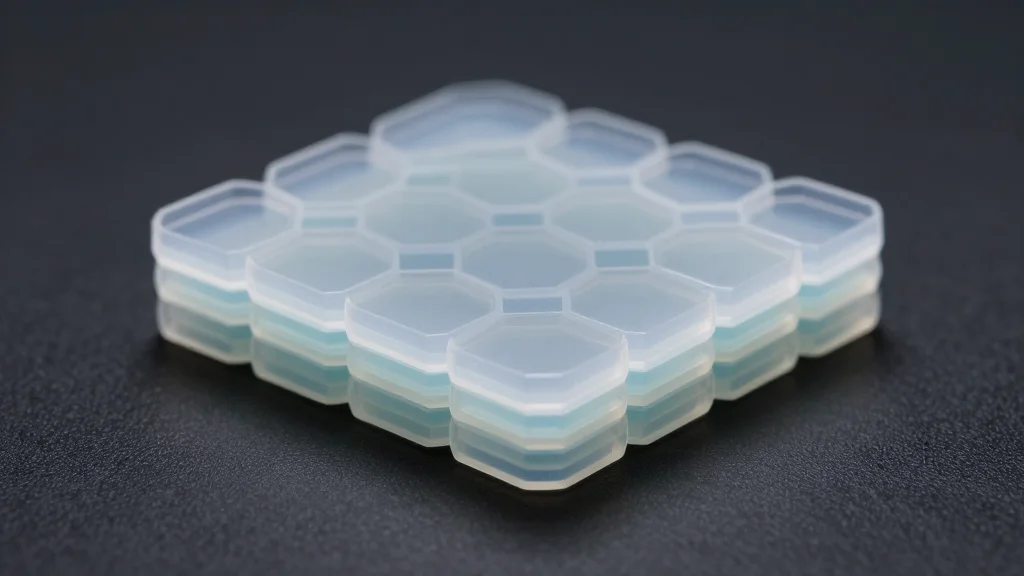
Layered Double Hydroxides‐Incorporated Thin‐Film Nanocomposite Membranes: Emerging Strategies for Sustainable Liquid Separation
Recent research highlights layered double hydroxides (LDHs) as versatile nanofillers in thin‑film nanocomposite (TFN) membranes, offering tunable chemistry, adjustable interlayer spacing, and inherent hydrophilicity. By integrating LDHs into substrates, interlayers, or selective polyamide layers, researchers have demonstrated simultaneous gains in...

Synergistic Interactions Between Single Atoms and Clusters/Nanoparticles on Nitrogen‐Doped Carbon Supports for Electrocatalysis: A Critical Review
Recent research highlights the integration of single‑atom catalysts with nanoparticles on nitrogen‑doped carbon supports, forming hybrid electrocatalysts that surpass the performance of each component alone. The review outlines synthetic routes for co‑stabilizing atoms and particles, classifies structural motifs, and examines...

Corneal Nerve Regeneration via MSC‐Derived EVs: Tissue Source and Culture Dimensionality Dictate miRNA Cargo and Therapeutic Efficacy
Researchers compared extracellular vesicles (EVs) from human corneal and bone‑marrow mesenchymal stem cells (MSCs) grown in traditional two‑dimensional (2D) plates and three‑dimensional (3D) spheroid cultures. EVs were characterized and tested for their ability to promote corneal nerve regeneration in vitro...
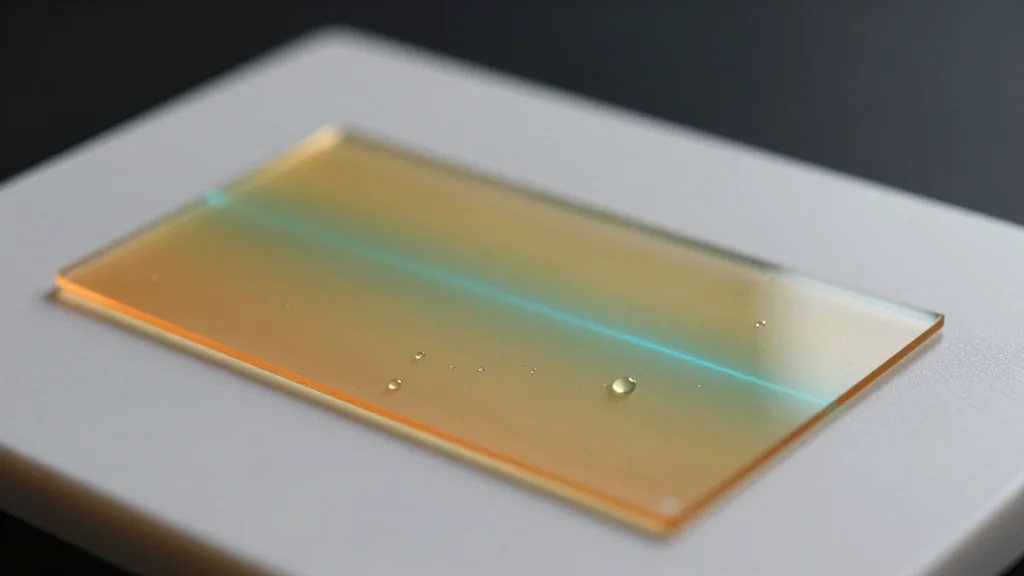
Unravelling Mixed Organic‐Halide Perovskite Degradation Under Extrinsic Factors
Researchers used neutron reflectometry with isotope substitution to probe degradation of mixed organic‑halide perovskite films under humidity and temperature stress. The technique revealed that films deposited on TiO₂ exhibit enhanced stability and form a distinct interfacial layer composed of formamidinium...
Designing Stable Graphitic Networks on Ultra‐Porous Polyimide Aerogels via Solvent‐Guided Structuring
Researchers engineered a thermally robust, hierarchically porous polyimide aerogel by tuning solvent‑polymer interactions, enabling stable laser‑induced graphitization. The process creates a uniform graphene network within the aerogel, achieving sheet resistivity as low as 6.5 Ω sq⁻¹ while preserving a dielectric constant of...

Modulate Stresses for Efficient Full‐Air Processed Flexible Perovskite Solar Cells with Polymer Adhesive
Researchers introduced an in‑situ polymerized adhesive (CHDMGE/TETA) that simultaneously mitigates microscopic strain and provides macroscopic stress dissipation in flexible perovskite solar cells. The polymer creates a viscous environment that slows solute diffusion, yielding high‑crystalline perovskite films, while its cross‑linked gel...

Suppression of Dendrite Growth and Enhanced Sodiophilicity in Sodium Metal Batteries by Sb‐Coated Zn Current Collector
Researchers introduced a Sb‑coated Zn (Sb@Zn) current collector to stabilize sodium metal anodes. Density functional theory shows Sb incorporation boosts Na binding energy, fostering uniform deposition. Electrochemical tests reveal the Sb@Zn electrode suppresses dendrite growth, delivering 500 cycles at 5 C...
In Situ Preparation of Bismuth Nanoparticles Encapsulated in Porous Carbon Spheres on Graphite Felt Electrodes for Vanadium Redox Flow Batteries
Researchers have developed an in‑situ method to grow bismuth nanoparticles encapsulated in nitrogen‑doped carbon spheres directly on graphite felt (Bi@NC/GF). The multicore‑shell architecture prevents particle agglomeration, improves electron conductivity, and creates abundant active sites for the V³⁺/V²⁺ redox reaction. When...

Twisting‐Induced Phonon Localization and Ultralow Thermal Conductivity in Penta‐PdTe2 Bilayer Revealed by a Universal Machine‐Learning Potential
Interlayer twisting in a penta‑PdTe2 bilayer dramatically localizes phonons, driving the lattice thermal conductivity down to 0.30 W m⁻¹ K⁻¹. The study employs a fine‑tuned universal machine‑learning potential (NEP89) with sub‑2.3 meV atom⁻¹ energy errors, coupled to homogeneous non‑equilibrium molecular dynamics and Wigner transport theory....

Intralayer Nanoconfined CuOx Nanocatalysts in Boron Nitride Membrane for Efficient Micropollutant Oxidation
Researchers have integrated copper oxide (CuOx) nanocatalysts into the water‑transport channels of a boron nitride (BN) membrane, creating a nanoconfined catalytic platform for advanced oxidation processes. The CuOx@BN system activates peroxymonosulfate (PMS) to generate hydroxyl radicals and singlet oxygen, delivering...
Pyridine‐Functionalized Covalent Organic Frameworks as Metal‐Free Photocatalysts for Chlorotrifluoromethylation of Alkenes via Inner‐Sphere Mechanism
Researchers have synthesized two pyridine‑functionalized covalent organic frameworks (COFs) that act as metal‑free photocatalysts for the chlorotrifluoromethylation of alkenes. The linearly conjugated COF‑25Th outperforms its cross‑conjugated counterpart, delivering up to 99% conversion across diverse substrates. The superior activity stems from...

Soft Interferometric Nanostrain Sensor Reveals Solid‐Liquid Interfacial Tension Oscillation Amplified by Competitive Adsorption
Researchers have created an interferometric nanostrain sensor that measures solid‑liquid interfacial tension of unlabeled protein drops with sub‑0.25 mN m⁻¹ resolution. Using fetal bovine serum, the device shows that γSL declines as protein concentration rises while γSV stays unchanged. Beyond the expected...
Phosphonic Acid Porphyrin Assemblies Boost Surface Kinetics and Water Oxidation of Α‐Fe2O3 Photoanodes
Researchers introduced a phosphonic‑acid‑terminated porphyrin self‑assembly as a hole‑transport layer on α‑Fe₂O₃ photoanodes. The TPPP (‑PO₃H₂) anchoring group exhibited the strongest chemical adsorption, cutting interfacial charge‑transfer resistance. This molecular interface boosted the photocurrent density by 6.7‑fold and the applied‑bias photon‑to‑current...
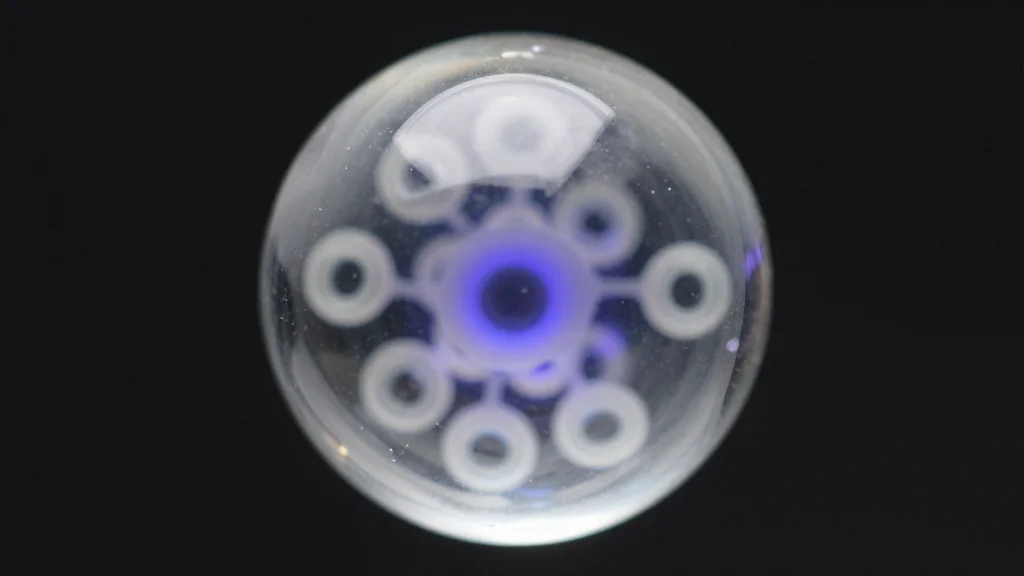
Photoacid‐Fueled Nanopropeller for the Controllable Motion of One‐Hole Colloidal Motors with On‐Board ATP Supply
Researchers have created a light‑driven colloidal motor by co‑assembling chloroplast‑derived F₁F₀‑ATP synthase onto a single‑hole silica capsule preloaded with a photoacid. UV illumination triggers proton release, generating a transmembrane proton motive force that rotates the ATPases and propels the particle...

Engineered Β‐Crystal Domains Enable Strong Humidity‐Responsive Actuation in Recombinant Spider Silk
Researchers engineered recombinant spider‑silk proteins by adding terminal cysteines that form disulfide‑stabilized β‑sheet domains during shear‑assisted wet spinning. The resulting C4S fibers retain crystalline alignment up to 90 % relative humidity, delivering rapid, reversible contraction. Mechanical testing shows a recovery stress...

Thermo‐Responsive Smart Window Coupled with Heat Storage Effect
Researchers unveiled a dual‑layer thermo‑responsive smart window that merges dynamic optical switching with solar heat storage. The device combines a thermochromic PNIPAM layer and a supercooled calcium chloride hexahydrate phase‑change layer, achieving a solar modulation of 70.1% and storing 199 J g⁻¹...

Reaction Kinetics in Proton Batteries: An EIS/DRT‐Based Case Study of Vanadium Pentoxide Electrodes
Researchers used vanadium pentoxide (V2O5) electrodes in an aqueous proton electrolyte to dissect the individual contributions of charge transfer, diffusion, and interfacial phenomena to overall impedance. By pairing electrochemical impedance spectroscopy (EIS) with distribution of relaxation time (DRT) analysis, they...