
Boosting Activity and Stability for the Alkaline Hydrogen Oxidation Reaction via Surface Reconstruction of Cu‐Ni Core–Shell Electrocatalysts Through Oxygen Intercalation
Researchers have developed a surface‑reconstruction method that uses nitric‑acid etching to modify Cu‑Ni core‑shell electrocatalysts for the alkaline hydrogen oxidation reaction (HOR). The process removes a Ni‑rich surface layer, intercalates oxygen into the top ~10 atomic layers, and redistributes Cu, thereby downshifting the Ni d‑band center and tuning hydrogen and hydroxyl binding energies. The resulting Cu@Oi‑NiCu catalyst delivers a current density of 2.33 mA cm⁻² at 100 mV overpotential and a kinetic current of 5.26 mA cm⁻², while preserving 93.5% of its activity after 10,000 durability cycles. This demonstrates a viable pathway toward high‑performance, platinum‑group‑metal‑free HOR catalysts.
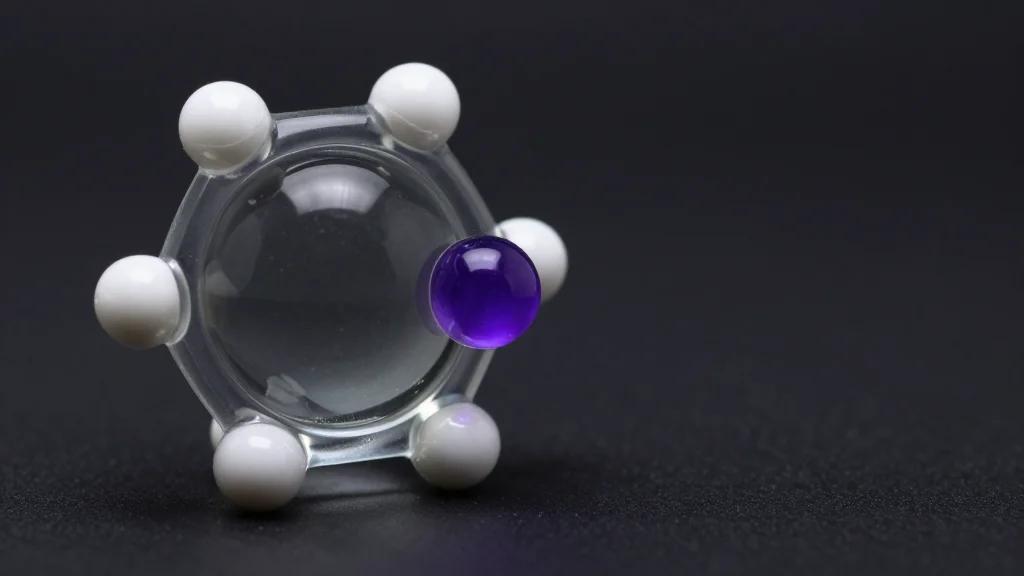
One-Atom Substitution Successfully Tunes Molecular Heat Transport for the First Time
Researchers at the University of Augsburg and the University of Michigan have demonstrated that swapping a single hydrogen atom in a benzene‑diamines molecule with heavier halogens can dramatically alter its thermal conductance. By replacing hydrogen with fluorine, chlorine, bromine or...

Plug-and-Play Sensor Listens to the Developing Brain
Researchers at North Carolina State University introduced CAMEO, a low‑cost, plug‑and‑play carbon‑nanotube sensor array for human cerebral organoids. The basket‑shaped device houses 12 flexible electrodes, delivering electrophysiological recordings comparable to high‑end systems while costing a fraction of traditional microelectrode arrays....

Graphene ‘Nano-Aquariums’ Reveal Atoms’ Hidden Life in Liquids
A Manchester research team built graphene‑based nano‑aquariums that seal attolitre‑scale liquid pockets between atom‑thin graphene windows, allowing transmission electron microscopy to image atomic behavior in a variety of organic solvents. Using the ePSIC facility, they filmed gold atoms at solid‑liquid...
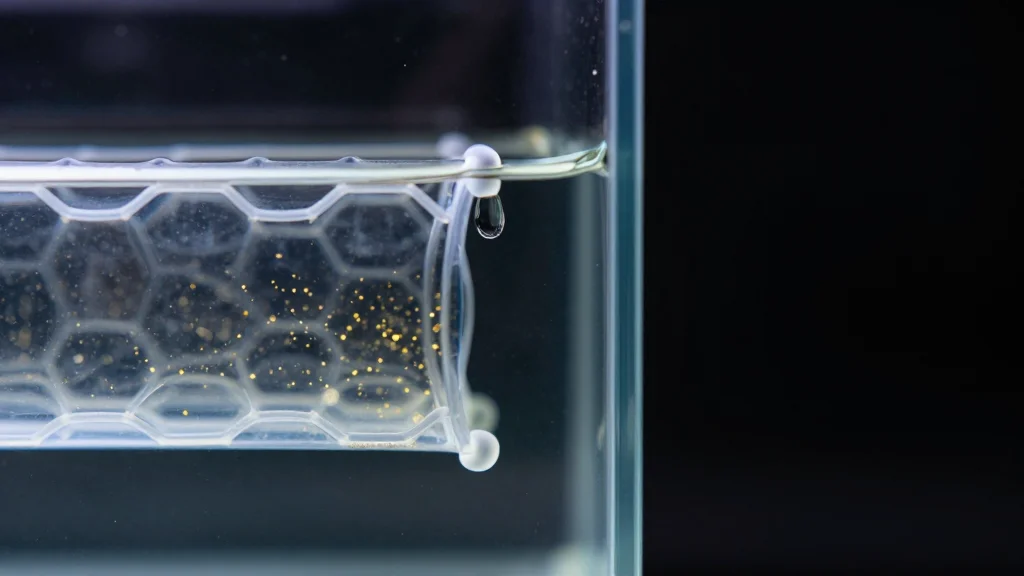
Graphene 'Nano-Aquariums' Capture Atomic-Resolution Videos of Gold Atoms in Solvents
Scientists at the University of Manchester’s National Graphene Institute have built graphene‑sealed “nano‑aquariums” that enable atomic‑resolution video of gold atoms in a variety of organic solvents. Using transmission electron microscopy at the ePSIC facility, they recorded gold atoms hopping, pairing...

India to Replace 10% Conventional Fertilisers with Nano Products in 3-4 Yrs, Says IFFCO MD Patel
Indian fertilizer giant IFFCO reported an 8% rise in profit before tax for FY 26, with earnings reaching roughly ₹4,106 crore (about $495 million), surpassing its FY 22‑23 record. The cooperative announced a plan to replace 10% of India’s conventional urea and DAP consumption...

Picosecond-Scale Coherent Toggle Switching of Topological Spin Helicity
Researchers have experimentally achieved coherent toggle switching of magnetic vortex helicity in nanoscale disks within a few hundred picoseconds. The transition is triggered by a single femtosecond laser pulse combined with an out‑of‑plane magnetic field, leveraging photothermal demagnetization and subsequent...
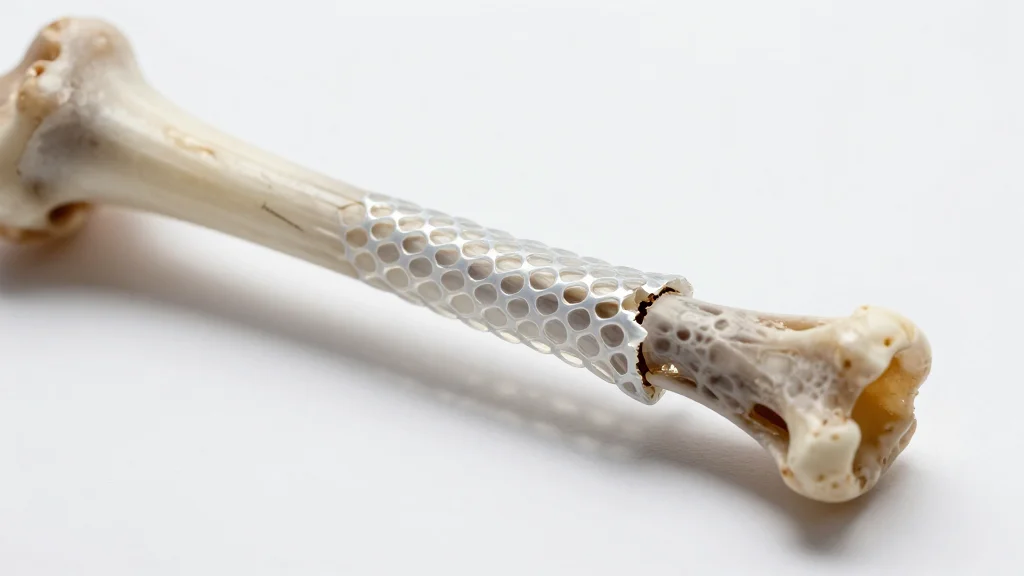
Graphene 'Scaffold' Recruits Bone Cells and Helps the Body Regenerate Fractures
Researchers in Brazil have created a graphene‑based scaffold that repaired nearly 90% of bone fractures in rats within a month, outperforming existing biomaterials. The scaffold combines graphene with chitosan‑xanthan polymers derived from waste black liquor, a pulp‑and‑paper by‑product. Acting as...
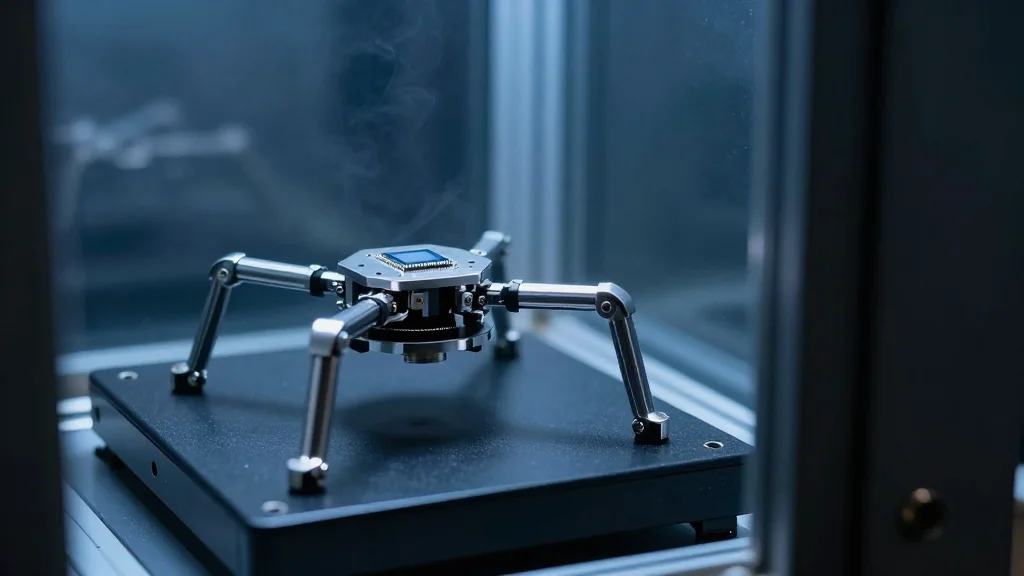
Hexapod Concept for Low-Temperature Quantum Applications
Physik Instrumente (PI) has unveiled a low‑temperature development program featuring a 6‑DOF hexapod nanopositioner designed for cryogenic quantum and photonic applications. The parallel‑kinematics device delivers nanometer‑scale precision, millimeter travel and can move payloads of several hundred grams at temperatures below...

Filling a Gap in Materials Mechanics: Nanoindentation at High Constant Strain Rates up to 105 S−1
Researchers have unveiled a piezoelectric‑based nanoindentation platform that maintains constant indentation strain rates from 10¹ to 10⁵ s⁻¹, a five‑order‑of‑magnitude range previously inaccessible at the micro‑scale. The system captures precise load‑displacement data within ~150 µs, enabling accurate hardness extraction for single‑crystalline molybdenum,...
Coupling Hydrogen Spillover at Synergistic PtNi/NiInOx Interfaces with Urea Oxidation for Enhancing Water Splitting
Researchers engineered a Pt‑Ni alloy interfaced with NiIn‑based oxides to create a low‑work‑function junction that promotes hydrogen spillover. The catalyst delivers exceptional hydrogen evolution activity with only 1.6 wt % platinum, achieving a 13 mV overpotential at 10 mA cm⁻² and stable operation for over...

Rhodamine‐Functionalized Nanosensor for Multimodal, Ultrasensitive, and Stable Detection of Toxic Mercury Ions
Researchers have created a self‑assembled amphiphilic dual‑rhodamine B nanoprobe (DR) that forms 248 nm nanospheres for mercury(II) detection. The sensor delivers a rapid 12‑second fluorescence “turn‑on” and visible color change, achieving an ultralow detection limit of 0.19 nM. DR was integrated into...

AI-Generated Sensors Open New Paths for Early Cancer Detection
MIT and Microsoft researchers unveiled CleaveNet, an AI system that designs peptide sensors targeting cancer‑linked proteases. The model rapidly generates highly specific sequences, cutting the design time from months to minutes and slashing experimental costs. Coated nanoparticles release cleaved peptides...
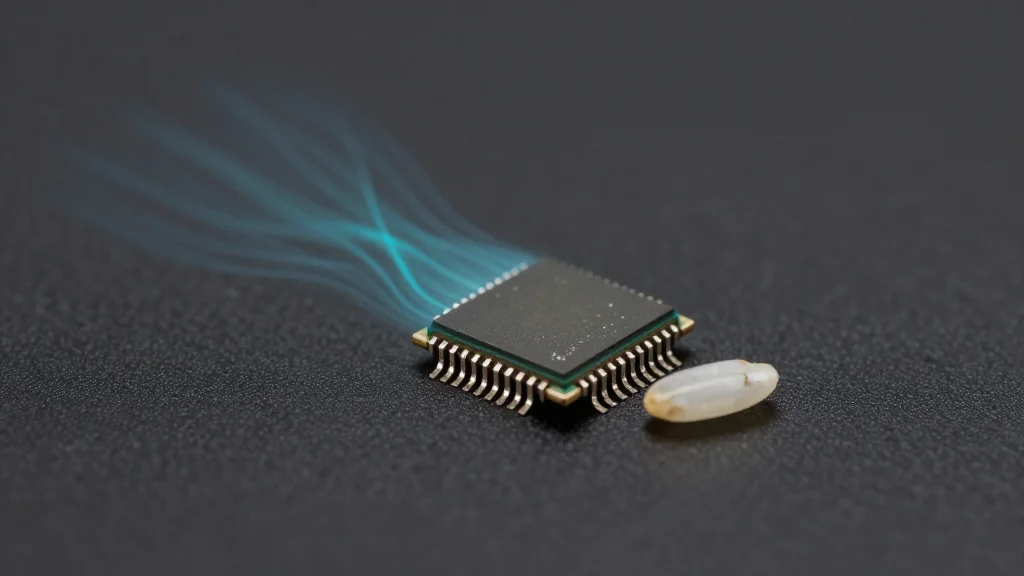
Novel Graphene-Based Sub-Terahertz Receivers Could Enable Ultra-Compact, Zero-Power 6G Links
Researchers from ICFO, ETH Zurich and partners have unveiled the first graphene‑based sub‑terahertz direct receivers that deliver multi‑gigabit‑per‑second data rates over a 3‑metre link at room temperature. The devices occupy a tiny 0.018 mm² footprint, are compatible with standard CMOS back‑end...

Autonomous Atomic-Scale Self-Healing in Two-Dimensional MXenes via Diffusion-Driven Lattice Reconstruction
Researchers used in‑situ scanning transmission electron microscopy to capture the first intrinsic self‑healing events in two‑dimensional MXenes, occurring without external stimuli. Nanopores created in titanium‑carbide (Ti‑C) and medium‑entropy MXenes closed spontaneously at room temperature, and heating to 250 °C and 500 °C...

Design of Polyvinyl Alcohol/Bacterial Cellulose/Sodium Alginate/MXene@Polydopamine Hydrogel Evaporator for Fresh Water Acquisition
Researchers have engineered a physically cross‑linked multi‑network hydrogel combining polyvinyl alcohol, sodium alginate and bacterial cellulose, reinforced with MXene@Polydopamine photothermal particles. The resulting evaporator delivers a high solar‑driven evaporation rate while maintaining cyclic stability and salt tolerance. Laboratory tests show...

Thermocatalysts Through the Lens of Nanoscale Semiconductor Heterojunctions: Plasma‐Deposited CoO/WO3 Nanohybrid Films (Small 19/2026)
Researchers led by Jacek Tyczkowski have demonstrated that plasma‑deposited CoO/WO3 nanohybrid films create nanoscale semiconductor heterojunctions that dramatically reshape catalytic behavior in CO2 hydrogenation. By visualizing charge modulation at the individual nanoparticle level, the team showed that the CoO component...

Scientists Turn MXene Into Tiny Nanoscrolls that Supercharge Batteries and Sensors
Researchers at Drexel University have introduced a scalable process to convert two‑dimensional MXene sheets into one‑dimensional nanoscrolls, producing up to 10 grams of material with controlled chemistry. The tubular nanostructures exhibit higher electrical conductivity and reduced ion‑transport resistance compared with flat...

Targeting Tumor Supporting Cells: Lipid Nanoparticles Advance CAR T Success in Pancreatic Cancer
Researchers at Penn Vet used lipid nanoparticles (LNPs) to deliver FAP‑CAR mRNA directly to patients' T cells, enabling in‑vivo engineering of CAR T cells that attack cancer‑associated fibroblasts in pancreatic ductal adenocarcinoma. In a preclinical mouse model, a single dose of...

Anisotropic 2D Crystal with Hyperbolic Localized Plasmon Resonances Unlocks Additional Degree of Freedom
Researchers have demonstrated hyperbolic localized plasmon resonances (H‑LPRs) in the anisotropic 2D crystal MoOCl₂, introducing a new degree of freedom for nanophotonic design. When patterned into nanodisks, the material exhibits resonances only for polarization along its metallic axis, and the...
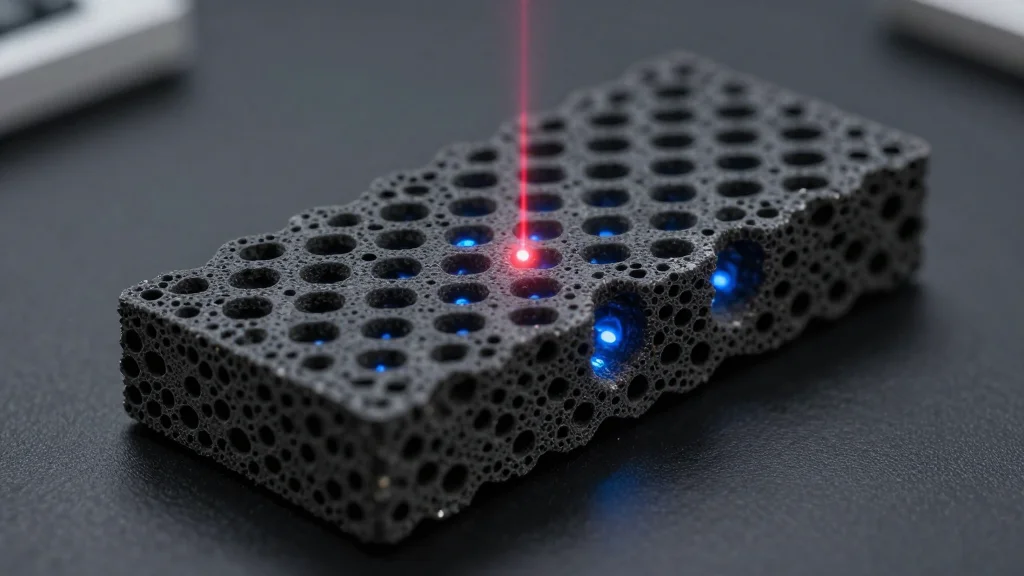
Researchers Unveil Tailored LIG Electrodes for Industrial Applications
Researchers from the MP4MNT group at DISAT have created laser‑induced graphene (LIG) electrodes that are three‑dimensional, fully conductive, and selectively porous. The patented process uses a focused laser to convert polymer into graphene, allowing rapid, low‑cost production that fits into...
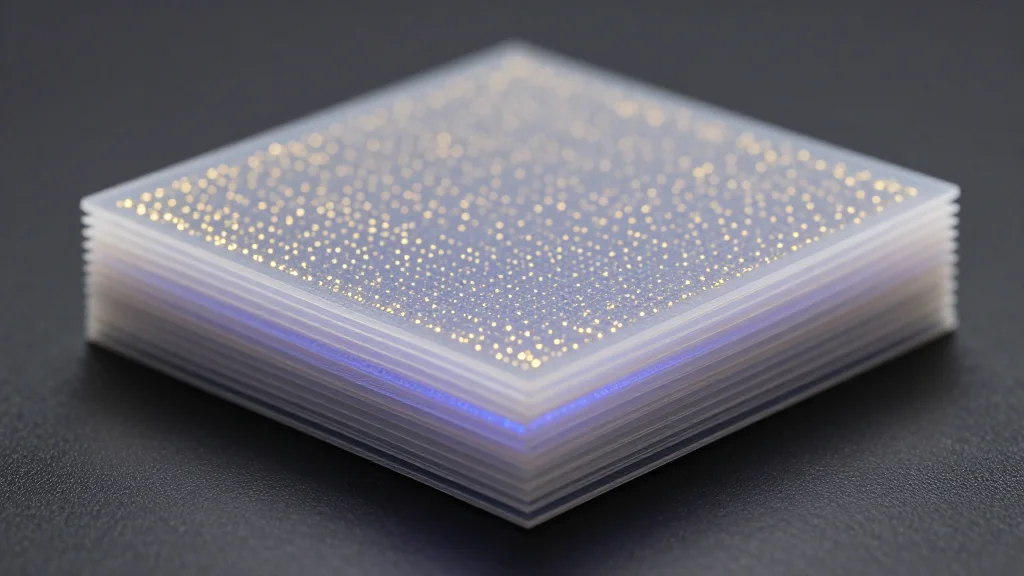
Vertically Stacked Paper‐Based Microarray Device for High‐Throughput SERS Detection of Two Cancer Biomarkers
Researchers have unveiled a vertically stacked paper‑based microarray device (µAPAD) that integrates the full immunoassay workflow for high‑throughput SERS detection of cancer biomarkers. The 16‑layer wax‑patterned platform ensures uniform nanotag distribution, cutting signal variation from 36.6% to 6.69% and enabling...

Near‐Infrared Photochemistry Harnesses Excitons for Selective Guanine Functionalization of Single‐Wall Carbon Nanotubes
Researchers have demonstrated that semiconducting single‑wall carbon nanotubes (SWCNTs) can act as their own photosensitizer under near‑infrared (NIR) illumination, producing singlet oxygen that selectively oxidizes guanine bases in the surrounding ssDNA corona. The resulting guanine peroxides react covalently with the...

Extrahepatic Gene Editing In Vivo Using Organic Solvent‐Free Lipid Nanoparticles
Researchers have unveiled a fully water‑based lipid nanoparticle (LNP) platform that eliminates cholesterol and PEG, using poly(2‑methyl‑2‑oxazoline) as a stealth polymer. The solvent‑free formulation enables efficient delivery of CRISPR‑Cas9 components, achieving robust gene editing in primary human immune cells and...
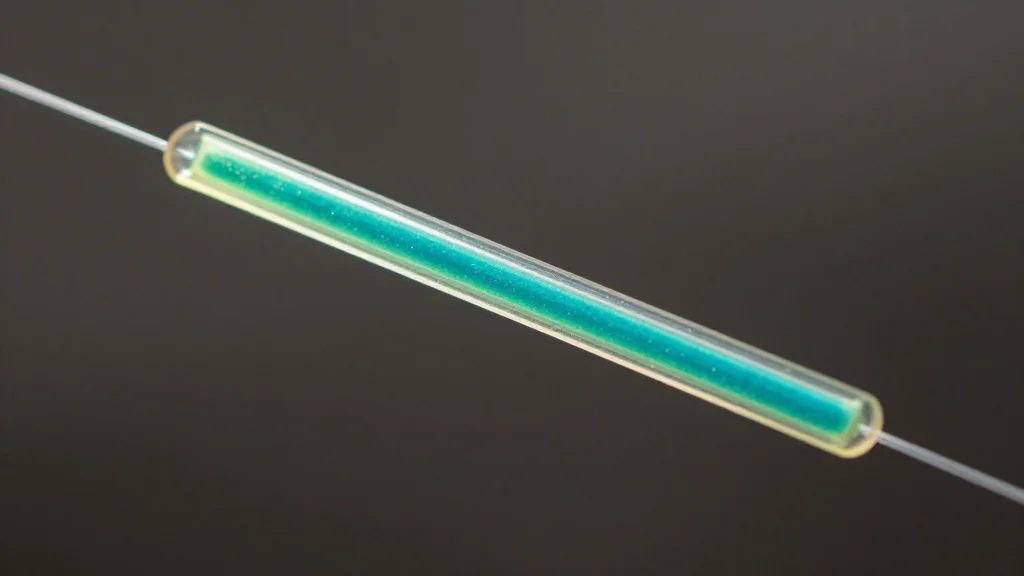
Electrospinning Spatial Building of a Secondary S‐Scheme Heterojunction in Cs3Bi2Br9@g‐C3N4−SnO2/PAN Nanofiber for Real‐Time Monitoring Photocatalysis
Researchers have created a flexible core‑shell nanofiber (Cs3Bi2Br9@g‑C3N4–SnO2/PAN) using coaxial electrospinning that incorporates a dual S‑scheme heterojunction. The architecture widens visible‑light absorption and markedly suppresses charge recombination, delivering >97 % degradation of Rhodamine B and 99.5 % degradation of tetracycline within 50 minutes. The...

Bioinspired Anti‐VEGF Peptide Nanoparticle with Immune Regulating and Corneal Epithelium Penetration Capability for Corneal Neovascularization Therapy
Researchers have engineered a bioinspired nanoparticle that co‑assembles an anti‑VEGF peptide with copper ions, adds a ROS‑scavenging moiety and a cell‑penetrating peptide, and achieves deep corneal delivery. The formulation extends ocular residence to roughly 70 minutes and reaches 300 µm in a...

Next-Generation Optical Sensor Can Read Photon Spin Across UV-to-Infrared Wavelengths
Researchers at Daegu Gyeongbuk Institute of Science and Technology (DGIST) have created a quantum‑dot photodiode that can detect the spin of photons—circularly polarized light—across an ultra‑wide spectral range from ultraviolet to short‑wave infrared. By embedding a chiral layer in the...
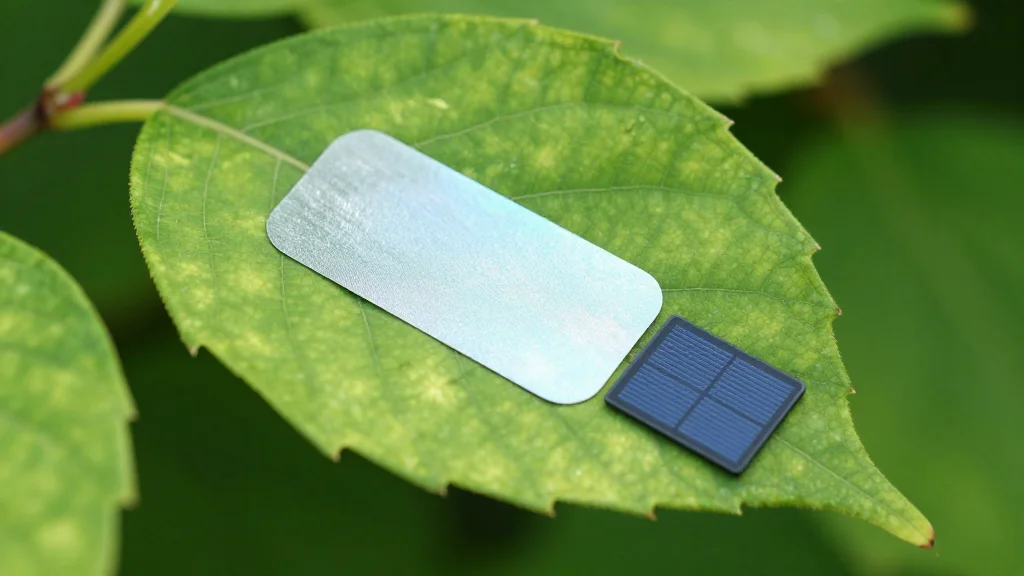
Graphene 'Leaf Tattoo' Sensor Tracks Plant Hydration in Real Time
University of Texas at Austin researchers have created a hyper‑flexible graphene electronic tattoo that adheres to live leaves and measures their hydration in real time. The sensor detects ion movement, updating conductance with just 23 attojoules per measurement and drawing...

Copper-Loaded Starch Nanoparticles Can Target Bacteria in Microbial Communities
University of Michigan researchers have engineered copper‑loaded starch nanoparticles that release antibacterial copper ions when specific bacteria degrade the starch carrier. The positively charged particles preferentially bind to bacterial surfaces and demonstrated potent activity against Staphylococcus aureus and Bacillus subtilis...

Carbon Nanotube Textile Heaters Push Industrial Gas Systems Toward Electrification
Rice University researchers have created electric heating elements from carbon‑nanotube fibers (CNTFs) that outperform traditional metal‑alloy heaters in gas‑flow applications. By exploiting CNTFs' high specific power loading, lightweight strength and superior thermal conductivity, the team built filament, array and textile‑style...
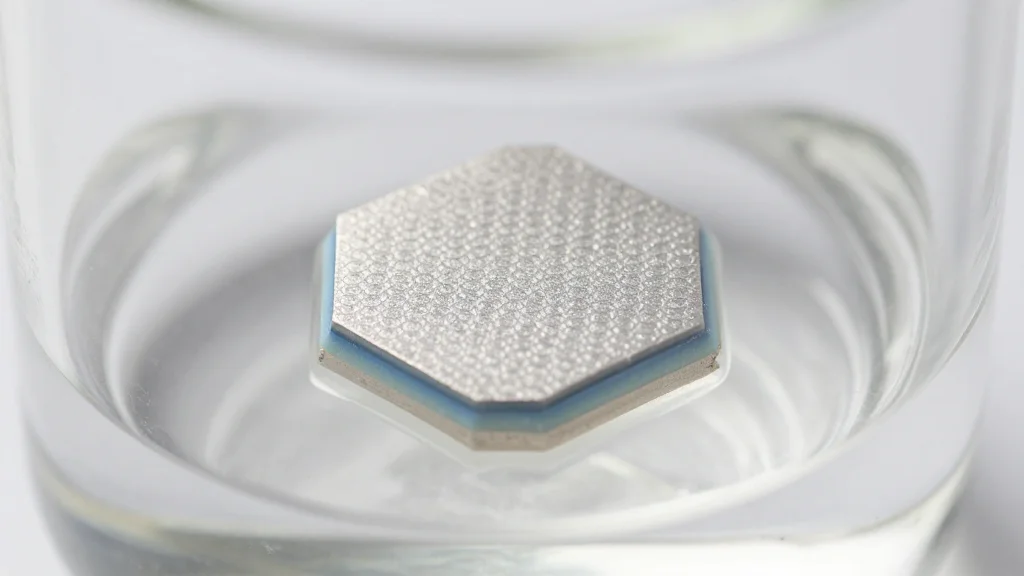
Warwick- and Southampton-Led UK Project to Develop Electro-Deposition of Transition-Metal Dichalcogenides
The UK’s EXPRESS programme, a five‑year EPSRC‑funded initiative worth £10.4 m (≈$13.2 m), is led by the Universities of Warwick and Southampton to develop electro‑deposition methods for transition‑metal dichalcogenides (TMDCs). Researchers will combine novel precursor chemistry with electrochemical techniques to grow high‑crystallinity...

Structural Design for Enhancing Performance of 1D Conductive Nanomaterial‐Based Stretchable Strain Sensors
The Small journal review outlines how structural design drives performance gains in stretchable strain sensors that incorporate one‑dimensional conductive nanomaterials such as carbon nanotubes and silver nanowires. It catalogs common architectures—ordered arrays, engineered cracks, wavy or wrinkled films, and mesh...

Vacancy‐Induced Z‐Contrast Anomaly in Self‐Assembled (Ti,V)O2 Heterostructure
Researchers used annular dark‑field scanning transmission electron microscopy (ADF‑STEM) to examine self‑assembled (Ti,V)O₂ heterostructures that form alternating Ti‑rich and V‑rich layers. Contrary to the expected Z‑contrast, the V‑rich layers appeared brighter despite Ti (Z=22) and V (Z=23) having nearly identical...

Graphene-Info Releases a New Edition of Its Graphene Investment Guide
Graphene-Info has released a new edition of its Graphene Investment Guide, updating financial data and market analysis for public graphene companies. The guide notes that despite ongoing revenue challenges, most covered firms have seen share price gains over the past...
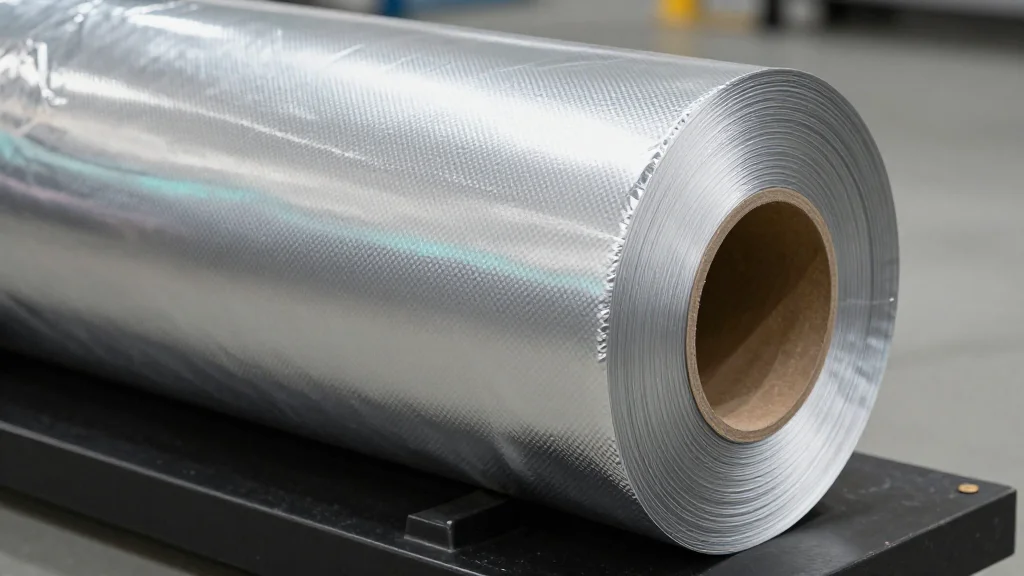
Jiangmen Xinhui Industrial Park Launches Trial Production of Graphene-Coated Aluminum Foil Project
Jiangmen Xinhui Industrial Park in Guangdong has begun trial production of a graphene‑coated carbon aluminum foil line. The plant, built by Jiangmen Yingang New Energy Industrial Park Construction Co. of the Jiangfa Group, represents a roughly 200 million yuan (about $29 million)...
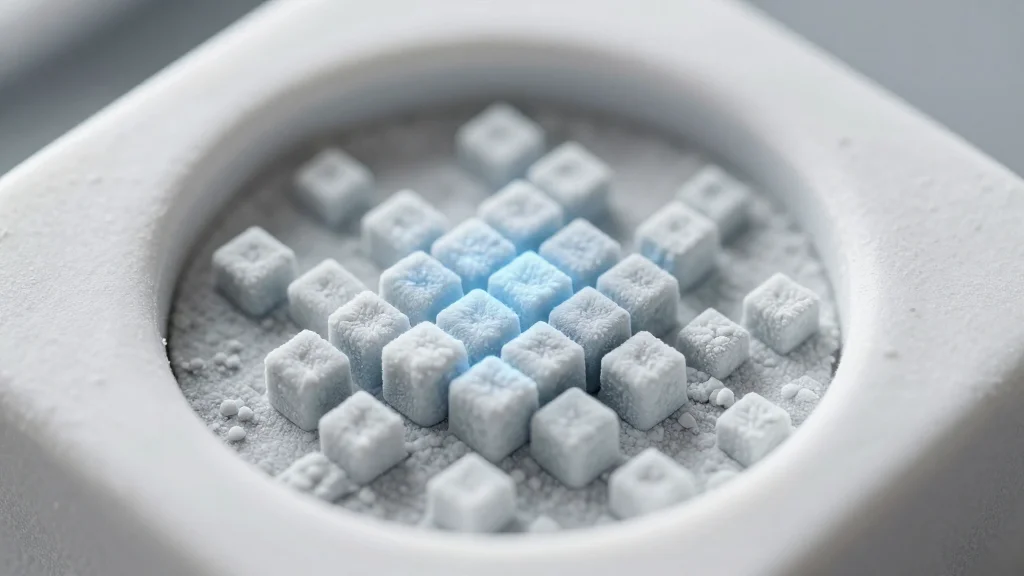
World's Smallest QR Code - Smaller Than Bacteria - Could Store Data for Centuries
Scientists at TU Wien and Cerabyte have fabricated a QR code only 1.98 square micrometers in size, visible solely with an electron microscope. Each pixel measures 49 nanometers, far below the wavelength of visible light, and the pattern is etched into ultra‑stable...
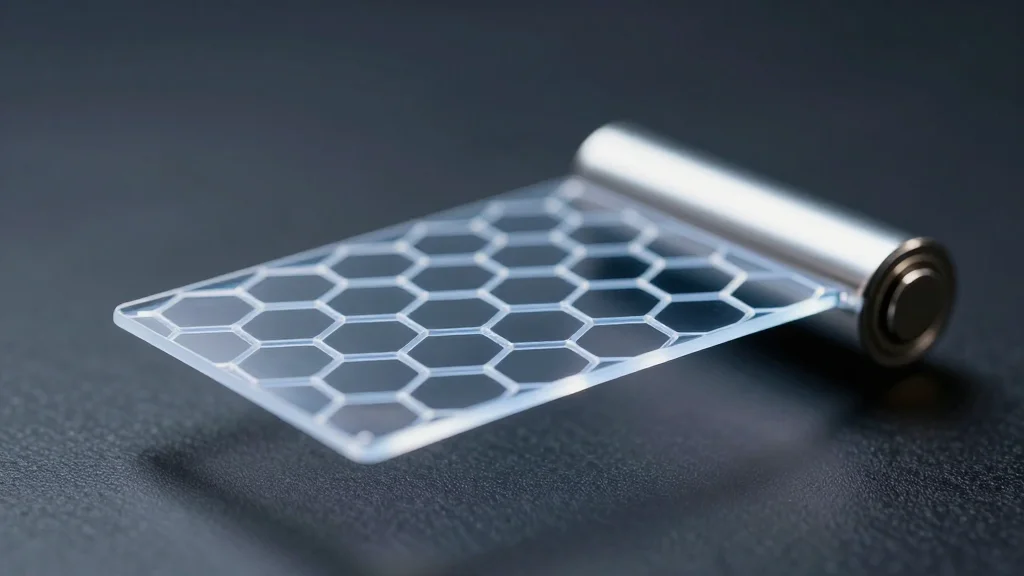
Danish Graphene and Nagase Announce Strategic Partnership
Denmark‑based Danish Graphene has signed a strategic partnership with Japan‑owned Nagase (Europa) GmbH to accelerate the industrial scaling of its graphene products. Nagase will leverage its global market access, technical expertise, and commercial platform to develop, distribute, and deploy Danish...

Singapore: NUS Harnesses Nanosensors for Smart Farming
Assistant Professor Tedrick Lew at the National University of Singapore is pioneering the integration of fluorescent nanosensors and nanoparticle delivery systems to create smart farming solutions. The sensors embed in plant tissue, detecting stress, infection or nutrient deficiencies at the...

Microbiome-Activated Nanogel Successfully Delivers Butyrate in Mice
A preclinical study in Small describes an inulin‑butyrate nanogel that releases butyrate directly in the inflamed colon of mice, markedly improving colitis outcomes. The nanogel remains stable through the upper GI tract and is enzymatically activated by colonic microbes, delivering...

Solvent‐Induced Reverse‐Ostwald Ripening: Structure Conversion From Ag56 to Ag45 Clusters and Its Impact on Catalytic Reduction of 4‐Nitrophenol
Researchers have discovered a solvent‑induced reverse Ostwald ripening process that converts atomically precise silver clusters from Ag₅₆ to Ag₄₅ when exposed to pentane, while Ag₅₆ remains stable in dichloromethane. Structural analysis by ESI‑MS and single‑crystal X‑ray diffraction shows the Ag₄₅...

Beyond Lipid Nanoparticles: How Custom Polymers and AI May Reshape Gene Therapies
Researchers at Helmholtz‑Zentrum Hereon and partners propose a payload‑driven approach to nucleic‑acid delivery, designing polymeric carriers that are chemically tuned to each DNA, RNA or mRNA payload. The strategy contrasts with the one‑size‑fits‑all lipid nanoparticles that dominate current vaccines and...

Nanoplastics Released by ‘Eco-Friendly’ Bioplastics May Slow Fetal Development in Mice
A study by Anhui Medical University and Fudan University shows that polylactic acid (PLA), a widely used biodegradable bioplastic, breaks down into oligomeric lactic acid (OLA) nanoplastics that cross the placental barrier in mice. Exposure to environmentally relevant OLA doses...
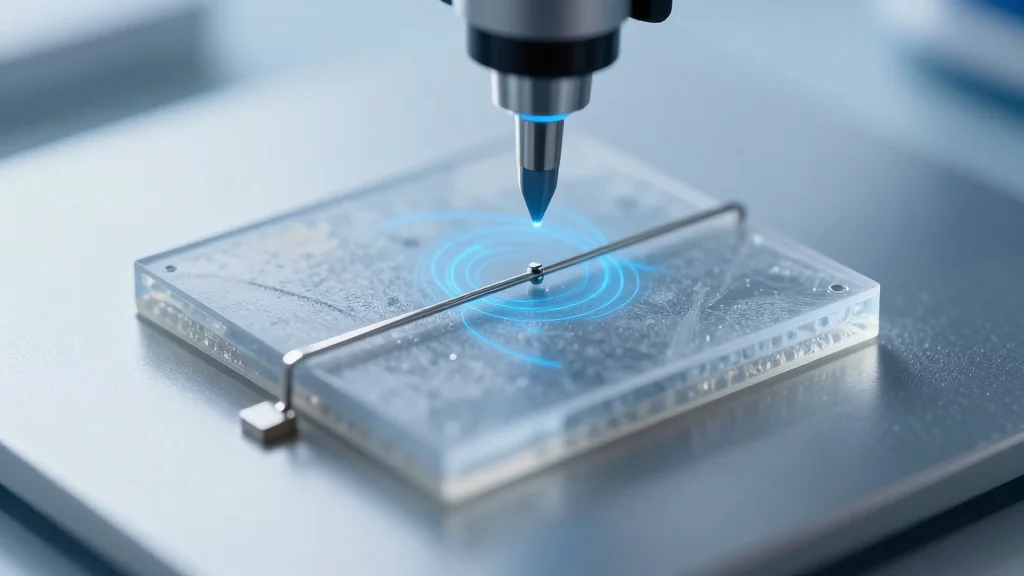
Programmable Superconducting Diode Can Flow on Command
Researchers at the University of Pittsburgh have created a programmable superconducting diode using the LaAlO₃/KTaO₃ (LAO/KTO) interface. By employing conductive atomic force microscope (c‑AFM) lithography, they can reposition the weak link to reverse diode polarity without altering the material. The...

Cellulose Acetate Fibers With Infiltrated ZnO Nanocrystals: Activation of Antibacterial Properties Against Acne Vulgaris by Oxygen Plasma Treatment
Researchers created biodegradable cellulose acetate fibers infiltrated with up to 8 wt % zinc‑oxide nanocrystals using vapor‑phase infiltration and centrifugal spinning. A short oxygen plasma treatment converted the fibers from hydrophobic to hydrophilic, enabling Zn²⁺ release. Plasma‑modified fibers showed clear antibacterial activity,...

Orange Leaf Extract Produces Greener Antibacterial Nanoparticles
Researchers have refined a green synthesis route for copper oxide nanoparticles (CuONPs) using water extracts from dried orange (Citrus sinensis) leaves. The optimal protocol—pH 7, 10 g/L copper acetate, and calcination at 300 °C—produces 20‑30 nm particles with strong antibacterial activity against Escherichia coli...