
Nanomedicine Offers Targeted Solutions for Breast Cancer Treatment
Nanomedicine is reshaping breast cancer therapy by using nanoscale carriers to improve drug solubility, targeting, and controlled release. Recent preclinical studies show lipid‑polymer hybrids boosting oral bioavailability over threefold and photothermal nanoparticles halving tumor growth when combined with chemotherapy. Metallic nanocarriers such as gold and silver demonstrate potent activity against triple‑negative tumors, though organ toxicity remains a hurdle. The review underscores the need for comprehensive safety assessments before widescale clinical adoption.
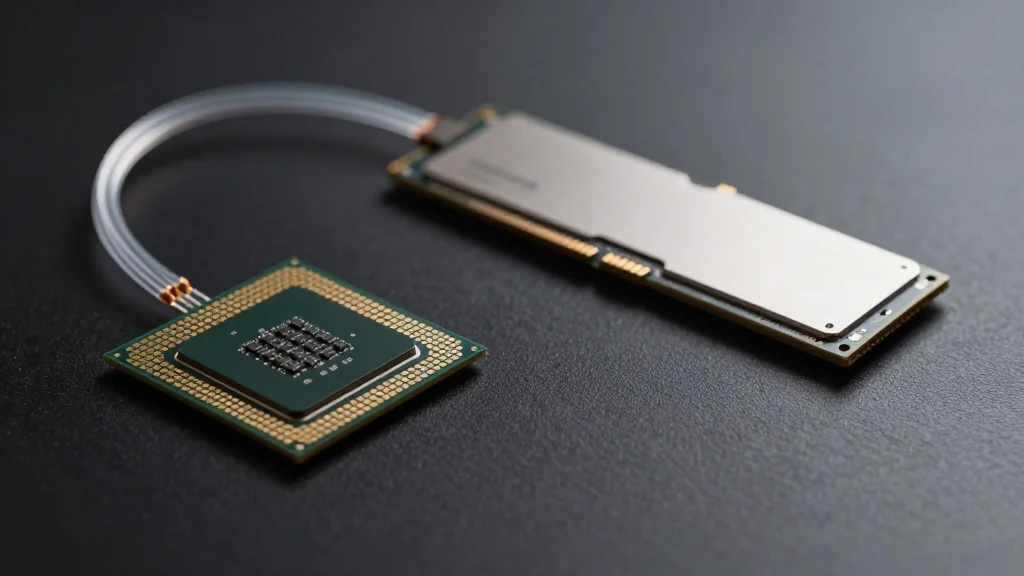
AI Chips Could Get Faster with 30-Nanometer Embedded Memory that Cuts Data Shuttling
Researchers at the Institute of Science Tokyo have demonstrated a 30‑nanometer logic‑embedded memory stack using aluminum scandium nitride (AlScN) and ultra‑thin platinum electrodes. By heat‑treating the lower electrode, they preserved crystal alignment, allowing the memory to retain high performance even...

Ultrahigh-Strength Magnesium From Nanocolloid Solidification
A team led by Yang, Nadendla and Fang has demonstrated that solidifying nanocolloid suspensions can produce magnesium with tensile strengths over 400 MPa, far above the ~250 MPa of conventional alloys. The technique refines grains to the nanometer scale while embedding reinforcing...

Expansion Microscopy Tool Kit Corrects Distortion of Blown-Up Cells
Researchers have unveiled an expansion microscopy toolkit that uses genetically encoded protein nanocages as internal rulers to correct uneven swelling of organelles. By measuring these nanoscale cages, the system quantifies local expansion factors and digitally reconstructs distortion‑free 3‑D images. The...
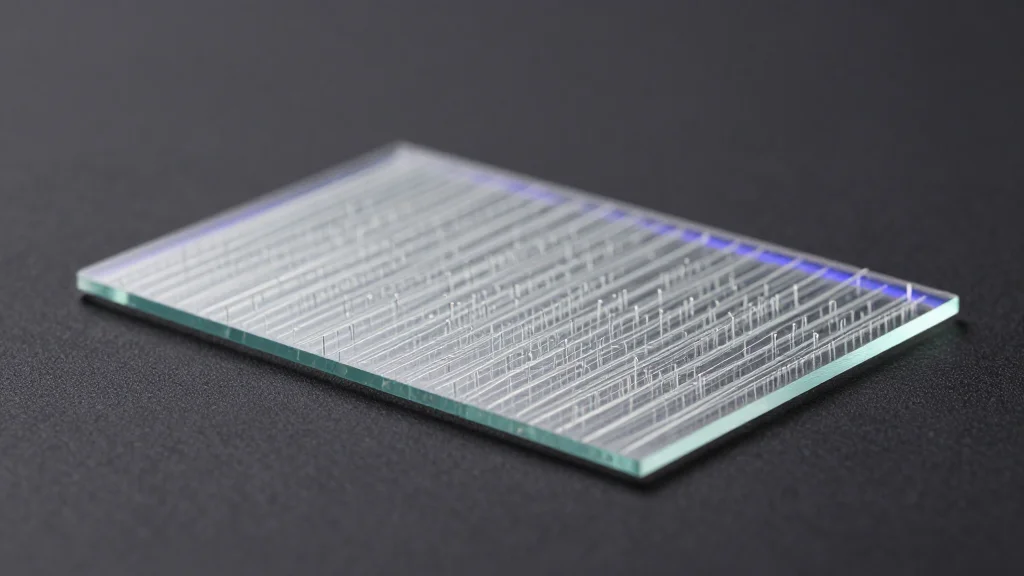
Effect of Seed Layers on the Growth of Novel 3D TiO 2 Nanorod Thin Films by Hydrothermal Method
Researchers synthesized TiO₂ nanorod thin films on FTO glass using a low‑temperature hydrothermal process, comparing growth with and without a spin‑coated TiO₂ seed layer. The seed layer dramatically increased nucleation sites, yielding uniformly distributed nanorods, whereas seed‑free samples produced larger,...
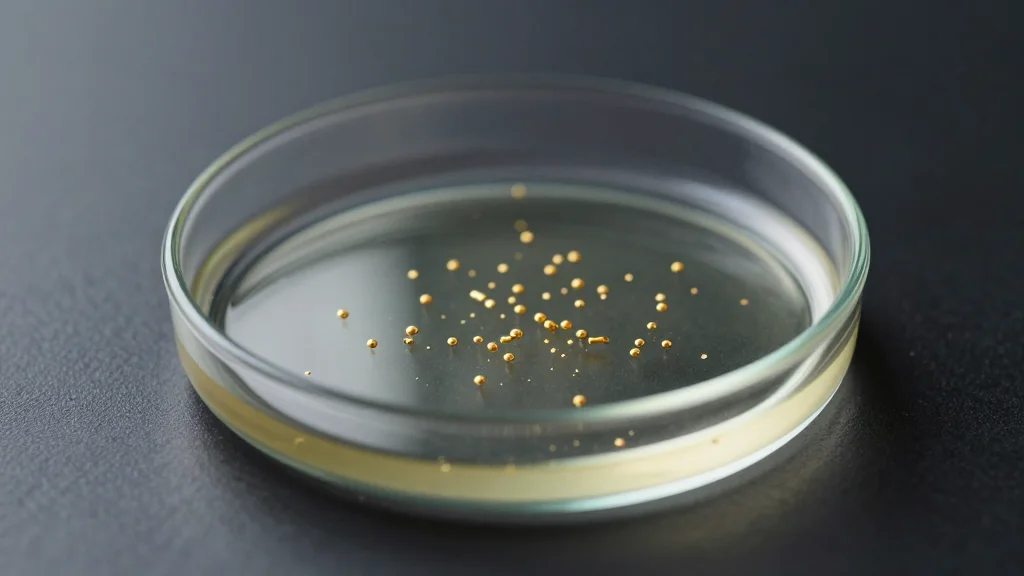
Iron‐Based Metal‐Organic Framework MIL‐100(Fe) Regulates Keloid Scarring in a Humanized Keloid Model
The study shows iron‑based metal‑organic framework MIL‑100(Fe) nanoparticles are highly biocompatible, rapidly taken up by keloid fibroblasts, and selectively inhibit the TGF‑β/SMAD pathway, reducing collagen I, collagen III, and P4HA1 expression. In vitro experiments maintained >90% cell viability and curtailed...
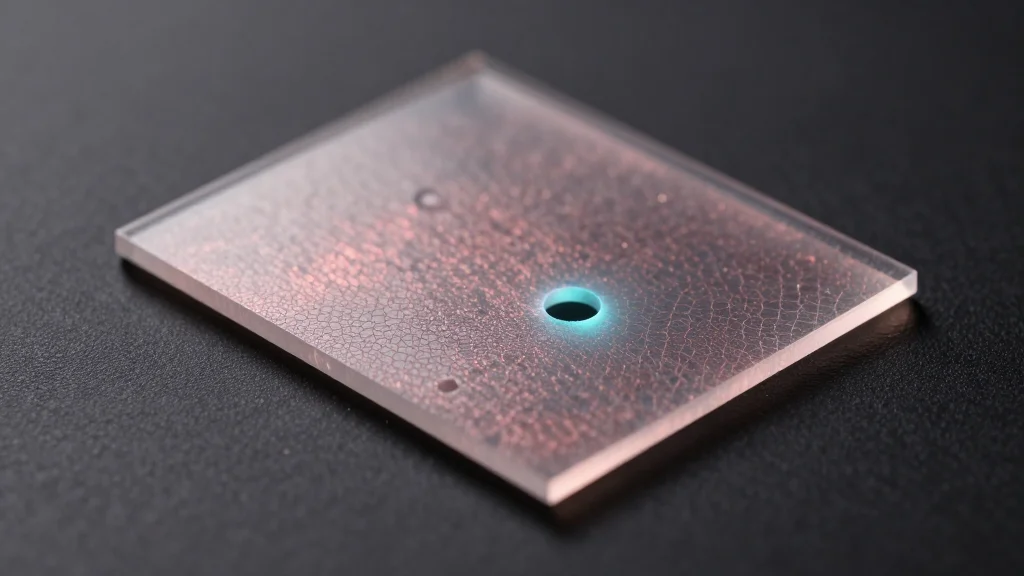
Impact of Zn and Te Vacancies on the Electronic and Magnetic Properties of ZnTe Nanosheet
The study uses first‑principles density‑functional theory to explore how intrinsic zinc (Zn) and tellurium (Te) vacancies alter the structural, electronic, and magnetic behavior of two‑dimensional ZnTe nanosheets. Introducing a Zn vacancy converts the nanosheet into a half‑metallic state with 100 %...
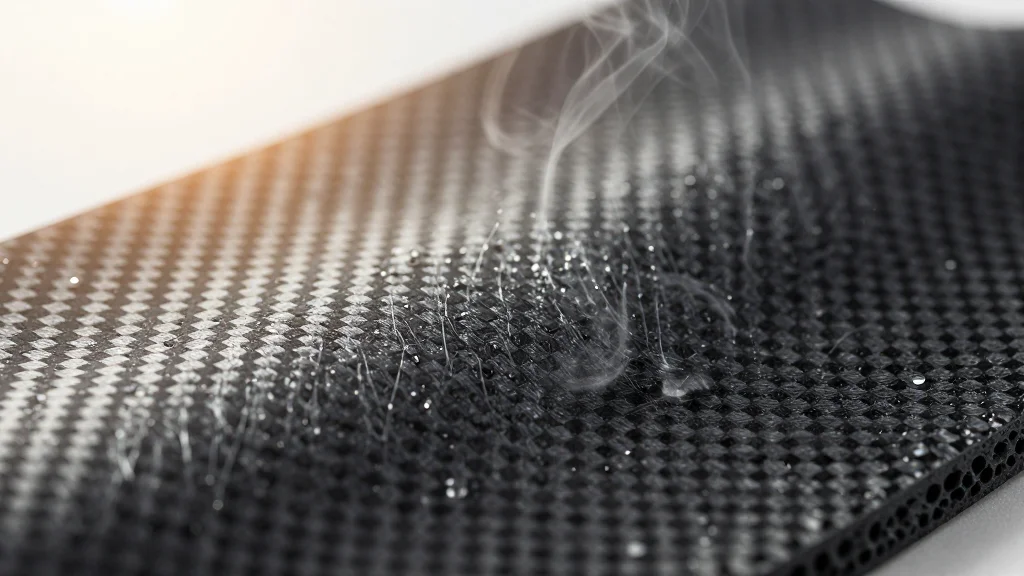
High‐Performance Flexible Porous Solar Evaporator via High Internal Phase Emulsion Templating Method With In Situ Polymerized Carboxylated Carbon Nanotubes
Researchers have created a flexible porous solar evaporator using a high internal phase emulsion (HIPE) templating method that copolymerizes styrene and 2‑ethylhexyl acrylate while embedding carboxylated carbon nanotubes (CCNTs). The optimized scaffold balances tensile strength and elongation, achieving a record...

PH‐Controlled Synthesis of SnO2 Electron Transport Layers for High‐Efficiency and Stable Perovskite Solar Cells
Researchers demonstrated that the pH used during SnO₂ synthesis dramatically shapes its surface chemistry and, consequently, perovskite solar‑cell performance. Acidic SnO₂ (AC‑SnO₂) bears carboxyl groups that form strong hydrogen bonds with FA⁺ but accelerate iodide oxidation, while alkaline SnO₂ (AL‑SnO₂)...

Bidirectional All‐Optical Synapses for Neuromorphic Computing and Vision
Researchers have created a bidirectional all‑optical synapse using a carbon‑dot hybrid (CDH) that responds to both ultraviolet and infrared light. The dual‑photon approach enables controllable exciton release and phosphorescent emission, delivering true optical potentiation and depression. Leveraging this capability, the...
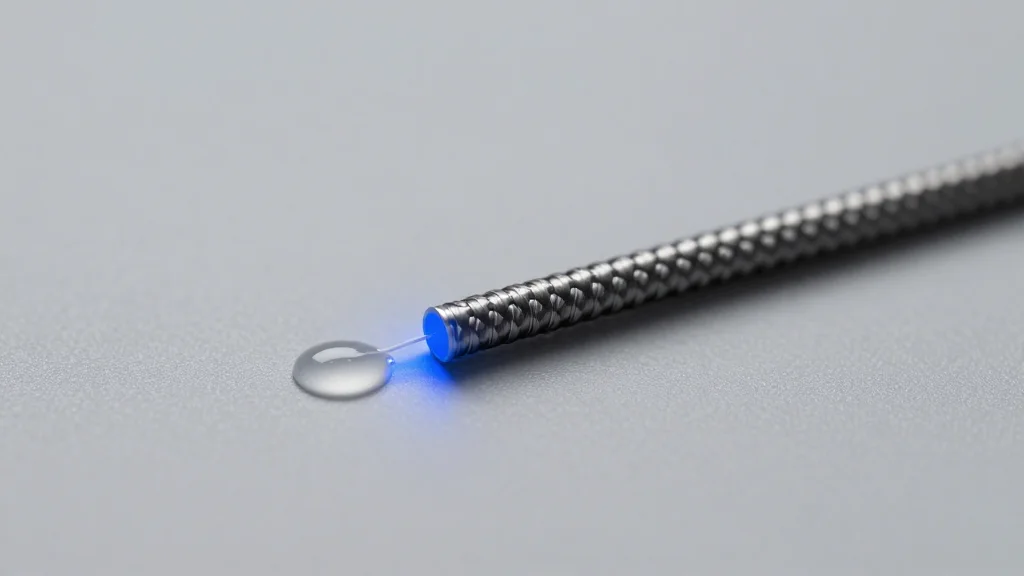
Carbon Nanotube Fiber Sensors Achieve Record Measurement Error Below 0.1%
Skoltech researchers, together with Chinese and Iranian collaborators, demonstrated carbon nanotube fiber (CNTF) sensors that achieve a record‑low measurement error of under 0.1%, far surpassing the typical 2% error of commercial sensors. The study, published in iScience, proves CNTFs can...

Photothermal‐Enhanced Vapor‐Phase Photocatalytic Hydrogen Evolution
The article reviews photothermal‑enhanced vapor‑phase photocatalytic hydrogen evolution, highlighting how vapor‑phase systems overcome liquid‑phase limitations by removing ionic interference and mass‑transport constraints. It introduces a slippery catalyst surface strategy that enables rapid condensate removal and sustained vapor access to active...
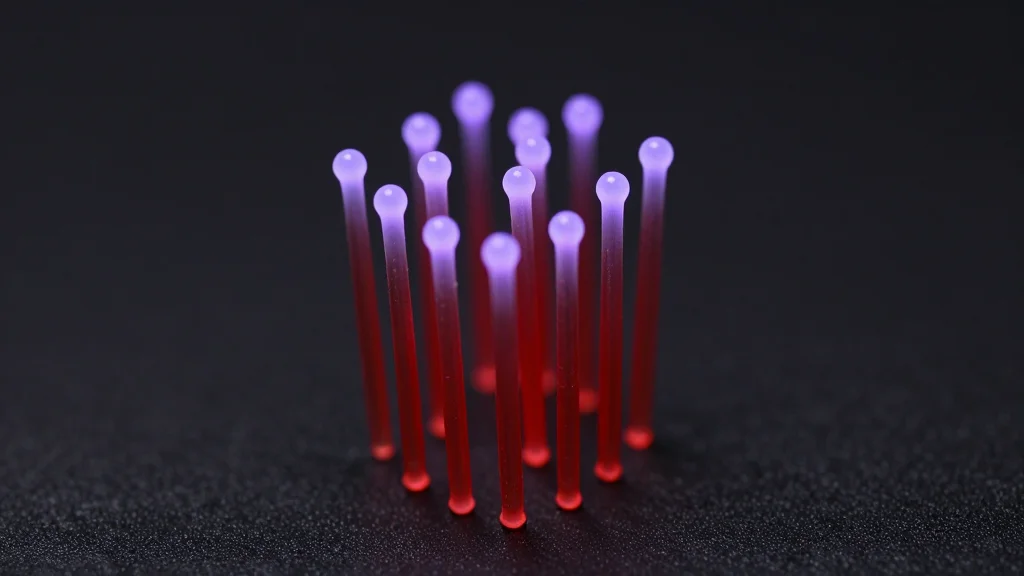
Group‐III Nitride‐Based Wide‐Spectrum Multifunctional Synapses for Encrypted Light Communication and Image Recognition
Researchers have engineered InGaN core‑shell nanorod synapses that combine wide‑spectrum photodetection with stable photo‑electric memory. The devices achieve a peak responsivity of 31.47 A/W and sub‑250 µs response times under 810 nm illumination, while delivering tunable synaptic plasticity at 365 nm UV light. By...

Taming Skyrmions: Atom-Thin Magnets Point to Ultra-Dense, Low-Power Memory
Researchers at Argonne National Laboratory used cryogenic Lorentz transmission electron microscopy to directly image magnetic domains and skyrmion evolution in atom‑thin Fe₃GeTe₂ (FGT). The study shows that sample thickness and applied magnetic field precisely control skyrmion size, density, and reversal...

Minus K Congratulates to the Following Winners of Minus K's 2025/2026 Educational Giveaway
Minus K Technology announced the 2025/2026 Educational Giveaway winners, distributing over $125,000 worth of its patented negative‑stiffness vibration isolators to six U.S. university labs. Recipients include UT‑Dallas (quantum transport and STM), University of Pittsburgh (quantum‑twisting microscope), Northwestern (ultra‑high‑Q mechanical oscillator and...

Spectroscopic Signatures of Doping in Thin Films of Semiconducting Single‐Walled Carbon Nanotubes
The review details how chemical, electrochemical and electrostatic doping modifies the optical and Raman signatures of semiconducting single‑walled carbon nanotube (SWCNT) thin films. Doping introduces holes or electrons that shift visible‑to‑far‑infrared absorption, near‑infrared fluorescence, electroluminescence and Raman modes. These spectroscopic...
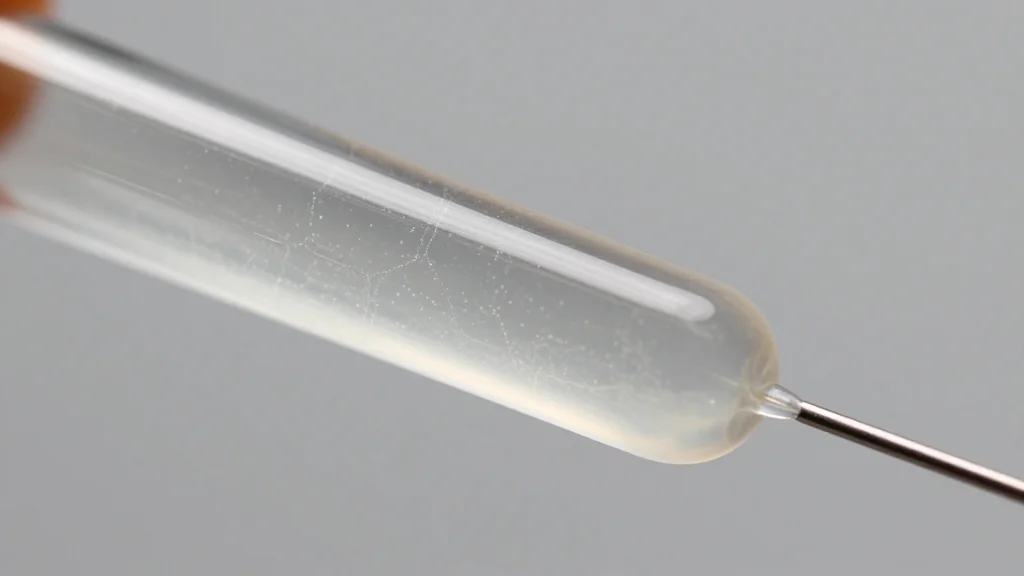
Ultratough Organic–Inorganic Bicontinuous Network Hydrogel via Crosslinking Liquid‐Like Inorganic Ionic Clusters With Polymer Chains
Researchers have created an ultratough hydrogel by crosslinking liquid‑like calcium‑phosphate clusters with polyvinyl alcohol (PVA) chains, forming an organic‑inorganic bicontinuous network. The resulting PVA/CPC hydrogel exhibits a tensile strength of 32.9 ± 4.7 MPa and a toughness of 108 ± 19 MJ m⁻³, outperforming most high‑performance hydrogels....
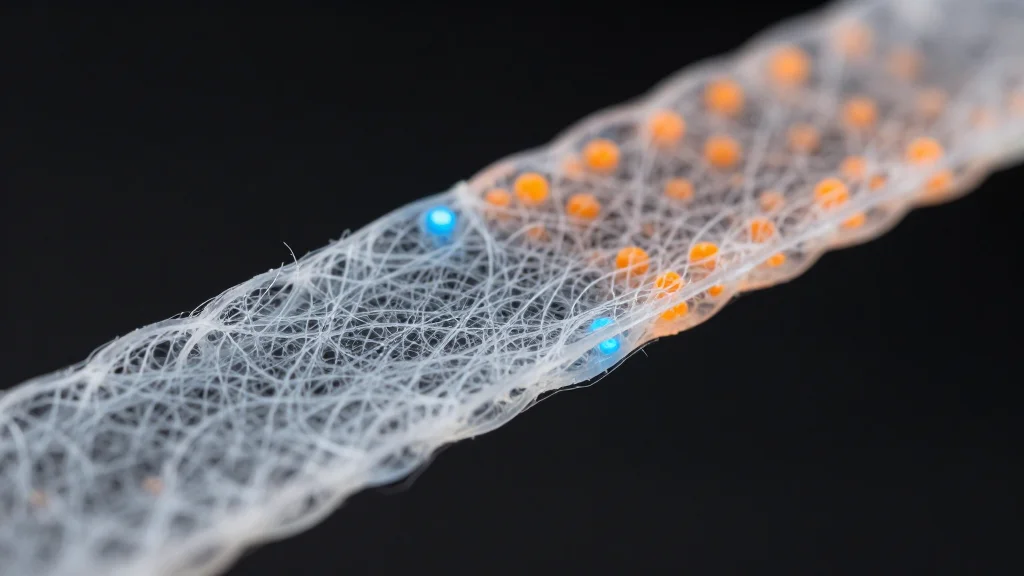
Dual‐Modified Cellulose Nanofiber Membranes with Boosted Surface Charge for High‐Performance Osmotic Energy Conversion
Researchers introduced a dual‑modified strategy that merges small‑molecule functionalization with polymer grafting to produce cellulose nanofiber membranes bearing opposite, highly amplified surface charges. The enhanced charge and engineered nanochannels boost ion selectivity, delivering power densities up to 5.1 W·m⁻² (negative) and...
Momentum-Engineered Photonic States Make Bulk Silicon Shine
Researchers at UC Irvine have shown that bulk silicon can emit bright, broadband light by engineering the momentum of photons rather than altering the material itself. By decorating silicon surfaces with sub‑2 nm metal particles, they create extreme light confinement that...
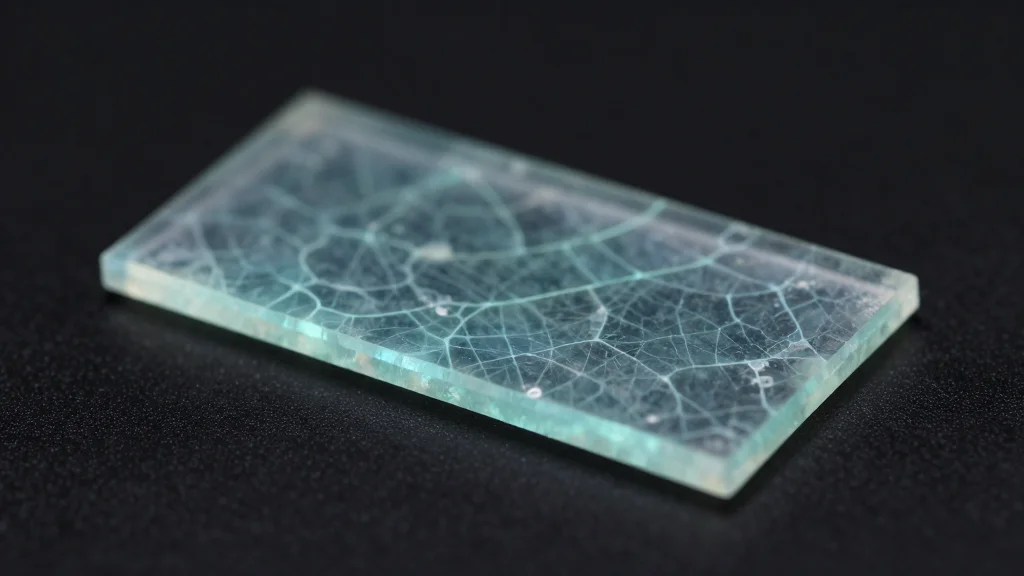
A Roadmap for Atomic Force Microscopy Use in Next-Generation Semiconductor and Energy Materials Research
Researchers at KAIST have released a comprehensive review outlining how atomic force microscopy (AFM) can move beyond imaging to actively control ferroelectric materials at the nanoscale. By integrating piezoresponse, Kelvin probe, and conductive AFM modes, the new framework delivers three‑dimensional...
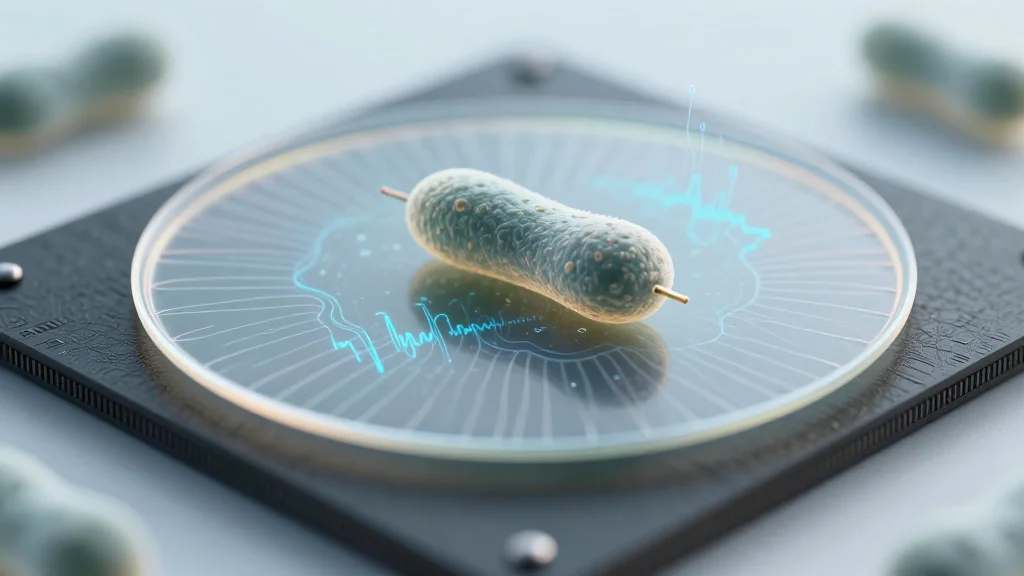
Researchers Develop Graphene Nanodrum and AI Platform for Rapid Single-Cell Bacterial ID and Antibiotic Testing
Researchers at TU Delft, its spin‑off SoundCell, and Reinier Haga MDC have created a graphene‑based nanodrum platform that reads the nanomotion of individual bacteria and feeds the data to AI models for rapid identification and antibiotic susceptibility testing. The label‑free...
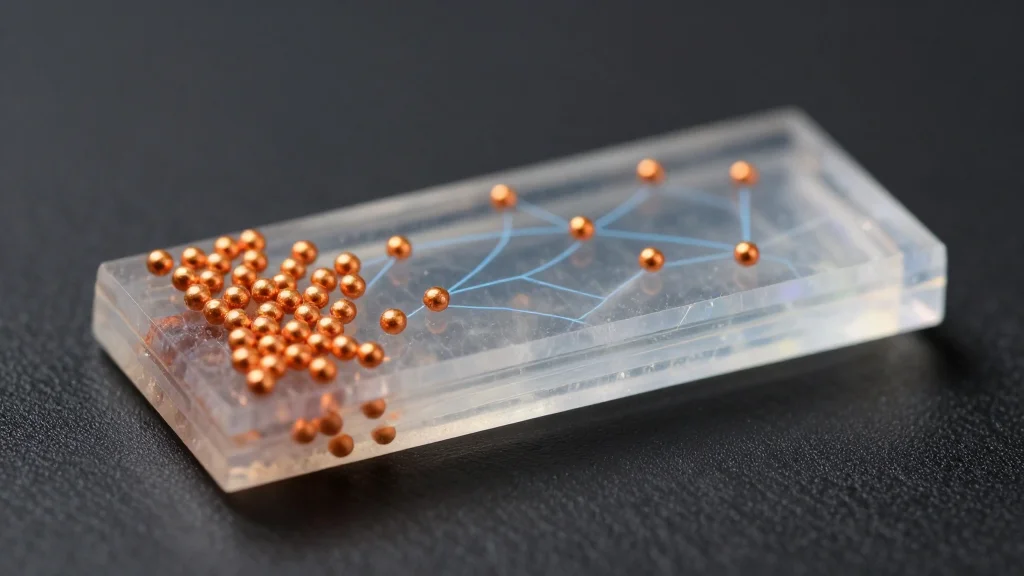
Rejuvenation of Mechanical Fatigue Resistance in 2D Ferroelectric CuInP2S6 by Reversing Ionic Motion
Researchers demonstrated that the two‑dimensional ferroelectric CuInP2S6 (CIPS) can withstand mechanical stresses up to 7 GPa for more than ten million loading cycles, far surpassing conventional ferroelectric oxides. Cyclic loading induces Cu⁺ ion aggregation, which creates lattice disorder and fatigue. Applying...
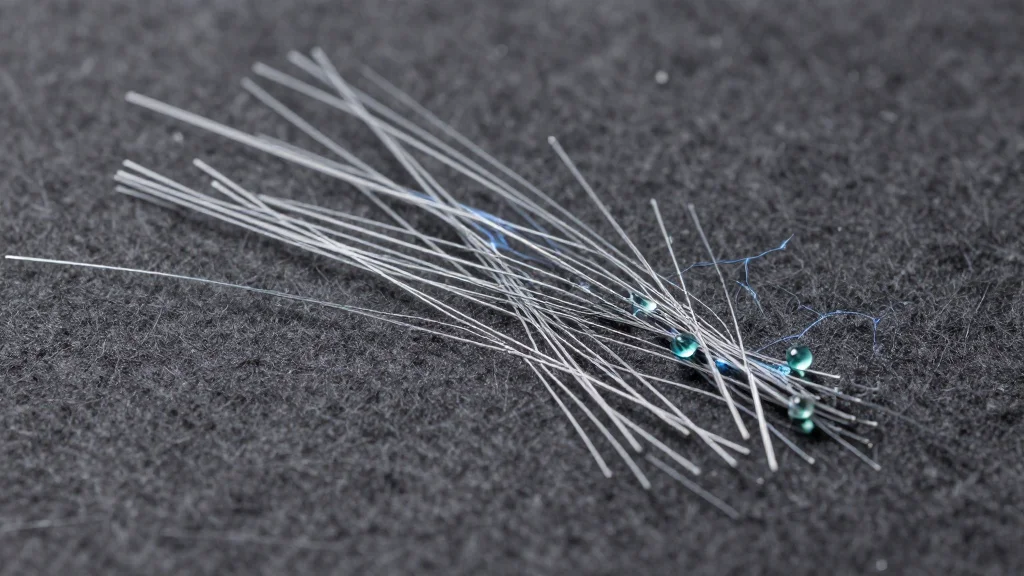
A Bifunctional Nitrogen‐Doped Electrode with High Catalytic Activity and Stability for Energy‐Efficient V3.5+ Electrolyte Production and High‐Performance Vanadium Redox Flow...
Researchers introduced a surface‑architecting method using polyaniline self‑assembly to create a nitrogen‑doped carbon nanofiber network on graphite felt (NGF). In a flow electrolyzer, the NGF electrode reduced energy consumption per unit conversion by 60.25% relative to untreated felt and 41.63%...

Graphene Helps Molecular Qubits Keep Strong Antiferromagnetic Order
Researchers deposited a monolayer of the copper‑based molecular qubit Cu(dttt)₂ onto graphene grown on silicon carbide and demonstrated that the film retains the bulk‑like one‑dimensional antiferromagnetic order. Scanning tunneling microscopy, X‑ray spectroscopies and density‑functional theory show densely packed, flat chains...

First Quantum Diamond Microscopy System Lands in US for Advanced Chip Failure Analysis
QuantumDiamonds GmbH has installed its QD m.1 quantum‑diamond microscopy system at Eurofins EAG Laboratories in Sunnyvale, marking the first North‑American deployment of a commercial QDM tool. The QD m.1 uses nitrogen‑vacancy centers in synthetic diamond to produce three‑dimensional, micrometer‑scale magnetic current maps of...

More than a Pretty Picture, Star-Shaped Nanomaterial Changes Energy Storage
University at Buffalo scientists synthesized the first star‑shaped vanadyl hydroxide (VOOH) nanomaterial, converting its electrochemical profile from a bulk‑like battery to a surface‑dominant pseudocapacitor. The transformation occurs over 84 hours as flat sheets evolve into rods and finally six‑armed stars, dramatically...
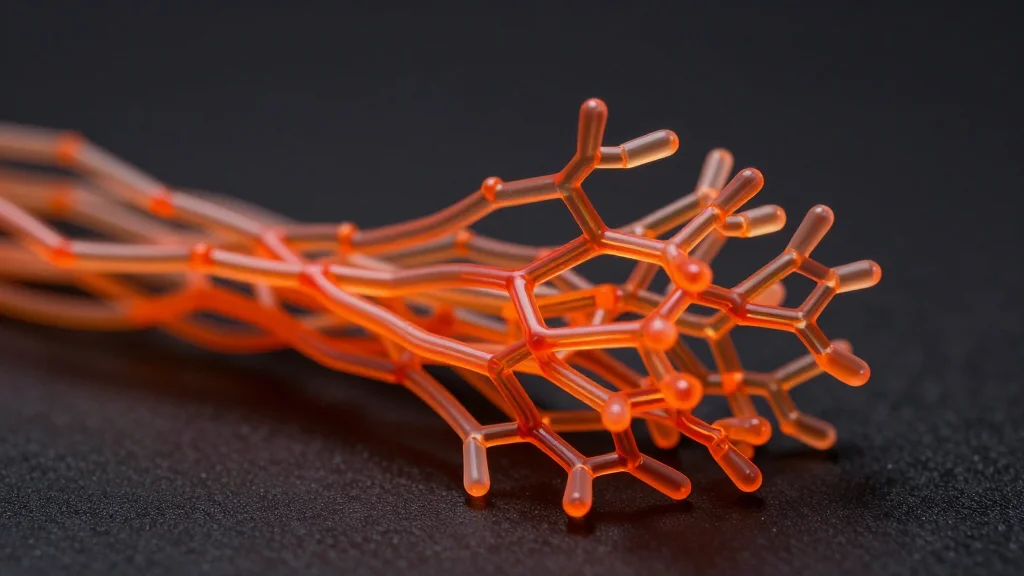
Molecular Engineering‐Regulated Donor‐Acceptor 1D Covalent Organic Frameworks with Bipolar Redox‐Active Centers for High‐Performance Organic Li‐Ion Battery Cathodes
Researchers have synthesized two donor‑acceptor type one‑dimensional covalent organic frameworks (1D COFs) with bipolar redox‑active centers and integrated them onto carbon nanotubes (CNT) to form dendritic core‑shell composites. Molecular engineering narrowed the energy gap, boosting electronic conductivity, while in‑situ CNT...
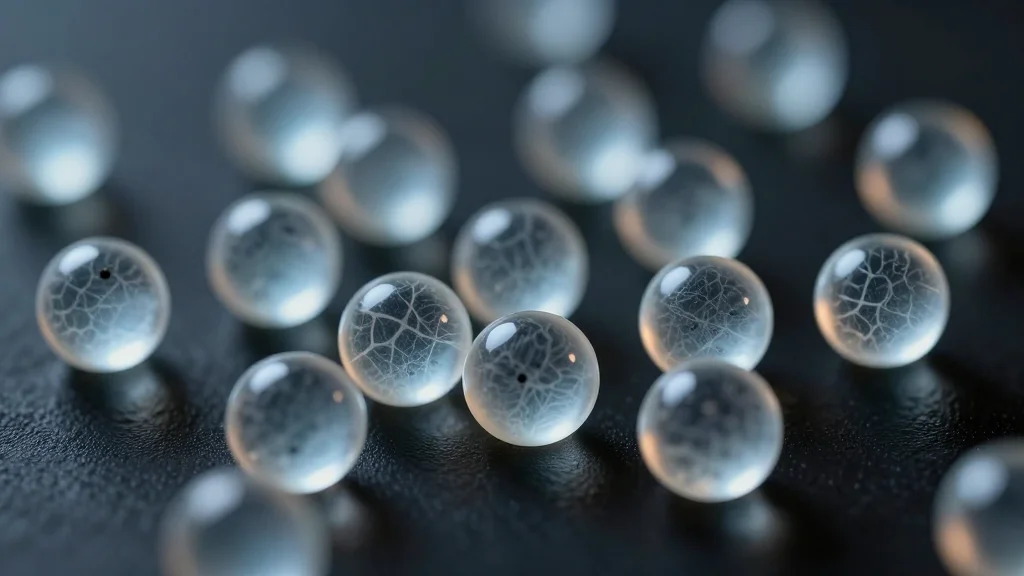
Sulfur‐Vacancy Anchoring Suppresses Dynamic Surface Reconstruction in Ni‐Doped ZnS Nanospheres to Trigger the Lattice Oxygen Mechanism
Researchers have shown that sulfur vacancies in nickel‑doped zinc sulfide nanospheres suppress dynamic surface reconstruction during the oxygen evolution reaction (OER). The vacancies limit metal dissolution and promote formation of a Ni‑Zn(OH)2/ZnS heterojunction, which weakens Zn‑O bonds and activates the...

Sulfur‐Vacancy Anchoring Suppresses Dynamic Surface Reconstruction in Ni‐Doped ZnS Nanospheres to Trigger the Lattice Oxygen Mechanism (Small 20/2026)
Researchers demonstrated that sulfur vacancies in nickel‑doped ZnS nanospheres act as anchoring centers, limiting uncontrolled surface reconstruction during oxygen evolution reaction (OER). This controlled reconstruction triggers the lattice‑oxygen mechanism (LOM), delivering higher catalytic activity than conventional pathways. The study clarifies...

Self‐Assembled Carrier‐Free Nanomedicines Potentiate Chemo‐Photothermal Immunotherapy by Overcoming Prostaglandin E2‐Mediated Immunosuppression
Researchers have created a carrier‑free nanomedicine that self‑assembles indocyanine green, paclitaxel and celecoxib to treat triple‑negative breast cancer (TNBC). The formulation delivers combined chemo‑photothermal therapy while inhibiting the COX‑2/PGE2 inflammatory axis that fuels immunosuppression. In preclinical models, the nanomedicine markedly...

Programmable Biohybrid Probiotics with Long‐Term Storage Stability for Enhanced Intestinal Microbiota Regulation and Ulcerative Colitis Treatment
Researchers unveiled a multilayer encapsulation platform that merges a metal‑polyphenol network, silica shell, and iron‑based metal‑organic framework to shield the anaerobic probiotic Bifidobacterium longum. The system achieved a 41‑fold boost in aerobic storage stability and an 871‑fold increase in gastric...
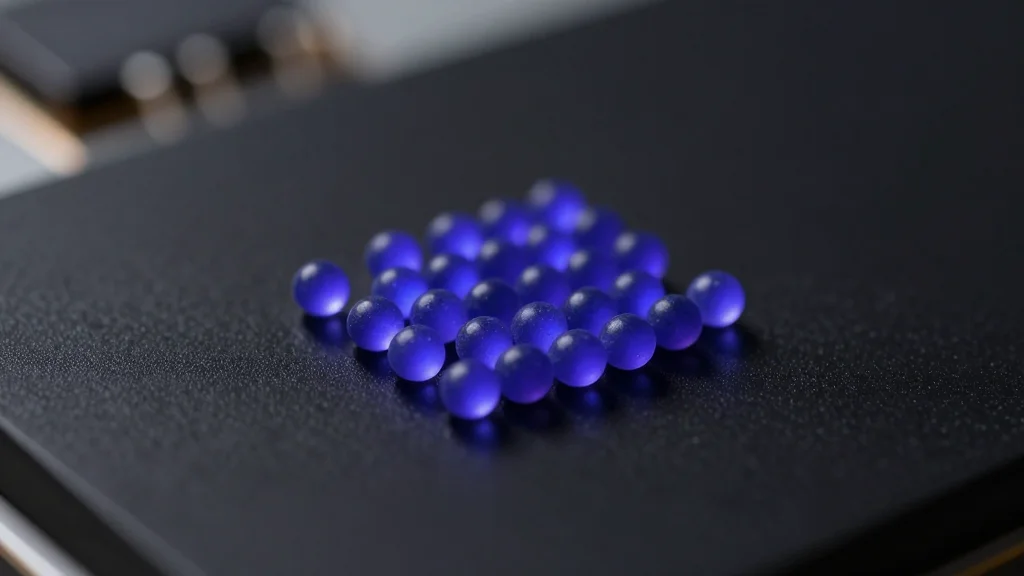
Highly Reproducible Synthesis of PbS Quantum Dots With In Situ Halide Passivation for Short‐Wave Infrared Imaging Chips
Researchers have introduced a highly reproducible method for synthesizing lead‑sulfide (PbS) quantum dots using ethyl ziram as the sulfur precursor. The process yields self‑terminated growth, delivering monodisperse particles with superior surface passivation and photoluminescence quantum yields. Integrated into short‑wave infrared...
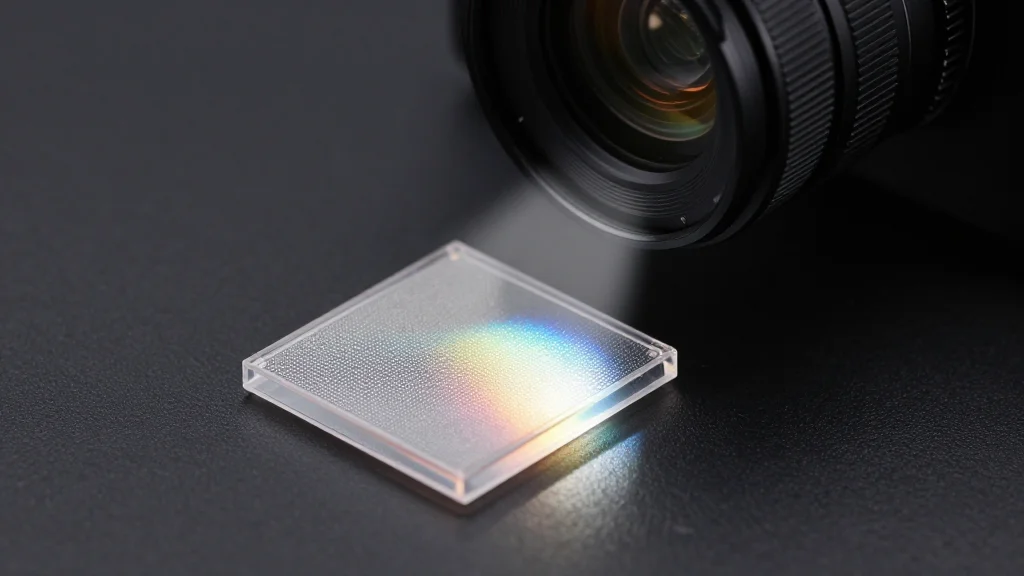
Polymer‐Based Prism‐Free Nanograting SPR Imaging Enables Multiplexed Detection and Single‐Step Aptamer Binding Kinetics (Small 20/2026)
Researchers led by Chia‑Fu Chou have unveiled a prism‑free, polymer‑based nanograting surface plasmon resonance imaging (SPRi) platform that operates with normal‑incidence optics and camera detection. The disposable chip integrates a custom microarrayer, enabling multiplexed biomolecular analysis in a single run....

Archer Materials Advances Silicon Biochip Beta Prototype While Reaffirming Graphene as Next‑generation Platform
Archer Materials announced that its Stage 1 biochip project with IMEC is complete and the company is moving to a silicon‑based beta prototype. The prototype will combine a functionalized potassium sensor with cartridge engineering, microfluidics, and readout electronics for external validation....
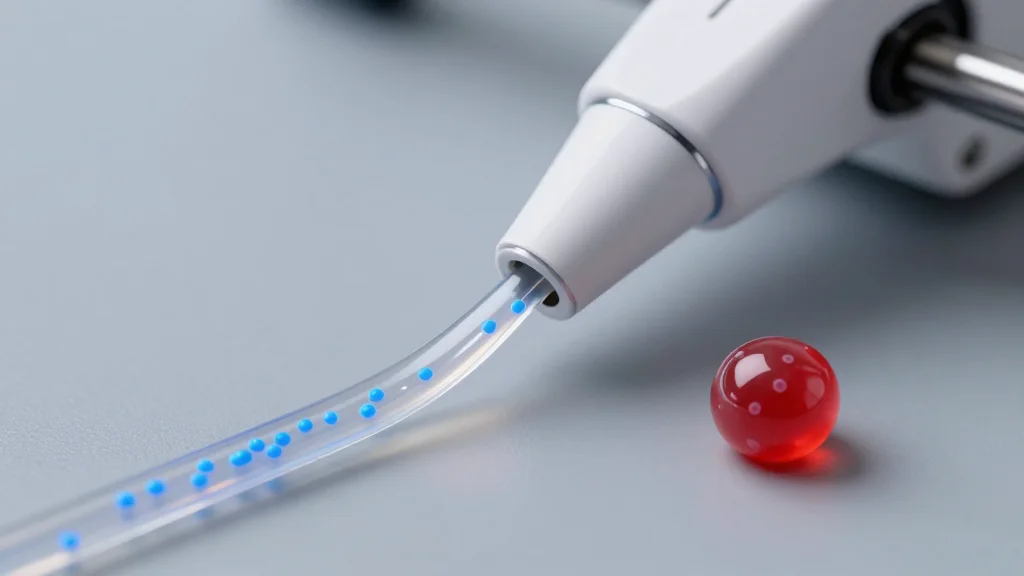
3D-Printed 'Spanlastics' Could Change How Cancer Drugs Reach Tumors
University of Mississippi researchers unveiled a FRESH 3D‑printing technique that fabricates hydrogel‑based spanlastic nanocarriers, 200–300 nm in size, loaded with anticancer drugs such as doxorubicin. The printed implants can be placed directly onto tumor sites, delivering high‑dose therapy locally while shielding...
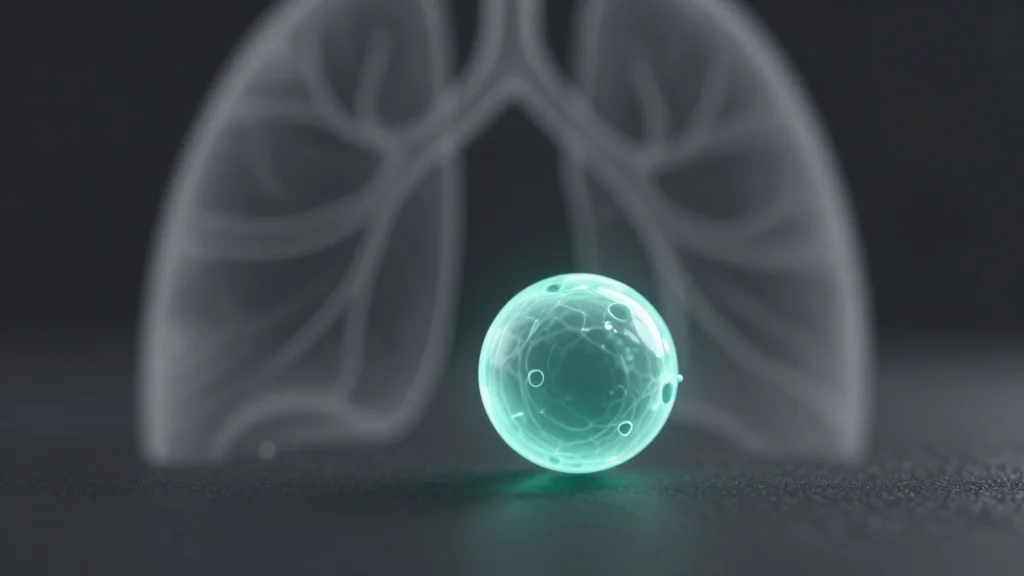
A Nanoparticle Therapy to Treat Lung Cancer and Associated Muscle Wasting at the Same Time
Researchers at Oregon State University have engineered lipid nanoparticles that carry follistatin messenger RNA to lung tumors, simultaneously attacking the cancer and the muscle‑wasting cachexia that often accompanies it. In mouse models the nanocarriers bind circulating vitronectin, home to integrin‑rich...
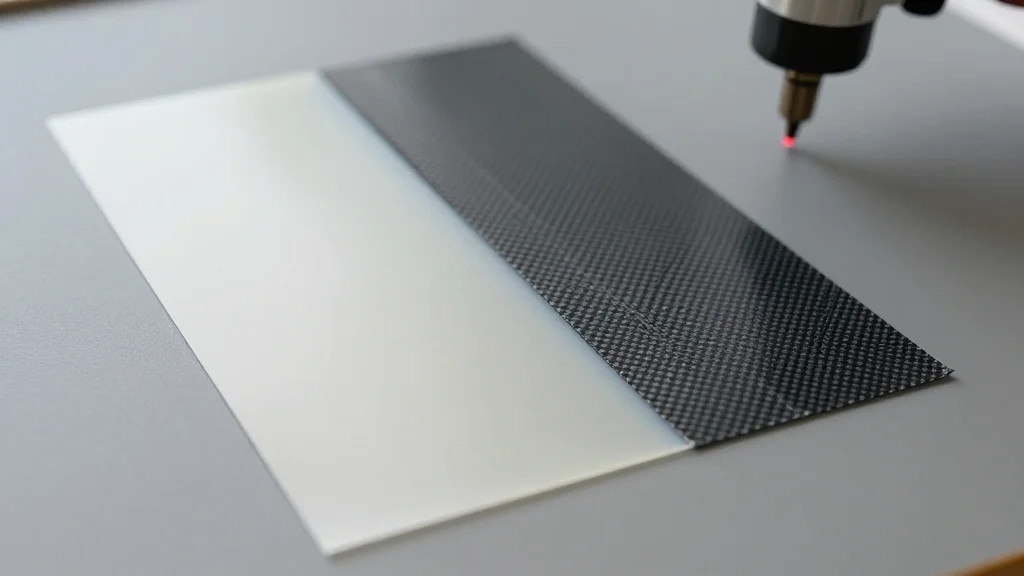
Stitching Precise Patterns – With Lasers
University of Pittsburgh engineers have devised a laser‑induced graphene (LIG) manufacturing method that uses an iron‑oxide ink layer to precisely control graphene formation on polymer films. The technique enables tunable electrode thickness and conductivity, and can create graphene on either...
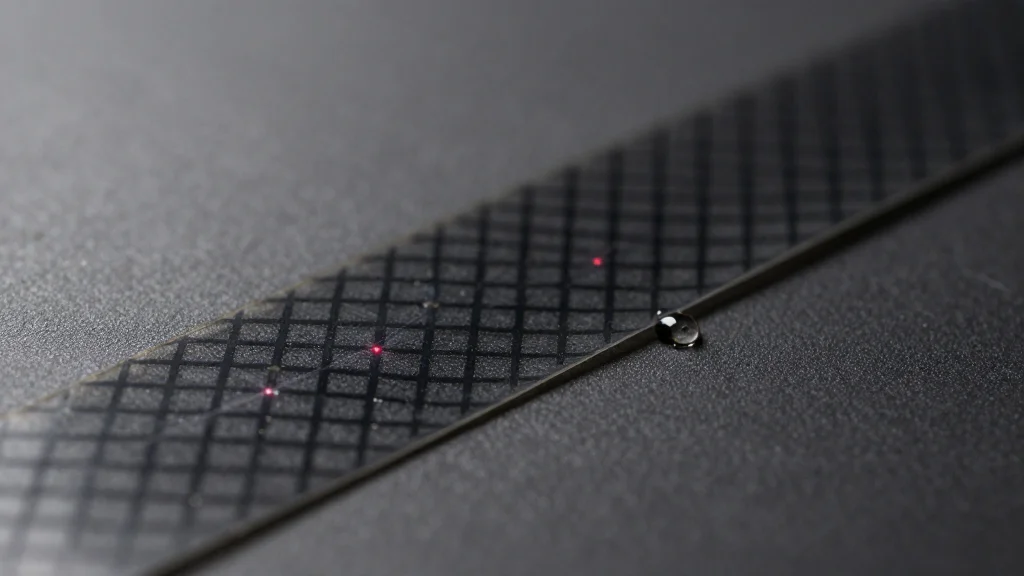
Stitching Precise Patterns—With Lasers
University of Pittsburgh researchers have introduced a laser‑induced graphene (LIG) technique that uses an iron‑oxide ink layer to precisely control graphene thickness and side‑selective formation on polymer films. The method enables the fabrication of flexible microelectrodes that can detect neurotransmitters...
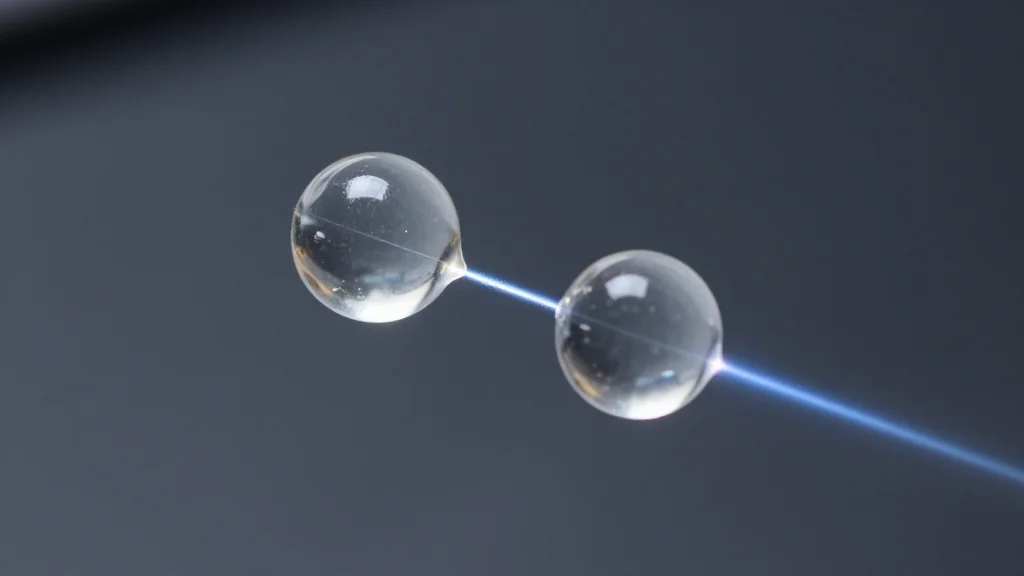
Quantum Ground State of Rotation Achieved for the First Time in Two Dimensions
A team from the University of Vienna, TU Wien and Ulm University cooled the rotational motion of a levitated silica nanorotor to its quantum ground state in two orientational dimensions. The rotor, a dumbbell of two 150 nm silica spheres, reached...
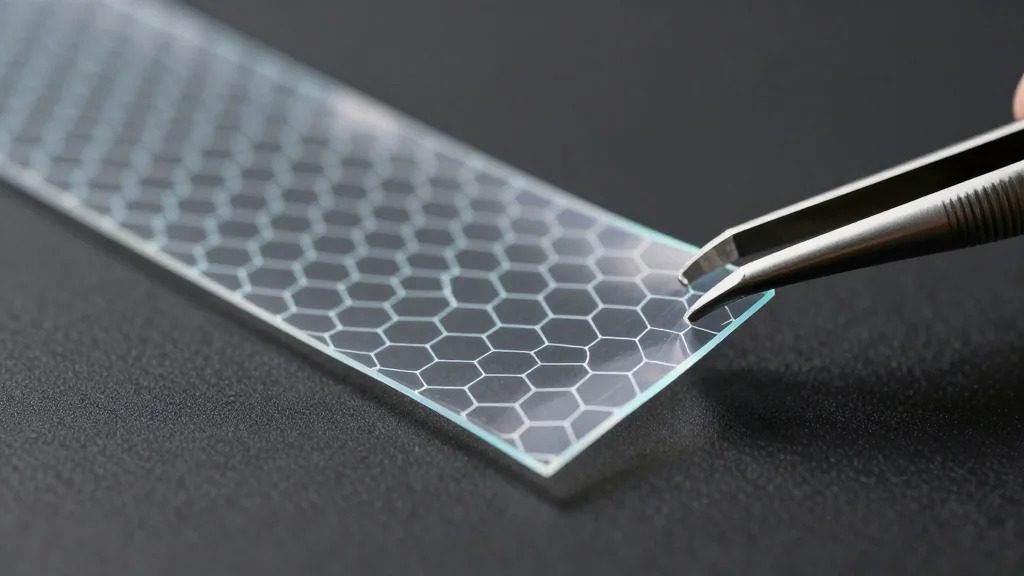
Advanced Carbons Council 2026 Report Maps Global Graphene Industry
The Advanced Carbons Council (ACC) has published its 2026 Graphene Report, mapping the global graphene industry with 194 verified company profiles and strategic market analysis. The report covers production methods, pricing dynamics, applications across all graphene forms, and standards such...
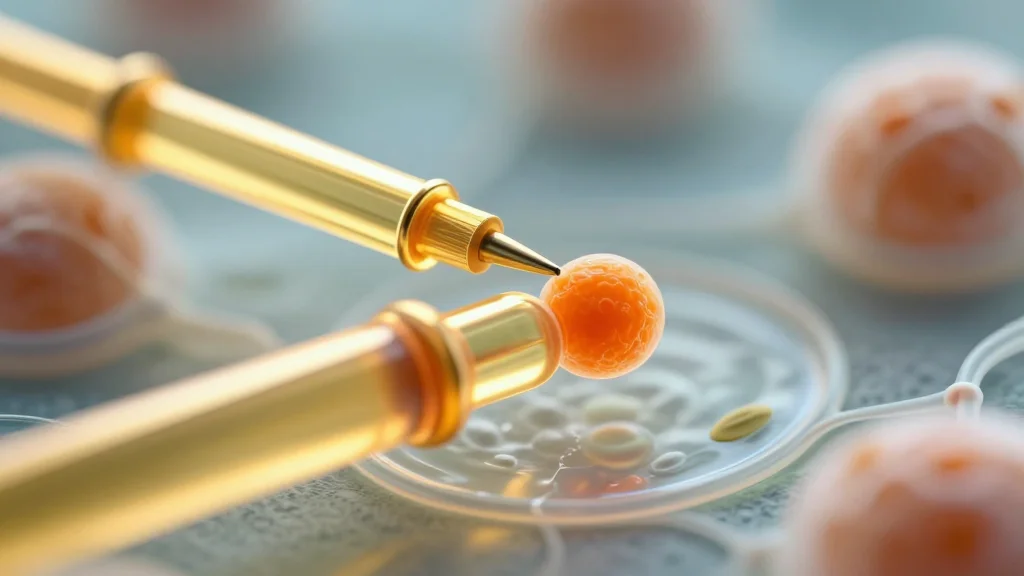
Nanotube Injector Boosts Mitochondrial Performance Through Cytoplasmic Transfer
Researchers at Waseda University unveiled a gold‑membrane nanotube injector that can extract and deliver cytoplasmic material—including intact mitochondria—between living cells. By fine‑tuning nanotube dimensions and internal air pressure, the system achieves over 90% transfer efficiency while preserving roughly 95% cell...
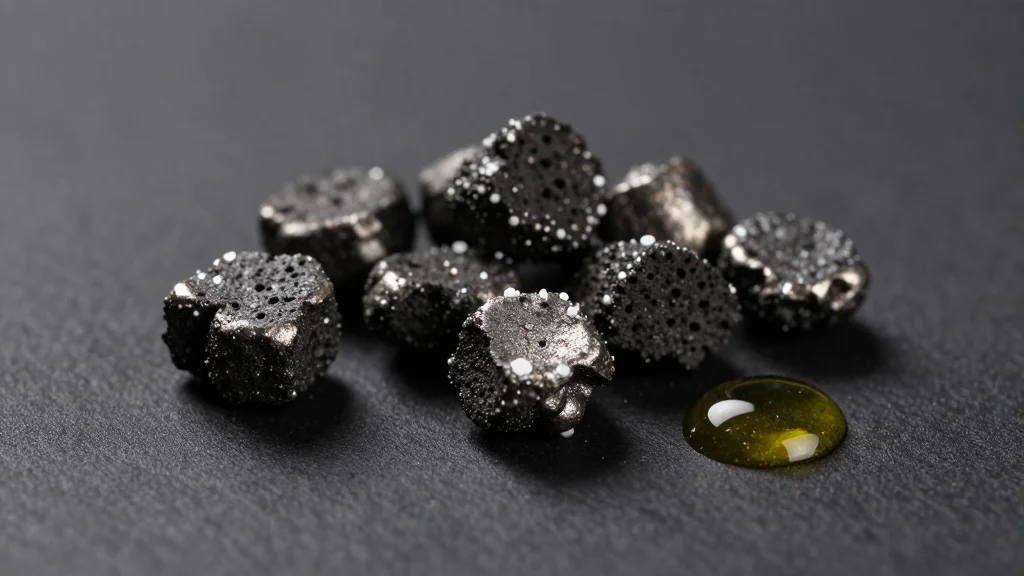
MBC-Guanidine-Ni: A Stable Magnetic Biochar-Based Nanocatalyst for Optimization and Control of a Coupling in the Propargylamine Synthesis
Researchers at Ilam University have developed a magnetic biochar nanocatalyst (MBC‑Guanidine‑Ni) derived from olive‑kernel waste that combines guanidine functional groups with nickel sites. The catalyst contains 4.14 wt% nickel, exhibits a saturation magnetization of 42 emu/g for rapid magnetic separation, and remains...
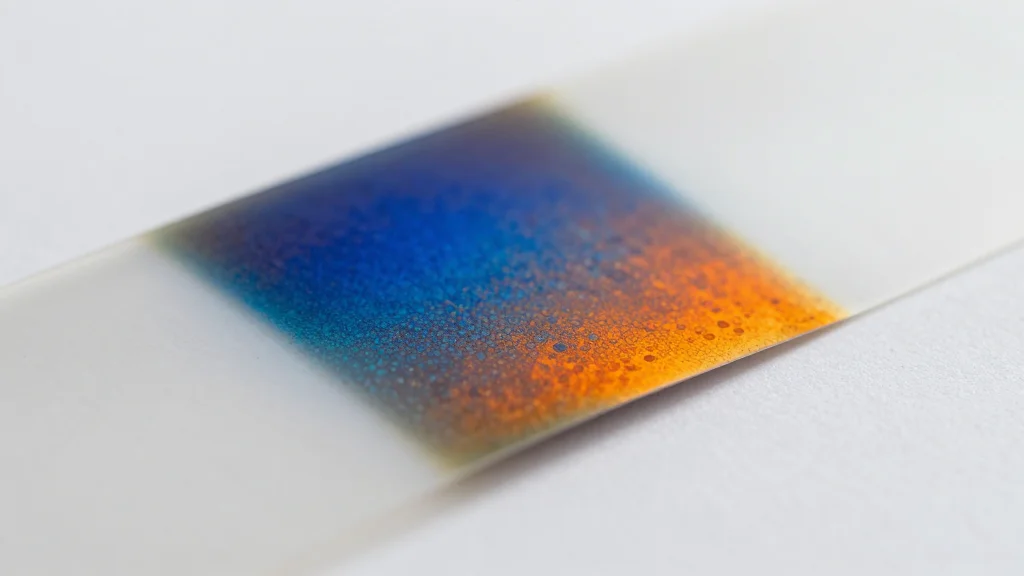
Inkjet Printers Now Capable of Producing Structural Colors
Researchers at Kobe University have created an inkjet‑compatible suspension of silicon nanospheres that produces vivid, non‑fading structural colors on flat and three‑dimensional surfaces. By coating each nanosphere with a thin silica shell, the team prevented particle aggregation, preserving the precise...

Laser-Induced Graphene Patch Delivers Noninvasive, Low-Temperature Melanoma Therapy
Researchers at Wuhan University and City University of Hong Kong have created a soft, transparent, stretchable laser‑induced graphene (LIG)‑Cu/PDMS patch for non‑invasive melanoma treatment. The patch converts low‑power light into mild heat (~42 °C) that triggers localized copper ion release, killing...

ORNL Work Explores AI-Guided Experiments That Adapt in Real Time
Oak Ridge National Laboratory’s Yongtao Liu is pioneering AI‑driven closed‑loop experiments that autonomously plan, execute, and interpret nanomaterial measurements. By integrating real‑time pattern recognition with scanning probe microscopy, the system can identify novel behaviors, such as unexpected hysteresis in halide...
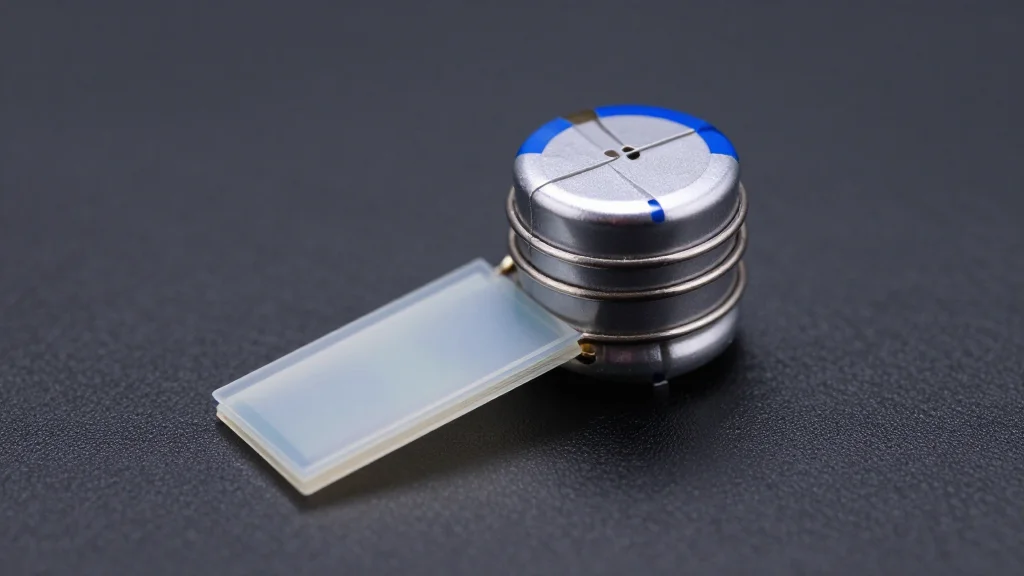
Peak Nano and Advanced Conversion Partner on DC-Link Capacitors for 800 V+ SiC EV Inverters
Peak Nano and Advanced Conversion have teamed up to co‑develop DC‑link capacitors tailored for 800 V+ silicon‑carbide (SiC) inverter systems in electric vehicles and other e‑mobility platforms. The solution pairs Peak Nano’s NanoPlex LDF film, which holds a dissipation factor below...
Nanotube Injector Transfers Cytoplasmic Contents and Organelles Between Living Cells Safely
Researchers at Waseda University have introduced a gold‑membrane nanotube injector that can extract and deliver cytoplasmic material—including intact mitochondria—between living cells. By applying controlled air pressure, the device aspirates cytoplasm from donor cells and flushes it into recipients, achieving over...
Revealing the Impact of Phase Transition on N = 1 2D Perovskite Photodetectors With Intrinsically Tunable Narrowband Detection
Researchers have engineered n=1 2D perovskite (PEA)2PbBrxI4-x photoconductors that deliver tunable narrowband detection from 400 to 520 nm and a record specific detectivity of 2.11×10^11 Jones at 20 V. The study identified two distinct stacking phases and showed that halide mixing induces phase...
Ultra‐Low‐Power and Reconfigurable Optoelectronic Memtransistor Based on Vertical Nb‐WSe2/Te Van Der Waals Heterostructure
Researchers have demonstrated an ultra‑low‑power optoelectronic memtransistor built from a vertical Nb‑doped WSe₂/Te van der Waals heterostructure. The device emulates short‑ and long‑term synaptic plasticity under light stimulation, consuming less than 1 attojoule per spike—four orders of magnitude below biological synapses. It can...
Freeze‐Drying Tumor Tissues Derived Bio‐Patches With Hair Melanin Nanoparticles Integration for Wound Healing
Researchers have created a freeze‑dried bio‑patch from decellularized colon tumor tissue that incorporates hair‑derived melanin nanoparticles. The patch preserves extracellular matrix proteins, growth factors, and collagen while adding antioxidant and photothermal antibacterial functions. In vitro tests show enhanced cell migration,...