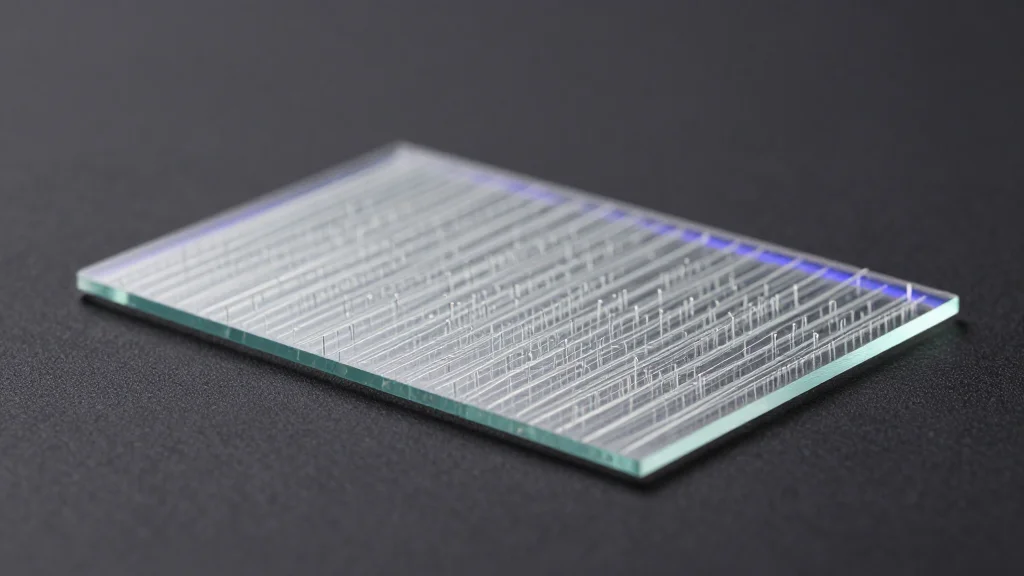
Effect of Seed Layers on the Growth of Novel 3D TiO 2 Nanorod Thin Films by Hydrothermal Method
Why It Matters
Uniform TiO₂ nanorods with tunable band gaps improve efficiency in photocatalysis and optoelectronics, accelerating commercialization of next‑generation energy and sensor technologies.
Key Takeaways
- •Seed layer via spin coating boosts nucleation density of TiO₂ nanorods.
- •Seeded films show uniform nanorods, lower PL intensity, reduced recombination.
- •Optical band gap tuned between 2.70–3.08 eV by temperature and seed layer.
- •Improved UV absorption and morphology enhance photocatalytic and optoelectronic potential.
Pulse Analysis
Titanium dioxide remains a cornerstone material for clean‑energy and sensor markets, thanks to its chemical stability and strong UV absorption. Recent academic work demonstrates that a simple spin‑coated TiO₂ seed layer can transform hydrothermal growth outcomes, delivering densely nucleated nanorod arrays on fluorine‑doped tin oxide substrates. This low‑temperature, scalable approach aligns with industry demands for cost‑effective manufacturing, avoiding high‑temperature annealing while preserving substrate integrity.
The presence of the seed layer not only standardizes nanorod dimensions but also fine‑tunes optical characteristics. Band‑gap values shift between 2.70 and 3.08 eV, and photoluminescence intensity drops, indicating fewer defect‑related recombination pathways. Such improvements translate directly into higher photocatalytic turnover rates and more efficient charge transport in optoelectronic components like photodetectors and solar‑driven water‑splitting cells. By controlling growth temperature (160‑170 °C) and seed‑layer thickness, manufacturers can target specific performance windows without altering the underlying chemistry.
From a commercial perspective, these advances open pathways for integrating TiO₂ nanorod films into large‑area coatings, flexible electronics, and next‑generation photovoltaic modules. The hydrothermal method’s modest energy footprint and compatibility with roll‑to‑roll processing could lower capital expenditures, while the enhanced optical properties promise competitive edge against traditional TiO₂ powders. As the market for sustainable energy solutions expands, seed‑layer‑engineered TiO₂ nanorods are poised to become a differentiator for firms seeking high‑performance, scalable photocatalytic and optoelectronic products.
Effect of seed layers on the growth of novel 3D TiO 2 nanorod thin films by Hydrothermal Method
Comments
Want to join the conversation?
Loading comments...