
Carbon Nanotube Wiring Gets Closer to Competing with Copper
Researchers in Spain have doped bulk double‑walled carbon‑nanotube fibers with tetrachloroaluminate, boosting their electrical conductivity up to ten times the undoped baseline and reaching about 70% of aluminum’s conductivity, roughly half of copper’s. The doped fibers retain their lightweight nature, giving them a density‑normalized conductivity that exceeds copper. While the doping does not compromise tensile strength, the AlCl4⁻ additive reacts with moisture, limiting the material’s operational life to weeks unless sealed. The study highlights a viable pathway toward lighter, high‑performance conductors if a more stable dopant can be identified.
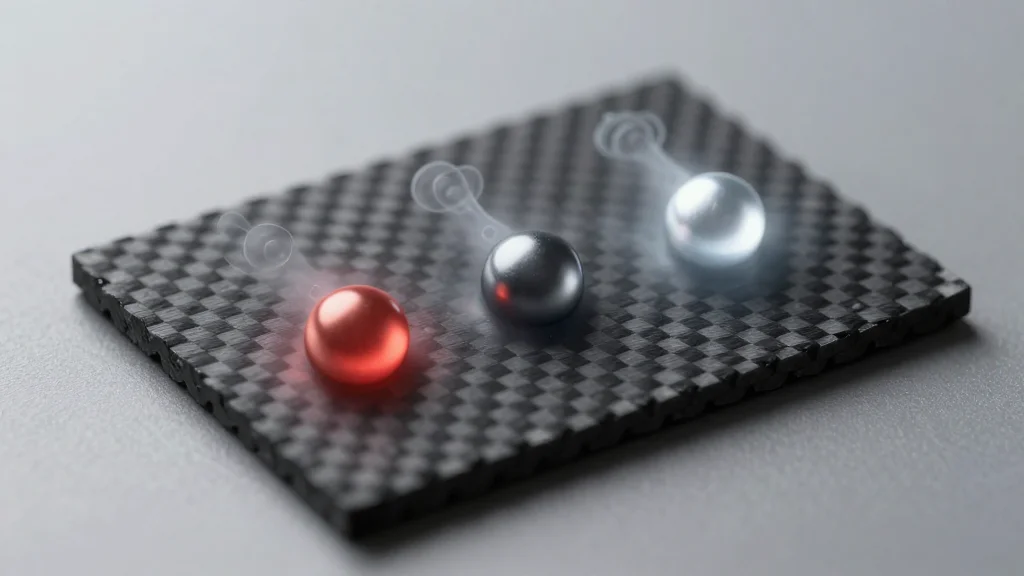
Promoting Electroreduction of Nitrate to Ammonia in Neutral Media via the Synergistic Effect of Atomically Dispersed Fe, Cu, and Pd...
Researchers have engineered a single‑atom catalyst (Fe/Cu/Pd‑N‑C) that delivers exceptionally high ammonia Faradaic efficiencies—98% at 0.5 M, 95% at 0.1 M, and 82% at 0.01 M nitrate—in neutral‑pH electrolytes. The catalyst’s three metal sites work in tandem: Cu atoms reduce nitrate to nitrite,...

Adisyn Secures $10 Million Backing Following Recent Graphene Breakthroughs
Adisyn announced an institutional placement that will raise AU $14 million (approximately US $10 million) after achieving two pivotal graphene technology milestones. The round is anchored by Regal Funds Management, which oversees more than $20 billion, and Meitav, Israel’s largest investment house with about $190 billion...
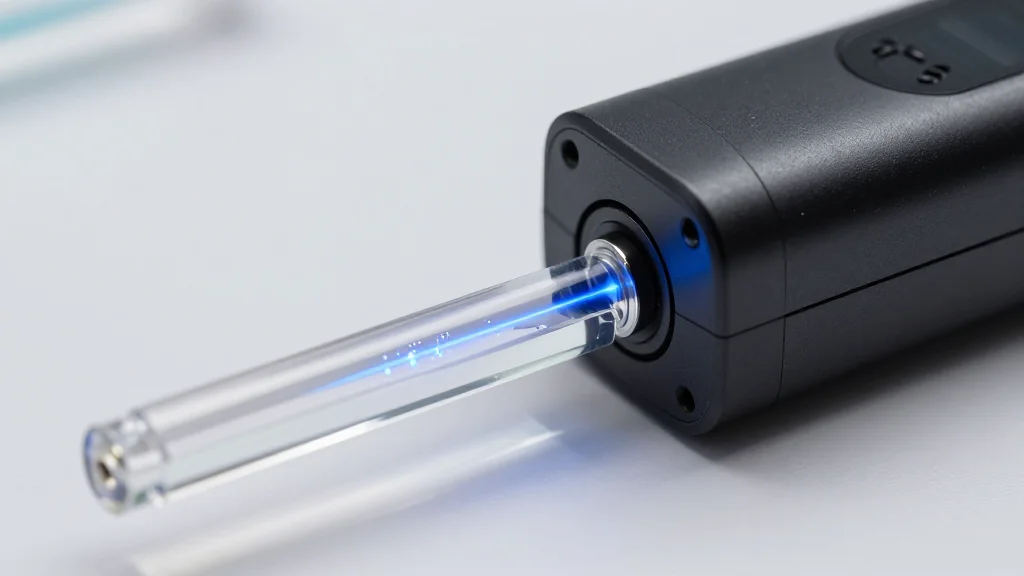
From Air to Tea: New Sensor Reveals Invisible Pollution in Minutes
Researchers at TU Wien and spin‑off Invisible‑Light Labs have launched EMILIE, a nanomembrane‑based sensor that detects airborne and waterborne pollutants at picogram‑to‑nanogram levels in just 15‑45 minutes. The device uses infrared‑illuminated nanomembranes whose minute temperature‑induced vibrations reveal chemical composition, eliminating the...

First Graphene Roof Tile Trial Success Paves Way for Market Entry
First Graphene (ASX:FGR) reported a successful world‑first trial of graphene‑enhanced cement roof tiles, producing over 10,000 units at FP McCann’s UK plant. The tiles delivered up to 14% cradle‑to‑gate CO₂ reduction and an 8% cut in cement use while matching...
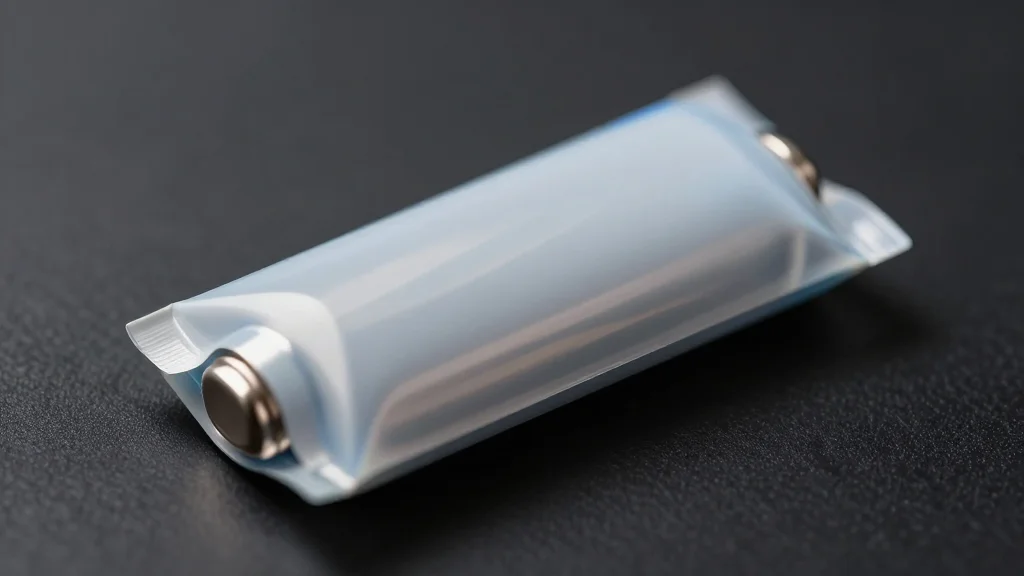
Interfacial Polarity Modulation of Positive Electrode Active Materials for High-Potential Lithium Metal Batteries
Researchers have introduced a polarity‑modulation strategy for positive‑electrode active materials that stabilizes high‑potential lithium‑metal batteries. By applying tailored self‑assembled monolayers and fluorinated surface treatments, the cathode interphase becomes LiF‑rich, suppressing electrolyte oxidation above 4.5 V. The approach delivered a 4.6 V Li||LiCoO₂...

INBRAIN Neuroelectronics Completes Patient Recruitment for First-in-Human Study Evaluating Its Graphene Cortical Interface
INBRAIN Neuroelectronics announced that patient recruitment is complete for its first‑in‑human trial of a graphene‑based cortical interface. Ten patients were enrolled, and eight underwent surgery without any peri‑operative device failures, yielding complete datasets. The study, run with the University of...

New Nanomedicine Approach Boosts Chemotherapy And Immune Activity In Pancreatic Cancer
A preclinical mouse study published in Advanced Science demonstrates that photoactivatable multi‑inhibitor liposomes (PMILs) can deliver irinotecan directly to pancreatic ductal adenocarcinoma (PDAC) tumors when activated by light. The regimen combines minocycline‑mediated DNA‑repair inhibition, photodynamic priming, and localized chemotherapy, boosting...
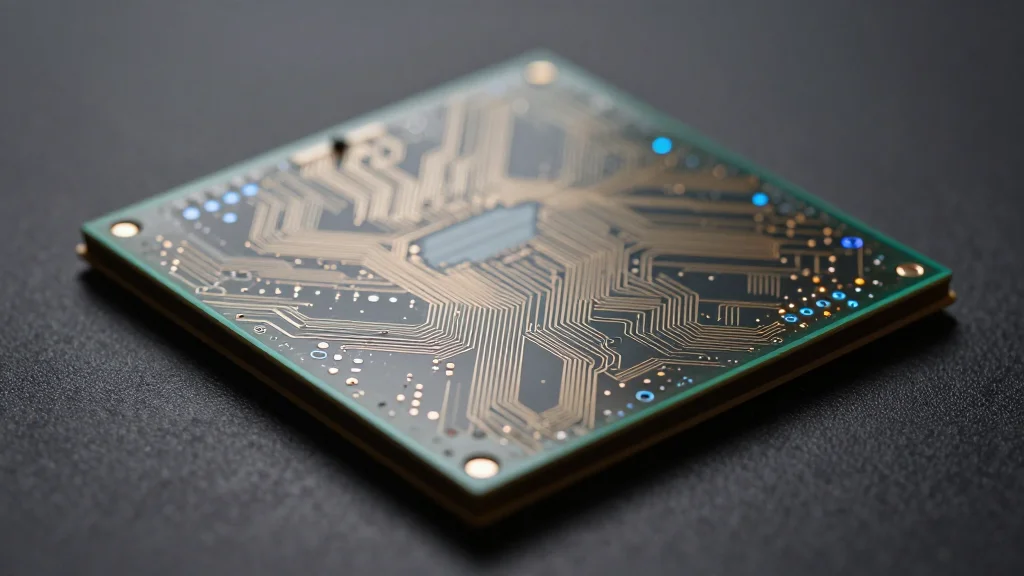
High-Throughput Diffuse Electron Projection Lithography
Researchers introduced diffuse electron projection lithography (DEPL), which uses a wide diffuse electron beam in air and patterned gold‑nanoparticle masks to pattern features as small as 4 nm. The technique demonstrated a throughput of 15 4‑inch wafers per hour and projects up...
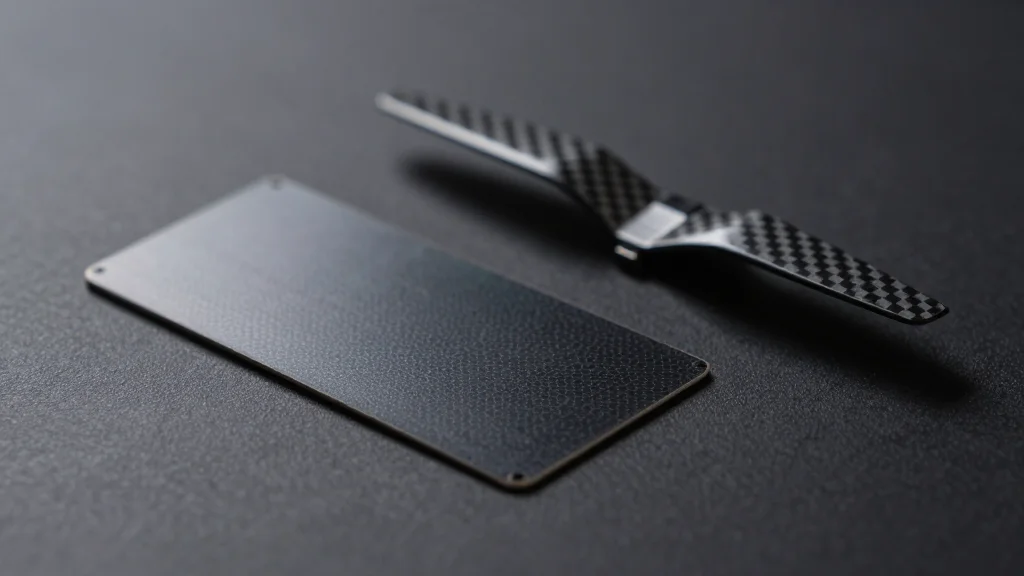
Adisyn Secures Stealth Drone Technology License
Adisyn’s 2D Radar Absorbers subsidiary signed an exclusive worldwide license with Ramot, Tel Aviv University’s tech‑transfer arm, to commercialize graphene‑based radar‑signature‑reduction technology. Laboratory data show a 20 dB (≈100×) drop in radar return, with a roadmap toward 30 dB (≈1,000×) reduction. The agreement...
Low‐Temperature Construction of a Ti–O–C‐Linked S‐Scheme Heterojunction for Efficient Visible‐Light Photocatalytic Redox Reactions
Researchers have introduced a low‑temperature, green synthesis method to build a Ti‑O‑C‑linked S‑scheme heterojunction by grafting yeast‑derived carbon dots onto uncalcined anatase TiO2 at 40 °C. The resulting Y‑CD/UC‑TiO2 composite exhibits visible‑light photocatalytic rates for Rhodamine B degradation and Cr(VI) reduction that...

Crown Ether‐Based Co‐Self‐Assembled Monolayer Enhances the Interaction with Perovskite for High‐Performance Solar Cells
Researchers introduced a crown‑ether‑functionalized self‑assembled monolayer (SAM) that co‑assembles with Me‑4PACz to form a dense mixed interfacial layer on inverted perovskite solar cells. The crown ether selectively binds undercoordinated Pb²⁺ ions, passivating defects and suppressing non‑radiative recombination. This molecular engineering...
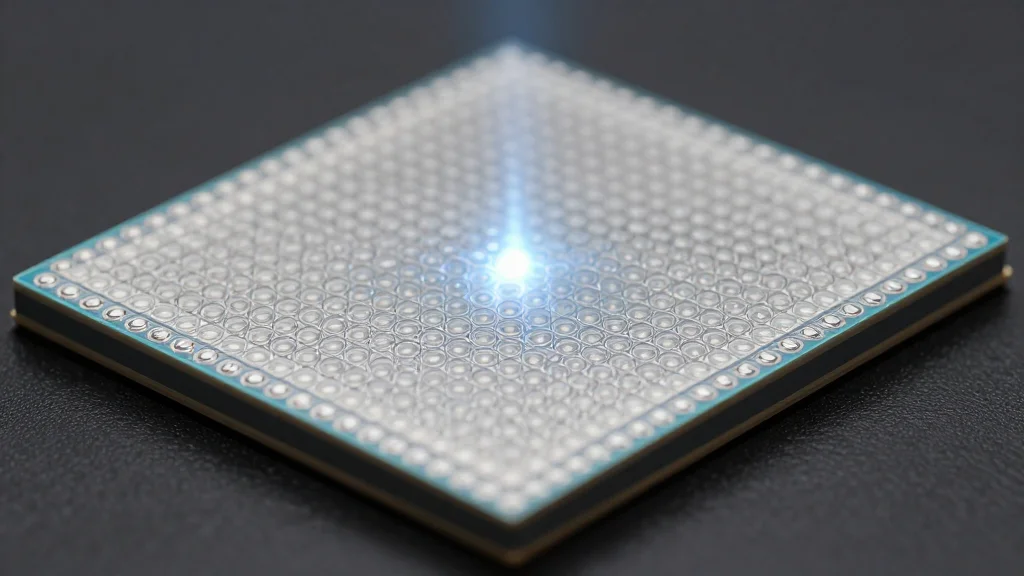
Wafer‐Scale Deterministic Fabrication of Axis‐Ratio–Engineered Silicon Nanoparticles for On‐Resonance Electric–Magnetic Dipole Interference
Researchers introduced a wafer‑scale top‑down process that produces silicon nanoparticles with exceptional uniformity (1.7‑2.4% coefficient of variation) and deterministic axis‑ratio control. At an axis‑ratio of roughly 2.1, electric and magnetic dipole resonances overlap, delivering near‑Kerker forward scattering with a forward‑to‑backward...
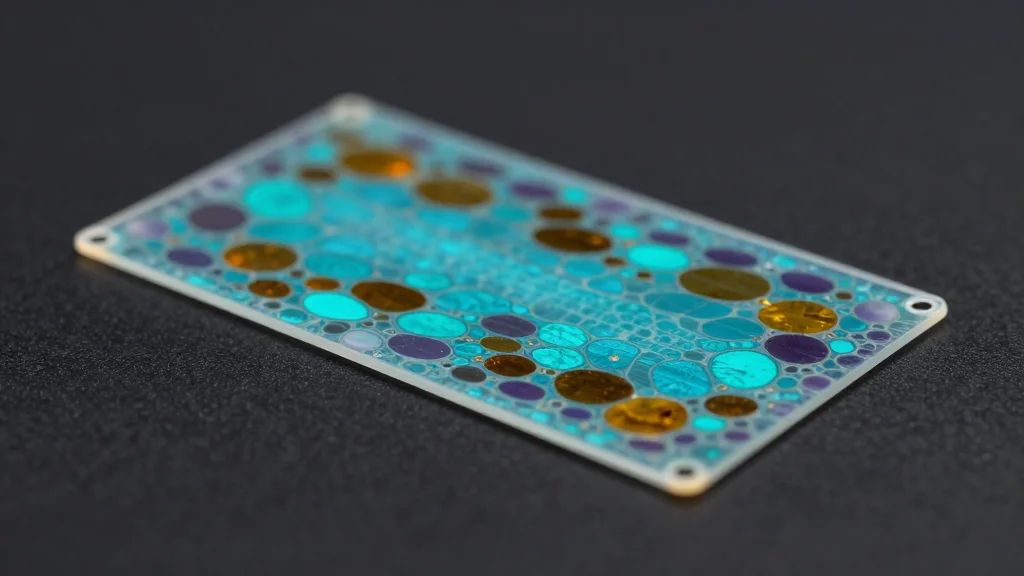
Enhanced Exciton Dissociation and Charge Transport Through Fine Morphology Tuning for Efficient Ternary Photovoltaics
Researchers applied a morphology‑guided composition strategy to a PM6:D18:BTP‑4F ternary organic photovoltaic blend, optimizing the donor‑acceptor ratio to 0.8:0.2:1.4. The resulting active layer exhibits a π‑π stacking distance of ~3.66 Å, a face‑on molecular orientation, and continuous interpenetrating networks, which accelerate...
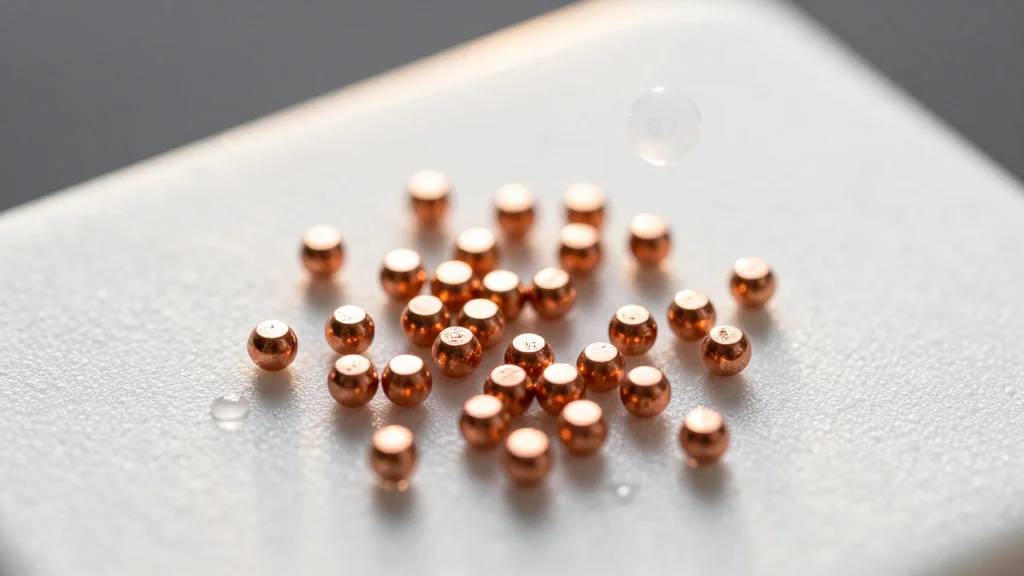
Selective Solar CO2 Conversion Into Ethanol Using Atomic‐Scale Copper Clusters Anchored Π‐extended Poly(heptazine Imide)
Researchers have engineered atomic‑scale copper clusters anchored on a π‑extended poly(heptazine imide) framework to achieve selective solar conversion of CO₂ into ethanol. The catalyst, termed Cu/C‑K‑PHI, delivers a production rate of 18.98 µmol g⁻¹ h⁻¹ and reaches 77.01 µmol g⁻¹ after four hours, with near‑perfect...

Realizing Ultrahigh Fatigue Resistance in Carbon Nanotube Aerogel by Homogeneous‐Phase Hybrid Core‐Sheath Structure
Researchers introduced a tree‑inspired fabrication method that coats carbon nanotube (CNT) aerogels with a homogeneous‑phase organic‑inorganic sheath. The hybrid core‑sheath structure eliminates fatigue cracks, allowing the aerogel to survive over one million compression cycles at 50% strain while retaining less...
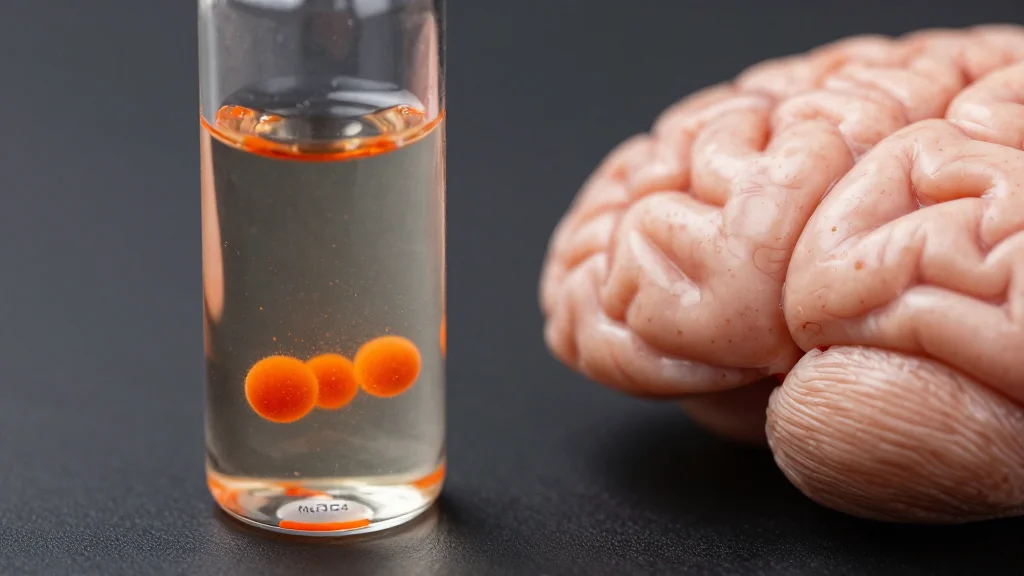
Lentinan‐Enhanced Mn3O4 Nanoparticles for Neuroinflammation Relief and Parkinson's Disease Treatment
Researchers have engineered a lentinan‑coated manganese oxide (Mn3O4@LNT) nanoparticle that can circulate long‑term and cross the blood‑brain barrier (BBB). Proteomic analysis revealed that the LNT coating reshapes the particle’s protein corona, enhancing BBB traversal and brain accumulation. In cellular and...

Electronic Structure Modulation via Composition‐Preserving Phase Transformations in Metal–Organic Assemblies on the Surface (Small 23/2026)
Researchers led by Emiko Kazuma reported a stepwise, composition‑preserving phase transformation of metal‑organic assemblies on a silver (Ag 111) surface. The study shows that while the molecular building blocks remain unchanged, the electronic structure can be systematically tuned through the transformation....
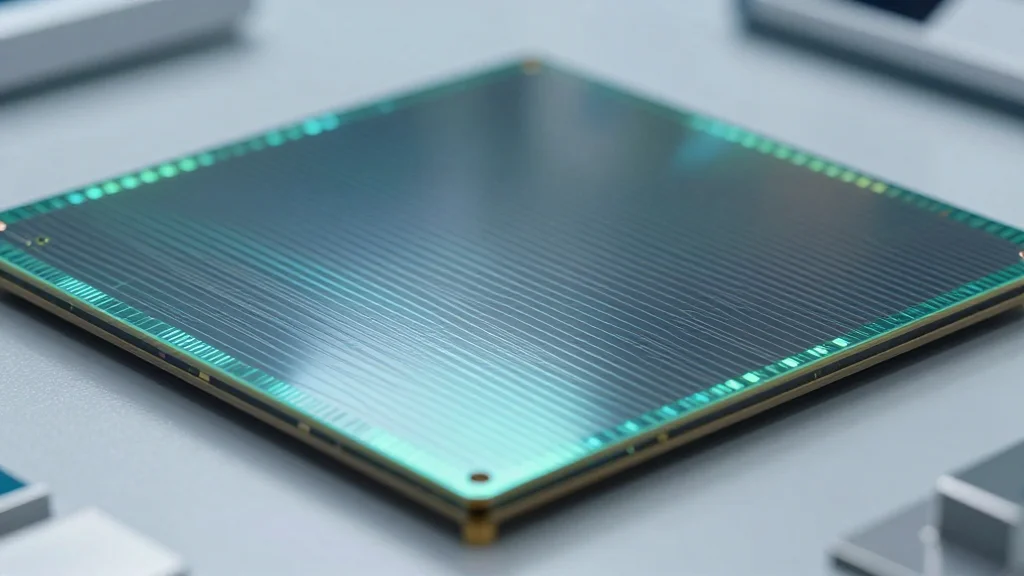
Quinas Advances ULTRARAM Development with Atomic-Scale Processing at KAUST Core Labs
Quinas Technology announced that it has successfully employed atomic‑layer etching (ALE) at KAUST Core Labs to fabricate its ULTRARAM quantum‑engineered memory structures. The process, supplied by Oxford Instruments Plasma Technology, delivers sub‑nanometre precision with ultra‑low damage, essential for the III‑V...

Put a Nanodiamond Under Intense Pressure and It Becomes Flexible
Researchers at Zhengzhou University discovered that nanodiamonds shrink‑to‑size become markedly more elastic. By compressing individual diamonds 4‑13 nm across inside a transmission electron microscope, they measured a 30 % reduction in stiffness for the smallest particles. The softness stems from a weakened...
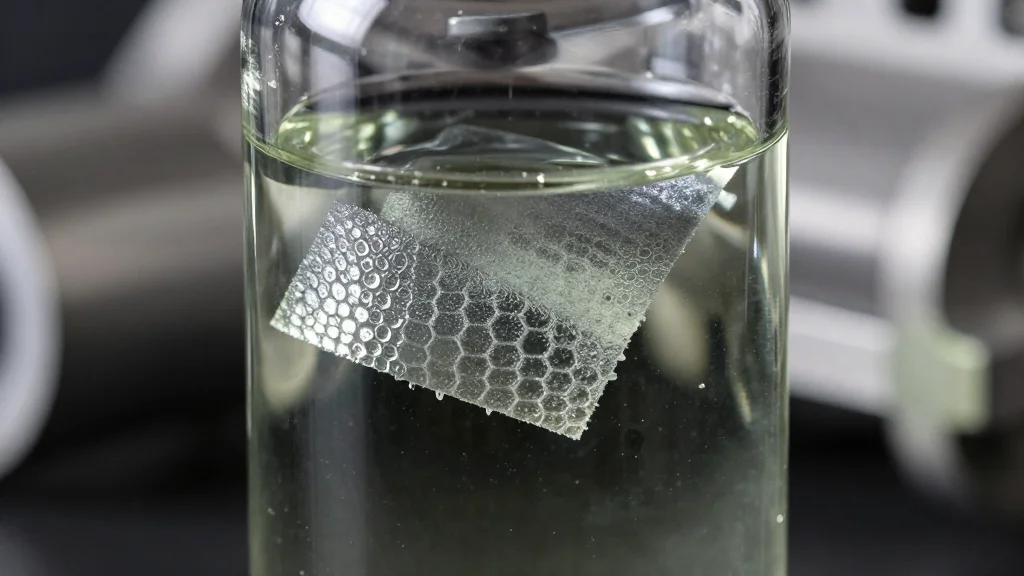
Graphene Manufacturing Group Secures US Patent, China Approval for Its Graphene-Enhanced Lubricant
Graphene Manufacturing Group (GMG) has secured a 20‑year US patent and obtained regulatory approval in China for its graphene‑based engine oil additive, G LUBRICANT. The product, a liquid‑concentrate mixed at 1:100 with standard oil, claims to boost diesel fuel efficiency by...

Scientists Sculpt Einstein Onto a Crystal Using only Light
Researchers at XPANCEO, together with Nobel laureate Konstantin Novoselov, demonstrated that the van der Waals semiconductor arsenic trisulfide (As₂S₃) can be permanently reshaped using only continuous‑wave light. The crystal exhibits an unprecedented photorefractive index shift of up to Δn≈0.3 under low‑intensity UV exposure,...
Laser Bursts Flip Nanoscale Magnetic Vortices at Blistering Speeds, Opening a Path to Brain-Like Spintronics
Researchers at Nankai University and collaborators have demonstrated coherent helicity switching of nanoscale magnetic vortices using femtosecond laser pulses combined with an out‑of‑plane magnetic field. The technique flips the vortex rotation within a few hundred picoseconds in a Ni‑Fe (80/20)...

Synergistic Enrichment and Catalytic Sensing Platform Based on ZIF-8-NH₂/Dynamic Schiff Base Hydrogel for Ultrasensitive Detection of Hydroquinone
Researchers have created a dynamic Schiff‑base hydrogel integrated with amino‑functionalized ZIF‑8 (ZIF‑8‑NH₂) that covalently anchors to an oxidized sodium alginate/carboxymethyl chitosan matrix. The resulting OCZN‑30 sensor delivers ultrasensitive electrochemical detection of hydroquinone, achieving a limit of detection of 0.0167 µM and...

Adisyn Eyes Semiconductor Interconnect Solutions After Low-Temp Graphene Breakthrough
Adisyn (ASX: AI1) demonstrated continuous graphene deposition on a 1 cm × 1 cm coupon using standard industrial atomic layer deposition (ALD) equipment at temperatures well below the 450 °C semiconductor limit. The low‑temperature process, validated by TEM/FIB‑THEMIS and Raman analysis, marks a step toward...
ATLANT 3D and NUS Partner on AI-Driven Materials Discovery Foundry in Singapore
ATLANT 3D and the National University of Singapore’s Institute for Functional Intelligent Materials have signed an MOU to launch an AI‑driven materials discovery foundry inside NUS’s CREATE lab. The facility will integrate ATLANT 3D’s Direct Atomic Layer Processing (DALP) technology...

Single Indium Atoms Shape CO2-to-Methanol Catalysis
Researchers at Brookhaven National Laboratory have shown that monoclinic hafnia can stabilize atomically dispersed indium atoms, creating highly active interfacial sites for CO₂ hydrogenation. The single‑atom indium catalyst delivers markedly higher methanol selectivity and operates at lower temperatures compared with...

On the Interpretation of Astrocytic Calcium Signalling with Graphene Oxide Electrodes
The authors reassess a 2024 Nature Nanotechnology claim that graphene oxide (GO) and reduced graphene oxide (rGO) electrodes can selectively trigger external calcium influx or internal calcium release in astrocytes. They argue that GO’s insulating nature and rGO’s conductivity produce...
When Quantum Fluids of Light Crystallize
Researchers Dario Gerace and Daniele Sanvitto reported the first observation of room‑temperature supersolidity in a quantum fluid of light. They integrated a single‑crystal halide perovskite with a patterned nano‑grating, creating a nonlinear optical lattice that supports polariton condensation. Measurements revealed...

Reply To: On the Interpretation of Astrocytic Calcium Signalling with Graphene Oxide Electrodes
The authors issue a formal reply to critiques of their 2024 Nature Nanotechnology study on graphene‑oxide (GO) electrodes and astrocytic calcium signaling. They reaffirm that GO electrodes reliably trigger distinct calcium transients in cultured astrocytes, and they present additional control...
Wafer-Scale 2D Magnetic Films Emerge Thanks to a New Low-Defect Growth Technique
Researchers at the Indian Institute of Science have introduced a low‑defect physical vapor transport deposition (PVTD) method that produces centimeter‑scale, wafer‑wide CrCl₃ films, a representative two‑dimensional magnetic material. By darkening the growth tube, using ultra‑high carrier‑gas flow, dynamically controlling material...

Scientists Just Found a Way to Control Electrons without Magnets
Scientists have demonstrated that chiral phonons can transfer orbital angular momentum to electrons in non‑magnetic quartz, establishing a magnet‑free route to orbitronics. The study, published in Nature Physics, shows that aligning chiral phonons produces an orbital Seebeck effect, generating a...
Graphene-Based Interlayer Boosts Li-S Battery Performance
Researchers at Cochin University of Science and Technology have introduced a bifunctional polyaniline/reduced graphene oxide (PRGO) interlayer integrated into a lithium‑sulfur battery separator. The composite simultaneously anchors polysulfides and provides a conductive network, mitigating the shuttle effect that limits Li‑S...
When Light Gets Trapped at Nanoscale: New Ways to Power the Future of Optoelectronics From Bound States in the Continuum...
Researchers have highlighted photonic bound states in the continuum (BICs) as a breakthrough for nanoscale light trapping, enabling ultra‑compact, chip‑compatible metasurfaces. A recent review by Do and Ha surveys material platforms, topological BIC variants, and emerging machine‑learning design methods, illustrating...
Reductive Transformation of ALD TeO2 Into Continuous and Impurity‐Free Tellurium Films
Researchers have unveiled a reductive transformation that converts atomic‑layer‑deposited TeO₂ into continuous, impurity‑free tellurium films. The self‑limiting process uses in‑situ generated TeH₂ from Te(SiMe₃)₂ and NH₃, eliminating oxygen from both bulk and interface while preserving conformality even at sub‑5 nm thicknesses....

Laser‐Assisted In Situ Fabrication of rGO/Bi2O3 Nanocomposites for Heavy Metal Sensing
Researchers have demonstrated a single‑step CO₂ laser process that simultaneously reduces graphene oxide and forms Bi₂O₃ nanoplatelets, creating flexible rGO/Bi₂O₃ nanocomposite electrodes. The laser‑engineered electrodes exhibit excellent stripping voltammetric performance for trace Pb(II), Cd(II) and Cu(II), achieving detection limits as...
Zirconia Thin Films Unlock New Reversible Nonpolar-to-Polar Mechanism
Researchers at National Taiwan University have demonstrated a reversible non‑polar‑to‑polar transition in a 12‑nm zirconia (ZrO₂) thin film, establishing a near‑constant‑volume tetragonal symmetry change. This mechanism eliminates the traditional wake‑up effect that degrades antiferroelectric performance, enabling ultra‑stable behavior over 10⁸...
Decoupling Kinetic and Shuttle Limitations in Li─S Batteries Enabled by Temperature Responsive Functional Interlayer
Researchers have introduced a temperature‑responsive Ti3C2Tx MXene interlayer for lithium‑sulfur batteries that adapts its function across −10 °C to 55 °C. At low temperatures it catalyzes Li2S nucleation, boosting redox kinetics, while at high temperatures it strongly binds polysulfides to suppress shuttle....
Interfacial Nano‐Pitting and In Situ Sulfate‐Directed Growth of Na2.85V2(PO4)2.85(SO4)0.15 Nanodots on MWCNT for Ultrafast Sodium‐Ion Storage
Researchers introduced an ultracentrifugation‑assisted phosphate‑sulfate pretreatment that nano‑pits multi‑walled carbon nanotubes, creating confined sites for in‑situ growth of Na2.85V2(PO4)2.85(SO4)0.15 nanodots. The resulting nanodot‑carbon interface delivers strong electronic coupling and short sodium‑ion pathways, enabling capacitor‑like storage at ultrafast rates up to...
High Loading and Morphology Transformation in Boron Dispersed Copper Electrocatalyst Enables Efficient Nitrate to Ammonia Conversion
Researchers have engineered a boron‑nanosheet dispersed copper nanorod (BS‑CuNR) electrocatalyst that maintains activity at an unprecedented loading of 35 mg cm⁻². The hybrid architecture creates abundant active sites and superior ion‑electron transport, delivering a current density of –450 mA cm⁻² and 91.9% Faradaic efficiency...

Scalable Aluminum‐Doped Zinc Oxide Transparent Electrodes via Spatial ALD for High‐Efficiency Perovskite Modules
Researchers used spatial atomic layer deposition (ALD) to create aluminum‑doped zinc oxide (AZO) transparent electrodes with atomic‑level dopant control. By tuning the Al:Zn cycle ratio to 2.4‑4.2% Al, the films achieved a sheet resistance of 3.3 Ω/sq, 90% optical transmittance and...

How Nanomedicine Gets Inside Your Cells and Treats You From the Inside Out
Nanomedicine is moving from concept to clinic as researchers use lipid‑nanoparticle carriers to deliver synthetic mRNA and siRNA directly into patient cells. The approach lets liver cells produce missing proteins such as factor VIII for hemophilia A, while silencing harmful proteins like...

Structural, Morphological, Optical and Photocatalytic Properties of ZnO50%-CdO50% Mixed-Oxide Nanoparticles
Researchers used a sonochemical route, with and without lemon‑extract capping, to produce equimolar ZnO‑50%‑CdO‑50% mixed‑oxide nanoparticles. X‑ray diffraction confirmed a hexagonal wurtzite lattice distorted by Cd incorporation, while electron microscopy showed particle sizes shrinking from ~62 nm (uncapped) to ~17 nm (capped)....
Nanobody Repairs Misfolded CFTR Inside Cells, Boosting Function in Cystic Fibrosis
Researchers at Charité‑Berlin and the Leibniz FMP have engineered a cell‑penetrating nanobody that binds the F508del mutant CFTR inside lung cells, restoring proper folding and chloride transport. In vitro, the nanobody remained bound for at least 24 hours and rescued channel...

Temperature-Regulated Defective MIL-100(Fe) for Clove Essential Oil Loading as an Effective Natural Preservative for Peaches
Researchers synthesized a series of trifluoroacetic‑acid‑modulated defective MIL‑100(Fe) materials and loaded them with clove essential oil (CEO) to create a natural fruit preservative. The D‑MIL‑100(Fe)‑1 variant achieved the highest loading capacity at 610.6 mg CEO per gram, a 1.45‑fold increase over...

Fluidic‐Enabled Formation of EGaIn Capsules and Droplets With Tunable Surface Chemistry and Electromechanics
Researchers have developed a microfluidic platform that produces eutectic gallium‑indium (EGaIn) droplets and capsules with programmable size, shape, and surface chemistry. By adjusting the acidity of the ethanol suspending fluid, the process yields either oxide‑stabilized capsules or non‑oxidized liquid droplets,...

B, N, and O Co‐Doped Nanoporous Activated Carbon With High Surface Area and Hierarchical Porous Structure for Enhanced Li‐Ion Battery...
Researchers introduced a solid‑state co‑activation method that blends boric acid, sucrose and aminoguanidine with potassium citrate to produce boron‑, nitrogen‑ and oxygen‑doped nanoporous activated carbon. The resulting material exhibits a high surface area and hierarchical pore network, enabling a symmetric...
C12 Unveils Roadmap to Utility-Scale Fault-Tolerant Quantum Computing by 2033
French startup C12 released a decade‑long roadmap to build a utility‑scale, fault‑tolerant quantum computer by 2033. The plan hinges on purified carbon‑12 nanotube spin qubits, promising unprecedented noise isolation and low power per qubit. Four generational milestones—Aidōs (2027), Zélos (2030),...

Interna Therapeutics Collaborates with Daiichi Sankyo to Develop MNM-Based Targeted Delivery Technologies
Interna Therapeutics announced a research collaboration with Daiichi Sankyo’s Boston Research Institute to evaluate its MNM (Molecular Nanoparticle Matrix) technology as a delivery enhancer for targeted therapeutics. The partnership will integrate MNM molecules with Daiichi Sankyo’s targeting approaches, beginning with...
Revealing the Intrinsic Electronic Structure of 2D MoS2 Buried Beneath Thick Dielectric Overlayer via Hard X‐ray Photoelectron Spectroscopy
Researchers applied hard X‑ray photoelectron spectroscopy (HAXPES) to molybdenum disulfide (MoS2) capped with a 20‑nm AlOx dielectric, mimicking real‑device heterostructures. Using a Cr‑Kα source, HAXPES achieved more than twice the information depth of conventional Al‑Kα XPS, allowing access to deeper...