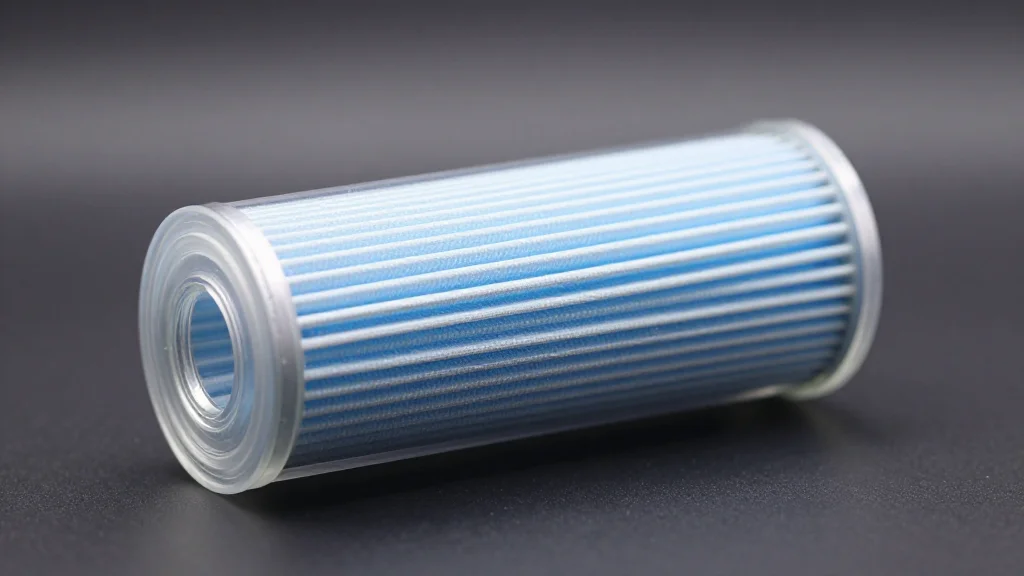
Zentek Clears Regulatory Path for Graphene-Based Air Filter Rollout in Canada
Zentek announced that its ZenGUARD™ Enhanced Air Filters have cleared a key regulatory hurdle in Canada, securing Health Canada approval for the graphene‑based technology. The clearance removes uncertainty around market entry, allowing the company to launch commercial sales and pursue partnerships across the Canadian HVAC sector. ZenGUARD™ coatings deliver MERV 9 filtration efficiency without increasing pressure drop, energy use, or carbon emissions, a notable benefit for energy‑intensive commercial buildings. The firm is now accepting orders and exploring direct sales, federal procurement, licensing, and OEM supply arrangements.

Novel Nanoparticle Therapy Using Manganese Could Improve Cancer Treatment
Researchers at the University of Michigan and MD Anderson have engineered a manganese‑based nanoparticle named CRYSTAL that activates the cGAS‑STING immune pathway without provoking systemic inflammation. Preclinical studies across several tumor models, including advanced triple‑negative breast cancer, demonstrated robust, sustained...

Focused Helium Ions Create Ferroelectric Regions in Aluminum Nitride for Lower-Power Chips
Scientists at Oak Ridge National Laboratory have demonstrated that a tightly focused helium‑ion beam can write ferroelectric regions directly into aluminum nitride (AlN). The ion‑induced defects enable polarization switching with roughly 40% less energy and a stronger piezoresponse. Because AlN...

'Like a Microscopic Predator': Chinese Scientists Create Tiny Robotic Vacuum to Hunt Radioactive Pollution and Clean the World's Oceans
Chinese researchers at the Qinghai Institute of Salt Lakes have created 2‑micron micromotors that self‑propel using hydrogen peroxide and light to capture uranium ions from seawater, achieving up to 406 mg of uranium per gram of material. The robots move about...

Researchers Combine Five Metals to Build a Better Nanocrystal
Researchers at the University of Illinois and KAIST have created a five‑metal nanocrystal that self‑assembles into a single, uniform particle. By combining ruthenium with copper, iron, cobalt and nickel, they discovered that copper acts as a scaffold, enabling the other...

Electric‐Eel‐Inspired Ionic Power Source Microneedles With Self‐Reporting Structural Colors for Wound Healing
Researchers have engineered ionic power source microneedles (IPSMs) that combine electric‑eel‑inspired ion transport with chameleon‑like structural colors for wound care. The three‑layer device creates an internal K⁺‑driven electric field, delivering electrical stimulation that accelerates tissue repair. Integrated silver nanoparticles provide...
Covalent Organic Frameworks with Intrinsic Pendant Aldehydes for Efficient Nitrate Electroreduction
Researchers have engineered a covalent organic framework (COF) named PEPy-2CHO‑TTA that retains pendant aldehyde groups within its pores. These aldehydes form a confined hydration network, enabling localized proton transfer and overcoming the proton scarcity that hampers nitrate reduction in alkaline...

Qualitative Evaluation of the Magnetocrystalline Anisotropy in Spinel Ferrite Nanoparticles Using Polarized Neutron Powder Diffraction
Researchers used polarized neutron powder diffraction (PNPD) to qualitatively assess magnetocrystalline anisotropy in cobalt‑doped spinel ferrite nanoparticles. By refining local magnetic susceptibility tensors and magnetization ellipsoids, they showed that a higher cobalt fraction (x = 0.61) yields a larger intrinsic anisotropy than...
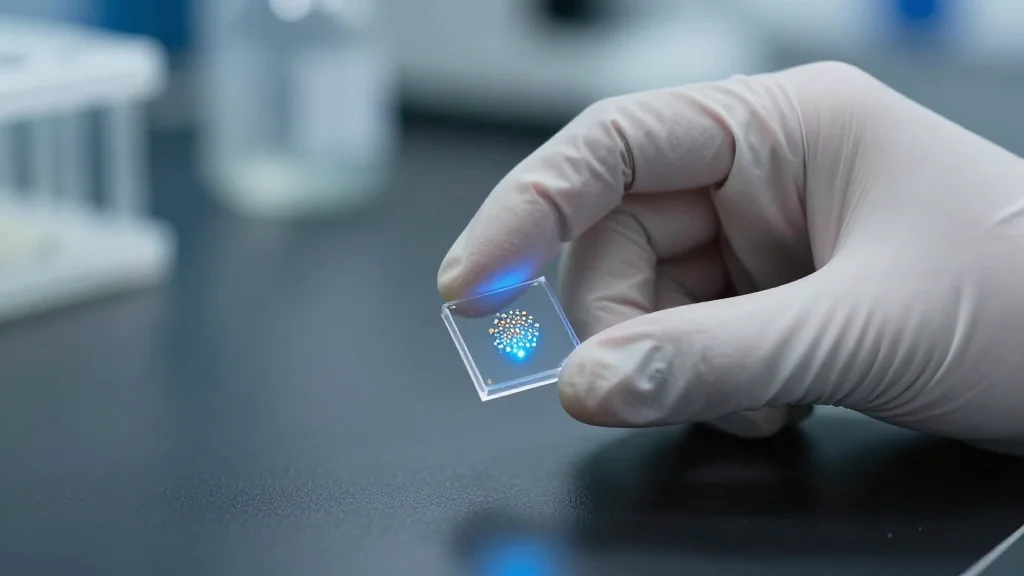
Peptide‐Ligand Cooperative Interplay Drives Gold Nanoparticle Encapsulation by Protein Cages
The study shows salt-dependent binding energetics and cooperative peptide‑ligand interactions drive gold nanoparticle encapsulation by encapsulin protein cages. Experiments varying salt, ligand functionalization, and loading peptides combined with molecular dynamics reveal three regimes of nanoparticle‑protomer binding free energy. Ligands boost...
Macrophage‐Inspired Nanomedicines: Harnessing Innate Biology for Precision Therapy
The review outlines macrophage‑inspired nanomedicines that exploit three delivery platforms—whole macrophage carriers, macrophage‑membrane‑coated nanoparticles, and macrophage‑derived exosomes. By leveraging the cells’ natural homing, barrier‑penetrating and immunomodulatory traits, these systems aim to improve targeting of cancers, atherosclerosis and other inflammatory diseases....

Modulating C─F Bonds of Fluorinated Graphite via Compounding Graphene Oxide for High‐Energy/Power Lithium Batteries
Researchers have introduced a graphene‑oxide‑assisted liquid‑phase exfoliation technique to modify fluorinated graphite, producing a GO‑FG composite for lithium primary batteries. The method weakens C‑F bonds and opens the layered structure, promoting uniform LiF formation during discharge. The optimized material achieves...

The Catalytic Activity and Micro‐Mechanisms of Reducible Metal Oxide Nanozymes in Relation to Their Antibacterial Efficacy
A recent review examines reducible metal‑oxide nanozymes (rNZs) as enzyme‑mimicking catalysts for antibacterial applications. It highlights how crystal facet orientation, oxygen‑vacancy density, and exposure to ionizing radiation jointly tune catalytic performance. The authors argue that these atomistic features enable rNZs...
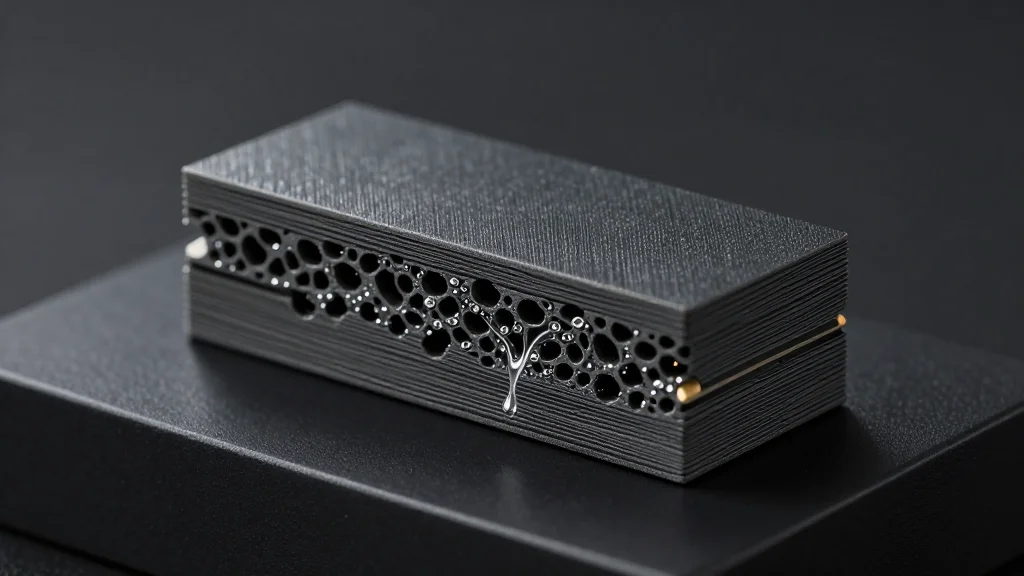
Researchers Develop 3D-Printed Graphene Oxide Electrodes for High-Density Energy Storage
Researchers at the University of California, Lawrence Livermore National Laboratory and Lawrence Berkeley National Laboratory have created a graphene‑enabled 3D‑printing platform that overcomes the classic trade‑off between electrode thickness and ion transport. By infusing an acrylate resin with graphene oxide...

Self-Adhesive High-Entropy Oxide Sub-Nanowire Monolithic Electrocatalysts
Researchers at Tsinghua University have unveiled a self‑adhesive high‑entropy oxide (HEO) catalyst composed of 14 metal elements arranged into ~1.2 nm sub‑nanowires. The binder‑free monolithic structure adheres directly to conductive substrates, delivering overpotentials as low as 129 mV in 1 M KOH and...

Hourglass Nanographenes Unlock Strong, Robust Multi-Spin Entanglement
Researchers at the National University of Singapore have engineered hourglass‑shaped nanographene molecules that host four interacting electron spins. By extending the classic Clar’s goblet structure, they synthesized two variants—C₆₂H₂₂ and C₇₆H₂₆—using atomically precise on‑surface chemistry. One design generates spins purely...
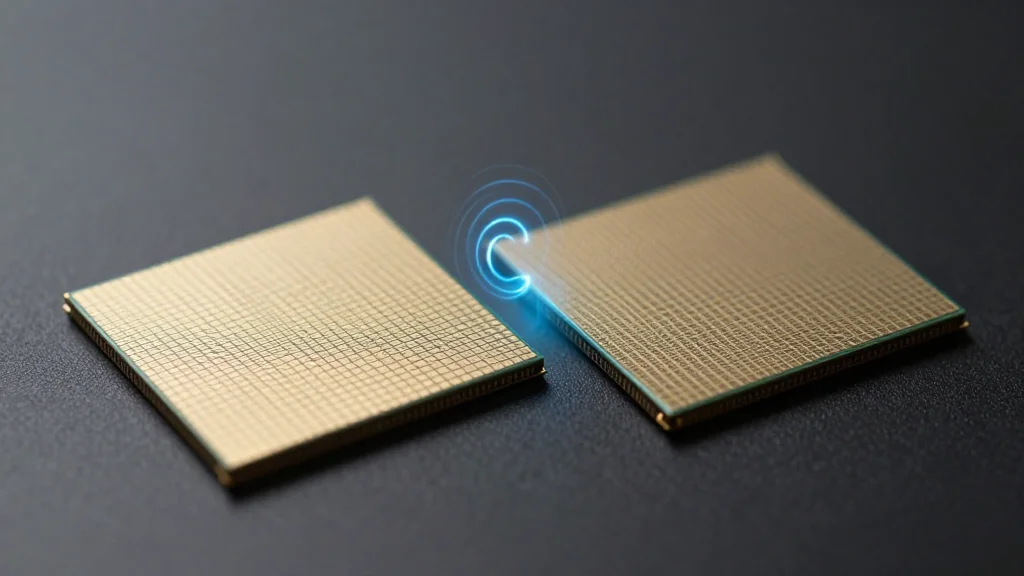
Casimir Forces in Twisted Anisotropic Gratings: A Path to Self-Tuning Nanophotonic Systems
A team from Skoltech and MIPT demonstrated that twisted anisotropic photonic gratings experience a Casimir torque that drives them to a non‑zero equilibrium rotation angle. Unlike symmetric configurations, the broken mirror symmetry creates an in‑plane chirality, causing the energy minimum...

Room-Temperature Nanoscale Measurements Could Accelerate Molecular Electronics Research
Researchers at the University of Alicante have unveiled a method to measure nanometer‑scale distances at room temperature, confirming the existence of three‑atom‑thick gold nanocontacts. The technique combines scanning tunneling microscopy with mechanically controllable break junctions, a capability held by only...

First U.S. Patients Treated With Microrobotic Surgery For Alzheimer’s
A microrobotic surgery trial for Alzheimer’s disease began at Baptist Health in Jacksonville, treating the first patient with moderate disease. Medical Microinstruments Inc. (MMI) plans to enroll 15 participants and monitor them for a year, aiming to clear cervical lymph‑node...

New Battery Design for Longer-Range EVs
University of Surrey researchers unveiled a silicon‑coated carbon‑nanotube (VISiCNT) anode that can be produced via roll‑to‑roll manufacturing in just seven minutes. The design delivers up to 3.5 Ah kg⁻¹ (≈3500 mAh g⁻¹) reversible capacity, far surpassing the 370 mAh g⁻¹ of conventional graphite anodes, while maintaining...
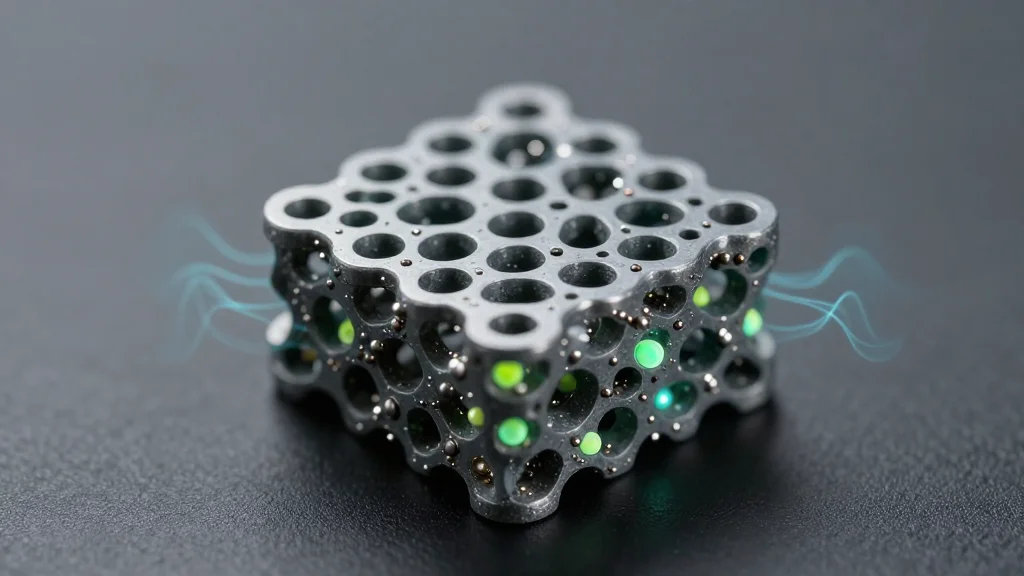
MOF‐on‐MOF‐Derived CeO2/Fe@C Composites for Tunable Low‐Frequency Electromagnetic Wave Absorption
The study introduces a MOF‑on‑MOF derived CeO2/Fe@C composite (CFC) that shifts electromagnetic wave absorption into the low‑frequency 2‑8 GHz band. By growing a UiO‑66@MIL‑88B precursor and applying temperature‑programmed pyrolysis, the researchers produced CFC‑2, which delivers a minimum reflection loss of –62.2 dB...
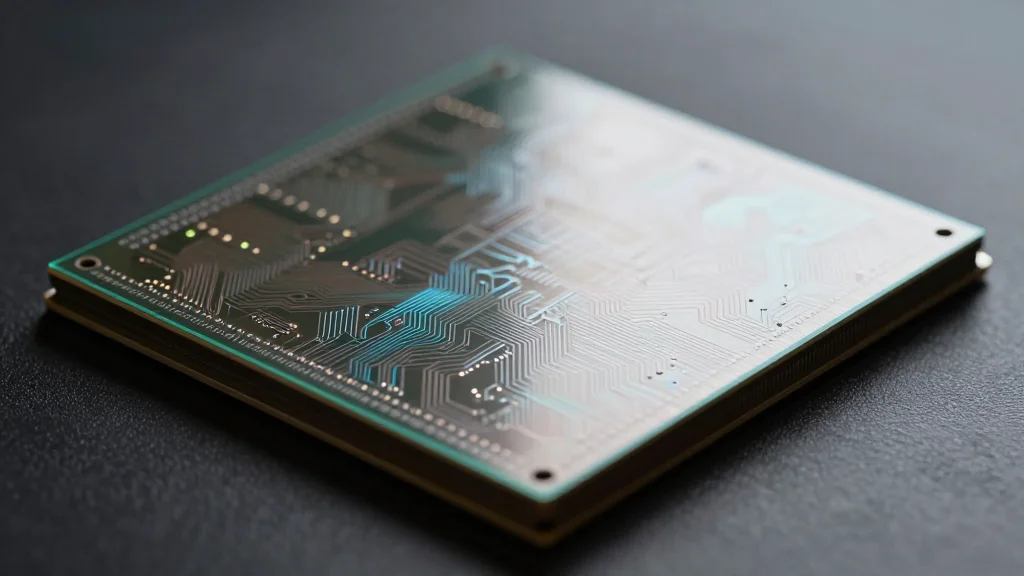
Impact of the Gate Oxide Material Composition on the Self-Heating and Short Channel Effects in Nanosheet Field Effect Transistor
The paper simulates a nanosheet field‑effect transistor that uses a dual‑layer gate oxide composed of SiO₂ and HfO₂ while keeping the equivalent oxide thickness constant. Varying the thickness ratio (R) from 1.286 to 10.154 leads to a 34% increase in...

NanoXplore Launches New Graphene Powder to Replace Conventional Conductive Additives
NanoXplore has launched xGnP™ D500‑HP, a high‑purity graphene powder designed for conductive applications such as energy storage, composites and electronics. The material boasts 99.8 % purity, a 500 m²/g surface area and flexural strength more than twice that of conventional carbon blacks, while...
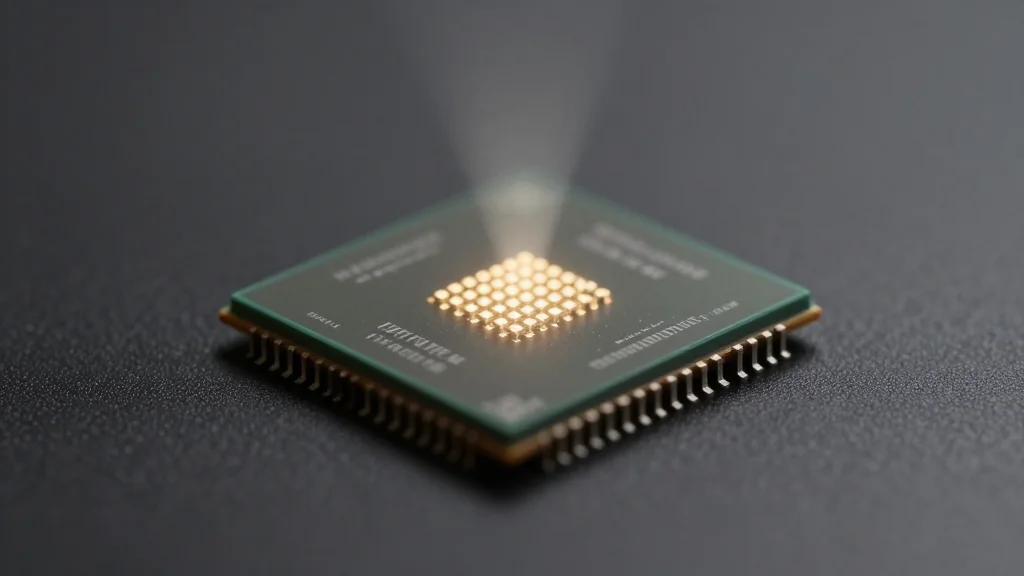
'Solar-Blind' 2D Heterostructure Delivers 422-Fold Responsivity Gain for UV Sensing
Researchers at the National University of Singapore engineered a van der Waals heterostructure by stacking monolayer WS₂ onto multilayer MnPS₃, delivering a 422‑fold increase in UV photodetector responsivity and a 129‑fold boost in detectivity versus pristine MnPS₃. Using a 1 µm micro‑laser scan,...
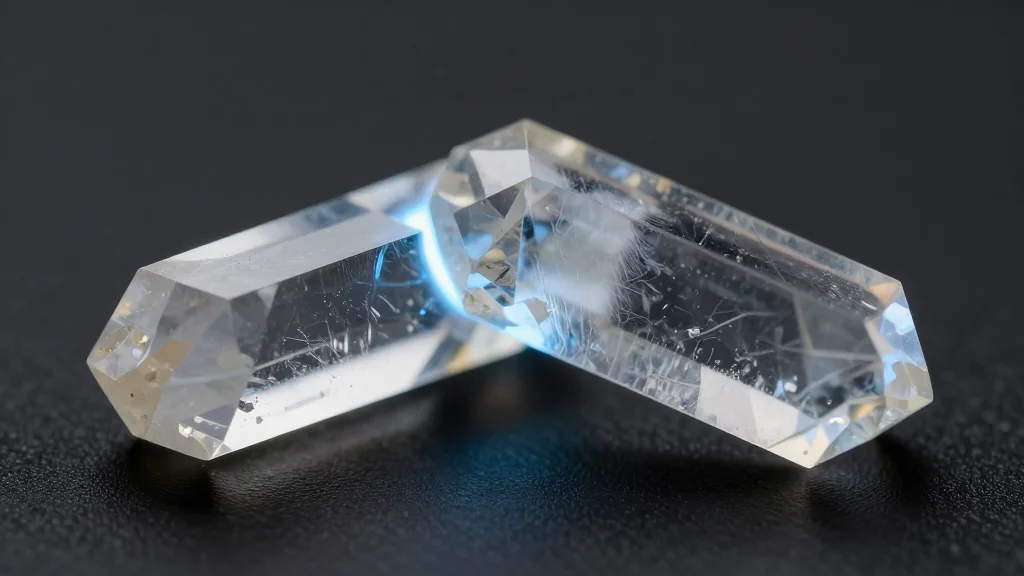
Rotated Lithium Niobate Crystals Unlock Conductive Interfaces in Otherwise Insulating Material
Researchers at Paderborn University and international partners have shown that rotating two lithium niobate crystals creates highly conductive interfaces, even though the bulk material is insulating. By thermally compressing and twisting the crystals at precise angles, they observed emergent conductivity...

Plaid Technologies Provides Update on Graphene Coating Initiative for Drone Systems
Plaid Technologies announced that it has supplied a batch of high‑purity graphene material to Dr. Ian Flint for testing as part of its collaboration with Graphene Nano Works. The partnership is evaluating graphene‑based coatings to improve thermal management, durability, radar...
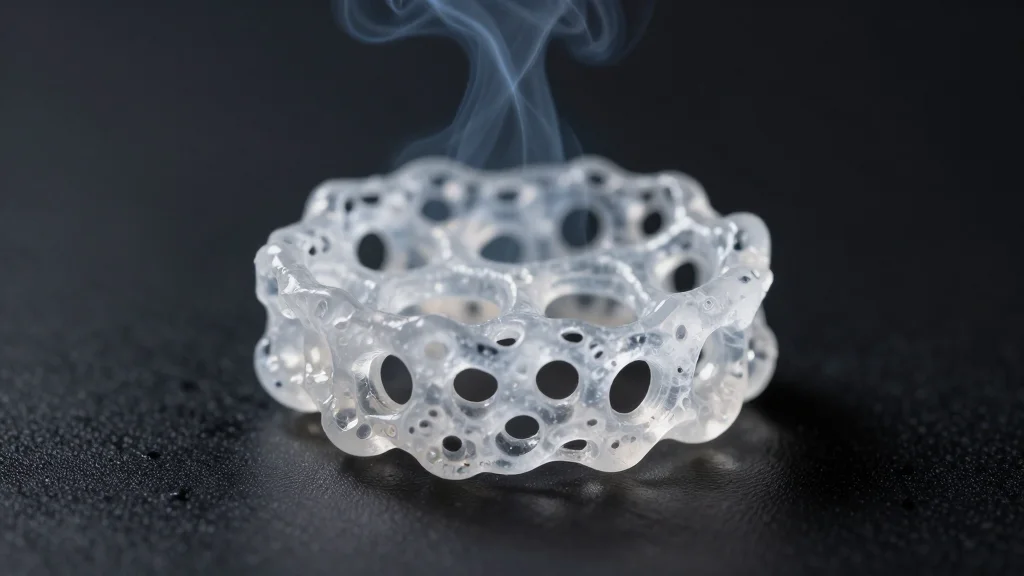
Adaptive Structural Reconfiguration in Ether‐Incorporated Covalent Organic Frameworks Enables Efficient Iodine Capture
Researchers designed two ether‑embedded covalent organic frameworks (F‑TEA and F‑BEA) and compared them with a rigid, ether‑free counterpart (R‑TPA) to assess iodine adsorption. The flexible COFs showed superior vapor capture, with F‑TEA outperforming F‑BEA, which in turn exceeded R‑TPA. However,...

Fluorinated Amphiphilic Dendrimer to Improve PET Imaging of Cancer
Researchers engineered a fluorinated amphiphilic dendrimer nanocarrier radiolabeled with gallium‑68 to serve as a PET imaging agent. Fluorination lowered liver retention, accelerated renal clearance, and refined biodistribution, producing markedly higher tumor uptake in mouse models of glioblastoma and pancreatic adenocarcinoma....
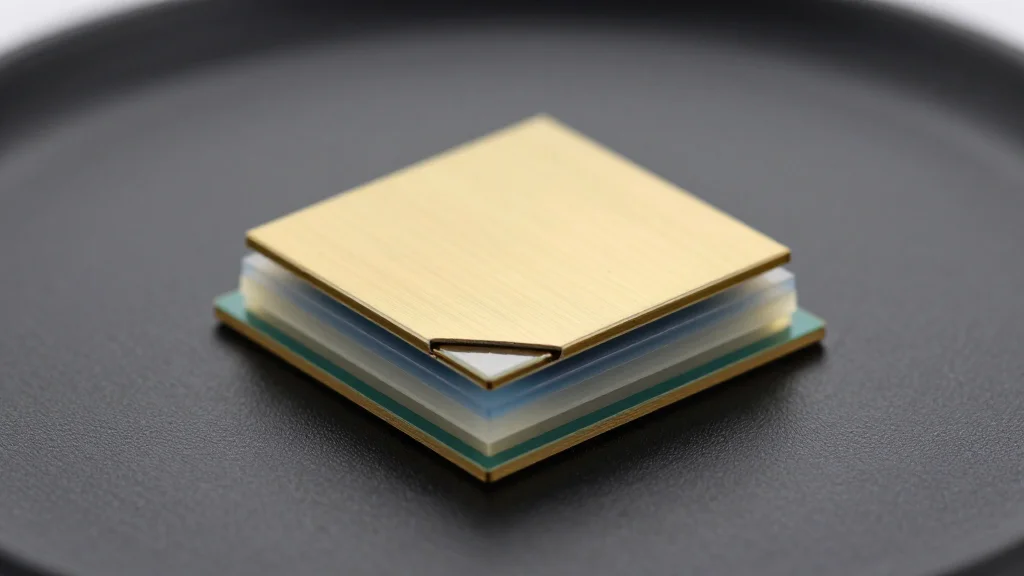
Interface‐Selective Charge Transport Enables Self‐Powered Vertical WSe2/Perovskite Photodetector Arrays
Researchers have demonstrated a vertical Au/WSe2/MAPbBrI2/ZnO/ITO heterojunction that operates as a self‑powered photodetector array at zero bias. By inserting a ZnO electron‑transport layer, the device suppresses dark current, enhances carrier separation, and stabilizes operation. The resulting array shows uniform pixel‑to‑pixel...
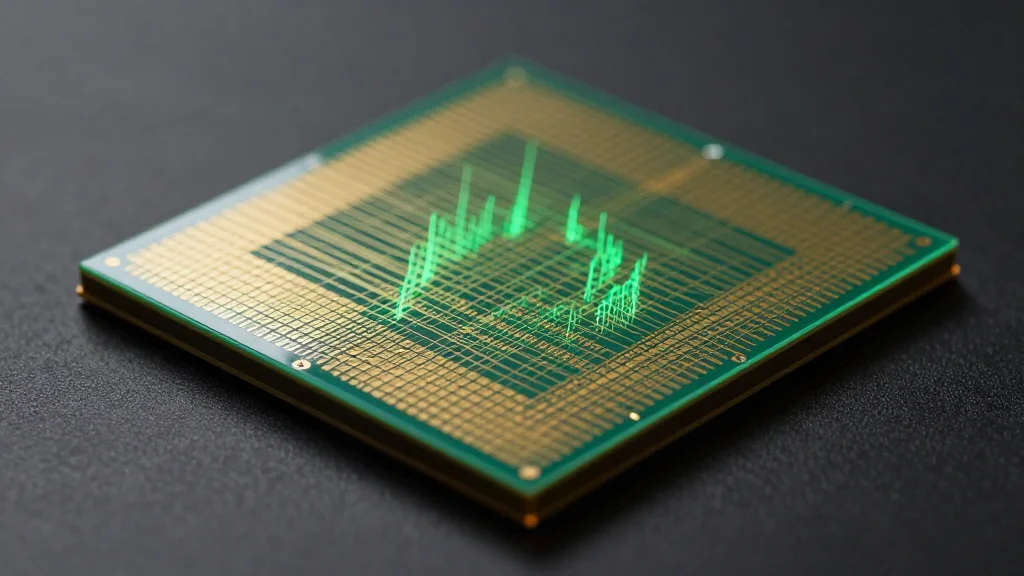
Atomera Inc (ATOM) Q1 2026 Earnings Call Transcript
Atomera reported FY 2025 revenue of $65,000, GAAP loss $20.2 million and non‑GAAP loss $16.1 million, with operating expenses rising modestly. The company confirmed definitive silicon data showing its Mears Silicon Technology (MST) can be deposited in gate‑all‑around nanosheet structures and outperforms...

AI-Powered Lab Discovers Brighter Lead-Free Nanomaterials in 12 Hours
Researchers at North Carolina State University unveiled PoLARIS, an AI‑driven autonomous lab that screened billions of synthesis recipes and pinpointed the brightest lead‑free double perovskite nanoplatelets in just 12 hours. The microfluidic platform executed 120 experiments, automatically analyzing photoluminescence and...
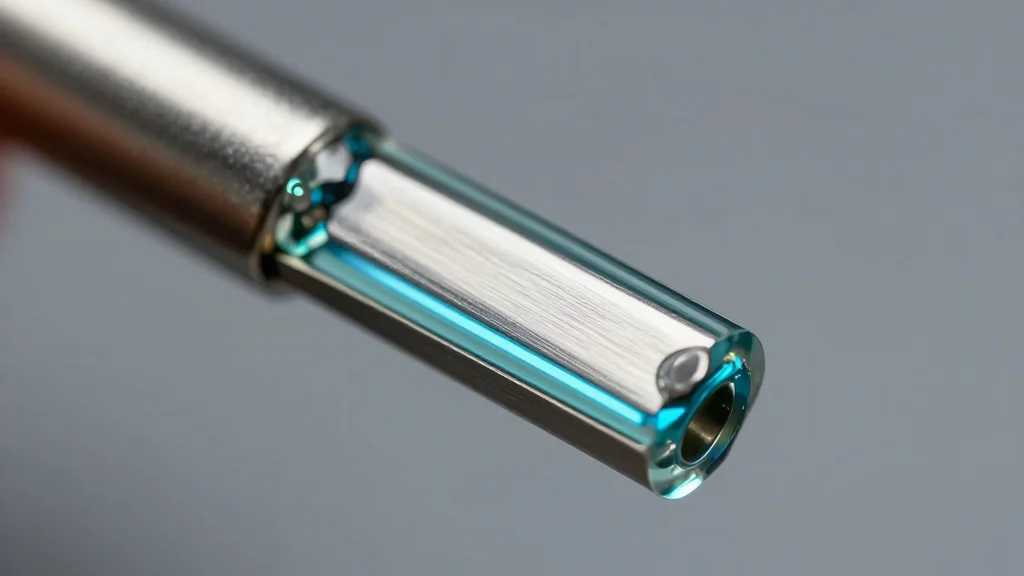
Electric Double Layer Unlocks Molecular Switch Behind Battery and Hydrogen Reactions
Korean researchers have mapped the molecular dynamics of the electric double layer, revealing why capacitance curves shift from a camel‑shaped to a bell‑shaped profile as electrolyte concentration rises. Using atomically precise simulations and real‑time infrared spectroscopy, they identified two distinct...

Glowing Nanoparticles Exposed Hidden Cancer-Protein Behavior that Could Reshape Drug Screening
A Broad Institute team led by Sam Peng introduced upconverting nanoparticle probes that remain luminescent for minutes to hours, enabling continuous single‑molecule imaging of cancer‑related receptors in living cells. Using these probes, they captured real‑time dimerization dynamics of EGFR, HER2...

Enhancing the Chemical Reactivity of Graphene Through Substrate Engineering
A recent review outlines how substrate engineering—through strain and charge doping—can markedly boost graphene’s chemical reactivity. Strain introduced by nanoparticles, oriented metal crystals, or stretchable polymers creates lattice distortions that facilitate covalent functionalization. Charge doping via metal orbital hybridization or...
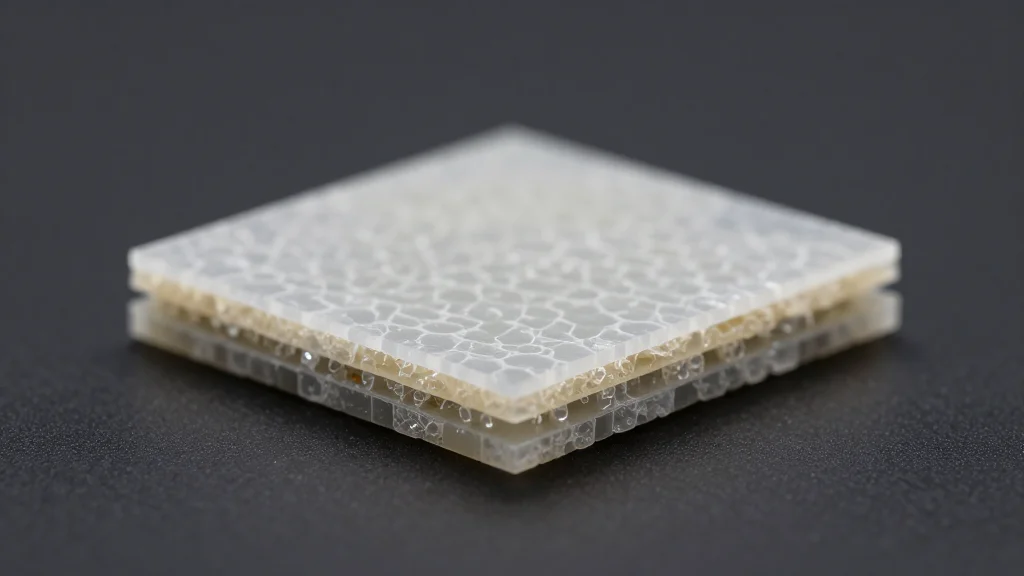
Electronic Devices Based on Heterostructures of 2D Materials and Self‐Assembled Monolayers
A new review details the rapid progress of electronic devices built from heterostructures of two‑dimensional materials (2DMs) and molecular self‑assembled monolayers (SAMs). It categorizes three architectures—vertical tunneling, horizontal conducting, and hybrid superlattice devices—and explains their structures, operating mechanisms, and performance‑regulating...
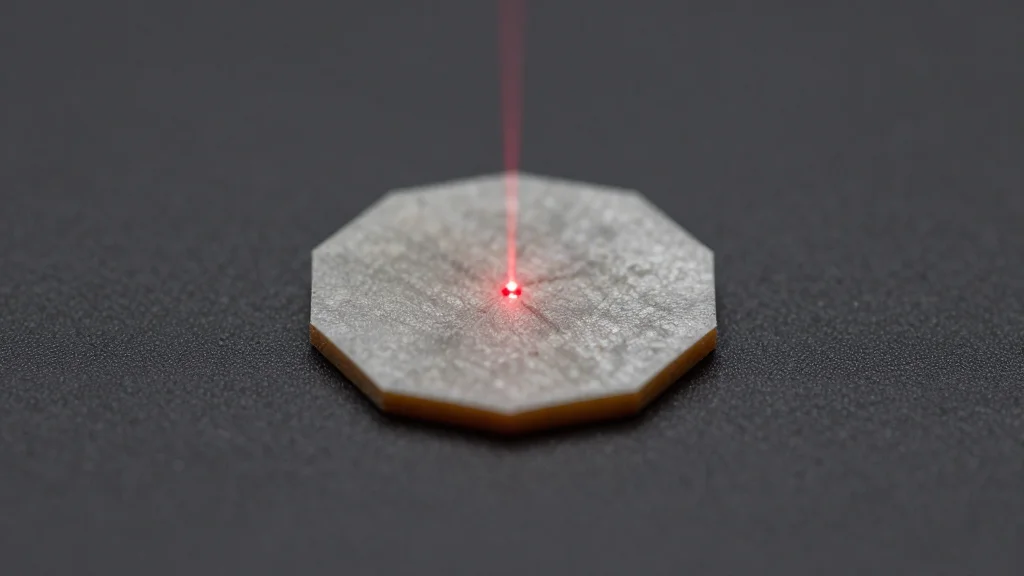
Revealing Intrinsic Functionalization, Structure, and Photo‐Thermal Oxidation in Hexagonal Antimonene (Small 25/2026)
Researchers used colloidal synthesis to produce thiol‑functionalized β‑antimonene hexagons and probed them with a laser. Raman thermometry revealed that heating and surface oxidation depend on flake thickness, while the attached thiols preserve the crystalline core. This controlled oxidation creates well‑defined...
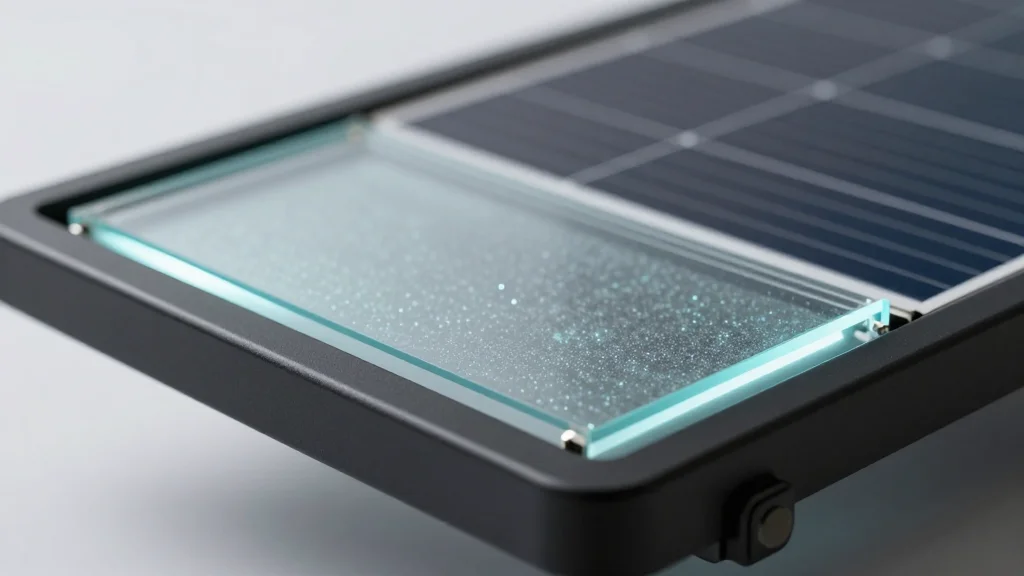
Graphene-CNT Phase Change Material Cools Solar PVT Panels
Researchers from India, Chile and Russia created a solar photovoltaic‑thermal (PVT) system that incorporates a graphene‑carbon nanotube (CNT) hybrid nanocomposite into traditional phase‑change materials (PCMs). By dispersing 6 wt % of the hybrid nanoparticles into stearic acid, the PCM’s thermal conductivity increased...

Innovative Nanoparticle Technique Advances Early Detection of Pancreatic Cancer
Researchers have unveiled a novel nanoparticle‑based imaging agent that markedly improves early detection of pancreatic cancer. In pre‑clinical trials the probe identified tumors as small as 2 mm, delivering a 30% sensitivity boost over conventional CT scans. The technology earned FDA...

Scientists Reveal Atomic Mechanism Behind Water-Induced Hydroxylation in CoOx Nanostructures
Scientists at the Dalian Institute of Chemical Physics have uncovered how water vapor triggers both oxidative and reductive hydroxylation in cobalt‑oxide nanostructures. Using real‑time atomic‑scale imaging, they showed that water dissociatively adsorbs on CoO, converting it to Co(OH)₂, while in...
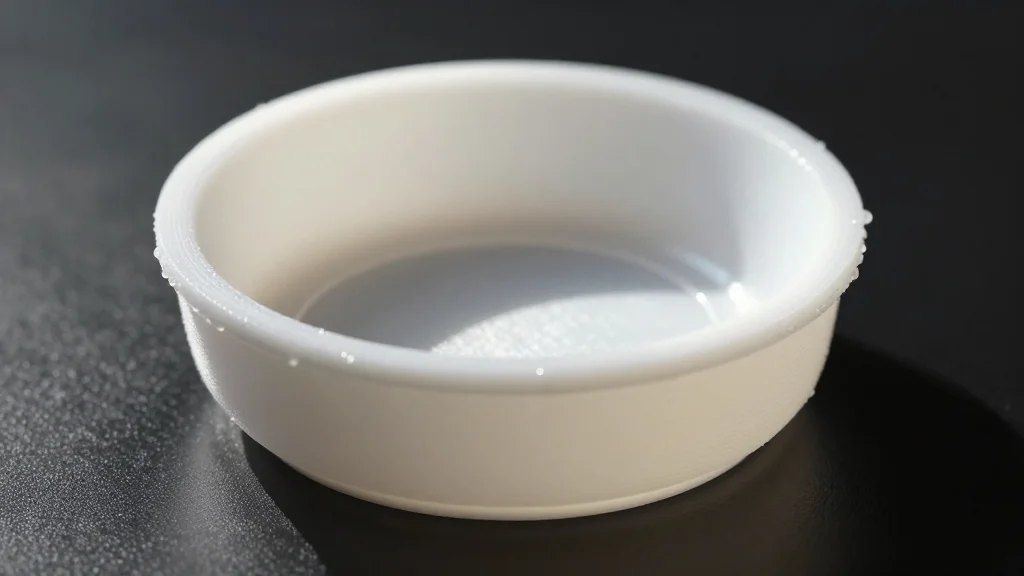
Rational Design of a High Performance Three‐Dimensional Printed Concave Photoreactor for Sunlight‐Drivable Micropollutant Removal From Water
Researchers have 3D‑printed a concave photoreactor that boosts light capture through multiple internal reflections. When paired with a single‑atom Cr‑doped Bi3O4Br/PVDF photocatalytic membrane, the system degrades antibiotics ranging from 100 ng/L to 10 mg/L. In laboratory trials it achieved 99.9% tetracycline removal...

Application of Polyvinylpyrrolidone-Stabilized Silver Nanoclusters as Fluorescent Probes for Trace Iodide in Seaweed
Researchers synthesized polyvinylpyrrolidone‑stabilized silver nanoclusters (AgNCs@PVP) that act as a fluorescent probe for iodide detection in seaweed. The probe exhibits a linear response from 0.29 µM to 280 µM with a detection limit of 56 nM, and fluorescence is selectively quenched by iodide...
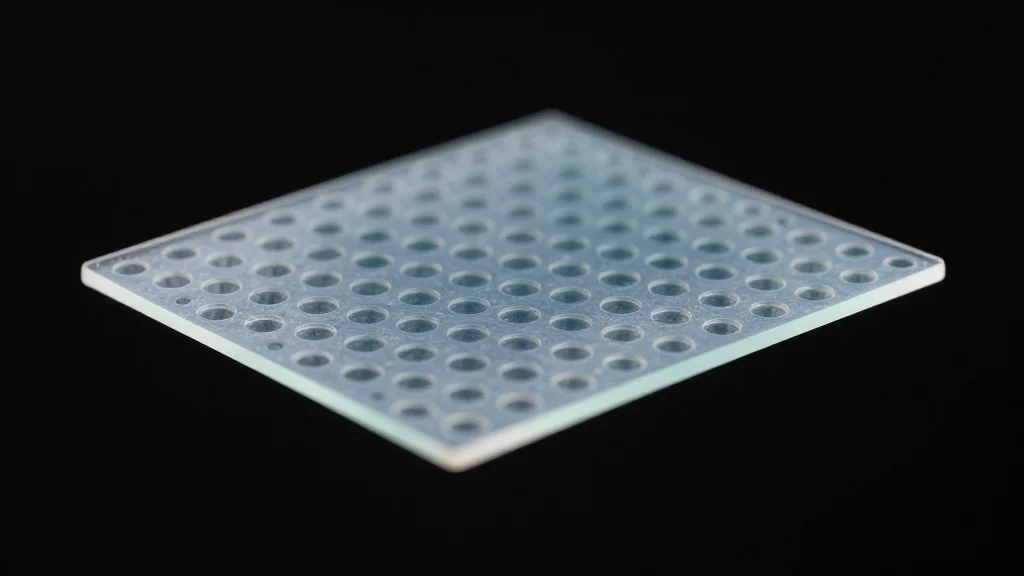
Light‐Responsive Block Copolymer Nanosheets With Well‐Ordered and Switchable Channels
Researchers have developed light‑responsive polystyrene‑b‑poly(4‑vinylpyridine) (PS‑b‑P4VP) nanosheets that switch from a solid, non‑porous state to a hexagonally ordered porous structure when exposed to visible light. The transition is driven by proton release from a spiropyran photoacid (SPPA) and reverses in...
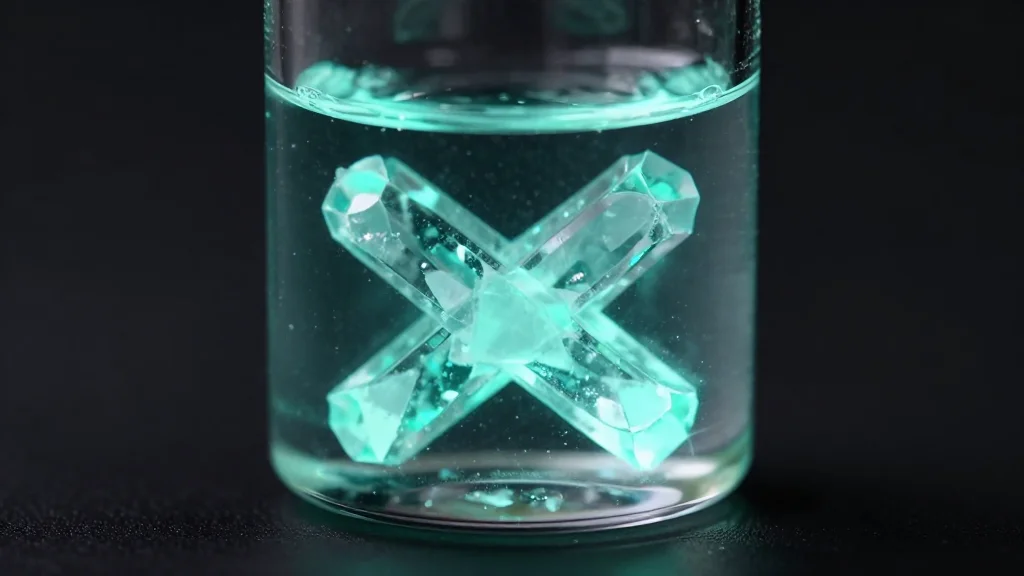
Solvent‐Free Preparation of Pharmaceutically Active Diindolylmethane Derivatives by Stable Triple‐Interpenetrated Heterometallic‐Organic Frameworks With Sc‐Pd/Pt Synergistic Sites
Researchers reported a one‑pot synthesis of triple‑interpenetrated heterometallic‑organic frameworks (HMOFs) containing Sc‑Pd or Sc‑Pt synergistic sites. The resulting ScPd‑INA, ScPt‑INA and ScPt‑MCA catalysts achieved up to 99% conversion in solvent‑free Friedel‑Crafts alkylation of diindolylmethane (DIM) precursors. Single‑crystal X‑ray diffraction confirmed...
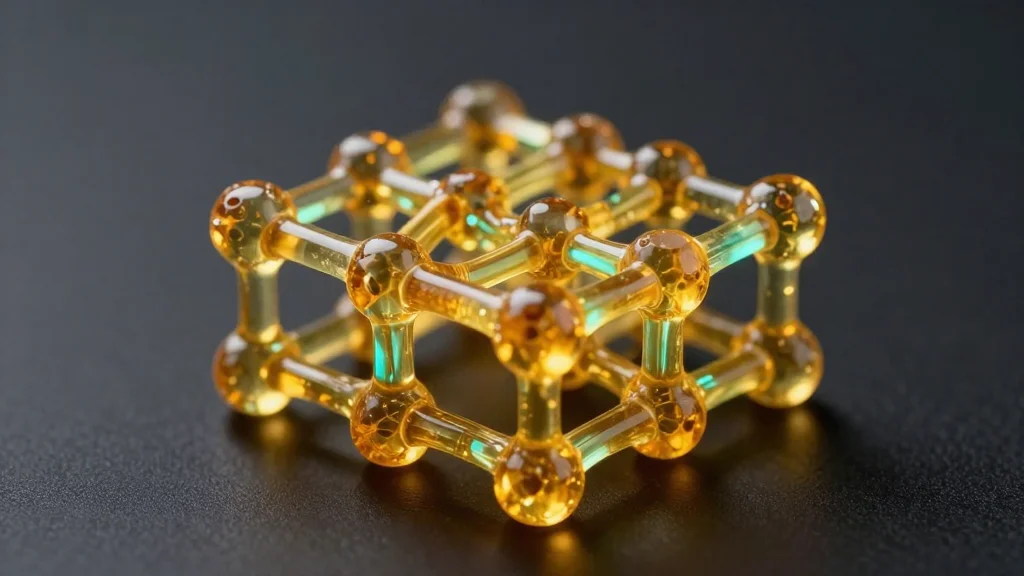
An Intimate Heterojunction Architecture: Linear Conjugated Polymer Confinement Within Covalent Organic Framework Pores for Enhanced Photocatalytic Hydrogen Peroxide Production
Researchers have engineered a covalent organic framework (COF) that encapsulates linear conjugated polymers (LCP) within its pore channels, forming an internal heterojunction. This COF@LCP hybrid dramatically boosts photocatalytic hydrogen peroxide production, delivering a 209% increase over pure COF and a...
Confinement at Defect Sites Dissociates Ionic‐Liquid Pairs for Brain‐Like Organic Computing
Researchers have integrated a benzoic‑acid‑modified MIL‑125‑NH2 metal‑organic framework (BA‑MOF) with the ionic liquid EMIMTFSI into organic electrochemical transistors (OECTs). The intentional defect sites in the porous MOF bind the ionic liquid, suppressing ion diffusion and promoting ion‑pair dissociation, which raises...
Electric Field–Driven Nanoreactor Strategy for Rapid Fabrication of CRO Photocathodes Toward Efficient Photoelectrochemical Hydrogen Evolution
Researchers have introduced an electric‑field‑driven nanoreactor strategy that rapidly assembles ultrathin conjugated reticular oligomer (CRO) films on conductive substrates. The method uses cetylpyridinium bromide (CPB) as both surfactant and charge carrier, eliminating the need for acid catalysts and enabling deposition...

Metal and Covalent Organic Frameworks for Photocatalytic Conversion of N2‐to‐NH3: Mechanisms, Materials, and Perspectives
The review surveys recent progress in metal‑organic frameworks (MOFs) and covalent organic frameworks (COFs) as photocatalysts for converting nitrogen to ammonia using sunlight. It details how high surface area, tunable porosity and engineered active sites improve N₂ adsorption, charge separation,...
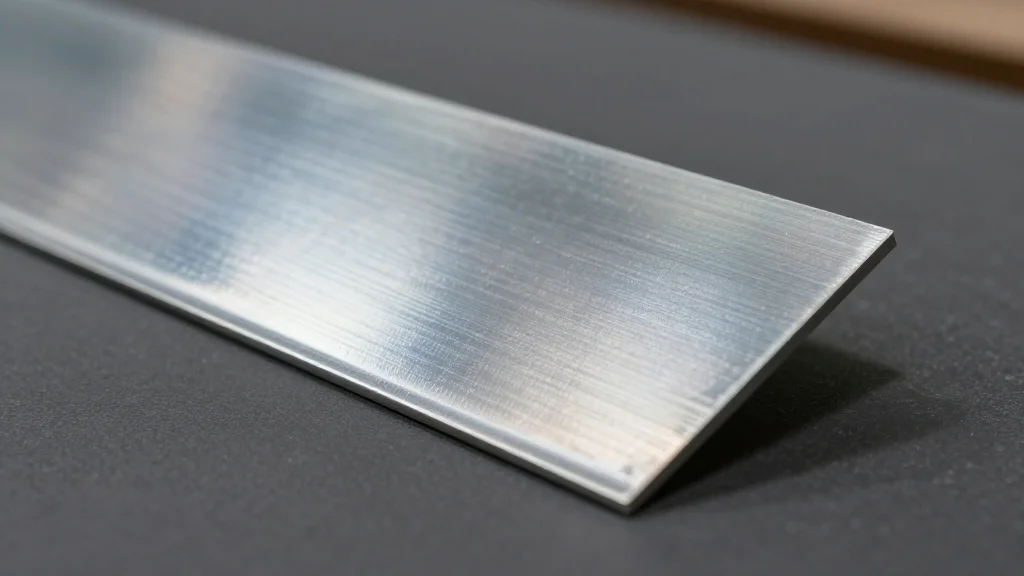
Sparc Technologies Announces AkzoNobel Commercial Launch of Ecosparc Graphene-Enhanced Additive in Australia
Sparc Technologies announced that AkzoNobel will commercialise its graphene‑based ecosparc additive in Australia, embedding it in the heavy‑duty Interzone 954 protective coating starting May 2026. The launch follows more than six years of R&D and 21 months of field trials on steel...

Scientists Build Drug-Carrying DNA Robots to Target Diseases
Scientists have engineered microscopic DNA robots that can carry therapeutic payloads and seek out viruses, acting as nano‑surgeons within the bloodstream. By applying origami‑inspired rigid joints and flexible components, the robots achieve nanometer‑scale precision. Movement is programmed through DNA strand...
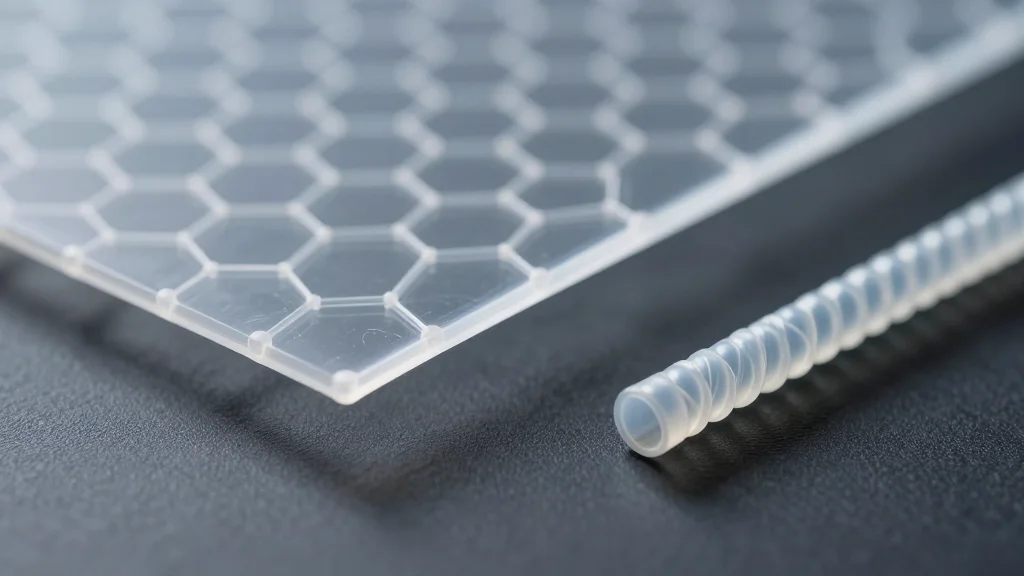
Assessment of Thermal, Mechanical, and Viscoelastic Responses of Carbon Nanomaterials Using Molecular Dynamics Simulations
A new molecular dynamics study quantifies the thermal, mechanical, and viscoelastic performance of graphene and carbon nanotubes (CNTs). The simulations report graphene thermal conductivity near 200 W·m⁻¹·K⁻¹ and CNT conductivity around 50 W·m⁻¹·K⁻¹, both rising with larger dimensions but falling at higher...
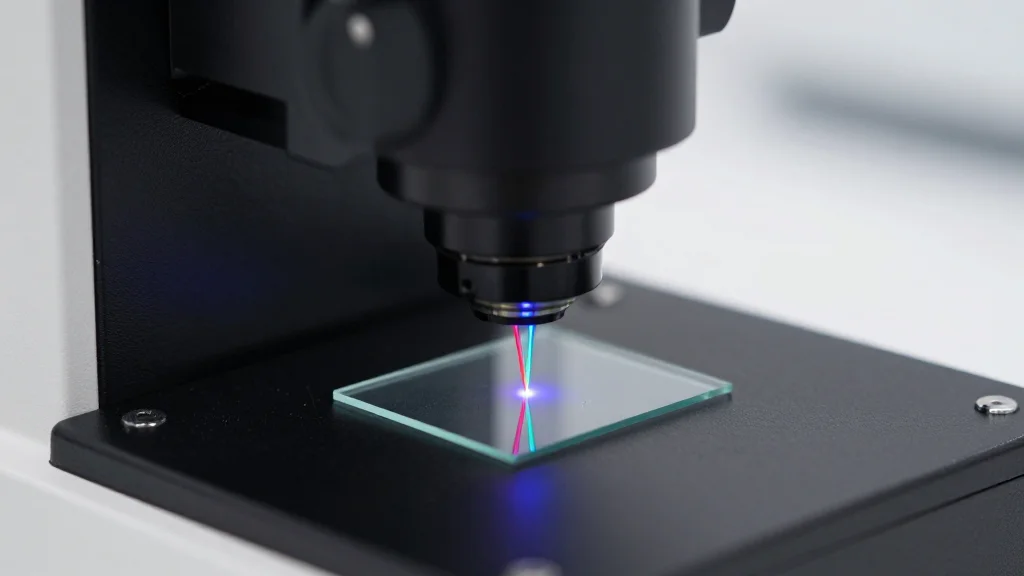
Optical Design Unlocks Direct Raman Detection of Ångström-Scale Ultrathin Molecular Layers at Interfaces
Researchers at Japan’s Institute for Molecular Science and SOKENDAI have unveiled a nonlinear coherent Raman technique that directly detects molecular films only a few atoms thick. By engineering femtosecond pump, Stokes and picosecond probe pulses, the method suppresses substrate background...