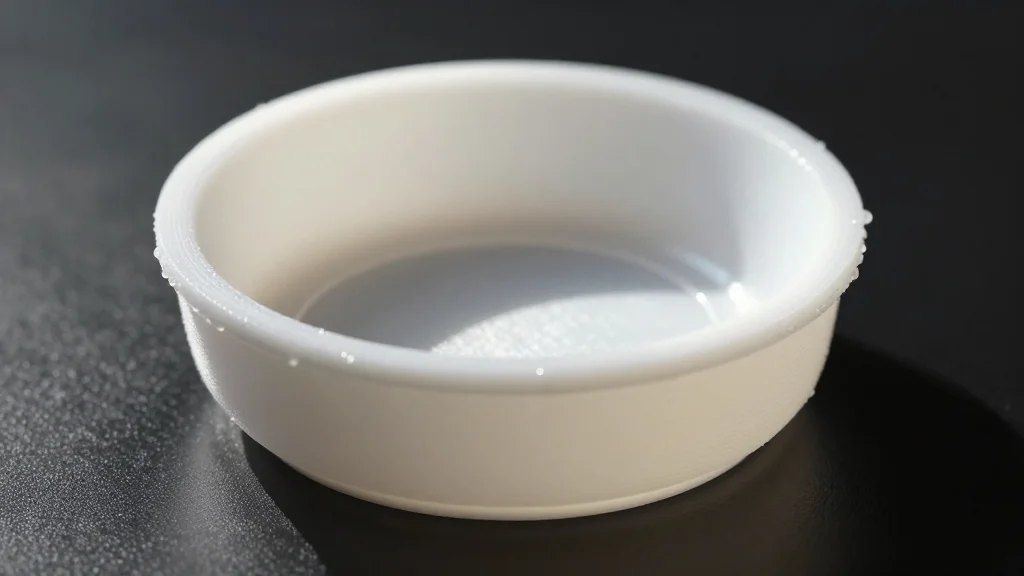
Rational Design of a High Performance Three‐Dimensional Printed Concave Photoreactor for Sunlight‐Drivable Micropollutant Removal From Water
Why It Matters
It provides a low‑energy, high‑efficiency method to eliminate emerging contaminants, reducing reliance on chemical disinfectants. The modular, 3D‑printed design can be adopted by municipal and industrial water‑treatment facilities.
Key Takeaways
- •Concave 3D‑printed reactor multiplies light capture via internal reflections
- •Cr‑single‑atom catalyst achieves 99.9% tetracycline removal at 100 ng/L
- •System operates under natural sunlight, eliminating external energy inputs
- •Processes 5 L water in five cycles at 1.68 mL/min flow
- •Design integrates photocatalytic membrane, enhancing hydroxyl radical contact
Pulse Analysis
Micropollutants such as antibiotics, hormones, and personal‑care chemicals are increasingly detected in rivers, lakes, and drinking‑water supplies at concentrations that can foster antibiotic resistance and pose chronic health risks. Conventional treatment—chlorination, activated carbon adsorption, or membrane filtration—often struggles to achieve complete mineralization and can generate harmful by‑products. Photocatalysis, powered by sunlight, offers a green alternative because it can break down contaminants into harmless inorganic species without adding chemicals. However, practical deployment has been limited by low photon utilization and the need for costly UV lamps, prompting researchers to seek reactor designs that capture ambient solar energy more efficiently.
The new concave photoreactor leverages additive manufacturing to create a curved interior that reflects incoming photons multiple times, effectively increasing the optical path length inside a compact footprint. Coupled with a Cr‑single‑atom‑doped Bi3O4Br catalyst embedded in a PVDF membrane, the system generates abundant hydroxyl radicals within nanopores, accelerating degradation of trace antibiotics from 100 ng/L to 10 mg/L. Laboratory tests reported 99.9% removal of tetracycline at environmentally relevant levels and sustained performance over five cycles, processing 5 L of water at a modest 1.68 mL/min flow under natural sunlight.
From a commercial perspective, the 3D‑printed reactor is inexpensive to scale, as polymer filaments and standard printers are widely available. Its ability to operate solely on sunlight reduces operating expenses and carbon footprint, making it attractive for municipal utilities, remote communities, and industrial effluents where energy costs are prohibitive. Moreover, the modular membrane can be swapped for target‑specific catalysts, offering flexibility across contaminant classes. As regulatory pressure mounts to limit trace pharmaceuticals in discharge permits, technologies that combine high removal efficiency with low energy demand are poised to become integral components of next‑generation water‑treatment infrastructure.
Rational Design of a High Performance Three‐Dimensional Printed Concave Photoreactor for Sunlight‐Drivable Micropollutant Removal from Water
Comments
Want to join the conversation?
Loading comments...