
RNA-Built Droplets Create Customizable Organelles Inside Living Cells
UCLA researchers have engineered programmable artificial organelles by assembling RNA nanostars into droplet‑like condensates inside living cells. The RNA sequences encode assembly instructions, allowing precise control over condensate size, composition, and subcellular location. Published in Nature Nanotechnology, the study demonstrates that these RNA‑built droplets can recruit specific molecules and function as temporary intracellular compartments. The approach offers a resource‑efficient alternative to protein‑based synthetic organelles, opening new avenues for cell engineering and nanomedicine.
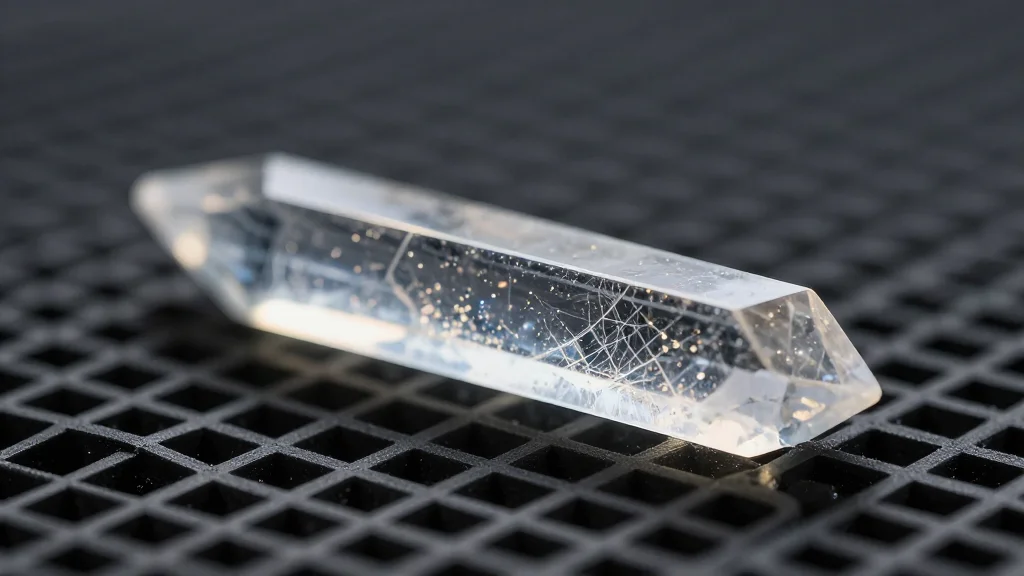
Hidden 3D Atomic Structure of Relaxor Ferroelectrics Revealed for First Time
MIT researchers and collaborators have, for the first time, directly imaged the three‑dimensional atomic structure of a lead‑magnesium‑niobate‑lead‑titanate relaxor ferroelectric using multi‑slice electron ptychography. The technique uncovered a hierarchy of chemical and polar arrangements that are far finer than predicted...
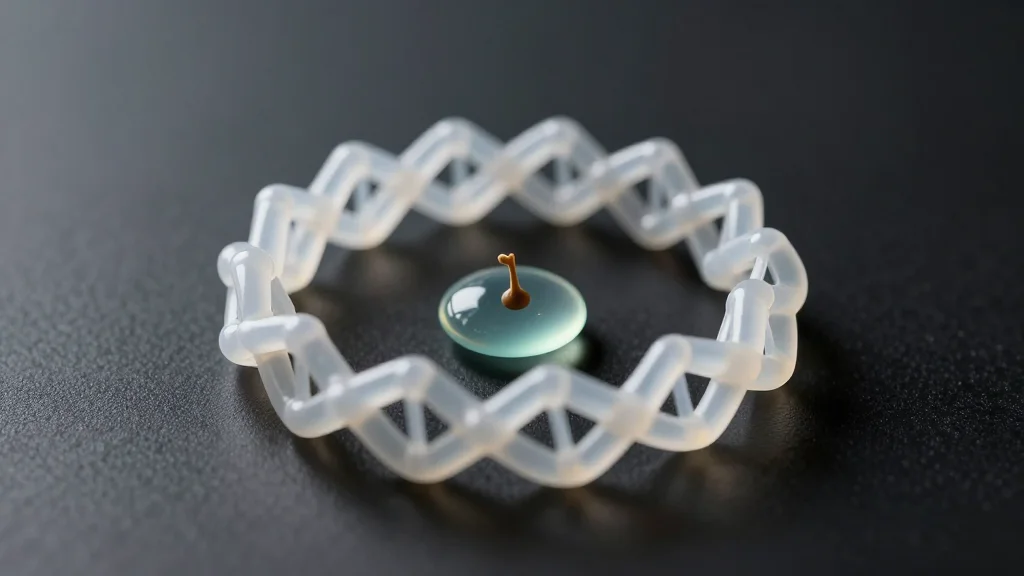
Researchers Create DNA 'Nano-Rings' To Control Viral Cell Proteins
Scientists at Durham University and Jagiellonian University have engineered DNA‑origami nano‑rings that trap individual membrane proteins within nanodisks, creating a highly controllable platform for structural studies. The DNA‑Origami‑Constrained Nanodisks (DOC‑NDs) reliably capture single proteins and can dictate their orientation, a...
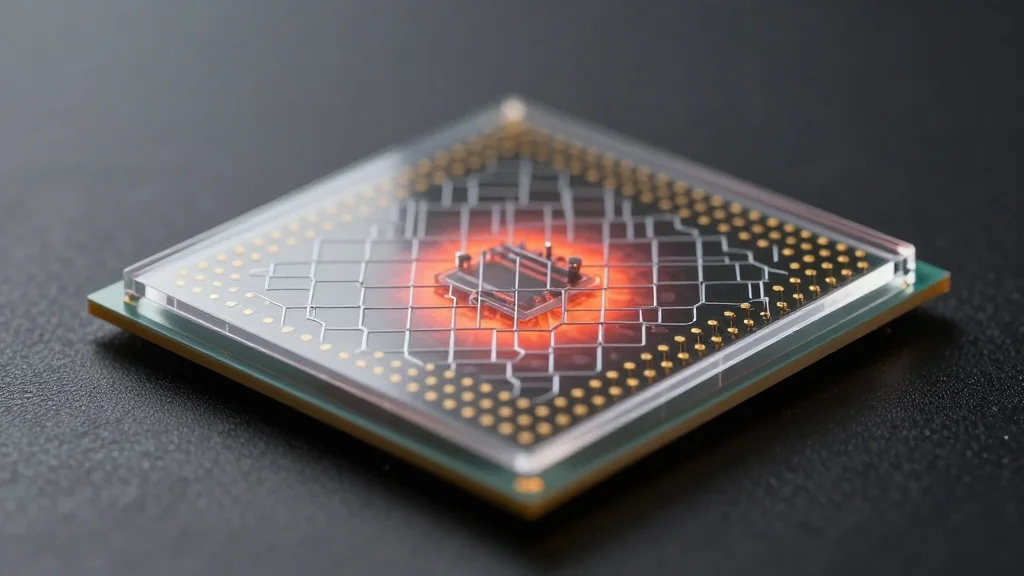
In Vitro Reconstruction of Axonal Heat Sensing with a Photothermal Nerve‐on‐a‐Chip
Researchers unveiled a photothermal nerve‑on‑a‑chip that couples graphene‑based microheaters with microelectrode arrays to deliver millisecond‑scale, localized heat to sensory axons while recording extracellular action potentials. The system captured rapid, reproducible heat‑evoked firing in rat dorsal root ganglion neurons and revealed...
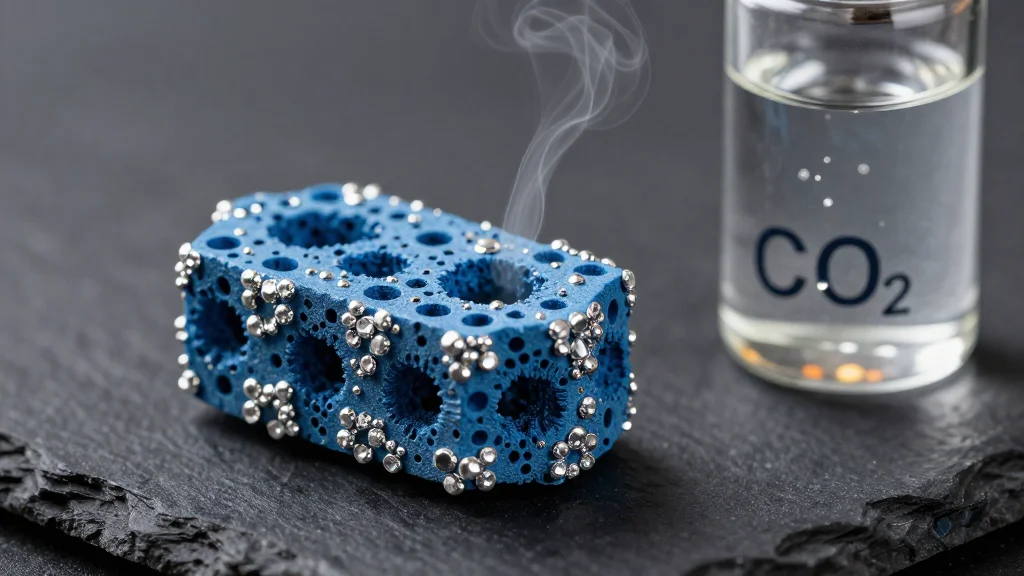
Coordination‐Modulated MOF‐Derived Electrocatalysts for Enhanced C─C Coupling in CO2 to C2H4 and C2H5OH Conversion
The review outlines mechanistic pathways for electrochemical CO₂ reduction to ethylene and ethanol using MOF‑derived electrocatalysts. It integrates studies of *CO intermediates, in‑situ spectroscopy of dynamic active sites, and DFT calculations of energy barriers. Future directions include machine‑learning‑guided MOF screening,...
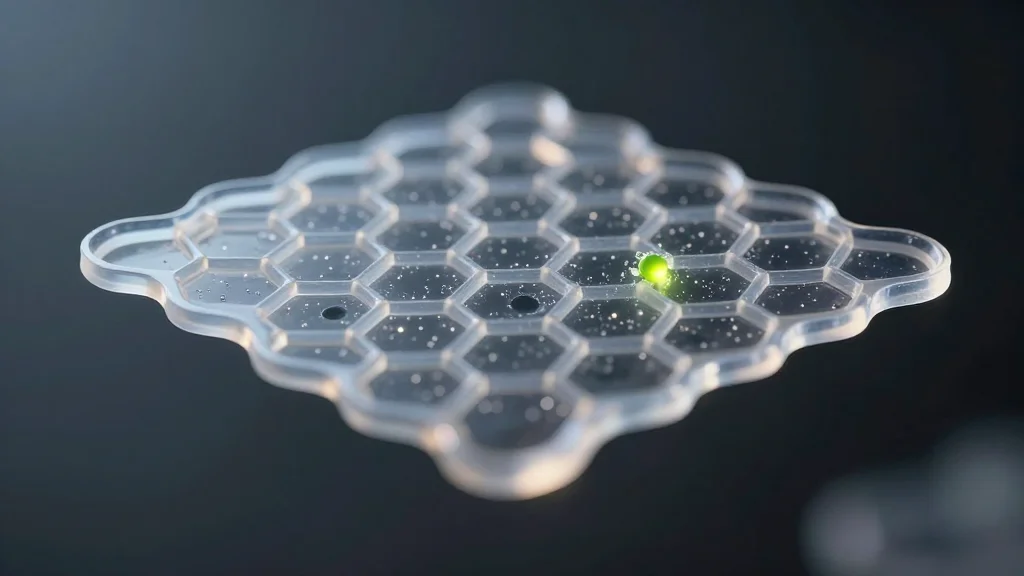
Sulfur‐Vacancy‐Derived Lewis Acid Sites in 3R‐Phase ZnIn2S4 Nanosheets for Efficient Uranium Extraction From Wastewater
Researchers engineered two‑dimensional 3R‑phase ZnIn2S4 nanosheets with abundant sulfur vacancies, creating Lewis‑acid sites that bind uranyl ions and accelerate charge separation. The resulting photocatalyst achieves an unprecedented uranium uptake of 1320 mg per gram of material in high‑concentration wastewater, far surpassing...
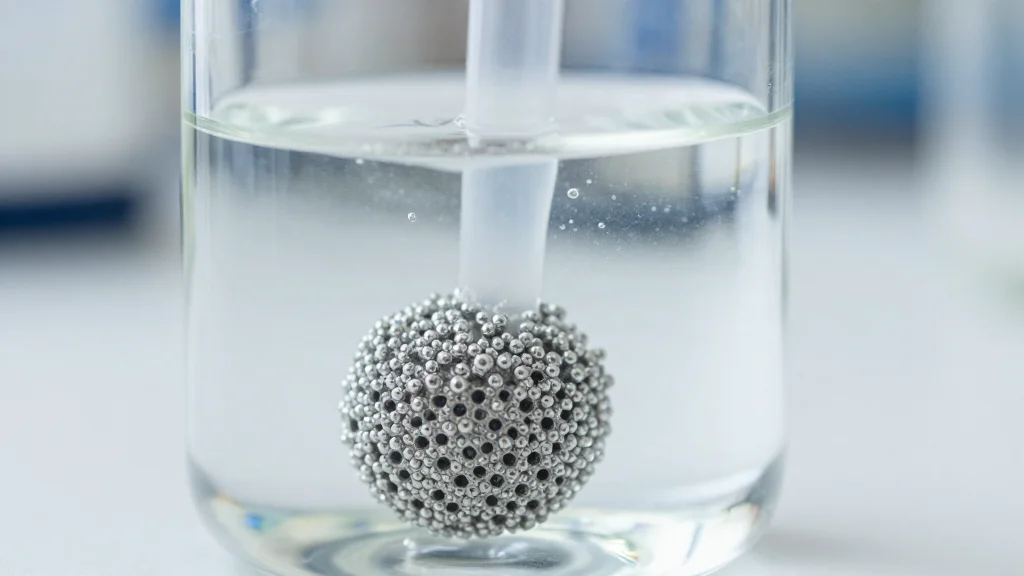
Doping‐Engineered Fe‐Co Tandem Sites Balance Hydrogen and Nitrite Intermediates for Efficient Nitrate to Ammonia Conversion at Low Potential
Researchers have developed an iron‑cobalt tandem electrocatalyst (FeCo/C‑0.5) that converts nitrate to ammonia with 98% selectivity and 89.7% Faradaic efficiency at just –0.33 V vs. RHE. The catalyst balances active hydrogen and nitrite intermediates, suppressing the competing hydrogen evolution reaction while...

Exosome-Like System by INdermal
INdermal has launched a biomimetic exosome-like platform that mimics natural exosomes using plant‑derived proteins and RNA. The system delivers 10¹⁴ exosomes per milliliter—about a million times the concentration of native exosomes—and incorporates β‑sitosterol to improve cellular uptake. It powers four...
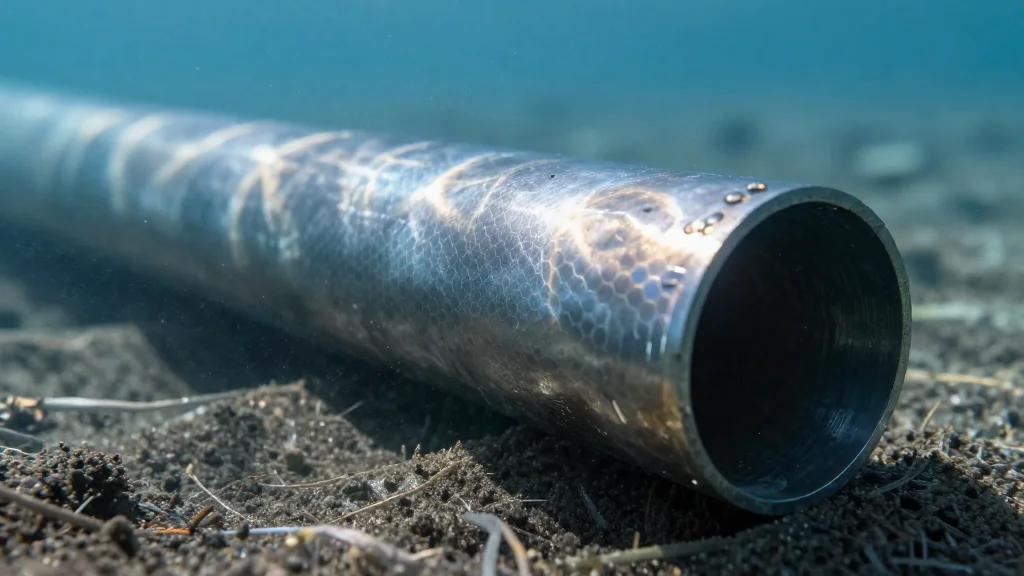
Royalton and PETRONAS Partner to Validate Graphene-Enhanced Underwater Epoxy Coating for Corrosion Protection
Royalton Coating Systems has partnered with PETRONAS Technology Ventures to validate a graphene‑enhanced underwater epoxy coating, ProShield+, for its ROYALPOXY UW 410 system. The additive is designed to block water, oxygen and salts, boosting barrier performance, adhesion and resistance to micro‑cracking. The...
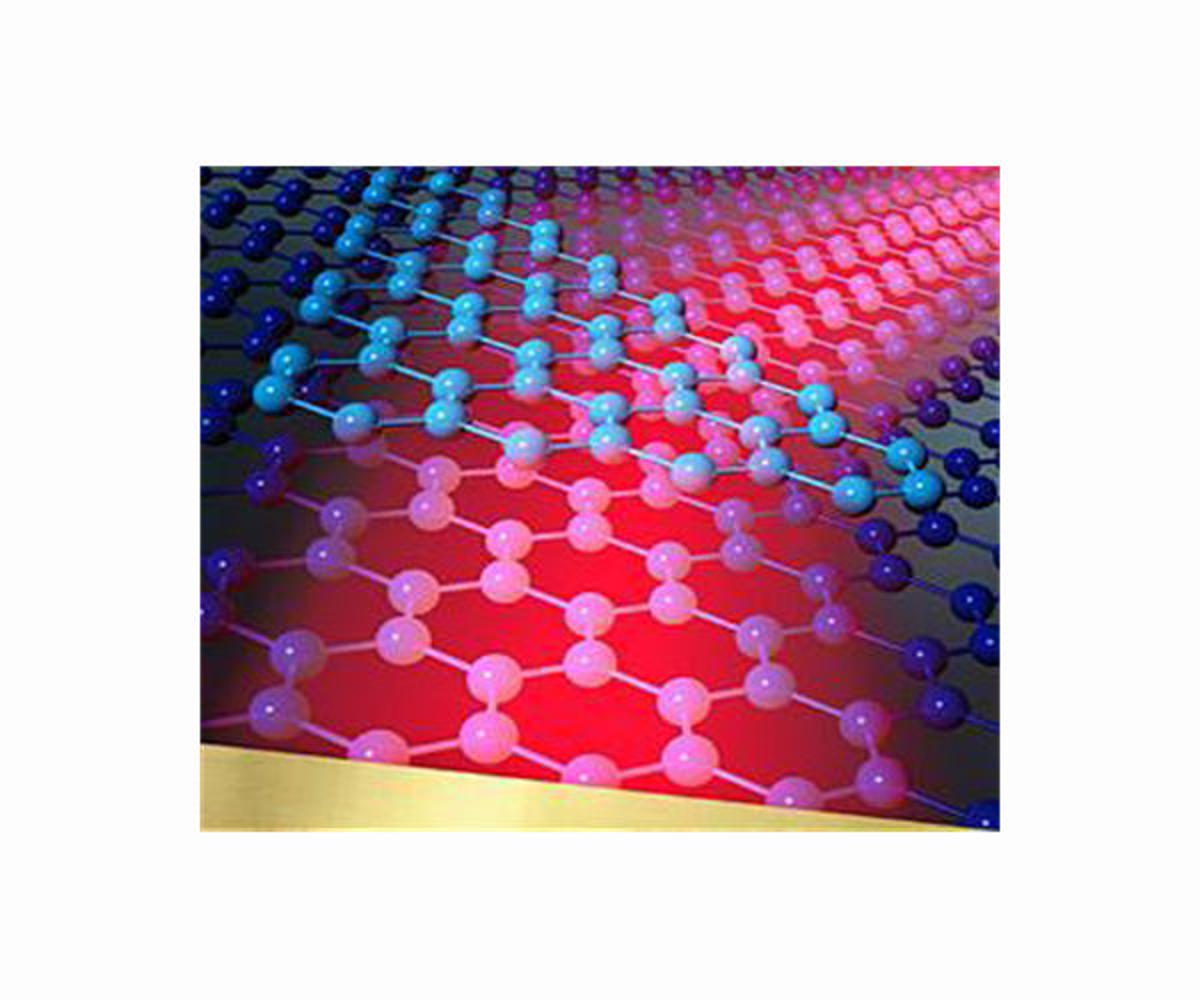
AI-Driven Design Tools Unlock New Capabilities in Flat Optical Devices
Researchers at Korea University have detailed how artificial intelligence is dismantling the design bottlenecks that have limited metasurfaces—ultra‑thin flat optical components—from lab prototypes to commercial products. AI‑driven surrogate models cut simulation time from weeks to milliseconds, while inverse design lets...

Harvard Team Achieves Milliwatt UV Light Generation On a Photonic Chip
Harvard researchers have built a chip‑scale ultraviolet light source on thin‑film lithium niobate that delivers 4.2 mW of on‑chip power at 390 nm, roughly 120 times more than prior demonstrations on the same platform. The device uses a frequency‑up‑conversion process that merges two...

New Copper Nanozyme Shows Powerful Tumor Suppression with High Precision
Researchers at the Chinese Academy of Sciences have created a coordinatively unsaturated copper single‑atom nanozyme (Cu‑N₂‑CDs) that exhibits markedly higher catalytic activity than traditional Cu‑N₄ nanozymes. The unsaturated Cu‑N₂ sites boost H₂O₂ adsorption by 3.49 times and generate hydroxyl radicals 3.62 times...
Atomic-Column Imaging Uncovers Hidden Magnetic Structures in Antiferromagnets
A collaborative team has introduced an atomic‑column‑resolved electron magnetic circular dichroism (EMCD) technique that images antiferromagnetic order at the single‑atom level using aberration‑corrected transmission electron microscopy. By detecting chiral‑reversal signals from opposite sides of a magnetic column, the method amplifies...
Molecular Quantum Nanosensors Reveal Temperature and Radical Signals Inside Living Cells
Researchers at Japan's National Institutes for Quantum Science and Technology, the University of Tokyo, and Kyushu University have unveiled molecular quantum nanosensors (MoQNs) that operate inside living cells. The sensors, built from pentacene spin qubits in para‑terphenyl nanocrystals and coated...
Milk Exosomes Transform Therapeutic Bioprocessing
Milk-derived extracellular vesicles, known as milk exosomes, are emerging as a biocompatible platform for therapeutic delivery. Researchers have loaded the JAK inhibitor tofacitinib into exosomes (mEXOs@TOF) for ulcerative colitis, achieving high drug‑loading efficiency, stability and strong anti‑inflammatory effects without toxicity....
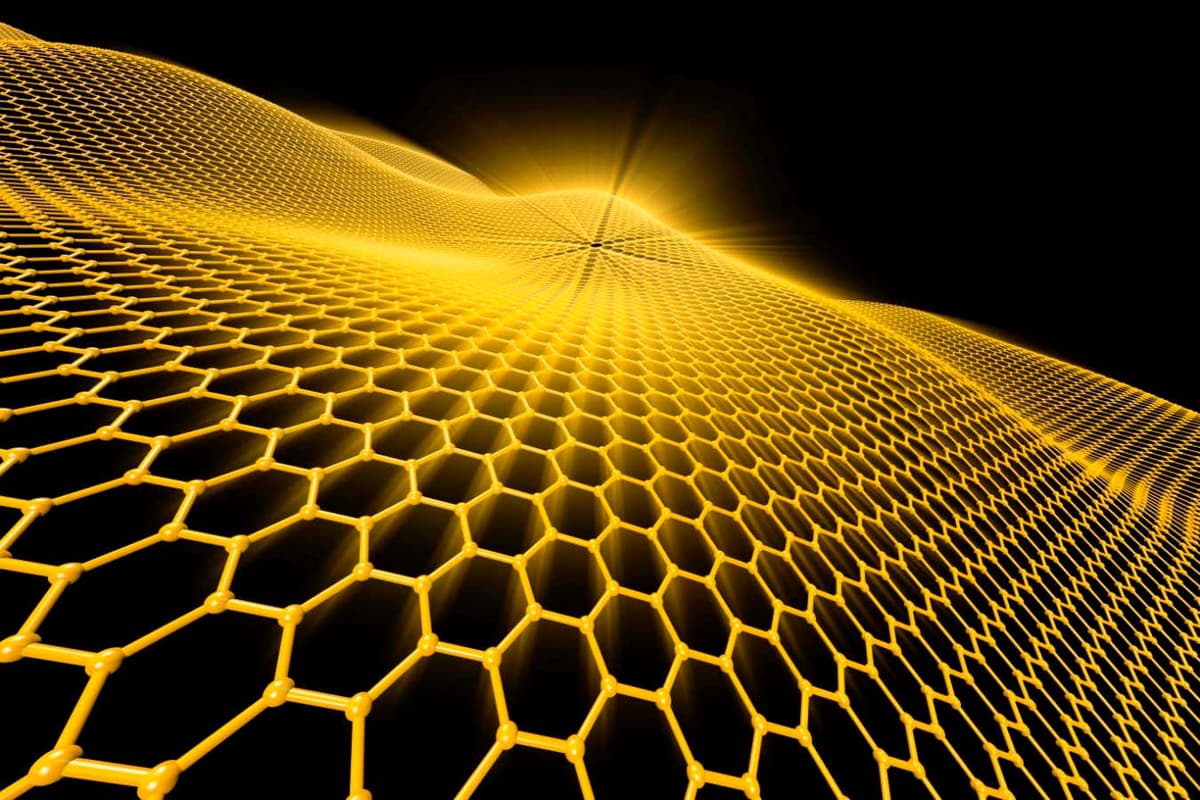
Weird 'Transdimensional' State of Matter Is neither 2D nor 3D
Physicists at Nanjing University have identified a new quantum state of matter they term the transdimensional anomalous Hall effect (TDAHE). In carbon films only 2–5 nm thick, electrons exhibit simultaneous horizontal and vertical looping motions when subjected to two perpendicular magnetic...

Jellyfish-Inspired Gel Captures Nanoplastics
German researchers have engineered a temperature‑responsive gel that mimics jellyfish mucus to capture nanoplastics—plastic particles smaller than 1 µm—from water. The synthetic amphiphilic copolymer self‑assembles into a 3‑D network that adsorbs hydrophobic nanoplastics, achieving 68‑100 % removal within 90 minutes when heated. Cooling...
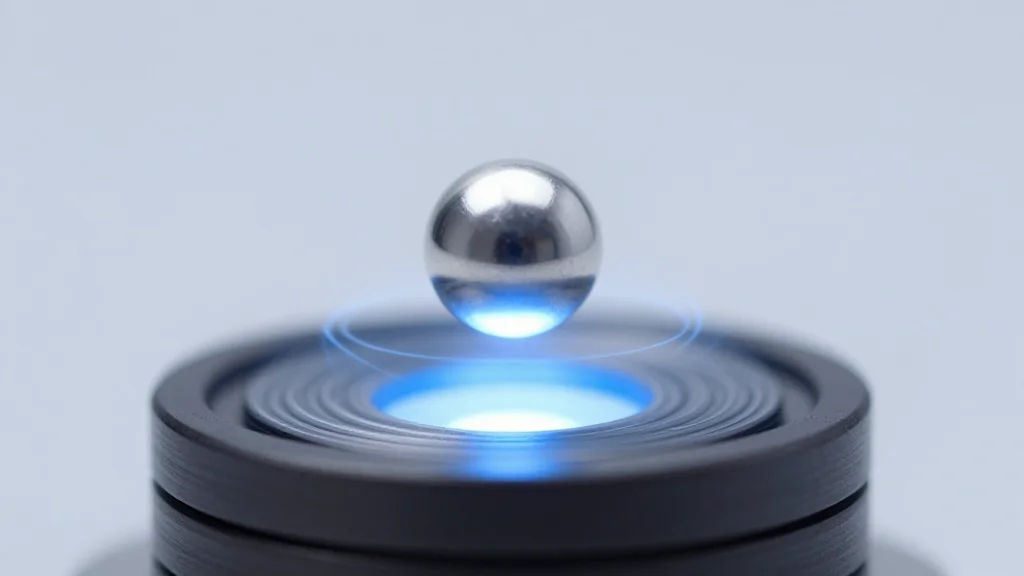
Levitated Nano-Ferromagnet Confirms a 160-Year-Old Physical Prediction
Researchers at Italy's IFN‑CNR and the Bruno Kessler Foundation have experimentally confirmed James Clerk Maxwell’s 160‑year‑old prediction that a non‑spinning ferromagnet can act as a gyroscope. By levitating a 40 µm neodymium‑based sphere inside a superconducting trap, they observed elliptical trajectories caused...

“Our Nanofibre Coating Represents a Fundamental Shift”
Soarce, a 2021‑born materials‑innovation startup, won the Grand prize at JEC World 2026’s Startup Booster, highlighting its bio‑based nanofibre coating for composites. Backed by roughly $3.5 million in pre‑seed capital, the company converts biomass into high‑performance nanofibre additives that integrate into existing...

Tumor/Lymph Node Dual‐Targeting Ultrasonic Nanoconverter Orchestrates Spatiotemporal ROS Regulation for Dual‐Zone Programmed Sono‐STING Immunotherapy
Researchers have engineered a dual‑targeting ultrasonic nanoconverter (OPD@PSF) that co‑delivers the sonosensitizer protoporphyrin IX and the STING agonist Vadimezan to breast tumors and their draining lymph nodes. High‑power ultrasound at the tumor site generates abundant reactive oxygen species, inducing immunogenic...
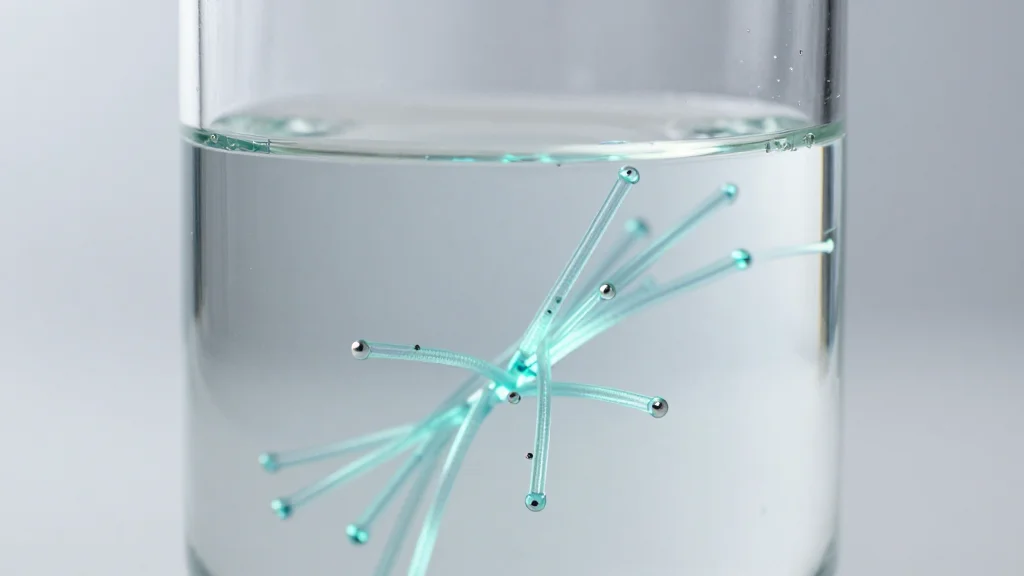
Identifying the Synergistic Role of Graphitic Nitrogen and Cobalt Nanoparticle in Electron Transfer Pathway Toward Fenton‐Like Catalysis
Researchers synthesized a carbon‑nanotube catalyst (CoN/C‑8) that integrates graphitic nitrogen and beads‑on‑string cobalt nanoparticles to activate peroxymonosulfate (PMS) for water decontamination. Electrochemical tests, COMSOL simulations, and density functional theory reveal that graphitic nitrogen forms an electron‑transfer highway, shifting the primary...
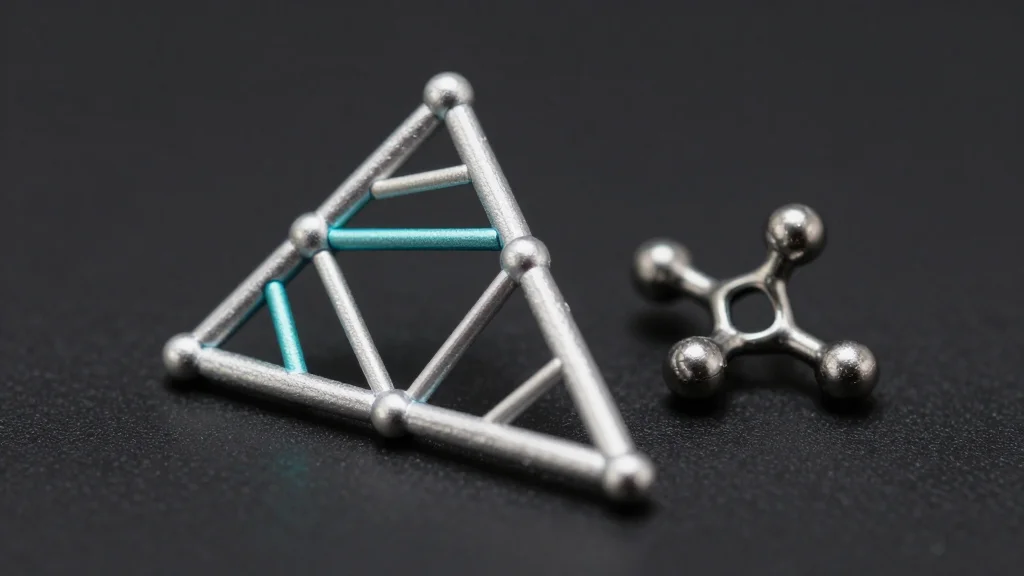
Global Quantitative Analysis of Ligation Reactions in Self‐Assembled DNA Nanostructures at the Single‐Nick Level
Researchers have mapped ligation efficiency at 64 individual nick sites on DNA origami using quantitative PCR, revealing that ligase activity is higher at trapezoid edges than interior positions. Docking simulations closely match experimental yields, indicating that variations in enzyme docking...
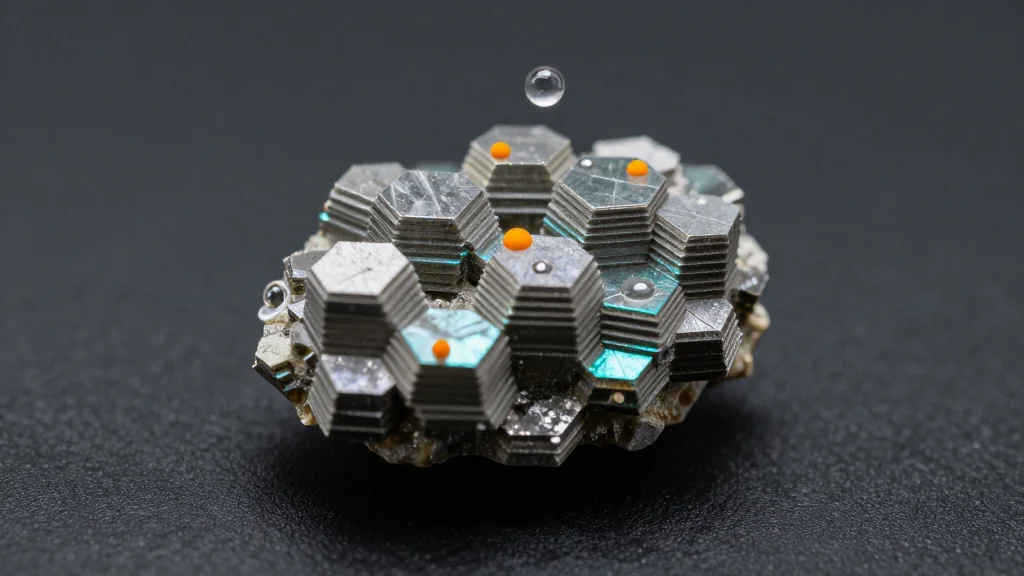
Local Electronic Environment Regulation of Crystalline/Amorphous NiSe/NiFe(OH)x Heterostructure Enhancing Catalytic Activity of Alkaline Oxygen Evolution Reaction
Researchers have engineered a crystalline NiSe/amorphous NiFe(OH)x heterostructure that dramatically improves alkaline oxygen evolution reaction (OER) performance. The catalyst achieves an ultralow overpotential of 233 mV at a current density of 100 mA cm⁻², and retains 93.7% of its activity after 250 hours at...
Interfacial Topology Engineering of Self‐Derived TiO2 Shells for Nucleation‐Controlled Fast Kinetics in MgH2
Researchers have developed a solvent‑free mechanochemical method that forms a high‑coverage TiO₂ nanolayer directly on magnesium hydride particles. The TiO₂ shell creates favorable band alignment, polarizing electrons and weakening Mg‑H bonds, which lowers the dehydrogenation activation barrier to 81 kJ mol⁻¹. This...
All‐Solid‐State Electrochemical Artificial Muscles Enabled by Magnetically Aligned Ionic Liquid Crystal Elastomers
Researchers have created an all‑solid‑state electrochemical artificial muscle by embedding carbon‑nanotube (CNT) coiled fibers in a magnetically aligned ionic liquid crystal elastomer (LCE). Magnetic field orientation produces ion‑transport channels that boost ionic conductivity to 47.5 mS m⁻¹, a three‑fold increase over polydomain...
Laser‐Induced Graphene for Pressure and Strain Sensors: Fabrication, Performance Optimization, and Applications
Laser‑induced graphene (LIG) has become a cornerstone for flexible pressure and strain sensors since its 2014 debut, thanks to its superior electrical conductivity and mechanical resilience. The reviewed paper dissects sensing mechanisms, outlines fabrication routes—including precursor selection and laser‑parameter tuning—and...
Programmable Artificial RNA Condensates in Mammalian Cells
Researchers at UCLA engineered single‑stranded RNA nanostars that self‑assemble into programmable condensates inside mammalian cells. By varying arm length, valency and kissing‑loop affinity, they controlled whether condensates formed in the nucleus or cytoplasm and could recruit proteins, small molecules, or...

Advances and Obstacles in Quantum Dots: From Nucleation Stages to High-Performance QLEDs
Researchers are refining quantum‑dot nucleation to achieve tighter size distributions, a key factor for color purity in next‑generation displays. Advanced ligand engineering and machine‑learning‑driven synthesis have pushed external quantum efficiency in QLEDs past 30%, while lead‑free perovskite dots now reach...

Alumina Nanowires Improve Thermal Management in Advanced Packaging (Georgia Tech Et Al.)
Georgia Tech researchers demonstrated that epoxy composites reinforced with ultralong Al₂O₃ nanowires dramatically improve thermal interface material (TIM) performance for 2.5D/3D semiconductor packaging. At a 28 wt% filler loading, a vertically aligned nanowire architecture achieved 0.78 W/(m·K) out‑of‑plane conductivity—72 % higher than conventional...

Science in Space
NASA astronaut Chris Williams and ESA astronaut Sophie Adenot conducted the DNA Nano Therapeutics‑3 experiment in the Kibo laboratory’s Life Science Glovebox aboard the International Space Station. The study explores DNA‑inspired assembly techniques to fabricate nanostructured cancer therapies such as chemotherapy and...
Plaid Technologies Announces Graphene Supply Deal, Marketing Program and New Financing Round
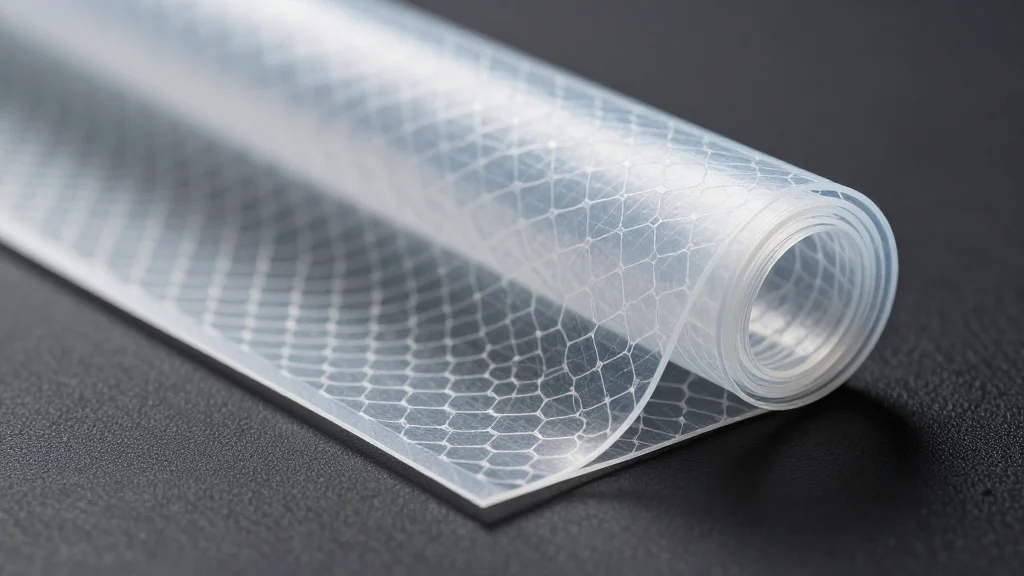
Plaid Technologies signed a 24‑month agreement with a European graphene producer, securing up to CA$20 million of material at tiered prices of $90, $85 and $80 per gram. The deal follows an earlier purchase of CA$1.14 million at $130 per gram, dramatically...
Advanced Separator Engineering with MOF and Carbon Nanofiber Cathode for Suppressed Polysulfide Shuttling in Li–S Batteries
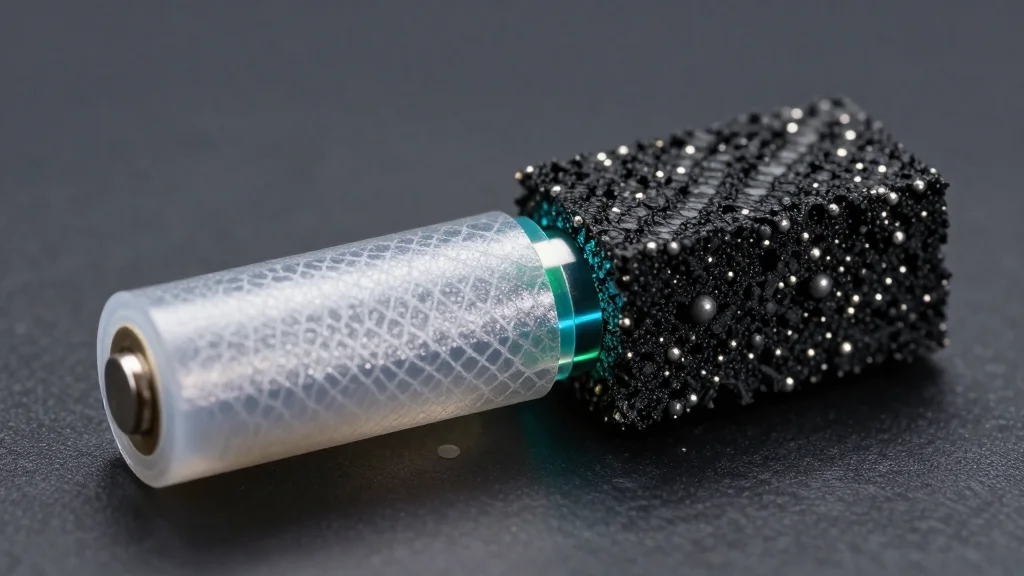
Researchers introduced a dual‑functional system for lithium‑sulfur batteries that pairs an indium‑doped CuCo metal‑organic framework (In‑doped CuCoMOF) coated separator with a heteroatom‑doped Co‑nanoparticle porous carbon nanofiber (Co@PCNF) cathode. The MOF layer chemically adsorbs lithium polysulfides and accelerates their conversion, while...
Enhanced Mechanical Strength and Controlled Degradation of PLA/ZnO Nanoparticle Composites for Biodegradable Implants
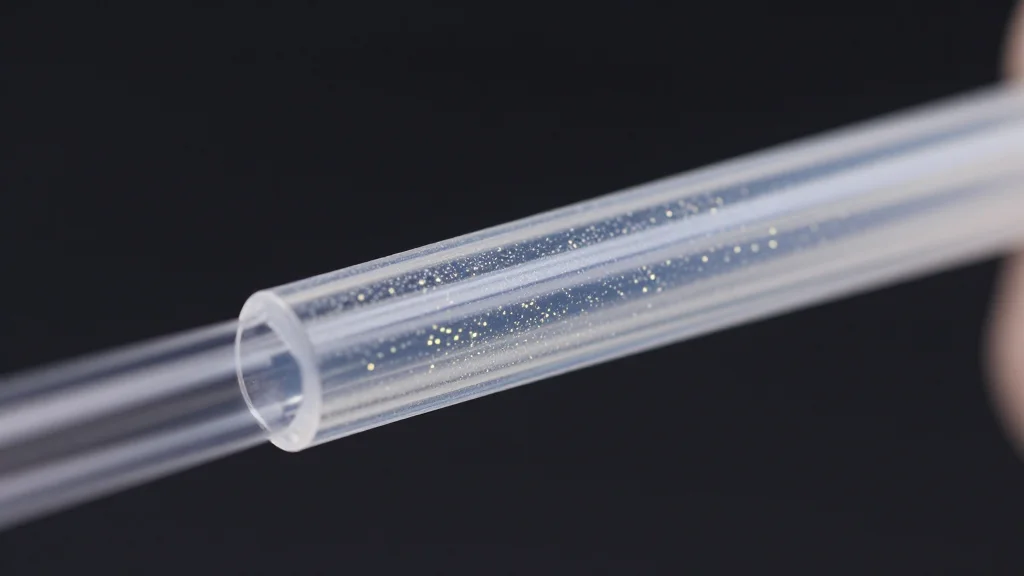
Researchers have engineered polylactic acid (PLA) composites reinforced with zinc oxide (ZnO) nanoparticles in two morphologies—nanospheres and nanorods—to create biodegradable implant materials. Tensile testing revealed that PLA/ZnO nanosphere composites reach 25.20 MPa, outperforming the nanorod variant at 22.98 MPa. Incorporating ZnO accelerated...
Room-Temperature Vibrations Could Transform How Industry Makes Graphene
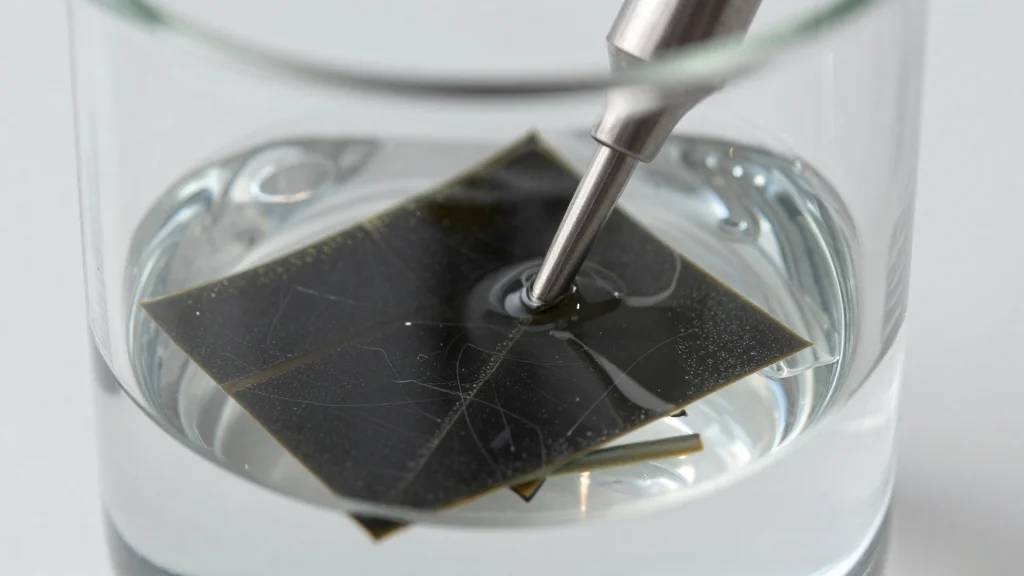
Researchers at the University of Birmingham have unveiled a room‑temperature vibrational exfoliation technique that can produce graphene and other 2‑D materials up to ten times faster than existing methods. The process uses water and tannic acid as a green solvent,...
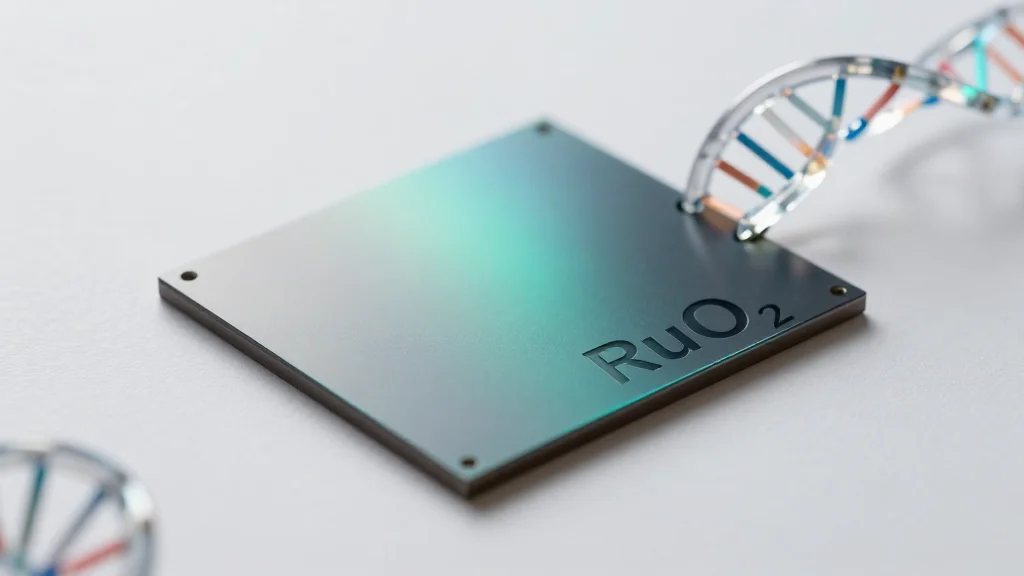
At Just Four Nanometers Thick, This Metal Starts Behaving in a Way Physicists Did Not Expect
University of Minnesota researchers have shown that interfacial polarization can tune the surface work function of metallic ruthenium dioxide (RuO₂) by more than 1 electron‑volt simply by varying film thickness. The effect peaks when the RuO₂ layer is about 4 nm thick,...
Video: Electrical Control of a Metal-Mediated DNA Memory
Researchers at New York University and Arizona State have demonstrated the first DNA‑based transistor by swapping mercury ions for silver in a single DNA strand using pH‑triggered chemistry. The metal‑mediated DNA was wired to molecular leads and a microchip, allowing...
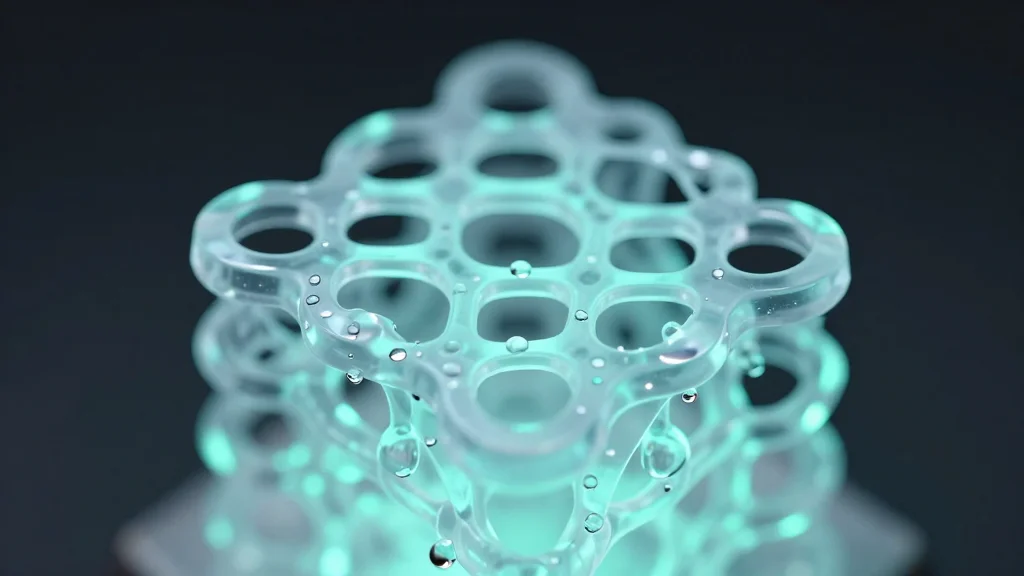
Morphing Metal-Organic Material Harvests Water From Thin Air
Researchers at the University of Sherbrooke have created a metal‑organic material that opens nanoscopic cavities when exposed to ultraviolet light, allowing it to capture water from the air. The photochemical reaction expands the crystal lattice by about 3 %, creating paired...

Atomic Step–Terrace Ordering Enables Unprecedentedly Low Pop‐in Stress Scatter in GaN (0001)
Researchers used catalyst‑referred etching (CARE) to create GaN (0001) surfaces with atomically flat step‑terrace topography. Nanoindentation on these surfaces produced pop‑in events at the theoretical strength of 16.15 GPa with an unprecedented stress scatter of only 2.3%. By contrast, conventional as‑received...
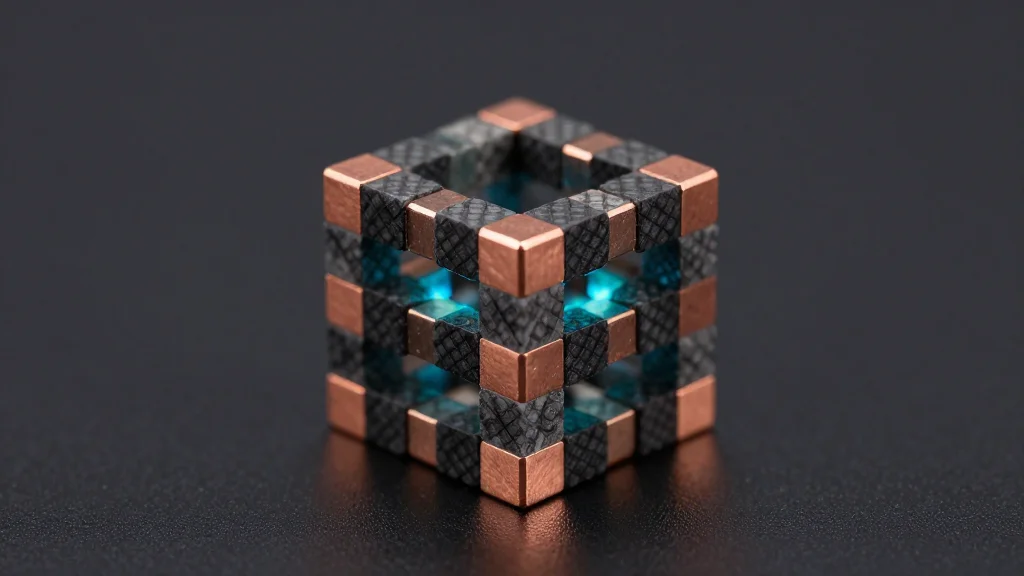
Engineering of Multiple Heterointerfaces in N, S‐Codoped Hollow Cu/Cu2S/C Nanoboxes for Superior Electromagnetic Attenuation
Researchers have engineered N,S‑codoped hollow Cu/Cu2S/C nanoboxes (H‑Cu/Cu2S@NSC) using Cu2O templates, creating a structure that combines interior cavities, multiple heterointerfaces, and heteroatom‑doped carbon shells. The synergistic effect of the hollow architecture and Cu/Cu2S, Cu/C, and Cu2S/C interfaces dramatically improves electromagnetic...
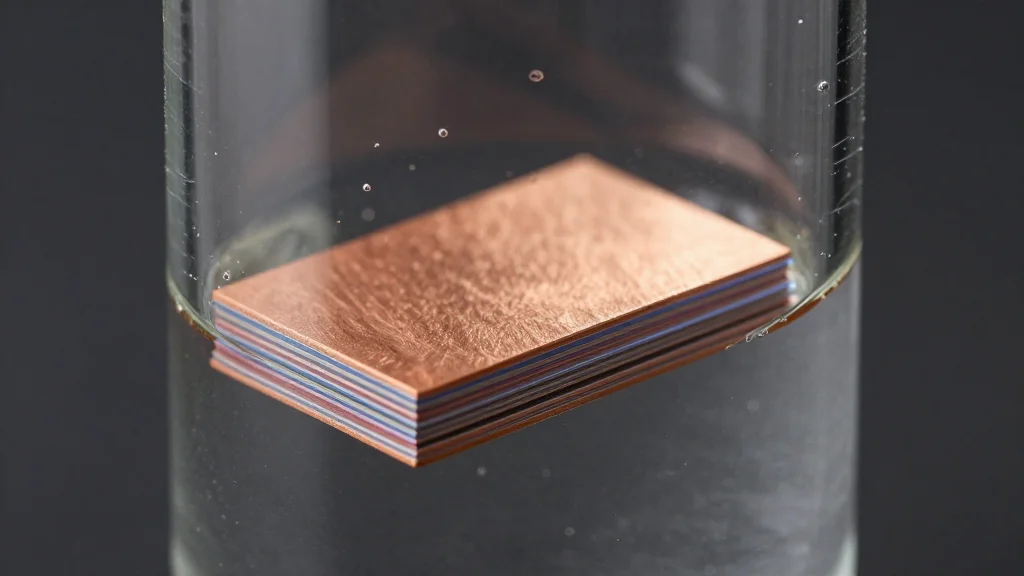
Defect‐Rich RuCu Multilayered Nanosheets for Effective Alkaline Hydrogen Electrocatalysis
Researchers have created defect‑rich RuCu multilayered nanosheets (RuCu MNSs) that serve as highly active, durable catalysts for alkaline hydrogen oxidation (HOR) and hydrogen evolution (HER). The RuCu MNSs/C catalyst delivers a mass activity of 4.91 A mg⁻¹ at 50 mV vs RHE, far...
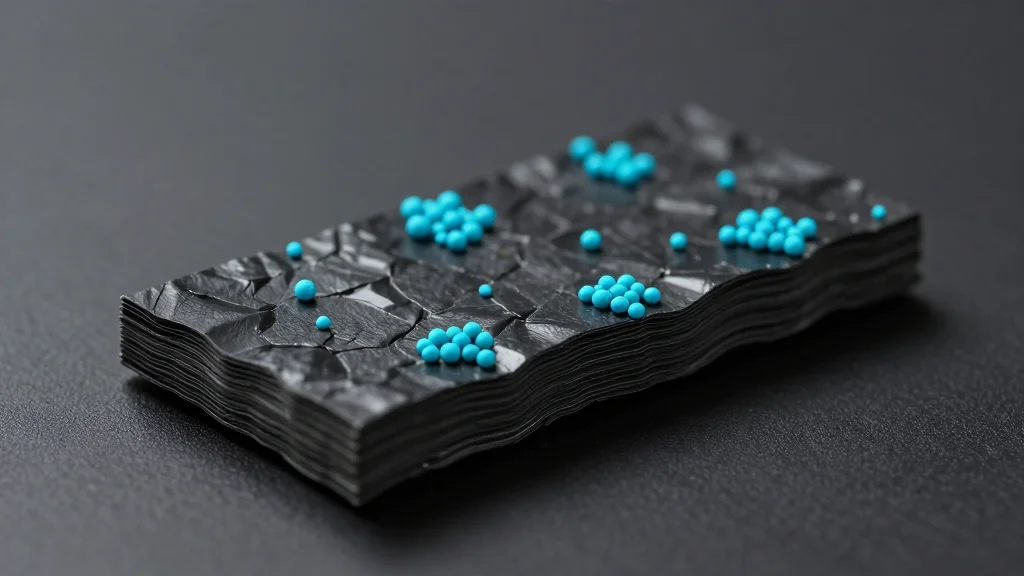
Controlled Triazine‐Based Covalent Functionalization of Black Phosphorus for Degradable Hybrid Materials
Researchers have introduced a scalable triazine‑based covalent functionalization method for black phosphorus (BP) nanosheets, achieving controlled P‑N surface chemistry with higher grafting density using a phase‑transfer catalyst. Optimized mechanochemical production and exfoliation generate high‑quality BP sheets, which are functionalized via...
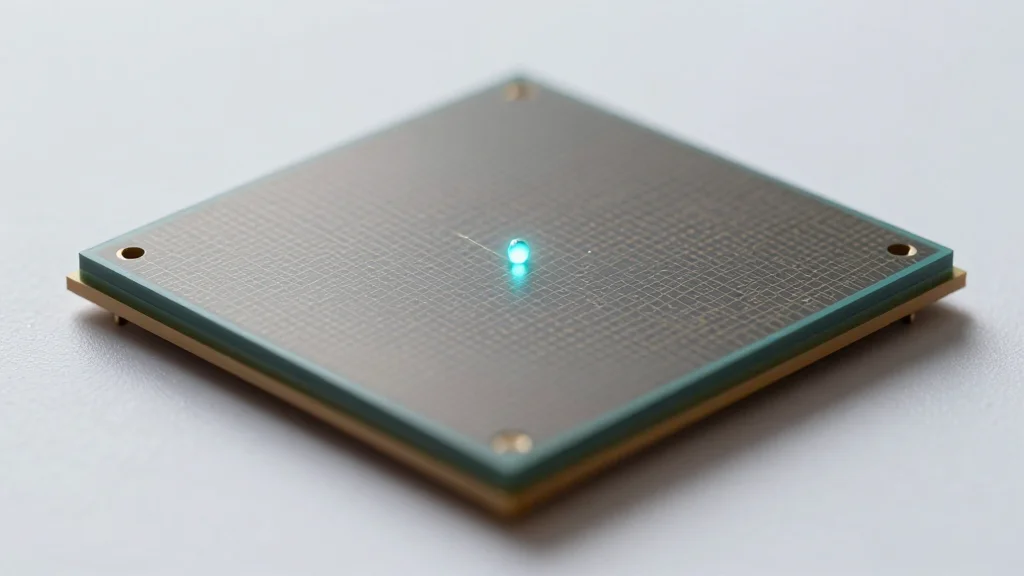
Silencing Noise in Telecom Quantum Emitters
Researchers Holewa and Syperek report a waveguide‑integrated quantum dot embedded in a photonic‑crystal membrane that emits highly coherent single photons at the telecom wavelength of 1550 nm. By using resonant excitation, they suppress charge‑noise‑induced decoherence, achieving photon indistinguishability above 95 % and...
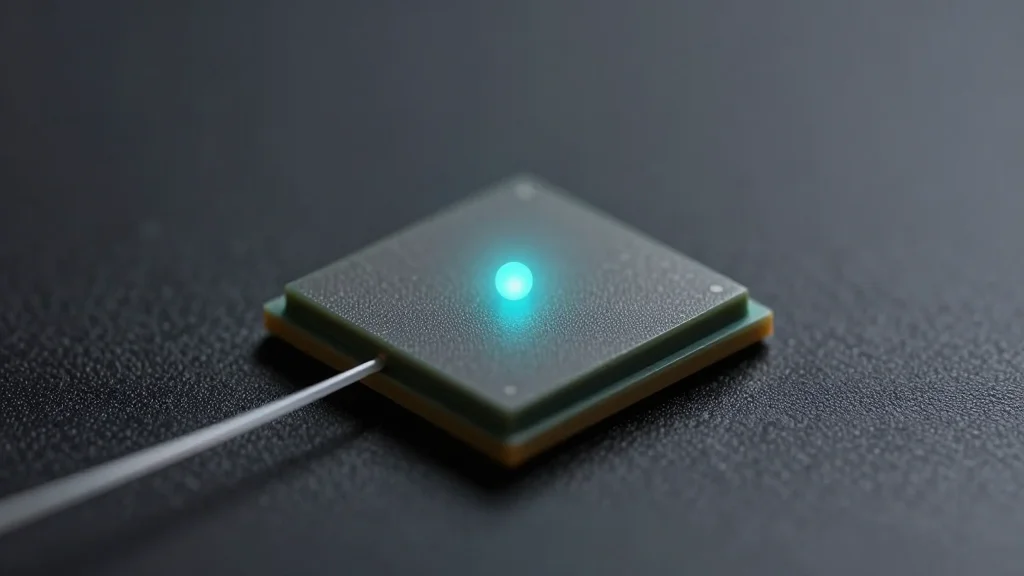
A Quantum-Coherent Photon–Emitter Interface in the Original Telecom Band
Researchers have built a quantum‑coherent interface that directly couples single photons to a solid‑state emitter operating in the original telecom O‑band (~1310 nm). The device integrates a self‑assembled InAs quantum dot into a nanophotonic waveguide, achieving more than 90 % photon indistinguishability...
Extreme Stability in Ultrafast Nanomagnetism Aids the Development of Faster Data Storage
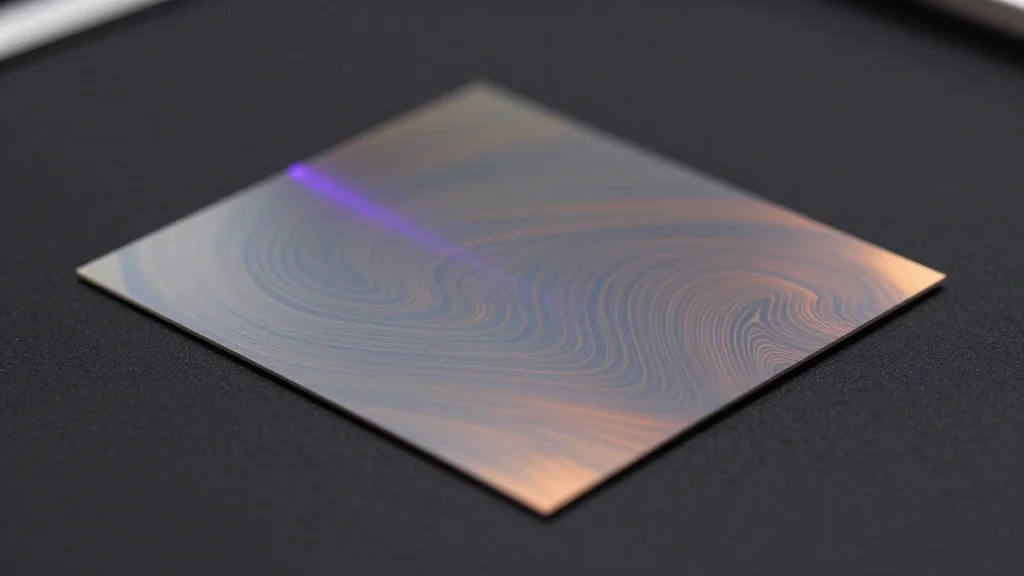
Physicist Johan Mentink and collaborators have, for the first time, visualized magnetic domain walls at nanometer and femtosecond scales using a tabletop extreme‑ultraviolet laser source. Their measurements reveal that domain boundaries remain remarkably stable even when the material is briefly...

Scientists in China Create a Predator-Like Material to Hunt for Uranium in the Ocean
An international team at China’s CAS Qinghai Institute of Salt Lakes has created a light‑powered metal‑organic framework micromotor that swims through water and selectively captures uranium ions. The 2‑micron particles propel themselves using hydrogen peroxide and double their speed under...

Premier Graphene and Its Partners Secure Initial Contract with Mexico’s Defense Sector
Premier Graphene and its Mexican affiliate HGI have secured their first defense contract with the Dirección General de Fábrica de Vestuario y Equipo (FAVE), a unit of Mexico’s Secretaría de la Defensa Nacional. The award covers the production of specialized...

Thermally Induced Supramolecular Polymorphism Strategy Enables Fabrication of Emissive Tunable Gold Nanoclusters Assemblies
Researchers introduced a thermally induced supramolecular polymorphism strategy that lets a single batch of thiosalicylic‑acid‑protected gold nanoclusters (AuNCs) emit multiple colors. At 298 K, Zn²⁺‑mediated co‑assembly yields kinetically trapped nanospheres that glow yellow. Raising the temperature to 358 K reorganizes the structure...
Vibrational Exfoliation of 2D Materials
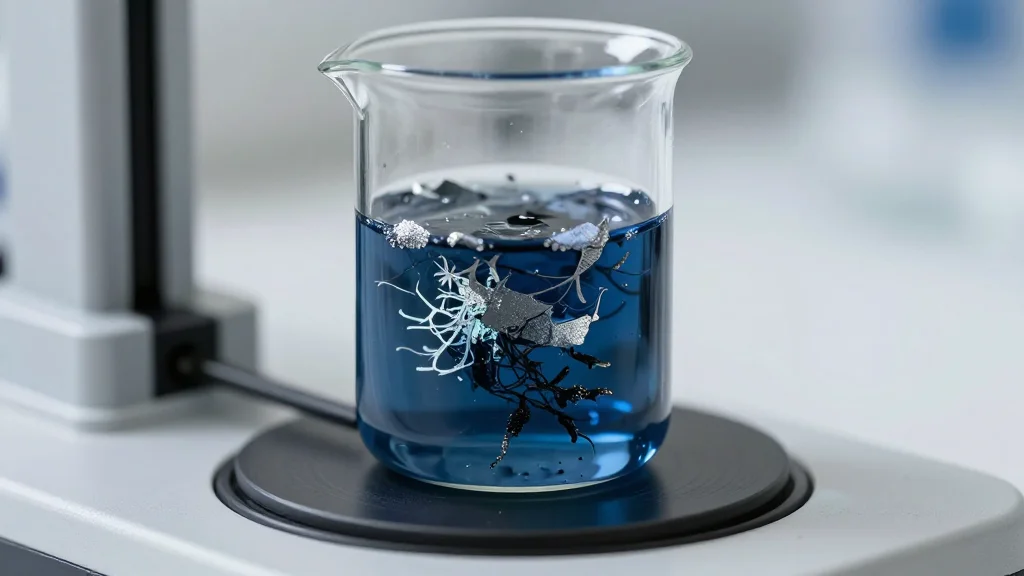
Researchers have introduced a vibrational exfoliation technique that can process liquid‑phase dispersions of 2D materials at concentrations up to 1000 mg mL⁻¹ without losing yield. By accelerating the mixture to 100 g, particles fold, fracture and peel, producing few‑layer graphene and other layered...

Strain‐Field‐Induced Bandgap Opening in Bilayer Graphene
Researchers have shown that periodic in‑plane strain fields generated by a graphene/organic‑2D‑crystal/graphene sandwich can open a bandgap of up to 50 meV in bilayer graphene while keeping the lattice intact. The gap stems from bond‑length modulation at domain boundaries rather than...

Nanoengineered Micellar Hydrogel with Controllable Strain‐Dependent Behavior for Brain Slice‐Like Tissue Patch Bioprinting
Researchers have created a nanoengineered chitosan micelle‑crosslinked hydrogel (CDP) that can be tuned to three distinct rheological states for extrusion‑based bioprinting. By balancing dynamic covalent crosslinks with shear‑induced micelle stacking, the CDP‑II formulation tolerates up to 200% strain while maintaining...