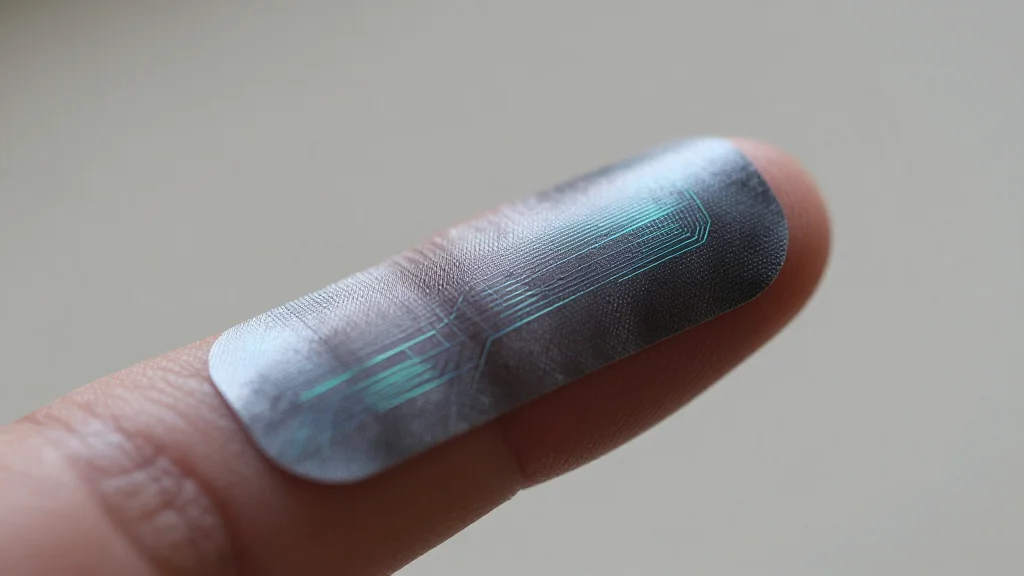
Laser‐Induced Graphene for Pressure and Strain Sensors: Fabrication, Performance Optimization, and Applications
Why It Matters
LIG‑based sensors enable low‑cost, high‑performance wearables and human‑machine interfaces, accelerating adoption of flexible electronics across healthcare and robotics markets.
Key Takeaways
- •LIG offers high conductivity and mechanical flexibility for sensor design
- •Laser parameters and precursor choice critically affect sensor sensitivity
- •Optimization strategies improve durability and response time of LIG sensors
- •Applications span health monitoring, robotics, and structural health assessment
Pulse Analysis
The rise of laser‑induced graphene marks a pivotal shift in flexible electronics, merging the precision of laser patterning with graphene’s intrinsic conductivity. Unlike traditional carbon‑based inks, LIG is generated in‑situ on polymer substrates, eliminating transfer steps and enabling rapid prototyping. This direct‑write approach not only reduces material waste but also allows designers to tailor micro‑architectures that dictate sensor performance, positioning LIG as a versatile platform for bespoke pressure and strain transducers.
Fabrication nuances dictate the ultimate capabilities of LIG sensors. Researchers emphasize the importance of precursor materials—polyimide, wood, or even paper—as they influence graphene quality and pore structure. Laser power, scan speed, and pulse frequency must be finely balanced to achieve optimal graphitization without damaging the substrate. Recent studies introduce post‑laser treatments, such as plasma functionalization or polymer coating, to enhance durability and linearity. These optimization pathways have pushed gauge factors beyond 200 and response times under 10 ms, rivaling conventional silicon strain gauges while retaining flexibility.
Beyond the lab, LIG sensors are infiltrating real‑world applications. Wearable health monitors leverage their stretchability to track respiration, pulse, and joint movement with minimal discomfort. In robotics, LIG arrays provide tactile feedback for grippers, enabling nuanced object handling. Structural health monitoring systems embed LIG patches on bridges or aircraft skins to detect micro‑cracks early. While scaling production and ensuring long‑term environmental stability remain hurdles, the convergence of low‑cost laser manufacturing and graphene’s performance promises a rapid expansion of LIG‑enabled smart devices across multiple industries.
Laser‐Induced Graphene for Pressure and Strain Sensors: Fabrication, Performance Optimization, and Applications
Comments
Want to join the conversation?
Loading comments...