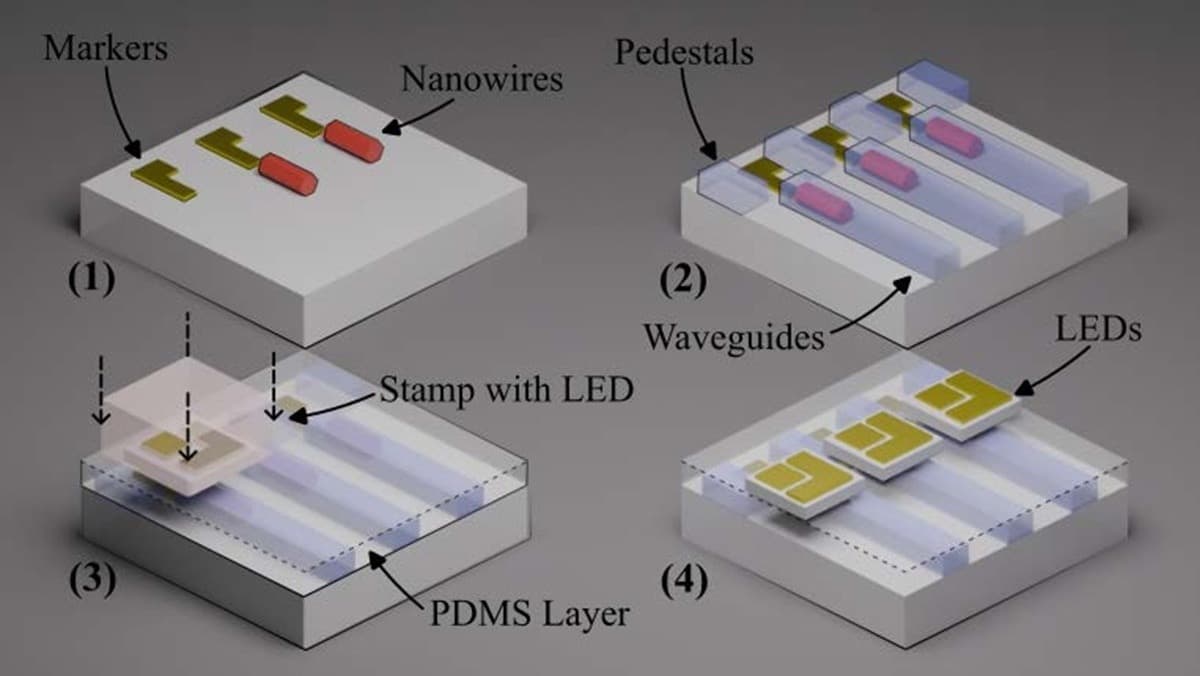
Micro-LEDs Light Up Nanowire Emitters for Chip-Scale Photonics
Researchers have demonstrated a transfer‑printing process that places micro‑LEDs directly atop indium‑phosphide nanowire emitters, creating a compact, electrically addressable photonic system. The integrated devices achieve small‑signal modulation in the tens‑of‑megahertz range at room temperature and deliver near‑infrared output around 860 nm. Fabrication yields sub‑500 nm alignment accuracy and a serial integration speed exceeding one device per minute. While optical coupling efficiency remains modest, the work proves the feasibility of chip‑scale nanowire excitation without external optics.

Room-Temperature Hydrogen Storage of Boron Nanoclusters
A team of Chinese and Australian researchers demonstrated that boron nanoclusters can store hydrogen at room temperature, achieving reversible uptake without the extreme pressures or temperatures typical of conventional hydrides. Molecular dynamics and COHP analyses revealed that Ni‑decorated clusters promote...

The “Impossible” LED that Could Change Everything
Scientists at Cambridge’s Cavendish Laboratory have created the first LEDs from insulating lanthanide‑doped nanoparticles by attaching organic "molecular antenna" molecules that funnel electrical energy into the particles. The hybrid devices achieve over 98% triplet‑energy transfer, emit ultra‑pure second‑near‑infrared (NIR‑II) light,...

Call for a Standard Framework for Triboelectric Nanogenerators
The article spotlights three cutting‑edge studies. Researchers reveal that surface reconstructions in cerium hexaboride (CeB₆) obscure the interpretation of its bulk electronic properties. A Vienna‑based citizen‑science initiative shows urbanization reshapes fruit‑fly communities, offering a low‑cost ecological barometer. Meanwhile, engineers demonstrate...

Quantum Nanomedicine: How Tiny Materials Could Tackle Big Medical Challenges
A Perspective article in Advanced Science outlines the emerging field of quantum nanomedicine, which engineers quantum phenomena—such as coherence, spin polarization, and topological states—into nanomaterials to achieve highly precise therapeutic and diagnostic actions. The authors highlight quantum dots for light‑triggered...

Printed Devices Turn Neuromorphic
Researchers at USC have demonstrated artificial neurons built from printed molybdenum disulfide (MoS₂) nanosheet networks. The printed devices exhibit multi‑order spiking dynamics that replicate the timing of biological neurons, operating on millisecond‑scale intervals relevant to human brain activity. This neuromorphic...
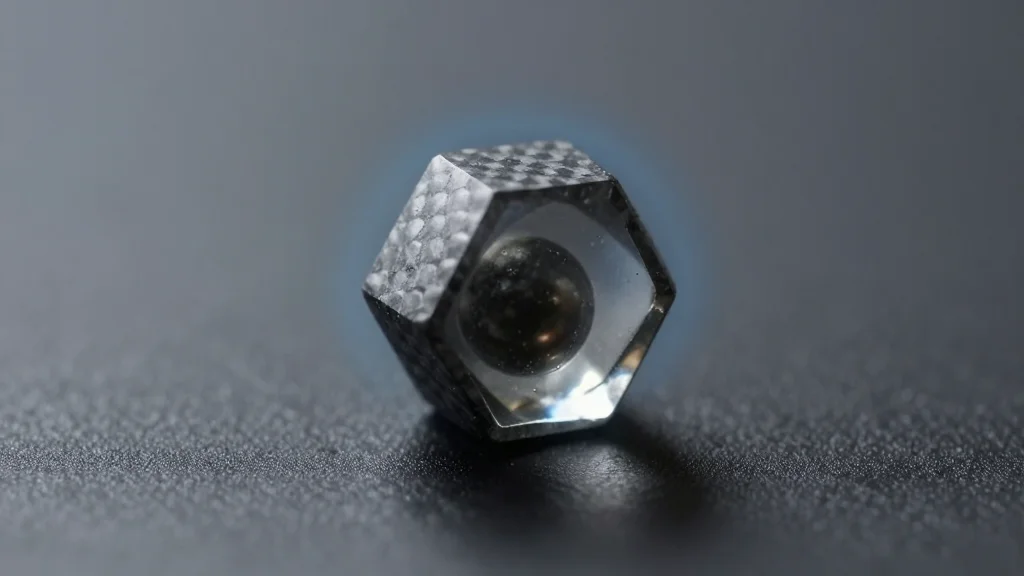
Yolk‐Double‐Shell ZnPS3/NC@C Polyhedra Engineered via Kirkendall‐Effect‐Driven Etching for Superior Sodium Storage
Researchers have engineered a yolk‑double‑shell ZnPS3/N‑doped carbon@carbon polyhedron using a MOF‑mediated Kirkendall‑effect etching strategy. The design creates a conductive N‑doped carbon matrix and an outer carbon shell that together accommodate volume change and suppress polysulfide dissolution. As a sodium‑ion battery...
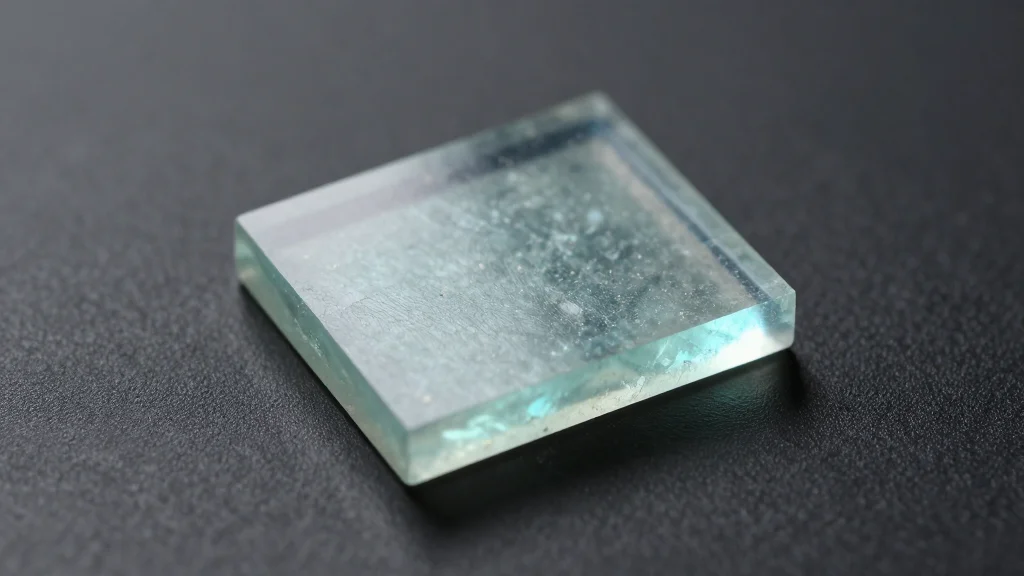
Delocalized Electronic States Induced by Phosphorus Doping Suppress Charge Recombination in Cu2ZnSnS4 Photocathodes
Researchers introduced phosphorus (P) doping into kesterite Cu2ZnSnS4 (CZTS) to delocalize its electronic states, dramatically improving electron transport. The doped CZTS-P photocathode, paired with a CdS layer, generated a stable photocurrent of −29.34 mA/cm² at 0 V versus the reversible hydrogen electrode...
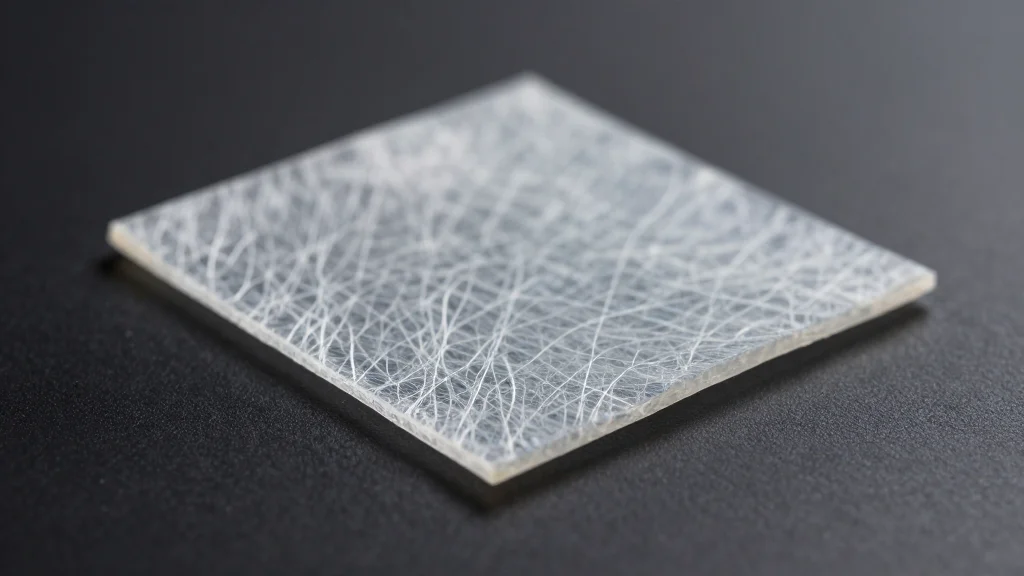
Exploiting Interfacial Ionic Mobility to Make Heat-Moldable Nanoparticle Aggregates
Researchers at Osaka University have demonstrated that cellulose nanofiber (CNF) aggregates can be thermoformed by grafting anionic groups onto their surfaces and pairing them with cations from a low‑melting ionic liquid. The interfacial ion mobility causes the aggregates to expand...

Cellulose Nanocrystal/Zn‐MOF Nanocarriers for Enhanced Foliar Adhesion, pH‐Responsive Release, and Efficient Pesticide Delivery
Researchers have engineered a cellulose nanocrystal (CNC) and zinc‑based metal‑organic framework (ZnMOF) nanocarrier that encapsulates the insecticide acetamiprid. The hybrid carrier delivers a pH‑responsive release—up to 85.9% at pH 5—while dramatically improving leaf wettability, adhesion (28.9 mg cm⁻²), UV stability (65.1% gain) and...

Single‑Atom‑Induced Electronic Polarization at Adjacent Cluster Promotes Efficient Hydrogen Storage in Magnesium Hydride
Researchers have engineered a niobium single‑atom/cluster composite (NbSA/AC) on magnesium hydride (MgH₂) to boost hydrogen storage performance. The catalyst enables MgH₂ to release roughly 4 wt% hydrogen at just 175 °C, surpassing traditional Nb single‑atom or cluster catalysts. Computational analysis shows that...
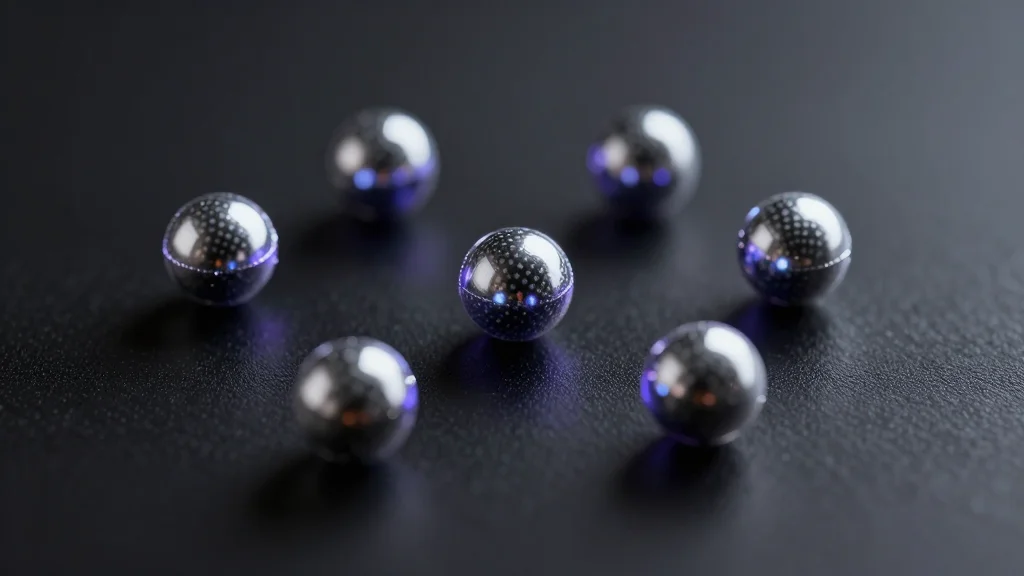
Nanoscale Dielectric Gene Dual‐Regulations in High‐Entropy Materials for Enhanced Electromagnetic Wave Absorption Over Low‐Mid Frequency
Researchers have demonstrated a dual‑regulation approach that fine‑tunes nanoscale dielectric properties in high‑entropy alloy (HEA) nanoparticles. By simultaneously refining grain size and inducing lattice distortion, the Mn‑doped carbon‑coated HEA (Mn‑HEA@C) boosts both conductive and polarization losses, shifting electromagnetic wave absorption...

Park Systems Launches NX1
Park Systems has launched the NX1 atomic force microscope, developed with Prof. Franz J. Giessibl of the University of Regensburg. The NX1 translates the ultra‑high‑vacuum atomic‑resolution capability of the Orpheus II prototype into a commercial instrument for ambient labs. It features...

Researchers “Reprogram” Materials by Quickly Rearranging Their Atoms
A collaborative team from MIT, Oak Ridge National Laboratory and partners has unveiled a room‑temperature electron‑beam technique that can reposition tens of thousands of individual atoms within a solid in minutes. By deploying custom algorithms to steer the beam with...
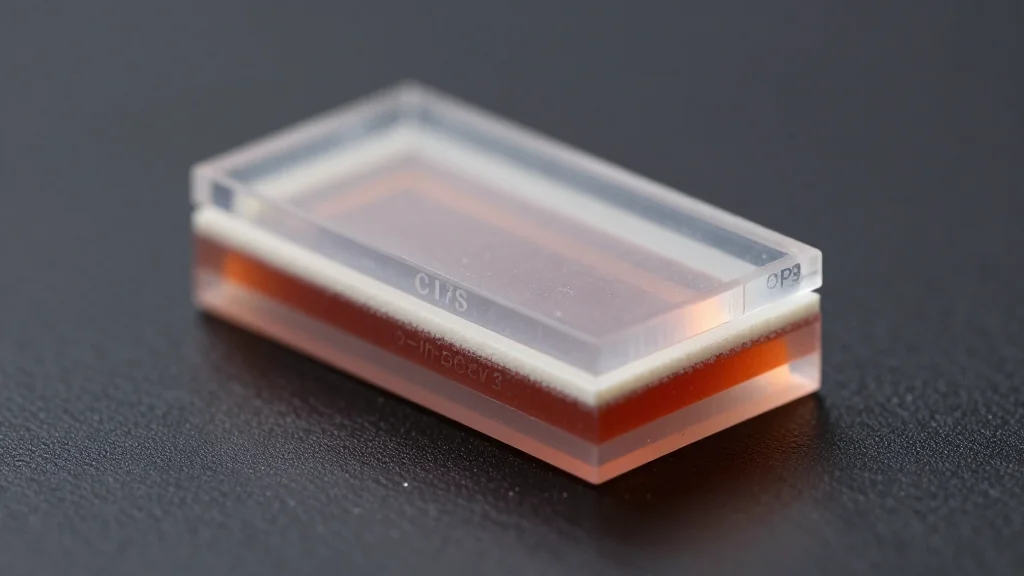
Unified Steep‐Slope Switching and Non‐Volatile Memory in a Complementarily Stabilized Van Der Waals Ferroelectric Transistor
Researchers have unveiled a van der Waals ferroelectric negative‑capacitance transistor (FeNC‑FET) that merges sub‑60 mV/dec steep‑slope switching with intrinsic non‑volatile memory in a single device. The innovation relies on a CIPS/h‑BN/α‑In₂Se₃ trilayer gate stack, where CIPS supplies a stabilized negative‑capacitance state,...
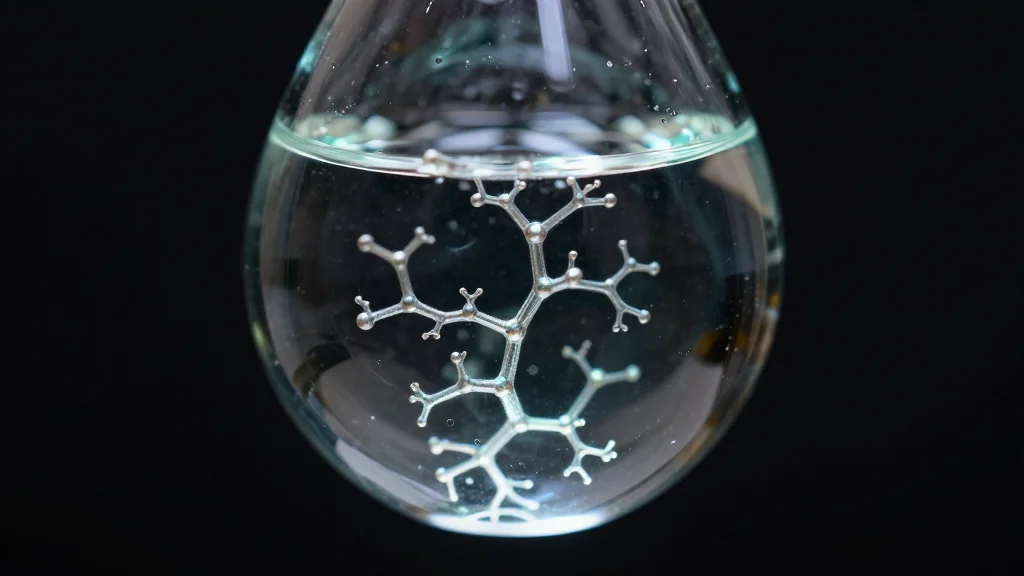
Dynamic CoOOH@Co Reconstruction Activates Laser‐Decorated Pd Sites for High‐Selectivity Nitrate‐to‐Ammonia Electrocatalysis and Zn–Nitrate Batteries
Researchers used pulsed laser irradiation in liquids to fabricate palladium‑decorated cobalt nanodendrites (Pd/Co NDs) that dynamically reconstruct into a Pd/CoOOH@Co architecture during alkaline nitrate reduction. This surface transformation activates isolated Pd sites, delivering a record 92.35% Faradaic efficiency for ammonia...
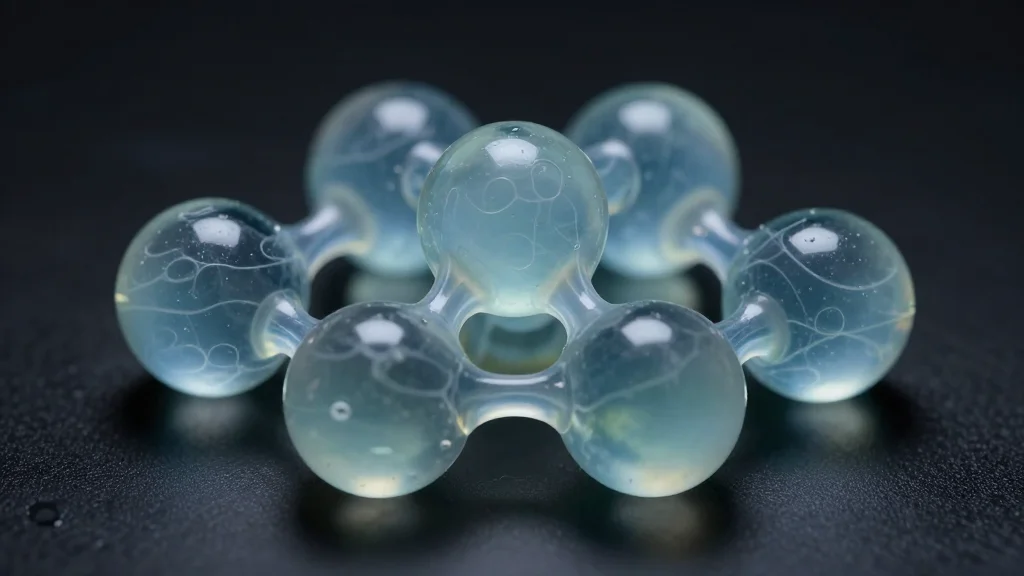
Bottom‐Up Assembly of Amorphous Metal–Organic Frameworks From Proton Conductive Metal–Organic Polyhedra
Researchers introduced a bottom‑up strategy to build amorphous metal‑organic frameworks (aMOFs) using rhodium‑based metal‑organic polyhedra (MOPs) as predefined nodes. By crosslinking these MOPs with flexible ditopic linkers, the resulting aMOFs retain sulfonate functionality and achieve proton conductivities up to 4.8 mS cm⁻¹...
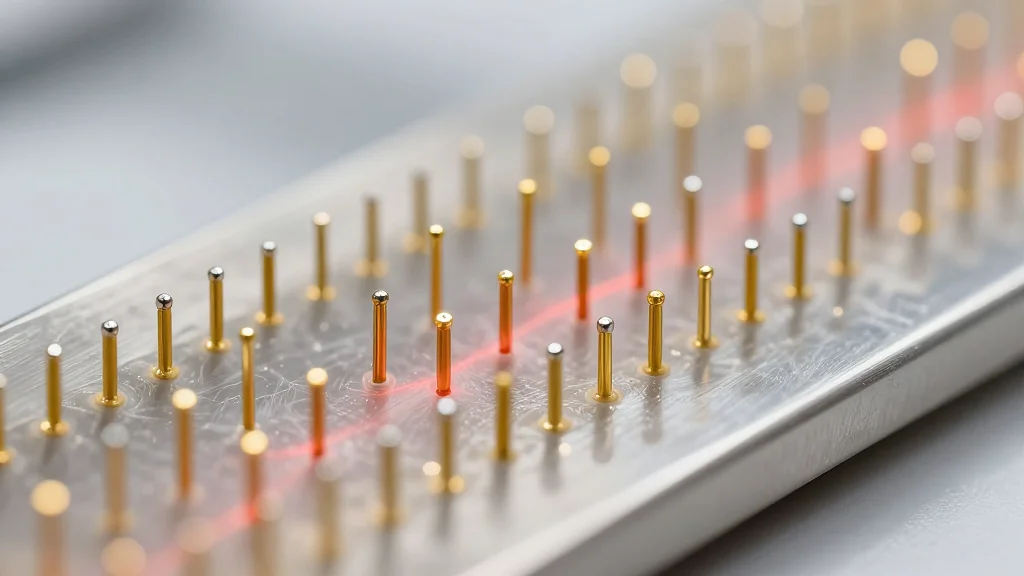
Reconfigurable Nanogap SERS for Multiscale Molecular Sensing on Curved Surfaces
Researchers have unveiled a reconfigurable surface‑enhanced Raman scattering (SERS) platform that uses gold‑coated shape‑memory polymer nanopillars embedded with silver nanoparticles. By compressing the pillars or applying a laser, the vertical Au‑Au nanogaps can be switched between wide and narrow states,...

Efficient, Patternable Full‐Color Perovskite Quantum Dot LEDs via Defect‐Passivating Film‐State Ligand Engineering
Researchers unveiled an advanced film‑state ligand exchange process (A‑FLEP) that combines polarity‑controlled ligand solutions with multi‑ligand passivation to suppress surface defects in perovskite quantum dots (PeQDs). The technique delivers record external quantum efficiencies of 21.44% for green, 13.23% for red,...
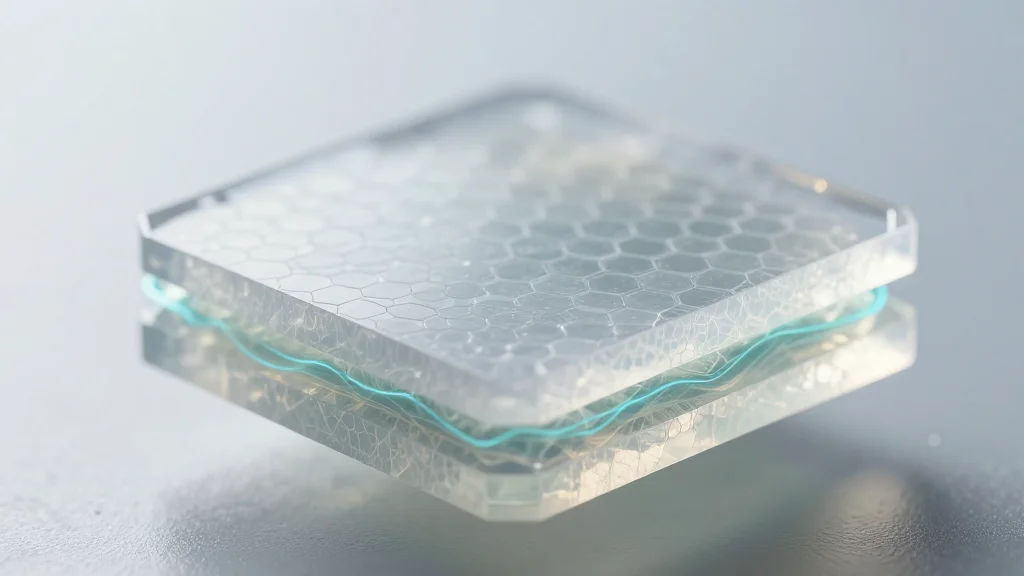
Sliding‐Ferroelectric hBN Bilayer Controlled Carrier Lifetimes in TMD Heterostructures
Researchers demonstrated that the sliding‑ferroelectric state of bilayer hexagonal boron nitride (hBN) can act as a non‑volatile control knob for charge dynamics in van der Waals heterostructures. By toggling the hBN stacking between non‑polar AA′ and ferroelectric AB/BA configurations, the interfacial potential...
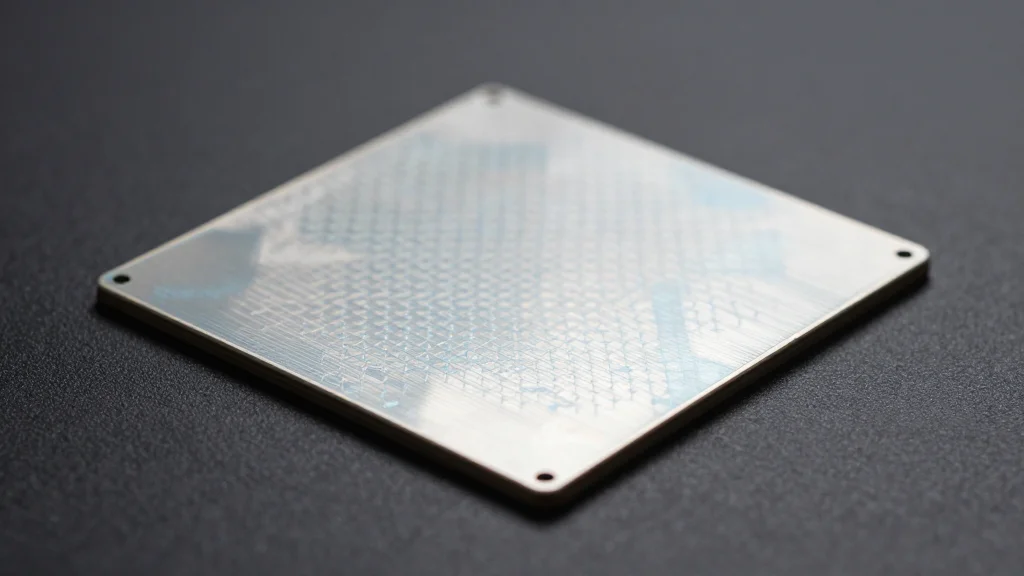
Paragraf Launches PMF2000 GFET
Paragraf has unveiled the PMF2000 graphene field‑effect transistor, the company’s first device fabricated on six‑inch silicon wafers. The launch is backed by a new large‑wafer facility in Huntingdon, billed as the world’s first graphene foundry, which boosts yield and consistency...
Tuning Interfacial Polarity for Stable High-Potential Lithium Metal Batteries
A new study in Nature Nanotechnology demonstrates that dipolar self‑assembled monolayers (SAMs) can be engineered to control interfacial polarity on the positive electrode of lithium‑metal batteries. By fine‑tuning the SAM’s electronic structure, the electric‑double‑layer environment is optimized, suppressing electrolyte oxidation...
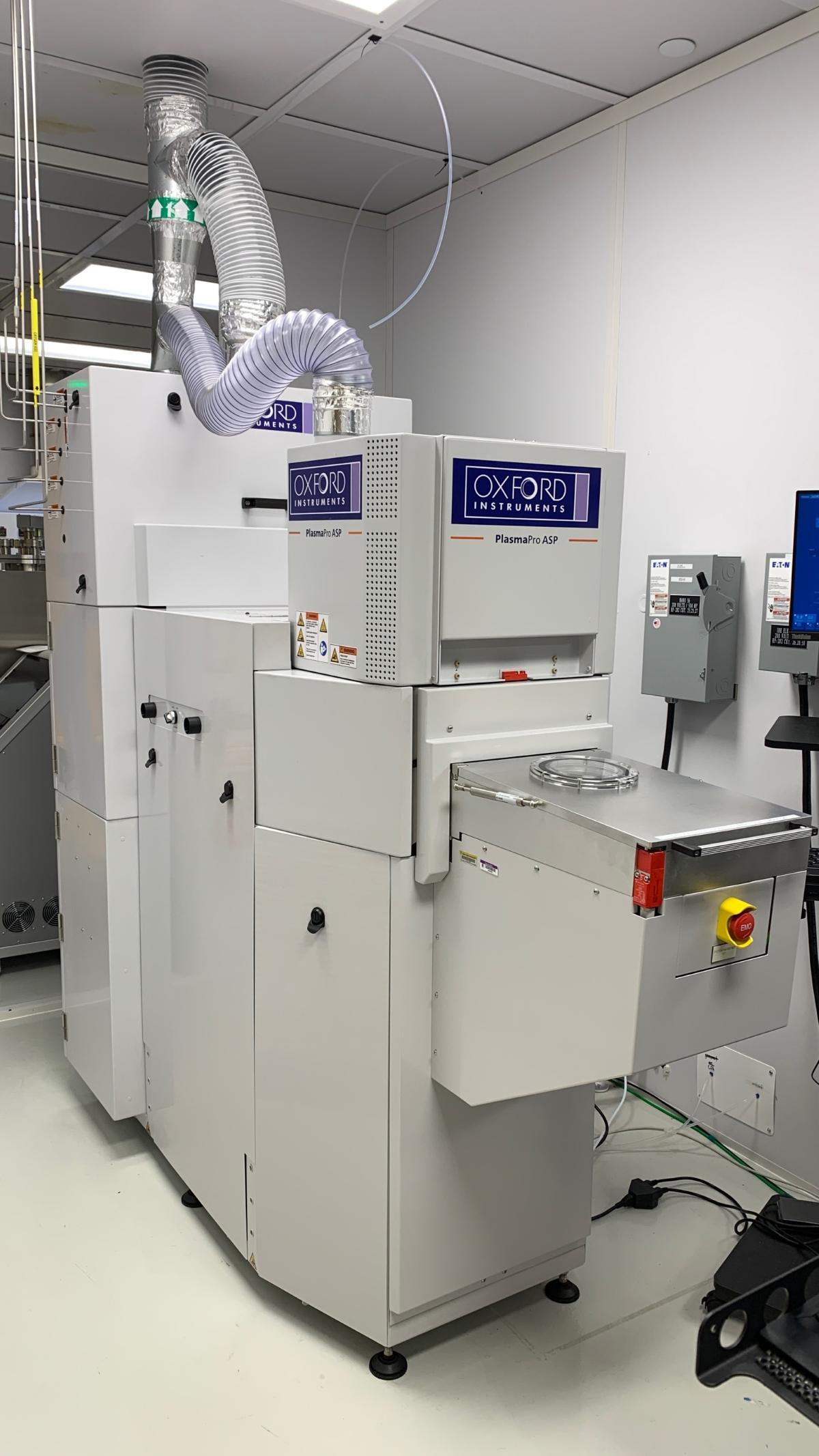
Oxford Instruments and NYU Nanofab Partner to Advance Atomic-Scale Quantum Fabrication
Oxford Instruments and NYU’s Nanofabrication Cleanroom have partnered to install the United States' first PlasmaPro ASP atomic layer deposition system, dedicated to superconducting quantum applications. Funded by the U.S. Microelectronics Commons through the NORDTECH hub, the tool supports the CHIPS...
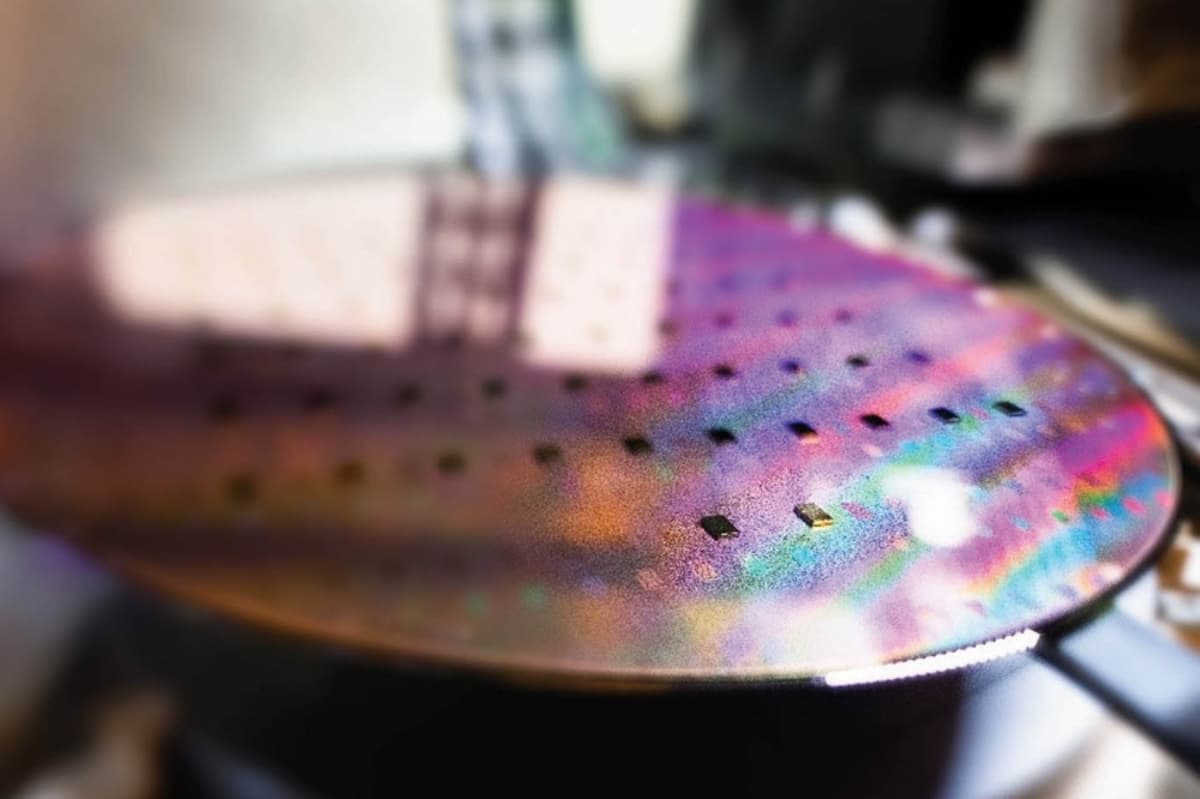
CEA-Leti and NcodiN Partner to Industrialise 300 Mm Silicon Photonics
CEA‑Leti announced a series of strategic collaborations aimed at scaling next‑generation silicon photonics and memory technologies. In partnership with French startup NcodiN, the institute will transfer the company’s nanolaser‑enabled optical interposer to a 300 mm silicon‑photonic process, targeting sub‑0.1 pJ/bit links for...

Ultrasound-Activated Nanoparticles Shine a Light Deep Within Living Tissues
Stanford researchers have demonstrated that ultrasound can activate mechanoluminescent nanoparticles to emit blue light deep within living tissue. By coating Sr4Al14O25:Eu,Dy particles with a biocompatible film and injecting them into mice, they produced programmable 490 nm illumination in organs such as...
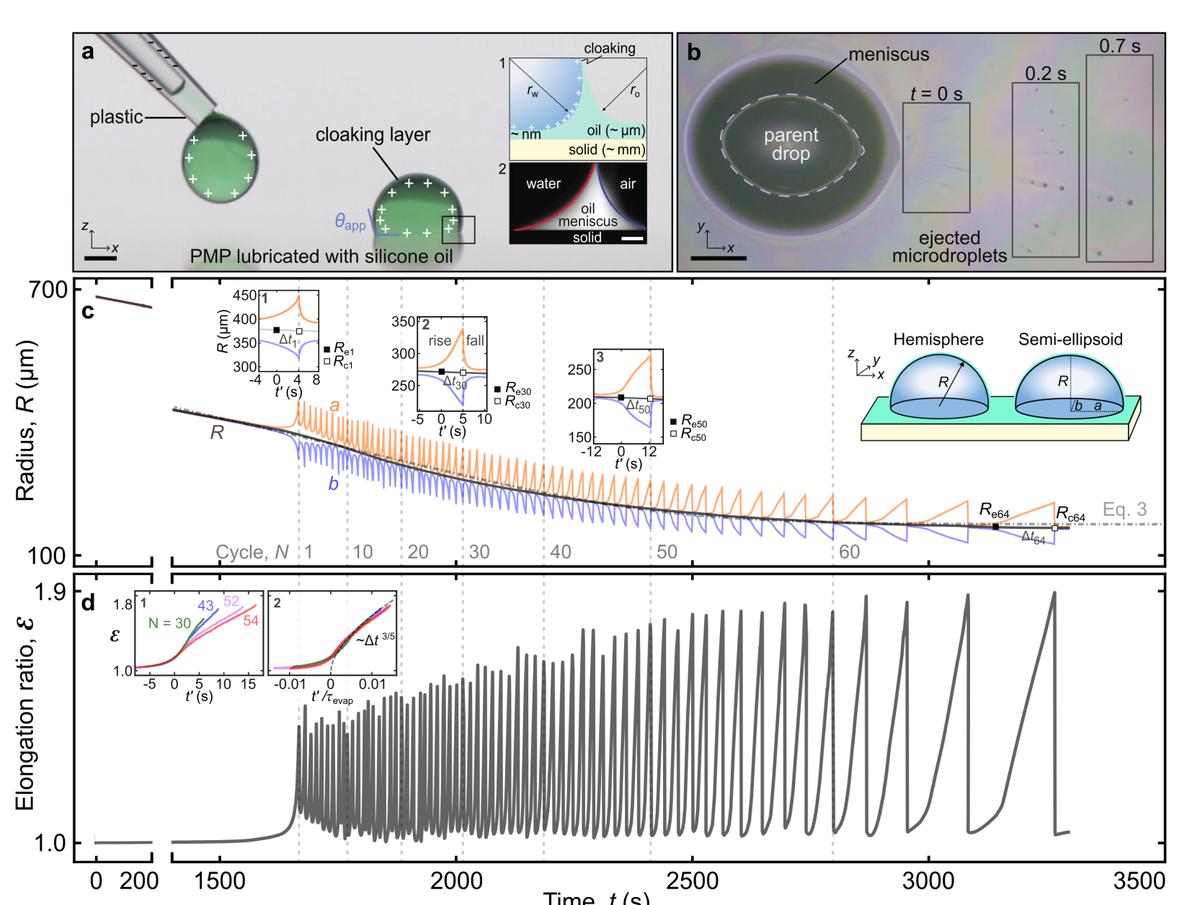
Evaporation-Driven Droplet Fission Study Points to Nanoscale Fabrication Potential
Researchers at KAUST, OIST, and the Max Planck Institute demonstrated that ordinary pipetted water droplets on a silicone‑oil‑lubricated surface can acquire about +70 pC of charge and undergo more than 60 successive Coulomb fission events over a 30‑minute period. The lubricant...

Eyeo Raises €40M to Improve Imaging and Sensor Performance
Dutch nanophotonic imaging startup eyeo announced a €40 million (≈$44 million) Series A round, bringing its total capital to €55 million (≈$60 million). The round was led by Innovation Industries with participation from imec.xpand, Invest‑NL, Qbic, High‑Tech Gründerfonds and Brabant Development Agency, plus EU InvestEU...
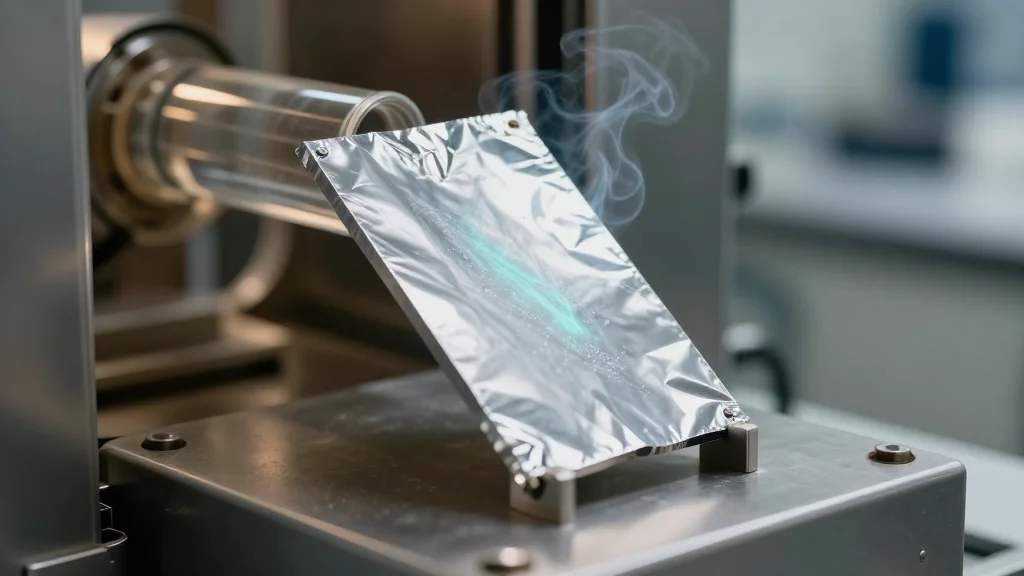
Computational Modeling and Experimental Validation of Variabilities in Chemical Vapor Deposition of Graphene on Metals
Researchers combined transient 3‑D CFD with Raman and SEM mapping to examine how substrate inclination reshapes near‑wall transport in low‑pressure chemical vapor deposition of graphene on metal foils. Experiments at four tilt angles (9°, 21°, 33°, 45°) revealed that the...

Volt Carbon Advances Graphene and Expandable Graphite Activities, Expands Production Capabilities
Volt Carbon Technologies reported an operational update highlighting modest revenue from mineral processing and advanced materials development over the past three years. The company is advancing its proprietary dry‑separation technology to preserve graphite crystallinity, enabling higher‑value products such as graphene...

NanoStruct Raises €2.6M Seed to Bring Same-Day Pathogen Detection to the Food Industry
German deep‑tech startup NanoStruct secured €2.6 million (≈$2.8 million) in seed funding, led by High‑Tech Gründerfonds, Bayern Kapital and the AUXXO Female Catalyst Fund. The company’s nanostructured sensor chips combine optical measurement, nanotechnology and machine‑learning to identify food‑borne pathogens within hours instead...

Copper's Biggest Rival Yet? New Carbon Nanotube Fibers Could Reshape Wiring for EVs, Drones and Aircraft
Spanish researchers at IMDEA Materials have demonstrated a scalable process for carbon‑nanotube (CNT) fibers that reach 24.5 MS m⁻¹ conductivity—about half that of copper but six times lighter. The breakthrough relies on gas‑phase intercalation of tetrachloroaluminate (AlCl₄⁻), which boosts conductivity more than...
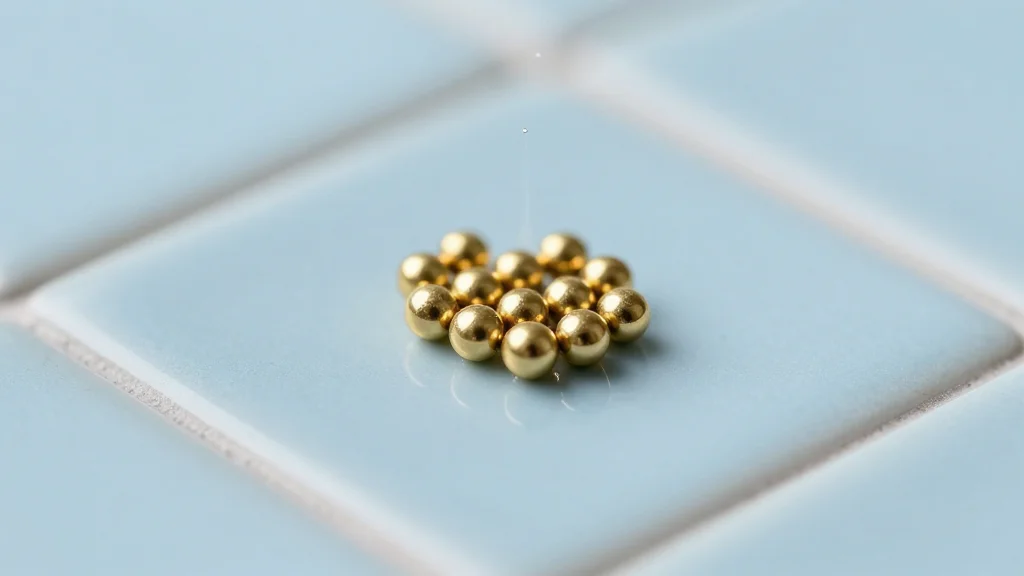
Reconstruction of Interfacial Charge Topology in S‐Scheme Heterojunction for Enhanced CO2 Photoreduction
Researchers integrated plasmonic gold nanoparticles with a Cs3Bi2Br9 quantum‑dot/BiOCl S‑scheme heterojunction, fundamentally reshaping its interfacial charge topology. The Au‑decorated ternary catalyst achieved a CO evolution rate of 115.4 µmol g⁻¹ h⁻¹, 57.7 times higher than pristine BiOCl and 2.3 times above the binary S‑scheme counterpart....
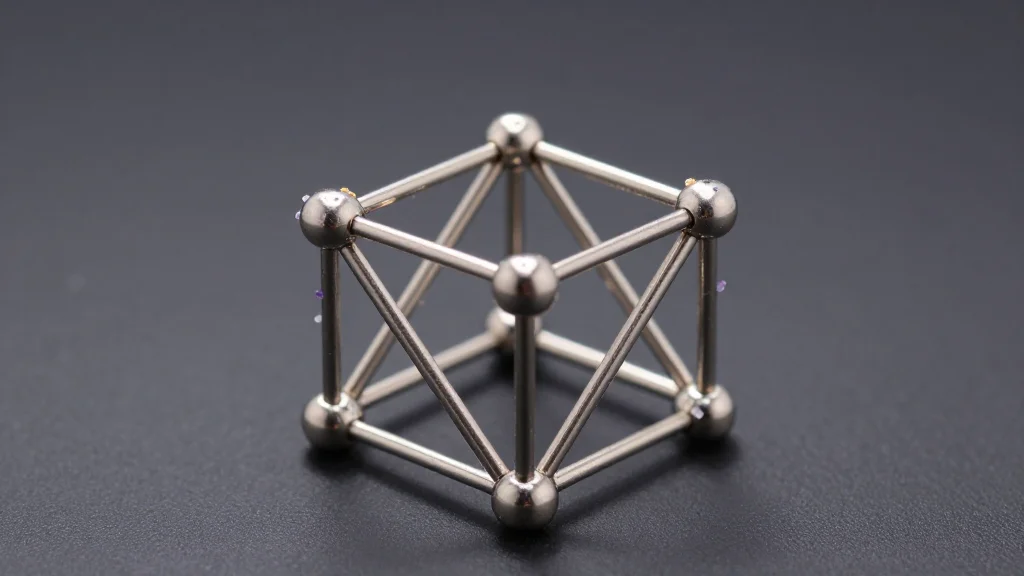
Microporous Self‐Assembled Pd(II) Tetrahedral Cages for Rapid and Reversible Multi‐Phase Sequestration of Iodine and Methyl Iodide
Researchers have unveiled a series of palladium‑based, self‑assembled tetrahedral coordination cages (C1‑C4) that capture iodine, polyiodides, and methyl iodide across vapor, water, and organic phases. The cages demonstrate record‑high uptake—up to 3.78 g g⁻¹ in vapor and 3.52 g g⁻¹ in aqueous media—and rapid...
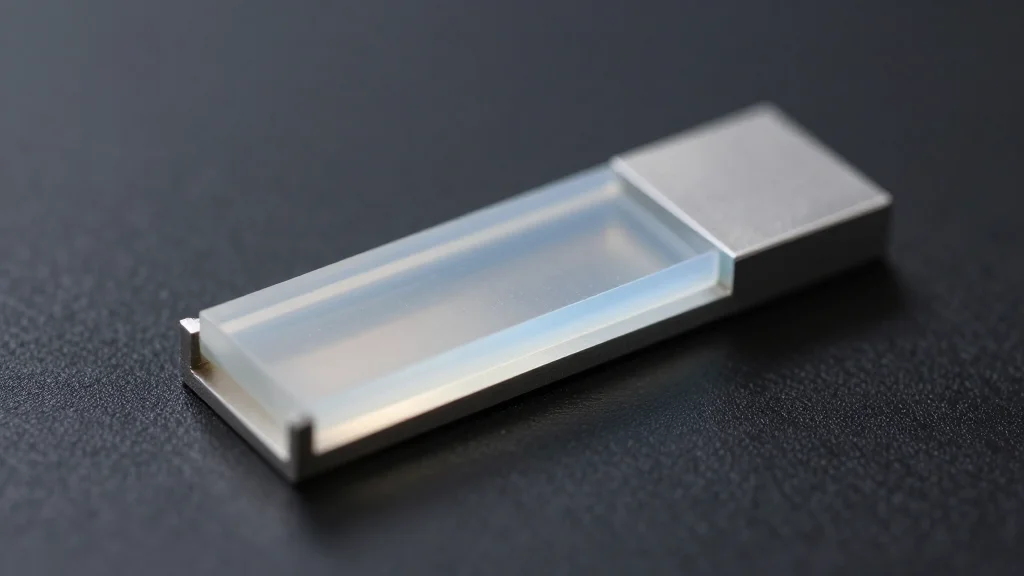
Sub‐Nanometer Ferroelectric Tunnel Junctions With Record‐High On‐Current Density Through Synergistic Microwave Annealing and High‐Field Activation
Researchers have demonstrated a sub‑nanometer ferroelectric tunnel junction (FTJ) that delivers a record‑high on‑state current density exceeding 10⁵ A cm⁻² at just 0.4 V. By combining aggressive device area scaling with low‑temperature microwave annealing, the interfacial layer was thinned from 0.94 nm to 0.41 nm,...
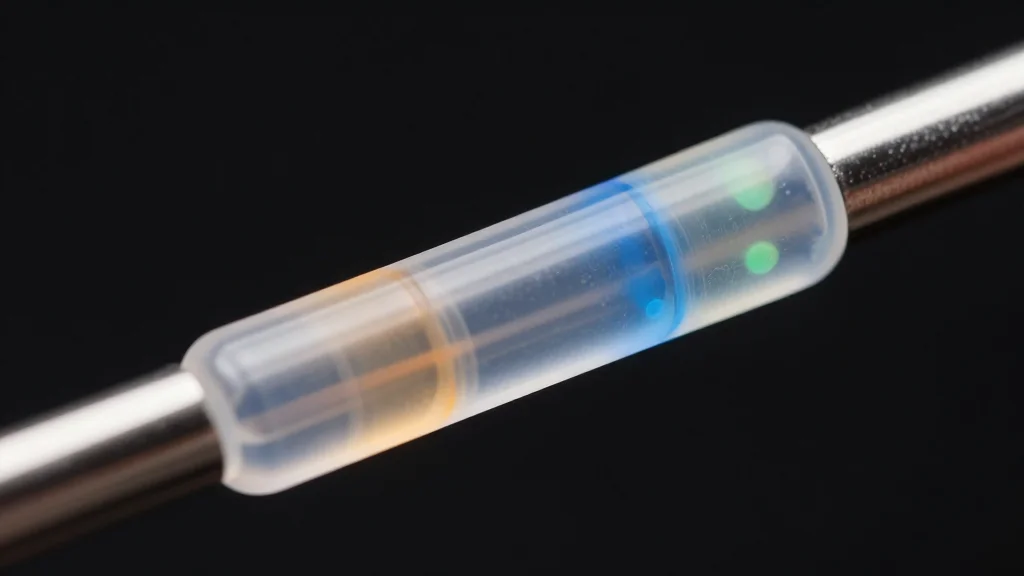
Field‑Programmable Biofunctional Films: From Assisted Fabrication to Integrated Diagnostic‐Therapeutic Devices
Field‑programmable biofunctional films (FPBFs) are thin‑film platforms that can be programmed to react to a range of physical fields—thermal, mechanical, electrical, optical, magnetic and acoustic. Recent advances in single‑ and multi‑field‑assisted fabrication have expanded their structural tunability and functional density,...
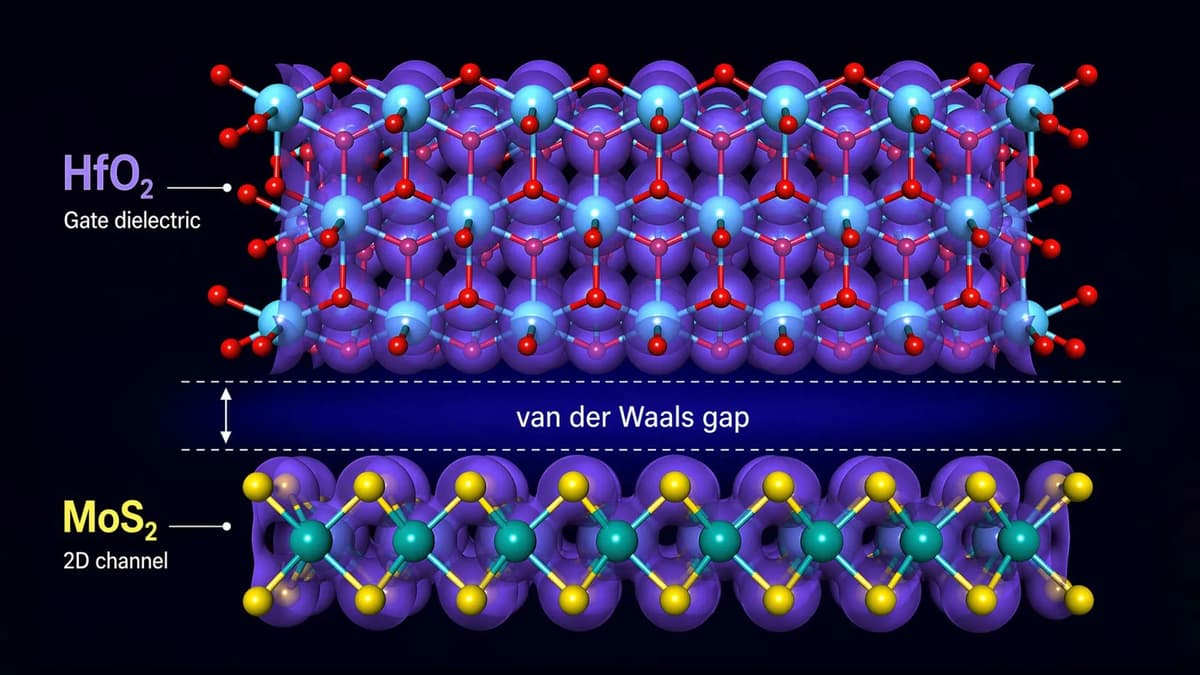
The Hidden Atomic Gap that Could Break Next-Generation Computer Chips
Researchers at TU Wien discovered that a sub‑nanometer gap—about 0.14 nm—forms between 2D semiconductors and their insulating oxide layers, weakening capacitive coupling and limiting device scaling. The gap arises from weak van der Waals bonding, which persists even when the insulating layer is...

Electrospinning of Hydroxypropyl Chitosan Nanofibers for Bone Regeneration Application
Researchers electrospun nanofiber mats using hydroxypropyl chitosan (HPCH) and poly(vinyl alcohol) (PVA) in varying ratios to assess osteoconductive potential in MC3T3 pre‑osteoblast cells. Characterization by SEM, FT‑IR and mechanical testing confirmed uniform fiber formation. Biological assays showed that a 50/50...

The Growth of Graphene and Revolutionary CNTs with IDTechEx
IDTechEx forecasts the graphene market to hit $1 billion by 2032, while highlighting the material’s diverse forms and the standardization challenges that hinder rapid adoption. Multi‑wall carbon nanotubes (CNTs) are experiencing commercial growth, driven by demand for conductive additives in lithium‑ion...

A Monocyte‐Targeted Nanoplatform for Phagocytosis Activation and Ferroptosis Inhibition in Intracerebral Hemorrhage
Researchers have engineered a monocyte‑targeted nanoplatform (mPDA@DFO‑CpG‑N1) to accelerate hematoma clearance after intracerebral hemorrhage (ICH). The system combines a high‑affinity aptamer for selective monocyte delivery, a TLR9 agonist that overrides CD47‑SIRPα inhibition, and the iron chelator deferoxamine to block ferroptosis....

Synergistic Regulation of Excited‐State Electrons Enables Sunlight‐Driven C─Br Bond Activation Through In Situ Polymerized Polyoxometalate‐Gold Nanocluster Assemblies
Researchers have engineered a ternary gold supercluster photocatalyst, AuSCs@SiW9@PDA, that integrates glutathione‑protected gold nanoclusters, a Keggin‑type polyoxometalate (SiW9), and a polydopamine (PDA) matrix. SiW9 acts as an electron sink while PDA enhances solar light absorption and interfacial charge transport, collectively...

Nanoscale Design Channels Hybrid Light–Vibration Waves to Carry Heat More Efficiently
Researchers at the National University of Singapore have demonstrated that surface phonon polaritons—hybrid light‑vibration waves—can channel heat across nanoscale silicon‑dioxide bridges with far less loss than conventional phonon diffusion. By adding a micrometer‑scale grating to a suspended micro‑thermometer, they boosted...
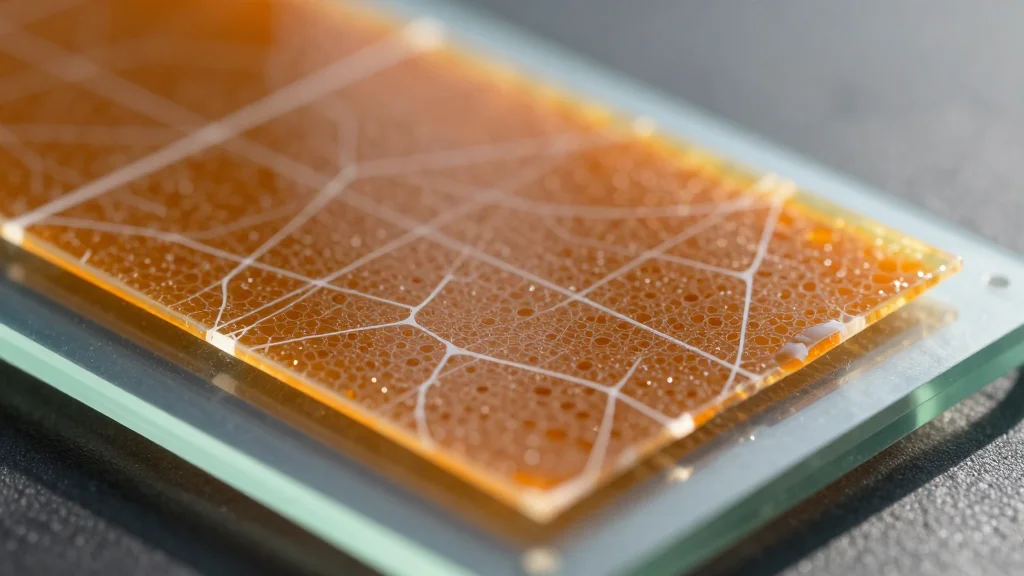
Toward Stable and Efficient Perovskite Solar Cells: Unlocking the Potential of Porous PbI2 Scaffolds via Two‐Step Sequential Deposition
A new review highlights porous PbI2 scaffolds as a game‑changer for perovskite solar cells fabricated via two‑step sequential deposition. By tailoring porosity through solvent engineering, molecular additives, ionic liquids, sacrificial templates, and interfacial modifications, the PbI2 layer becomes highly permeable,...
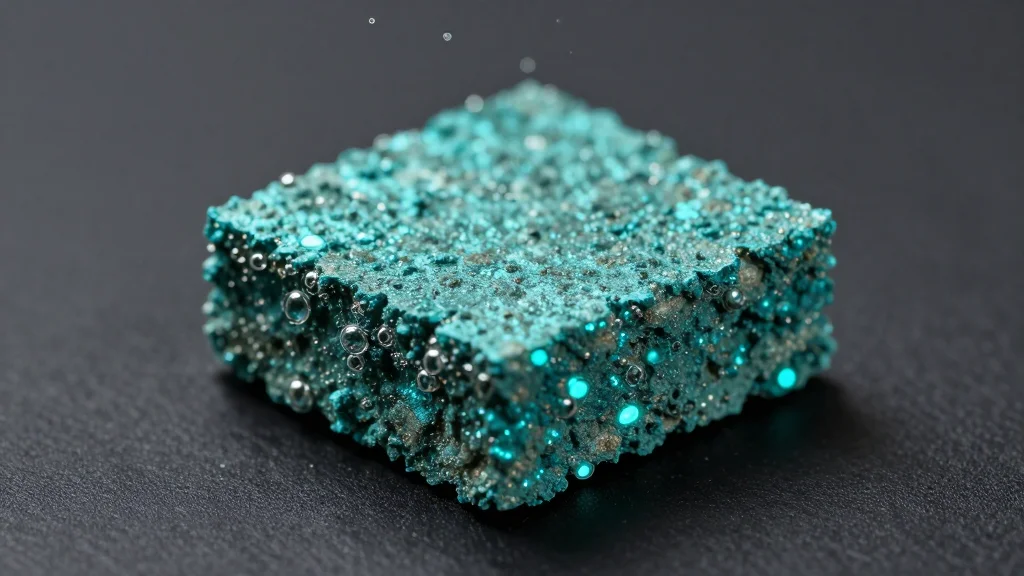
Vacancy‐Engineered Interfacial Electrons Modulation in NiCo Hydroxide/MoS2 Heterostructures for Boosted OER Electrocatalysis
Researchers engineered NiCo hydroxide/MoS2 heterostructures with either molybdenum or sulfur vacancies to probe interfacial electron dynamics. Mo‑vacancy samples dramatically improved charge transfer, lowering the oxygen evolution reaction (OER) overpotential to 256 mV at 10 mA cm⁻² and delivering a Tafel slope of 68.5 mV dec⁻¹....
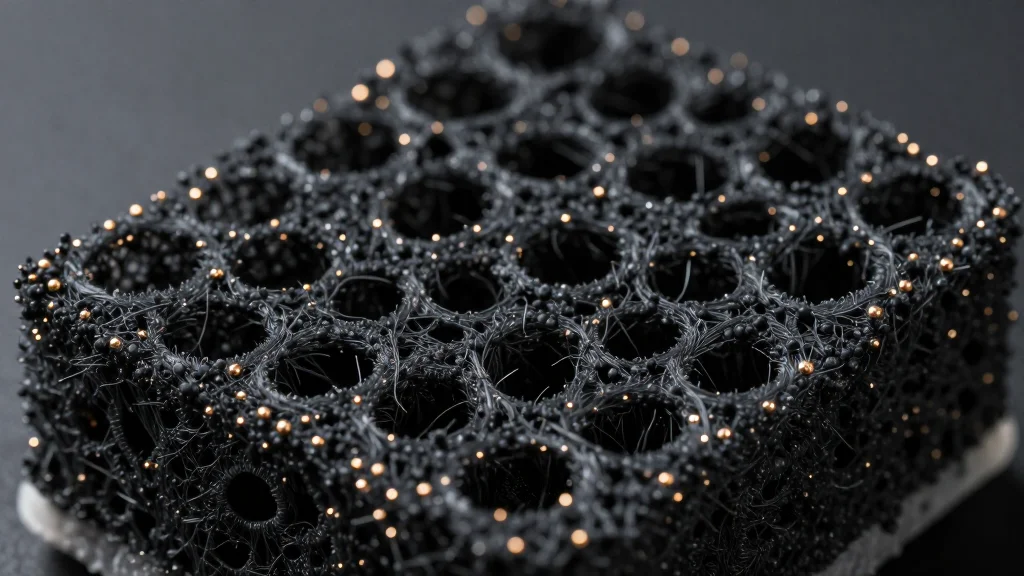
Electrostatically Guided Covalent Architectures for Stable Hydrogen Evolution at Ampere‐Level Current Densities in Acidic Media
Researchers have developed a catalyst that anchors Mo2C nanoclusters onto nitrogen‑doped carbon nanotubes (NCNTs) via strong Mo‑C and Mo‑N covalent bonds formed through electrostatically guided self‑assembly and carbonization. The resulting porous, conductive network delivers overpotentials of 256 mV at 500 mA cm⁻² and...
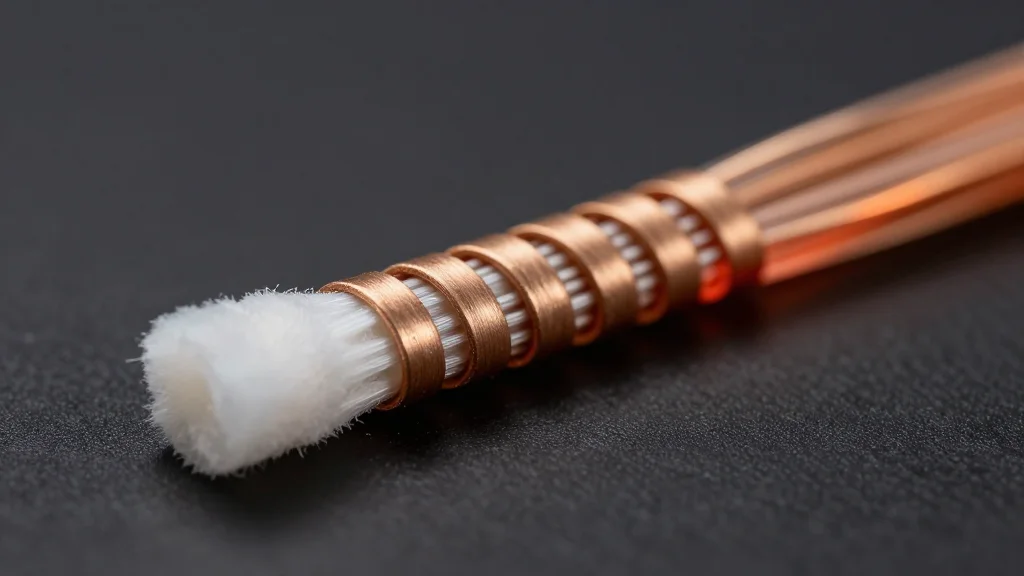
Construction of Ti3C2Tx MXene Composite PI Nanogel Fiber With Excellent Infrared Stealth Performance
Researchers have created a composite fiber that merges polyimide aerogel fibers with a MXene‑tannic acid coating, delivering both thermal insulation and low infrared emissivity. The material achieves a thermal conductivity of 0.084 W·m⁻¹·K⁻¹ and an emissivity of 0.17, keeping a 200 °C...
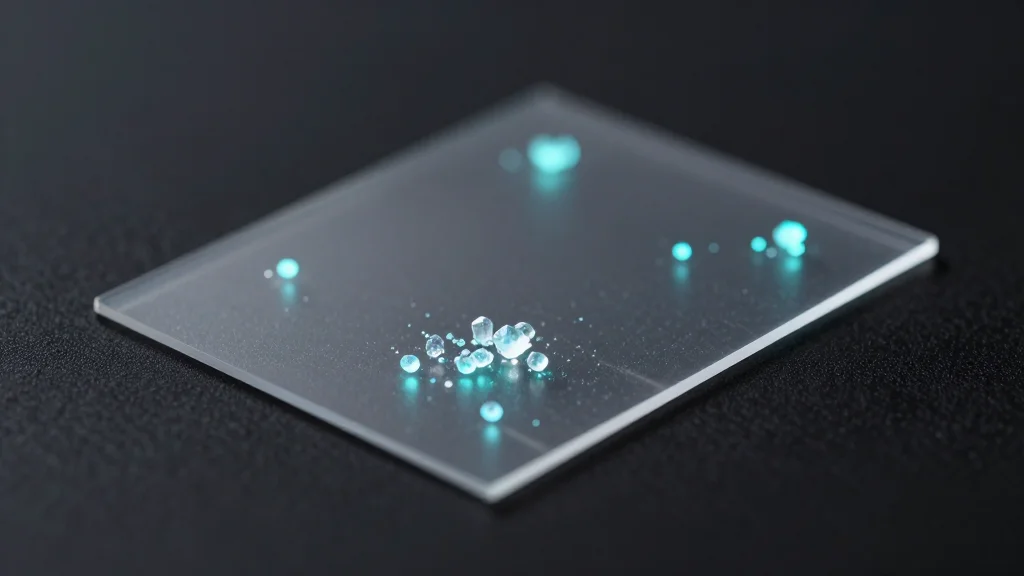
Ultralong Room‐Temperature Phosphorescent Coatings Enabled by Coronene Aggregates in Specialty Epoxy Resin: Wide‐Range Excitation From Violet to Green Light
Researchers have developed a room‑temperature phosphorescent (RTP) coating by embedding UV‑irradiated coronene aggregates into a specialty epoxy resin. The resulting films can be excited across a wide visible spectrum—from violet to green light—and exhibit afterglow durations up to 90 seconds and...
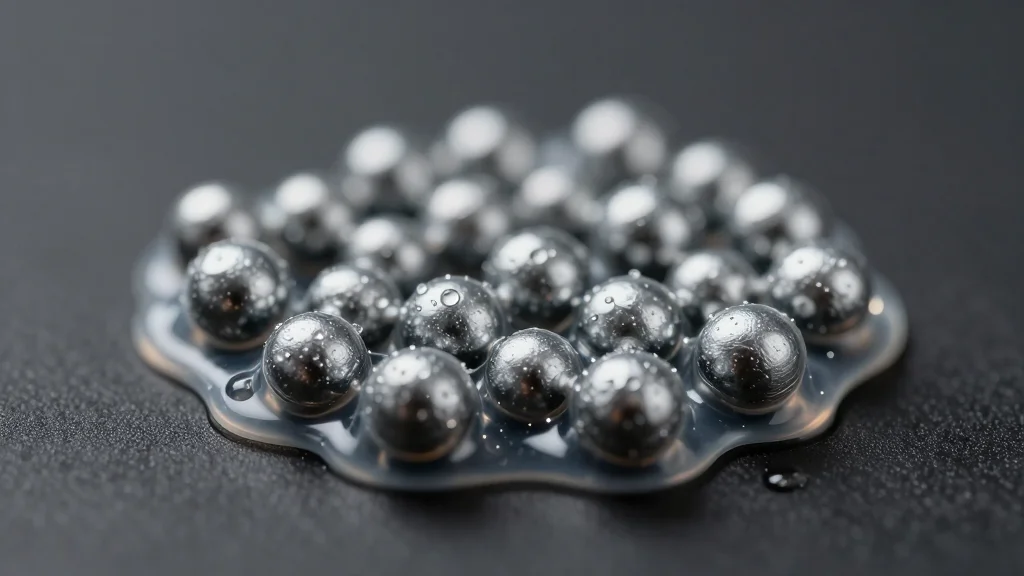
Multi‐Scale Water Modulation for Regulating Water Reactivity and Suppressing Nanoscale Zero‐Valent Iron (nZVI) Corrosion
Researchers unveiled a multi‑scale water‑modulation strategy that uses a hydrophilic polysaccharide network to reconfigure water’s molecular states and dramatically curb corrosion of nanoscale zero‑valent iron (nZVI). By converting roughly 45% of free water into bound and intermediate water, the thermodynamic...
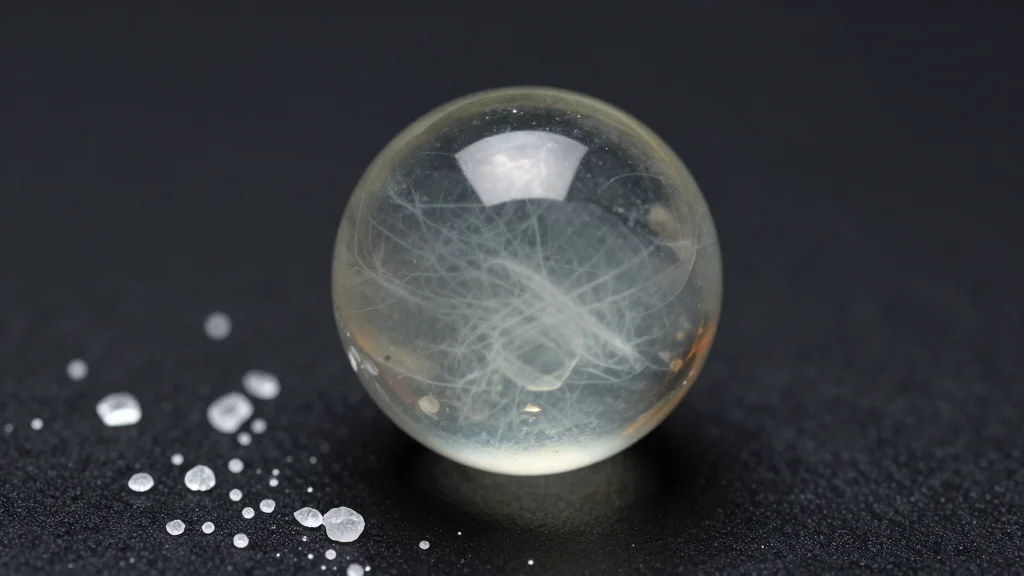
Tailoring the Melting and Glass Transition Behavior of Zeolitic Imidazolate Frameworks via Ammonium Halide Salts
Researchers demonstrated that inorganic ammonium halide salts can act as modifiers for zeolitic imidazolate frameworks (ZIFs), dramatically lowering both melting and glass‑transition temperatures. The salts infiltrate the crystal lattice, disrupt Zn‑N coordination, and form Zn‑halide bonds, enabling the melt‑processing of...

Obituary: Peter H. Burghart
Researchers have developed an electrochemical 3D‑printing method that fabricates copper “Godzilla” spikes for data‑center cooling plates. The towering spikes dramatically increase surface area, boosting heat‑transfer efficiency by up to 40% compared with conventional flat plates. Early modeling suggests the technology...
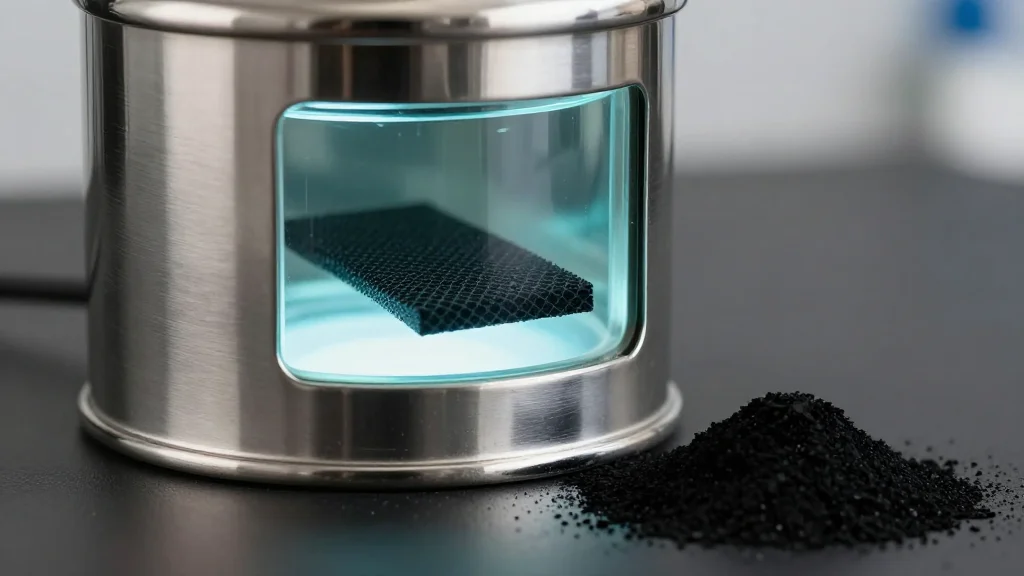
INTRATOMICS, TAQA Water Solutions and MAGMA Sign MoU for Pilot Study Converting Abu Dhabi’s Biosolids Into Graphene
INTRATOMICS Advanced Material Technologies has signed an MoU with TAQA Water Solutions and MAGMA to pilot the conversion of wastewater biosolids into graphene using its STRAT WX Reactor and Instant Volumetric Conversion technology. The pilot, based at INTRATOMICS’ 2DWORKS facility in...