Oxford Instruments and NYU Nanofab Partner to Advance Atomic-Scale Quantum Fabrication
Companies Mentioned
Why It Matters
The partnership fast‑tracks U.S. quantum hardware development, reducing time‑to‑market and strengthening the domestic supply chain for next‑generation computing.
Key Takeaways
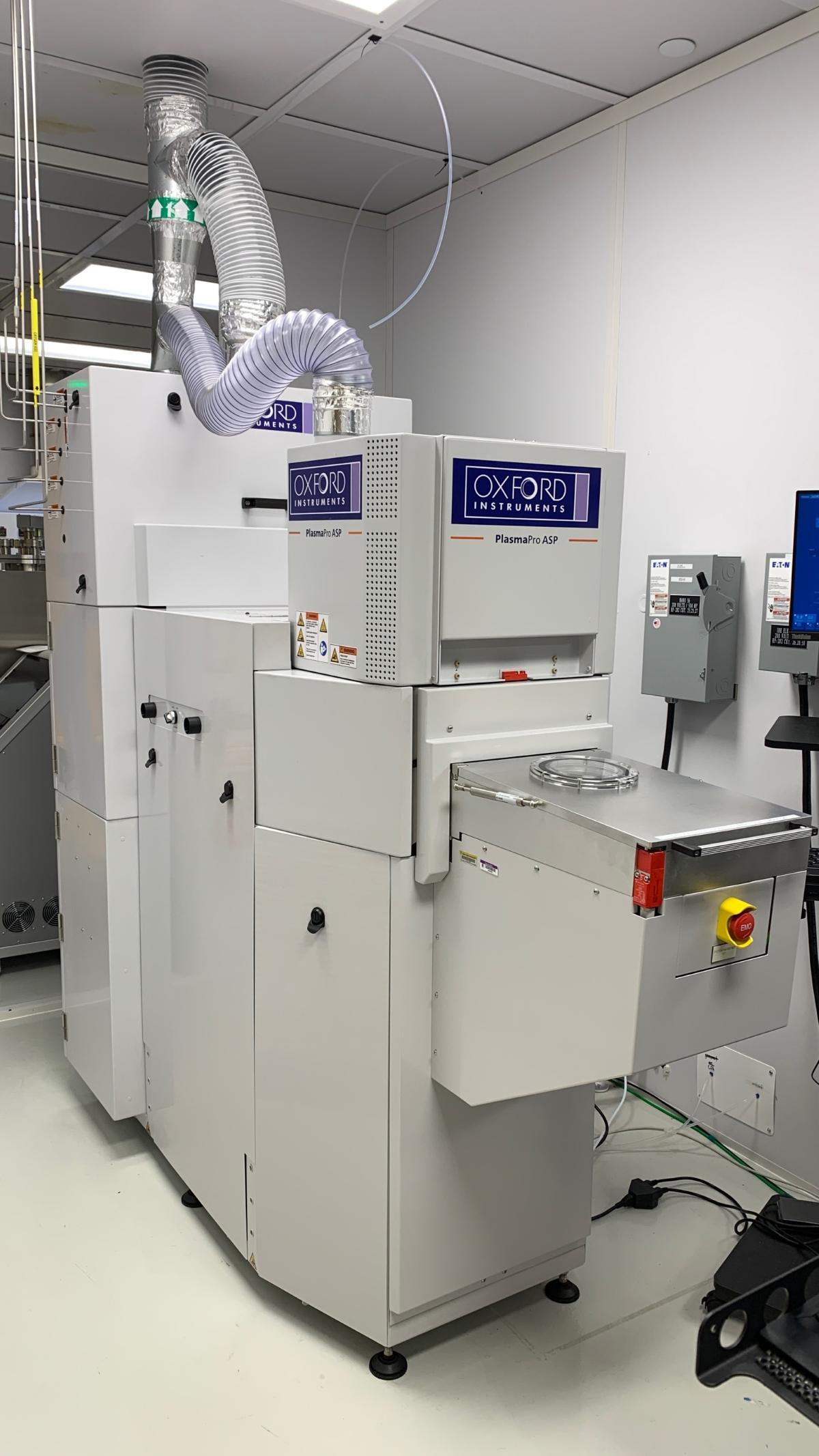
- •Oxford Instruments installs first US PlasmaPro ASP ALD for quantum chips.
- •System deposits superconducting nitrides up to three times faster than rivals.
- •NYU Nanofab will prototype tantalum carbonitride superconductors for qubits.
- •Partnership funded by U.S. Microelectronics Commons, aligning with CHIPS Act.
- •Faster nitride films promise higher temperature operation and lower system costs.
Pulse Analysis
The debut of Oxford Instruments' PlasmaPro ASP atomic layer deposition (ALD) system at NYU marks a pivotal shift for U.S. quantum hardware production. Traditional ALD tools struggle with the low throughput required for superconducting qubit fabrication, extending research cycles and inflating costs. By delivering deposition rates up to three times faster, the PlasmaPro ASP shortens the path from material discovery to device testing, positioning American labs to compete with established overseas fabs that already leverage high‑rate plasma processes.
Nitride superconductors, especially tantalum carbonitride (TaCₓN₁₋ₓ), are emerging as a superior alternative to the aluminum films that dominate today’s quantum processors. Their thermal robustness enables operation above 300 mK, while their resilience to magnetic fields and stray light reduces error rates in quantum circuits. The NYU Nanofab’s focus on these materials could unlock higher kinetic inductance and lower microwave loss, directly translating into more stable qubits and potentially simplifying cryogenic infrastructure for commercial quantum computers.
Beyond the technical advantages, the collaboration aligns with the CHIPS and Science Act’s Lab‑to‑Fab agenda, converting academic breakthroughs into manufacturable technologies. Funding from the U.S. Microelectronics Commons and the NORDTECH hub ensures a pipeline of skilled engineers and a domestic source of critical quantum components. As the ecosystem matures, faster nitride deposition is expected to lower system‑level costs, attract private investment, and accelerate the United States’ race to achieve quantum advantage at scale.
Oxford Instruments and NYU Nanofab Partner to Advance Atomic-Scale Quantum Fabrication
Comments
Want to join the conversation?
Loading comments...