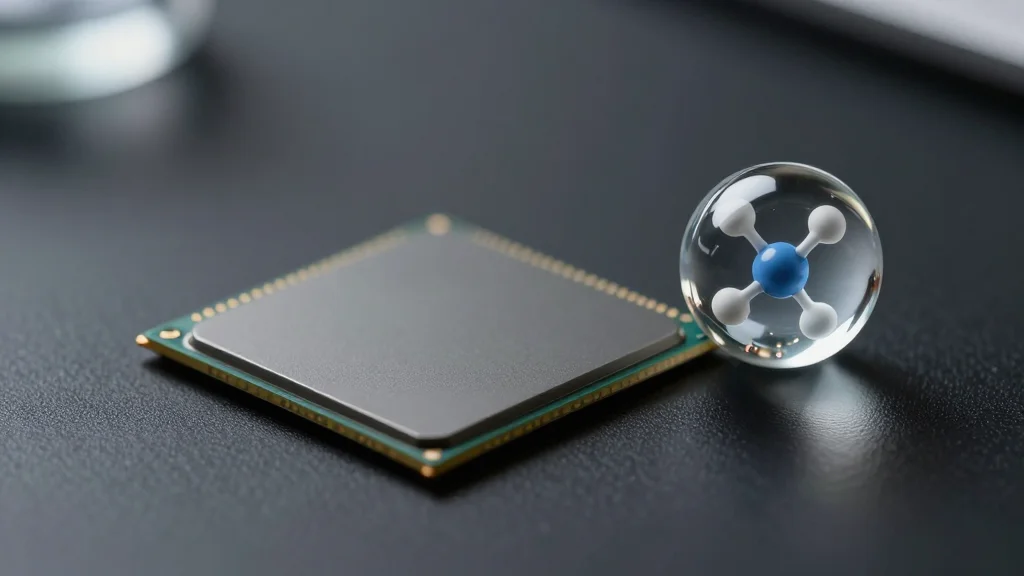
Berkeley Lab’s MODMD Approach Advances Quantum Simulations Beyond Ground States
Berkeley Lab researchers unveiled a hybrid framework called multi‑observable dynamic mode decomposition (MODMD) that pairs rapid quantum “snapshots” with classical dynamic mode decomposition to compute both ground‑state and excited‑state energies of molecules. By limiting quantum circuit depth and offloading heavy data analysis to classical processors, MODMD extracts multiple energy levels with a fraction of the resources typical of conventional quantum algorithms. The method demonstrates that today’s noisy intermediate‑scale quantum (NISQ) devices can deliver chemically relevant spectral information, a milestone for practical quantum chemistry.
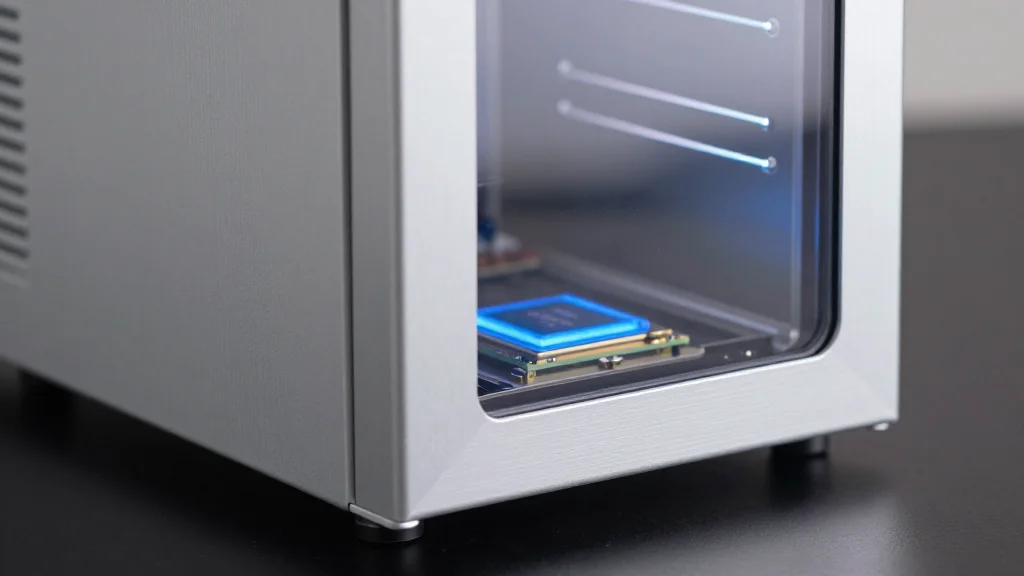
Anyon and Q-CTRL Bring Self-Calibrating Quantum Systems to Enterprise Data Centers
Anyon Technologies and quantum‑software leader Q‑CTRL announced a strategic partnership that embeds Q‑CTRL’s Boulder Opal autonomous‑calibration platform into Anyon's modular, GPU‑coupled superconducting quantum supercomputers. The integration enables the systems to boot, self‑calibrate, and maintain peak performance without specialist intervention, making...
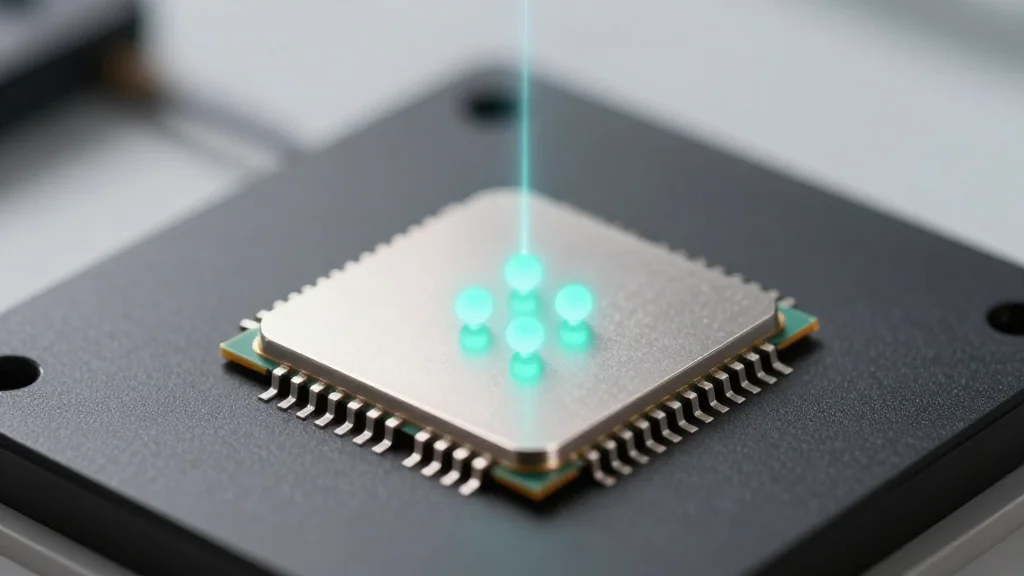
'Don't Scare the Cat!' Engineers Find Smarter Way to Measure Quantum Systems
Engineers at the University of New South Wales have devised an adaptive measurement protocol that dramatically improves readout fidelity for antimony‑nuclear qubits. By probing the quantum system only until the first detection event and then interrogating only the remaining states,...
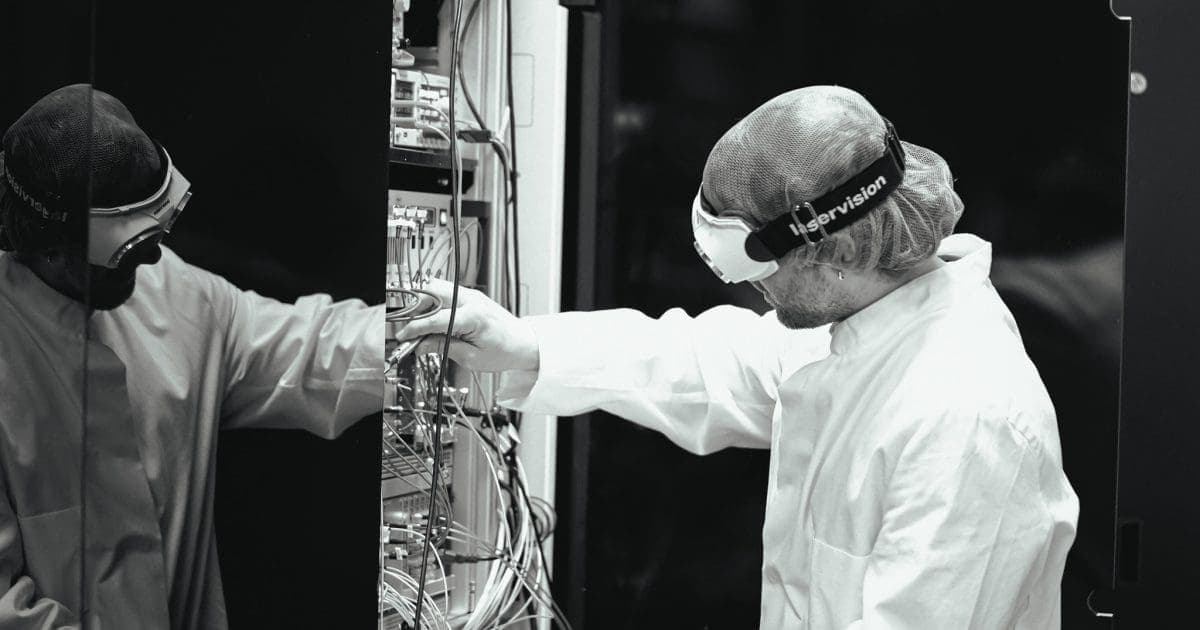
50-Qubit QUDORA System to Scale to 200 With New Designs
Fixstars Amplify has become the first Japanese firm to embed QUDORA Technologies' 50‑qubit ion‑trap quantum processor into its cloud‑based optimization service. The system boasts a coherence time exceeding 60 seconds, promising higher accuracy for hybrid algorithms such as QAOA. QUDORA...
Israel Quantum Computing Companies 2026: Complete Vendor Guide
Israel’s quantum computing ecosystem has become one of the world’s most capital‑efficient and modality‑diverse, anchored by the Israeli Quantum Computing Center (IQCC) and a $336 M public investment from the Israel National Quantum Initiative. Ten firms—including control‑electronics leader Quantum Machines, software...

Netherlands Quantum Computing Companies 2026: Complete Vendor Guide
The Netherlands has built one of the world’s densest quantum‑computing ecosystems, anchored by the QuTech institute in Delft and powered by the €615 million (≈$670 million) Quantum Delta NL programme. Private capital has surged sixteen‑fold since 2019, reaching about €160 million (≈$174 million) across...
Infleqtion Expands UK Quantum Operations with New Oxford Innovation Centre and Manufacturing Hub
Infleqtion announced a major expansion of its UK quantum footprint with a new Quantum Innovation Centre in Oxford, tripling its research, production and systems‑integration space. The hub will recruit top physicists, engineers and software talent to accelerate on‑shore manufacturing of...

EuroHPC Debuts EuroQCS-Spain, Advancing Hybrid Quantum-HPC Access in Europe
The EuroHPC Joint Undertaking inaugurated EuroQCS‑Spain, an analogue quantum annealer hosted at Barcelona Supercomputing Center and linked to the MareNostrum 5 supercomputer. The first‑generation system provides 10 physical qubits and will soon be calibrated for user access. The €8.5 million project is...

PACU Hosts 1,000 Phase Shifters for Scalable Quantum Control
QuiX Quantum unveiled the Photonic Assembly Control Unit (PACU), a 3U rack‑mount system that can host up to 1,000 low‑speed and 32 high‑speed phase shifters for photonic quantum computers. The unit standardizes the interface between classical electronics and photonic chips,...
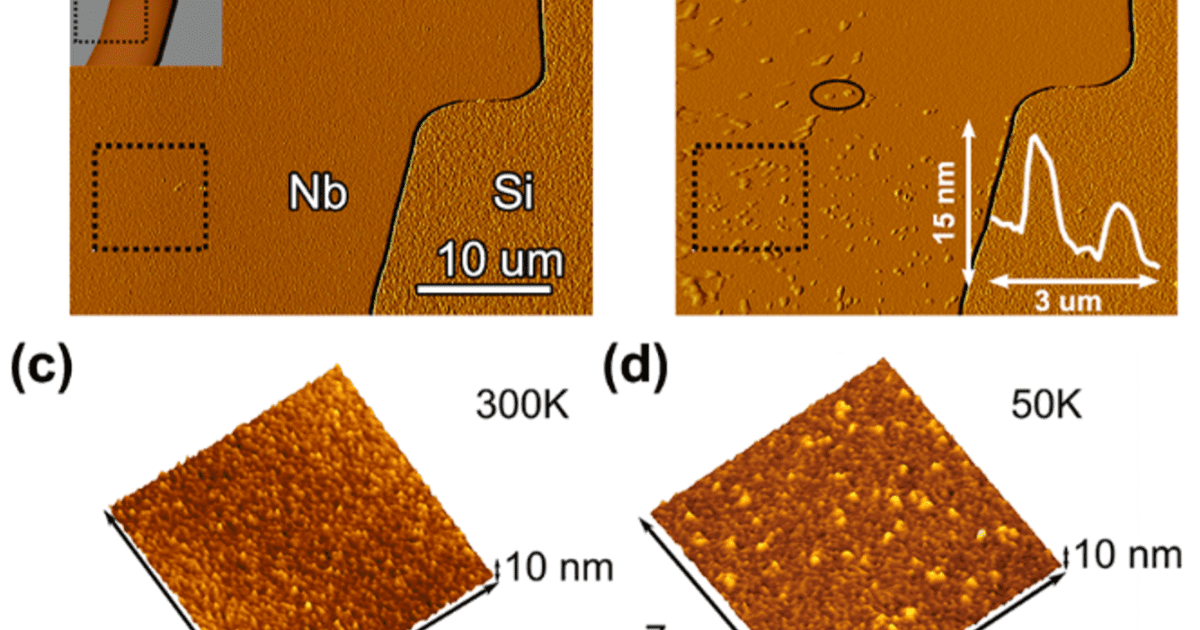
X-Ray Data Confirms Niobium Hydrides Limit Qubit Stability
Researchers at Fermilab, led by Zu Hawn Sung, identified niobium hydrides as the source of surface “hills” that cause decoherence in superconducting qubits fabricated by Rigetti. Using atomic‑force microscopy, X‑ray diffraction and mass spectrometry, they showed the hydrides form as...
$38M CHIPS Act Award to Scale Diraq Silicon Quantum Processors
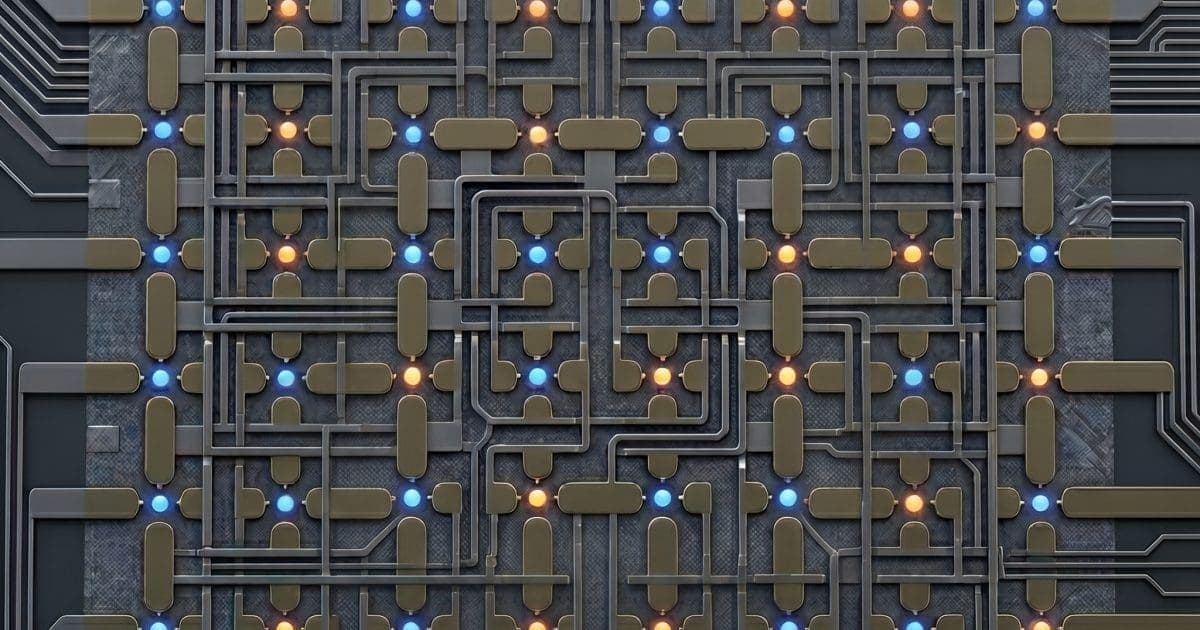
Diraq has secured a Letter of Intent for $38 million from the U.S. Department of Commerce’s CHIPS Research and Development Office to scale its silicon‑spin quantum processors. The funding builds on more than 25 years of Army and DARPA support and targets...

Quantum Gathering Momentum Amid Concerns for the Grid
Neutral‑atom quantum computers are gaining traction thanks to their ability to move qubits and perform direct entanglement, cutting error rates and shrinking the logical‑to‑physical qubit ratio. Recent research suggests that as few as 1,500 logical qubits could break the ECC‑256...
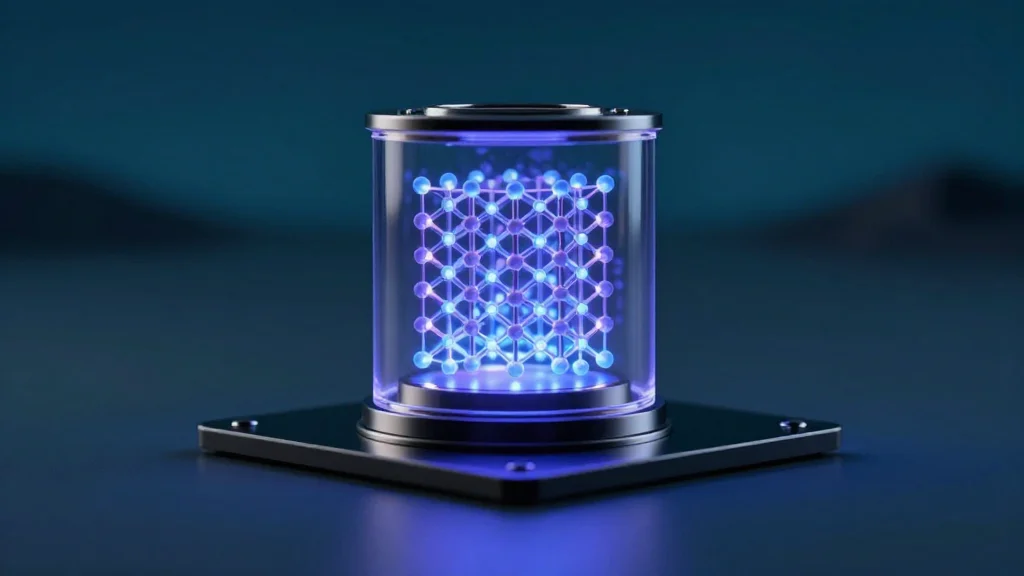
Pasqal and Aramco Launch QCaaS Platform for Saudi Quantum Computer
Aramco and French quantum‑computing firm Pasqal have inaugurated Saudi Arabia’s first quantum computer, a neutral‑atom processor with 200 qubits housed in Aramco’s Dhahran data center. The launch also introduces the Middle East’s first commercial Quantum Computing as a Service (QCaaS)...
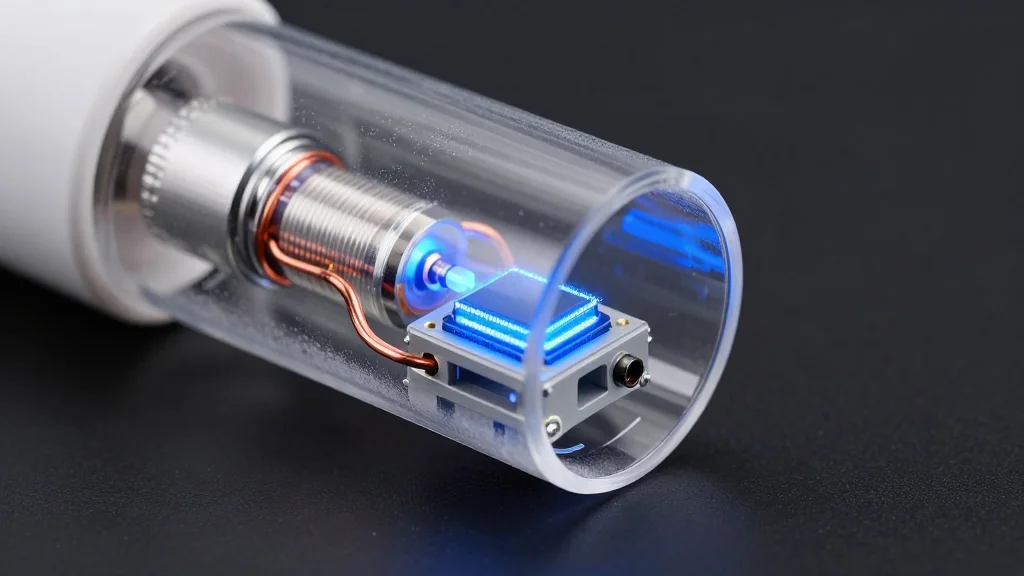
Fujitsu and Science Tokyo Launch Research Hub for Quantum Hardware Advancement and Talent Development
Fujitsu Limited and the Institute of Science Tokyo have inaugurated the Fujitsu Quantum and HPC Infrastructure Collaborative Research Cluster, a joint research hub that blends quantum hardware development with high‑performance computing. The cluster, operating from April 2026 to March 2027,...

IonQ Opens New Quantum Computing R&D Lab in Colorado
IonQ announced a 22,000‑square‑foot research facility in Boulder, Colorado, dedicated to quantum‑computing R&D and semiconductor ion‑trap chip testing. The lab, part of the Boulder 38 campus, will house the company’s next‑generation trapped‑ion systems and aims to install its first quantum computer...