
Researchers Achieve Ns-Scale Quantum Dynamics with Novel Computer-Aided Design Framework
Researchers from LG Electronics Toronto AI Lab introduced a computer‑aided design framework that uses quantum computers to simulate nanosecond‑scale dynamics of solid‑state spin systems. The platform models electronic and nuclear spins together with spin‑phonon interactions, employing the sQKFF algorithm and qubit‑wise commuting aggregation to drastically reduce circuit depth. Demonstrations on three NV‑center configurations show precise incorporation of parameters such as zero‑field splitting and hyperfine coupling. The approach promises faster, lower‑cost optimization of quantum sensors and processors under realistic experimental conditions.

Entanglement Via Classical Mediators Achieved Using Hybrid Van Hove Theory
Scientists Ulbricht, Bermúdez Manjarres and Reginatto show that two quantum spins become entangled when their interaction is mediated solely by a classical harmonic oscillator, using a hybrid van Hove theory. The framework combines Schrödinger operators for quantum parts with van Hove operators...

Stripe Antiferromagnetism and Chiral Superconductivity Achieved in tWSe at -Point Van Hove Singularity
Researchers reported that antiferromagnetic interactions in twisted bilayer tungsten diselenide (tWSe₂) can induce a chiral superconducting state when the Fermi level sits near the M‑point van Hove singularity. By constructing a moiré model directly from density‑functional theory and applying a t‑J‑U...
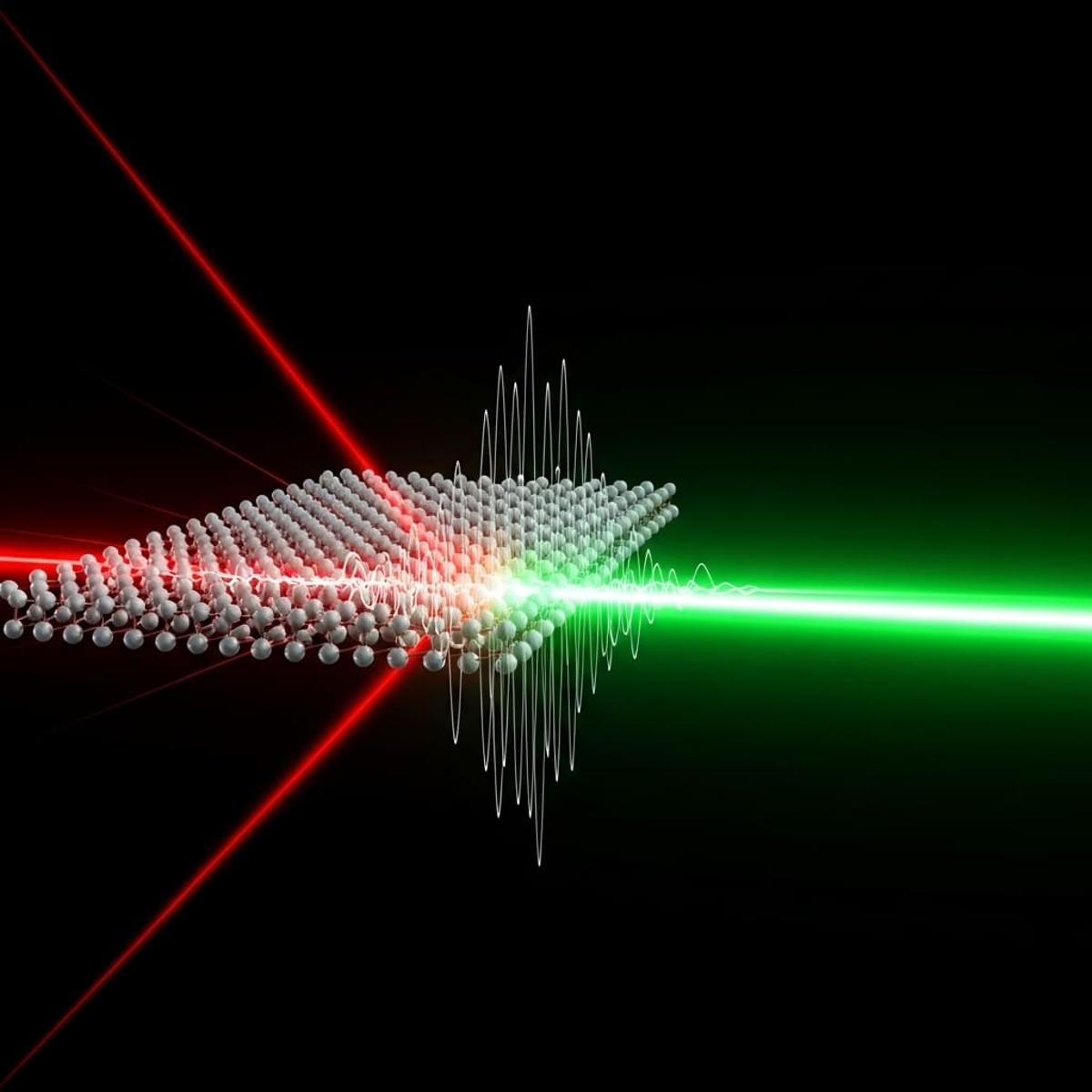
Giant Second-Harmonic Generation Achieves 104 Susceptibility in Bismuth Monolayer
Researchers at Fudan and Sun Yat‑Sen Universities demonstrated that buckling a bismuth monolayer triggers a topological transition, dramatically boosting its second‑harmonic generation (SHG) response. First‑principles calculations show a static susceptibility exceeding that of MoS₂ by two orders of magnitude, with...

Quantum Approach Achieves Competitive Graph Coloring Solutions Using Gaussian Boson Sampling
A recent study demonstrates that Gaussian Boson Sampling (GBS), a photonic quantum technique, can be used to solve graph‑coloring problems by reformulating them as independent‑set integer programs. By encoding graph adjacency into a Gaussian boson distribution, the method samples dense...

IRID + AIMING: The Pure-Play Quantum Computing Stocks vs Tech Giants Defining the Next Computing Era
Quantum computing investment is split between pure‑play hardware builders (IRID) and diversified tech giants (AIMING). The IRID group includes IonQ, Rigetti, Infleqtion and D‑Wave, each dedicated to manufacturing gate‑based or annealing machines, while AIMING comprises Amazon, IBM, Microsoft, Intel, Nvidia...
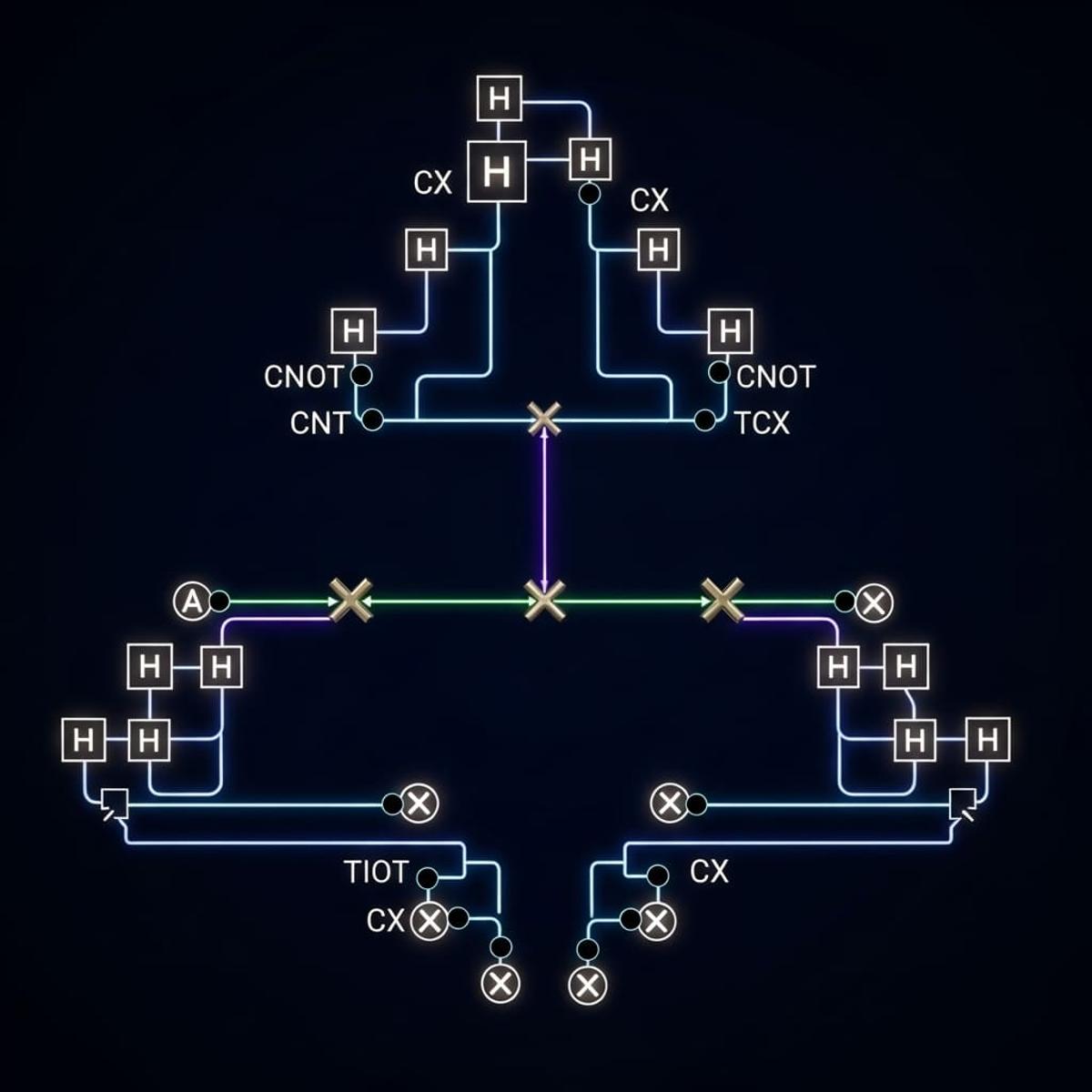
Quantum State Preparation Achieves 97% CNOT Reduction for 14 Qubit Systems
Researchers from Virginia Tech and IANL introduced Co‑ADAPT‑VQE, a hardware‑aware variant of the ADAPT‑VQE algorithm that embeds device constraints directly into ansatz construction. By penalising circuit components unsuitable for linear nearest‑neighbor (LNN) architectures, the method trims two‑qubit gate counts dramatically....
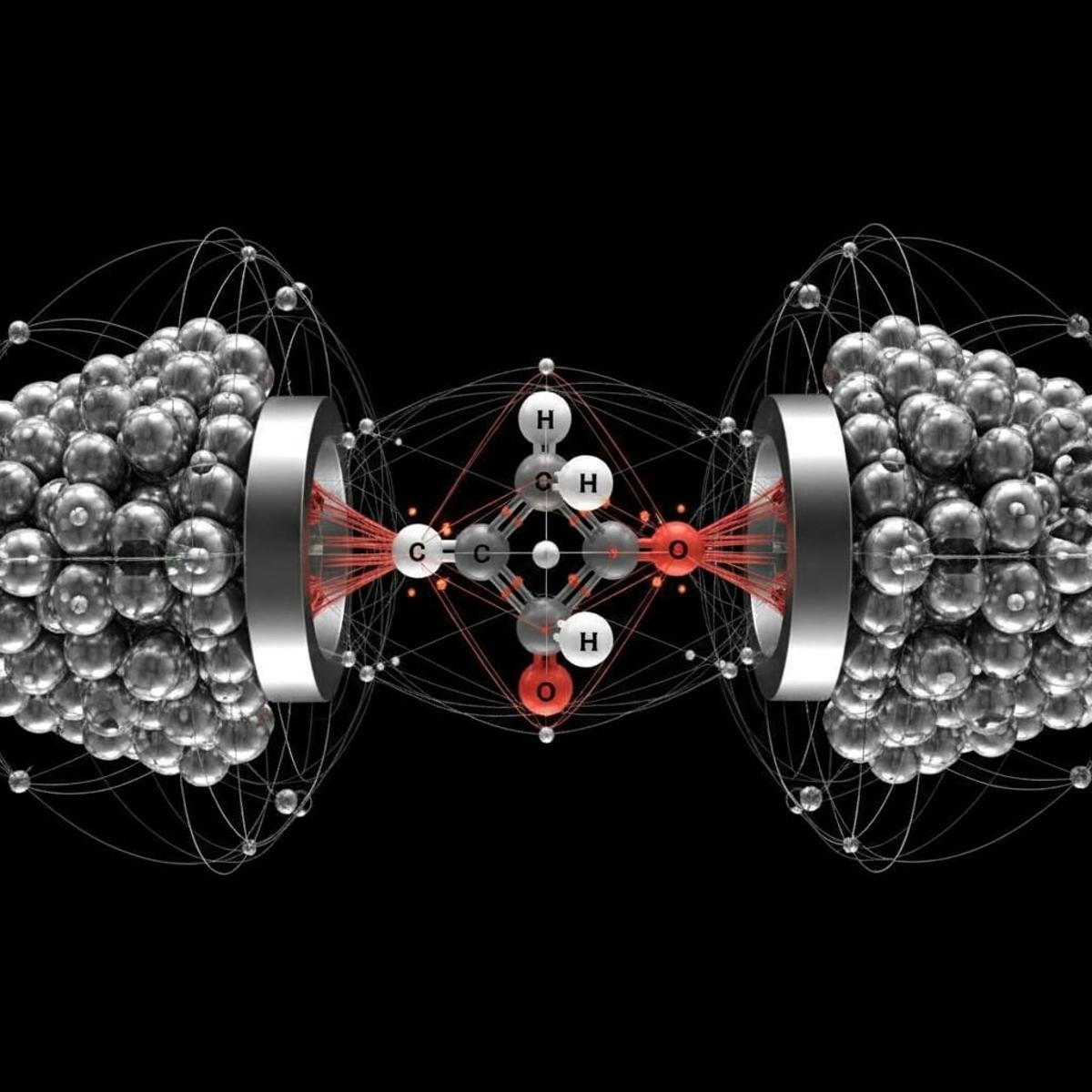
Molecular Hamiltonian Learning Extracts Parameters From Stm-Iets Data for Single Molecules
Researchers at Aalto University introduced "molecular Hamiltonian learning," a machine‑learning framework that infers the full Hamiltonian of single‑molecule magnets directly from set‑point‑dependent scanning tunneling spectroscopy (STM‑IETS) data. By training on a library of theoretical spectra that include crystal‑field, Coulomb and...

Two-Stage Dc-Squid Amplifier Achieves Low Noise with 100 SQUID Cells
Researchers led by Nan Li have demonstrated a low‑noise two‑stage dc‑SQUID amplifier tailored for TES detector readout. The device combines a four‑cell input SQUID with a 100‑cell series SQUID array, delivering a magnetic flux noise of about 1 µΦ₀/√Hz and a...

Holographic Entanglement Achieves Pure States Via Measurement and Minimal Surfaces
Stanford and Brandeis researchers have demonstrated a practical method to engineer quantum states with holographic entanglement using only Gaussian operations and measurements on a discretized bulk geometry. Their constant‑time quench‑and‑measure protocol produces boundary states whose entanglement entropies closely follow the...
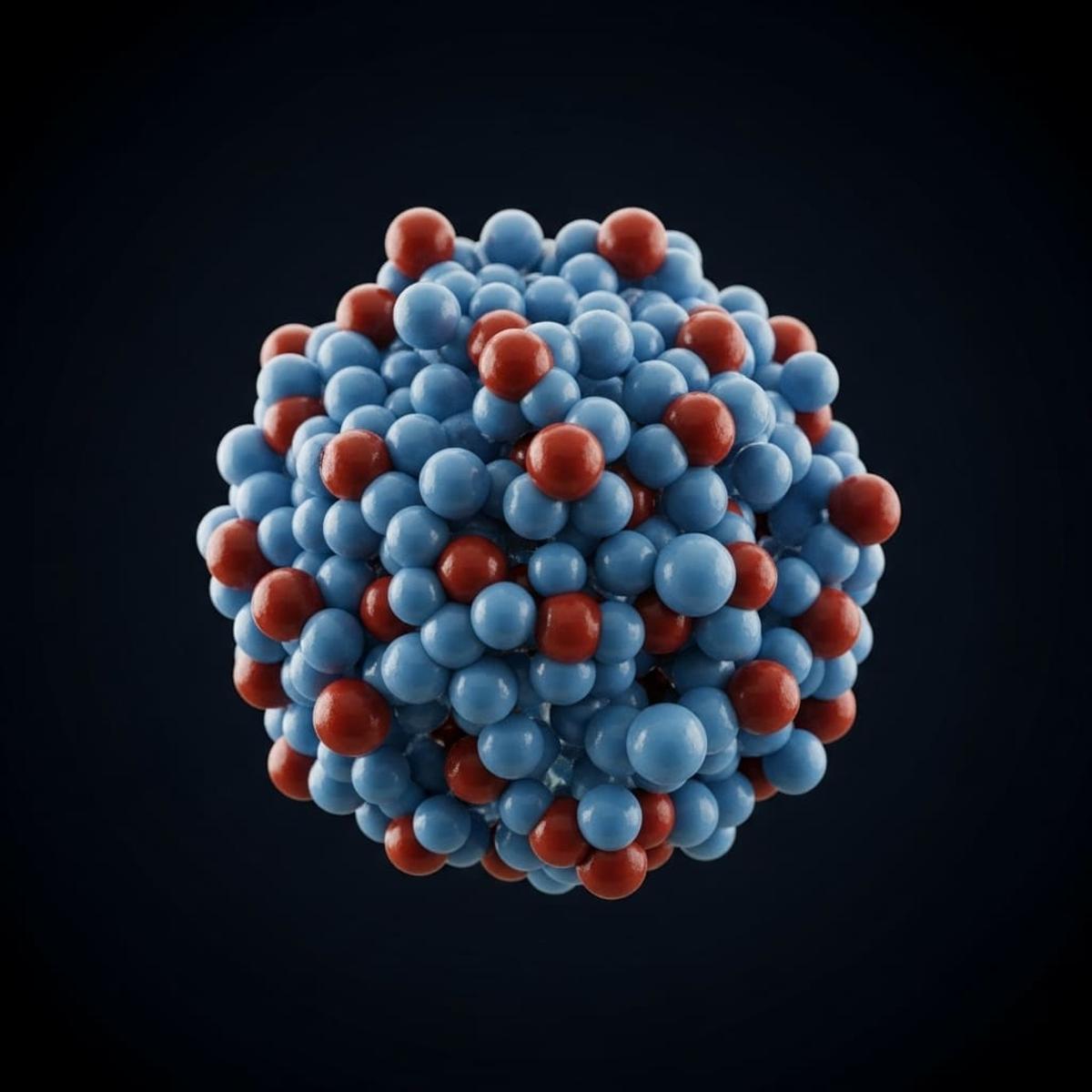
High-Fidelity Superpositions Advance Bose-Einstein Condensate Quantum Computation Techniques
Researchers at the University of St Andrews have introduced a dynamic‑optical‑potential technique to engineer high‑fidelity superpositions of persistent currents in toroidal Bose‑Einstein condensates. By independently shaping the condensate’s amplitude and phase, they can program arbitrary motional states, achieving stable superpositions even...

Quantum Annealing Achieves Efficient Micro-Mobility Dispatch Via Historical Data Incorporation
Researchers have reformulated micro‑mobility vehicle dispatch as a QUBO problem and solved it on D‑Wave’s quantum annealer, integrating Bayesian‑derived historical demand data. The quantum approach, especially with reverse annealing, outperforms classical solvers like Gurobi in both dynamic (real‑time positions) and...

Stimulated Magnonic Frequency Combs Achieve Efficient Control over Spectral Line Number
Researchers led by Xueyu Guo demonstrated a stimulated three‑magnon generation scheme that creates magnonic frequency combs (MFCs) with precise control over spectral line number and spacing. By applying a low‑power modulation signal (~0.5 GHz) alongside a primary microwave drive, they produced...

RF-Over-Fiber Achieves Scalable Control of Spin Qubits Via ODMR Spectroscopy
Researchers have demonstrated remote radio‑frequency control of nitrogen‑vacancy spin qubits using an optical‑fiber link, a technique dubbed RF‑over‑fiber (RFoF). The photonic system converts optical signals to microwave tones that drive NV centers in a 2.8‑3.0 GHz band, delivering about 0.7 dBm of...
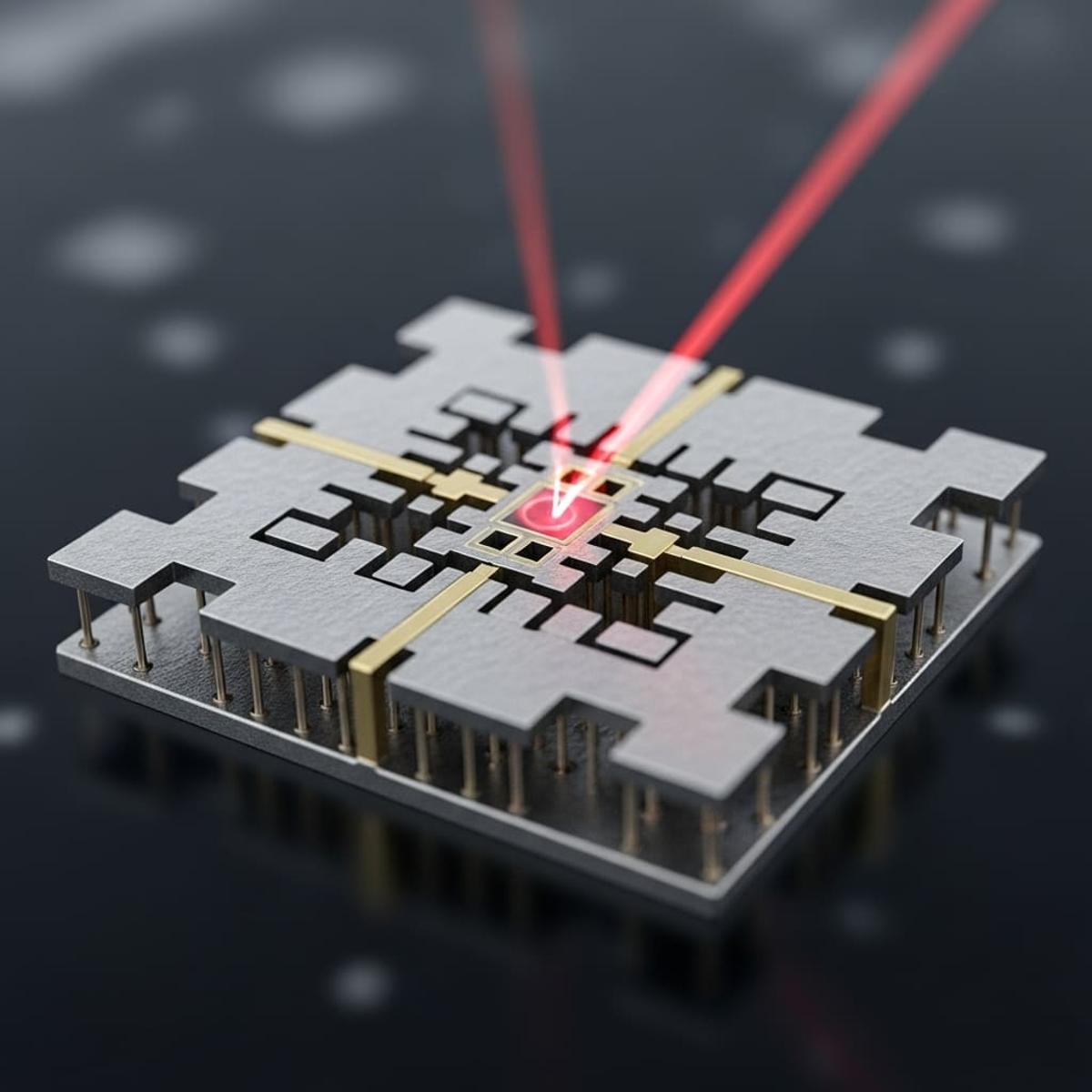
Silicon Quantum Computing Achieves 99% Spin Initialisation with 10THz Photons
Scientists have demonstrated a new method to initialise and read the spin of boron‑doped silicon qubits using ~10 THz photons from a free‑electron laser. The optical‑pumping technique achieves 99 % spin polarisation within 250 ps at temperatures above 3 K, a thousand‑fold speedup over...

Machine Learning Achieves Advantages with Minimal Quantum Computer Use in LUQPI
Researchers from Leiden University and collaborators introduced Learning Under Quantum Privileged Information (LUQPI), proving that a quantum computer used solely as a feature extractor during training can deliver exponential advantages over classical machine learning. The quantum features are generated without...

Advances Quantum-Memory-Free QSDC with Privacy Amplification of Coded Sequences
Researchers from Georgia Tech and collaborators introduced a quantum‑memory‑free Quantum Secure Direct Communication (QSDC) protocol that relies on universal hashing and privacy amplification of coded sequences. The information‑theoretic analysis proves security against collective attacks without requiring quantum storage or complex...

Advances Quantum Computing: Broadcasting Nonlinearity with Quadratic Potential Systems
Researchers at Palacký University have devised a hybrid quantum protocol that broadcasts nonlinearity from a strongly nonlinear optomechanical oscillator to a linear bosonic system such as an atomic ensemble. Using a sequence of light‑mediated quantum non‑demolition (QND) gates, the method...
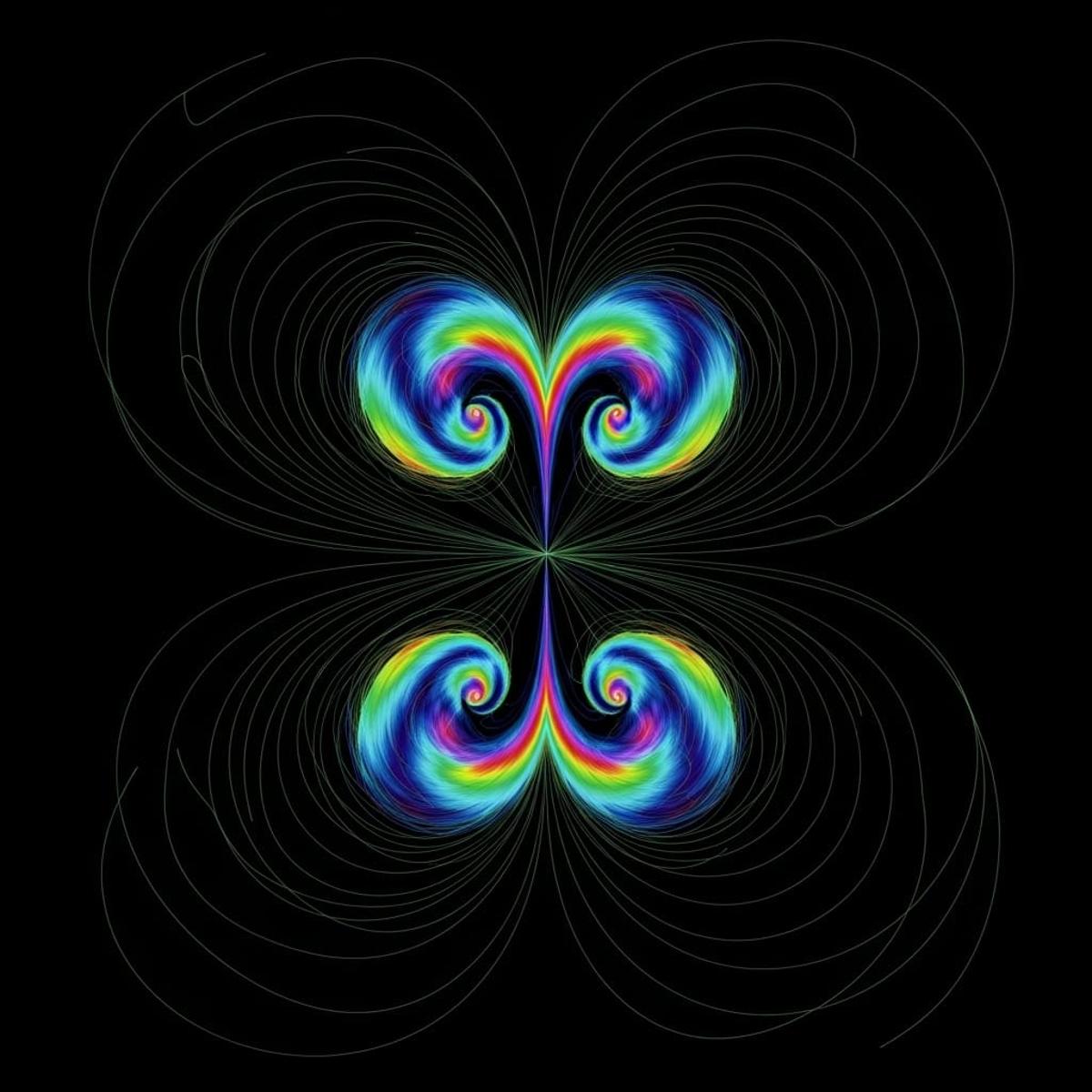
Spin-Qubit Relaxometry Detects Half-Vortex Magnetic Fluxes of ½ in Superconductors
Researchers at Oak Ridge National Lab demonstrated spin‑qubit relaxometry to directly detect half‑quantum vortices carrying Φ0/2 magnetic flux in spin‑triplet superconductors. By correlating qubit relaxation rates with vortex crossing frequencies, they resolved relaxation times below 1 ms, providing a clear experimental...

Quantum Capacitance Advances Kitaev Chain Identification with Minimal 1-Dot Coupling
Researchers led by Chun‑Xiao Liu demonstrate that quantum capacitance can precisely locate the optimal operating regime of a quantum‑dot‑based Kitaev chain. Their theoretical framework couples a normal‑metal lead to the chain and uses semiclassical rate equations to model parity switching...

Advances Chiral-Induced Spin Selectivity Understanding Via Enhanced Spin-Orbit Coupling Models
Researchers led by Ruggero Sala and colleagues present a comprehensive mini‑review that re‑examines the microscopic origins of Chiral‑Induced Spin Selectivity (CISS) in light‑element materials. By integrating molecular chirality, electric fields, and structural distortions, they demonstrate how effective spin‑orbit coupling (SOC)...

Advances Open Quantum Systems Theory with Unified Operator Algebra Treatment
A team of mathematicians led by Jan Derezinski, Vojkan Jaksic and Claude‑Alain Pillet has released a unified operator‑algebra treatment of open quantum systems, merging decades of fragmented research into a single reference. The work develops a C*‑algebra framework that accommodates...
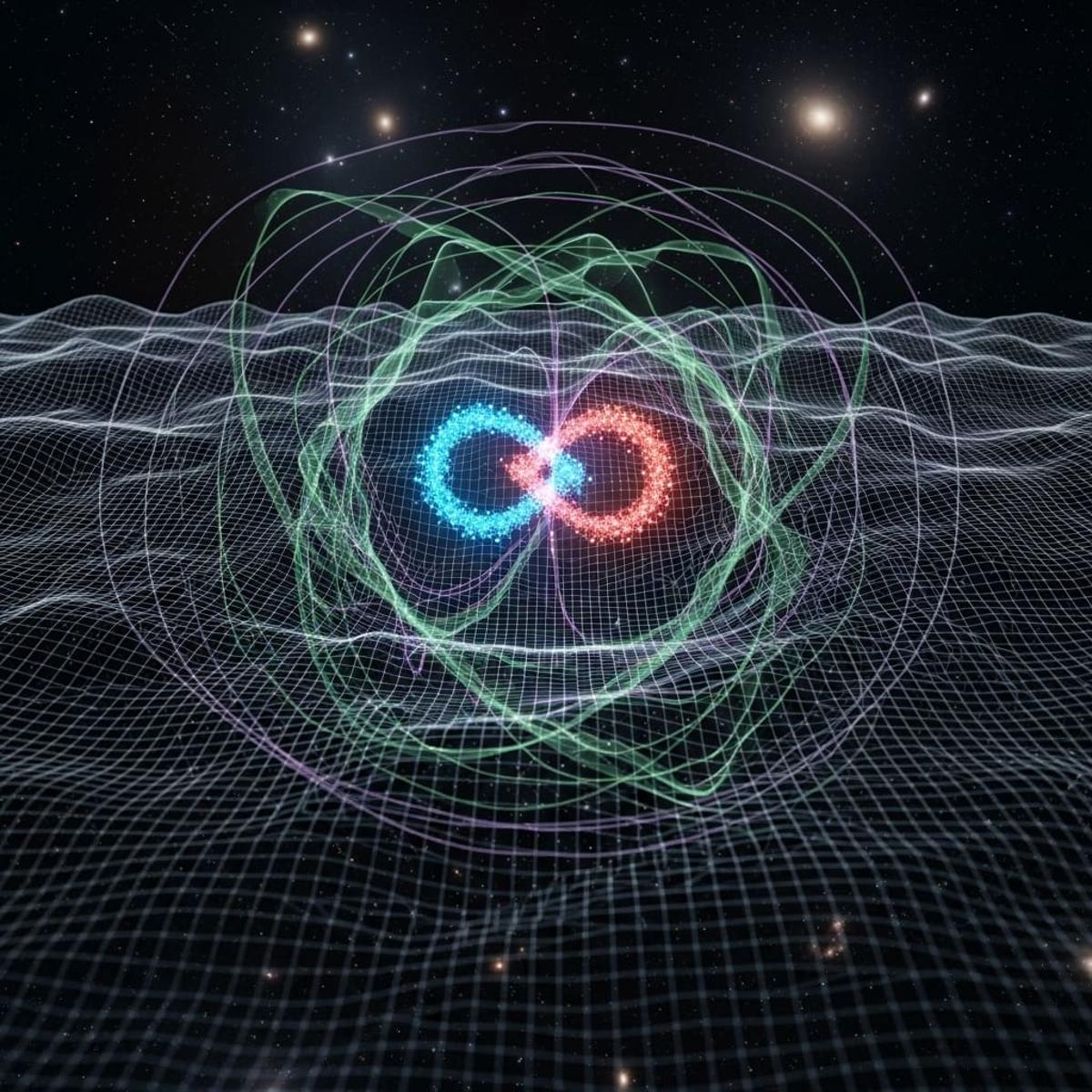
Quantum Teleportation Fidelity Assessed in Expanding Friedmann-Robertson-Walker Universes with Scalar Fields
Physicists Babak Vakili and co‑authors analyze quantum‑teleportation fidelity in a spatially flat Friedmann‑Robertson‑Walker universe, using Bogoliubov transformations and a covariance‑matrix approach. They find that cosmic expansion degrades fidelity for super‑horizon modes, while sub‑horizon modes retain near‑perfect performance. The study quantifies...
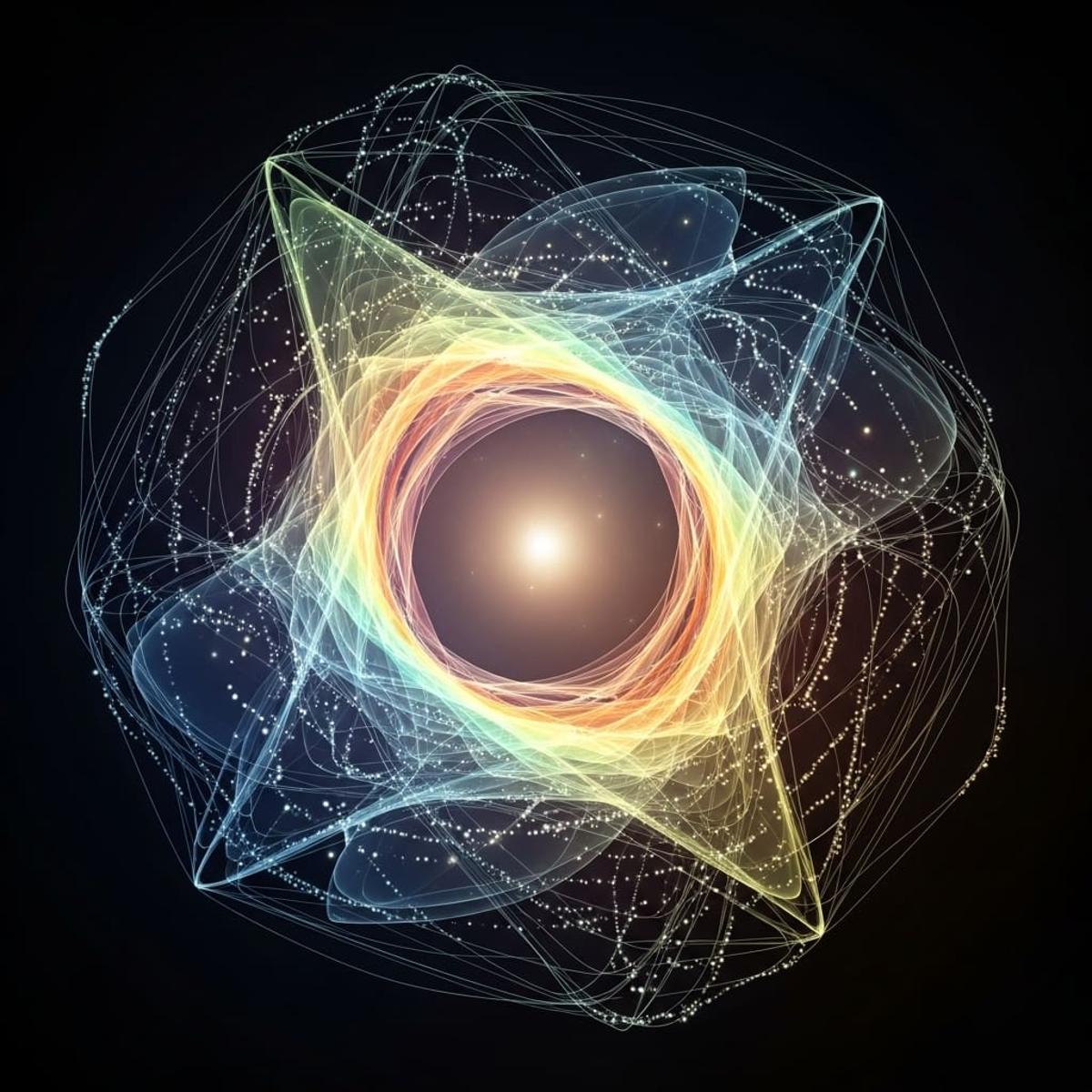
Many-Body Projected Ensemble Achieves Universal Quantum Data Approximation with 1-Wasserstein Distance
Researchers from Fujitsu and collaborators prove that the Many‑body Projected Ensemble (MPE) framework can universally approximate any distribution of pure‑state quantum data, with error bounded by the 1‑Wasserstein distance. They introduce an incrementally trainable variant that eases optimization on noisy...
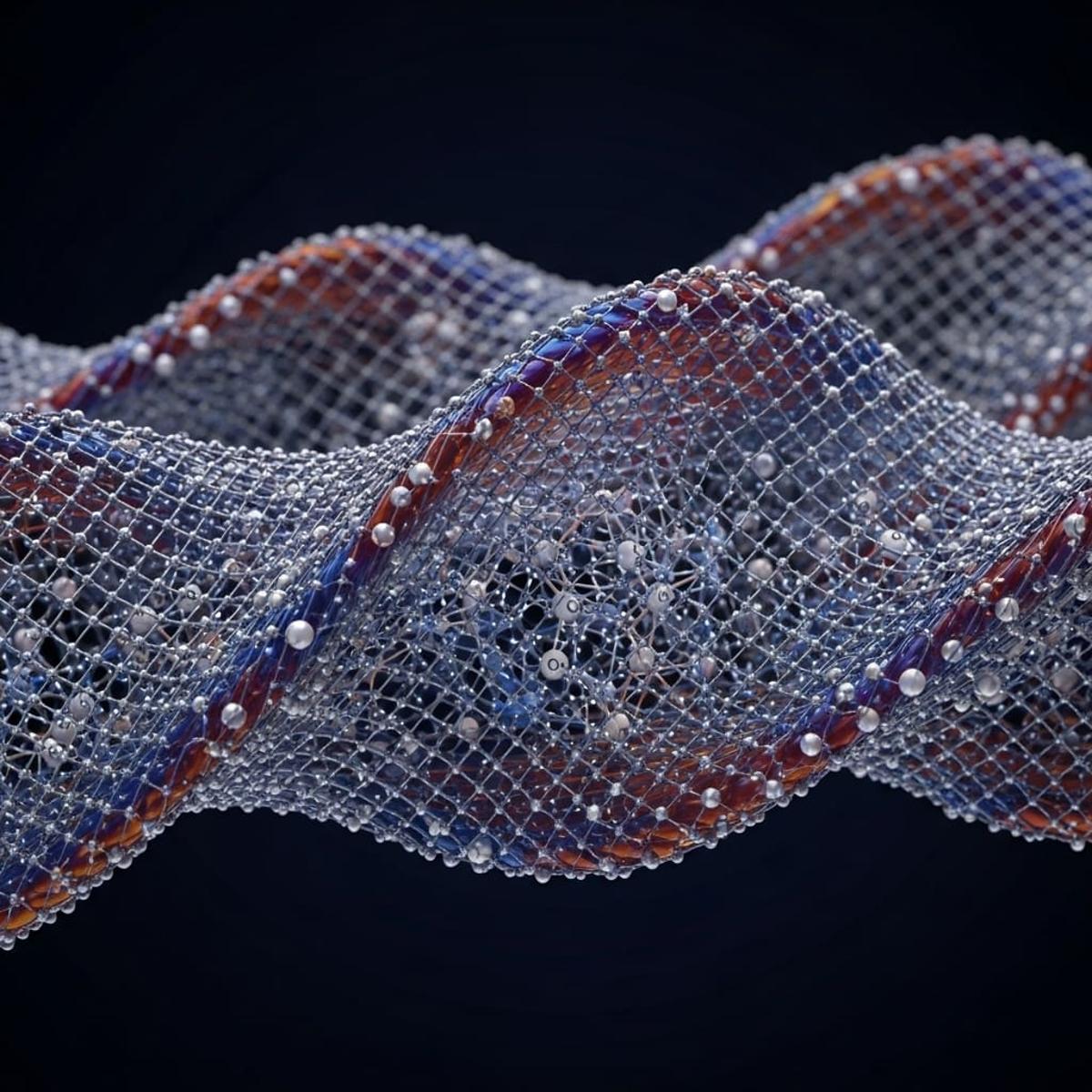
Atomic Coherence Achieved in Twisted NaNbO3 Membranes Via Controlled Oxygen Treatment
Researchers have demonstrated atomic‑scale coherence in twisted NaNbO₃ oxide membranes by applying a controlled oxygen annealing process. The treatment chemically reconstructs the interface, eliminating amorphous carbon layers and establishing a perovskite registry with measurable lattice contraction. Strain mapping shows a...
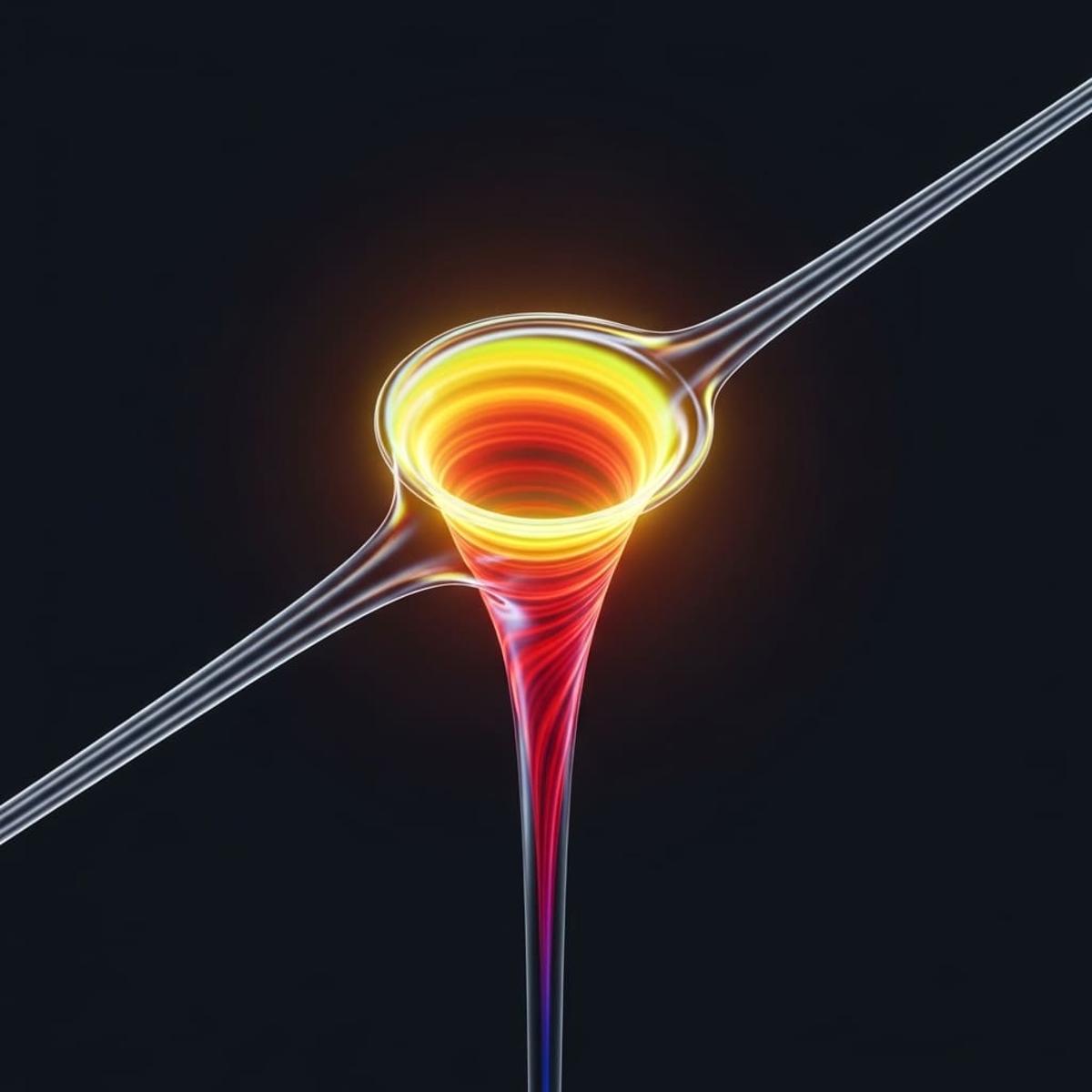
High-Q Resonators Achieve 10^7 Quality Factor with Optical Nanofiber Fabrication
Researchers at Waseda University and collaborators have demonstrated a single‑shot femtosecond laser ablation method that fabricates defect‑free optical nanofiber photonic crystal resonators with intrinsic quality factors exceeding 2.9 × 10⁷. The process uses a flame‑brush tapered nanofiber (500 nm diameter, 13 mm waist) and...
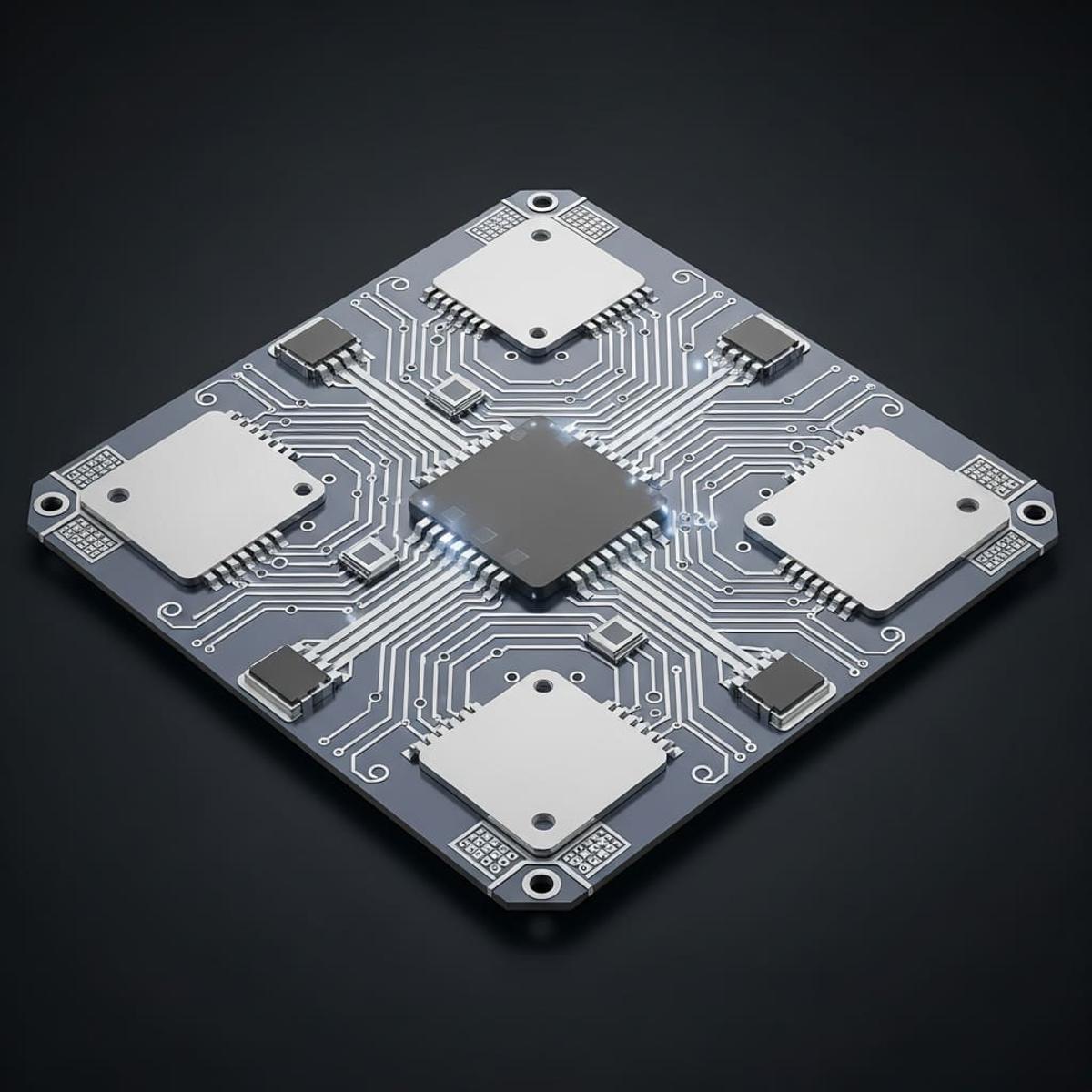
Flux-Tunable Transmon Achieves Robust Performance with 4hb-Tas Josephson Junctions
Researchers at Technion have demonstrated a flux‑tunable transmon qubit that incorporates a van‑der‑Waals 4Hb‑TaS₂ crystal via an Al/AlOₓ/4Hb‑TaS₂ Josephson junction. The hybrid fabrication process is fully compatible with conventional transmon manufacturing and yields coherent qubit operation inside a 3D cavity....
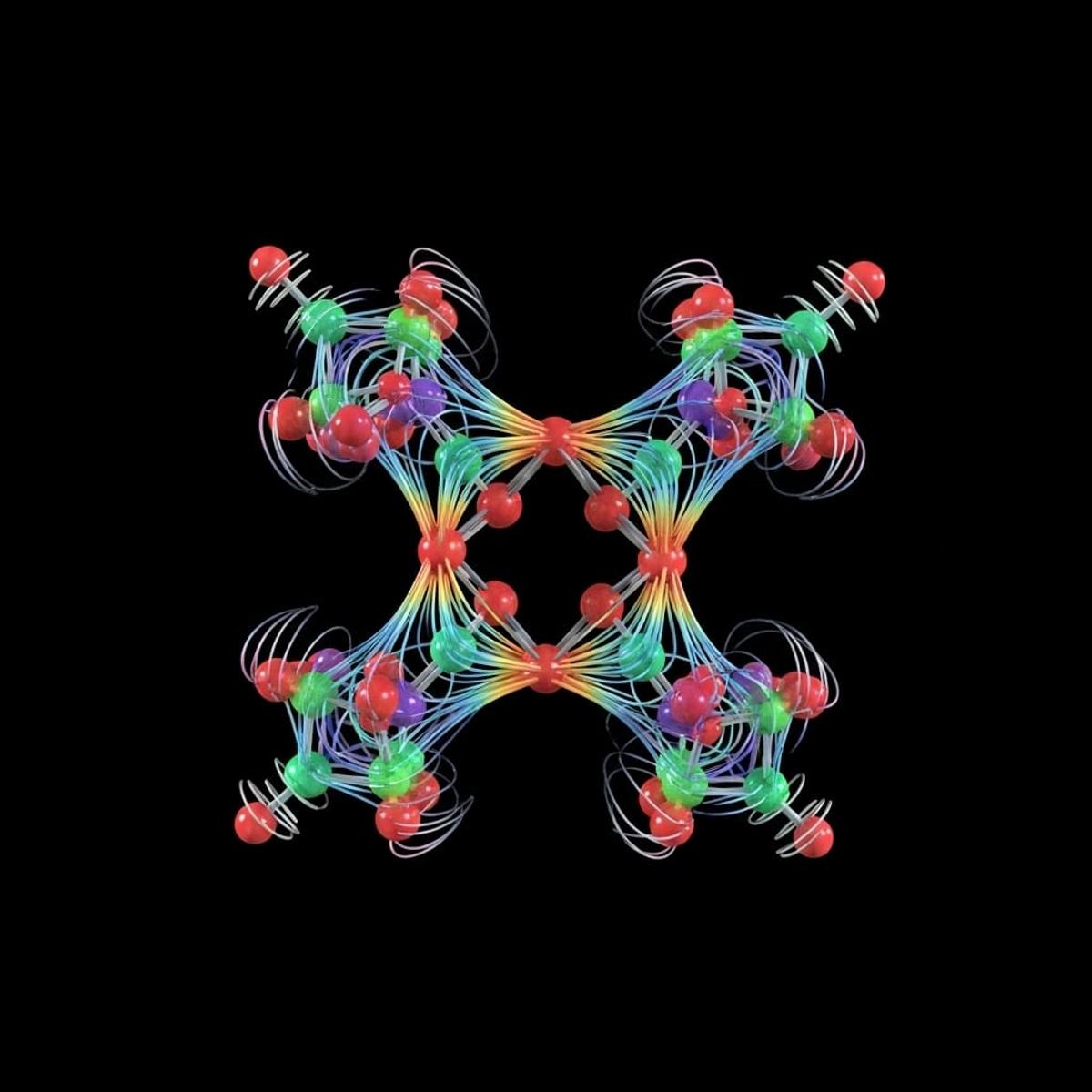
Heom-2dvs Achieves Accurate Simulation of Molecular Vibrations Beyond Thermal Excitation
Scientists at Kyoto University introduced HEOM‑2DVS, a computational framework that couples hierarchical equations of motion with two‑dimensional vibrational spectroscopy. The method rigorously treats non‑Markovian dynamics, energy relaxation, dephasing and quantum effects when vibrational energies exceed thermal levels. Implemented in C++,...

Hardy Paradox Advances Quantum Parameter Estimation with Post-Selection Efficiency Insights
A team of quantum physicists has leveraged Hardy’s paradox to create a post‑selected phase‑estimation protocol that dramatically improves measurement sensitivity. By engineering a contextuality‑violating state, they achieved a quantum Fisher information gain up to four times the standard limit. The...

WISeKey Advances Post-Quantum Space Security with 2026 Satellite PoCs
WISeKey International announced proof‑of‑concept testing of post‑quantum cryptography on satellites in late 2025, with a fully operational quantum‑resistant satellite slated for launch in the second quarter of 2026. The initiative combines hybrid Triple Key Encapsulation Mechanisms that blend PQC algorithms with...

Mc+qubo Achieves Improved Reinforcement Learning with Quadratic Unconstrained Binary Optimisation
Researchers introduced MC+QUBO, a method that recasts Monte Carlo episode selection as a Quadratic Unconstrained Binary Optimisation problem and solves it with quantum‑inspired samplers. By using Simulated Quantum Annealing and Simulated Bifurcation, the approach filters trajectories to maximise reward and promote...
Exponential Speedup Achieved for Maximum Independent Set on Hard Instances
Researchers led by Vicky Choi introduced the Dic‑Dac‑Doa adiabatic quantum algorithm that solves maximum independent set (MIS) problems on specially crafted GIC graphs with exponential speedup over classical and existing quantum methods. The algorithm leverages a non‑stoquastic XX driver to...
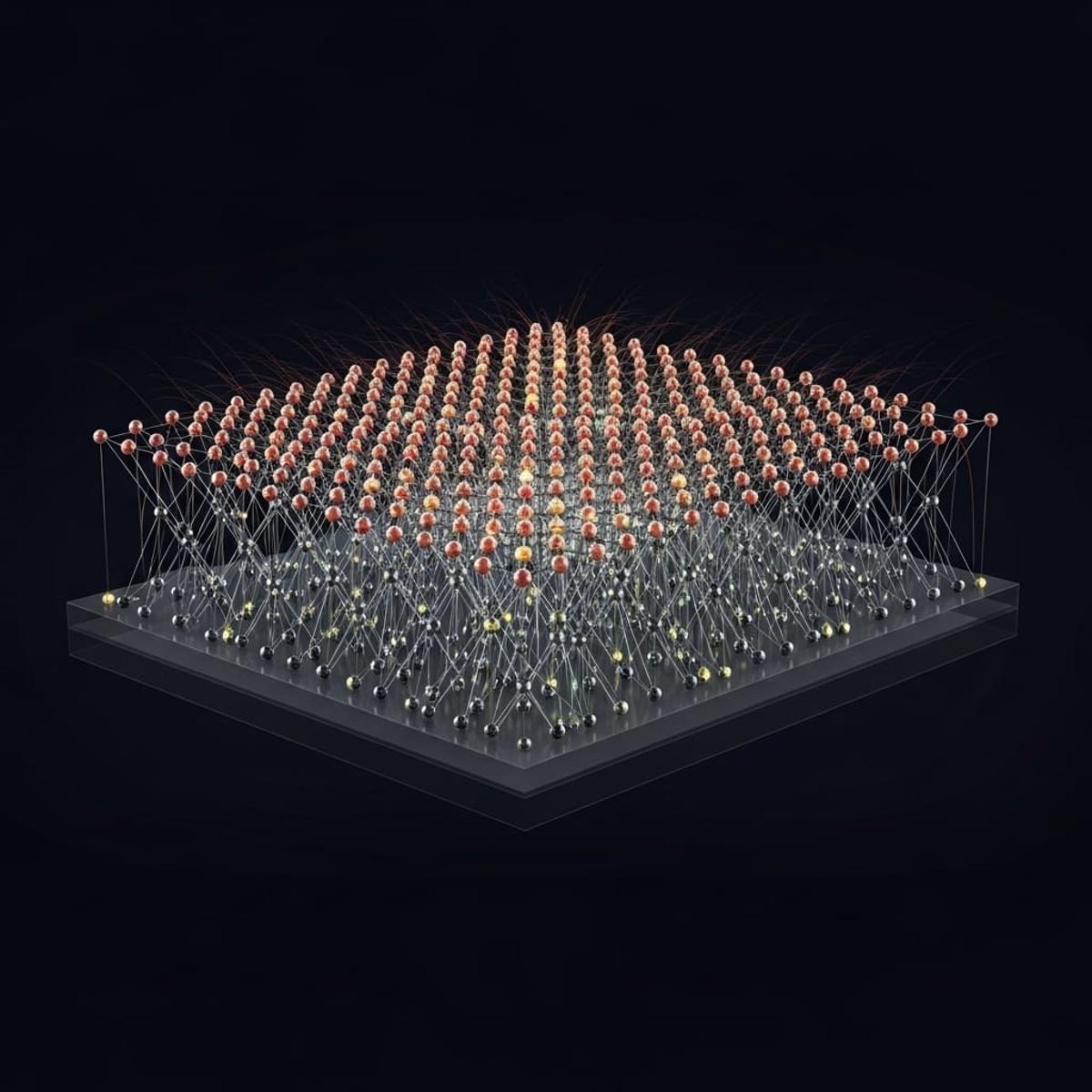
Silicon-On-Insulator Achieves Coupled Colour Centre Formation for Photon Sources
Researchers have demonstrated controlled formation of multiple colour centres—including T, W, G, and the newly observed CN—in silicon‑on‑insulator (SOI) platforms. By systematically varying carbon and hydrogen ion implantation, annealing temperature (200‑600 °C) and duration (30‑600 s), they identified optimal conditions such as...
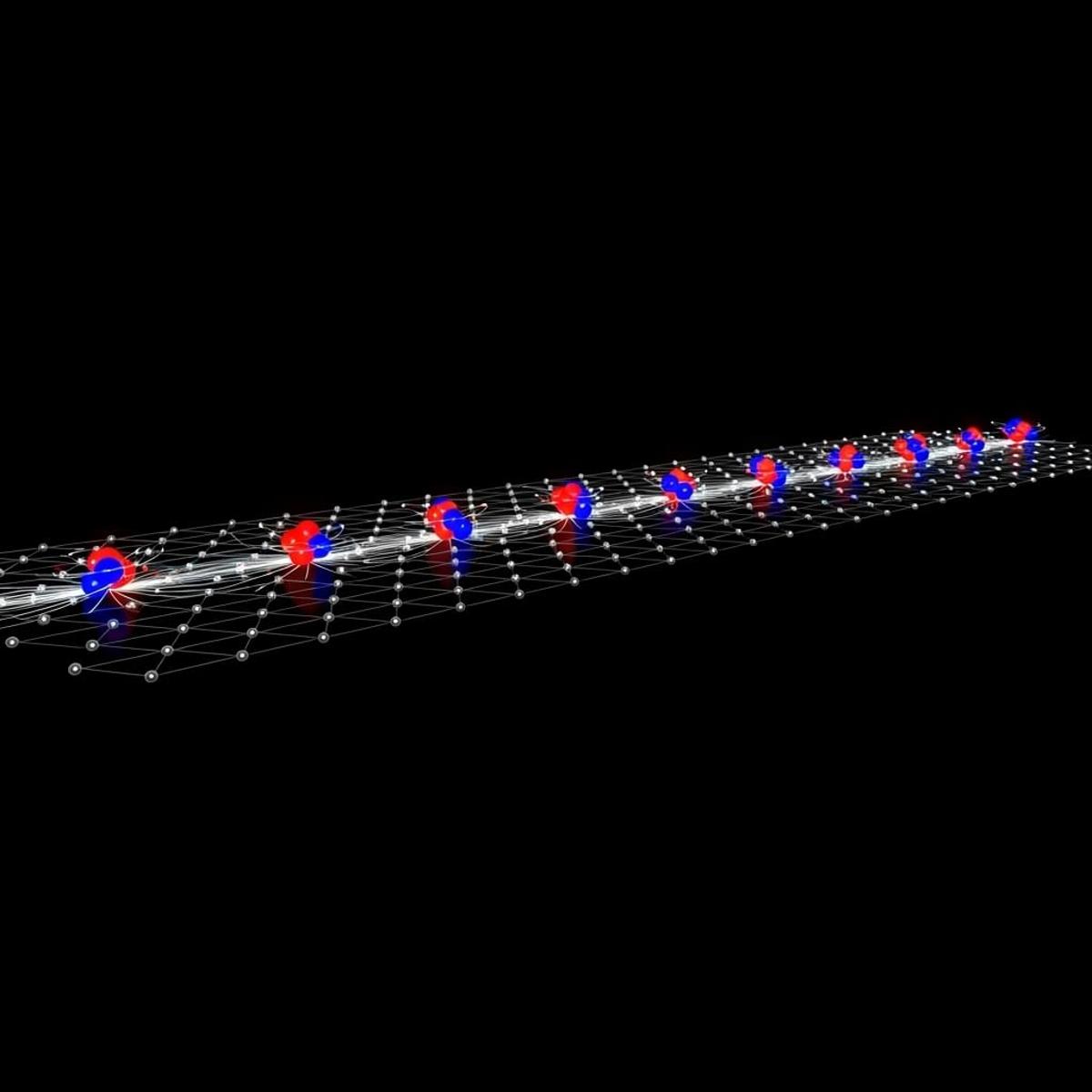
Floquet Engineering Achieves Control of Hubbard Excitons in Sr CuO
Scientists have used Floquet engineering with intense mid‑infrared pulses to coherently rotate the wavefunction of a Hubbard exciton in the one‑dimensional Mott insulator Sr₂CuO₃. Resonant third‑harmonic generation measurements show arbitrary rotation angles up to π/2 and the emergence of Floquet...
Nitral Superconducting Density of States Advances Cosmic Radiation Device Quality
Researchers used scanning tunneling microscopy to map the superconducting density of states in nitridized‑aluminum (NitrAl) thin films. The study found a clean, near‑zero in‑gap density, a gap centered at ~360 µeV—larger than pure Al—and only ~10 % nanometer‑scale variation across the film....

ML-Kem-Based IPsec Advances 5G O-Ran Security Via E2 Interface Evaluation
Researchers experimentally validated post‑quantum cryptography on the 5G O‑RAN E2 interface using ML‑KEM (CRYSTALS‑Kyber) within IPsec. Their open‑source testbed compared baseline, traditional ECDH, and ML‑KEM IPsec configurations, measuring tunnel‑setup latency and xApp behavior. Results show only a 3–5 ms overhead for...
Vmc with PEPS Advances 2D System Ground State Calculations
A team led by Tao Chen introduced a Variational Monte Carlo method that integrates row‑update Projected Entangled‑Pair States (PEPS) with autoregressive row‑wise sampling. The technique replaces local Metropolis moves with collective row updates, dramatically cutting autocorrelation times and mitigating critical...

Atomic Layer Processing for Silicon Carbide-Based Quantum Photonic Circuits
Atomic‑layer etching (ALE) is being applied to silicon carbide (SiC) photonic components, dramatically reducing surface roughness and optical losses in waveguides and ring resonators. The ALP‑4‑SiC project, a collaboration between the Max Planck Institute for the Science of Light and Fraunhofer...

Mixed Precision Advances Variational Monte Carlo with 64-Bit Error Bounds
A new study demonstrates that mixed‑precision arithmetic can be safely applied to neural‑network Variational Monte Carlo (VMC), establishing analytical error bounds for reduced‑precision Metropolis‑Hastings sampling. The authors show that the sampling step can often run in half precision without degrading...
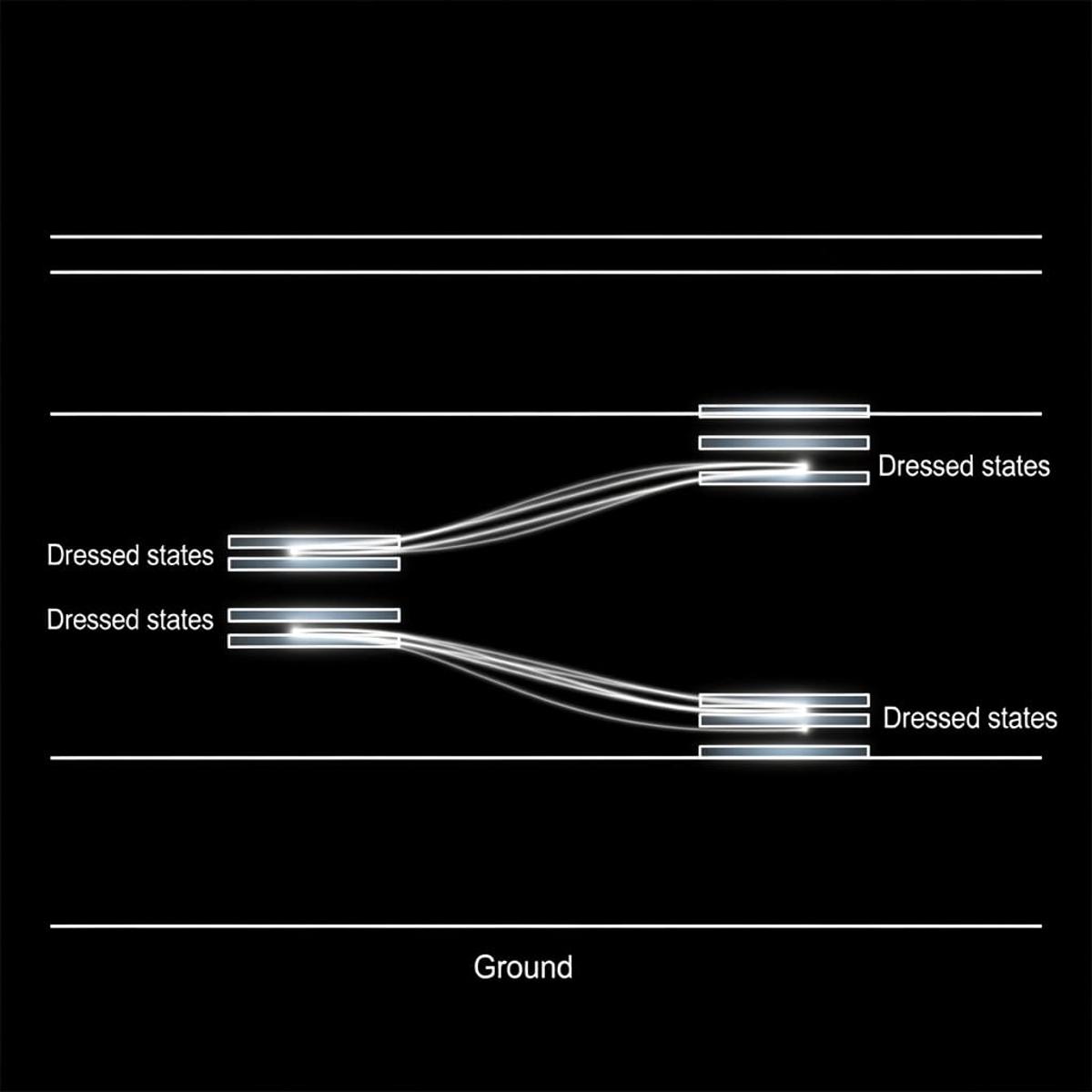
Secondary Autler-Townes Splitting Achieved Via Four-Level Quantum Frequency Mixing
Researchers at Chongqing University demonstrated secondary Autler‑Townes splitting in a ladder four‑level atomic system using quantum frequency mixing and dual‑Floquet driving. By introducing a strong local‑oscillator field they created dressed states whose interference can be controlled via Floquet‑channel and loop...
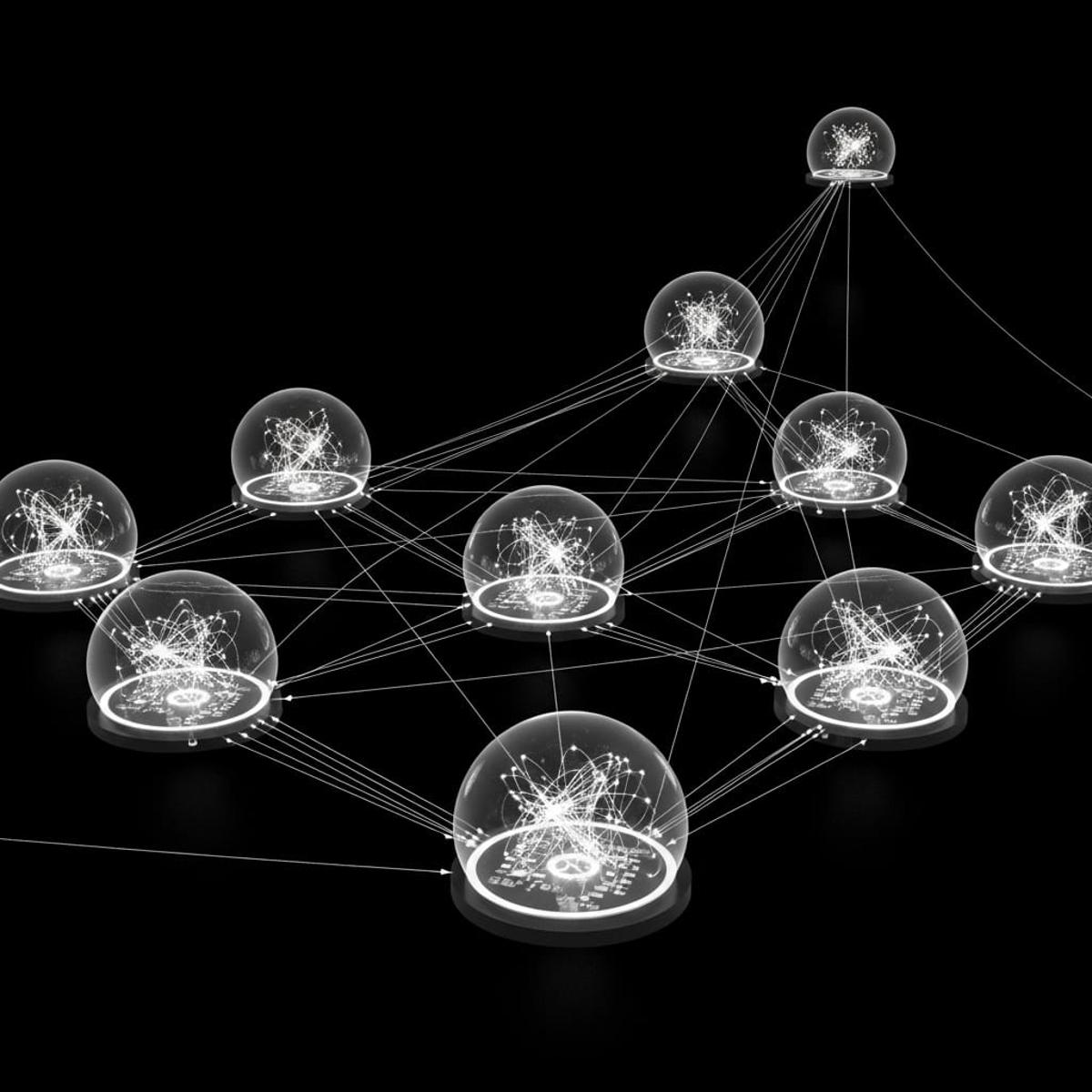
Scalable Multi-Qpu Design Achieves Logarithmic Communication for Dicke State Preparation
Researchers introduced a scalable multi‑QPU circuit that prepares Dicke states with logarithmic communication complexity. The construction prepares a 16‑qubit, 4‑excitation Dicke state while keeping circuit size O(nk) and depth O(p²k + logk log(n/k)). For two QPUs the method meets a proven...

Quantum Optics Advances Nonclassical States & Correlations for Information Technology
Researchers from Universidad de Antioquia and TU Wien released comprehensive lecture notes on quantum optics, focusing on nonclassical states of light and their quantum correlations. The material systematically derives the quantisation of the electromagnetic field and examines thermal, coherent, and...
Advances to Gilbert-Varshamov Bound Enable Improved Linear and Quantum Codes
Researchers Chen Yuan and Ruiqi Zhu at Shanghai Jiao Tong University introduced a concise probabilistic technique that tightens the classical Gilbert‑Varshamov bound for q‑ary linear codes. Their analysis yields a multiplicative Ω(√n) improvement over the standard bound and simplifies earlier,...

Contextuality Achieves Irreducible Cost in Classical Representations of Information-Theoretic Systems
Researchers led by Song‑Ju Kim have shown that contextuality creates an unavoidable information cost for any classical probabilistic model trying to reproduce quantum‑like statistics. By enforcing a single‑state semantic constraint (I(S;C)=0), they prove that classical simulations must either embed contextual...
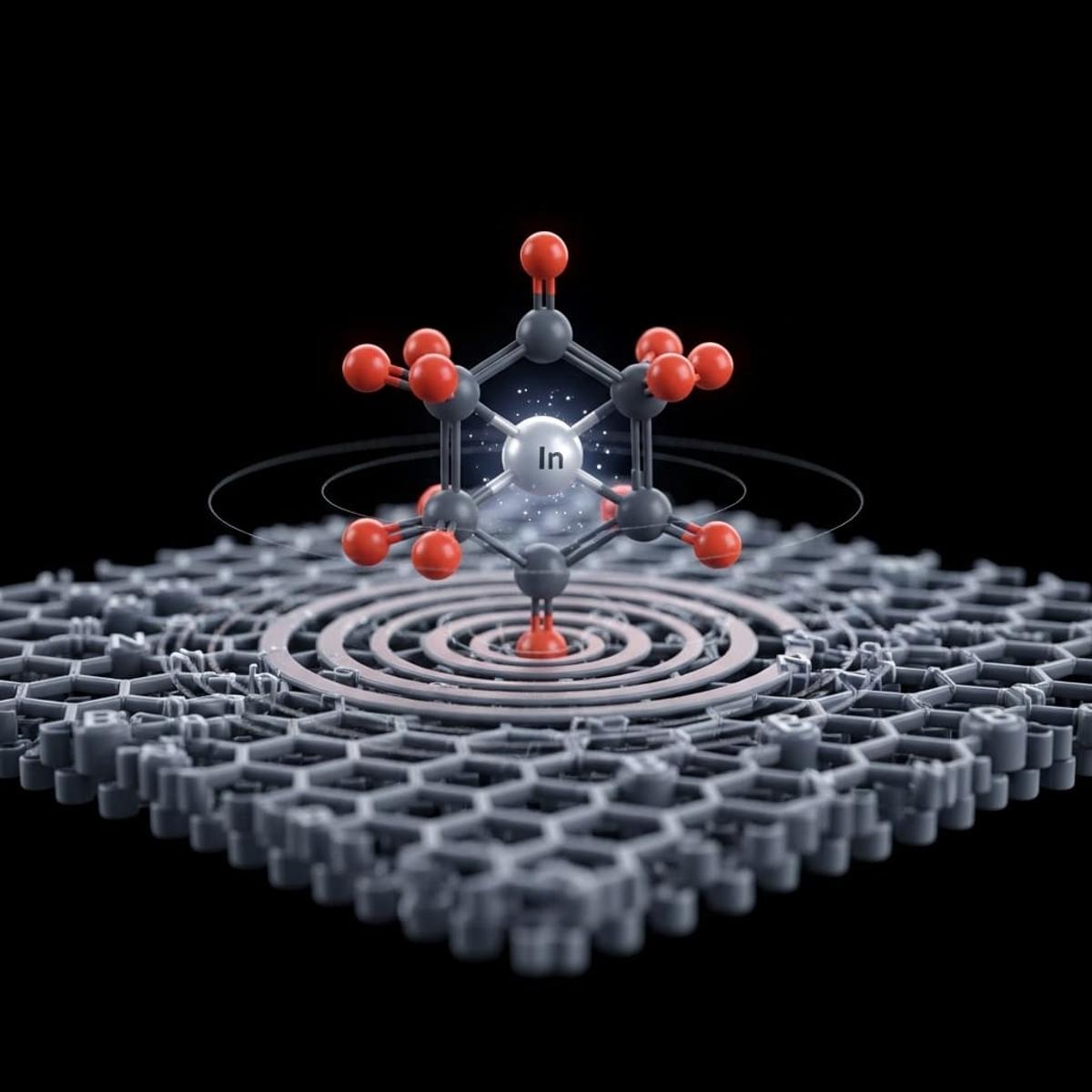
S Coherence Achieved in Surface-Scaffolded Molecular Qubit Via hBN Stabilisation
Scientists at the University of Chicago and Northwestern University have created a surface‑scaffolded molecular qubit by placing deuterated pentacene molecules on hexagonal boron nitride (hBN). The platform achieves a record‑breaking 214 µs coherence time under dynamical decoupling, surpassing shallow nitrogen‑vacancy (NV)...

Echo Cross Resonance Gate Error Budgeting Achieves 3.7x Performance Improvement
Researchers at OQC introduced an error‑budgeting procedure for the native echo cross‑resonance (ECR) two‑qubit gate on the Toshiko gen‑1 superconducting processor. By pinpointing incoherent decay, control‑qubit leakage, and coherent ZZ interactions, they applied pulse‑shaping and compensating rotations that require no...

Quantum Machine Learning Achieves 86.4% Accuracy Detecting Leukemia with 50 Samples
Researchers applied quantum machine‑learning techniques to detect acute myeloid leukemia from microscopic blood‑cell images. Using a reduced 20‑dimensional feature set and only 50 training samples per class, the equilibrium propagation (EP) model achieved 86.4% accuracy, while a 4‑qubit variational quantum...
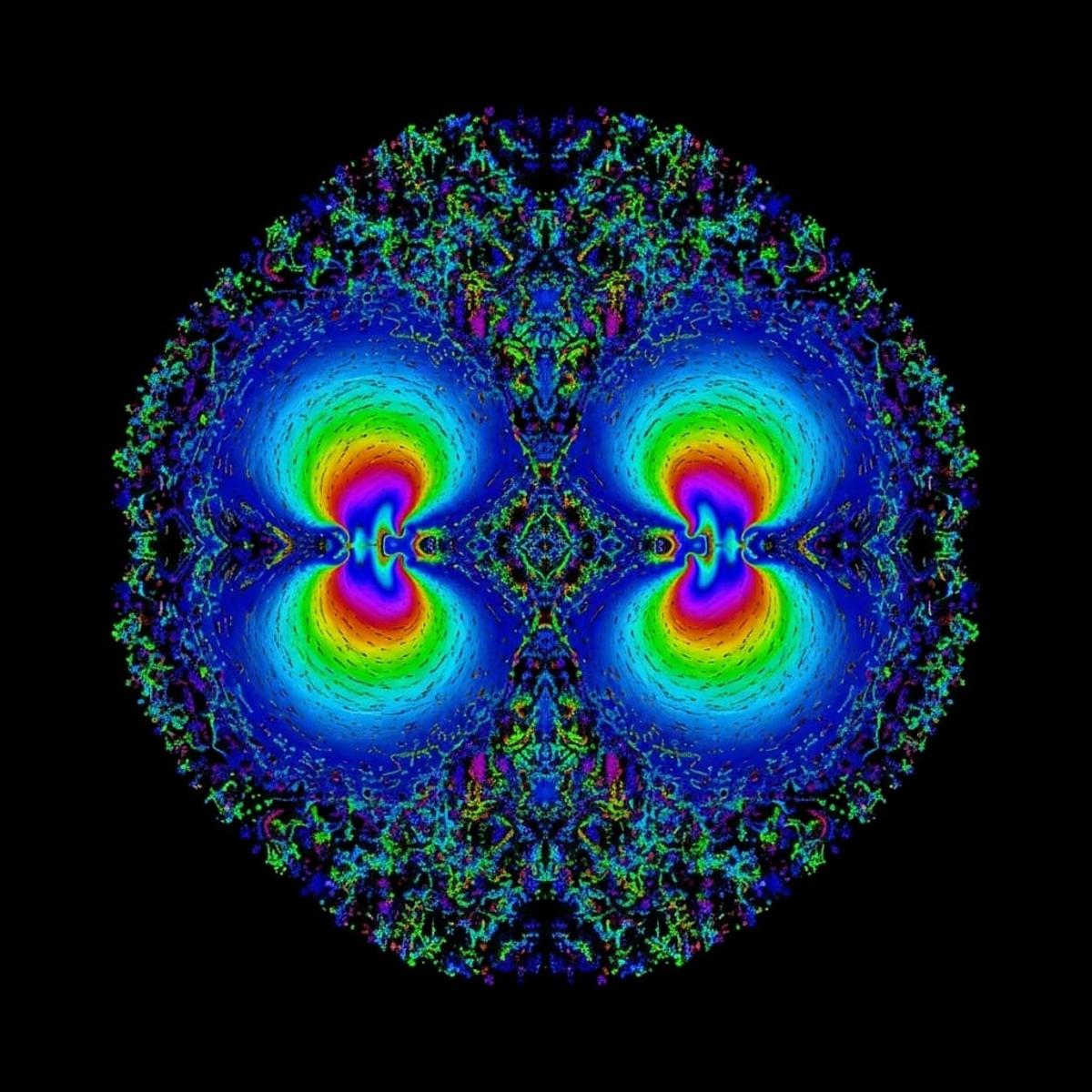
Two-Particle Reduced Density Matrix Achieves Unbiased Superconducting State Identification
Scientists at the Max Planck Institute introduced an unbiased framework using the two‑particle reduced density matrix (2RDM) to identify superconducting states. By projecting the 2RDM onto symmetry irreducible representations, the method applies the Penrose‑Onsager criterion to determine condensate fraction and...

Dynamical Sweet Spots Achieve 3-5x Coherence Enhancement in Superconducting Qubits
Scientists at the University of Electronic Science and Technology of China introduced a fully parameterized, multi‑objective periodic‑flux‑modulation framework that creates dynamical sweet spots (DSS) for superconducting fluxonium qubits. The approach simultaneously optimizes energy‑relaxation (T₁) and pure‑dephasing (T_φ), delivering a 3‑5×...

Dqas Achieves Robust Quantum Computer Vision Against Adversarial Attacks and Noise
Researchers from Fordham and Zhejiang Universities introduced a Differentiable Architecture Search framework that couples a lightweight Classical Noise Layer with quantum circuit design. The hybrid approach jointly optimizes gate selection and noise parameters using gradient descent, delivering higher clean and...