
Classical Regularization Achieves Stable Convergence for Variational Quantum Eigensolvers
Researchers demonstrate that adding a classical L₂‑squared‑norm penalty to variational quantum eigensolvers (VQEs) dramatically stabilises optimisation across diverse testbeds such as H₂, LiH, and the Random‑Field Ising Model. The penalty reshapes the classical loss landscape, shrinking parameter norms and raising success probabilities without altering quantum circuits. A two‑stage optimisation with a cosine‑decay schedule isolates the regularisation effect, revealing a broad λ window where convergence exceeds 90% of the global optimum. Large‑scale noiseless simulations on a supercomputer confirm the method’s robustness and optimizer‑agnostic nature.
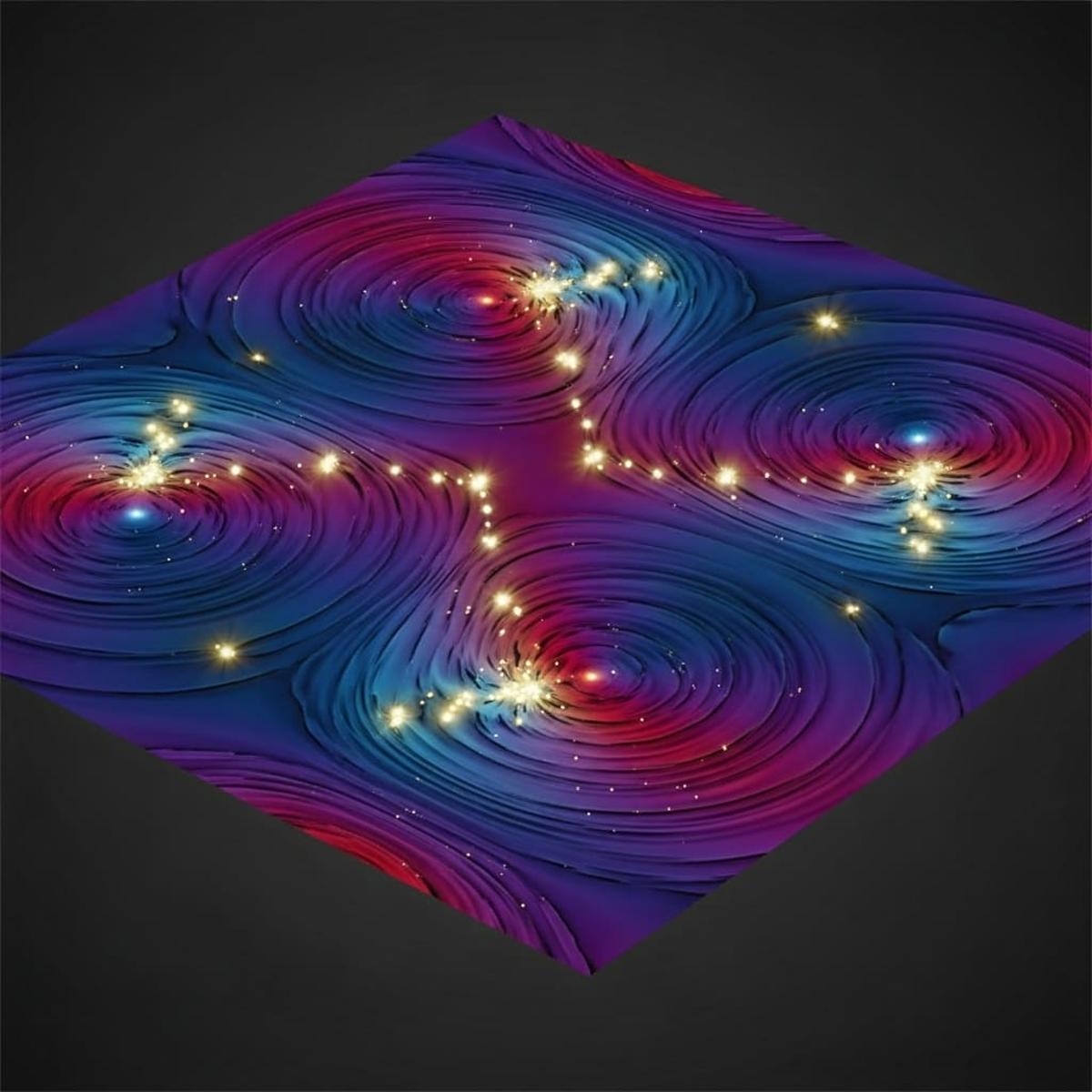
Theory Advances Next-Generation Even-Denominator States at Filling Factors
Researchers Yutushui and Mross introduce a comprehensive theoretical framework for next‑generation even‑denominator quantum Hall states observed at filling factors such as 1/2, 1/4 and 1/6. The model distinguishes these states from earlier Bonderson‑Slingerland proposals, predicts which topological phase will dominate...

SuperQ Quantum Appoints Cybersecurity Veteran to Lead Post-Quantum Commercialization in 2026
SuperQ Quantum Computing Inc. announced the appointment of Brian Beveridge, a 30‑year cybersecurity veteran, as Director of Post‑Quantum Cybersecurity and Partnerships, effective Jan 22 2026. Beveridge will lead the commercialization of the company’s SuperPQC™ suite, which protects against “Harvest Now, Decrypt Later”...
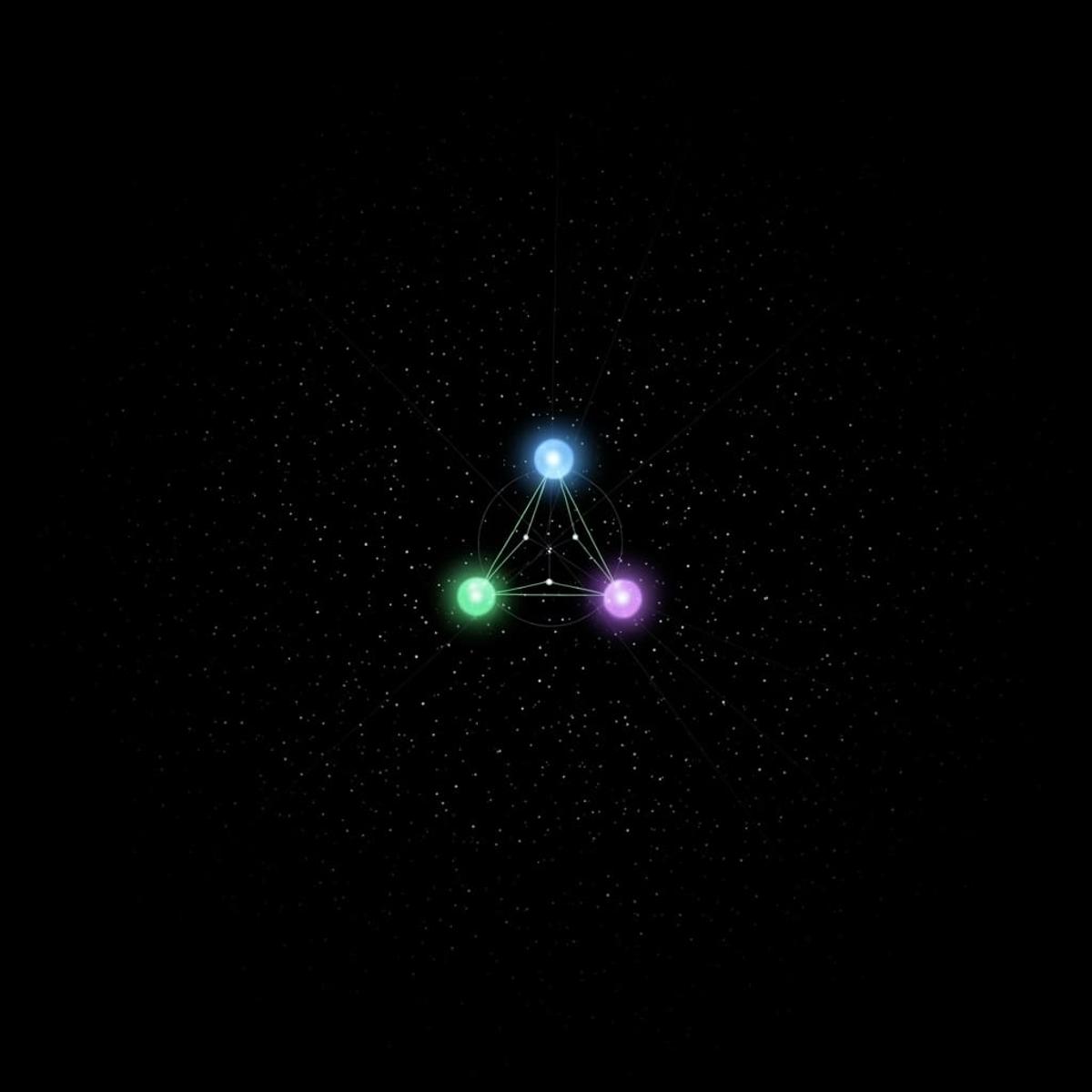
Photon-Added Cat and Kitten States Achieve Enhanced Phase-Space Sensitivity
Researchers Arman and Prasanta K. Panigrahi demonstrate that adding single photons to squeezed Schrödinger cat and kitten states markedly expands their phase‑space support. The photon‑added variants exhibit larger amplitudes, higher quantum Fisher information, and tighter interferometric fringes than their unmodified counterparts. By...

Closing of UNESCO’s Quantum Year in Ghana
UNESCO’s International Year of Quantum Science & Technology 2025 concludes with a two‑day ceremony on February 10‑11 in Accra, Ghana. The event will celebrate hundreds of global activities that raised public awareness of quantum science and will unveil the new Global...
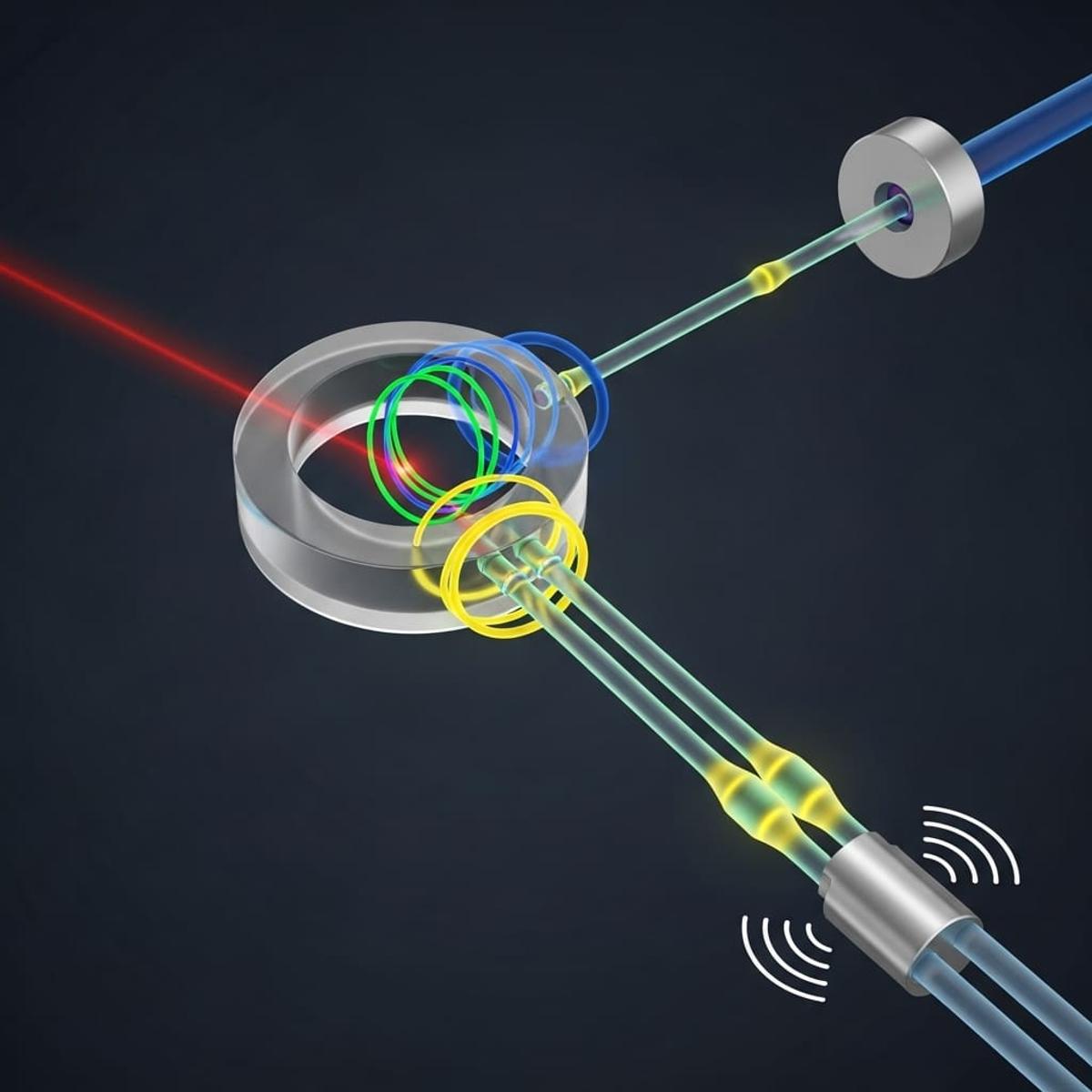
Momentum Achieves Long-Range Entanglement in Broken Symmetry 1D Systems
Researchers Amanda Gatto Lamas and Taylor L. Hughes demonstrate that non‑zero momentum directly indicates long‑range entanglement (LRE) in one‑dimensional quantum systems lacking translational symmetry. By analyzing the many‑body momentum distribution and the expectation value of the translation operator |⟨T⟩|, they...

Support Geometry Achieves Fast Entanglement Diagnostics in Qubit Registers
The study leverages Boolean‑cube geometry to create a fast, scalable method for diagnosing entanglement in pure qubit registers. By linking separability to the support size of computational basis states, the authors derive closed‑form support counts and a diagnostic algorithm that...

Wigner’s Friend Circuit Achieves 0.877 Inter-Branch Communication Witness Fidelity on IBM
Researchers led by Christopher Altman have implemented a five‑qubit Wigner’s Friend circuit on IBM’s ibm_fez superconducting processor, achieving a population‑based visibility of 0.877 and coherence witnesses of 0.840 and –0.811. The experiment benchmarks inter‑branch communication witnesses without physical signalling, providing...

Infleqtion to Become First Publicly Listed: Neutral-Atom Quantum Tech in 2026
Infleqtion announced a business combination with Churchill Capital Corp X that will make it the first publicly listed neutral‑atom quantum computing and sensing company. The transaction is expected to generate more than $540 million in gross proceeds, including a $125 million PIPE, and...

La Luce Cristallina Launches Scalable Oxide Pseudo-Substrate for Quantum & RF Applications
La Luce Cristallina announced a CMOS‑compatible oxide pseudo‑substrate that allows high‑quality strontium titanate films to be grown directly on standard 200‑mm silicon and SOI wafers. The platform replaces expensive single‑crystal substrates, offering film thicknesses from 4 nm to 50 nm and enabling scalable production...

C12 Advances Scalable Quantum Computing with Classiq’s Software Platform
C12, a European deep‑tech firm, is integrating its Callisto digital twin—modeling up to 13 noisy spin‑qubit devices built from ultra‑pure carbon nanotubes—with Classiq’s quantum software platform. The partnership enables developers to design, compile, and test algorithms on realistic simulations of...

D-Wave & Partners Achieve 10x Speedup in Missile Defense with Andruvil
D‑Wave Quantum, Anduril Industries, and Davidson Technologies reported a proof‑of‑concept that achieved at least a ten‑fold speed increase for solving U.S. air‑and‑missile‑defense scenarios using the Advantage2™ system’s Stride™ hybrid solver. The faster time‑to‑solution translated into a 9‑12% improvement in threat...
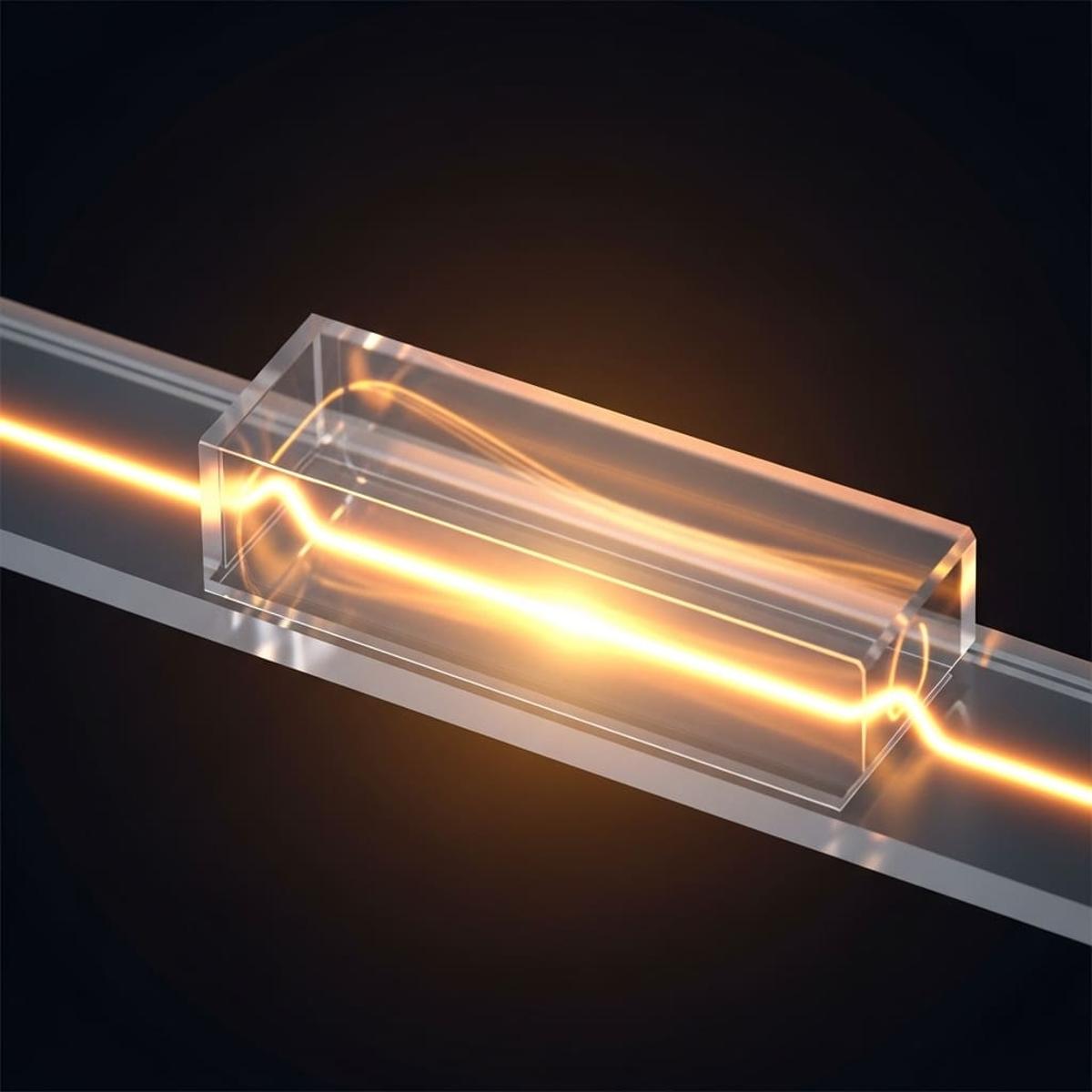
High-Temperature Operation Advances Lithium Niobate Waveguide Power Thresholds
Researchers at Paderborn University demonstrated that an auxiliary 532 nm laser can suppress photorefractive damage in titanium‑in‑diffused periodically‑poled lithium niobate (Ti:PPLN) waveguides. The method restores degraded sum‑frequency generation phase‑matching spectra and reduces pyroelectric distortions both at elevated temperatures and at cryogenic...
D-Wave Announces 2026 Advancements in Annealing & Gate-Model Quantum Computing
D‑Wave Quantum Inc. reported a 314 % surge in usage of its Advantage2 annealing systems and unveiled new hybrid‑solver capabilities that embed machine‑learning models into quantum‑optimization workflows. The company also highlighted progress on its gate‑model roadmap, accelerated by the acquisition of...

D-Wave Secures $10M QCaaS Deal with Fortune 100 Company
D‑Wave Quantum Inc. announced a two‑year, $10 million Quantum Computing as a Service agreement with a Fortune 100 company. The contract will focus on building quantum‑powered applications using D‑Wave’s dual‑platform annealing and gate‑model systems. D‑Wave highlighted its Leap™ cloud service’s 99.9 % availability...
Stabilizer States at Infinite Temperature: No-Go Theorem for Two-Body Hamiltonians
Akihiro Hokkyo and colleagues present a stabilizer‑based method to construct analytically solvable zero‑energy eigenstates of nonintegrable Hamiltonians at infinite temperature. They prove a no‑go theorem showing that stabilizer eigenstates of any two‑body Hamiltonian cannot satisfy microscopic thermal equilibrium for observables...

New Approach to Circuit Design Introduces Next-Level Quantum Computing
Researchers at the University of Osaka have unveiled a nanophotonic circuit that routes six distinct laser wavelengths through integrated waveguides to control trapped‑ion qubits. The design uses innovative bubble‑sort and blockwise‑duplication patterns to split, rearrange, and independently switch beams while...

Reliance Global Group Acquires Stake in Post-Quantum Cybersecurity Firm Enquantum
Reliance Global Group announced a non‑binding term sheet to acquire a controlling interest in post‑quantum cryptography firm Enquantum Ltd. through its new EZRA International subsidiary. Enquantum’s hardware‑accelerated, FPGA‑based solutions promise terabit‑level, quantum‑resistant encryption, addressing performance concerns of software‑only PQC. The...
Holes in Silicon Are Heavier than Expected - Solving a Mystery in Quantum Electronics
Physicists at UNSW Sydney, together with imec and Diraq, proved that holes in silicon travel slower because they have an intrinsically higher effective mass, not because of defects. Record‑high mobilities were measured, reaching 40,000 cm² V⁻¹ s⁻¹ for electrons and 2,000 cm² V⁻¹ s⁻¹ for holes....
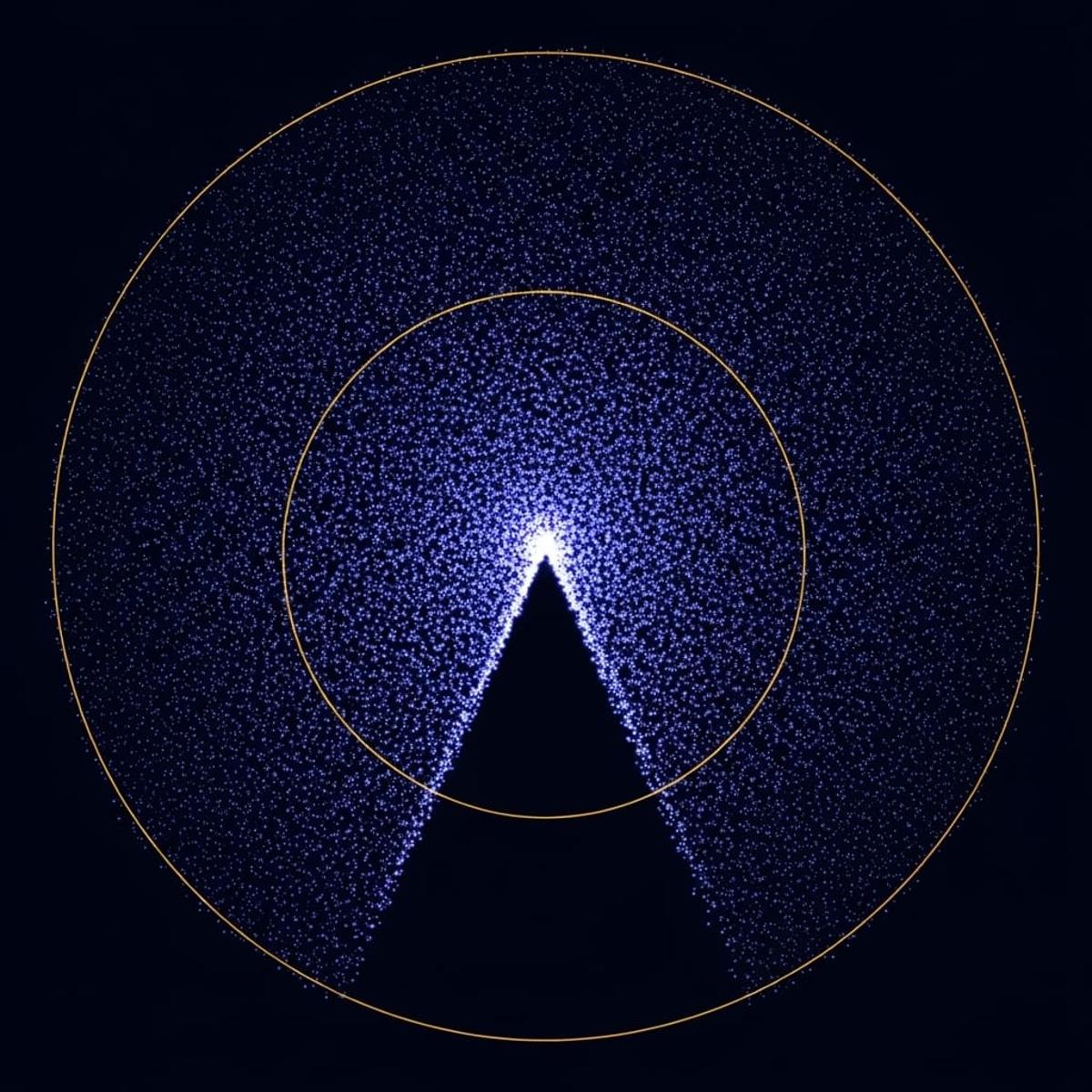
Bootstrap Approximation Achieves High Accuracy for Hermitian One-Matrix Eigenvalue Distributions
Researchers at Hiroshima University introduced a bootstrap approximation for Hermitian one‑matrix models that eliminates the need for positivity constraints. By employing a least‑squares scheme that simultaneously determines the eigenvalue distribution ρ(λ) and its moments wₙ, the approach reproduces exact Euclidean...

Quantum Algorithm Achieves ≤ Ε Decision Error with Circuit Depth
Researchers at North Carolina State University introduced a robust quantum algorithm for binary decision‑making on continuous‑variable displacement signals. By recasting parameter identification as a polynomial approximation, the method achieves error probabilities that shrink with modest circuit depth. The protocol demonstrates...

Sbo-QAOA Achieves Fair Sampling of Degenerate States with Four Variational Parameters
Researchers at Keio University introduced SBO‑QAOA, a temperature‑targeted variant of the Quantum Approximate Optimisation Algorithm that delivers fair sampling of degenerate ground states. By replacing the cost Hamiltonian with an SBO Hamiltonian and linearizing the parameter schedule, the method reduces...

QAOA Achieves 0.9443 Approximation Ratio with Efficient Parameter Transfer Optimisation
Researchers at the University of Delhi introduced a hybrid technique that combines parameter‑transfer initialization with targeted single‑layer regularised optimisation for QAOA. Applied to MaxCut on 3‑regular, Erdős‑Rényi and Barabási‑Albert graphs, the method attains a mean approximation ratio of 0.9443, only...
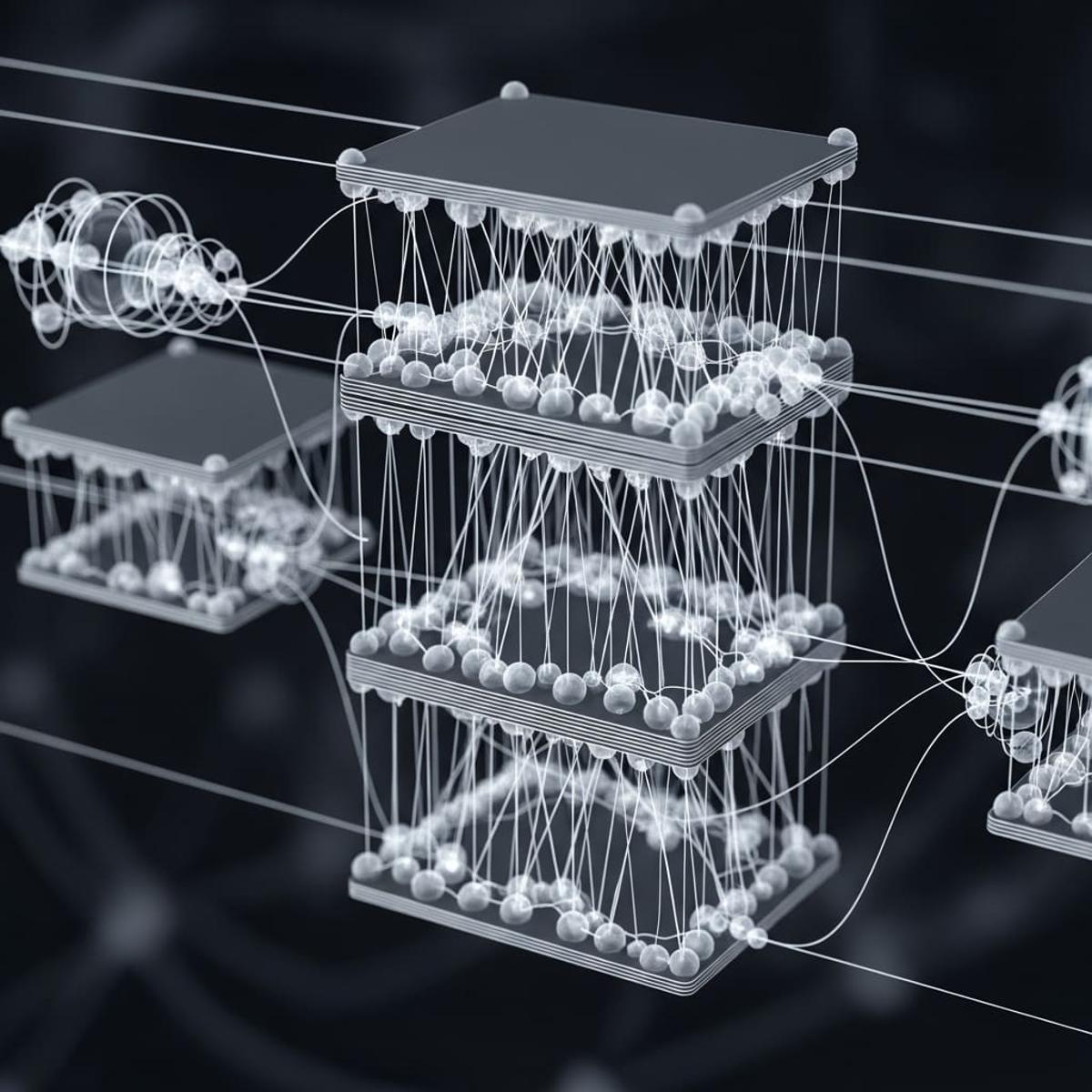
Researchers Factor 551 Using Novel Feedback Quantum Control with 9 Qubits
Researchers at IISER Pune introduced FALQON, a measurement‑based feedback quantum control algorithm that factors integers without pre‑computed drive parameters. They experimentally factored the biprime 551 using a three‑qubit NMR register and demonstrated via simulation that the approach scales to nine...

Film Decoders Achieve 11.1x Faster Quantum Error Correction on IBM Systems
Researchers introduced a calibration‑conditioned FiLM decoder that dramatically speeds quantum error correction on IBM superconducting processors. By separating slow‑changing hardware statistics from fast syndrome decoding, the model achieved up to an 11.1× reduction in logical error rate compared with a...
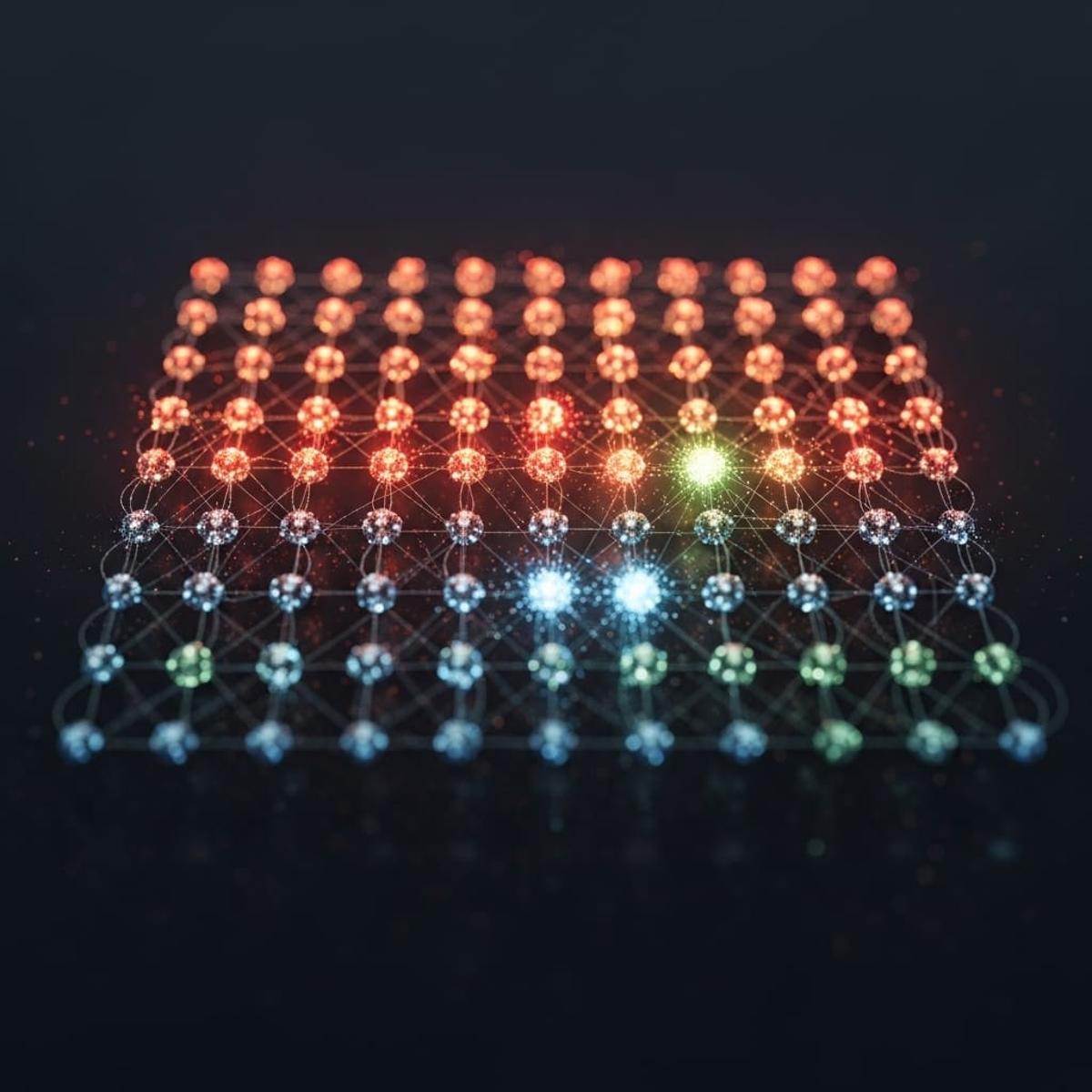
Quantinuum H2-2 Demonstrates Energy-Resolved Transport and 8×7 Lattice Localization
Researchers introduced a wavepacket‑based quantum algorithm that prepares states with tunable energy and dramatically reduced variance, enabling precise energy‑resolved transport studies on NISQ devices. Using Quantinuum’s H2‑2 processor they identified a finite‑size mobility edge in an 8 × 7 Anderson lattice, showing...
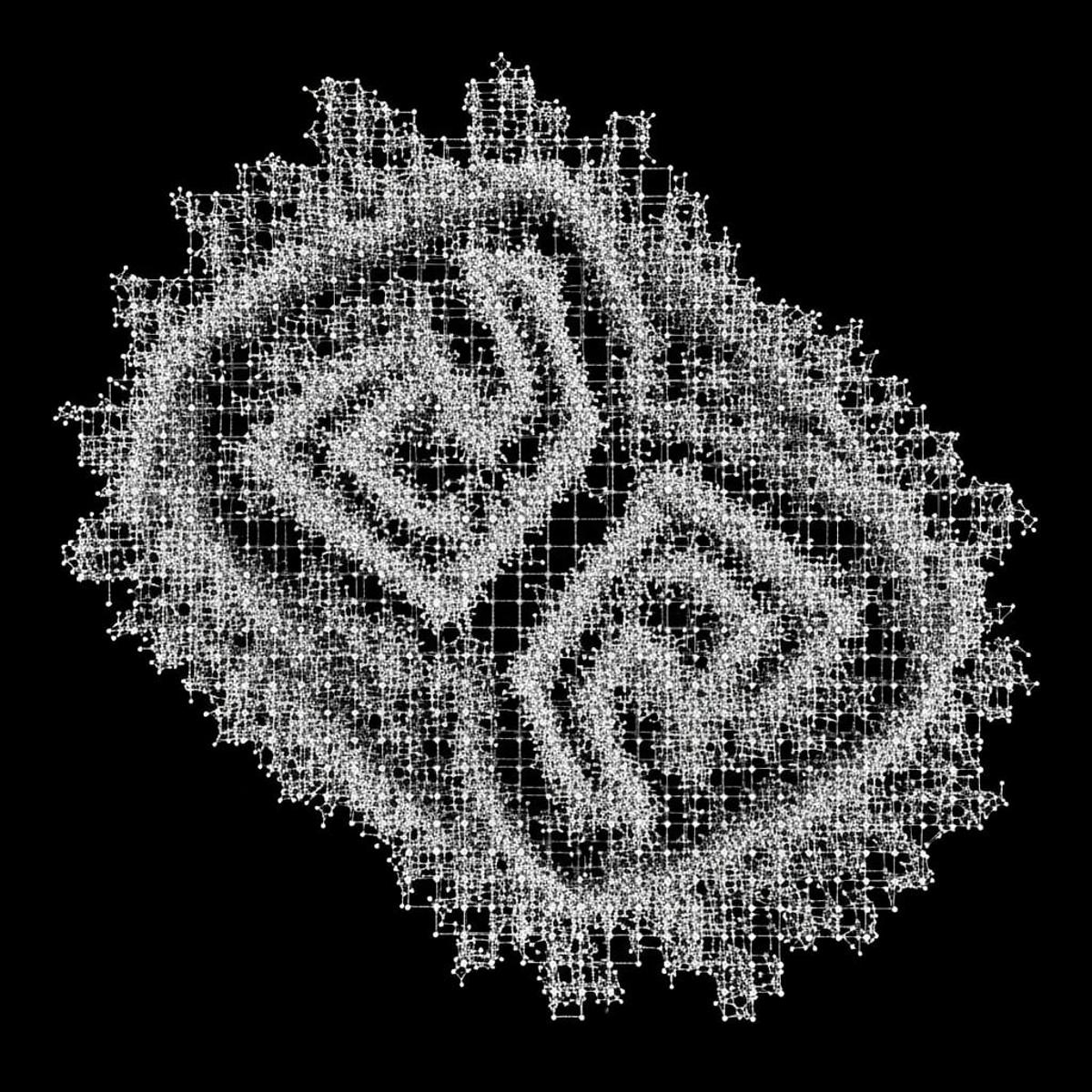
Quantum Dimer Model Achieves Continuous Phase Transition at Critical Value 0
Researchers have presented an exactly solvable topological phase transition in a quantum dimer model on the triangular lattice using a generalized Rokhsar‑Kivelson Hamiltonian. By tuning a single edge weight (α) they locate a continuous transition at α = 3, where the ground...
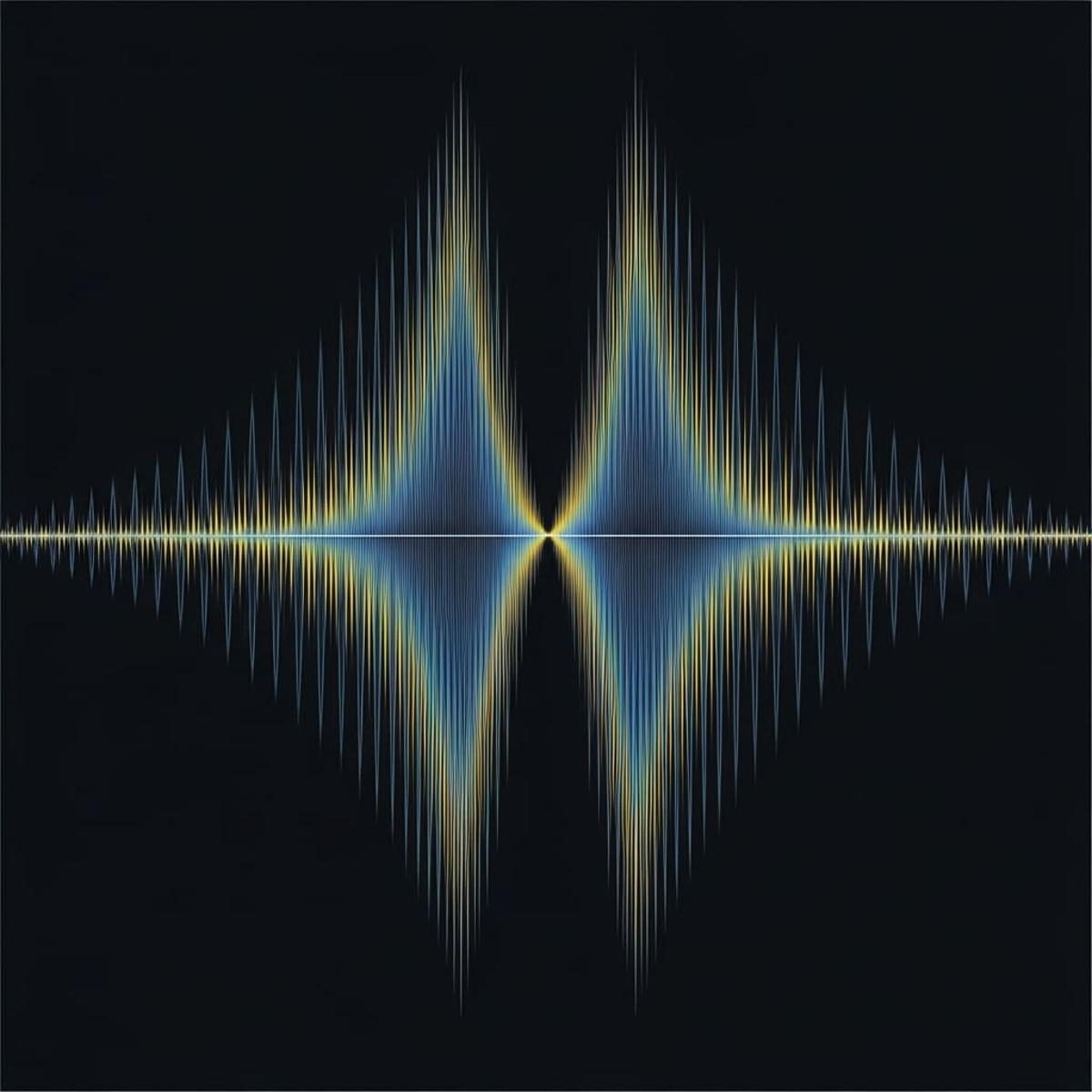
Ramsey Interferometry Quantifies Spectator-Crosstalk in Silicon Carbide S=3/2 Qudits
Researchers at Gwangju Institute of Science and Technology used broadband Ramsey interferometry to quantify spectator‑crosstalk in silicon‑vacancy (SiV) qudits in 4H‑SiC. The technique mapped off‑resonant microwave‑driven transitions, revealing a deterministic six‑branch structure that matches analytic predictions without any frequency fitting....
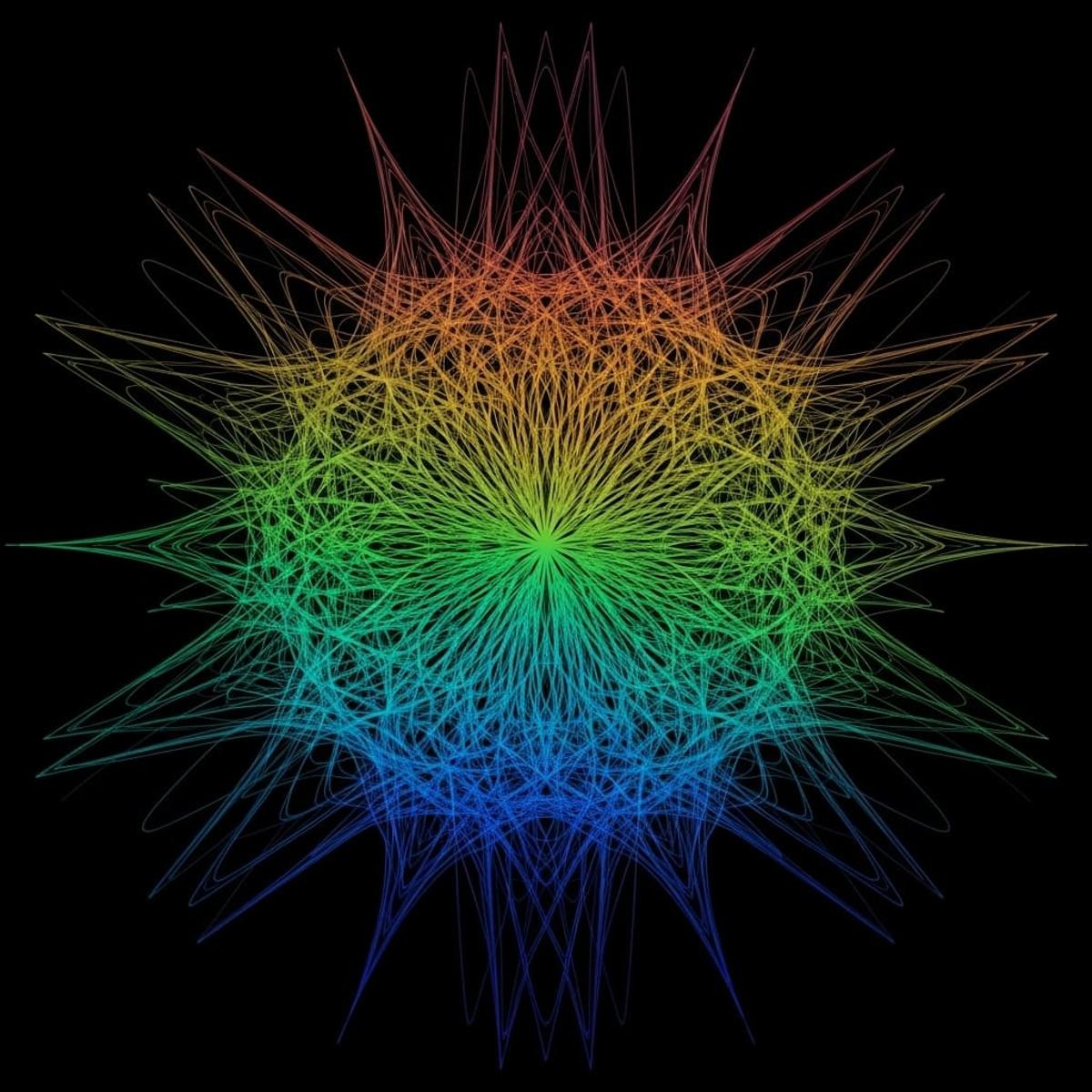
Quantum Walks Achieve Universal Splitting Probability Below Critical Sampling Time of 1
Researchers Singh, Kessler, and Barkai demonstrate that continuous‑time quantum walks observed at intervals shorter than a critical sampling time exhibit a universal splitting probability of 0.5, regardless of initial position. When the sampling interval exceeds this threshold, the splitting probability...
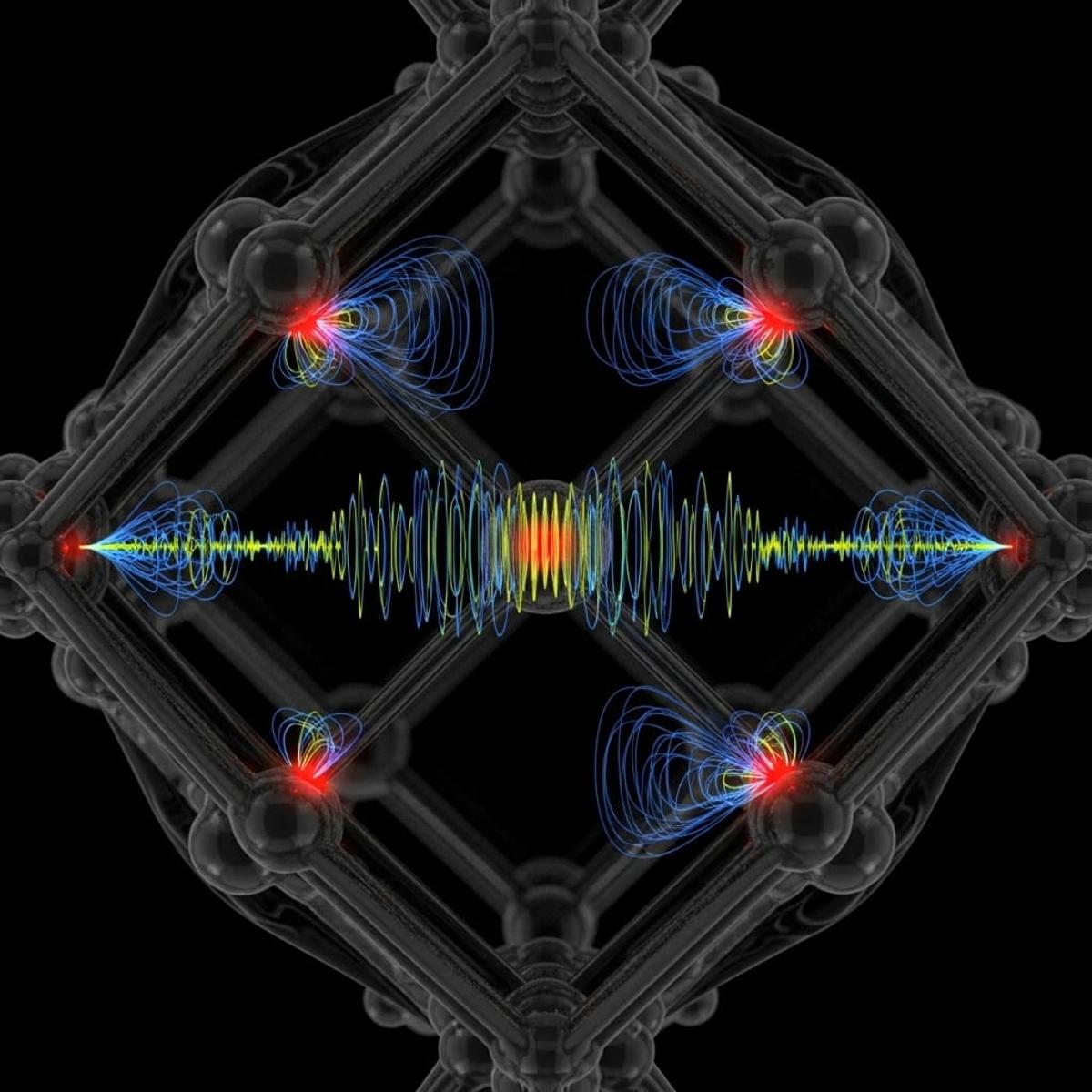
Ultrafast Diamond Sensor Achieves 10-Fs Electric Field Detection
A team from the University of Tsukuba has created an ultrafast diamond nonlinear photonic sensor that uses shallow‑depth nitrogen‑vacancy (NV) centres to image surface electric fields with nanometer‑femtosecond precision. By exploiting the NV‑induced second‑order nonlinear susceptibility, the probe generates a...
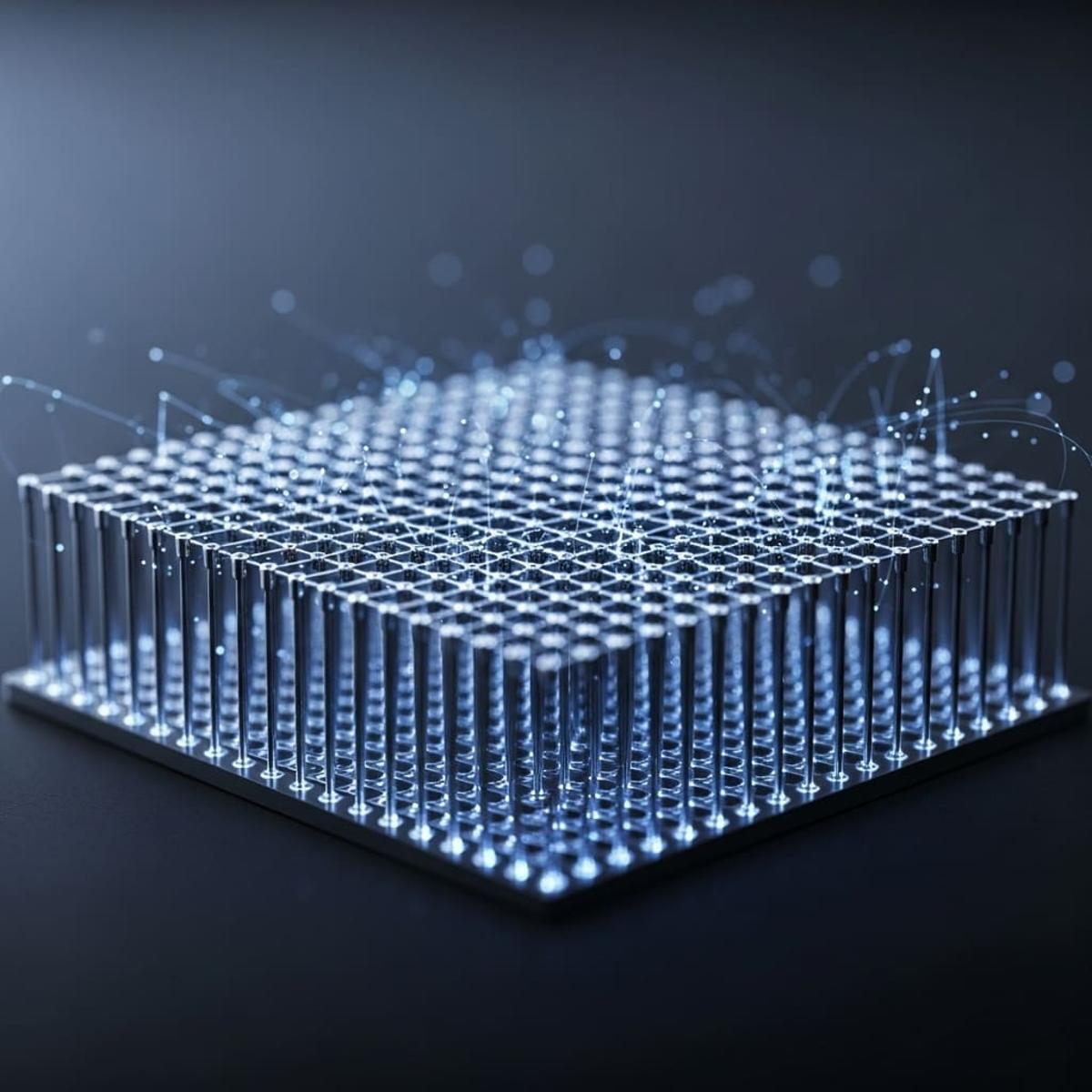
Snspds Achieve Intrinsic Limits with 40% Performance Boost up to 0.1mm
Scientists at NIST and Caltech have demonstrated in‑situ tuning of superconducting nanowire single‑photon detectors from an edge‑limited to a bulk‑limited regime using current‑biased rails. The rail architecture suppresses edge current crowding, cutting dark‑count rates by nine orders of magnitude and...
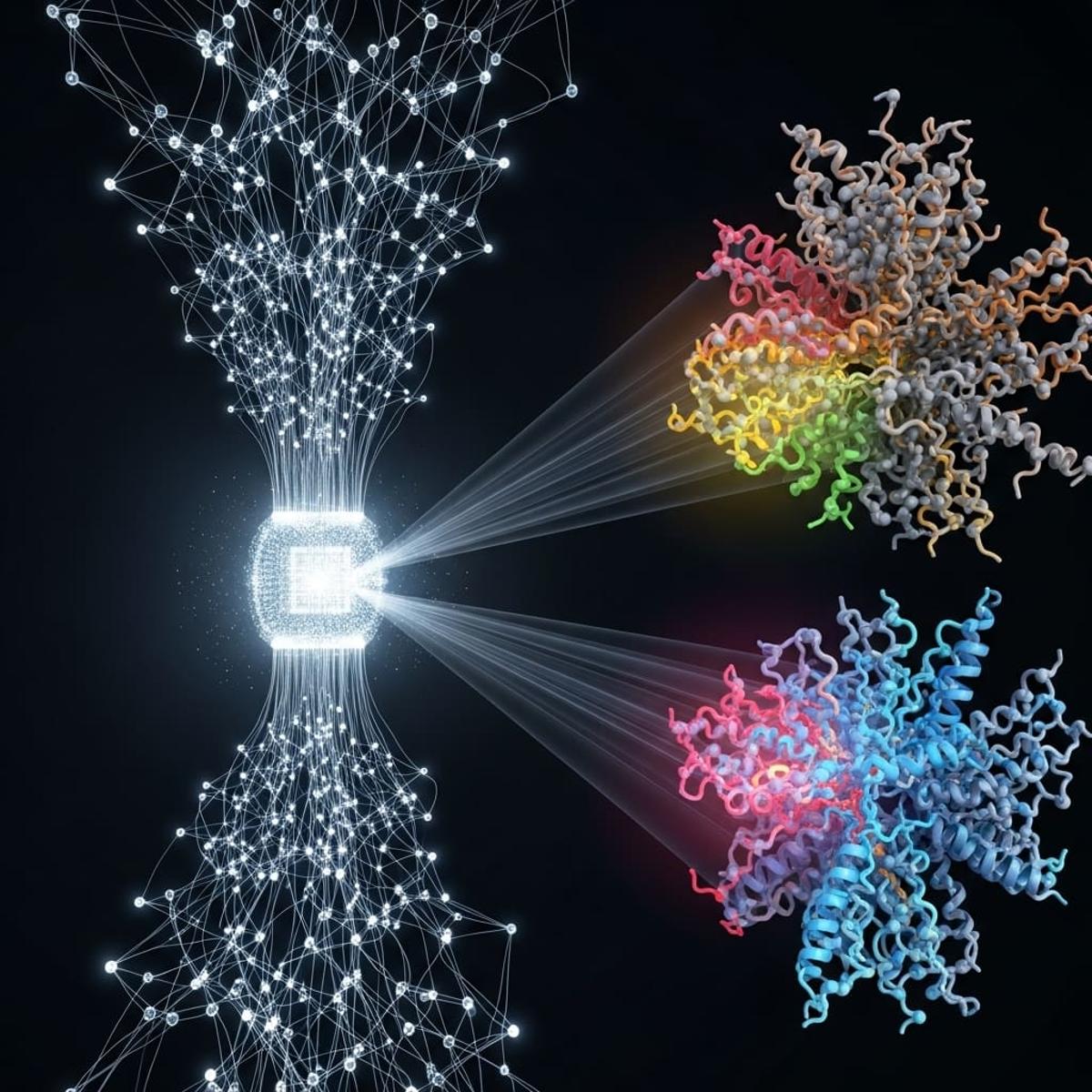
Quantum Projective Learning Achieves Parity with 60 Qubit Experiments for Antibiotics
Researchers evaluated Quantum Projective Learning (QPL) on 60‑qubit IBM processors to predict urinary‑tract infection antibiotic resistance. While QPL did not uniformly beat classical baselines, it matched or exceeded them for nitrofurantoin and specific data splits. A multivariate data‑complexity signature—combining Shannon...
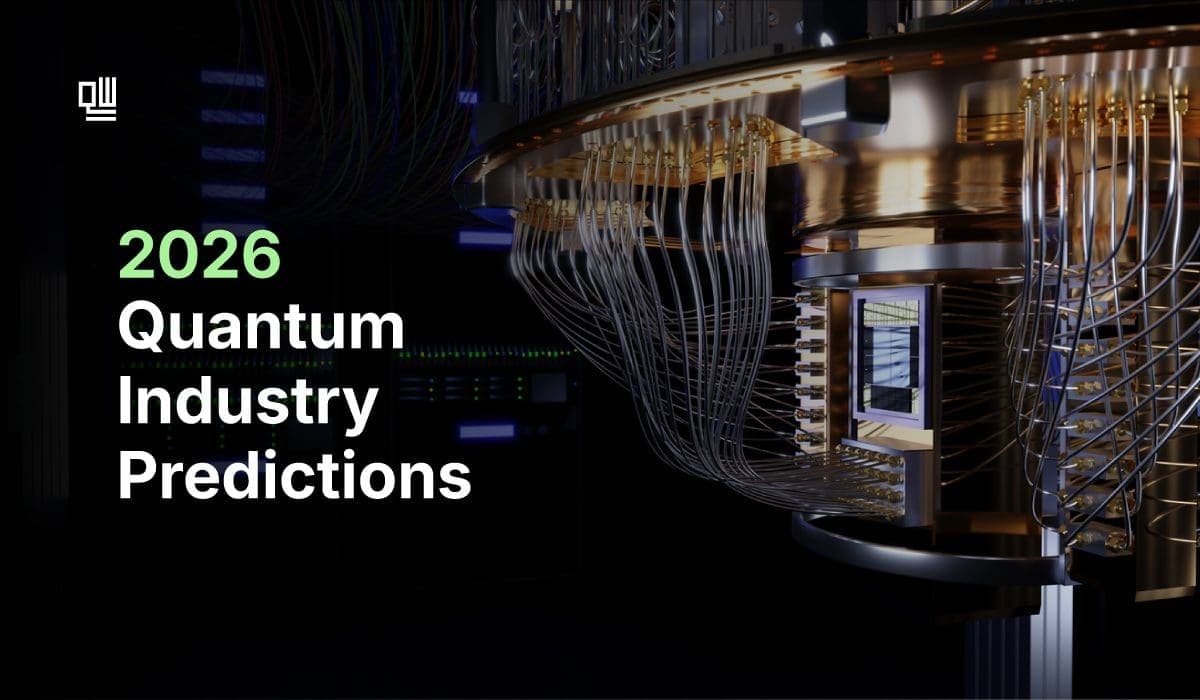
QuantWare’s 2026 Outlook: KiloQubit Era Demands Scalable Manufacturing & Supply Chains
QuantWare announced its industrial‑scale KiloFab fab will open in Q1 2026 to mass‑produce VIO‑40K kiloqubit processors. The move reflects a broader industry shift from single‑chip demonstrations to repeatable, high‑throughput quantum hardware manufacturing. Competitors Fujitsu, IBM and Google also aim to deliver...

01 Quantum Reports Q4 2025 Revenue Growth & PQC Deployments
01 Quantum Inc., rebranded from 01 Communique Laboratory, reported FY 2025 revenue of $767,993—up 86% from the prior year—driven by commercial deployments of post‑quantum cryptography (PQC) solutions such as DoMobile Ver.5. The company raised $3.78 million in equity financing and continues to...

IQM Surpasses Competitors in On-Premises Quantum Computer Sales
IQM Quantum Computers announced Jan Goetz as sole CEO, ending its co‑CEO structure, and promoted Søren Hein to COO and Deputy CEO. The Finnish firm reported that it sold and shipped more on‑premises quantum computers than any rival last year, cementing its...
Advances Quantum Measurement of Time with High-Dimensional Superpositions
Researchers at Heriot‑Watt University have demonstrated a programmable quantum measurement of time using a single 40‑m multi‑mode fibre. By shaping spatial modes with a digital micromirror device, they created a common‑path interferometer capable of measuring time‑bin superpositions up to 11...
Nb Cl Demonstrates F > 1 Frustration and Potential Quantum Spin Liquid Behaviour
Researchers at the University of Washington have shown that the two‑dimensional material NbCl exhibits short‑range antiferromagnetic correlations and strong magnetic frustration, hallmarks of a quantum spin‑liquid candidate. Using ab initio density‑functional calculations with Hubbard‑U and spin‑orbit coupling, they mapped anisotropic exchange...

Researchers Achieve STVP Angular Momentum Quantification Using a 1-Loop Particle Model
Researchers introduced a one‑loop particle model that quantifies the orbital angular momentum of spatiotemporal vortex pulses (STVPs). The model bridges ray‑optics intuition with wave‑optics rigor, showing that the choice of coordinate origin critically affects transverse OAM calculations. Numerical and analytical...

High-Resolution EPR Achieves 210 Ppb Resonance Width with 396GHz Excitation
Scientists at the University of Warwick have unveiled a high‑field electron paramagnetic resonance (EPR) spectrometer operating at 14 tesla with 396 GHz excitation that delivers a record‑low resonance linewidth of 210 parts‑per‑billion. By integrating in‑situ liquid‑state NMR calibration, the instrument achieves g‑factor precision...
Light Propagation Breakdown at High Density Limits Transfer-Matrix Method Accuracy
Researchers led by Igor M. Sokolov and William Guerin compared the transfer‑matrix method to a precise coupled‑dipole model for light propagation in stratified atomic media. They found the transfer‑matrix approach remains accurate at low atomic densities but breaks down once densities exceed roughly...
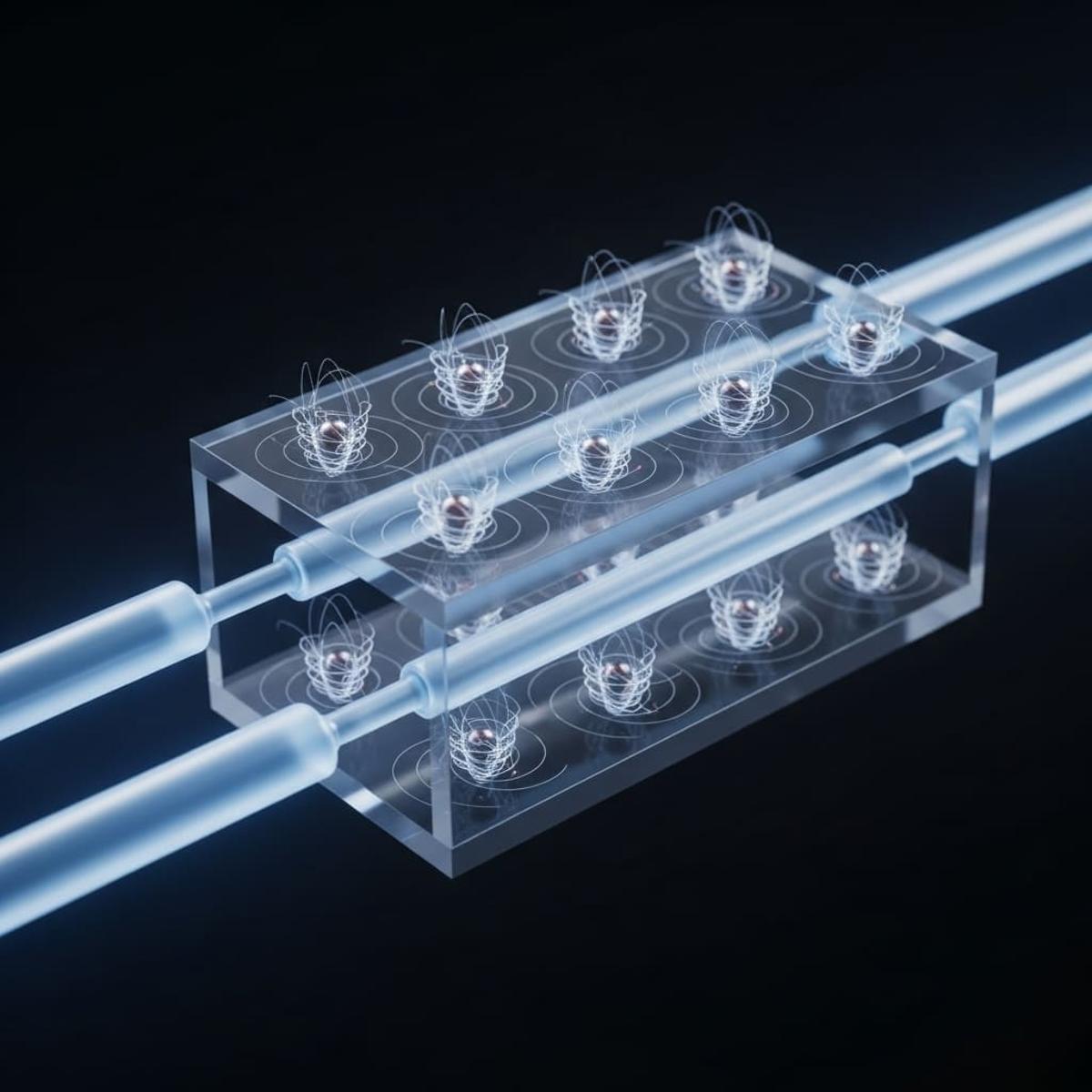
Researchers Achieve Polarity-Tunable Josephson Diode Effect with 3DTI Vortex Control
Researchers demonstrated a vortex‑parity‑controlled Josephson diode effect in a Corbino‑geometry junction built from the bulk‑insulating 3D topological insulator Bi₁.₁Sb₀.₉Te₂S. The diode polarity flips each time the number of trapped vortices changes between even and odd, a behavior absent in non‑topological...
First-Order PB1 Approximation Accurately Models Floquet Sidebands in Quantum Materials
A new arXiv study compares first‑order perturbative Born (PB1) and time‑dependent nonequilibrium Green’s function (tdNEGF) methods for modelling Floquet sidebands in periodically driven quantum materials, using a Dirac‑system model of graphene. The authors derive an analytical PB1 expression that reproduces...

Coinbase Establishes Quantum Computing Advisory Board with Stanford & UT Austin Experts
Coinbase announced the creation of an Independent Advisory Board on Quantum Computing and Blockchain, staffed by leading researchers from Stanford University and the University of Texas at Austin, including Scott Aaronson and Dan Boneh. The board will develop position papers...

Carahsoft Expands Quantum-Resilient Cybersecurity Offerings with Cyber Intell
Carahsoft Technology Corp. has signed a Master Government Aggregator partnership with Cyber Intell Solution to distribute the patented CISEN‑SDN‑PQC quantum‑resistant platform to U.S. federal, state and local agencies. The collaboration leverages the ITES‑SW2 contract (W52P1J‑20‑D‑0042) and additional procurement vehicles to...

Technology Innovation Institute Launches Abu Dhabi Centre for Frontier Technologies with WEF
The Technology Innovation Institute (TII) announced a partnership with the World Economic Forum (WEF) to launch the Abu Dhabi Centre for Frontier Technologies, unveiled at Davos 2026. The Centre will join WEF’s Centre for the Fourth Industrial Revolution (C4IR) Global...

Pawsey & AIST Launch 4-Year Quantum-Supercomputing Collaboration
Australia’s Pawsey Supercomputing Research Centre and Japan’s AIST have launched a four‑year collaboration, formalised through AIST’s Global Research and Development Center for Business by Quantum‑AI technology (G‑QuAT), to integrate quantum computers with high‑performance supercomputers. The partnership, running until March 4 2027, aligns...

Resolvent Operator Approach Achieves Long-Lived Bound States in 2D Quantum Baths
Researchers applied a resolvent‑operator framework to giant quantum emitters embedded in a two‑dimensional photonic lattice, deriving fully analytical expressions for their collective dynamics. By arranging emitters in square‑ or diamond‑like configurations, they demonstrated the emergence of long‑lived bound states and...

GBAC Launches Quantum Strategic Intelligence Standard at World Economic Forum
Global Board Advisors Corp and BoardroomEducation.com introduced the Quantum Strategic Intelligence (QSI) framework at the World Economic Forum in Davos, positioning it as an open Sovereignty Standard for quantum‑computing and agentic‑AI risks. QSI extends existing ERM models such as COSO,...

Entanglement Scaling Demonstrates Area-To-Volume Law Transition in Sauter-Schwinger Effect
The study presents the first detailed numerical analysis of entanglement entropy in the Sauter‑Schwinger effect, revealing a transition from area‑law behavior in weak electric fields to volume‑law scaling in strong‑field regimes. By employing a cylindrical mode basis and Gaussian‑state formalism,...
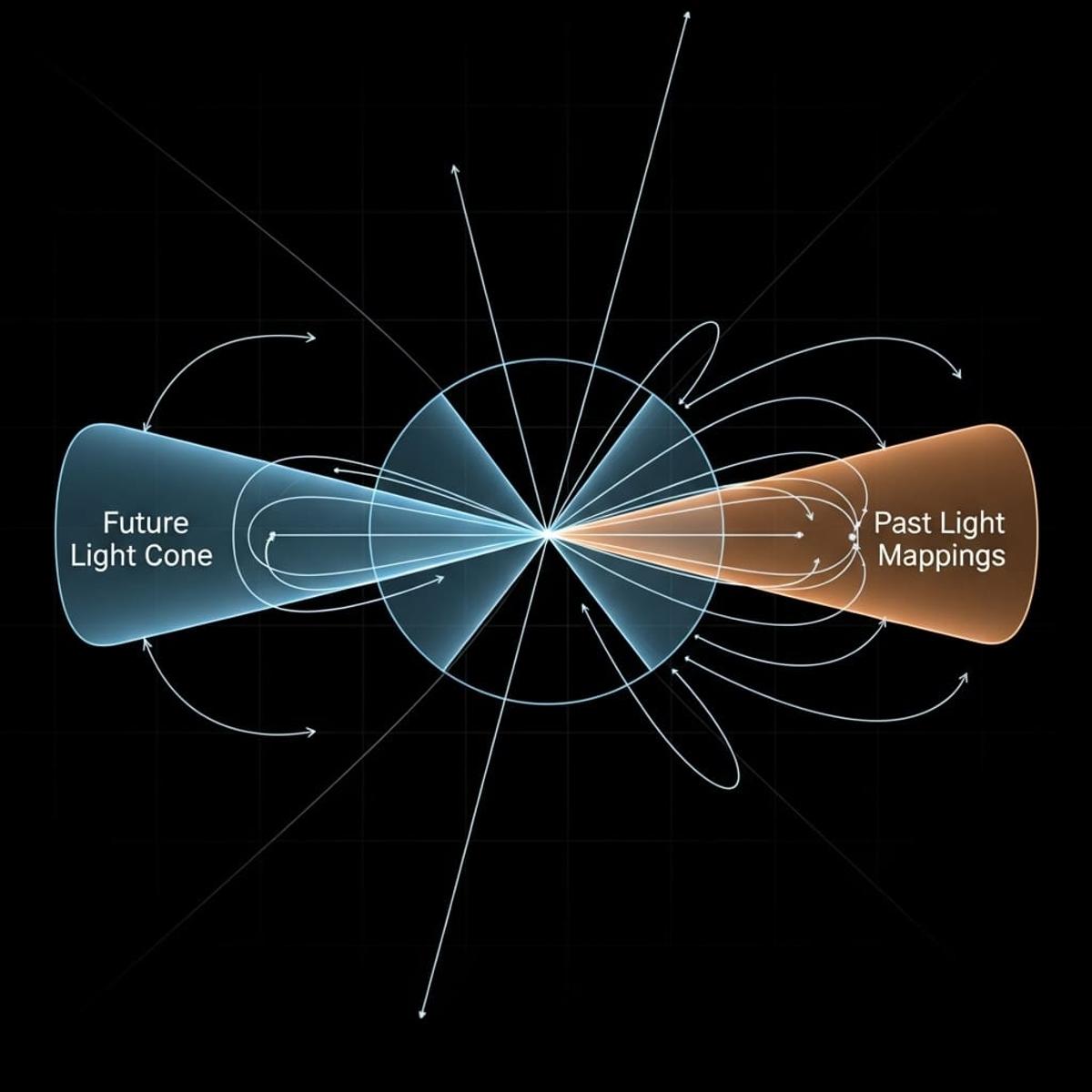
Superluminal Transformations and Finite Limits Incompatible, New No-Go Theorem Achieves Proof
Researchers led by Amrapali Sen and Flavio Del Santo have proved a new no‑go theorem showing that finite, bounded superluminal transformations cannot coexist with fundamental physical assumptions. The theorem demonstrates that any apparent indeterminacy in superluminal frameworks is epistemic, not...