
Mixing Established on Schreier Graphs, Demonstrating Ergodicity for Infinite Cayley Graphs
A team led by El‑Charles Bordenave, Cyril Letrouit and Mostafa Sabri has proved quantum mixing on large Schreier graphs that converge to infinite Cayley graphs. The proof hinges on the limiting Cayley graph having an absolutely continuous spectrum, eliminating the need for a spectral gap. Their method applies to free products, right‑angled Coxeter groups and any orthonormal basis, extending quantum ergodicity beyond trees and periodic lattices. The work connects spectral delocalisation with spatial delocalisation of eigenvectors, offering a new toolkit for studying quantum chaos on complex networks.

Quantum Computing Achieves Database Optimisation with Sub-5 Second Runtime Performance
Researchers at USC introduced Q2O, a quantum‑augmented query optimiser that embeds quantum annealing into PostgreSQL’s planning phase. By encoding join‑order problems as a nonlinear model solvable by low‑latency NL‑Solver hardware, Q2O delivers real‑time optimisation with sub‑5‑second runtimes. Experiments on the...
Inverse Quantum Simulation Achieves Quantum Material Design with Desired Properties
Researchers introduced an inverse quantum simulation (IQS) framework that flips traditional quantum‑material studies by starting with desired properties and working backward to a Hamiltonian. The method encodes target characteristics in a cost function, minimizes it on programmable quantum hardware, and...
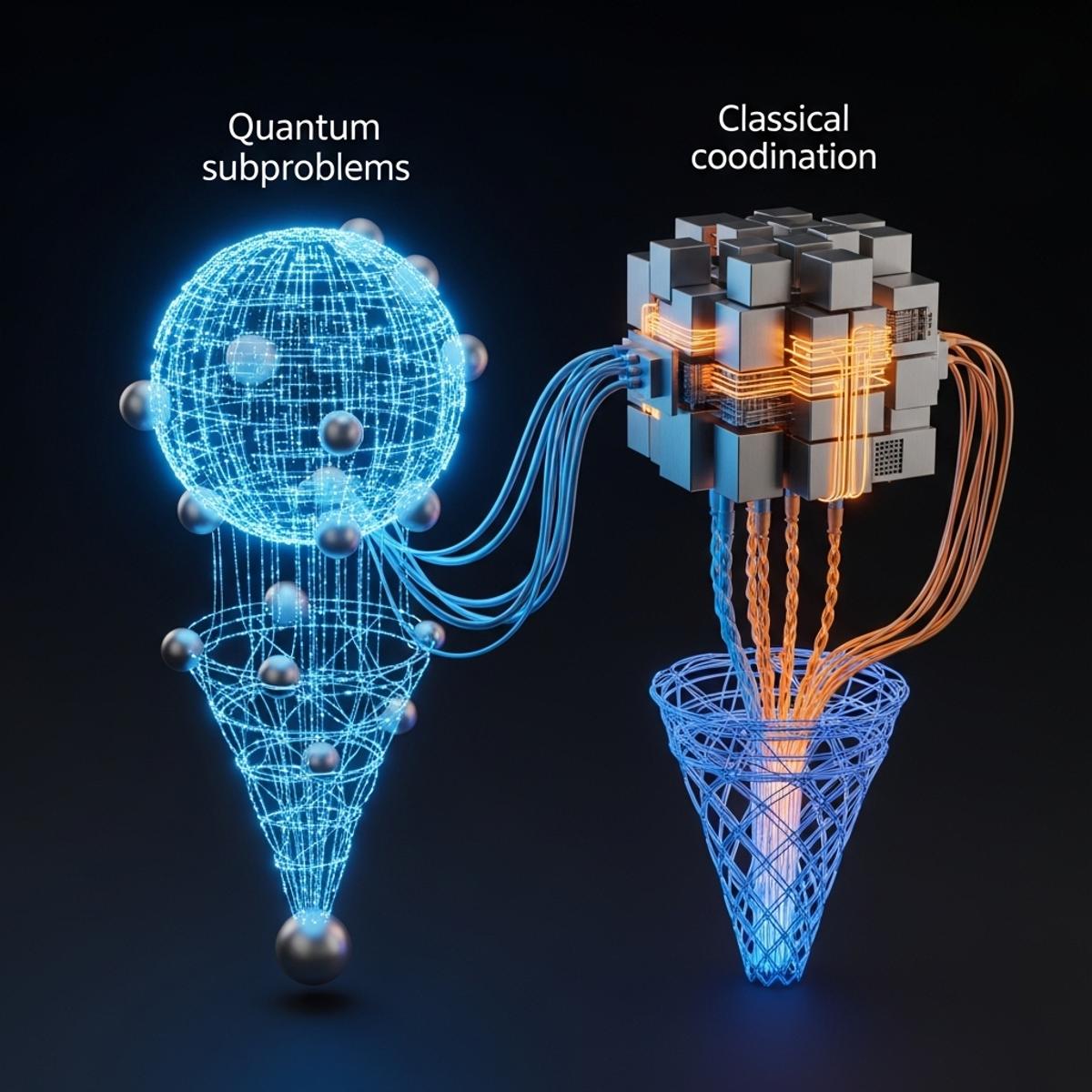
Hybrid Quantum-Classical Benders Approach Achieves Faster MILP Optimisation
Researchers have introduced a hybrid quantum‑classical Benders decomposition algorithm that reformulates the MILP master problem as a QUBO solved on a D‑Wave quantum annealer while handling subproblems classically. The approach incorporates novel embedding techniques, conservative cut‑constraint handling, and a refined...

Quantum Kernel Machine Learning Achieves Materials Discovery with Less Data
Researchers applied quantum‑kernel machine learning to autonomous materials discovery, using X‑ray diffraction patterns from a Fe‑Ga‑Pd alloy library on IonQ’s Aria trapped‑ion quantum computer. By integrating Gaussian‑process‑based active learning, the quantum model navigated the compositional phase space with far fewer...
Researchers Achieve Efficient Local Classification of Parity-Based Material Topology
Researchers Wong, Yamazaki, Siefert and collaborators introduced a numerically efficient real‑space framework for classifying topological phases of aperiodic materials. The approach combines spectral localizers with direct Pfaffian sign computation, delivering a local, energy‑resolved \(\mathbb{Z}_2\) invariant without requiring translational symmetry, bulk...
Electrons Meet Ferroelastic Walls in Strontium Titanate, Advancing Oxide Electronics
Researchers have shown that ferroelastic domain walls in strontium titanate (SrTiO₃) are active participants in electron transport, exhibiting emergent polar order, glass‑like relaxations and memory effects. Using resonant piezospectroscopy, electric‑field‑dependent optical imaging, scanning SQUID and single‑electron‑transistor microscopy, they visualized wall...
Floquet Engineering Achieves Non-Abelian Phases in Driven Quantum Wire Qubits
Researchers theoretically demonstrated that a spin qubit in a parabolic quantum wire, driven by a bichromatic field, exhibits a confinement‑tunable synthetic gauge field leading to Floquet topological phenomena. Varying the confinement strength triggers a topological Landau‑Zener transition, changing interference patterns...

Generative Adversarial Networks Achieve 98% Fidelity Resource State Generation
Researchers at IIIT Hyderabad and TATA Consultancy Services introduced a physics‑informed Generative Adversarial Network (GAN) that treats quantum resource‑state creation as an inverse‑design problem. By enforcing Hermiticity, trace‑one, and positivity during training, the GAN reliably reproduces Werner‑like and Bell‑diagonal states...
Alphasyndrome Achieves 80.6% Logical Error Rate Reduction with Novel Scheduling
Researchers introduced AlphaSyndrome, an automated framework that optimizes syndrome‑measurement scheduling for general commuting‑stabiliser quantum error‑correction codes. By leveraging Monte Carlo Tree Search and decoder feedback, the system reshapes error‑propagation pathways, achieving an average logical‑error‑rate reduction of 80.6% and up to 96.2%...
Su(2) Representation Theory Achieves 3-Dimensional Constraints in Graph Quantum Systems
A new study shows that graph‑based quantum systems lacking intrinsic geometry must encode directional information using qubits (ℂ²). By applying SU(2) representation theory, the authors prove that this minimal encoding forces a three‑dimensional Euclidean space via the Bloch sphere. The...
Using Magnetic Frustration to Probe New Quantum Possibilities
UC Santa Barbara researchers led by Stephen Wilson have shown that magnetic and bond frustration can coexist in a triangular‑lattice antiferromagnet, creating a dual‑frustrated system. By embedding lanthanide moments in a crystal that also hosts strained dimer bonds, they demonstrated that tiny...
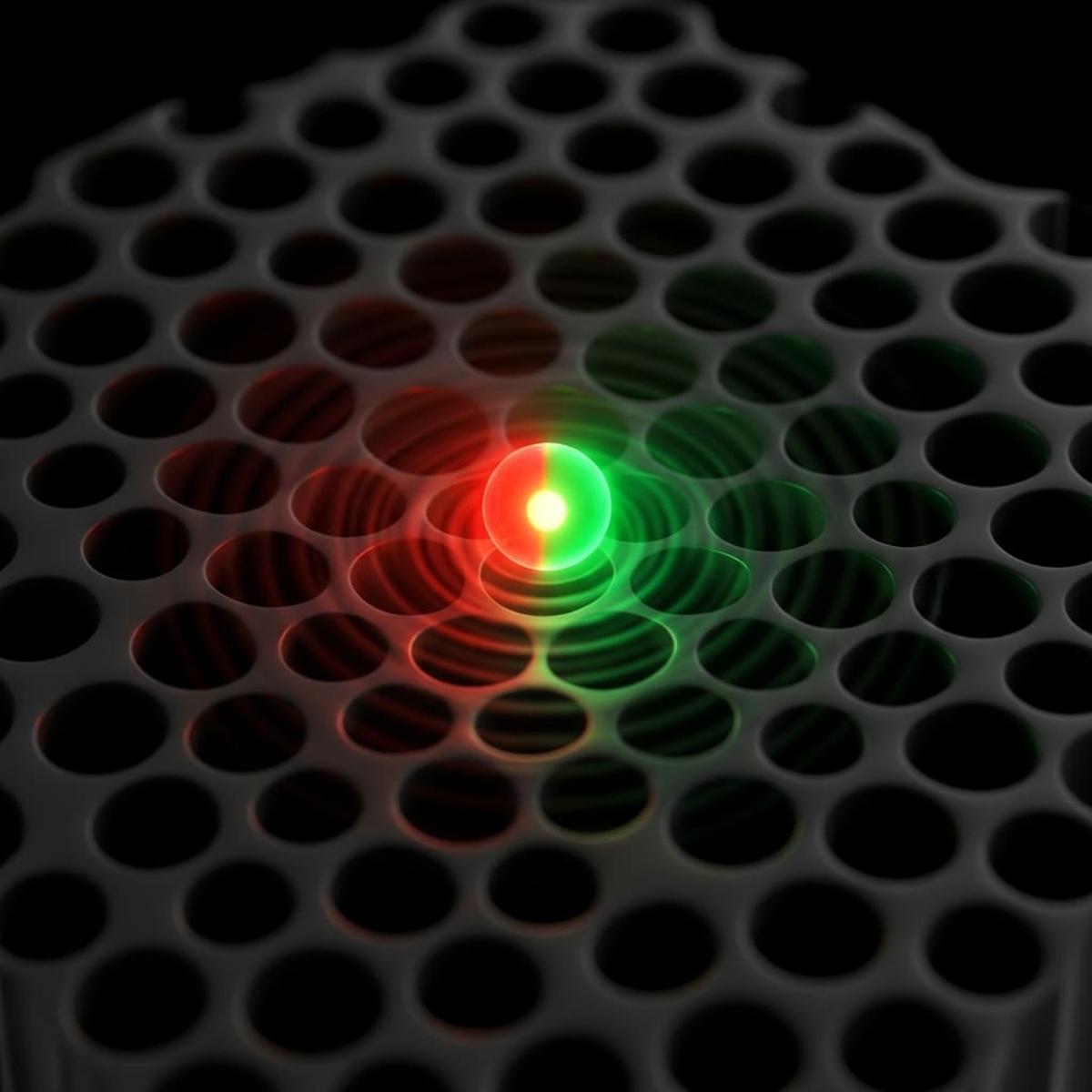
Quantum Dots Achieve 0.7 Energy Shifts Via Phononic Crystal Waveguide Coupling
Researchers from Wrocław University of Science and Technology and the University of Münster have theoretically demonstrated strong coupling between quantum dots and gigahertz phononic crystal waveguides, achieving energy shifts up to 0.7 meV. By combining k·p and configuration‑interaction modeling, they show...
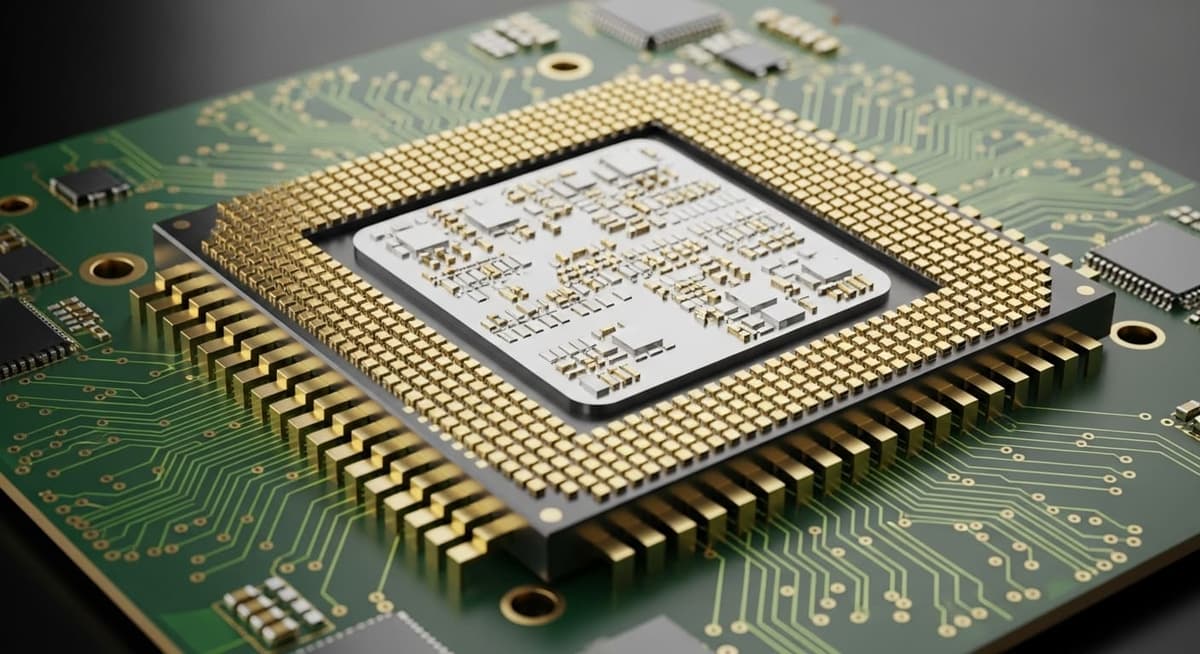
Gputb-2 Achieves Higher Accuracy for Electronic Structure Calculations with N^3 Scaling
Researchers from Nanjing and Bohai Universities introduced GPUTB‑2, an E(3)-equivariant neural network that learns orthogonal Hamiltonians without the O(N³) orthogonalization bottleneck of traditional LCAO methods. The model, built with only 0.35 million parameters, reduces mean absolute error on the DeePTB benchmark...

Advances Post-Quantum PKI: Defining Requirements for Secure X.509 Certificate Transition
The paper outlines a roadmap for transitioning X.509 PKI to post‑quantum cryptography, detailing required changes to certificates, CRLs, and OCSP. It evaluates leading PQ algorithm families—lattice, code, hash, multivariate, and isogeny—against NIST security levels, highlighting Kyber, Dilithium, Falcon, and SPHINCS+...
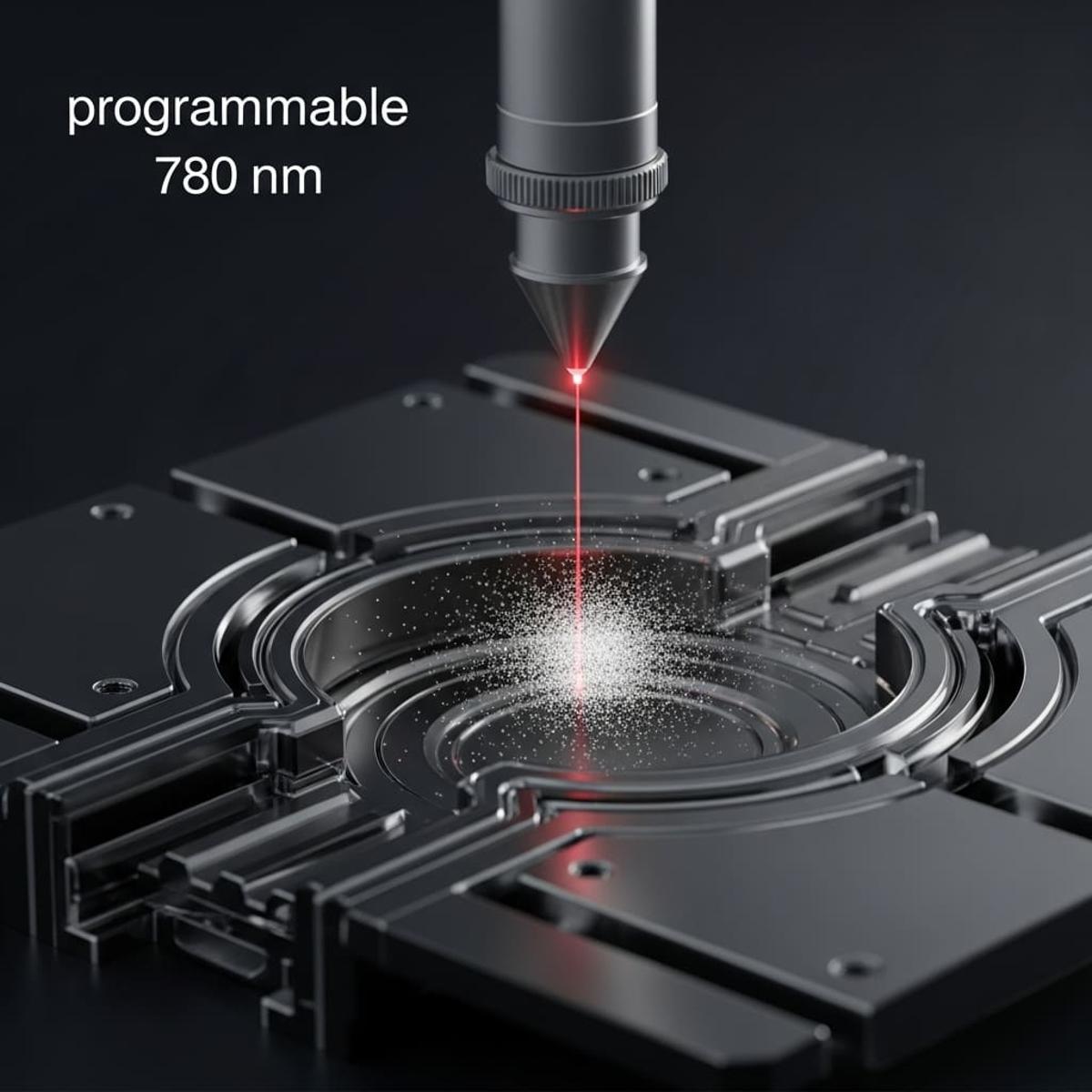
Sub-Doppler Cooling Achieved with Programmable 780-Nm Laser and PZT-on-SiN Resonator
The research team demonstrated a programmable 780‑nm laser locked to a photonic‑integrated PZT‑on‑SiN resonator, achieving up to 1 GHz V⁻¹ tuning strength and 11 MHz modulation bandwidth while consuming only ~10 nW. Using this source, they performed rubidium‑87 spectroscopy and realized sub‑Doppler cooling to...
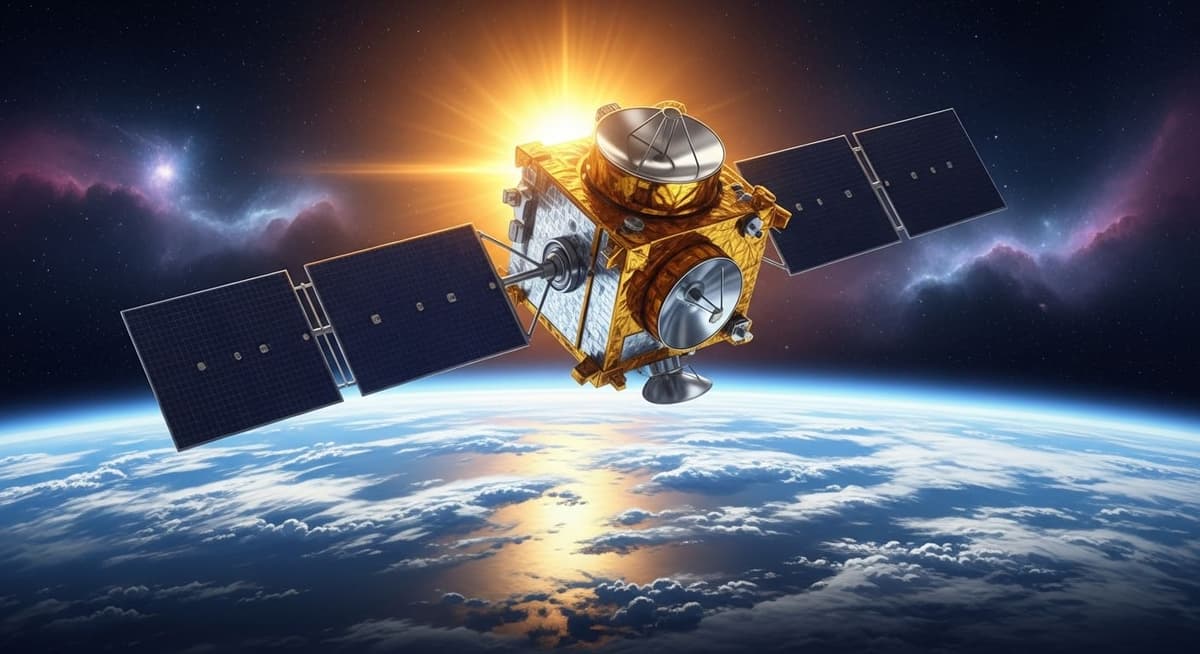
WISeKey Unveils Space-Based Quantum-Resistant Crypto Transactions at Davos 2026
WISeKey International unveiled SEALCOIN, a space‑based, quantum‑resistant crypto platform, at Davos 2026. The system uses the WISeSat low‑Earth‑orbit constellation to generate cryptographic signatures directly onboard satellites, extending blockchain transactions beyond terrestrial networks. Its native QAIT token will fuel machine‑to‑machine value exchange,...
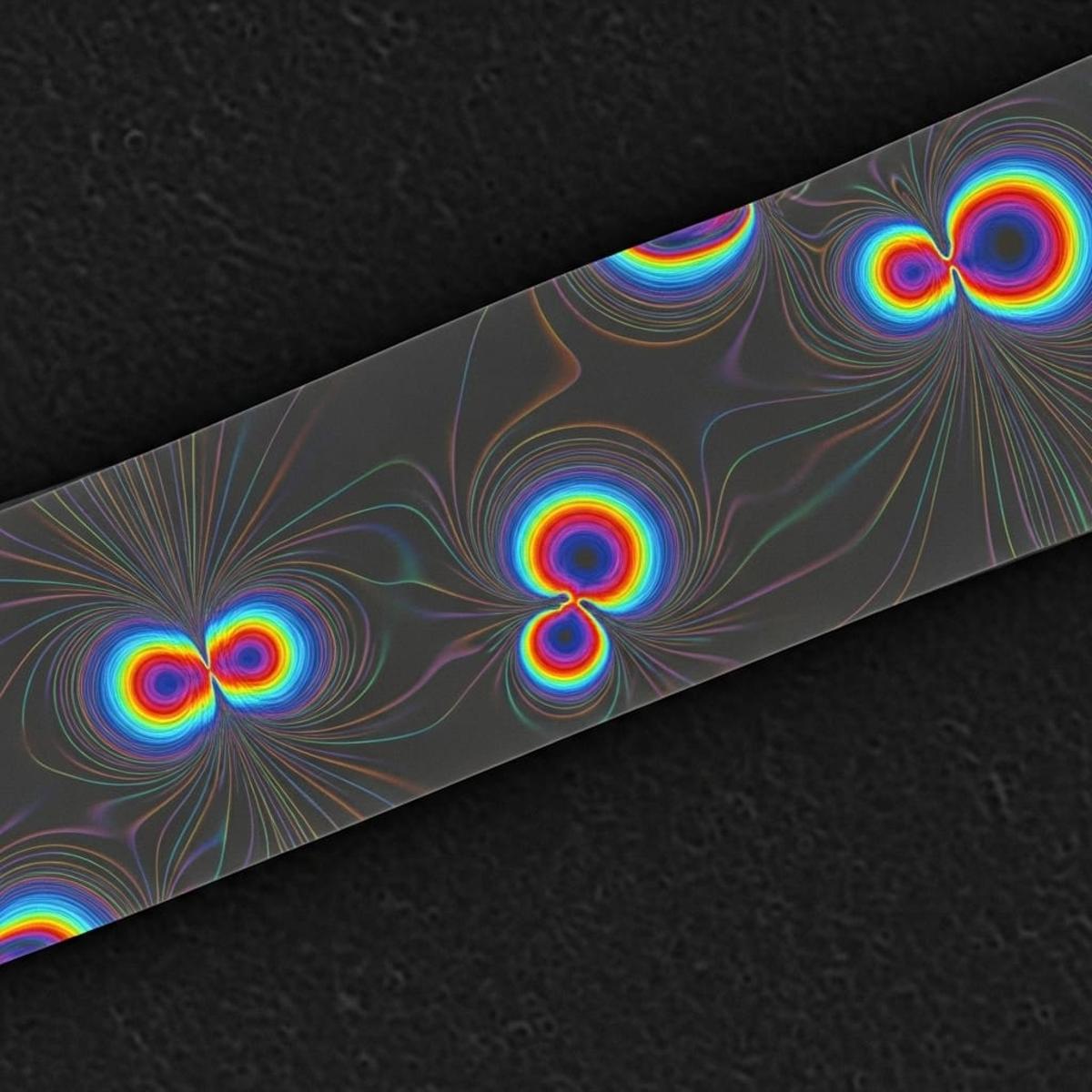
Room-Temperature Microscopy Achieves Spatially-Resolved Coherence in Molecular Spin Thin-Films
Researchers at UNSW Sydney have demonstrated room‑temperature, optically detected coherent control of organic molecular spins combined with microscopy to map spatial coherence in pentacene‑doped p‑terphenyl thin‑films and crystals. The study reveals that thin‑films exhibit up to 7.6 % variability in magnetic‑field...
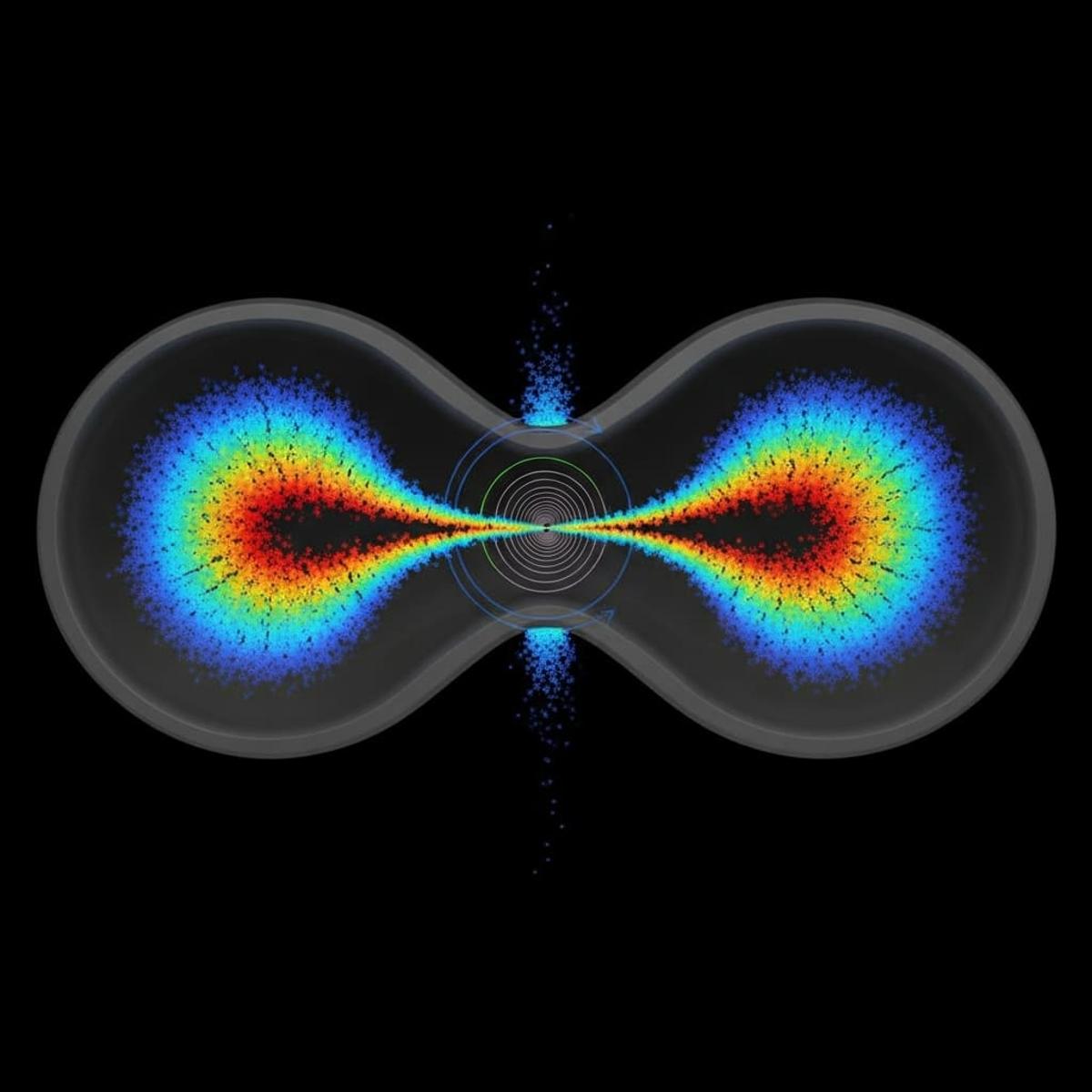
Bosonic Josephson Junctions Infer Rotation Frequency Via Modified Tunneling Dynamics
Researchers propose using a bosonic Josephson junction—ultracold atoms in a double‑well potential—as a quantum rotation sensor. Theoretical mean‑field and many‑body calculations show that rotation dramatically alters tunnelling period, momentum and angular‑momentum dynamics, enabling extraction of rotation frequency, radial displacement and...
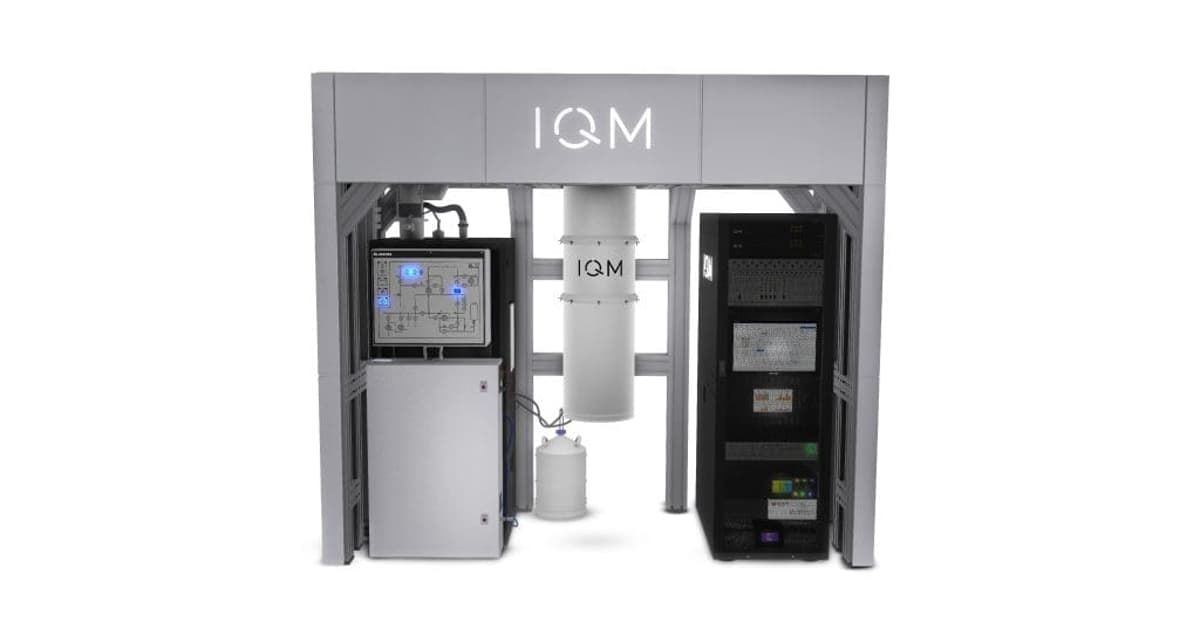
Heilbronn University Integrates 5-Qubit IQM Quantum Computer for Research & Education
Heilbronn University of Applied Sciences will install a 5‑qubit IQM Spark quantum computer, with commissioning slated for 2026. The system, delivered and supported by Bechtle, will be embedded in the university’s TechCampus laboratory and linked to existing IT infrastructure. Open...
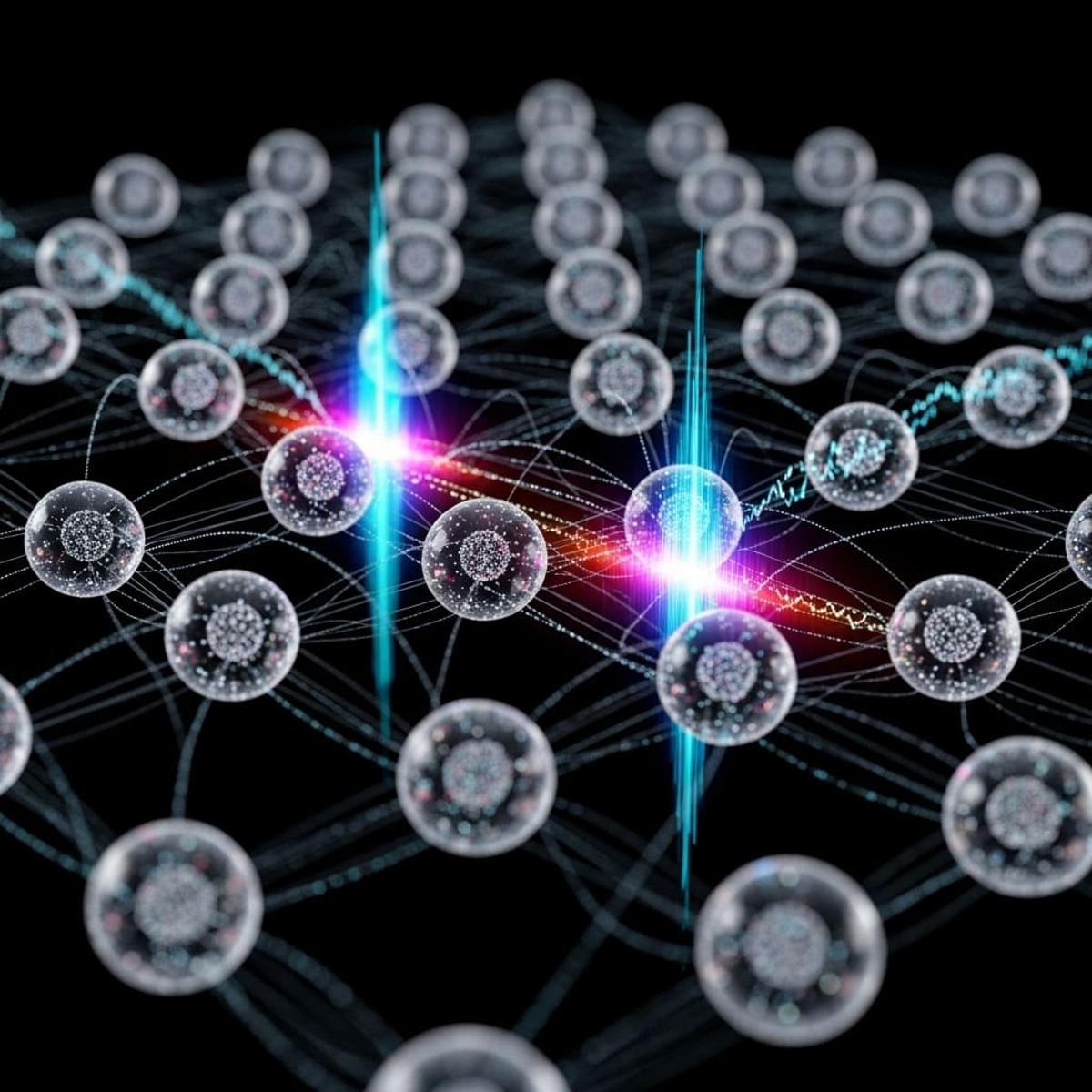
Information Transport Achieves Scale-Resolved Entanglement in Open Fermion Chains
Researchers introduced an "information lattice" framework to study information and entanglement transport in open, non‑interacting fermion chains governed by Lindblad master equations. By exploiting Gaussian state dynamics, they linked information currents to experimentally accessible noise and particle‑current measurements. The study...

Resonance Dynamics’ SRD/CRU System Stabilizes Quantum Entanglement Geometry
Resonance Dynamics announced its patent‑pending SRD/CRU System, a hardware‑agnostic structural‑layer solution that enhances coherence stability on existing quantum processors. The technology stabilizes quantum states and reinforces the geometry that supports entanglement without modifying qubit materials or chip architecture. By integrating...

DV Chain Launches QRL OTC Trading for Qualified Global Investors
DV Chain announced the launch of an over‑the‑counter (OTC) desk for the Quantum Resistant Ledger (QRL) token, targeting qualified global investors, including those in the United States. The service offers discreet, high‑volume trading with minimum size requirements, though exact thresholds...
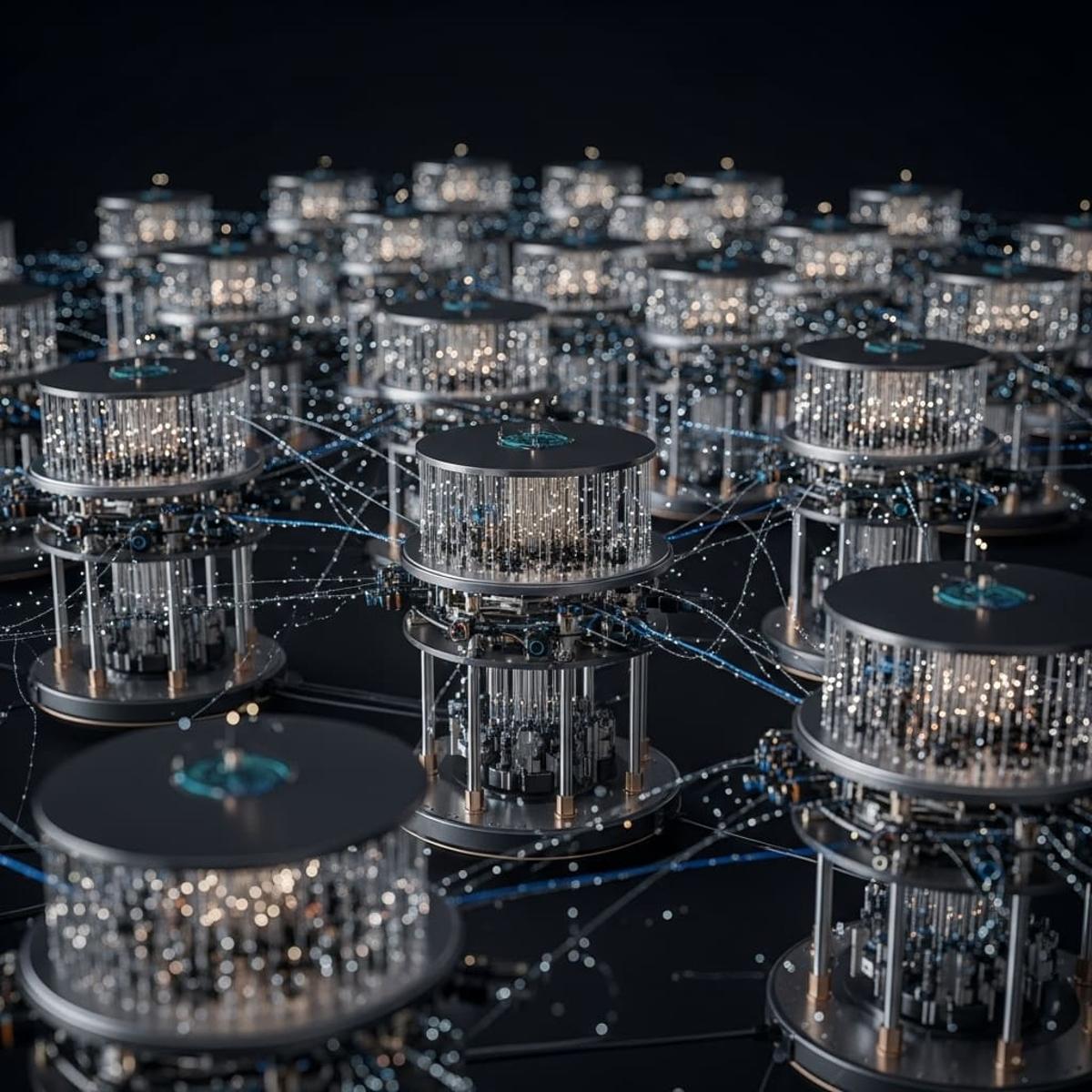
Distributed Variational Quantum Algorithm Achieves 1,000-Variable Combinatorial Optimisation Solutions
The paper introduces a Distributed Variational Quantum Algorithm (DVQA) that leverages truncated higher‑order singular value decomposition (T‑HOSVD) to break down large combinatorial optimisation problems into manageable quantum subsystems. By substituting inter‑subsystem entanglement with a classical amplitude tensor, DVQA preserves global...
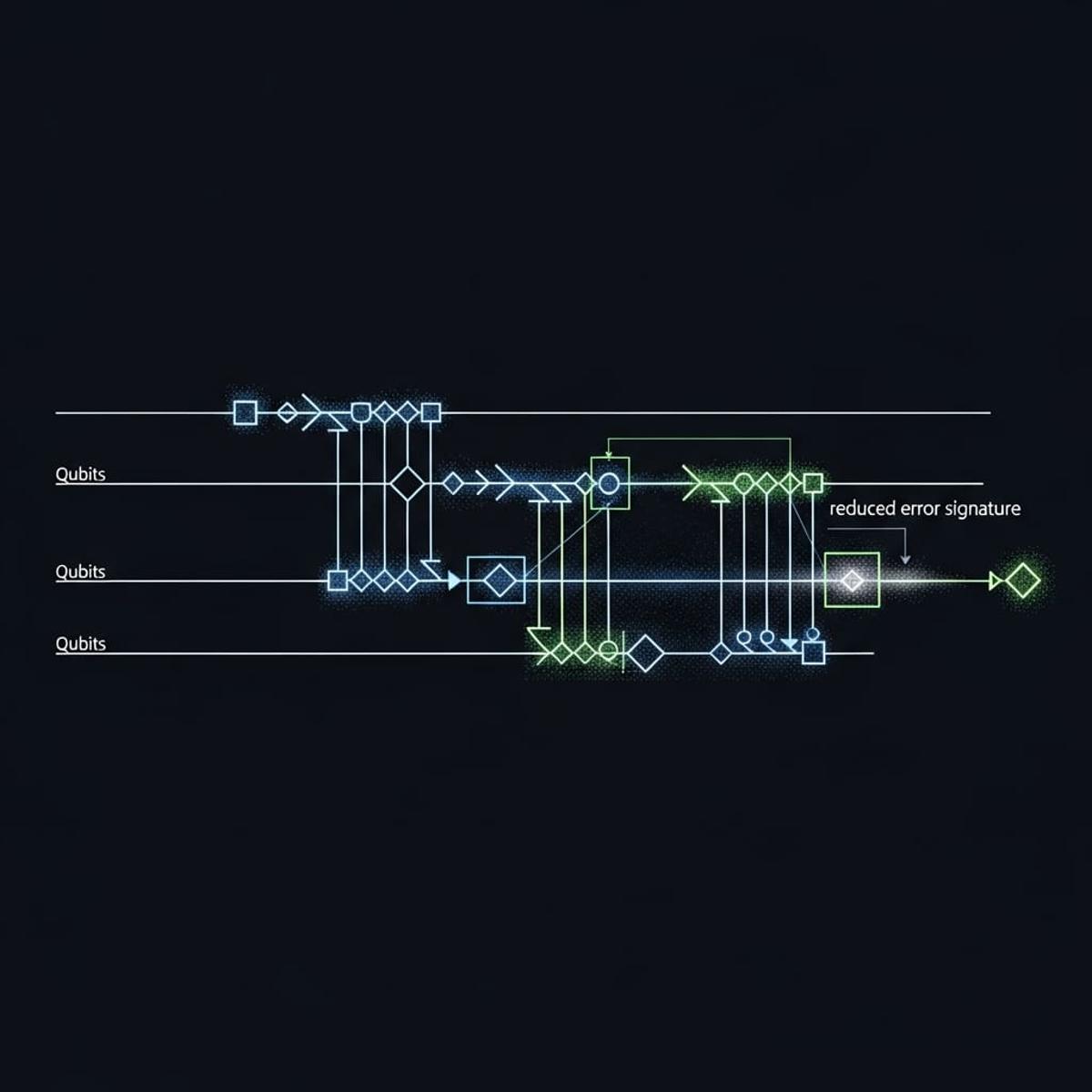
Deep Learning Achieves Superior Quantum Error Mitigation for up to Five Qubits
Researchers at Quantinuum and RIKEN applied sequence‑to‑sequence and attention‑based deep‑learning models to mitigate errors in noisy quantum circuits up to five qubits. Using a dataset of over 246,000 unique circuits from IBM Algiers and Hanoi processors, the models consistently outperformed...
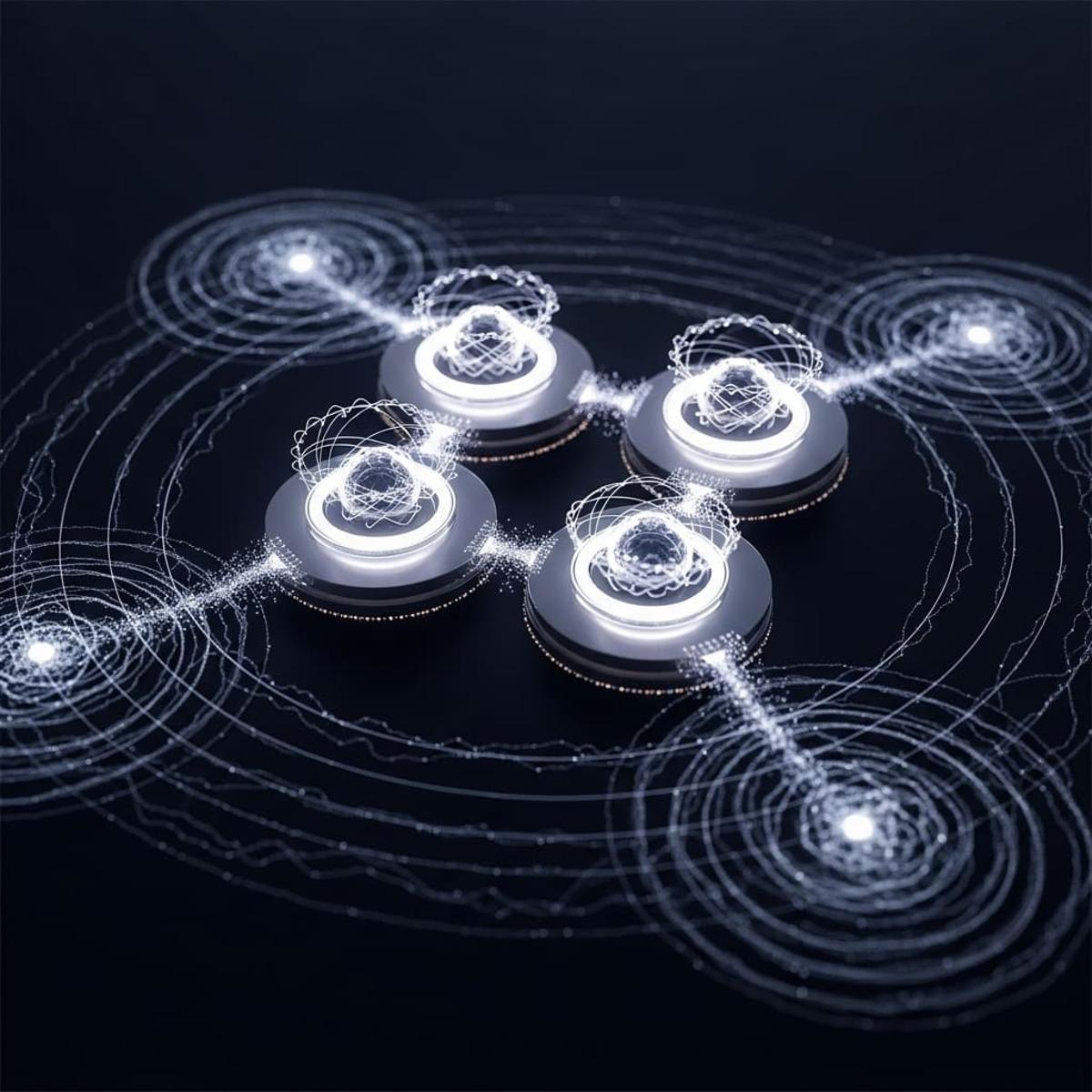
Quantum Neural Networks Achieve Faster Gravitational Wave Data Analysis with 4 Qubits
Researchers evaluated cloud‑based quantum neural networks (QNNs) for LISA’s gravitational‑wave data analysis, testing hardware from IonQ, IQM, Amazon Braket and Microsoft Azure. The QNNs demonstrated markedly faster learning than classical networks, achieving 99% fidelity on a 3‑qubit feature map and...

Qers Achieves Universal Post-Quantum Cryptography Resilience Scoring for IoT and IIoT Systems
Researchers at Luleå University of Technology introduced QERS, a Quantum Encryption Resilience Score that evaluates post‑quantum cryptography (PQC) suitability for IoT and IIoT devices. The framework aggregates six normalized metrics—latency, packet reliability, CPU load, energy use, RSSI, and key size—into...
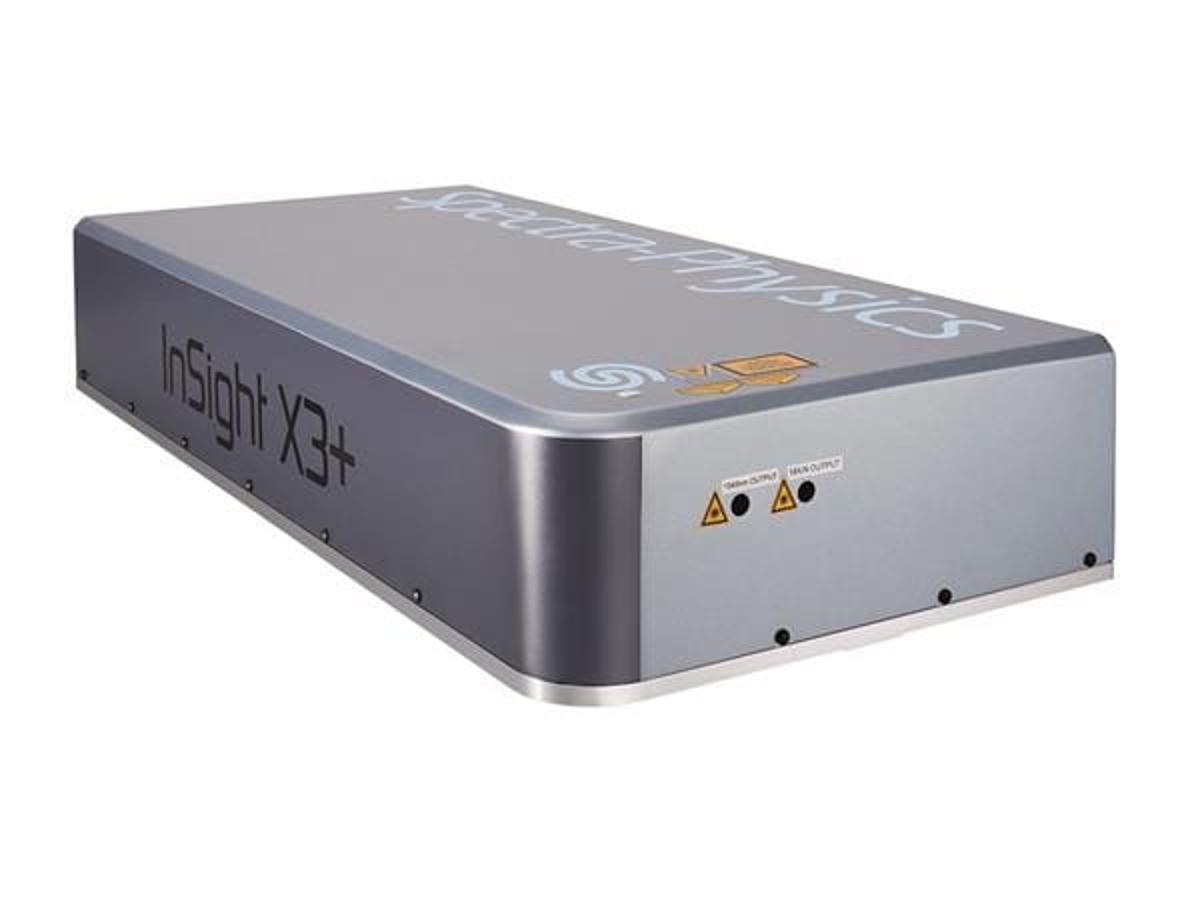
MKS Unveils Photonics Solutions Driving AI & Quantum Innovation at Photonics West
MKS Inc. announced a suite of new photonics products at Photonics West 2026, targeting AI hardware, quantum research, life‑science imaging, and long‑range surveillance. The lineup includes Newport HybrYX air‑bearing XY stages, a 100 W UV Spectra‑Physics Talon Ace laser, tunable Matisse CW...

QuTech Boosts NV Centre Photon Collection Probability to 0.5 Percent
QuTech has integrated a Fabry–Pérot microcavity with a diamond nitrogen‑vacancy (NV) centre, raising the photon‑collection probability to 0.5 percent—a ten‑fold gain over prior solid‑immersion‑lens approaches. The cavity, formed by a chip‑mounted mirror and an optical‑fiber mirror, resonantly enhances emission at the...
Materials Project Cited 32,000 Times, Accelerating Battery & Quantum Research
The Materials Project, launched in 2011, has become the most‑cited materials‑science database with over 32,000 peer‑reviewed citations. It serves more than 650,000 registered users, delivering roughly 465 TB of curated computational data through a cloud infrastructure that boasts 99.98% uptime. Leveraging...
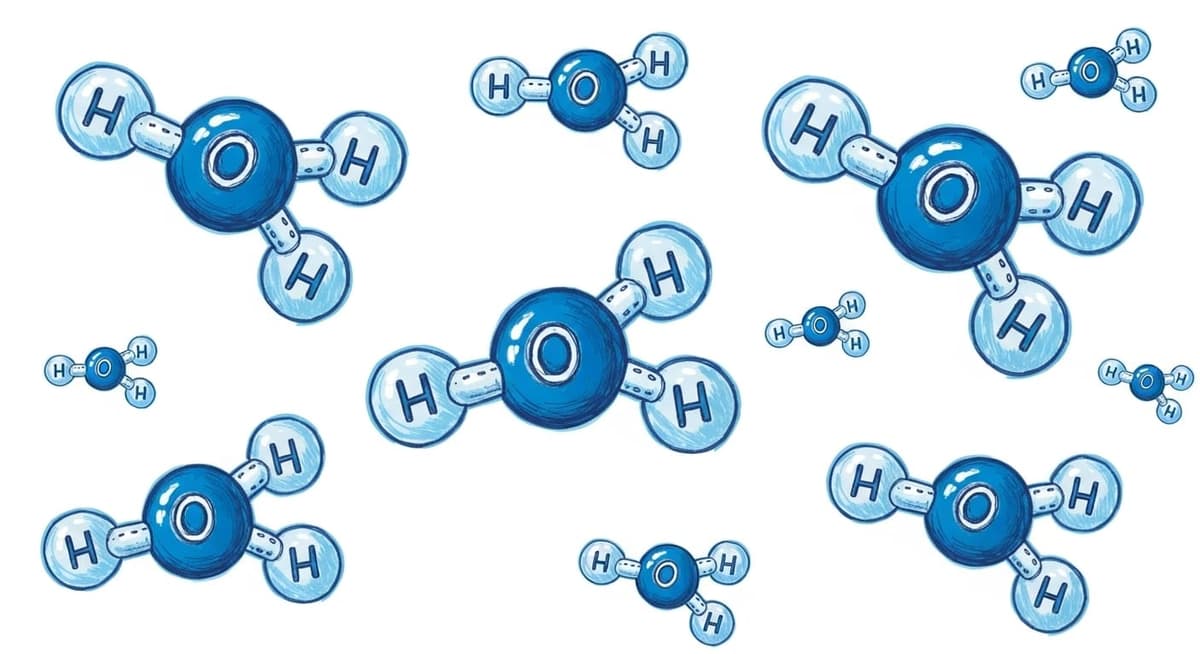
Berkeley Lab Develops Quantum-Machine Learning Model for Electron Behavior in Water
Berkeley Lab scientists have unveiled a quantum‑machine‑learning hybrid model that simulates excess‑electron behavior in liquid water with laboratory‑level accuracy. By applying quantum mechanics to the reactive electron and a machine‑learning‑trained force field to the surrounding solvent, the method reproduces reaction...
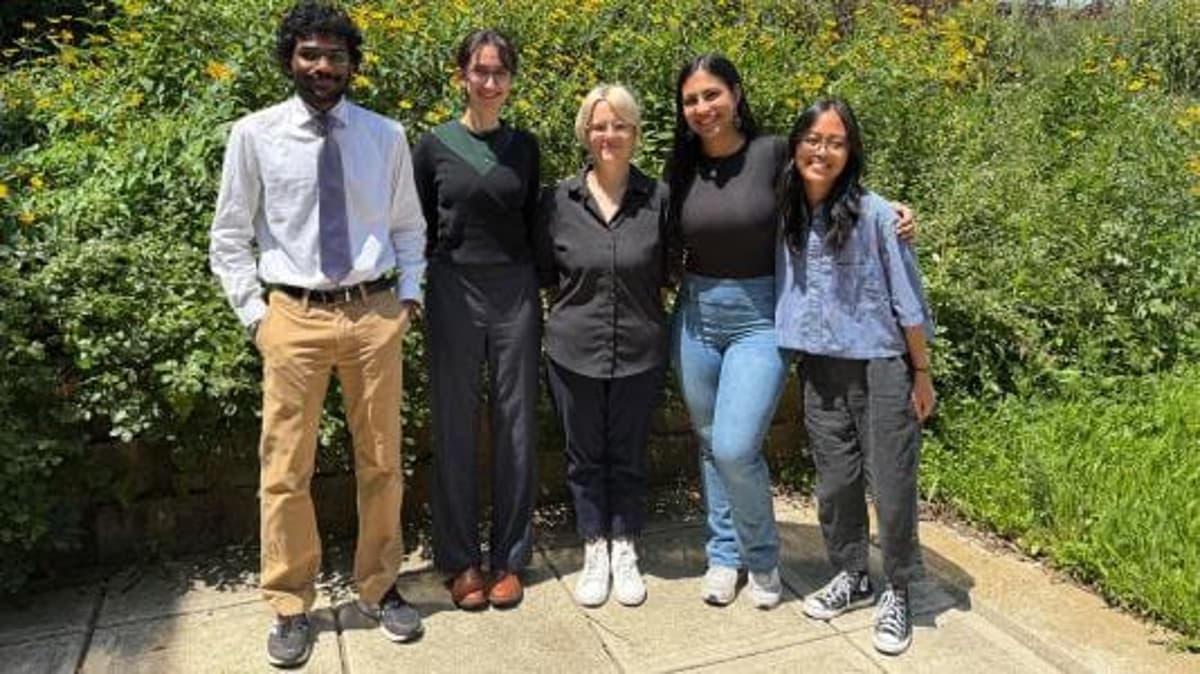
Argonne National Lab Hosts 27 Undergraduates Advancing Quantum Technologies
Argonne National Laboratory hosted 27 undergraduates in its 2025 Open Quantum Initiative (OQI) Fellowship, immersing them in quantum information science projects such as erbium‑crystal control, vacancy‑qubit microscopy, and nitrogen‑vacancy center detection. Fellows built open‑source hardware, custom microscopes, and magnetic‑field measurement...

IonQ Appoints New SVP to Lead Quantum Networking and Security Division
IonQ announced the appointment of Domenico Di Mola as Senior Vice President of Engineering for its Quantum Networking, Security, and Sensing (QNSS) division. Di Mola will steer engineering and strategy for quantum‑secure networking, distributed‑sensing architectures, and the integration of quantum processors with...
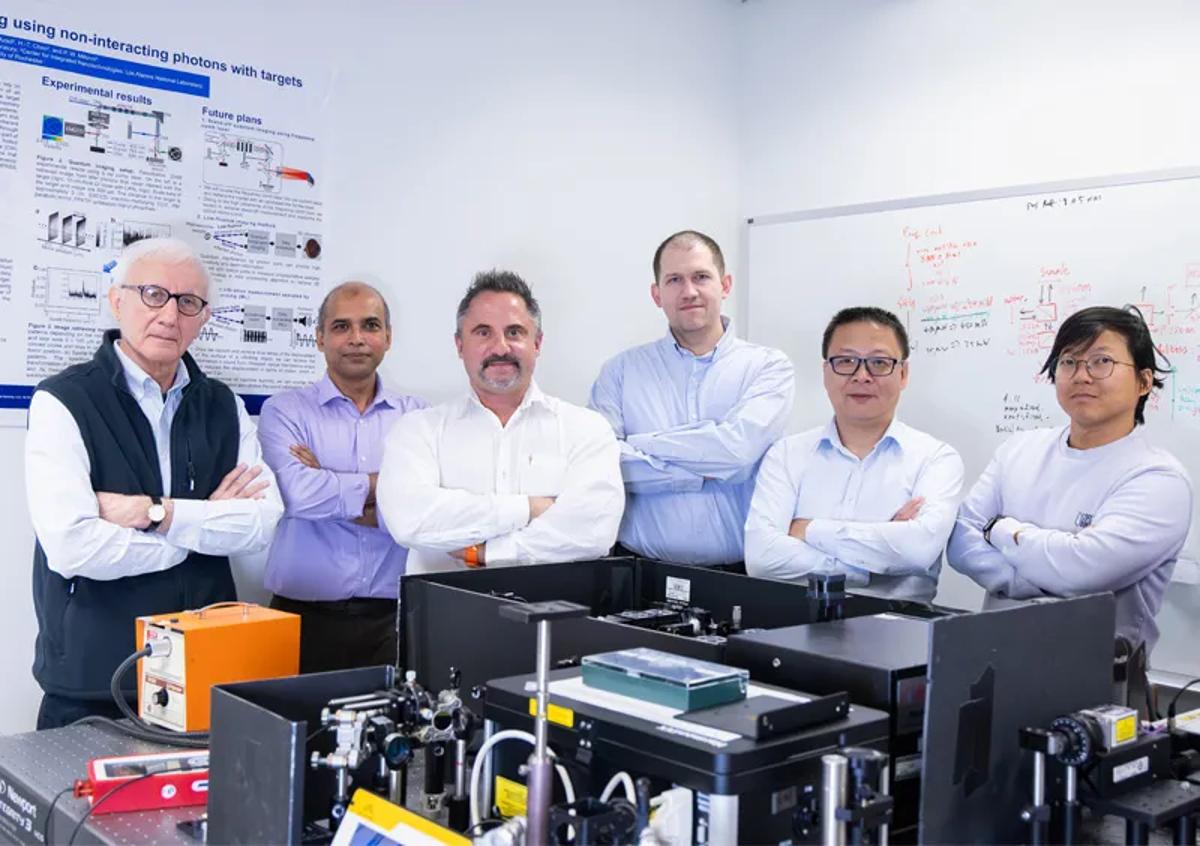
LANL’s Dalvit Unveils qCOMBPASS for Enhanced Remote Quantum Sensing
Los Alamos physicist Diego Dalvit has introduced qCOMBPASS, a quantum‑enhanced radar that leverages frequency‑comb lasers and light‑squeezing techniques to detect objects without storing photons. The system targets the memory‑storage bottleneck that has limited remote quantum sensing since 2019, aiming for...

Megahertz Spatial Light Modulator Achieves Rapid, Reconfigurable Light Field Control
Researchers Wei, Li, and Karve unveiled a spatial light modulator that breaks the speed‑resolution trade‑off, delivering frame rates above 10 MHz while maintaining a high pixel count. The device encodes spatial data in the optical frequency domain and decodes it with...

Five-Qubit Code Achieves Noise Resilience in Quantum Evolution with Open Systems
Researchers from ISI and the Weizmann Institute present a quantitative benchmark for quantum error‑correcting codes embedded in realistic open‑system models. By deriving a second‑order master equation for multi‑qubit registers coupled to bosonic thermal baths, they compare the five‑qubit, Steane and...
Scalable Spin Squeezing Achieves Robustness in XXZ Models with Disorder, up to 646
Researchers demonstrated that spin squeezing can remain scalable in two‑dimensional XXZ lattices even when a fraction of sites are vacant, provided disorder stays below a critical threshold. Using semi‑classical discrete truncated Wigner approximation, they mapped a phase diagram that predicts...

Fact.MR Projects $1.1 Billion Horticulture Quantum Sensors Market by 2036
Fact.MR forecasts the global horticulture quantum sensors market to expand from $0.3 billion in 2026 to $1.1 billion by 2036, reflecting a 13.9% compound annual growth rate. The growth is driven by rising adoption of precision‑agriculture technologies, especially quantum photosynthetically active radiation...
Scalable Bounds for Many-Body Properties Achieved with Finite Measurements and Semidefinite Programming
Researchers Mortimer, Zambrano, Acín, and Farina present a scalable framework that uses moment‑matrix relaxations within semidefinite programming to bound many‑body quantum properties from finite‑shot, incomplete measurements. The method scales polynomially, enabling certification of systems as large as 50 qubits, and...

Two Copies of Extremal Non-Signaling Boxes Violate Key Principles of Bell Nonlocality
Researchers constructed and catalogued extremal non‑signaling (ENS) boxes across previously unexplored bipartite Bell scenarios, delivering a comprehensive database via the PANDA software. They proved that just two copies of any ENS box suffice to breach the exclusivity and local orthogonality...

Network-Based Quantum Computing Achieves Distributed Fault-Tolerance with Many Small Nodes
Researchers from the University of Tokyo and NTT introduced Network‑Based Quantum Computing (NBQC), a framework that distributes fault‑tolerant quantum workloads across many small‑scale nodes. By routing algorithmic qubits through a dynamic ring‑and‑switch network, NBQC hides communication latency and leverages magic‑state...
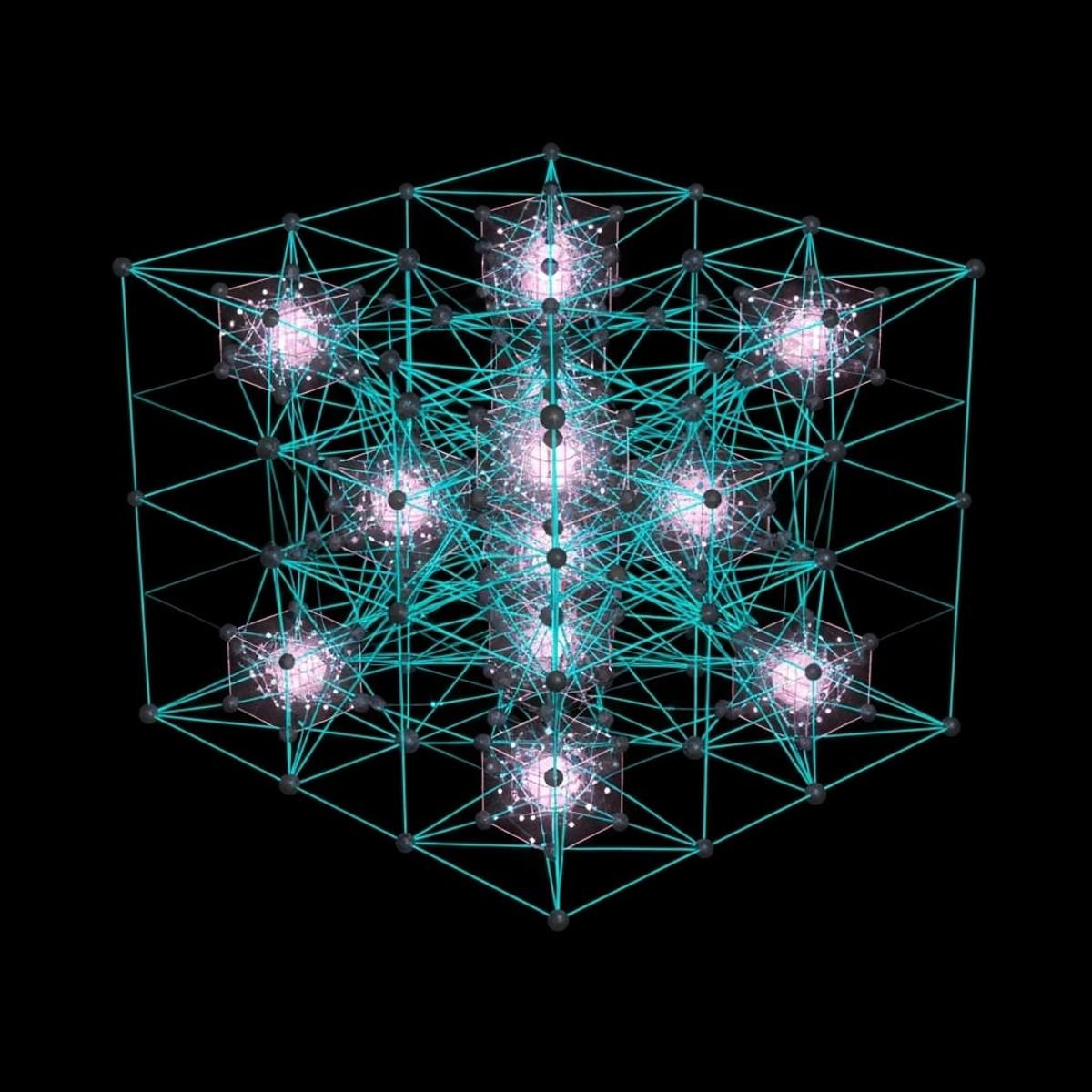
Fracton Orders Advance 3D Hypergraph Product Codes and Stabilizer Code Design
Meng‑Yuan Li and Yue Wu introduce a generalized hypergraph product (HGP) framework that produces orthoplex spin models exhibiting fracton topological order. In three dimensions the models display a non‑monotonic ground‑state degeneracy and host non‑Abelian lattice defects. Their four‑dimensional construction uncovers...
Explainable AI Achieves 83.5% Accuracy with Quantized Active Ingredients and Boltzmann Machines
Researchers introduced a hybrid quantum‑classical framework that uses Quantized Boltzmann Machines (QBMs) to improve both performance and transparency in AI decision‑making. Tested on a binarized, PCA‑reduced MNIST subset, QBMs reached 83.5% classification accuracy, far surpassing the 54% of classical Boltzmann...

Robust Quantum Machine Learning Achieves Increased Accuracy on MNIST and FMNIST Datasets
Researchers at the University of Melbourne introduced a Matrix Product State (MPS) based encoding scheme that dramatically reduces quantum circuit depth while preserving classification performance. By iteratively applying singular value decomposition, the method creates low‑depth, approximate encodings that require fewer...
D-Wave Completes Acquisition of Quantum Circuits Inc, Making It Now Annealing + Gate
D‑Wave has completed its acquisition of Quantum Circuits Inc., creating the first dual‑platform quantum computing company that combines annealing and gate‑model technologies. The deal targets a gate‑model system launch in 2026, leveraging Quantum Circuits’ dual‑rail qubits to simplify error correction....
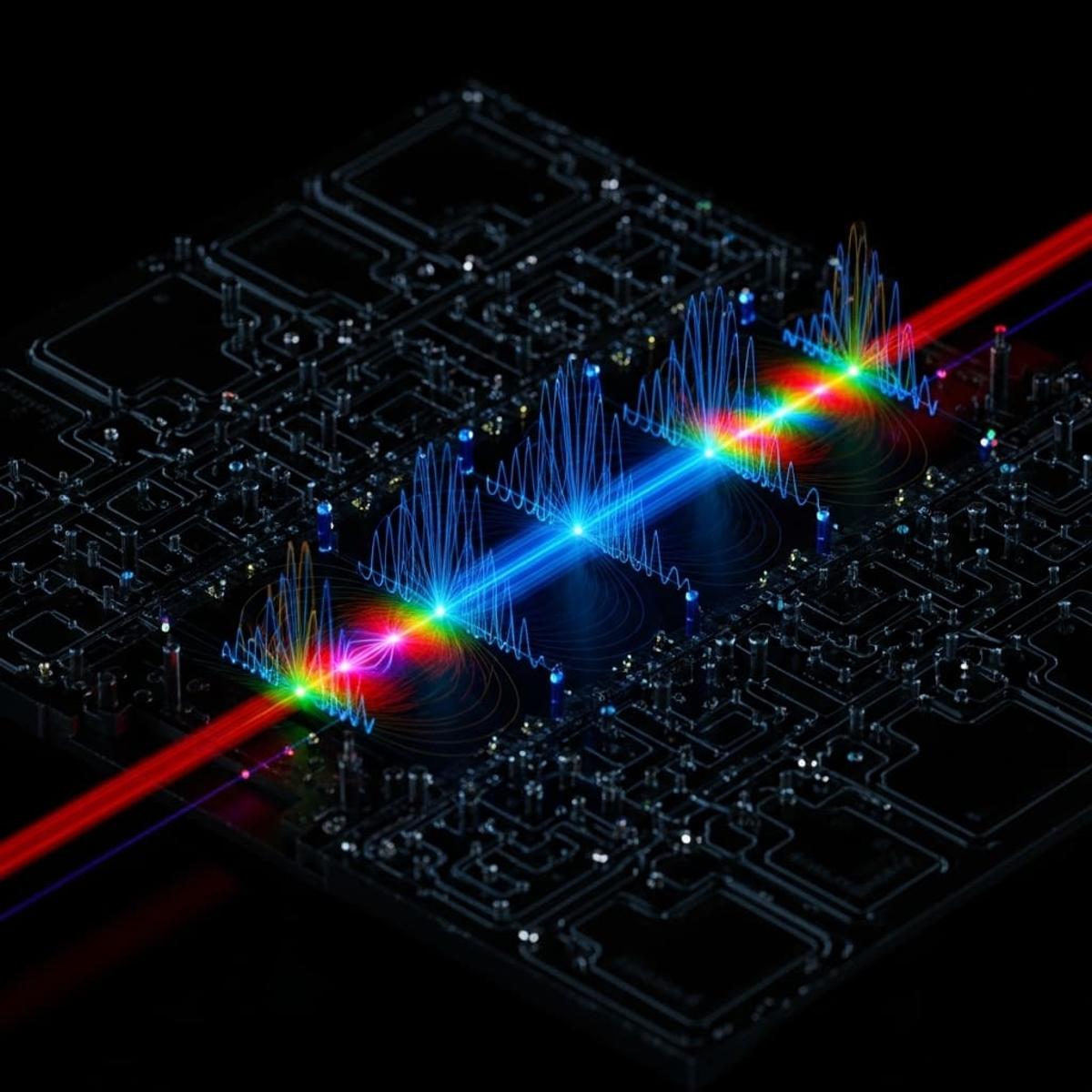
Quantum Random Number Generator Achieves 10σ Contextuality Violation On-Chip
Researchers have built an on‑chip semi‑device‑independent quantum random number generator that leverages a 10σ violation of the KCBS contextuality inequality. The silicon‑photonic system prepares, transforms and measures qutrit states, delivering a certified conditional min‑entropy of 0.077 ± 0.002 bits per round. This...

Reentrant Topological Phases Achieves Universal Class Invariance in Moire-Modulated SSH Model
Researchers have demonstrated that a moiré‑modulated Su‑Schrieffer‑Heeger (SSH) chain exhibits reentrant topological phases with universal class invariance. By systematically varying the moiré pattern, they uncovered a direct, predictable relationship between the internal lattice configuration and the emergent edge‑state properties. The...
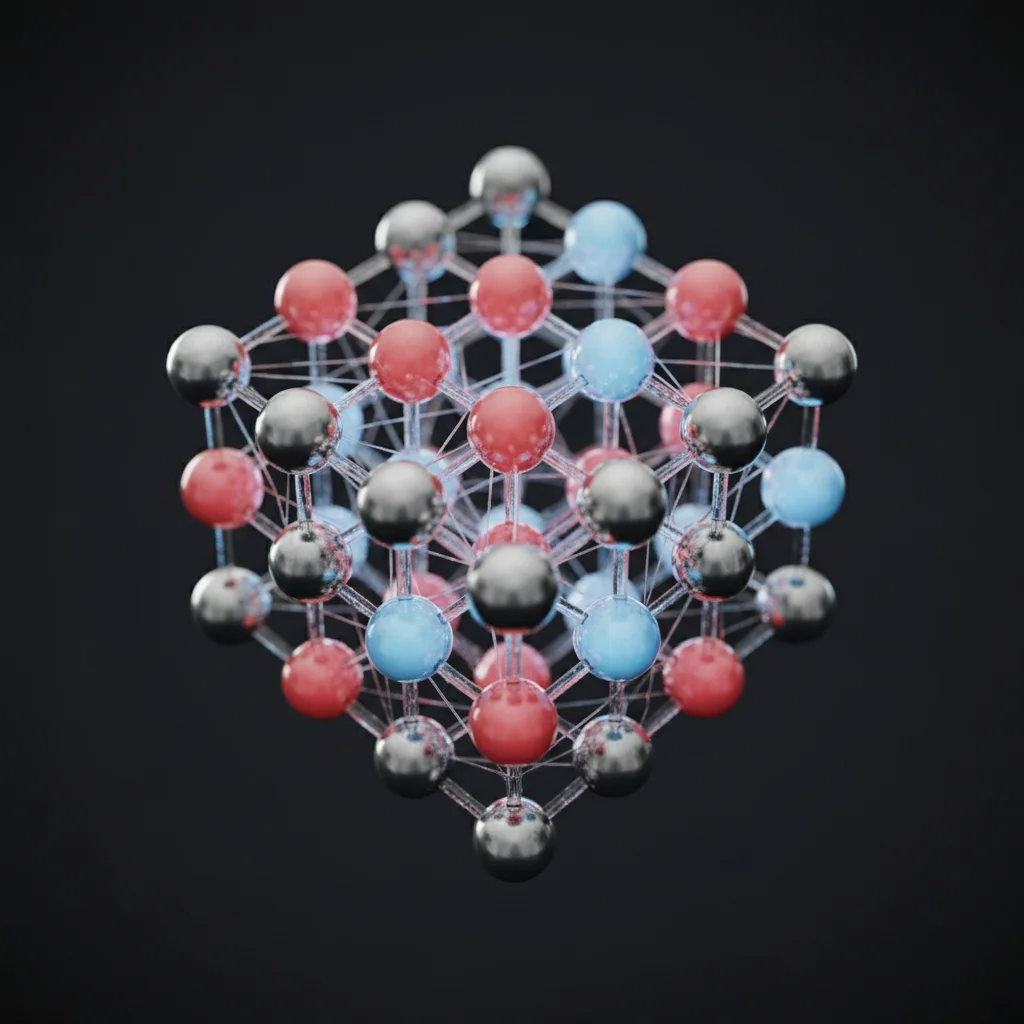
Dicke-Ising Chain Analysis Achieves Improved Accuracy in Magnetically Ordered Phases with NLCE+DMRG
Researchers combined numerical linked‑cluster expansions (NLCE) with density‑matrix renormalization‑group (DMRG) to map the Dicke‑Ising chain onto a self‑consistent effective matter Hamiltonian, eliminating photon‑spin correlation calculations. This hybrid method achieved phase‑diagram precision of 10⁻⁴ for ferromagnetic couplings and confirmed a narrow...

Long-Range Interactions in One-Dimensional Gases Achieve Crossover to Clustering with Cavity Fields
The authors used quantum Monte‑Carlo simulations with a novel non‑translational Jastrow ansatz to study one‑dimensional Bose and Fermi gases subject to cavity‑mediated infinite‑range interactions. Their results map a crossover from weakly modulated, repulsive phases to delocalized, attractive bound states that...
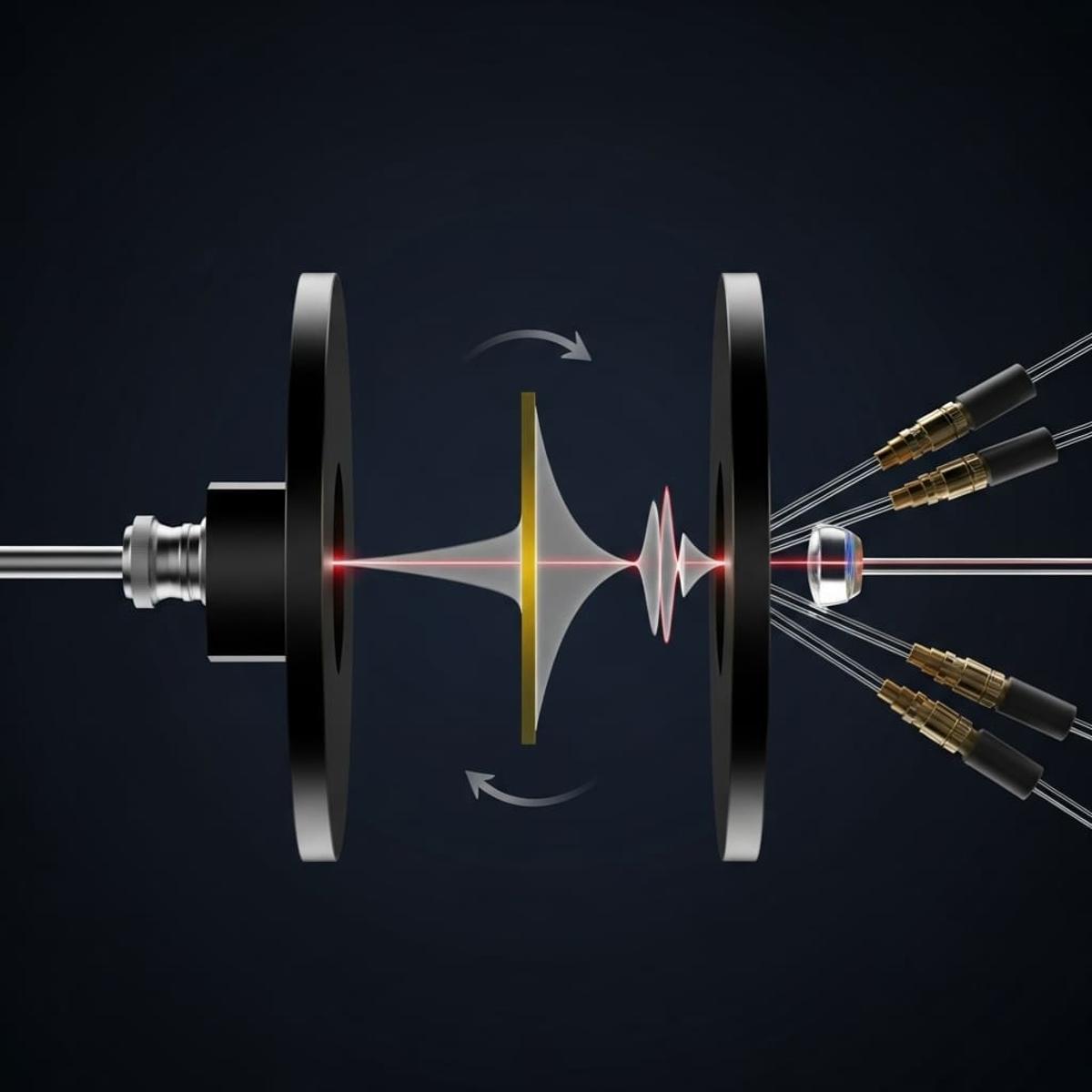
Db Signal Boost Achieved by Mitigating Nonlinear Transduction Noise in Cavity Optomechanics
Researchers at the Technical University of Denmark introduced a nonlinear transform that fully suppresses thermal intermodulation noise (TIN) in high‑cooperativity cavity optomechanics. By inverting the full cavity response, they eliminated TIN of all orders, including the first experimental detection of...