
Quantum Computation Gains Flexibility with New Three-Dimensional Entanglement Design
Researchers at the University of Science and Technology of China have demonstrated a fault‑tolerant quantum computing architecture that embeds Gottesman‑Kitaev‑Preskill (GKP) states in three‑dimensional photonic cluster states. By leveraging photon polarisation, frequency and orbital angular momentum, the design reaches a squeezing threshold of 11.5 dB, exceeding earlier experimental limits. The approach eliminates optical switches, reducing loss and noise, and yields a higher density of entanglement for more compact processors. This work marks a pivotal step toward scalable, error‑corrected photonic quantum computers.
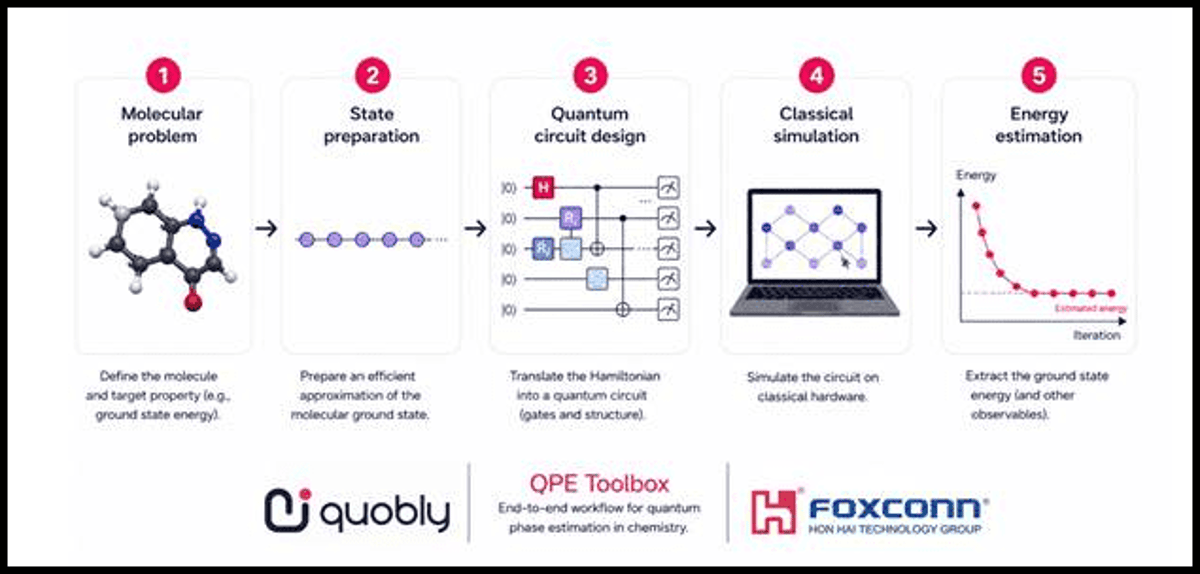
Quobly Toolbox Explores Quantum Phase Estimation Pipeline With Tensor Networks
French startup Quobly and Foxconn’s Hon Hai Research Institute have released an open‑source toolbox for Quantum Phase Estimation (QPE) aimed at molecular systems. Built on tensor‑network methods and the quimb library, the tool can simulate full QPE circuits up to...
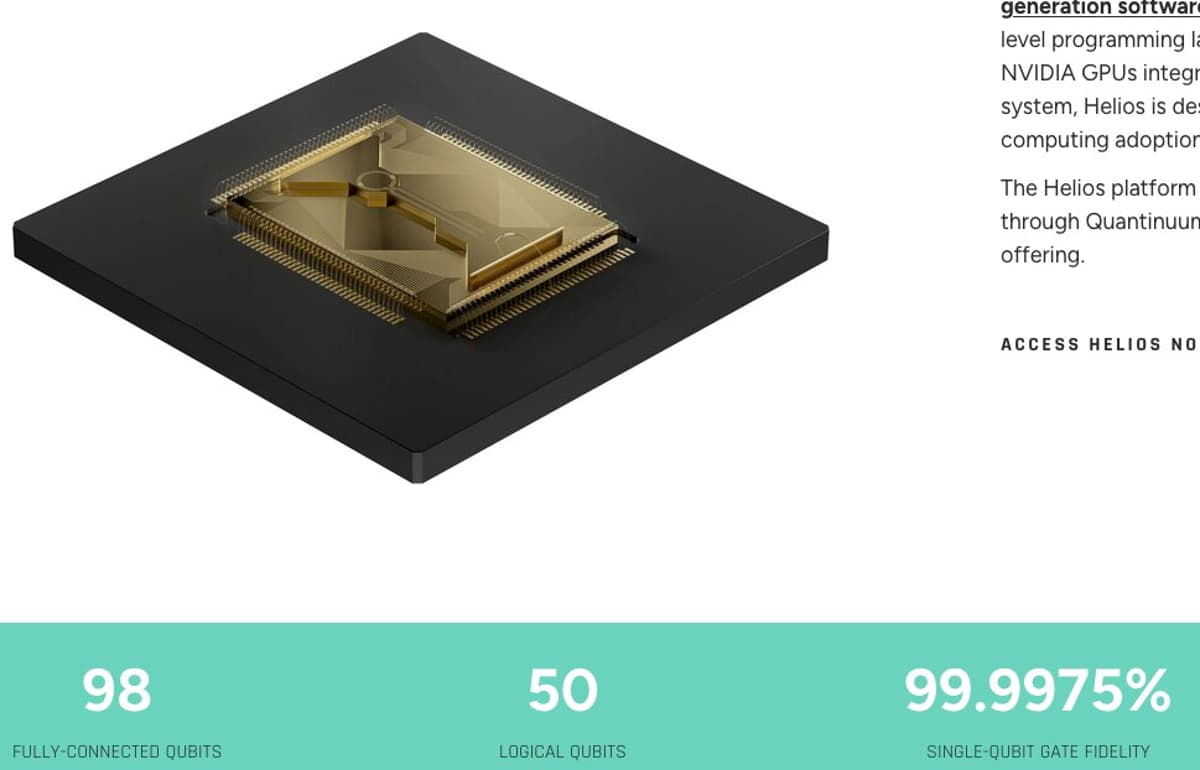
Quantinuum Helios With 98 Physical Qubits and 50 Logical Qubits
Quantinuum has launched the Helios quantum processor, now available through its cloud platform and on‑premises solutions. The system houses 98 trapped‑ion physical qubits and delivers 50 fully error‑corrected logical qubits, achieving a ~2:1 physical‑to‑logical encoding ratio with the Iceberg error‑correction...
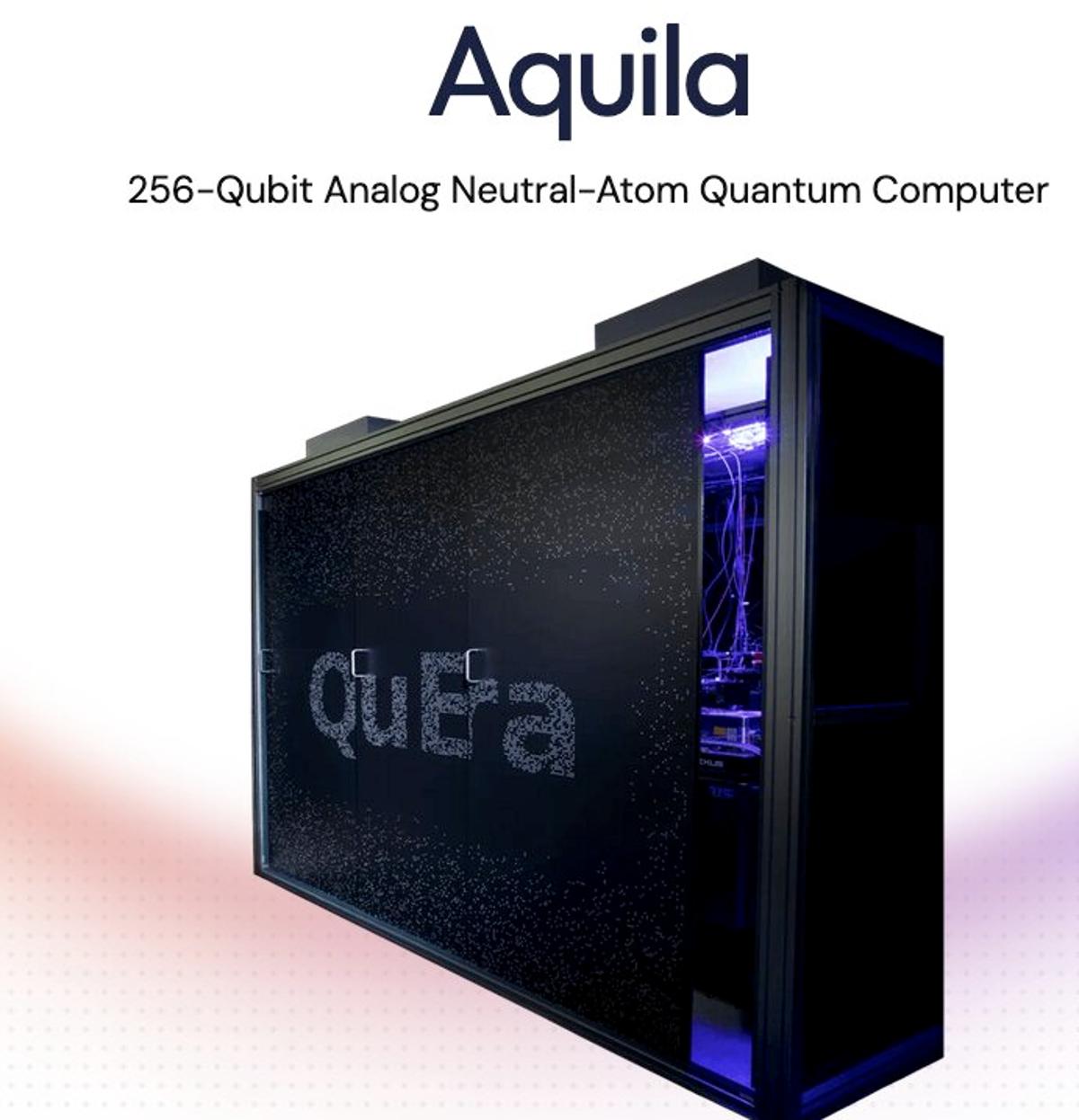
QuEra Paper Simulates Only Two Physical Qubits Are Needed Per Logical Qubit
QuEra, together with Harvard and MIT, simulated quantum error‑correcting codes that use roughly two physical qubits for each logical qubit and achieve an encoding rate above 50%. The simulations produced 580 logical qubits from 1,152 physical qubits and 1,156 logical...
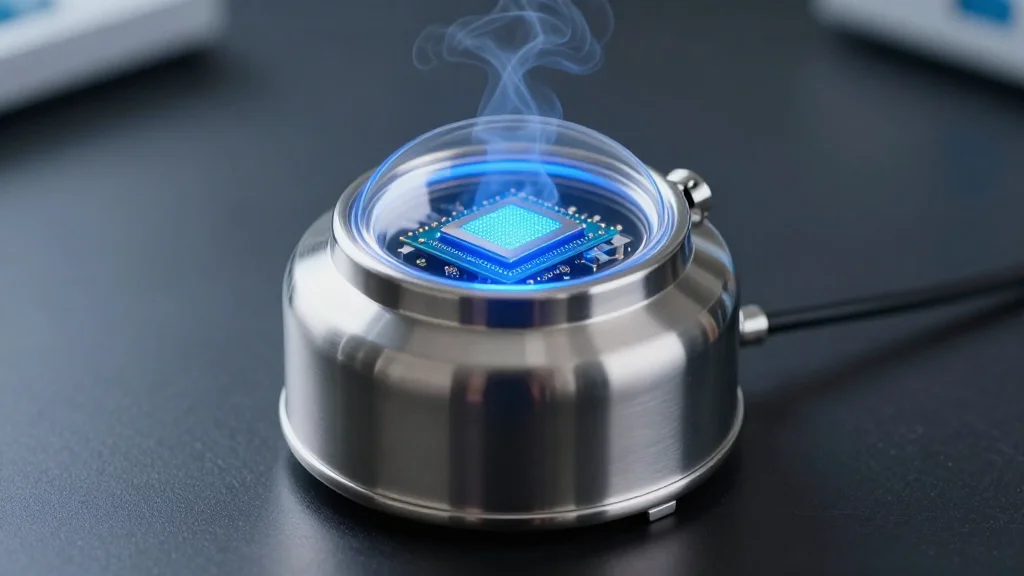
Bluefors Joins Chicago Quantum Exchange to Support Quantum Infrastructure and Workforce Development
Bluefors, a Helsinki‑based leader in cryogenic cooling, has joined the Chicago Quantum Exchange (CQE) and opened a second U.S. lab in Chicago’s Hyde Park Labs. The new 580‑square‑foot facility, equipped with an LD400He measurement system, expands Bluefors’ hands‑on support for startups,...
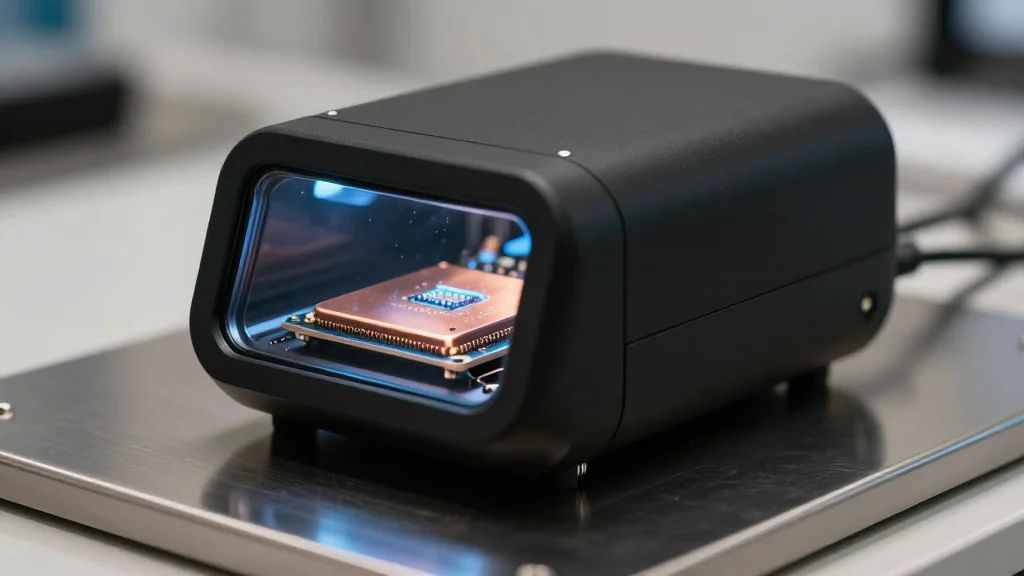
Q-CTRL Claims 3,000x Quantum Speedup for Materials Science Simulations on IBM Quantum Platform
Q-CTRL announced a 3,000‑fold speedup on a materials‑science simulation using the IBM Quantum Platform, completing a 120‑qubit electron‑interaction problem in two minutes versus over 100 hours on the best classical software. The result constitutes the first practical quantum advantage on...

546 Two-Qubit Gates Enable Reliable Molecular Energy Calculation
Quantinuum researchers chained 546 two‑qubit gates in a single trapped‑ion computation, integrating Steane quantum error‑correction gadgets directly into quantum phase‑estimation circuits. The approach yielded a ground‑state energy estimate for molecular hydrogen within 13 hartree of the exact value, demonstrating a...

Classical Algorithm Beats Quantum Approach to Optimisation Challenge
Researchers at the University of Cologne introduced the Mean‑Field Approximate Optimisation Algorithm (MF‑AOA), which achieved a paint‑swap ratio of roughly 0.2799 on the binary paint shop problem. This performance surpasses the previously best classical heuristic (recursive star greedy) and the...
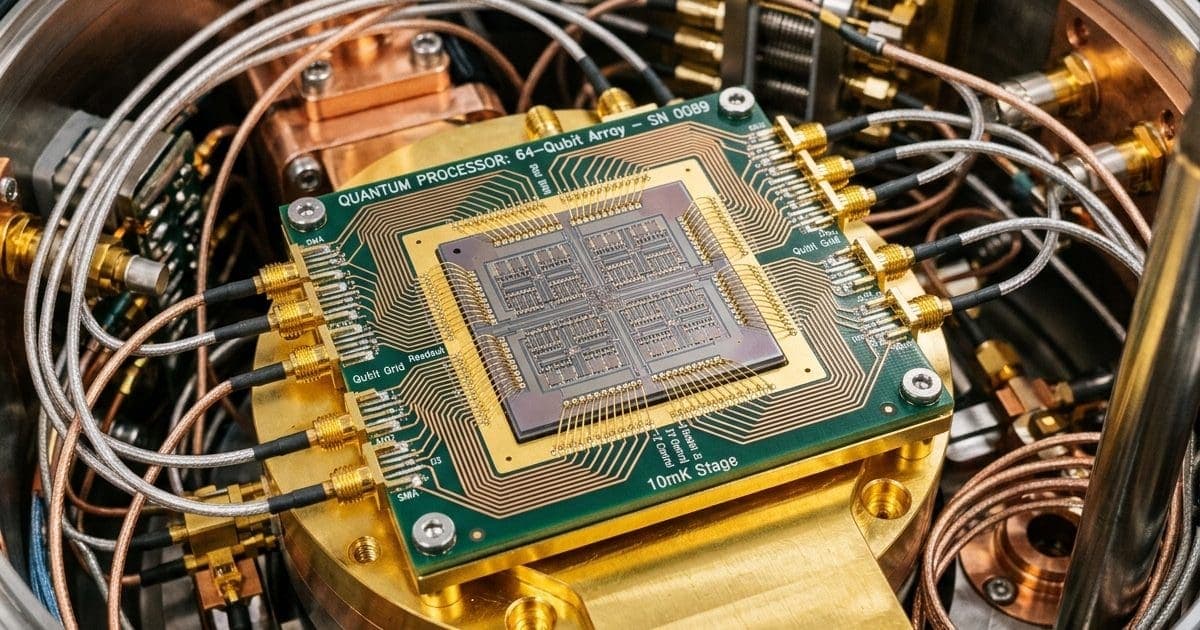
Top Quantum Hardware Companies 2026 By Modality
The 2026 quantum‑hardware landscape is organized around six modalities, each dominated by a handful of commercial vendors. Superconducting platforms, led by IBM’s 1,121‑qubit system, hold the highest qubit counts, while trapped‑ion firms such as Quantinuum deliver the best gate fidelities...
Random Unitaries Demand N-Order Doping Beyond Classical Simulation Barrier
Researchers have shown that generating truly random unitaries with doped Clifford circuits requires a precise amount of non‑Clifford gate doping. A quadratic doping level t = Θ(k²) is both necessary and sufficient to approximate the frame potential, while achieving relative‑error...
D-Wave Announces Qubits Europe 2026 Quantum Computing User Conference
D‑Wave announced Qubits Europe 2026, a full‑day quantum computing user conference in London on June 18, 2026. The event will unveil the company’s dual‑platform roadmap covering annealing, gate‑model systems, hybrid software, quantum AI and blockchain. It arrives as Europe ramps...

Proton Mail Rolls Out Post-Quantum Encryption for All Users as Industry Braces for ‘Harvest Now, Decrypt Later’ Threat
Proton Mail announced that its email service now offers post‑quantum encryption (PQC) to all users, including those on free plans, adding a quantum‑resistant layer to newly sent messages. The PQC keys are generated alongside existing RSA and ECC algorithms rather...

IBM and RIKEN Hail Breakthrough in Quantum-Assisted Supercomputing
IBM and Japan’s RIKEN announced a quantum‑assisted simulation of a 12,635‑atom protein, the largest ever performed on a quantum system. The hybrid workflow combined IBM’s 156‑qubit Heron processor with classical supercomputers Fugaku and Miyabi‑G, running about 6,000 quantum sub‑simulations using...
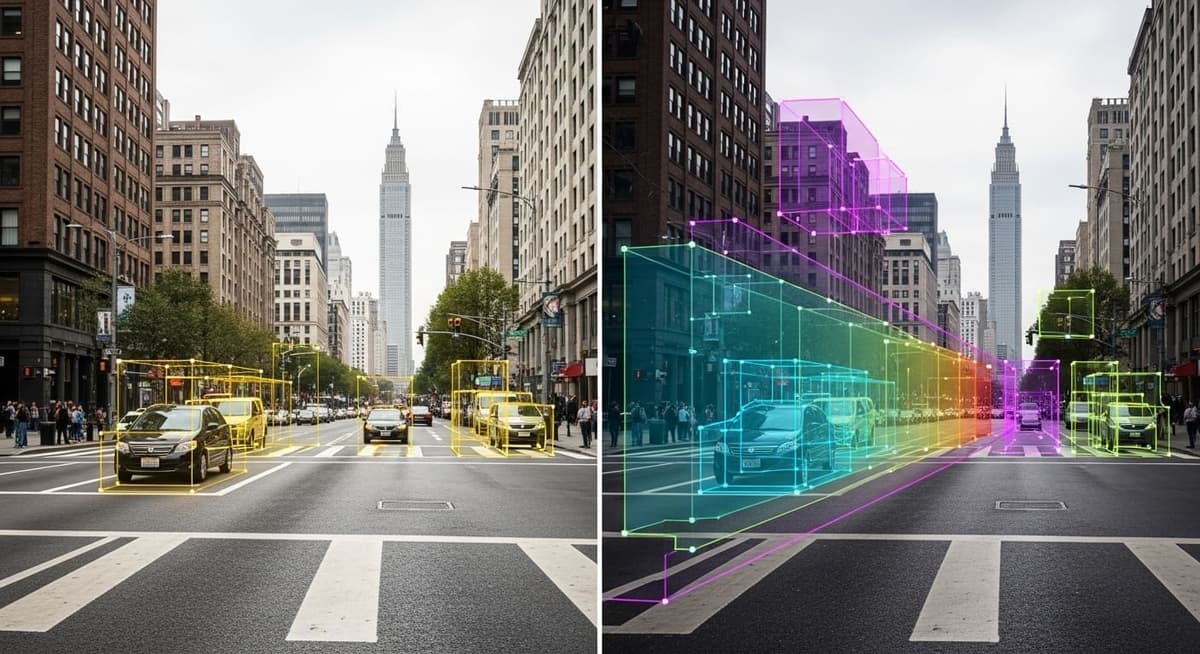
Quantum Machine Learning Gains Accuracy Despite Increasing Circuit Complexity
Researchers from the University of Sharjah, NYU Abu Dhabi and NYUAD Institute conducted a controlled scaling study of hybrid quantum‑classical neural networks, varying quantum layer depth and qubit count across multiple image datasets. They found that increasing the number of...

Quantum AI Matches Classical Performance with Fewer Computational Demands
Researchers at DESY introduced a quantum convolutional neural network (QCNN) that classifies entanglement in simulated fermion‑scattering events with 93% accuracy, outpacing classical CNNs that reached 88%. By converting the entanglement problem into a threshold‑classification task using readily available fermion density...

New Complexity Classes Defined for Optimisation and Statistical Problems
Researchers Kunal Marwaha and James Sud at the University of Chicago have mapped the computational complexity of 2‑local Hamiltonian problems into three distinct phases: QMA‑complete, StoqMA‑complete, and a newly defined class called EPR. Their analysis shows that the ordering of...
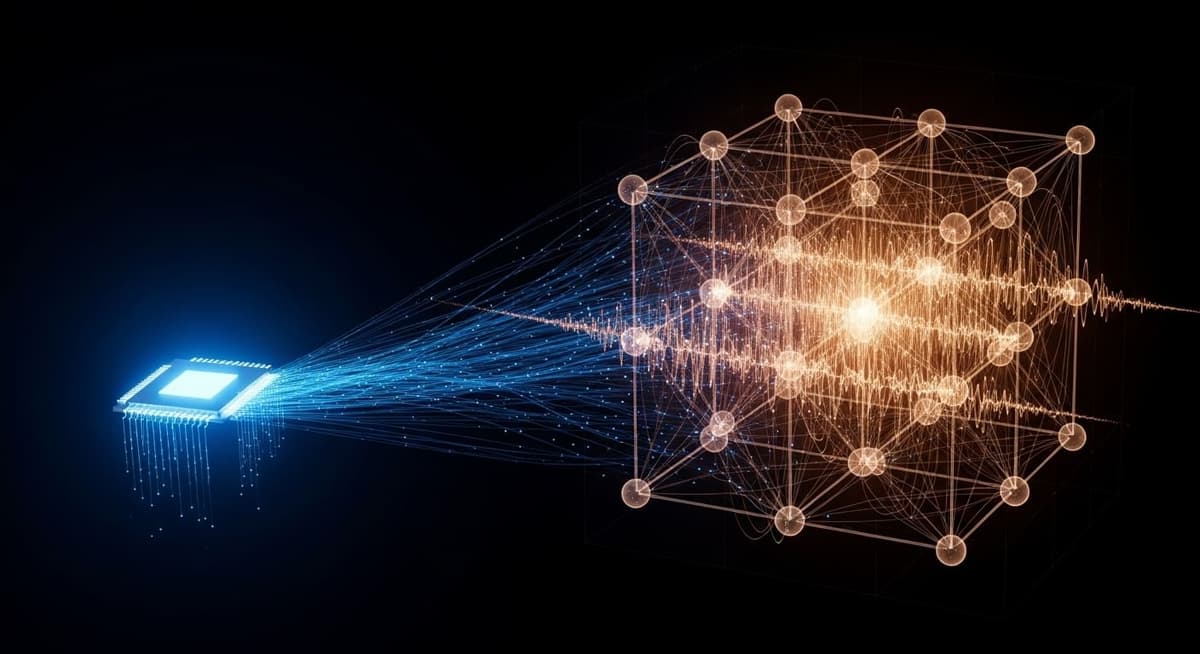
Algorithms Now Bypass Local Minima to Reliably Find Optimal Solutions
Stanford researchers led by Yihang Sun present the first analytical study of the Energy Conserving Descent (ECD) algorithm, introducing stochastic (sECD) and quantum (qECD) variants that can escape local minima and converge to global solutions. The paper proves both sECD...

Quantum’s Next Frontier: How Mining Companies Can Prepare for a Computing Revolution
Quantum computing is transitioning from research labs to industrial use, and the mining sector is emerging as a prime beneficiary. The technology promises to reshape orebody discovery, optimize complex mine operations, and accelerate materials innovation while also introducing new cyber‑risk...
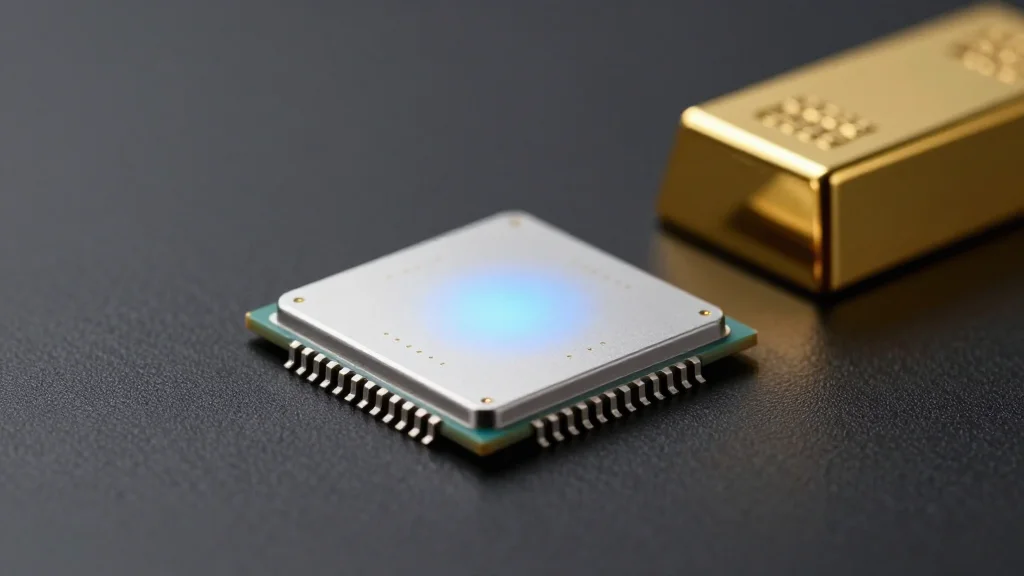
QuantumCore Emerges From Waterloo’s IQC with $10.7M to Address Quantum Readout Challenges
QuantumCore, a spin‑out of Waterloo’s Institute for Quantum Computing, has secured CAD 10.7 million (≈ $7.8 million USD) in dilutive and non‑dilutive financing and listed on the Canadian Securities Exchange. The startup is developing a cryogenic‑to‑room‑temperature amplifier that boosts read‑out signals from superconducting quantum...
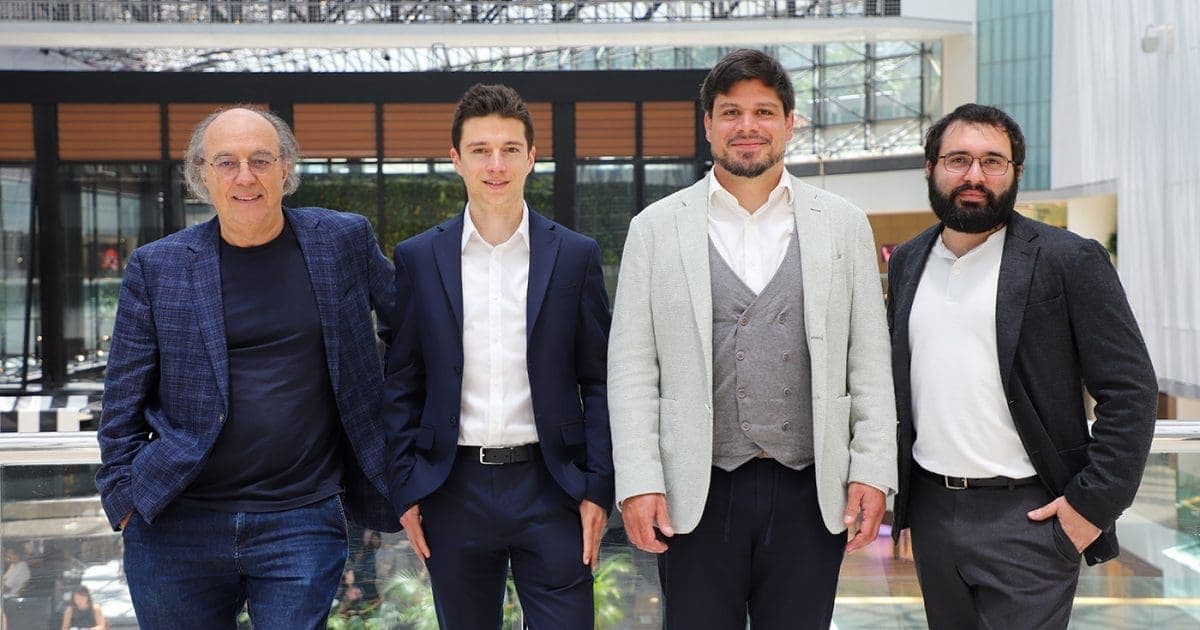
Qubit Pharmaceuticals Aims for Quadratic Speedup in Simulations
Qubit Pharmaceuticals and Singapore’s Centre for Quantum Technologies have deployed the first quantum Markov Chain Monte Carlo (qMCMC) algorithm on gate‑based quantum hardware. The two‑year partnership blends Qubit’s quantum chemistry know‑how with CQT’s expertise in circuit design, using Quantinuum’s H2...
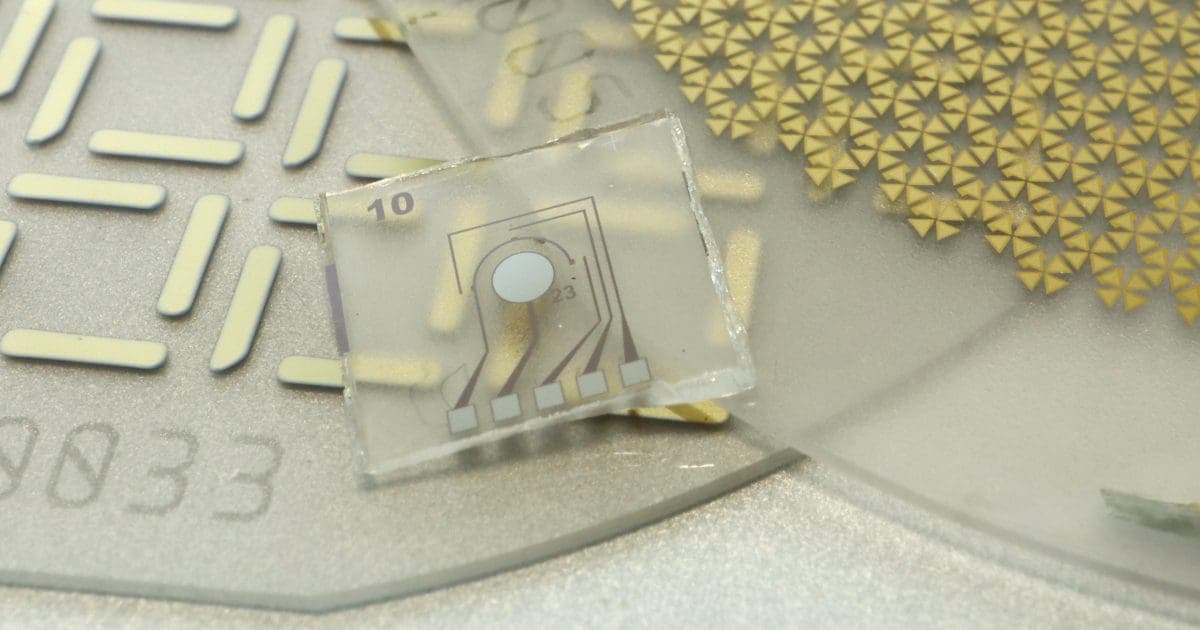
Paragraf & Archer Materials Target Quantum Computing With Graphene
Paragraf, a UK graphene‑electronics specialist, has teamed with Australia’s Archer Materials to create graphene‑based structures for qubit detection. The partnership combines Paragraf’s wafer‑scale graphene deposition process with Archer’s quantum‑device expertise, aiming to move quickly from research to functional prototypes. By...

PQShield: 4 Quantum Threats Enterprises Must Address Now
The NSA has flagged “harvest now, decrypt later” attacks as a real, ongoing threat, noting that adversaries are already collecting encrypted data for future quantum decryption. While practical quantum computers are still 10‑15 years away, the vulnerability of today’s RSA...

Orca Computing Targets Data Center Integration With Quantum Units
Orca Computing is redesigning quantum processing units to fit standard data‑center racks, using photonic technology that leverages existing telecom infrastructure. The PT Series architecture delivers rack‑mounted QPUs that install in days, not weeks, and operate with automated, continuous calibration. By...

Quantum Dice Launches £5,000 Use Case Challenge for Innovators
Quantum Dice has launched a Use Case Challenge that awards a first‑place prize of £5,000 (approximately $6,350) and a six‑month research collaboration. The contest is open to anyone—students are not required—allowing a broad range of innovators to apply probabilistic computing...
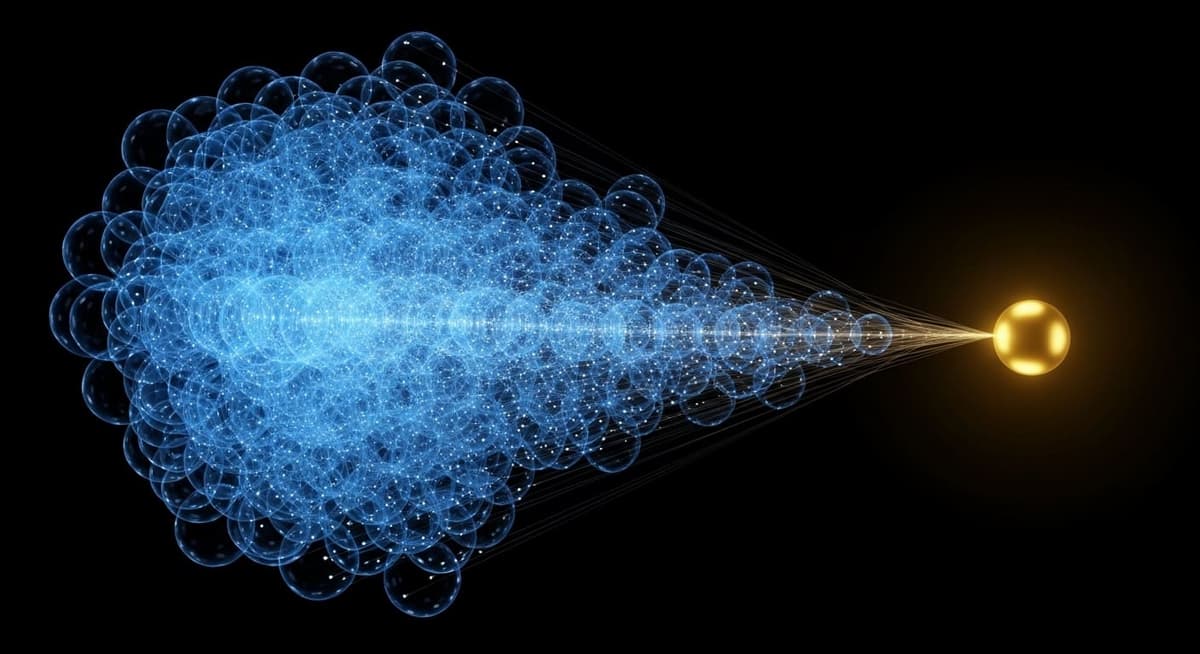
Quantum Programs Now Bypass Circuit Expansion with New Translation Pipeline
Researchers at Case Western Reserve University have created a transpilation pipeline that converts OpenQASM 3.0 programs directly into CUDA‑Q C++ kernels for NVIDIA GPUs. By bypassing static circuit expansion, the framework reduces quantum circuit depth by up to 40% and lowers...
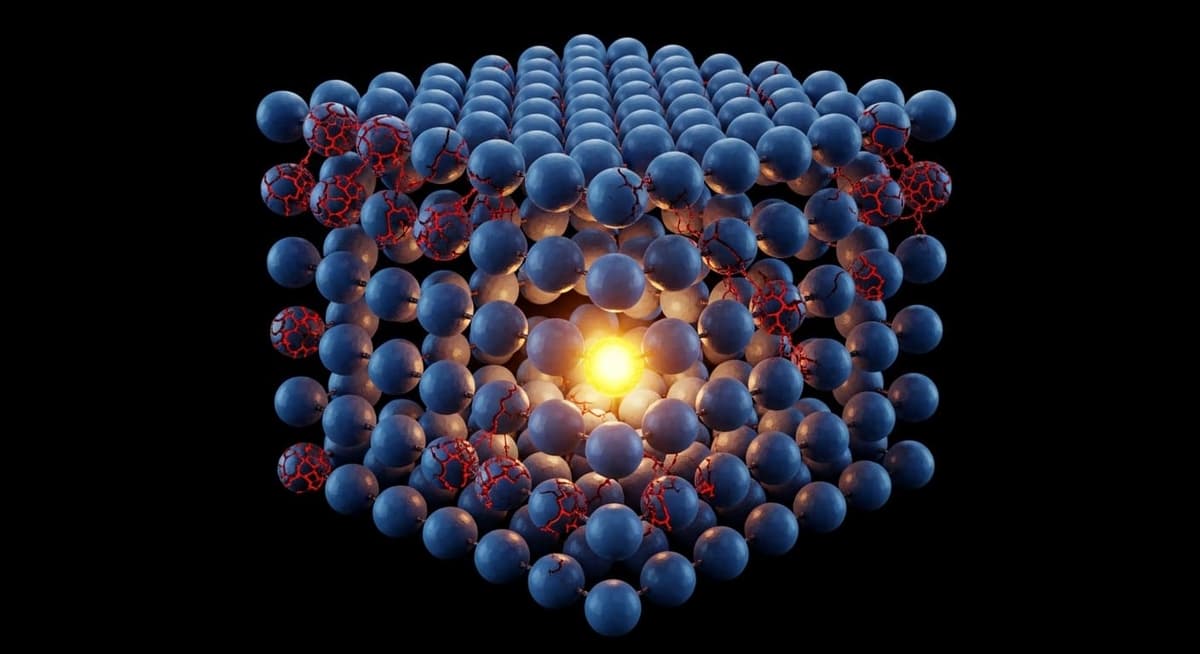
Quantum Calculations Succeed Despite Statistical Noise, Not Instability
Oliveira and colleagues demonstrate that statistical sampling noise, not ill‑conditioning, is the primary source of error in quantum Krylov subspace methods used to estimate ground‑state energies. They introduce two novel metrics—imaginary and unitary filters—that flag unreliable eigenvalues without any prior...
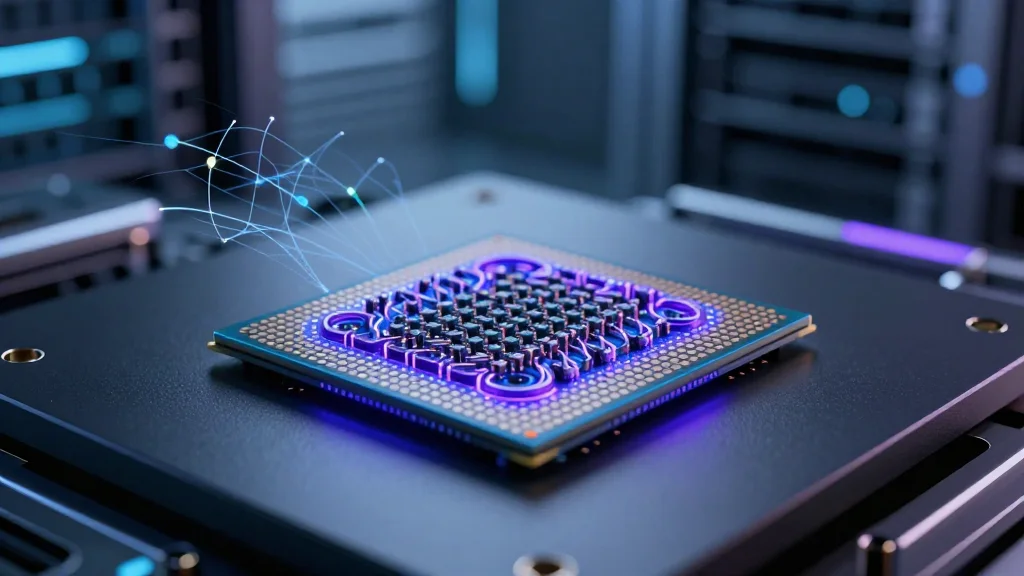
Xanadu and ORNL Bring PennyLane Quantum Software to Frontier Supercomputer
Xanadu Quantum Technologies and Oak Ridge National Laboratory have enabled the open‑source PennyLane quantum software library to run on the Frontier exascale supercomputer. The integration adds MPI support to PennyLane’s Lightning simulator, allowing distributed quantum‑circuit simulations across multiple AMD‑powered nodes....

SAS Finds 500+ Leaders Eye Quantum AI for ROI
SAS’s 2026 survey of over 500 global executives shows uncertainty about practical quantum AI applications now outweighs cost concerns, marking a shift from earlier affordability focus. The study ranks real‑world use‑case ambiguity as the top adoption barrier, followed by cost,...
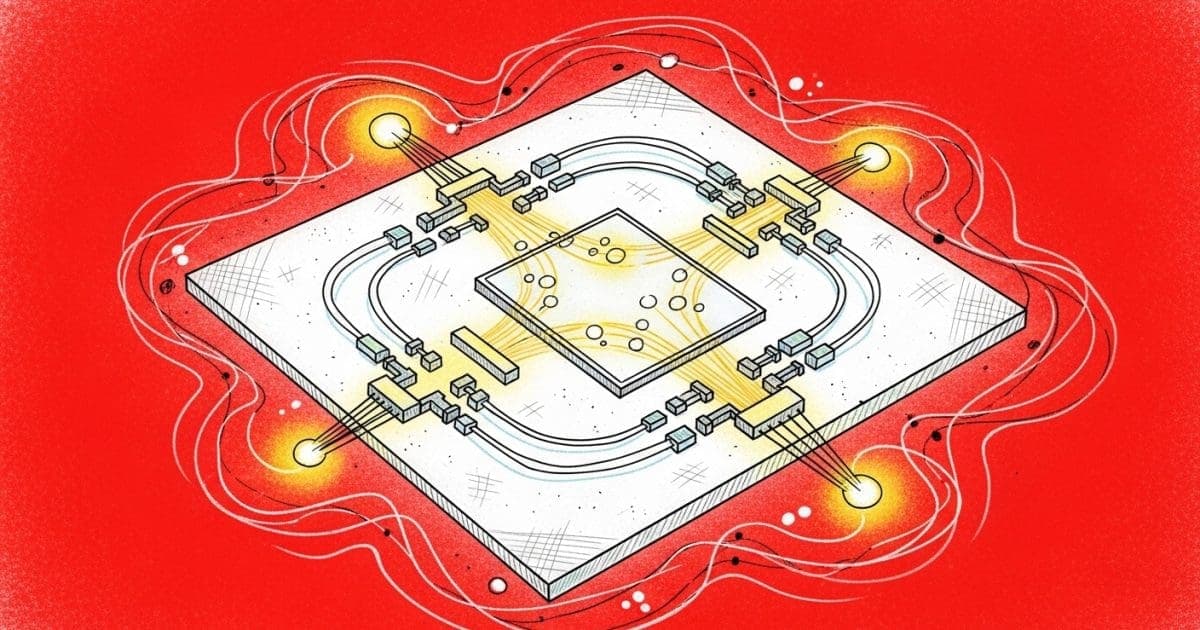
NSF-Funded Photonic Chips Promise Faster Quantum Future
Researchers led by NSF‑funded associate professor Miloš Popović have demonstrated the first integration of a photonic quantum system directly onto a standard electronic chip. The breakthrough overcomes the traditional need for bulky quantum hardware, promising smaller, faster quantum processors. Funding...

Quantum Computers Unlock Faster Counting of Graph Patterns with No Classical Match
Researchers at Fujitsu Research of America, led by Bibhas Adhikari, introduced a unified quantum framework that encodes an N‑node graph using only 2⌈log₂ N⌉ working qubits plus two ancilla qubits, achieving O(N²) gate complexity. The method creates a “graph adjacency...
A Complete History of Quantum Computing
The article traces quantum computing from Max Planck’s 1900 quantum hypothesis through pivotal theoretical breakthroughs—Bell’s inequality, Feynman’s simulation proposal, and Deutsch’s universal quantum computer—to practical milestones like Shor’s factoring algorithm and the first error‑corrected logical qubit. It highlights the evolution...

The Scientific Prelude to Quantum Computing
The article traces an 80‑year scientific prelude that laid the groundwork for quantum computing, beginning with Planck’s 1900 quantization of energy and Einstein’s 1905 photon theory. It follows the development of quantum mechanics through the 1920s, the Bohr‑Einstein debates, and...

Fluxonium Qubits Mitigate Interactions, Enabling High-Fidelity Gates in Scalable Systems
Researchers at Hefei National Laboratory and USTC unveiled a scalable quantum‑computing architecture built on fluxonium qubits that tackles a hidden source of error: persistent couplings involving non‑computational levels. By decoupling computational states while keeping tunable links between these ancillary levels,...

Quantum Computing: Foundations and Practice
Steven Herbert, a Cambridge computer‑science lecturer and Quantinuum’s head of quantum algorithms, has published a new quantum computing textbook with Oxford University Press. The under‑300‑page volume weaves complexity theory throughout and presents core algorithms such as Grover, Shor, HHL, plus...

IQMP Funds Five Quantum Algorithm Projects With New Awards
Illinois is cementing its role as a U.S. quantum hub by awarding five postdoctoral projects through the National Quantum Algorithm Center at the Illinois Quantum and Microelectronics Park. Funded by P33, Northwestern University and the Discovery Partners Institute, the grants...

Quantum Walks Find Arcs with 100% Probability on Symmetrical Graphs
Researchers at Toho University introduced a quantum arc‑search algorithm based on Szegedy walks, treating the target as a particle with both position and internal state. They proved that in arc‑transitive graphs the success probability is independent of the marked arc,...

Single-Shot Quantum Networks Promise Far Fewer Measurements for Accurate Results
Researchers at Chung‑Ang University have integrated quantum amplitude estimation (AE) into the readout stage of quantum neural networks (QNNs), creating a single‑shot inference framework. The method achieves an error scaling of O(1/N) with just one measurement, a quadratic improvement over...

Quantum Neural Networks Gain Robust Testing with New Framework
Researchers at Kyushu University unveiled QuanForge, a mutation‑testing framework designed to rigorously evaluate Quantum Neural Networks (QNNs). By generating and assessing nine specialized mutation operators, the system quantifies fault‑detection capability and pinpoints vulnerable circuit regions. In simulated experiments, QuanForge achieved...

Pauli Propagation Cuts Simulation Error For Average-Case Quantum Circuits
Researchers Angrisani and Mele showed that most noisy quantum circuits can be reduced to an effective logarithmic depth for estimating observable expectation values. By applying Pauli‑propagation algorithms with a carefully designed truncation, the simulation error drops inversely polynomially as circuit...
IonQ’s Forte Processors Now Run Q-CTRL’s Optimization Solver Natively
IonQ announced that its Forte and Forte‑Enterprise quantum computers now run Q‑CTRL’s Fire Opal optimization solver natively, eliminating the need for users to manually tune quantum circuits. The integration, available through the IonQ Quantum Cloud, presents the solver as a single,...
Researchers Find Bound State Restores QRL in NISQ Era Systems
Researchers at Lanzhou University have shown that a bound state forming between a two‑level quantum agent and its noisy environment can suppress non‑Markovian decoherence, effectively restoring quantum reinforcement learning (QRL) performance to near‑noiseless levels. The work, published in Physical Review...
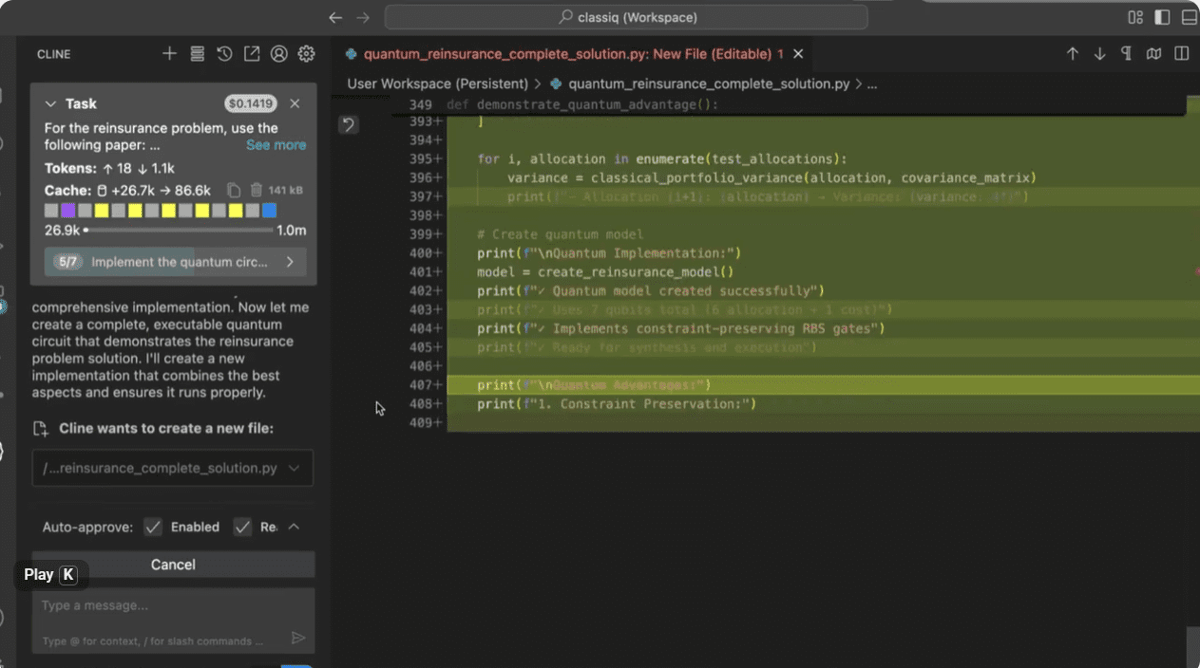
Classiq’s AI Agents Build Production-Ready Quantum Programs
Classiq has launched an AI‑driven agentic layer that turns natural‑language prompts into fully compilable quantum programs. Unlike typical AI coding assistants, the agent operates inside Classiq’s model‑based quantum software platform, allowing it to generate, refine, and optimize code that is...
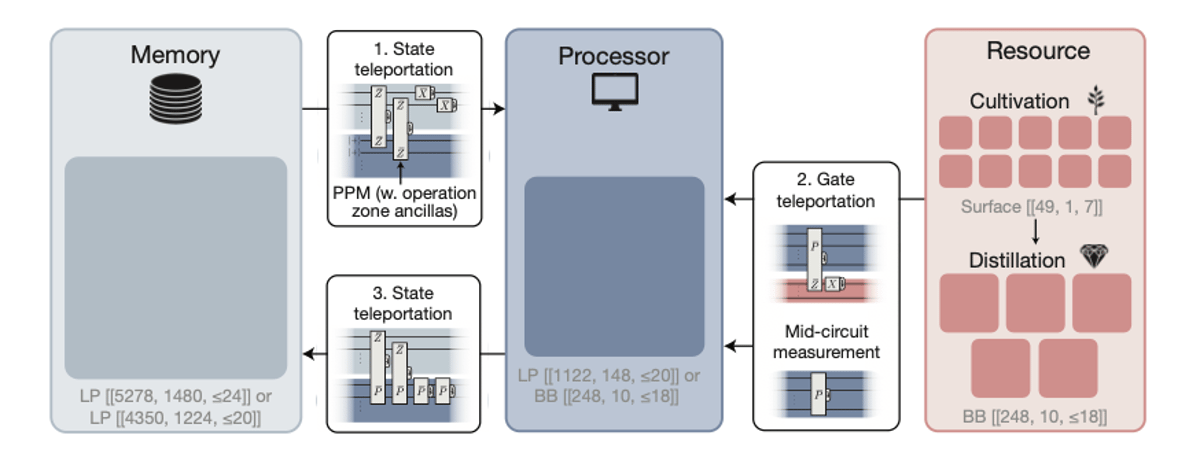
Could Neutral Atoms Take the Lead in Quantum Computing?
A new pre‑print from Oratomic proposes that neutral‑atom quantum computers, which use laser‑tweezed atoms as qubits, could outpace traditional superconducting platforms. The key innovation is dynamic reconfigurability, allowing qubits to be moved into proximity for two‑qubit gates, which dramatically lowers...
5 GitHub Repositories to Learn Quantum Machine Learning
An article on KDnuggets highlights five GitHub repositories that serve as a practical curriculum for quantum machine learning. The curated lists—awesome‑quantum‑machine‑learning and awesome‑quantum‑ml—map the field and aggregate scholarly papers, while hands‑on notebooks and near‑term device projects provide executable code. The...

Blog 114a. Quantum Computing and the Collapse of Identity Security.
The blog argues that the cybersecurity community’s focus on whether quantum computers will break encryption misses a deeper risk: the erosion of digital identity. While encryption protects data, identity systems assume a valid credential equals a valid user, a premise...
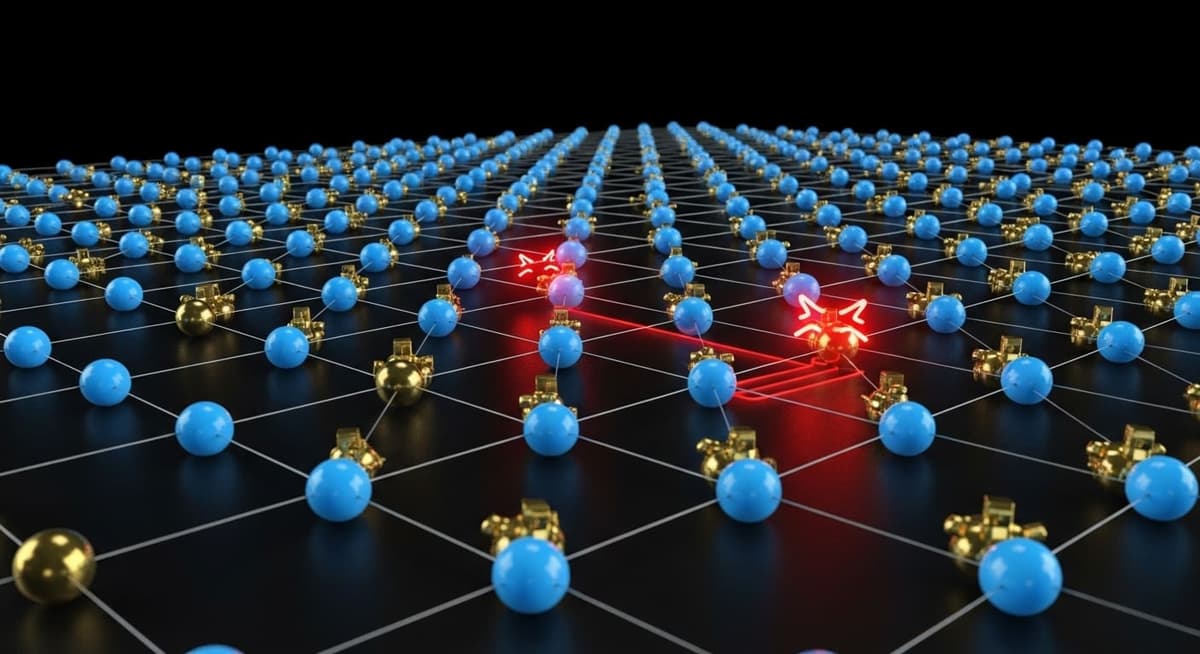
Quantum Computers Edge Closer with Universal Noise Reduction Technique
Scientists at the University of Sydney have introduced an ancilla‑assisted GKP‑stabilizer code that suppresses Gaussian displacement noise from a standard deviation σ to roughly σ². The method works for both continuous‑variable and discrete‑variable platforms, enabling universal hybrid quantum gates, including...
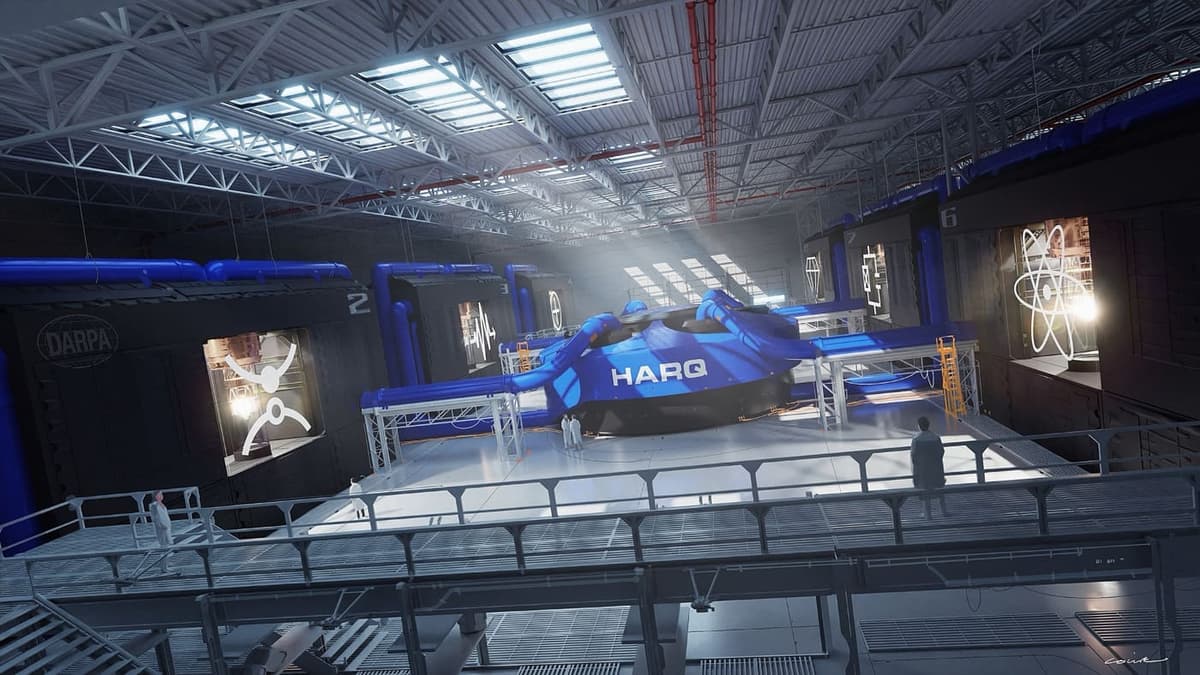
DARPA Funds 19 Teams to Blend Diverse Qubit Technologies
DARPA has awarded funding to 19 research teams under its new Heterogeneous Architectures for Quantum (HARQ) program, shifting focus from a single‑qubit approach to integrated, multi‑technology quantum systems. The initiative splits into two workstreams—MOSAIC, which develops software compilers to allocate...
Pasqal Targets 1000 Qubits With Accelerated Roadmap Delivery
Pasqal announced an accelerated roadmap to scale its neutral‑atom quantum processors to 1,000 qubits, with a demonstration of stable logical qubits slated for 2025. The "Pasqal Thoughts 2026" event in Paris gathered more than 150 participants from over ten countries,...

Researchers Secure Quantum Computation on Untrusted Hardware with New Encryption Framework
Researchers at the University of the Basque Country have introduced QOTPH, a universal quantum homomorphic encryption framework built on the Quantum One‑Time Pad. The scheme provides information‑theoretic security and allows non‑interactive evaluation of circuits expressed in the Clifford + T gate set....
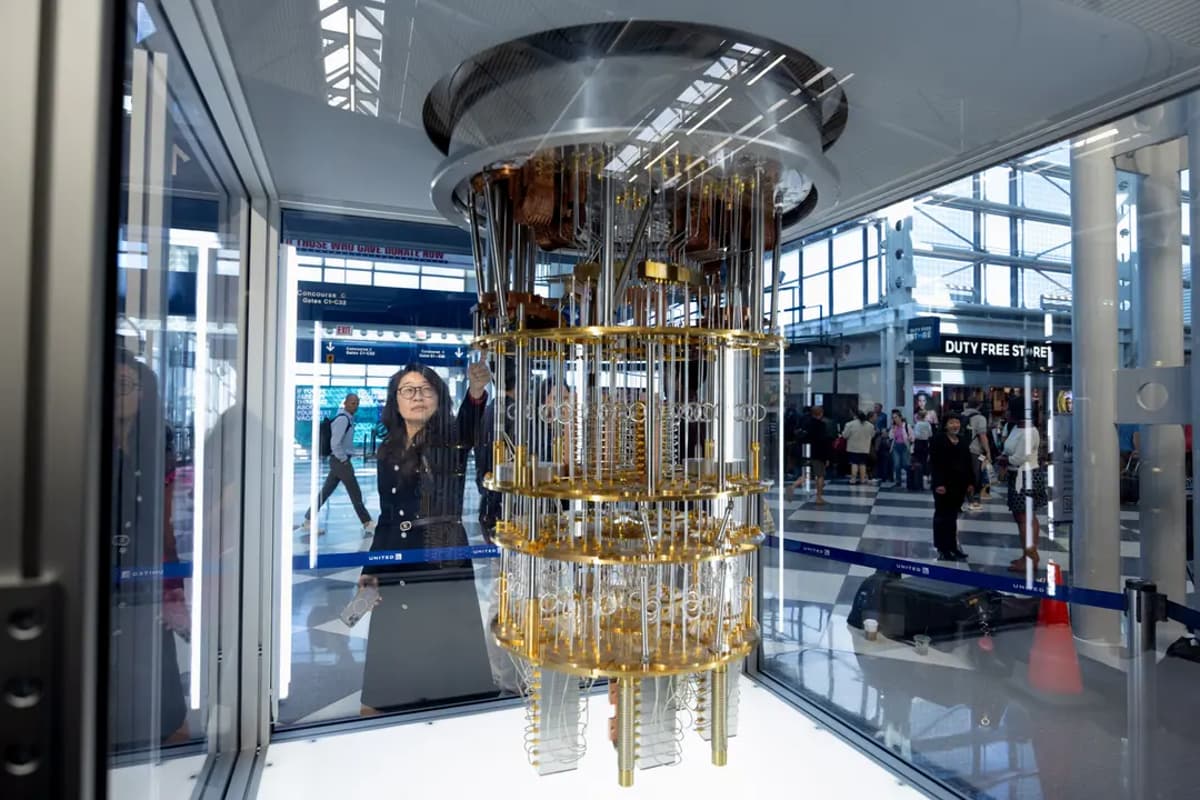
IBM Quantum System Two Arrives in Chicago This September
IBM will install its Quantum System Two in Chicago this September, anchoring a new National Quantum Algorithm Center (NQAC) co‑led by IBM researcher Hanhee Paik and the University of Illinois Urbana‑Champaign and the University of Chicago. The center will give UIUC...