Paragraf & Archer Materials Target Quantum Computing With Graphene

Key Takeaways
- •Paragraf can deposit graphene directly onto semiconductor wafers at scale
- •Archer Materials brings quantum‑device physics expertise to graphene platform
- •Collaboration targets qubit detection, a less‑publicized quantum challenge
- •Goal: rapid prototype development for scalable quantum computing components
- •Potential pipeline includes quantum sensing and advanced electronics applications
Pulse Analysis
Graphene’s extraordinary electron mobility and atom‑thin profile have long made it a candidate for next‑generation quantum hardware, yet most research remains confined to proof‑of‑concept labs. Detecting qubits—measuring the fragile quantum states without disturbing them—requires ultra‑low‑noise interfaces, a niche where graphene’s properties excel. By concentrating on this detection layer, Paragraf and Archer aim to solve a practical hurdle that often limits quantum processor fidelity, complementing the broader industry focus on qubit generation.
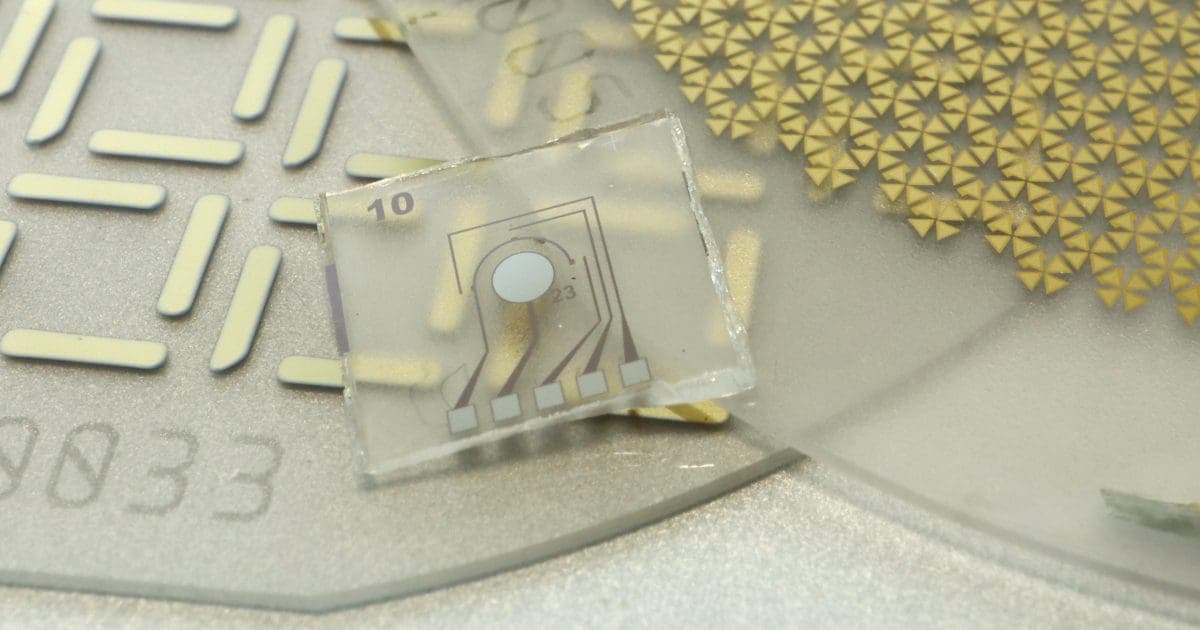
The partnership leverages Paragraf’s commercial‑scale graphene‑on‑wafer technology, which can integrate high‑quality graphene directly onto silicon and other semiconductor substrates. This manufacturing‑ready approach contrasts with many academic efforts that rely on small‑area exfoliation or complex transfer processes. Archer Materials contributes deep knowledge of quantum device physics and sensing architectures, enabling rapid iteration of graphene‑based detectors tailored to emerging quantum platforms. Together, they plan to accelerate prototype cycles, moving from theoretical designs to testable components that can be evaluated in real quantum systems.
If successful, the collaboration could reshape the supply chain for quantum hardware by introducing a scalable, low‑noise material into mainstream fab lines. Investors and OEMs are watching for any technology that can reduce the cost and complexity of quantum computers, and graphene‑based detectors promise both. Beyond computing, the same low‑noise, high‑mobility characteristics are attractive for quantum sensing applications in navigation, medical imaging, and environmental monitoring, suggesting a broader market impact that extends well beyond the lab.
Paragraf & Archer Materials Target Quantum Computing With Graphene
Comments
Want to join the conversation?