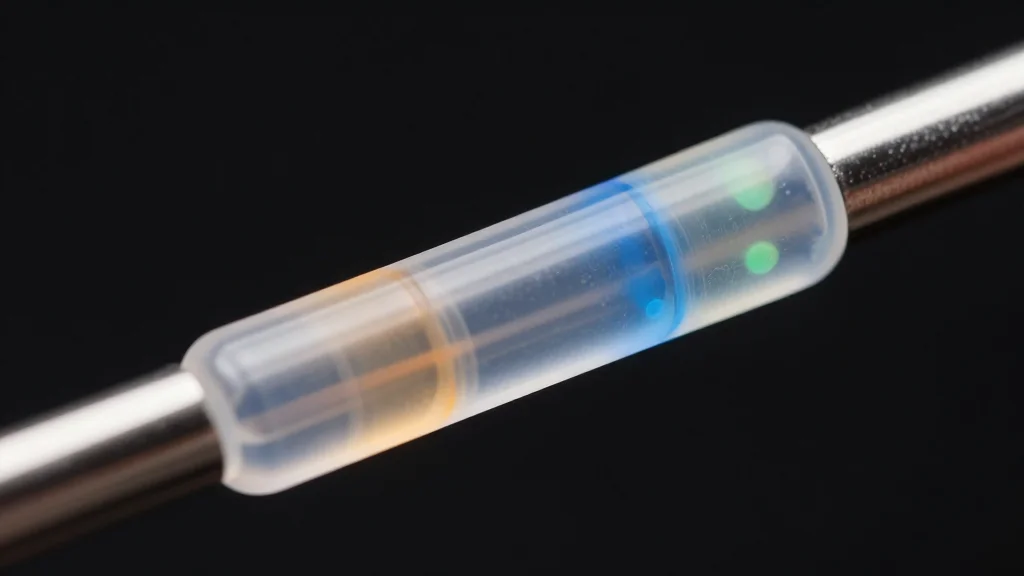
Field‑Programmable Biofunctional Films: From Assisted Fabrication to Integrated Diagnostic‐Therapeutic Devices
Why It Matters
FPBFs promise to merge diagnostics and therapy into a single, programmable interface, accelerating the shift toward personalized, on‑demand medical interventions and reducing the latency between detection and treatment.
Key Takeaways
- •FPBFs respond to thermal, mechanical, electrical, optical, magnetic, acoustic fields
- •Single- and multi-field fabrication techniques improve film programmability and functionality
- •Integrated FPBFs enable real-time sensing, actuation, and drug release in one platform
- •Biocompatibility and clinical translation remain major hurdles for widespread adoption
- •FPBFs could power next‑gen personalized medicine through closed‑loop feedback
Pulse Analysis
Field‑programmable biofunctional films represent a convergence of materials science and biomedical engineering, leveraging external physical fields to modulate surface chemistry and mechanical properties on demand. By embedding responsive polymers, nanostructures or conductive inks, these films can be tuned at the microscale to trigger specific biological interactions when exposed to heat, light, magnetic pulses or acoustic waves. This level of control surpasses traditional static coatings, offering a dynamic interface that can adapt to changing physiological conditions and deliver precise therapeutic cues.
The real power of FPBFs emerges when they are integrated into diagnostic‑therapeutic devices. A single film can host biosensors that detect biomarkers, actuators that generate localized stimuli, and reservoirs that release drugs on command. Such multifunctional layers enable closed‑loop operation: a sensor identifies a disease marker, the film processes the signal, and an embedded actuator initiates targeted therapy without external intervention. Early prototypes have demonstrated on‑chip glucose monitoring paired with insulin release, and magnetically triggered chemotherapy delivery, highlighting the potential to streamline patient care and reduce treatment latency.
Despite the promise, several barriers must be cleared before FPBFs become mainstream. Long‑term biocompatibility, stable field‑response over months, and scalable manufacturing remain unresolved challenges. Moreover, regulatory pathways for devices that combine sensing, actuation and drug delivery are still evolving, requiring rigorous safety data. Nevertheless, the market opportunity is sizable; analysts project the adaptive biomedical device sector to exceed $15 billion by 2035, driven by aging populations and the demand for personalized therapies. Continued interdisciplinary research and strategic partnerships will be critical to translate FPBF technology from laboratory benches to bedside applications.
Field‑Programmable Biofunctional Films: From Assisted Fabrication to Integrated Diagnostic‐Therapeutic Devices
Comments
Want to join the conversation?
Loading comments...