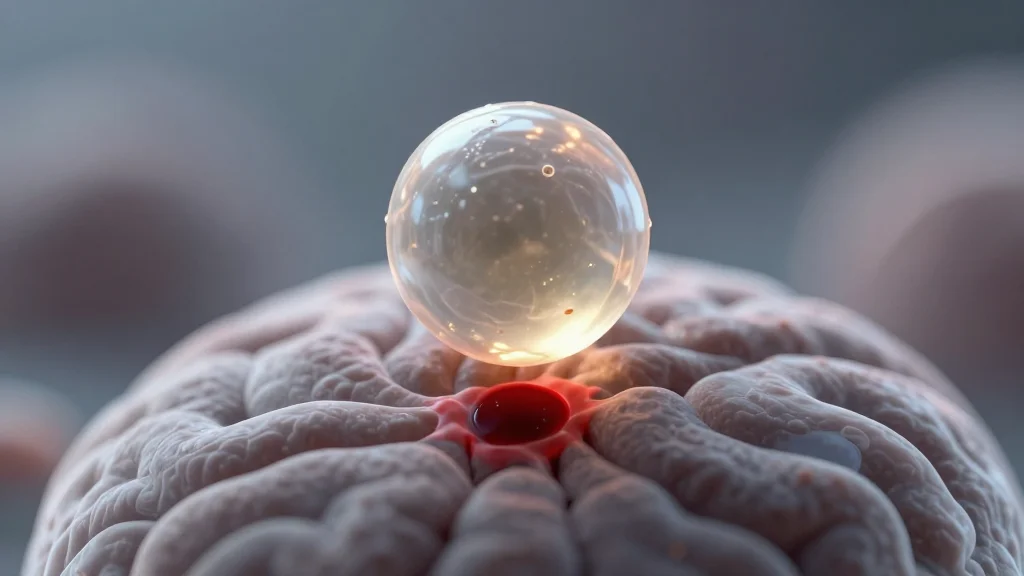
A Monocyte‐Targeted Nanoplatform for Phagocytosis Activation and Ferroptosis Inhibition in Intracerebral Hemorrhage
Why It Matters
By simultaneously enhancing immune‑mediated clot removal and protecting phagocytes from iron‑induced death, the nanoplatform offers a novel, dual‑action therapy for a stroke subtype with limited treatment options, potentially reshaping clinical management of ICH.
Key Takeaways
- •Monocyte-derived macrophages dominate hematoma clearance in ICH
- •Nanoplatform uses aptamer N1 for selective monocyte targeting
- •TLR9 agonist CpG bypasses CD47 inhibition, boosting phagocytosis
- •Deferoxamine chelation prevents ferroptosis in engulfing macrophages
- •In mice, treatment increased lesion accumulation 3.2‑fold, improving function
Pulse Analysis
Intracerebral hemorrhage remains one of the deadliest forms of stroke, largely because blood‑filled cavities trigger both immediate mechanical damage and a cascade of secondary inflammation. While resident microglia have long been studied, recent multi‑omics and single‑cell analyses reveal that infiltrating monocyte‑derived macrophages (MDMs) are the primary cells clearing the hematoma. Their phagocytic capacity, however, is hampered by the CD47‑SIRPα “don’t‑eat‑me” signal, and excessive red‑blood‑cell ingestion can drive ferroptosis, undermining tissue repair.
The newly reported nanoplatform, mPDA@DFO‑CpG‑N1, tackles these hurdles with a three‑pronged design. An N1 aptamer directs the particle to circulating monocytes, ensuring precise delivery to the bleed site. Inside the cells, a CpG oligodeoxynucleotide activates TLR9, reprogramming metabolic pathways to override CD47‑mediated inhibition and amplify erythrophagocytosis. Concurrently, the iron chelator deferoxamine is released in the acidic hemorrhagic microenvironment, sequestering free iron and preventing lipid‑peroxide‑driven ferroptosis in the phagocytes.
Preclinical testing in murine ICH models demonstrated a 3.2‑fold rise in nanoparticle accumulation at the lesion, faster clot resolution, and a significant reduction in ferroptotic markers. Treated animals showed marked improvements in motor and cognitive assessments, suggesting functional recovery beyond mere hematoma removal. If translated to humans, this closed‑loop strategy could fill a critical therapeutic gap, offering a disease‑modifying option for stroke patients and opening commercial pathways for nanomedicine platforms that integrate immune modulation with cell‑protective chemistry.
A Monocyte‐Targeted Nanoplatform for Phagocytosis Activation and Ferroptosis Inhibition in Intracerebral Hemorrhage
Comments
Want to join the conversation?
Loading comments...