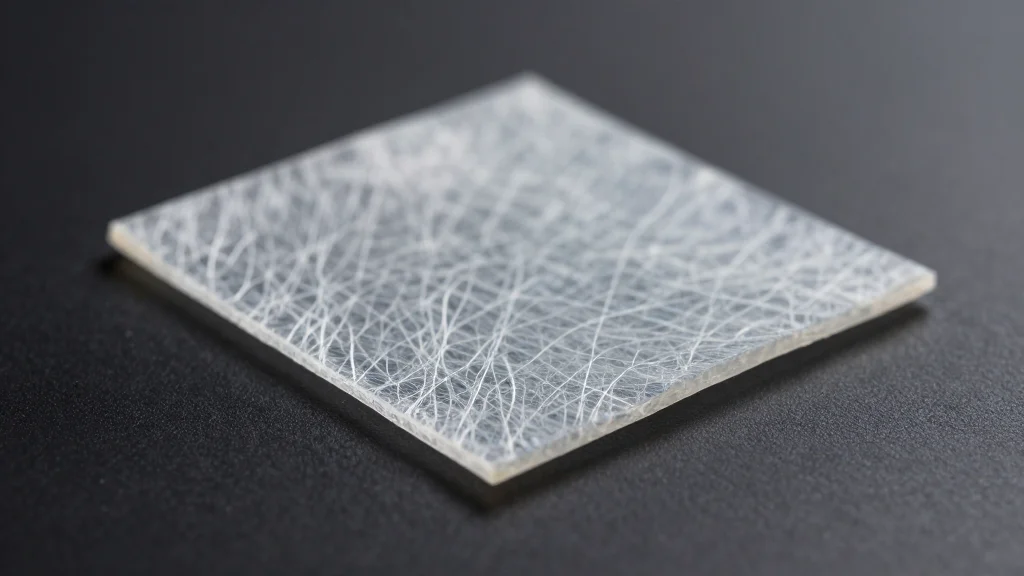
Exploiting Interfacial Ionic Mobility to Make Heat-Moldable Nanoparticle Aggregates
Why It Matters
The technique creates sustainable, lightweight alternatives to petroleum‑based thermoplastics, opening low‑cost manufacturing pathways for automotive, aerospace, and electronics components that demand high strength and thermal stability.
Key Takeaways
- •Ionic liquid cations enable interfacial diffusion in CNF aggregates
- •Thermoformed CNF sheets retain high strength and low thermal expansion
- •Process preserves nanoparticle crystallite structure during heating
- •Strategy extends to graphene oxide and other 2‑D nanomaterials
Pulse Analysis
The Osaka team’s breakthrough hinges on exploiting ion mobility at the nanoscale interface. By attaching negatively charged groups to cellulose nanofibers and introducing positively charged ionic‑liquid cations, the researchers trigger a reversible diffusion process when heated. This interfacial self‑diffusion softens the aggregate without breaking the crystalline domains that give nanomaterials their superior mechanical and thermal characteristics. The result is a heat‑moldable sheet that behaves like a thermoplastic while retaining the intrinsic advantages of nanoparticle assemblies.
From a commercial perspective, the ability to thermoform nanoparticle aggregates could reshape supply chains for high‑performance composites. Traditional thermoplastics rely on petrochemical feedstocks and often sacrifice strength for processability. In contrast, CNF‑based sheets combine low density, high tensile strength, and minimal thermal expansion—attributes prized in lightweight vehicle frames, heat‑sink components, and structural electronics. Moreover, the use of ionic liquids, which operate below 100 °C, reduces energy consumption and mitigates oxidation risks, aligning the process with sustainability goals and potentially qualifying for green‑material incentives.
Looking ahead, the method’s versatility suggests broader applicability across two‑dimensional nanomaterials such as graphene oxide, transition‑metal dichalcogenides, and even metal‑oxide nanoparticles. Scaling the surface‑functionalization steps and ensuring uniform ionic‑liquid distribution will be critical for industrial adoption. Nonetheless, the study establishes a foundational platform for designing next‑generation, recyclable thermoplastic nanocomposites that could displace conventional plastics in sectors where performance and environmental impact are paramount.
Exploiting interfacial ionic mobility to make heat-moldable nanoparticle aggregates
Comments
Want to join the conversation?
Loading comments...