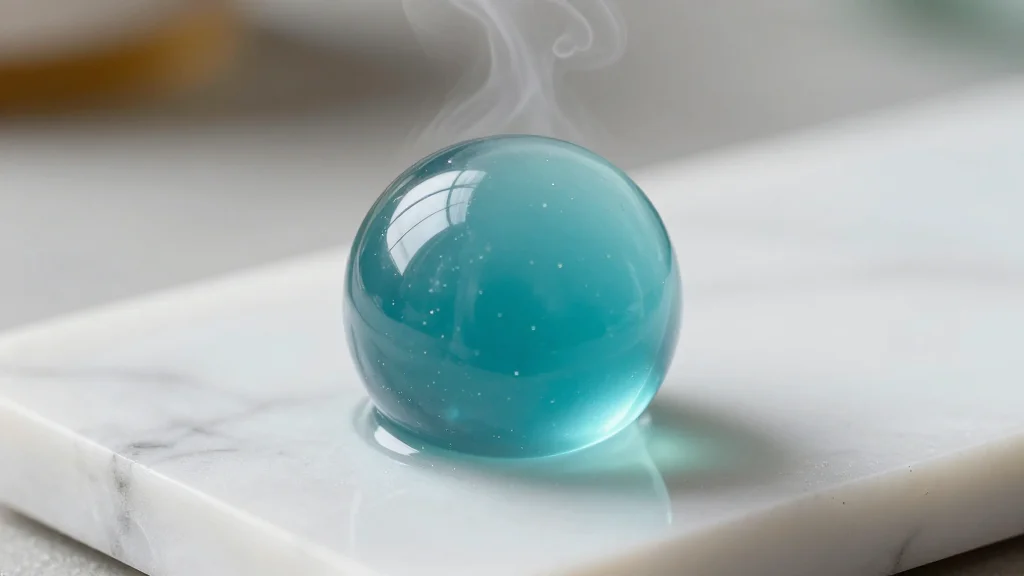
Jellyfish-Inspired Gel Captures Nanoplastics
Why It Matters
Nanoplastic contamination threatens drinking water safety and industrial processes, and this gel offers a scalable, chemical‑free solution that can be integrated into existing treatment infrastructure.
Key Takeaways
- •Gel captures 68–100 % of nanoplastics in 90 minutes.
- •Temperature shift releases particles for analysis without chemicals.
- •Synthetic amphiphilic copolymer mimics jellyfish mucus structure.
- •Potential coating for wastewater pipes enables on‑site regeneration.
Pulse Analysis
Nanoplastics, defined as plastic fragments under one micron, have slipped through conventional filtration methods, raising concerns for public health and environmental compliance. While membrane filters and density separation work for larger microplastics, the sub‑micron scale of nanoplastics demands innovative capture techniques. Recent advances include magnetic metal‑organic frameworks, yet they require external fields for retrieval. The German study introduces a passive, temperature‑controlled gel that leverages amphiphilic chemistry to trap these elusive particles, marking a shift toward more practical, low‑energy remediation tools.
The gel’s design draws from the dual‑nature of jellyfish mucus, combining hydrophilic oligo(ethylene glycol) acrylate with hydrophobic acrylate monomers to form a copolymer that self‑assembles into micelles. Upon heating, the polymer cross‑links into a porous matrix that selectively adsorbs hydrophobic nanoplastics via electrostatic and van der Waals forces. Laboratory trials with polystyrene nanoparticles demonstrated up to complete capture in under two hours, and a simple cooling step—often aided by brief centrifugation—releases the plastics without adding chemicals. This reversible process not only simplifies downstream analysis but also enables the gel’s reuse, addressing cost and waste concerns.
For industry, the technology promises immediate applicability. Wastewater treatment plants already operate at elevated temperatures, making the gel’s activation seamless. Coating internal pipe surfaces could provide continuous nanoplastic removal, while periodic cooling cycles would regenerate the coating, reducing downtime. Compared with magnetic capture devices, the gel’s passive extraction reduces equipment complexity and energy consumption. As regulators tighten limits on micro‑ and nanoplastic discharge, such adaptable, biobased solutions could become a cornerstone of water‑quality management, driving both compliance and sustainability initiatives.
Jellyfish-inspired gel captures nanoplastics
Comments
Want to join the conversation?
Loading comments...