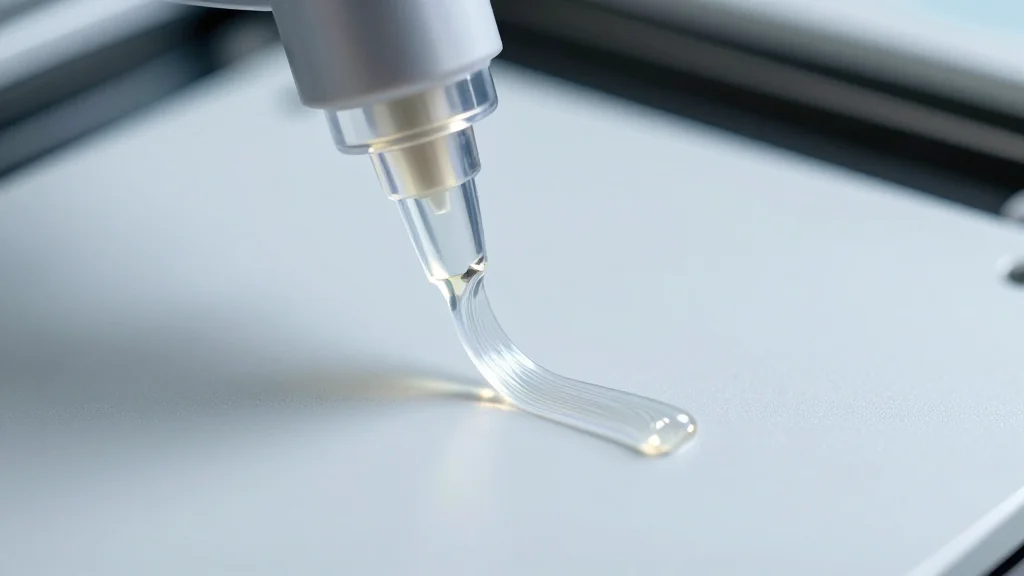
Nanoengineered Micellar Hydrogel with Controllable Strain‐Dependent Behavior for Brain Slice‐Like Tissue Patch Bioprinting
Why It Matters
The breakthrough provides a scalable, cell‑friendly bioink for neural tissue engineering, accelerating research in brain disease models and personalized regenerative therapies.
Key Takeaways
- •Nanoengineered chitosan micelle hydrogel achieves three distinct rheologies
- •CDP‑II bioink tolerates up to 200% shear strain without failure
- •Rheo‑SAXS reveals reversible lyotropic liquid‑crystal structures
- •Printed brain‑slice patches maintain neural stem cell viability and differentiation
Pulse Analysis
Extrusion‑based bioprinting has emerged as a leading platform for constructing three‑dimensional tissue analogs, yet printing soft neural tissues remains a bottleneck. Conventional bioinks often sacrifice cell health for print fidelity, and the lack of detailed structure‑property insight hampers systematic design. Researchers therefore demand materials that can flow under high shear yet quickly recover to support delicate neural cells, a combination rarely achieved in a single formulation.
The new CDP system addresses this gap by integrating chitosan micelles with dynamic covalent crosslinks. By modulating the ratio of reversible covalent bonds to micelle stacking, the team produced three rheological regimes, selecting CDP‑II for its balanced shear‑strain tolerance (up to 200%) and modest shear modulus (0.6 kPa). In‑situ rheo‑SAXS captured reversible lyotropic liquid‑crystal ordering during shear, while SANS quantified micelle radius (8.1 nm) and packing density (36%). These characterizations provide a reproducible blueprint for tailoring soft hydrogels to specific printing stresses, moving beyond trial‑and‑error approaches.
Beyond the material science, CDP‑II demonstrates robust biocompatibility: neural stem cells retain high viability, differentiate into mature neuronal phenotypes, and survive the extrusion process. The resulting brain‑slice‑like patches can be lifted, transferred, and cultured, opening avenues for high‑throughput disease modeling, drug screening, and potentially patient‑specific grafts. As the biotech industry seeks scalable neural tissue platforms, this nanoengineered bioink positions itself as a cornerstone technology, likely attracting investment and accelerating translational pipelines in neuro‑regenerative medicine.
Nanoengineered Micellar Hydrogel with Controllable Strain‐Dependent Behavior for Brain Slice‐Like Tissue Patch Bioprinting
Comments
Want to join the conversation?
Loading comments...