Identifying the Synergistic Role of Graphitic Nitrogen and Cobalt Nanoparticle in Electron Transfer Pathway Toward Fenton‐Like Catalysis
Why It Matters
The study shows a durable, high‑efficiency catalyst that reduces replacement costs and enhances scalability of advanced oxidation processes, a critical step toward sustainable industrial water treatment.
Key Takeaways
- •Graphitic nitrogen creates electron transfer highway in CoN/C-8 catalyst
- •Cobalt nanoparticles protected, extending catalyst lifespan
- • >95% tetracycline removal maintained for 600 minutes continuous flow
- •Electron donor shifts from Co NPs to N‑doped carbon layer
- •Combined experiments and simulations reveal synergistic mechanism
Pulse Analysis
The Fenton‑like oxidation of organic pollutants using peroxymonosulfate (PMS) has emerged as a promising alternative to traditional Fenton chemistry, especially for treating recalcitrant pharmaceuticals in water. However, conventional cobalt‑based catalysts often suffer from rapid deactivation due to metal leaching and surface passivation, limiting their operational lifespan and increasing treatment costs. Recent advances in heteroatom‑doped carbon materials suggest that nitrogen incorporation can modulate electronic structure and improve catalyst durability. By embedding cobalt nanoparticles within a nitrogen‑rich carbon nanotube matrix, researchers aim to combine the high redox activity of Co with the conductive, protective properties of graphitic nitrogen.
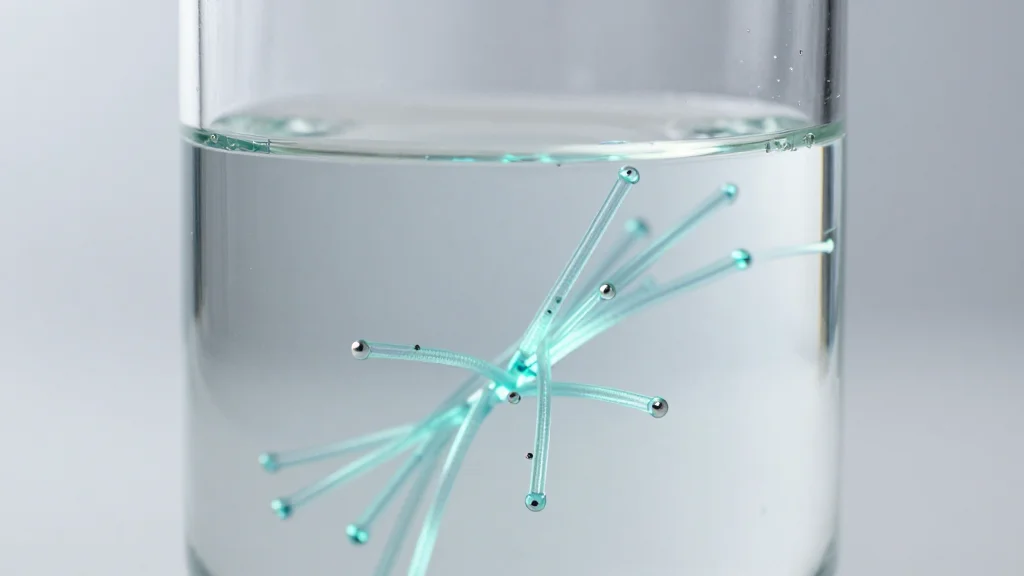
In the study titled "Identifying the Synergistic Role of Graphitic Nitrogen and Cobalt Nanoparticle in Electron Transfer Pathway Toward Fenton‑Like Catalysis," the authors synthesized a beads‑on‑string CoN/C‑8 catalyst and evaluated its performance in a continuous‑flow reactor treating tetracycline hydrochloride. Electrochemical measurements, COMSOL multiphysics modeling, and density functional theory calculations converged on a clear electron‑transfer pathway: the graphitic nitrogen sites act as a highway that channels electrons from the organic contaminant to the PMS‑activated complex, while simultaneously shielding the cobalt cores. This shift in the primary electron donor from the metal particles to the N‑doped carbon layer markedly improves catalyst stability, as evidenced by over 95 % removal efficiency sustained for ten hours of operation.
The implications for industrial water treatment are significant. A catalyst that maintains high activity without frequent regeneration can lower capital expenditures and simplify plant design, making advanced oxidation processes more competitive with membrane or adsorption technologies. Moreover, the demonstrated synergy between graphitic nitrogen and metal nanoparticles opens a design pathway for other transition‑metal catalysts targeting emerging contaminants such as PFAS or microplastics. Future work will likely explore scale‑up synthesis, long‑term leaching assessments, and integration with existing PMS dosing systems, positioning N‑doped cobalt catalysts as a cornerstone of next‑generation, sustainable water remediation strategies.
Identifying the Synergistic Role of Graphitic Nitrogen and Cobalt Nanoparticle in Electron Transfer Pathway Toward Fenton‐Like Catalysis
Comments
Want to join the conversation?
Loading comments...