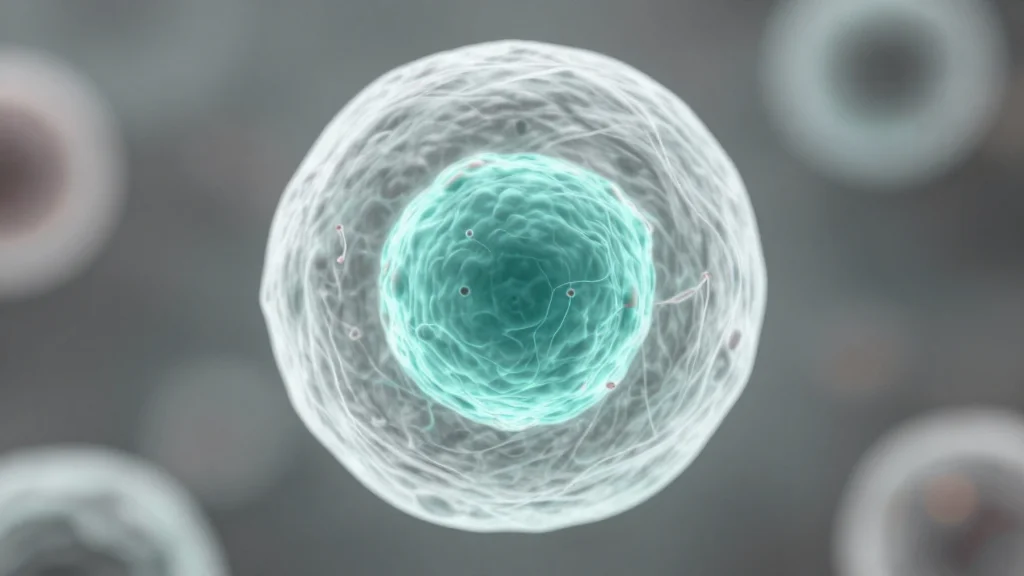
Programmable Artificial RNA Condensates in Mammalian Cells
Why It Matters
These programmable RNA condensates provide a versatile platform for building synthetic organelles that can modulate cellular pathways without provoking immune responses, opening new avenues for therapeutic and synthetic‑biology applications.
Key Takeaways
- •ssRNA nanostars self‑assemble into visible condensates in HEK293T, HeLa, U‑2 OS cells
- •Localization tuned by arm length, valency, and KL strength
- •Embedded aptamers recruit proteins, small molecules, and target RNAs
- •Condensates show viscous dynamics; FRAP τ 7–55 s, fusion minutes
- •No interferon‑β or ISG activation observed, indicating low immunogenicity
Pulse Analysis
The emergence of RNA‑based biomolecular condensates marks a shift from protein‑centric phase‑separation models toward nucleic‑acid engineering. Unlike intrinsically disordered proteins, ssRNA nanostars offer base‑pairing programmability, enabling precise control over multivalent interactions through designed kissing loops. This modularity allows researchers to dictate condensate composition, viscoelasticity, and subcellular distribution simply by tweaking arm length or loop affinity, a flexibility that could accelerate the creation of synthetic organelles for targeted metabolic routing or signal transduction.
Beyond structural elegance, the functional payload capacity of these condensates is a game‑changer for synthetic biology. By embedding aptamers such as MS2, Broccoli, or Pepper, nanostars can sequester fluorescent reporters, enzymes, or therapeutic RNAs directly within the droplet interior, effectively concentrating reactants and shielding them from degradation. The demonstrated recruitment of target RNAs through complementary hybridization eliminates the need for protein tags, paving the way for on‑demand regulation of native transcripts, including mRNA translation or rRNA processing. Such capabilities could be harnessed to fine‑tune gene expression in cell‑based therapies or to construct intracellular reaction chambers for metabolic engineering.
While the technology shows promise, practical deployment will require addressing metabolic stress observed at high expression levels and ensuring robust delivery in vivo. Inducible promoters or transient expression systems may mitigate cellular burden, and advances in lipid nanoparticle or viral vector design could facilitate efficient nanostar delivery to target tissues. As the field converges on RNA’s central role in phase separation, programmable RNA condensates are poised to become foundational tools for next‑generation therapeutics, offering a customizable, low‑immunogenic platform for reprogramming cellular function.
Programmable artificial RNA condensates in mammalian cells
Comments
Want to join the conversation?
Loading comments...