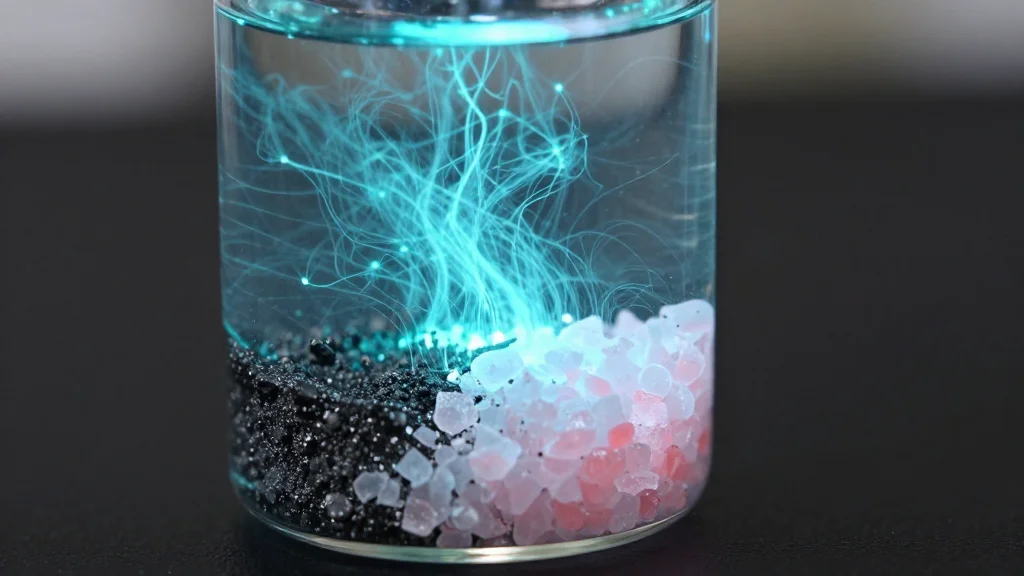
Highly Efficient Hydrogen Peroxide Production Over S‐Scheme G‐C3N4/COF Heterojunction Through Dual‐Channel Photocatalysis
Researchers have developed a plasma‑assisted S‑scheme heterojunction of graphitic carbon nitride (g‑C3N4) and a triazine‑based covalent organic framework (COF) that photocatalytically generates hydrogen peroxide under visible light. The dual‑channel design simultaneously drives oxygen reduction and water oxidation, delivering a production rate of 2,017 µmol g⁻¹ h⁻¹ without any sacrificial reagents. This rate outperforms the individual g‑C3N4 and COF components by 10.9‑fold and 3.6‑fold, respectively, and the material retains activity over repeated cycles. The work showcases a scalable, green route for solar‑driven oxidant synthesis.
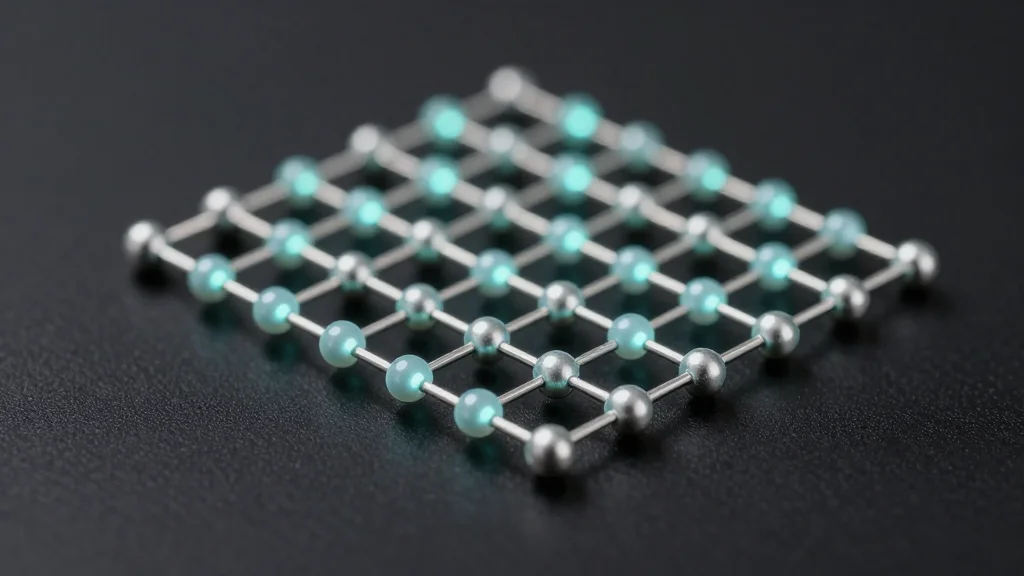
Surface Modulation, Optics, and Electrochemical Hydrogen Evolution Studies on CdS‐Ag2S Superlattice Heterostructures
Researchers synthesized CdS‑Ag2S superlattice heterostructures using two ligand‑mediated routes, producing random ODA‑capped quantum‑dot assemblies and ordered DDT‑capped nanorod arrays. Electron microscopy and X‑ray spectroscopy confirmed distinct domain ordering, which altered charge carrier recombination lifetimes. The ordered DDT‑capped superlattices displayed faster...
GMG Reports Doubling Energy Density of 6 Minute Charging Graphene Aluminium-Ion Battery
Graphene Manufacturing Group (GMG) announced that its graphene‑aluminium‑ion (G+A) cells have doubled their energy density since a December 2025 update, now exceeding 100 Wh/kg after a one‑hour charge and achieving over 80 Wh/kg with a six‑minute charge. The breakthrough stems from a...

Enhancing Antitumour Nanovaccine Efficacy via Integrated Cholesterol Modulation in Situ
Researchers have created a nanovaccine, NPCM‑OT, that simultaneously delivers tumor antigens and depletes cholesterol from dendritic cell membranes. The cholesterol reduction reshapes lipid microdomains, enhancing immune‑synapse formation and CD8⁺ T‑cell activation. In multiple mouse tumor models, the vaccine showed both...

Versatile Heavy Metal Ion Separation via Biological Ion-Channel-Inspired Membranes
Researchers have unveiled a polymeric membrane that mimics biological ion channels to separate heavy‑metal ions with unprecedented precision. By engineering sub‑nanometre pores and embedding metal‑binding ligands, the membrane selectively captures ions such as lead, cadmium and mercury while allowing water...
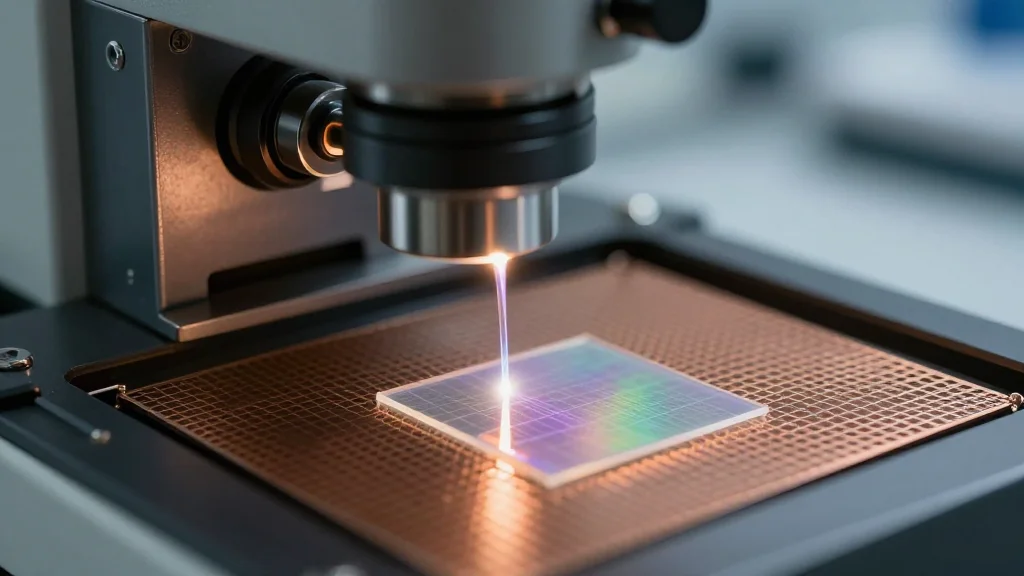
Electrons Crack Open Organic Solar Cells, Exposing Their Hidden 3D Molecular Architecture in a Single Microscope
Researchers at FAU Erlangen‑Nürnberg and partners demonstrated that three‑dimensional electron diffraction (3D ED) can deliver the same averaged structural information previously obtained only with X‑ray techniques for organic solar cells. By carefully managing electron dose, they captured nanoscale molecular order without...

Enhancing Oxidase‐Catalyzed Biosensing via Hydrophobic ZIF‐7 Nanomaterials: A Micro‐Triphase Interface Approach
The study introduces ZIF-7 nanoparticles as hydrophobic oxygen reservoirs in a solid–liquid–air triphase enzyme electrode, boosting oxidase‑catalyzed biosensing. By releasing pre‑stored O₂, the system raises Vmax 21‑fold and widens the glucose linear range from 2 mM to 20 mM, a ten‑fold improvement...

Electrochemiluminescent COFs and HOFs as Porous Material Engineering Systems for Bioanalysis and Environmental Monitoring
The review outlines how covalent organic frameworks (COFs) and hydrogen‑bonded organic frameworks (HOFs) are reshaping electrochemiluminescence (ECL) biosensing. COFs contribute robust, high‑surface‑area, π‑conjugated networks that accelerate charge transfer, enabling ultra‑sensitive detection of biomolecules, toxins and pesticides. HOFs, built from reversible...

Bioadhesive Scaffold for Dual Delivery of Methotrexate‐Loaded Liposomes and Chondrogenic miRNA in Advanced Rheumatoid Arthritis Therapy
Researchers have engineered a bioadhesive scaffold that couples inflammation‑responsive methotrexate‑loaded liposomes with miRNA‑140‑bearing nanoparticles to treat advanced rheumatoid arthritis. The scaffold, composed of collagen, polydopamine‑modified hyaluronic acid and PEGDE cross‑linker, adheres to joint tissue, releases methotrexate when matrix metalloproteinases are...

Tumor Microenvironment‐Responsive Dual‐Enzymatic Flasklike Nanobots for Enhanced Chemotherapy
Researchers have engineered a flask‑shaped nanobot (GC‑M@FPNbot) that harnesses glucose oxidase and catalase to self‑propel in response to tumor‑specific proton and hydrogen peroxide gradients. Loaded with doxorubicin, the bots exhibit chemotactic motion that enables deep penetration of extracellular matrix and...

High‐Performance Electrocatalytic Carbon Dioxide Reduction to Formic Acid on Cypress‐Like Enzyme‐Antimony‐Bismuth Biohybrid
Researchers have created a cypress‑like biohybrid catalyst that couples carbonic anhydrase enzyme with antimony‑decorated bismuth to electrochemically reduce CO2 into formic acid. The enzyme acts as a CO2 shuttle, concentrating the gas at the electrode surface, while antimony tunes the...
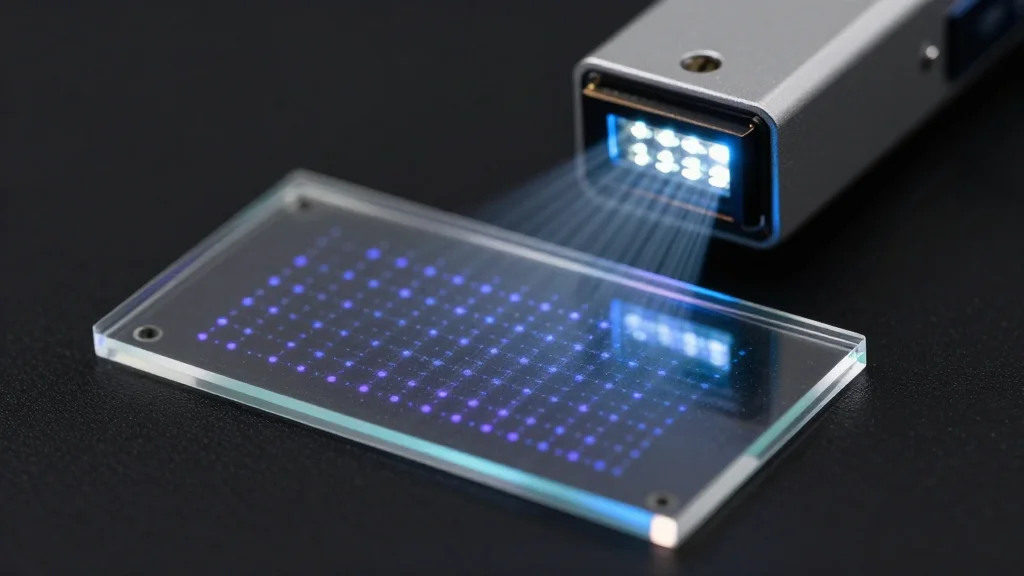
Light‐Guided Molecular Patterning for High‐Throughput Single‐Molecule Mechanical Characterization (Small 21/2026)
Researchers led by Wesley P. Wong have introduced a light‑guided molecular patterning technique that arranges UV‑responsive oligonucleotides on solid substrates using a digital micromirror device (DMD). The method projects programmable UV illumination without photomasks, delivering precise spatial control. This approach...

Multimodal Analysis of the Early Stage of Amyloid Formation via Graphene Liquid Cell Electron Microscopy
Researchers have combined graphene liquid‑cell transmission electron microscopy (GLC‑TEM) with semi‑ensemble and time‑sequential analyses to watch amyloid‑β oligomer formation in real time. The multimodal approach reveals that early‑stage aggregates exist in a kinetic quasi‑equilibrium, where rapid association‑dissociation events keep population...

Synergistic Polysulfide Regulation by Nanodiamond and Sulfur Iodide on Cathode for Achieving Long‐Cycling Na–S Batteries
Researchers have created a sulfur‑iodine‑carbon‑nanotube/nanodiamond (SIC/ND) composite cathode for sodium‑sulfur batteries. The design uniformly coats sulfur iodide on a conductive CNT framework while embedding nanodiamonds for mechanical support and catalytic activity. The cathode delivers a specific capacity of 1,096.7 mAh g⁻¹ after...
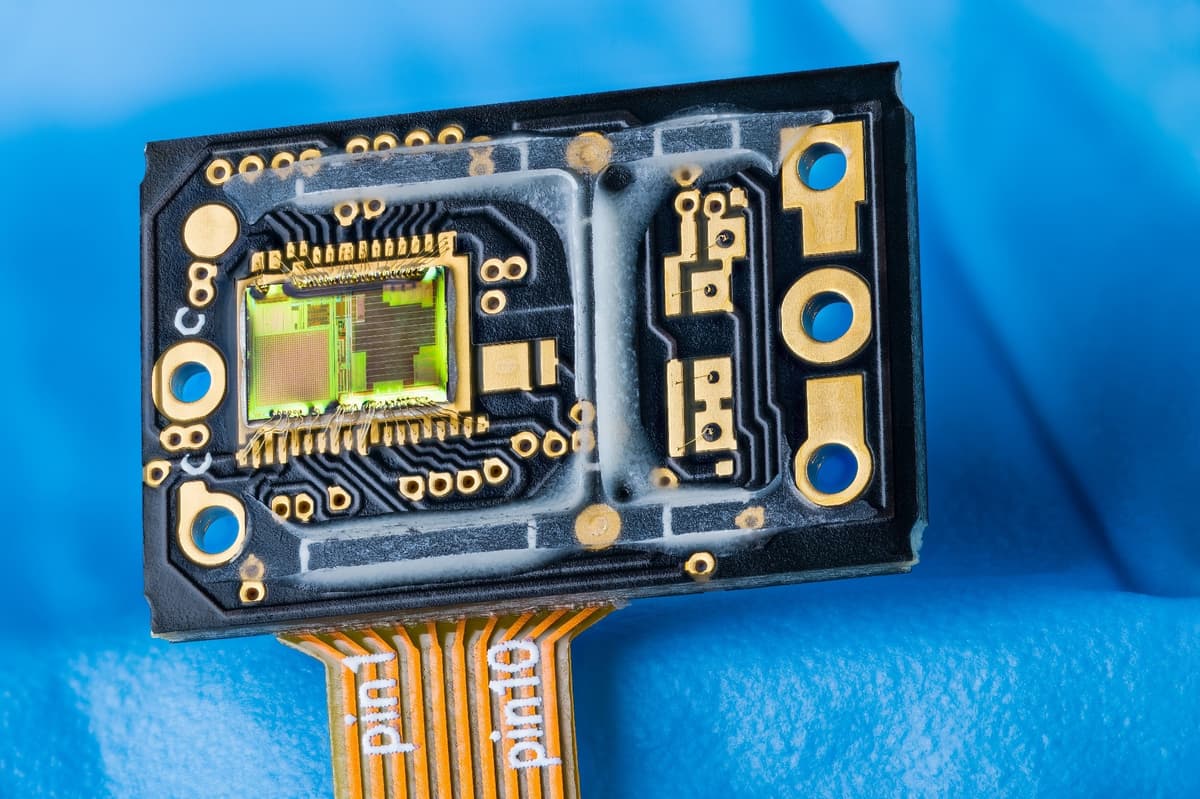
Improved Surface Chemistry Lifts HgTe Nanocrystal Photodiode Voltage
Researchers have demonstrated that an ultrathin CdS shell combined with revised Cd‑based interface chemistry pushes HgTe nanocrystal photodiodes past a long‑standing voltage ceiling. The optimized devices achieve a 420 mV open‑circuit voltage—exceeding half the material bandgap—and reduce dark current to ~10⁻⁷ A cm⁻²....
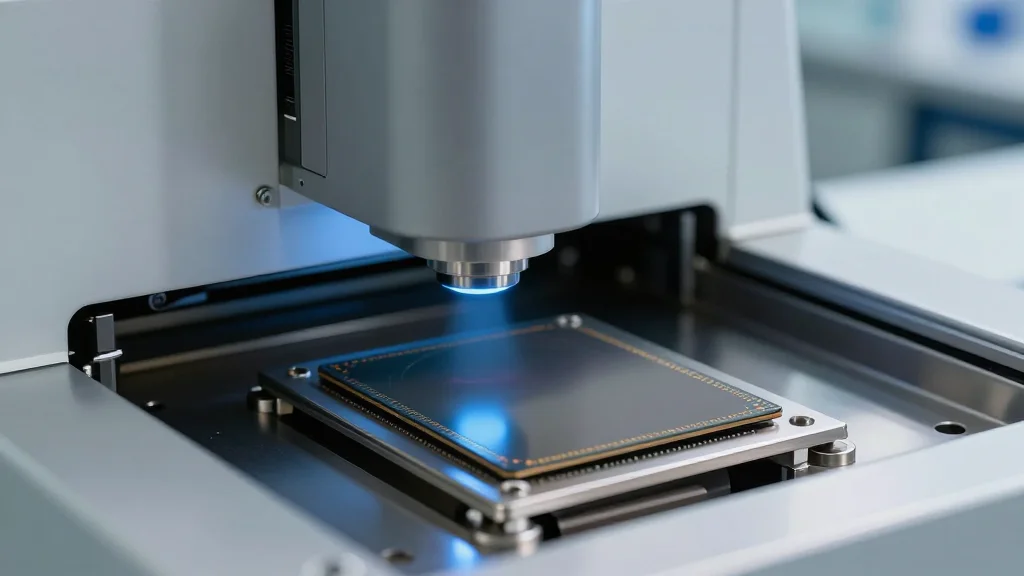
AlixLabs and VDL ETG Projects Announce MoU for Industrialization of APS Patterning
Swedish semiconductor equipment maker AlixLabs AB has signed a memorandum of understanding with VDL ETG Projects to industrialize its Atomic Pitch Splitting (APS) patterning technology. The partnership will move APS from laboratory validation to batch manufacturing and turnkey production lines for chip...

Porous Silica-Based Anti-Reflective Coating Increases PV Glass Optical Transmission by 5.2%
Researchers at Spain’s CIEMAT have created a porous silica anti‑reflective coating that lifts solar‑panel glass transmission by up to 5.2%, reaching 99.8% at 600 nm. By fine‑tuning the ratio of TEOS to MTES, the concentration of the pore‑forming agent Pluronic P‑123,...
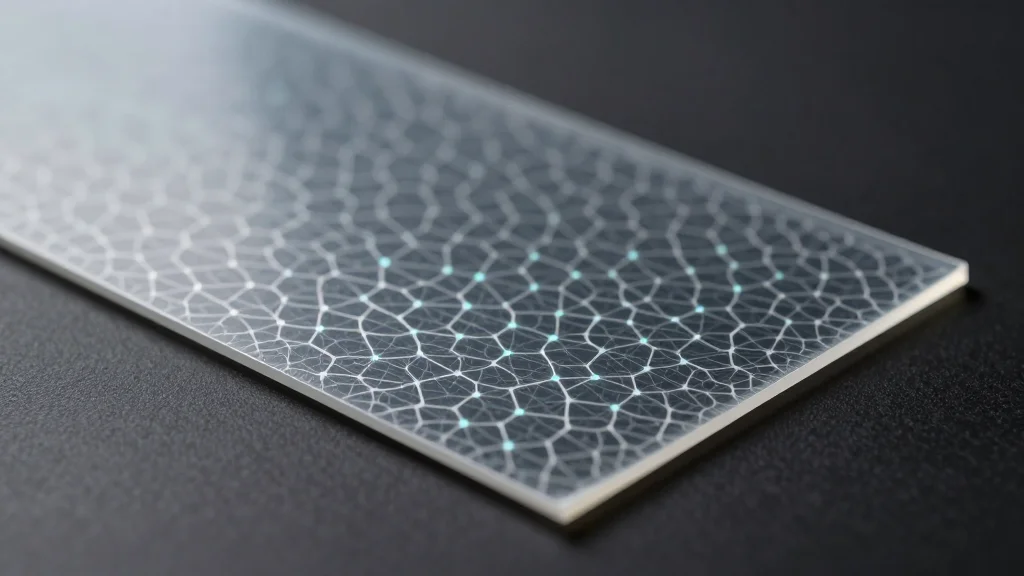
Printed MoS2 Memristive Nanosheet Networks for Spiking Neurons with Multi-Order Complexity
Researchers at Northwestern University have aerosol‑jet printed graphene/MoS₂/graphene memristive networks that exhibit snap‑back negative differential resistance and volatile threshold switching. The printed devices operate on flexible substrates, delivering oscillatory neuron circuits with tunable spiking frequencies up to 20 kHz and surviving...

Monolithic 3D Integration of Tantalum Pentoxide Nonlinear Photonics
Researchers have unveiled a monolithic three‑dimensional integration platform that embeds tantalum pentoxide (Ta₂O₅) waveguides directly on silicon substrates. The approach delivers ultra‑low propagation loss below 0.08 dB/cm and a Kerr nonlinear coefficient exceeding 1×10⁻¹⁸ m²/W, enabling on‑chip octave‑spanning frequency combs within a...
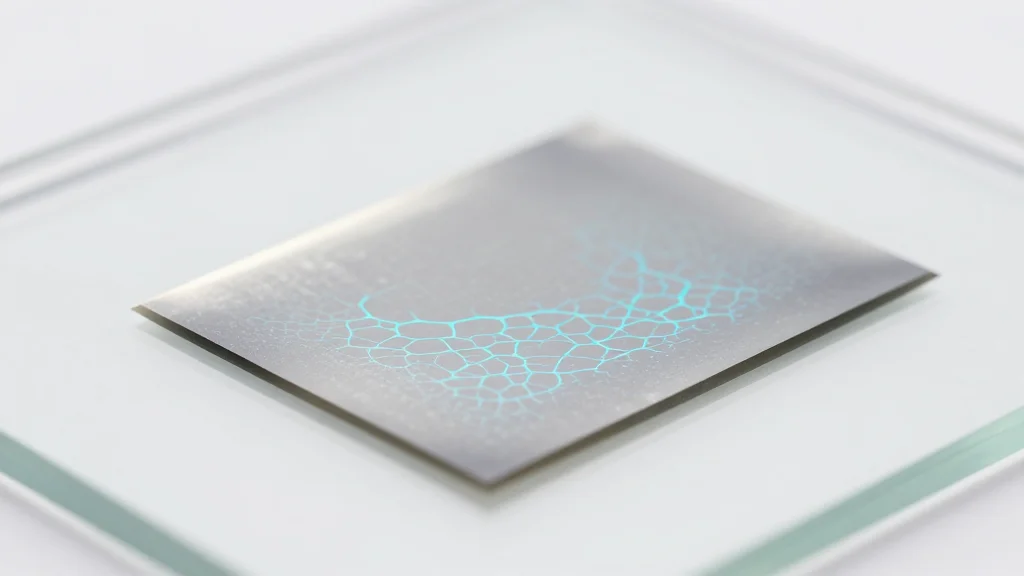
Giant Room-Temperature Third-Order Electrical Transport in a Thin-Film Altermagnet Candidate
Researchers report a giant third‑order electrical transport response at room temperature in (101)‑oriented RuO₂ thin films 5–9 nm thick. The third‑order Hall signal surpasses that of previously studied materials such as FeSn, MnBi₂Te₄, and Cd₃As₂, even without high magnetic fields. X‑ray...

AI-Guided Electron Microscope Provides Unique Glimpse Into the World of MXenes
Researchers at the National Laboratory of the Rockies have used an AI‑guided electron microscope to map point defects in three dimensions within MXene sheets. The study, published in Nature Communications, presents the first 3D reconstruction of titanium‑vacancy distributions in a...

Phospholipid Asymmetry Helps Explain Extracellular Vesicle Surface Charge and Therapeutic Quality
Researchers led by Naohiro Seo and Takanori Ichiki published a review in ACS Nano Medicine that links extracellular vesicle (EV) surface charge to phospholipid asymmetry, especially the distribution of phosphatidylserine (PS). They show exosomes retain PS on the inner leaflet,...

Balsa Wood Absorbs Solar Heat and Generates Power Long After Dark
Researchers have engineered a carbonisation‑free balsa wood composite that absorbs sunlight, stores heat, and generates electricity after darkness, achieving a photothermal conversion efficiency of 91.27% and a sustained 0.65 V output. The material uses delignified wood with 93% porosity, black phosphorene...

The Once-Theoretical Skyrmion Could Unlock Supercomputing Memory
Researchers have demonstrated that magnetic skyrmions as small as 2 nm can form in the centrosymmetric compound Eu(Ga,Al)₄, overturning the long‑standing belief that skyrmions require non‑centrosymmetric crystals. Using composition‑controlled crystal growth and synchrotron‑based ARPES, the team identified a Lifshitz transition that...
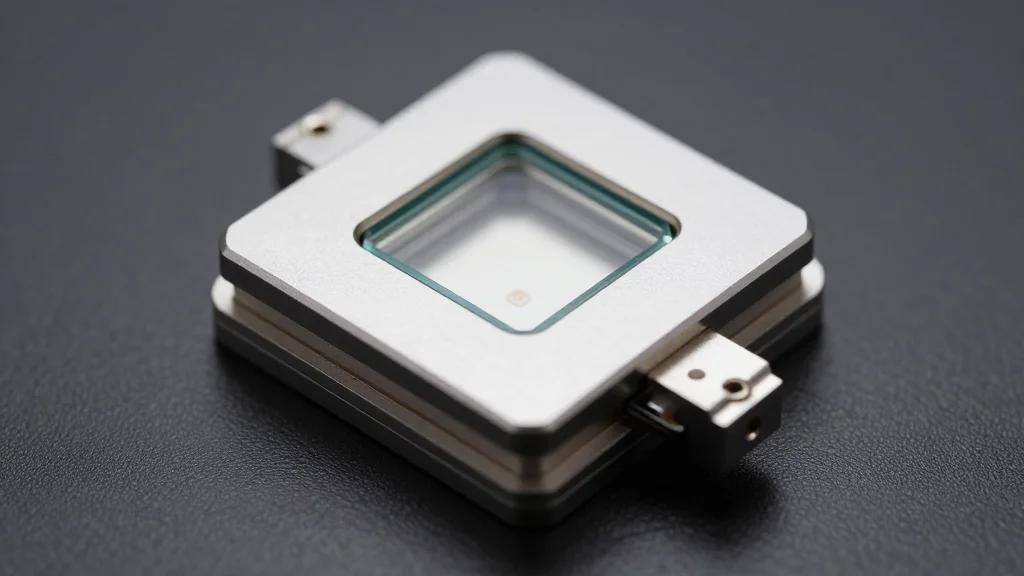
Fast 2D Piezo Scanning Stage for Image Stabilization and Resolution Enhancement
Physik Instrumente (PI) introduced the P‑733 XY piezo scanning stage, delivering 100 µm × 100 µm travel and 0.1 nm resolution for ultrafast image stabilization and resolution enhancement. The stage features a zero‑play flexure guidance system, capacitive sensors for direct feedback, and a 50 mm × 50 mm clear...

Research Bits: Apr. 14
Researchers from Hong Kong, Tsinghua and Southern University of Science and Technology unveiled CLAP, a memristor‑based platform that fuses physically unclonable function authentication with compute‑in‑memory, achieving 99.46% AUC on ECG data while shrinking area and power use. A separate team...

Pohang City Launches Governance Body to Drive Graphene Innovation
Pohang City in South Korea has created a dedicated governance committee to spearhead the development of a graphene industry cluster. Chaired by Acting Mayor Jang Sang‑kil, the body brings together leaders from industry, academia and research, including Graphene Square CEO...

Clinical Innovations and Future Directions of Nanoparticles in the Treatment of Psychiatric and Neurological Disorders
Nanoparticles are emerging as a transformative platform for treating psychiatric and neurological disorders such as depression, schizophrenia, Alzheimer’s disease and Parkinson’s disease. Their physicochemical design enables crossing the blood‑brain barrier, targeted drug delivery, and enhanced imaging for early diagnosis. The...

These Nanotweezers Grab Thousands of Tiny Cell Packets in Seconds and Expose Their Hidden Cargo
Vanderbilt researchers led by Justus Ndukaife have unveiled interferometric electrohydrodynamic tweezers (IET), a platform that can trap and analyze thousands of nanoscale extracellular vesicles (EVs) in seconds. The system combines electrohydrodynamic flow‑based capture with label‑free interferometric imaging and Raman spectroscopy,...

A Novel Approach To The Treatment Of Antibiotic Resistant Infections
Researchers have engineered microscopic, cell‑like particles that hunt drug‑resistant bacteria while sparing healthy microbes. The particles use protein‑based recognition to bind unique bacterial markers and deliver toxic proteins or bactericidal chemicals in a two‑step process. Laboratory tests showed a single...

Kimchi-Derived Probiotic Shows Promise for Nanoplastic Elimination
Researchers published in Bioresource Technology report that the kimchi‑derived lactic acid bacterium Leuconostoc mesenteroides CBA3656 can adsorb nanoplastics with high efficiency across a broad range of concentrations, temperatures and pH levels. In simulated intestinal fluid the strain removed 57% of...

GRAPHERGIA Project Launches Three Demonstration Cases to Pilot Graphene-Based Technologies
The Graphene Flagship’s GRAPHERGIA project has entered the piloting stage of three demonstration cases that embed graphene‑based energy harvesting and storage technologies into real‑world products. The first case delivers an all‑in‑one self‑charging textile for wearables, the second integrates a triboelectric...

Cooling Solar Modules with Nanofluids Based on Graphene Oxide, Mxene
An international research team combined a three‑dimensional oscillating heat pipe (3D‑OHP) with a surfactant‑free hybrid graphene‑oxide (GO) and MXene nanofluid to passively cool photovoltaic (PV) modules. Field tests on a 50 W panel in Mashhad, Iran, achieved temperature reductions exceeding 24 °C,...

Single Cu Atom Sites on Co3O4 Activate Interfacial Oxygen for Enhanced Reactivity and Selective Gas Sensing at Low Temperature
Researchers have anchored atomically dispersed copper atoms (1.42 wt.%) onto Co3O4 nanoparticles, creating Cu–O–Co interfacial linkages that dramatically lower the temperature needed to activate lattice oxygen. This structural tweak yields more than a twenty‑fold increase in low‑temperature formaldehyde sensing compared with...

Strong Ligand Coordination Enabled Multiphase Ceramic Nanofibers for Simultaneously Enhancing Structural Stability and Infrared Reflection
Researchers introduced a carboxylic‑acid ligand coordination method that stabilizes reactive zirconium and titanium sols for electrospun ceramic nanofibers. The resulting multicomponent fibers embed a zirconia buffer between an alumina matrix and infrared‑reflective titania, delivering exceptional mechanical robustness and infrared reflectivity....

A Pioneer Compilation on Ibrutinib-Loaded Hybrid Nanoformulations for Different Types of Cancer
Researchers Pandey, Gautam, and Singh review hybrid nanoformulations that encapsulate ibrutinib, a BTK inhibitor used for chronic lymphocytic leukemia and mantle‑cell lymphoma. The paper details how polymeric nanoparticles, liposomes, dendrimers and SNEDDS improve ibrutinib’s solubility, bioavailability, and pharmacokinetics while reducing...

EU Approves €211 Million Funding for Graphene Chip Technology Project in Italy
The European Commission has approved a €211 million (approximately $230 million) state‑aid grant for Italy’s CamGraPhIC to develop graphene‑based photonic optical transceivers. The project will be split between research sites in Pisa and Bergamo, partnering with local universities and technology institutes. The...
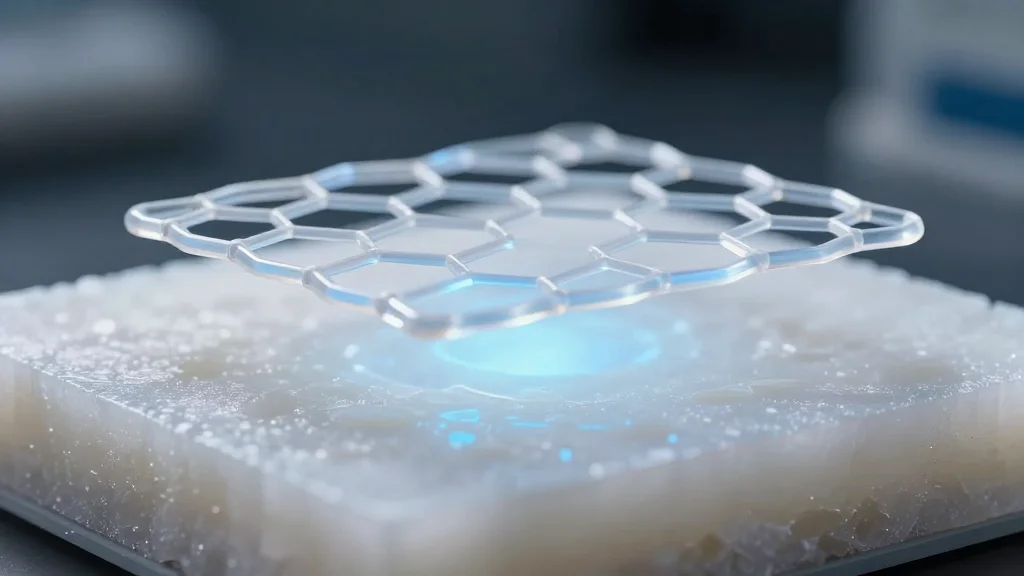
Researchers Explore Dielectric Control of Superconductivity in Twisted Bilayer Graphene
Researchers from Ohio State, IMDEA Nanoscience and NIMS demonstrated that the superconducting state in magic‑angle twisted bilayer graphene can be continuously tuned and fully extinguished by altering its dielectric environment. By placing tBLG a few nanometers above a high‑k SrTiO₃...

Study of EUV Nanostructures Using AFM With High-Aspect Ratio Tip (Purdue, Intel, Bruker)
Researchers from Purdue, Intel and Bruker published a paper showing that atomic force microscopy (AFM) with high‑aspect‑ratio diamond‑like carbon tips can map 40 nm‑pitch extreme ultraviolet (EUV) photoresist patterns, but the measurements are distorted by complex tip‑sample dynamics. By applying force‑mapping...
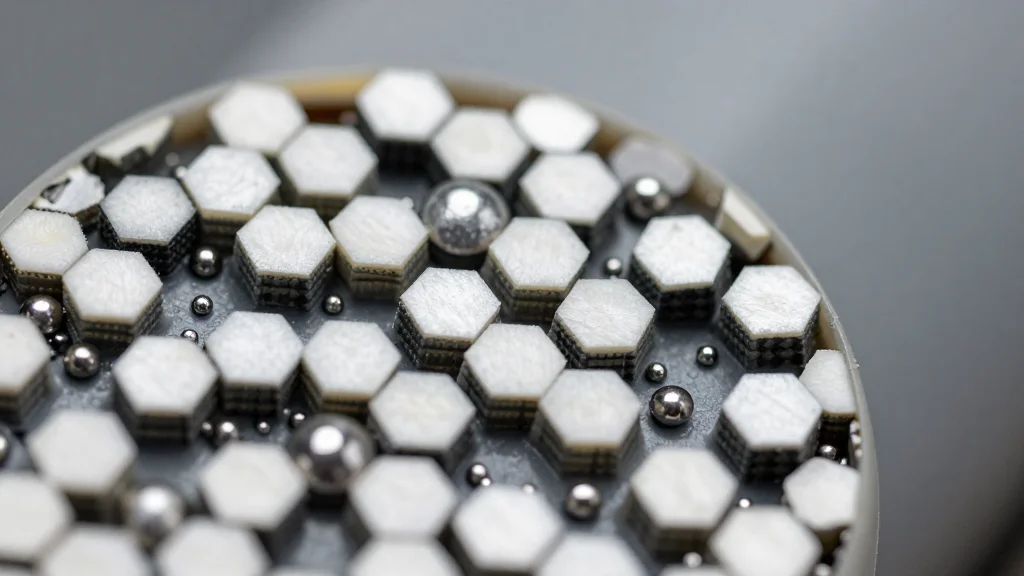
Bifunctional Structural Regulation of Polymer Composites for High‐Efficiency Electromagnetic Wave Absorption and Heat Dissipation
Researchers have created a 3D bifunctional polymer composite that integrates a continuous boron nitride (BN) network with segregated electromagnetic wave‑absorbing (EMA) units. By selectively placing carbon fiber and carbonyl iron within a styrene‑butadiene‑styrene matrix, the material achieves a thermal conductivity...

Efficient Harvesting of Irregular and Low‐Frequency Mechanical Energy via Hybridized Electromagnetic‐Triboelectric Systems
The review introduces a hybrid electromagnetic‑triboelectric nanogenerator (HE‑TENG) that merges the high‑current output of electromagnetic generators with the high‑voltage, low‑frequency efficiency of triboelectric nanogenerators. By coupling these mechanisms, the system achieves a broadband frequency response and superior conversion efficiency for...
Broad‐Salinity Osmotic Energy Harvesting From Composition Tuned Laminar Membranes
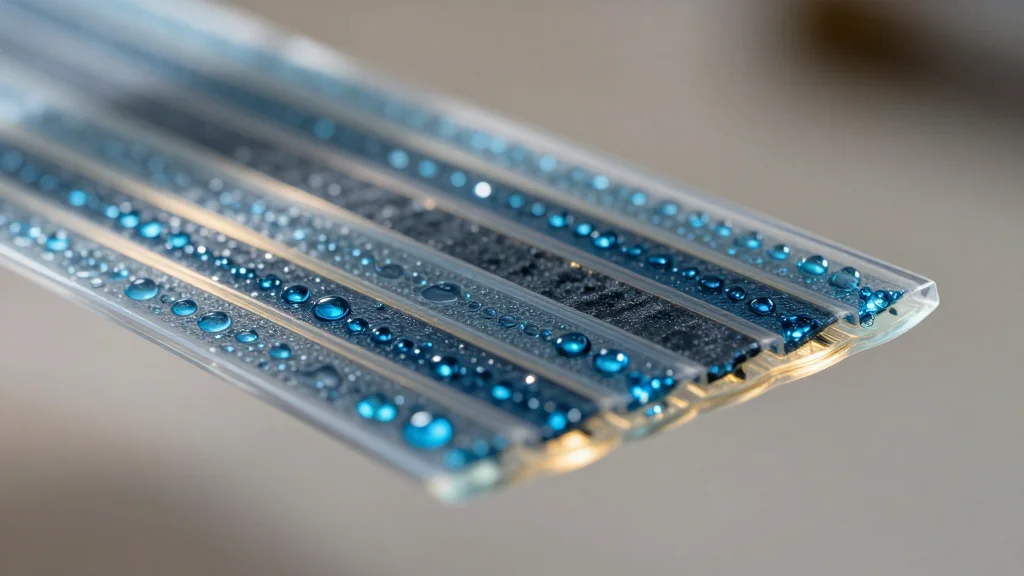
Researchers introduced composition‑tunable Ti3C2Tx/DAS laminar membranes that adjust interlayer channel size and fixed charge density by varying DAS content. This dual control enables optimal reverse electrodialysis (RED) performance across a wide salinity range of 0.05 M to 5 M. Low DAS fractions...

Vitamin C‐Derived Oxygen‐Functionalized Carbon Dots as a Novel Modulator for Regulating Zn2+ Deposition and Stabilizing Aqueous Zinc‐Ion Batteries
Researchers have developed vitamin C‑derived oxygen‑functionalized carbon dots (VC‑CDs) that act as multifunctional modulators for aqueous zinc‑ion batteries. The negatively charged VC‑CDs preferentially adsorb onto the zinc anode, creating a uniform electric field that guides even Zn²⁺ deposition while their...

Embedded Epitaxial Growth of RuOx on Co3O4 With Strong Interaction for Efficient and Robust Acidic Water Oxidation
Researchers introduced a two‑step drop‑casting method to embed RuOx on Co3O4, creating a dual‑oxide hetero‑interface with strong Co‑O‑Ru electronic coupling. This intimate interface accelerates electron transfer, suppresses high‑valence Ru formation, and shifts the oxygen evolution reaction (OER) mechanism toward the...

Hollow ZnCdS/CuInS2 S‑Scheme Heterojunction for Superior Photothermal‐Assisted Photocatalytic Coupled H2O2 and Benzaldehyde Production
Researchers have engineered a hollow ZnCdS/CuInS2 S‑scheme heterojunction that couples photocatalytic hydrogen peroxide generation with selective oxidation of benzyl alcohol to benzaldehyde. The hollow nanobox architecture provides broad‑band light absorption and a moderate photothermal effect that locally raises temperature, speeding...
Jointly Enhanced Nitrate and Water Activation by Precisely Ligand Substituent Regulation in Bimetallic Cluster for Highly Efficient Ammonia Electrosynthesis
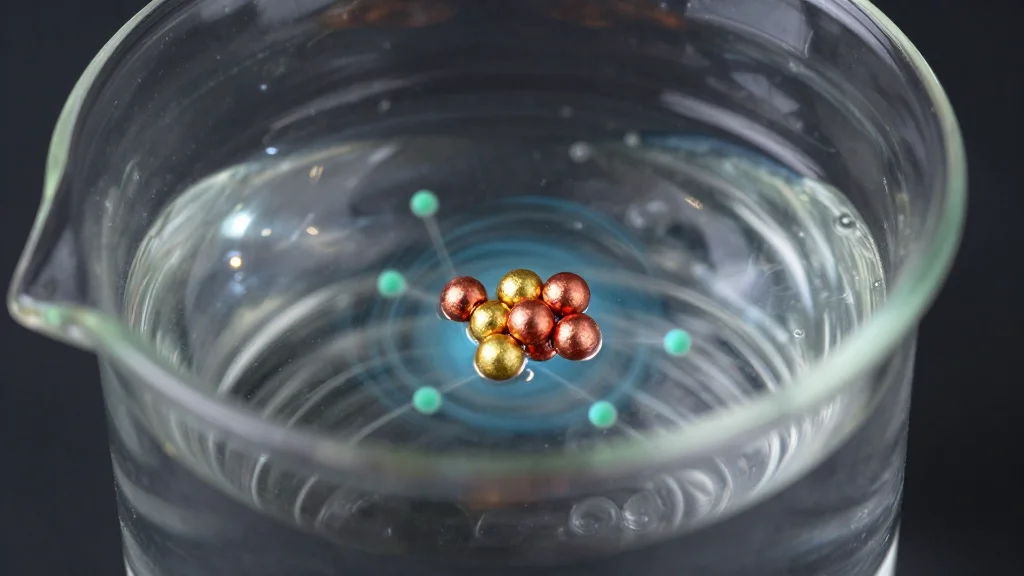
Researchers introduced a bimetallic Cu4Pt2 cluster whose activity is tuned by precise ligand substituent changes. The CF3‑Cu4Pt2 variant delivers a Faradaic efficiency of 91.84% and an ammonia yield of 13.65 mg NH3 per mg catalyst per hour at –0.5 V versus RHE. Dual...

A Nanoscale Robotic Cleaner Can Hunt, Capture and Remove Bacteria
Researchers at Julius‑Maximilian University of Würzburg have created sub‑micron nanorobots that use photon‑recoil propulsion to hunt, capture, and relocate bacteria. By embedding plasmonic nanoantennas, the devices steer via light polarisation, achieving rapid 90° turns and precise manipulation of microbial clusters....

Nanodisc Technology Improves Study of Viral Proteins for Vaccines
Scientists at Scripps Research, in partnership with IAVI, have unveiled a nanodisc‑based platform that embeds viral surface proteins in lipid‑like particles, preserving their native membrane context. Published in Nature Communications, the method was validated with HIV and Ebola glycoproteins, delivering...
SEEDS Moves Into Dedicated NETPark Site to Scale Graphene Tech Production
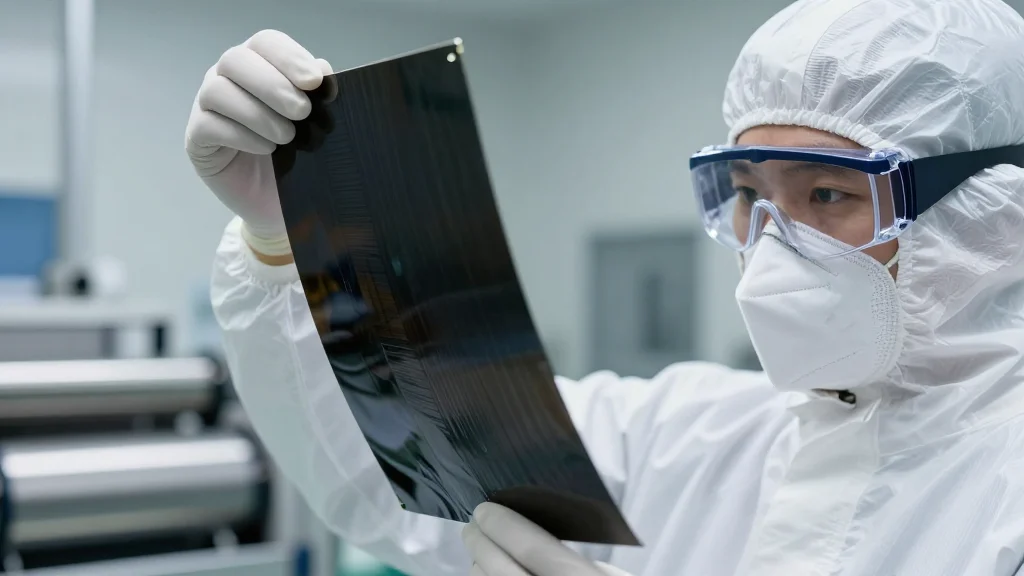
SEEDS, a UK deep‑tech firm specializing in engineered graphene platforms, is relocating to a dedicated manufacturing site at NETPark as part of Durham County Council’s £100 million (≈$125 million) expansion. The new facility shifts the company from R&D to full‑scale production, allowing...

Governor Hochul Announces NY Creates Begins Installation of the First Major Tool for High NA EUV Lithography Center at Albany...
Governor Kathy Hochul announced the start of installation of Tokyo Electron’s 300 mm wafer coater/developer, the LITHIUS Pro DICE, at NY Creates’ Albany NanoTech Complex. The tool is the first major piece for the upcoming High NA EUV Lithography Center, North America’s only publicly owned...