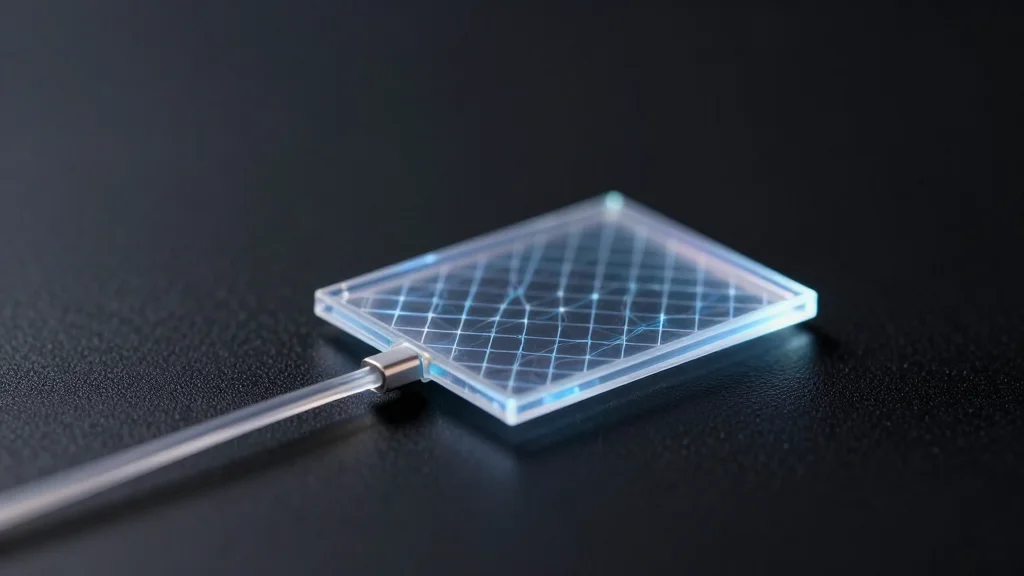
EU Approves €211 Million Funding for Graphene Chip Technology Project in Italy
Why It Matters
The infusion of EU capital accelerates Europe’s push for next‑generation, high‑performance chips, reducing reliance on external semiconductor suppliers and strengthening strategic industries.
Key Takeaways
- •EU grants €211 m (~$230 m) to CamGraPhIC for graphene chips
- •Project targets photonic optical transceivers for multiple high‑tech sectors
- •Research hubs in Pisa and Bergamo will host the development
- •Funding approved under EU state‑aid rules Article 107(3)(c)
- •Success could accelerate EU’s semiconductor independence goals
Pulse Analysis
Graphene, a single layer of carbon atoms, has long been hailed for its extraordinary electrical conductivity and thermal properties. By channeling EU research funds into CamGraPhIC, Europe is moving beyond laboratory proofs toward commercial‑grade photonic transceivers that can operate at terahertz frequencies. The partnership with Pisa’s and Bergamo’s academic institutions not only leverages Italy’s strong materials science pedigree but also creates a regional innovation cluster that can attract talent and private investment.
Photonic optical transceivers built on graphene promise lower power consumption and higher data‑transfer rates than traditional silicon‑based components. Such performance gains are critical for emerging 6G networks, autonomous vehicle sensor suites, and satellite communication systems. The EU’s explicit mention of automotive, telecommunications, aerospace and defence underscores the cross‑sector relevance, positioning graphene chips as a potential backbone for the continent’s digital infrastructure and defense supply chain.
Strategically, the €211 million grant aligns with the EU’s broader ambition to achieve semiconductor sovereignty amid a global chip shortage and geopolitical tensions. By nurturing home‑grown graphene technology, Europe aims to capture a niche in high‑frequency photonics that complements existing silicon fabs. This could translate into export opportunities, reduced dependency on Asian manufacturers, and a stronger bargaining position in future trade negotiations. The success of CamGraPhIC may therefore serve as a catalyst for further state‑aid programs targeting advanced materials and quantum‑ready hardware.
EU approves €211 million funding for graphene chip technology project in Italy
Comments
Want to join the conversation?
Loading comments...