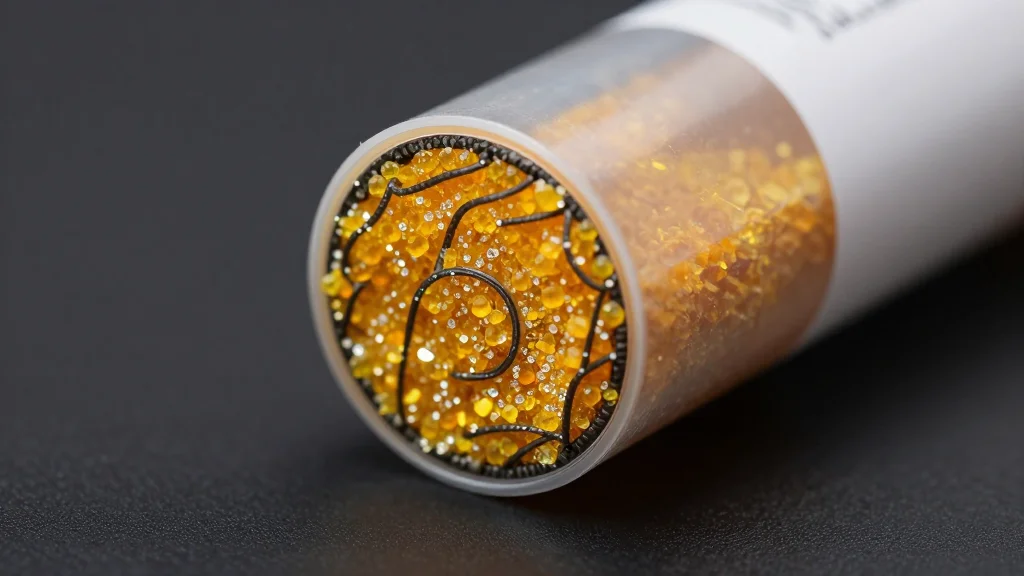
Synergistic Polysulfide Regulation by Nanodiamond and Sulfur Iodide on Cathode for Achieving Long‐Cycling Na–S Batteries
Why It Matters
The breakthrough tackles the long‑standing polysulfide shuttle and conductivity issues that have limited Na‑S batteries, unlocking a low‑cost, high‑energy storage solution for grid‑scale applications.
Key Takeaways
- •SIC/ND cathode retains 1,096 mAh g⁻¹ after 300 cycles
- •Nanodiamonds provide mechanical stability and catalytic activity
- •Sulfur iodide coating accelerates ion transport and suppresses shuttling
- •Performance rivals lithium‑ion systems at lower material cost
Pulse Analysis
Sodium‑sulfur (Na‑S) batteries have attracted attention for their high theoretical energy density and the inexpensive, abundant raw materials they employ. Yet, commercial adoption has been hampered by three core challenges: sulfur’s poor electrical conductivity, dramatic volume changes during cycling, and the notorious polysulfide shuttle that erodes capacity. These drawbacks have confined Na‑S cells largely to niche research labs, despite their potential to deliver cost‑effective, long‑duration storage for renewable‑energy grids.
The newly reported SIC/ND cathode addresses each obstacle through a synergistic material architecture. By coating sulfur iodide (SxI) uniformly onto a carbon nanotube (CNT) network, the researchers create a highly conductive pathway that facilitates rapid Na⁺ diffusion. Embedded nanodiamonds (NDs) act as both mechanical buffers—mitigating volume expansion—and catalytic sites that accelerate the conversion of polysulfides, effectively curbing the shuttle effect. Laboratory tests show the composite maintaining 1,096.7 mAh g⁻¹ after 300 cycles at a modest 0.2 C rate, a performance metric that rivals many lithium‑ion technologies while using far cheaper constituents.
If scaled, this technology could reshape the energy‑storage landscape. Grid operators seeking affordable, long‑life batteries may find Na‑S cells equipped with SIC/ND cathodes a viable alternative to current lithium‑ion solutions, especially in regions where raw material costs dominate. Moreover, the modular nature of the design invites further optimization—such as integrating alternative conductive scaffolds or exploring other halogen‑sulfur compounds—to push energy density and cycle life even higher. Continued collaboration between materials scientists and battery manufacturers will be essential to transition this promising laboratory result into commercial products that can support the accelerating shift toward renewable power.
Synergistic Polysulfide Regulation by Nanodiamond and Sulfur Iodide on Cathode for Achieving Long‐Cycling Na–S Batteries
Comments
Want to join the conversation?
Loading comments...