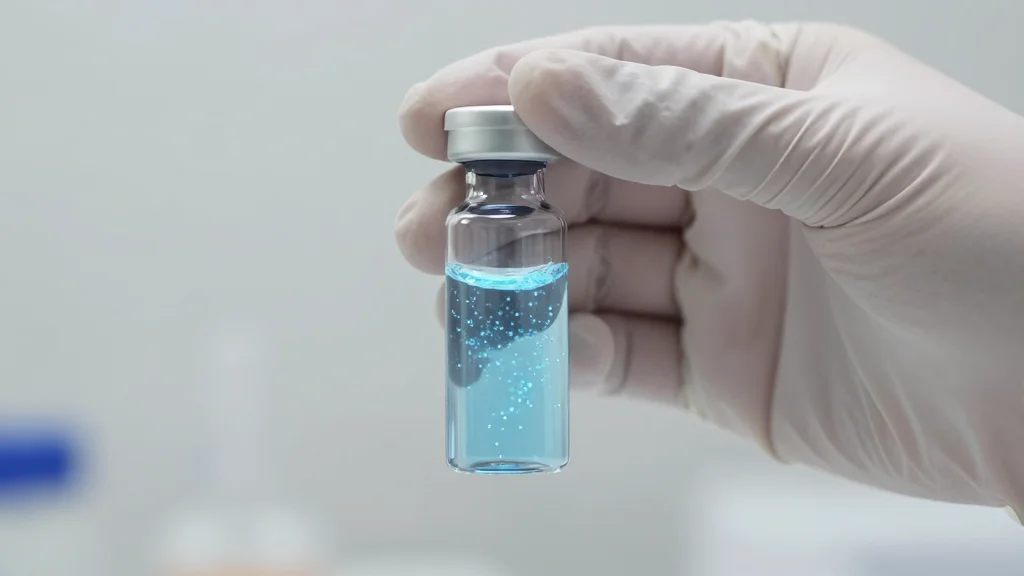
Novel Nanoparticle Therapy Using Manganese Could Improve Cancer Treatment
Why It Matters
CRYSTAL could make cancer immunotherapy safer and more effective, expanding treatment options for hard‑to‑treat tumors and potentially other immune‑mediated diseases.
Key Takeaways
- •Manganese‑based CRYSTAL activates STING without cytokine storm
- •Effective in advanced triple‑negative breast cancer mouse models
- •Requires lower doses than traditional STING agonists
- •Fatty coating enables safe bloodstream transport
- •Design‑first approach may apply to other immune therapies
Pulse Analysis
The cGAS‑STING axis has emerged as a powerful lever for cancer immunotherapy, but translating its potency into safe clinical treatments has been hampered by systemic inflammation and the need for direct tumor injection. By harnessing manganese—a naturally occurring metal—to organize immune‑activating molecules into crystalline nanoassemblies, the CRYSTAL platform sidesteps these hurdles. The fatty coating not only shields the particles from premature clearance but also ensures they glide through the circulatory system, delivering a focused immune stimulus directly to tumor sites while leaving the rest of the body untouched.
In vivo experiments showcased CRYSTAL’s ability to shrink or eradicate large, advanced tumors, notably in triple‑negative breast cancer models that are notoriously resistant to standard therapies. The nanoparticles triggered a potent type‑I interferon response at doses an order of magnitude lower than traditional STING agonists, and crucially, they avoided the cytokine storm that typically drives weight loss and organ toxicity. This safety profile could accelerate the transition from preclinical promise to early‑phase human trials, offering oncologists a new tool for patients who have exhausted conventional options.
Beyond oncology, the study signals a broader shift toward "design‑first" drug development, where the spatial arrangement of molecules is engineered to fine‑tune biological pathways. Such an approach could be repurposed for autoimmune disorders, infectious diseases, and vaccine adjuvants, opening new revenue streams for biotech firms invested in nanomedicine. As investors watch the convergence of nanotechnology and immunology, CRYSTAL’s success may catalyze further funding into modular nanoparticle platforms that promise efficacy without compromising safety.
Novel nanoparticle therapy using manganese could improve cancer treatment
Comments
Want to join the conversation?
Loading comments...