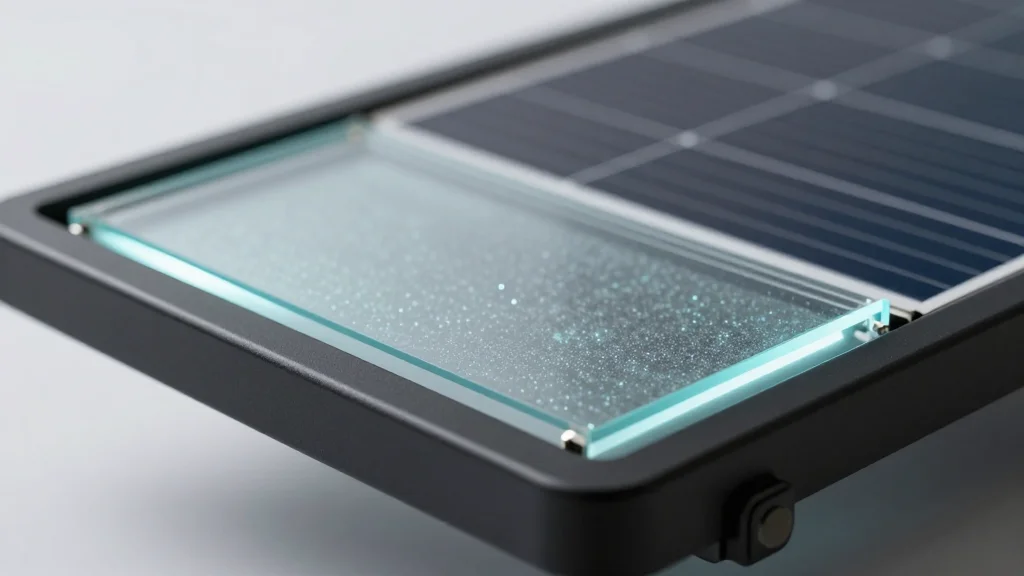
Graphene-CNT Phase Change Material Cools Solar PVT Panels
Why It Matters
The breakthrough offers a scalable method to boost both power output and heat recovery in solar PVT panels, directly addressing efficiency losses that have limited commercial adoption. By cutting temperature‑related degradation, the technology can lower levelized cost of solar‑thermal energy and extend system lifespans.
Key Takeaways
- •Hybrid graphene‑CNT nano‑PCM reduces PV temperature by 11 °C
- •Electrical efficiency improves 14.3 % with 6 wt % nanoparticles
- •Thermal efficiency gains reach 56.7 % over baseline PCM
- •Exergy loss drops 10.4 % using optimized HNPCM
- •Faster heat spreading extends PVT lifespan in high‑irradiance zones
Pulse Analysis
Solar photovoltaic‑thermal (PVT) collectors have long promised dual‑generation of electricity and heat, yet their commercial viability is hampered by overheating of PV cells. Conventional PCMs such as stearic acid or paraffin absorb excess heat as latent energy, but their low thermal conductivity slows heat transfer, allowing cell temperatures to climb and efficiency to dip. Researchers have therefore turned to nanomaterials—specifically graphene and carbon nanotubes—to create a conductive network within the PCM, turning the latent‑heat layer into an active thermal buffer.
The graphene‑CNT hybrid forms a percolating scaffold that bridges microscopic gaps in the wax matrix, boosting thermal conductivity by orders of magnitude. In laboratory PVT modules, a 6 wt % loading of this hybrid achieved an 11 °C temperature reduction on the PV surface, translating into a 14.3 % rise in electrical conversion and a 56.7 % jump in thermal capture. These gains stem not only from faster heat diffusion but also from more uniform temperature distribution, which mitigates hot‑spot formation and reduces thermal stress on the cells. The exergy analysis confirms that the system wastes significantly less energy, a critical metric for high‑irradiance regions where every kilowatt counts.
For the renewable‑energy market, the technology offers a clear value proposition: higher output without additional land or capital expense. Integrating the hybrid nano‑PCM can be retrofitted into existing PVT designs, accelerating deployment in solar farms, industrial process heat, and building‑integrated applications. As manufacturing scales and costs of graphene‑CNT composites fall, we can expect broader adoption, driving down the levelized cost of solar‑thermal power and supporting grid‑decoupling strategies. Future research will likely explore long‑term stability, recycling pathways, and optimization for different PCM chemistries, cementing nanostructured PCMs as a cornerstone of next‑generation solar technologies.
Graphene-CNT phase change material cools solar PVT panels
Comments
Want to join the conversation?
Loading comments...