🎯 Today's Energy Pulse

IEA warns oil markets could plunge into ‘red zone’ as Iran crisis cuts supply
IEA chief Fatih Birol said global oil markets risk entering a “red zone” by July‑August as inventories fall and fresh Middle‑East exports dry up amid the Iran‑related crisis. He estimated the conflict has removed about 14 million barrels per day from supply, the biggest shock since the 1973, 1979 and 2022 crises. Birol urged an unconditional reopening of the affected shipping routes.
Also developing:
- Monash University develops ultra‑thin membrane enabling water‑free hydrogen fuel cells at 250 °C
- Finland’s TVO secures €500 million ($540 million) green‑labelled credit facility for wind, solar and storage projects
- Sungrow to supply 7.5 GWh of battery storage for Masdar’s Abu Dhabi round‑the‑clock renewable project
🚀 Top Energy Headlines

ADNOC Deploys Heavy-Duty Inspection Robot at UAE Gas Plant
ADNOC has deployed an autonomous heavy-duty inspection robot at its Taweelah Gas Compression Plant in the UAE as part of a broader effort to expand AI, robotics and automated safety systems across operations.
World Oil – News

First Oil Tanker to Exit Hormuz Since War Expected in Japan
Japan - one of Asia's biggest importers of energy from the Middle East - flagged the impending arrival of the first Persian Gulf oil shipment to transit the contested Strait of Hormuz since the Iran war began.
Rigzone – News

Monash University Develops New Hydrogen Fuel Cell Membrane for Water-Free Operation at 250°C
Gasgoo Munich- Scientists at Australia's Monash University have developed an ultra-thin membrane that enables hydrogen fuel cells to operate at temperatures as high as 250°C (482°F). Crucially, the membrane functions without water — removing a major bottleneck in fuel cell technology and paving the way for rapid, large-scale deployment of these clean energy systems. Image Source: Monash University As nations look beyond fossil fuels, fuel cells have emerged as a compelling alternative. Powered by hydrogen, they emit no carbon during operation, producing only water and heat as byproducts. Unlike solar or wind, fuel cells can be deployed on demand to power everything from data centers and space missions to passenger cars and aircraft. While lightweight and portable, their adoption has been hampered by performance limitations. Proton exchange membranes play a critical role in fuel cells by transporting protons. However, these membranes typically require water to function. Since water evaporates at high temperatures, fuel cells struggle to operate in such conditions — a constraint that has limited their broader application. To overcome this challenge, Monash researchers created atomically thin nanosheets capable of proton transport without water. Unlike earlier versions, these new nanosheets incorporate nanoconfined phosphoric acid, addressing the issue of low efficiency in proton transport between layers. Made from graphene and boron nitride, these membranes have achieved exceptionally high power output in hydrogen fuel cells. "By combining proton-conducting nanosheets with nanoconfined phosphoric acid, we have developed a membrane that maintains rapid proton transport without water," said Huanting Wang, a professor in Monash University's Department of Chemical and Biological Engineering. "This enables fuel cells to operate efficiently at significantly higher temperatures than current technology allows." Lab tests confirmed that the membrane enables ultra-fast proton transport at temperatures up to 482°F (250°C). This breakthrough could accelerate the adoption of fuel cells in transportation, heavy industry, and cleaner energy systems in the near future. "The nanosheets provide direct pathways for proton transport, while the confined phosphoric acid enables rapid proton hopping," said Kaiqiang He, a postdoctoral researcher at Monash University involved in the study. "Together, these mechanisms give the membrane high conductivity and stability under dry, high-temperature conditions." The membrane also performed exceptionally well when using concentrated methanol as fuel, demonstrating robust capabilities even under harsh conditions. Researchers believe the study resolves a long-standing challenge in membrane design, potentially advancing the development of high-temperature electrochemical systems. Potential applications for the membrane extend beyond fuel cells to include water splitting, carbon dioxide reduction, and ammonia synthesis. Furthermore, the nanosheets and nanoconfined proton carriers open new avenues for the development of future proton-conducting materials. The findings were published in the journal Science Advances.
Gasgoo Auto News

Ofgem Unveils Next Phase of UK Electricity Grid Regulation
From the next regulatory period, April 2028 to March 2033, distribution network operators (DNOs) will need to use evidence on regional demand growth to justify their strategies.
edie

Fusion Energy Poised for Simpler U.S. Review
Fusion energy — tapping the power of the stars — is on the cusp of getting new federal rules. Why it matters: Regulators increasingly view fusion as fundamentally safer than nuclear fission, helping to pave the way for a substantially simpler permitting process than the one faced by conventional nuclear plants. Driving the news: The federal Nuclear Regulatory Commission is closing the public comment period on the proposed rule on Wednesday, with a final regulation expected as soon as this fall. The big picture: Fusion electricity doesn't yet exist in reality, but industry leaders see this regulatory move as fundamental to commercializing the technology in the United States in the next decade. "This is a big deal — we've been working toward this for a long time," said Andrew Holland, CEO of the Fusion Industry Association. How it works: Fission — the type of nuclear energy widely used today — generates power by splitting heavy atoms apart, creating heat for electricity but also long-lived radioactive waste. Fusion, on the other hand, generates power by combining light atoms together to release energy — the same process that powers the stars — while producing no long-lived radioactive waste. Federal regulators concluded in 2023 that fusion's risk profile is far closer to that of existing medical and research radiation systems instead of nuclear fission. "Most importantly, this rule makes clear that fusion energy is permanently and completely separated from the regulation of nuclear fission," states a letter the fusion trade group submitted to regulators Thursday ahead of next week's deadline, and reviewed by Axios. Zoom in: The physics of fission require extensive engineering and safety systems to prevent runaway reactions — though nuclear power remains one of the safest forms of energy overall. Fusion, by contrast, lacks the long-lived radioactive waste associated with fission and can't sustain runaway reactions that cause traditional nuclear meltdowns. "The physics of fusion are inherently safe," said Greg Twinney, CEO of General Fusion, during an interview with Axios last week at Web Summit gathering in Vancouver, British Columbia. "The beauty of all that is that the regulatory regime that needs to regulate it can be much, much, much, much lighter," Twinney said. Zoom out: The U.S. is not alone. Regulators in the United Kingdom, Canada and elsewhere are increasingly moving toward fusion frameworks that treat the technology differently from conventional nuclear fission reactors. Between the lines: Safety concerns around radioactive waste have subjected traditional nuclear plants — and even many newer, advanced designs now under development — to long federal reviews that critics say drive up costs and delay construction. That friction will be almost non-existent for the fusion industry. Companies "will not have to go through the NRC at all," Holland said, while adding that state regulators will have to follow NRC rules. What they're saying: "I think it will accelerate our timelines," said Annie Kritcher, co-founder and chief scientist at Inertia, in an interview with Axios at the same Vancouver tech industry gathering. "It's going to make putting these facilities close to where people need to use the power so much easier and more accessible," said Kritcher, who is also a scientist at the Lawrence Livermore National Laboratory where she oversaw a key scientific achievement reached in 2022 for fusion. The other side: Environmental groups that have long expressed skepticism about nuclear power are likely to be more open to fusion. The Natural Resources Defense Council, which earlier this year shifted its stance on fission to cautiously support it, said in a statement that the group "welcomes the momentum on fusion." "Fusion avoids the meltdown risk and long-lived radioactive waste of fission, but we will still demand strong safety and health guardrails," said Matthew McKinzie, NRDC's senior director for data and policy. Reality check: Regulation is not the hardest part of commercializing fusion, Holland said, pointing to science and engineering as higher hurdles. On the overarching goal of commercializing fusion, Holland likens next week's regulatory move to the third or fourth inning in a nine-inning baseball game. The rules will help reduce financial risk and allow new investment in the longer term, he said. What we're watching: Dozens of fusion startups, including Inertia and General Fusion, are still racing to overcome those scientific and engineering hurdles to commercialize their technologies. The top executives at both startups in Vancouver were vague on when they anticipate a commercial fusion plant; they both said between 2030 and 2040. The bottom line: To the degree companies clear those hurdles, they will be a lot closer to the start line for fusion electricity thanks to these rules.
Axios — Economy & Markets
💰 Energy Fundraising
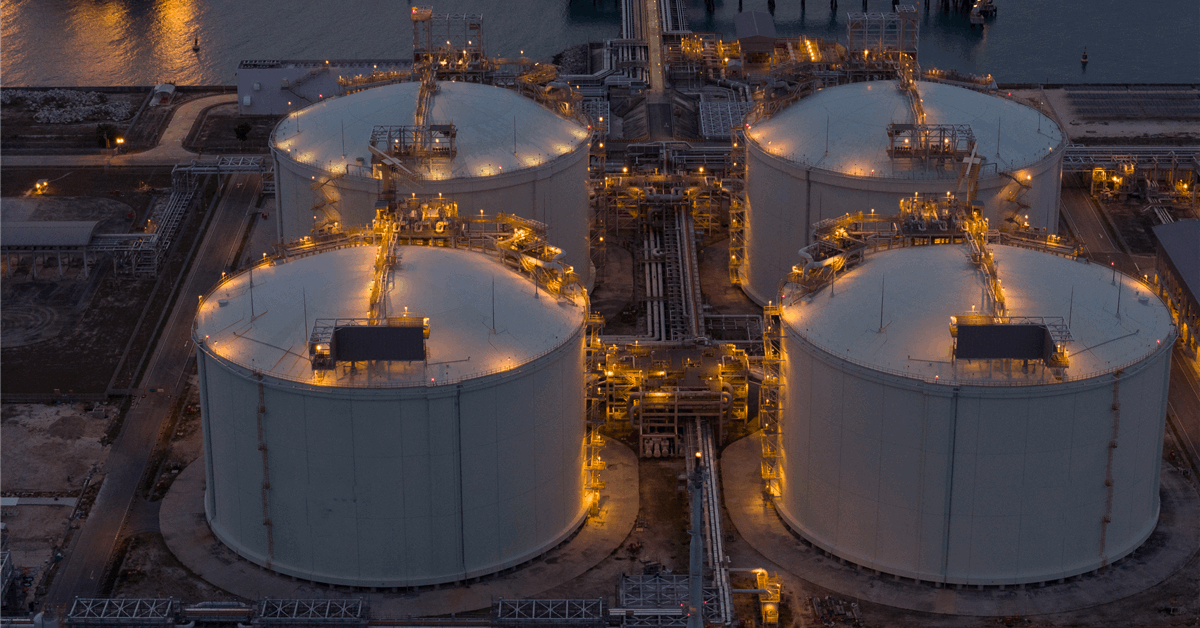
Arab Energy Fund Invests $120M in MidOcean Energy's LNG Expansion
MidOcean Energy secured a $120 million equity commitment from The Arab Energy Fund, part of its $2 billion target to expand its global LNG portfolio. The investment, announced on May 21 2026, underscores growing interest in LNG as a strategic energy source. MidOcean, which already holds stakes in several LNG projects, aims to continue raising capital for further growth.

REPS Secures $23.6M Equity Funding to Scale Road Energy Production System
Tyrol energy generation startup REPS announced a $23.6 million equity financing round to scale its patented Road Energy Production System that harvests electricity from traffic. The funding will support expansion beyond ports to logistics hubs and cities worldwide. The round was announced on May 22, 2026.
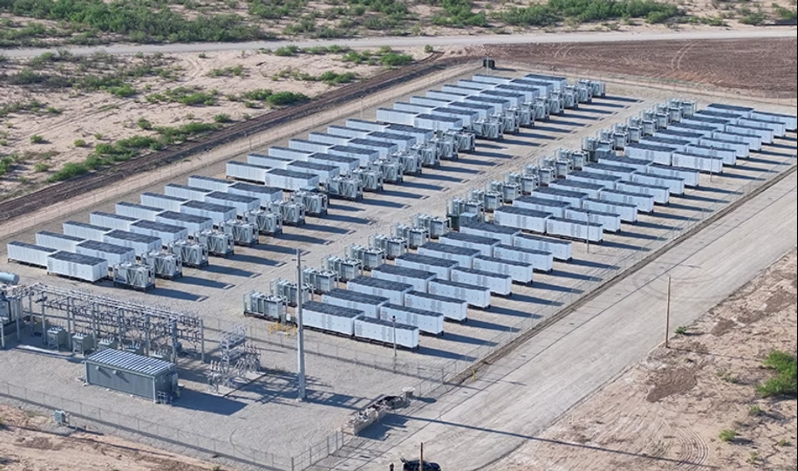
Spearmint Energy Secures $450M Project Financing for Red Egret BESS in Texas
Spearmint Energy closed approximately $450 million in project financing to fund its 300 MW/600 MWh Red Egret battery energy storage system in Texas. The financing package includes construction debt, tax equity and capital to support build‑out and long‑term operation. The deal positions Spearmint to expand its storage portfolio in the ERCOT market.
💬 Top Energy Social Posts

Tweet by @Aeberman12
NO (for the nth time) @atm2112 You can't mix Canadian or any other heavy oil with US shale oil to get "the right stuff" The heavy oil goes thru different processing units in a complex refinery Catalytic converters & hydrocrackers upgrade it from tarry crap to diesel, etc. https://t.co/giod3Zb5by
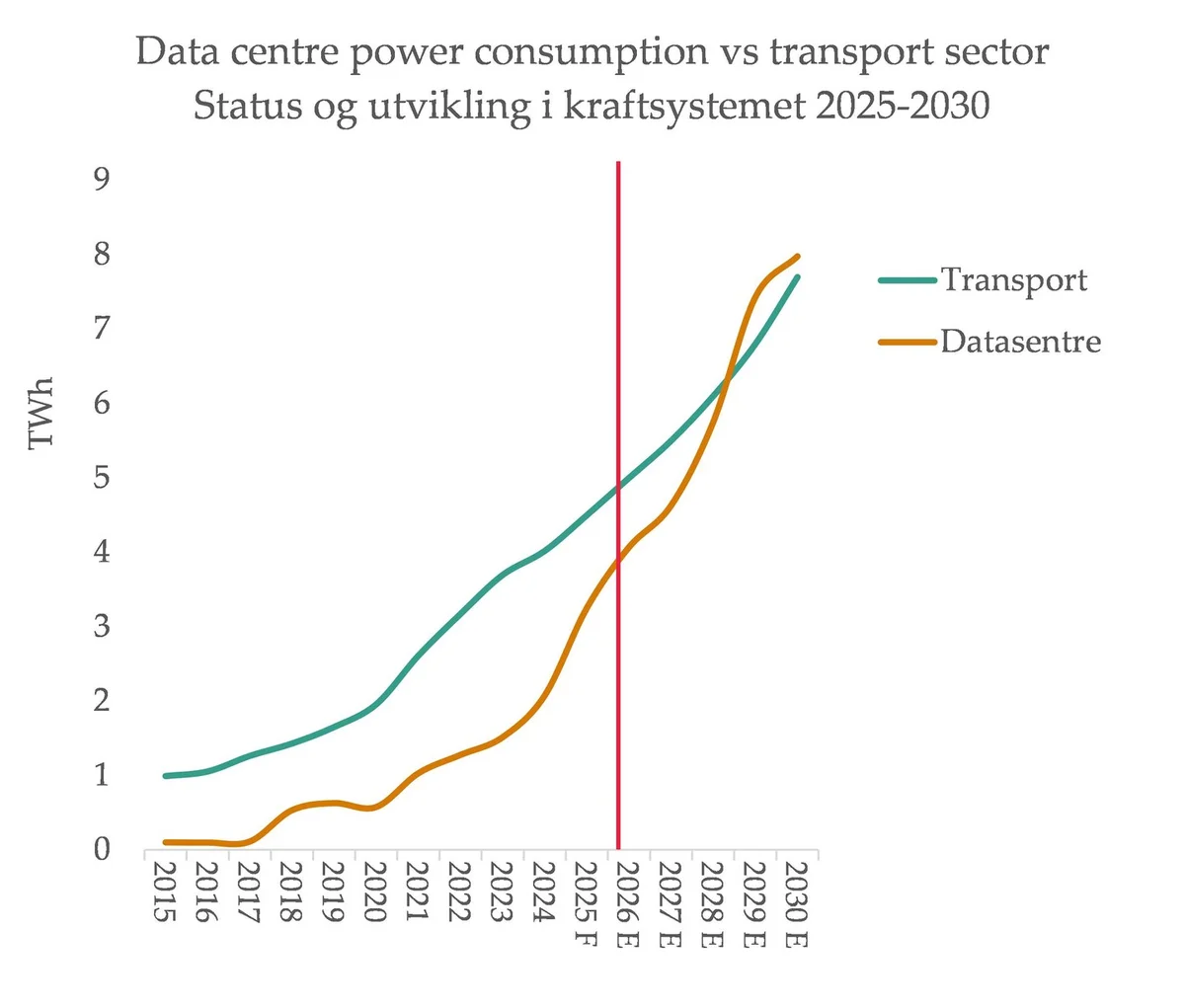
Thread by @Ketanjoshi19
Fun fact: in a few years' time, data centres will consume more electrical energy Norway's entire fleet of electric transport (all cars, buses, trains, ferries etc) And this comes at a time when investment in new power production like wind power has ground to a halt, and there's a nationalist political push to remove interconnection with Europe.... 🫠 🫠 🫠 🫠 🫠 🫠 🫠 🫠 🫠 🫠 https://www.nve.no/energi/analyser-og-statistikk/status-og-utvikling-i-kraftsystemet/