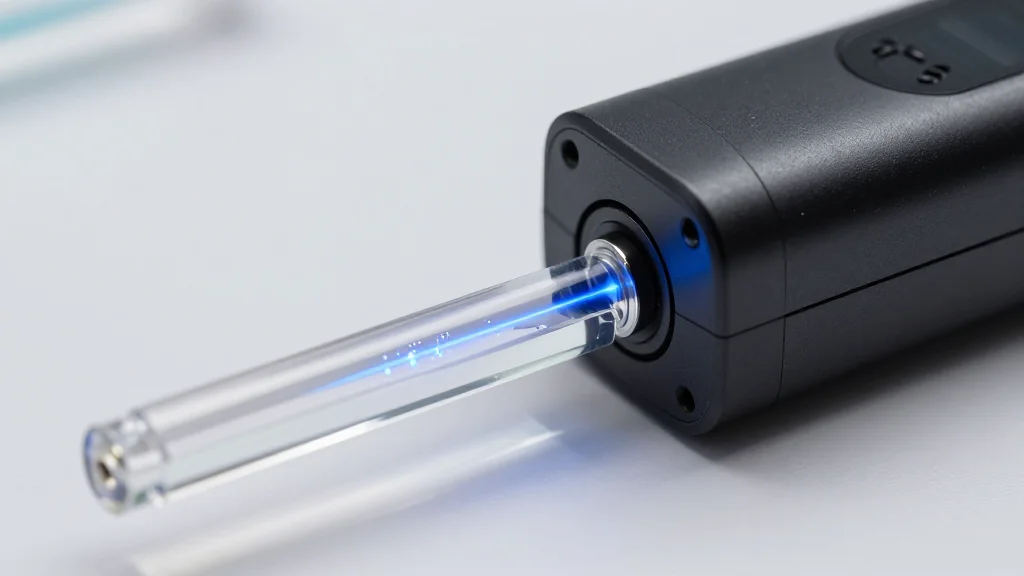
From Air to Tea: New Sensor Reveals Invisible Pollution in Minutes
Why It Matters
The sensor slashes sampling time by two orders of magnitude, enabling timely pollution monitoring and more granular climate‑impact studies, which are critical for regulators and researchers alike.
Key Takeaways
- •EMILIE detects pollutants at picogram levels within 15‑45 minutes
- •Nanomembrane + infrared light converts particle heat into vibrational signal
- •Portable sensor enables balloon‑borne aerosol analysis in Arctic and Antarctic
- •Only 100 nanoliters of liquid needed to identify nanoplastics
- •Commercial launch by Invisible‑Light Labs expands real‑time environmental analytics
Pulse Analysis
The emergence of EMILIE reflects a broader trend toward ultra‑sensitive, rapid‑response environmental sensors. By marrying nanoelectromechanical systems with Fourier‑transform infrared spectroscopy, the device sidesteps the labor‑intensive filtration steps that have long hampered aerosol and water sampling. Its ability to register chemical signatures from mere picograms of material translates into faster data cycles, allowing scientists to capture transient pollution events that were previously missed. This technological leap aligns with increasing regulatory pressure for real‑time emissions reporting and the growing market for portable analytical tools.
Beyond the laboratory, EMILIE’s portability opens new frontiers in climate research and public health monitoring. Researchers like Prof. Julia Schmale can now deploy tethered balloons over polar regions, gathering high‑resolution vertical profiles of aerosol composition within hours rather than weeks. In the water sector, the sensor’s nanoliter‑scale liquid analysis offers a powerful method for detecting nanoplastics and trace contaminants in drinking water, food products, and industrial effluents. Such capabilities are poised to enhance early‑warning systems for water safety and support compliance with tightening micro‑pollutant standards worldwide.
From a commercial perspective, Invisible‑Light Labs’ rollout of EMILIE positions the company at the forefront of the emerging environmental‑analytics market, projected to exceed $5 billion by 2030. The sensor’s rapid turnaround and low sample volume reduce operational costs, making field campaigns more affordable for academic, governmental, and private‑sector clients. As competitors scramble to match its sensitivity, EMILIE’s proven performance in high‑impact journals like Science Advances and ACS Nano provides a strong credibility boost, likely accelerating adoption across climate‑modeling initiatives, pollution‑control programs, and supply‑chain quality assurance processes.
From air to tea: New sensor reveals invisible pollution in minutes
Comments
Want to join the conversation?
Loading comments...