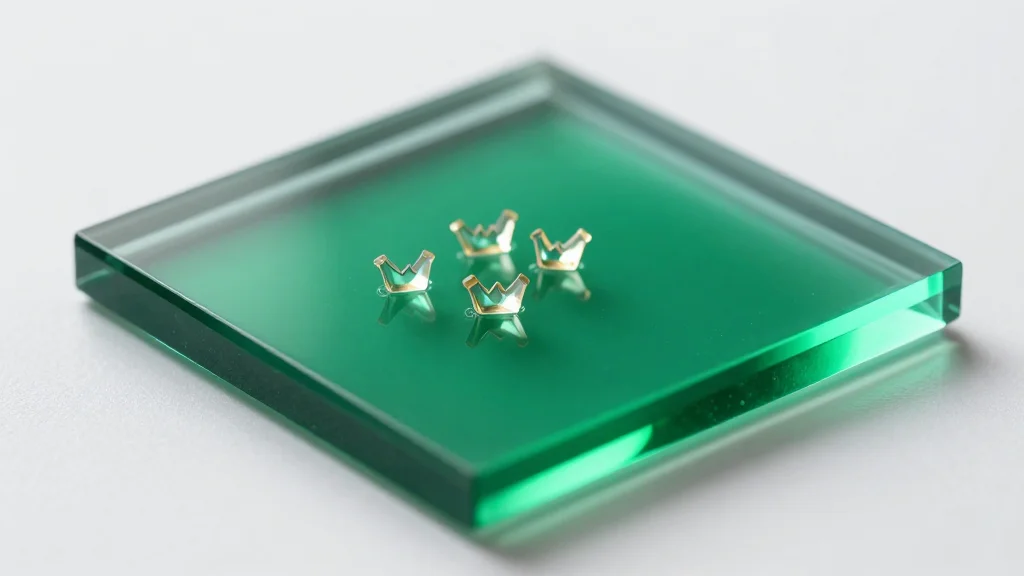
Crown Ether‐Based Co‐Self‐Assembled Monolayer Enhances the Interaction with Perovskite for High‐Performance Solar Cells
Why It Matters
The breakthrough shows that precise molecular design at the buried interface can simultaneously boost efficiency and durability, addressing two major hurdles for commercializing perovskite photovoltaics.
Key Takeaways
- •Crown ether SAM co‑assembles with Me‑4PACz into dense mixed layer
- •Crown ether coordinates undercoordinated Pb²⁺, reducing interfacial defects
- •Mixed SAM raises work function, boosting charge extraction
- •Inverted PSCs reach 25.39% efficiency with this interface engineering
- •Devices show markedly improved operational stability under continuous illumination
Pulse Analysis
Perovskite solar cells have surged in laboratory efficiencies, yet their commercial prospects remain limited by interfacial losses and long‑term degradation. Traditional hole‑transport SAMs often suffer from incomplete coverage and mismatched energy levels, leading to trap‑mediated recombination at the buried interface. Researchers therefore focus on molecular strategies that can both seal the interface and align energetics, a dual requirement for high‑performance devices.
The new molecule, 15C5Ph‑4PACz, integrates three functional motifs: a carbazole unit for hole transport, a phosphonic acid anchor for robust substrate binding, and a crown‑ether pendant that chelates stray Pb²⁺ ions on the perovskite surface. When blended with the established Me‑4PACz monolayer, the mixed SAM forms a tightly packed film that passivates undercoordinated lead sites, curbing non‑radiative pathways. Simultaneously, the crown‑ether layer shifts the work function upward, increasing the built‑in electric field and facilitating faster charge extraction across the interface.
The performance gains are striking: inverted perovskite cells equipped with the mixed SAM deliver a certified 25.39% power‑conversion efficiency, surpassing the previous record for this architecture. More importantly, the devices retain over 90% of their initial efficiency after 1,000 hours of continuous illumination, indicating a robust resistance to moisture and ion migration. This advancement underscores how rational molecular engineering can resolve the efficiency‑stability trade‑off, paving the way for scalable, cost‑effective perovskite modules that could challenge silicon in the near‑term market.
Crown Ether‐Based Co‐Self‐Assembled Monolayer Enhances the Interaction with Perovskite for High‐Performance Solar Cells
Comments
Want to join the conversation?
Loading comments...