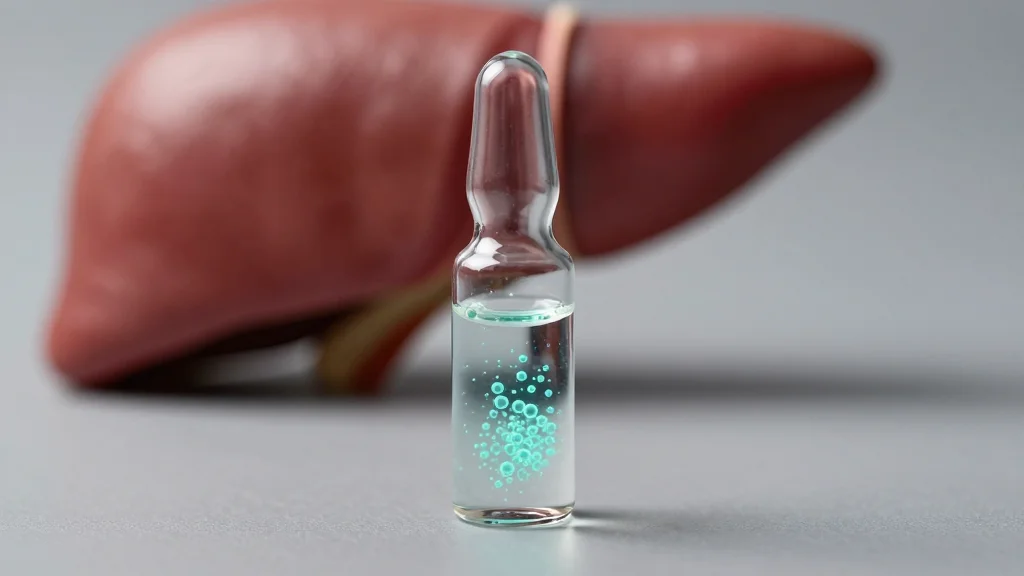
How Nanomedicine Gets Inside Your Cells and Treats You From the Inside Out
Why It Matters
By targeting the genetic instruction layer, nanomedicine offers precise, personalized treatments for rare and common diseases, potentially reducing reliance on lifelong protein infusions and expanding the therapeutic toolbox.
Key Takeaways
- •Lipid nanoparticles protect and transport synthetic mRNA into liver cells.
- •mRNA therapy can restore factor VIII production for hemophilia A patients.
- •siRNA drug Plozasiran silences ApoC3, lowering triglyceride spikes.
- •Nanomedicine enables up‑ or down‑regulation of any target protein.
- •FDA and Health Canada approval validates RNA‑based intracellular therapeutics.
Pulse Analysis
Nanotechnology has long powered consumer goods, but its clinical breakthrough hinges on lipid‑nanoparticle (LNP) platforms that shield fragile RNA strands from degradation and ferry them across cell membranes. By encapsulating synthetic messenger RNA or small interfering RNA, LNPs create a safe delivery vehicle that can reach the liver—the body’s central protein‑manufacturing hub—without triggering an immune response. This engineering feat transforms cells into on‑site drug factories, a concept that was speculative a decade ago but is now routine in vaccine production and emerging therapeutics.
The therapeutic promise is evident in two contrasting disease models. For hemophilia A, researchers synthesize error‑free mRNA encoding factor VIII and deliver it via LNPs, enabling liver cells to synthesize the missing clotting protein and effectively turning patients into their own pharmacies. Conversely, in familial chylomicronemia syndrome, the FDA‑approved siRNA drug Plozasiran uses the same delivery system to silence apolipoprotein C3, curbing triglyceride buildup and preventing life‑threatening pancreatitis. These complementary strategies—amplifying beneficial proteins while silencing harmful ones—demonstrate the versatility of RNA‑based nanomedicine.
Regulatory green lights in the U.S. and Canada signal growing confidence in the safety and efficacy of intracellular RNA therapies, opening a market projected to exceed $30 billion by 2035. As the platform matures, manufacturers will likely expand the repertoire to address metabolic, oncologic, and neurodegenerative disorders, while navigating challenges such as large‑scale LNP manufacturing and long‑term immunogenicity. For investors and clinicians alike, the era of programmable medicine is arriving, with nanomedicine poised to rewrite how diseases are treated at the molecular level.
How nanomedicine gets inside your cells and treats you from the inside out
Comments
Want to join the conversation?
Loading comments...