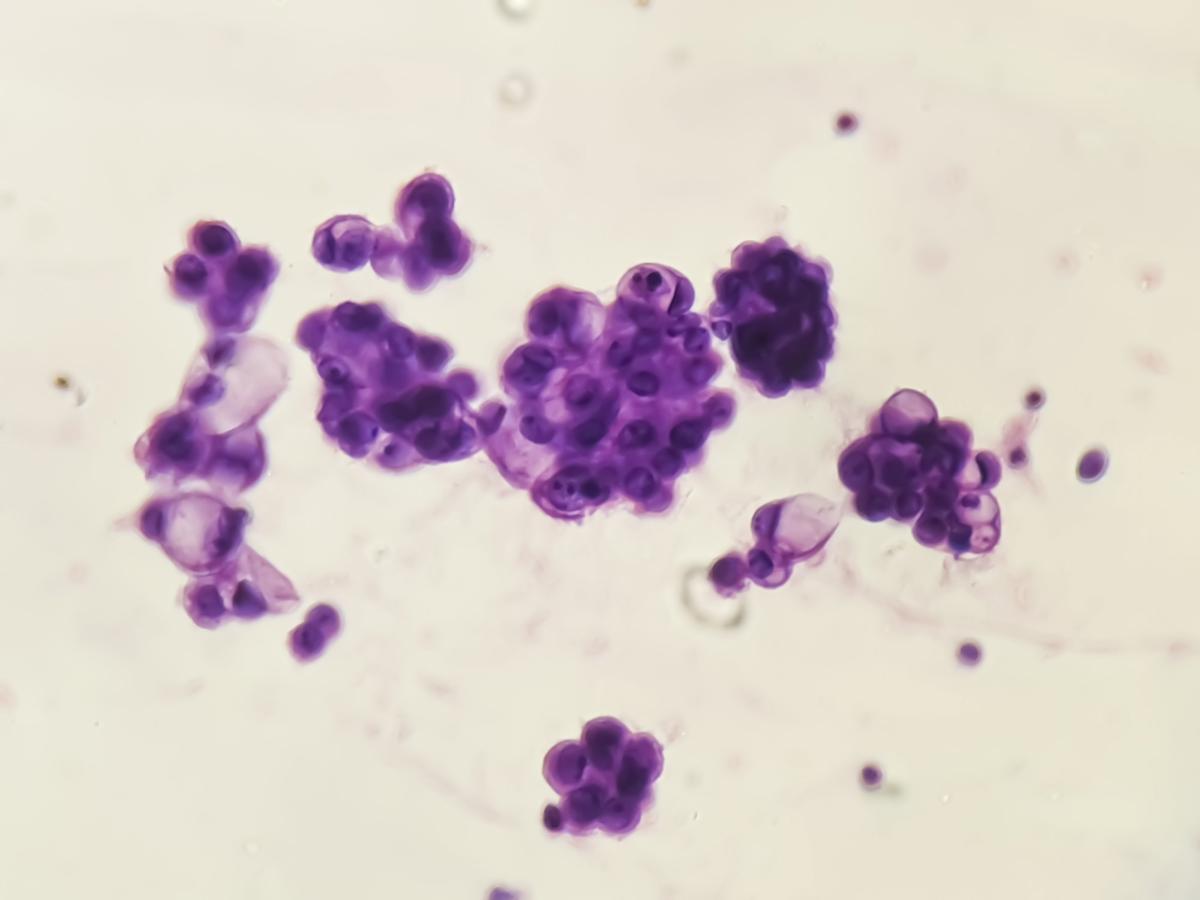
New Nanomedicine Approach Boosts Chemotherapy And Immune Activity In Pancreatic Cancer
Why It Matters
The approach tackles PDAC’s layered drug‑resistance and immune‑evasion mechanisms simultaneously, offering a potential pathway to more effective, durable therapies for a cancer that has long defied treatment.
Key Takeaways
- •Photoactivatable liposomes release irinotecan on light exposure.
- •Minocycline priming cuts Tdp1 DNA‑repair enzyme 76%.
- •ABCG2 drug‑efflux transporter drops 77% after treatment.
- •CD8⁺ T cells and M1 macrophages increase, turning tumors “hot.”
- •Treated mice show fourfold drug uptake and extended survival.
Pulse Analysis
Pancreatic ductal adenocarcinoma remains one of oncology’s toughest challenges because its dense stroma, robust DNA‑repair pathways, and active drug‑efflux pumps create a multilayered barrier to conventional chemotherapy. The new PMIL platform sidesteps these hurdles by integrating three sequential interventions: minocycline pretreatment to blunt DNA‑repair enzymes, photodynamic priming that temporarily disrupts the tumor vasculature and extracellular matrix, and light‑triggered release of irinotecan from liposomal carriers. By addressing physical, molecular, and immunologic resistance in a single formulation, the strategy reflects a growing consensus that combination‑focused nanomedicines may be essential for hard‑to‑treat solid tumors.
In the orthotopic mouse models, the triple‑hit regimen produced striking pharmacokinetic and biological outcomes. Intratumoral irinotecan concentrations rose up to four times those achieved with non‑photoactivated liposomes, while expression of the DNA‑repair enzyme Tdp1 and the efflux transporter ABCG2 fell by more than three‑quarters. These molecular shifts translated into a remodeled tumor microenvironment: collagen deposition and fibroblast activation declined, allowing better drug penetration, and immune profiling revealed heightened CD8⁺ cytotoxic T‑cell infiltration, increased IFN‑γ, TNF‑α, granzyme B, and a pivot toward M1‑type macrophages. Notably, untreated contralateral tumors also slowed, suggesting a systemic, abscopal immune response.
Although the data are preclinical, the use of clinically familiar agents—minocycline and irinotecan—plus a photodynamic component already under investigation, shortens the translational gap. The primary obstacle lies in delivering sufficient light to deep pancreatic lesions, a technical challenge that may be addressed through endoscopic or fiber‑optic systems. If overcome, this multi‑modal nanoplatform could reshape PDAC treatment paradigms by converting chemoresistant, immunologically “cold” tumors into targets that respond to both cytotoxic drugs and emerging immunotherapies, potentially improving survival for a patient population with historically limited options.
New Nanomedicine Approach Boosts Chemotherapy And Immune Activity In Pancreatic Cancer
Comments
Want to join the conversation?
Loading comments...