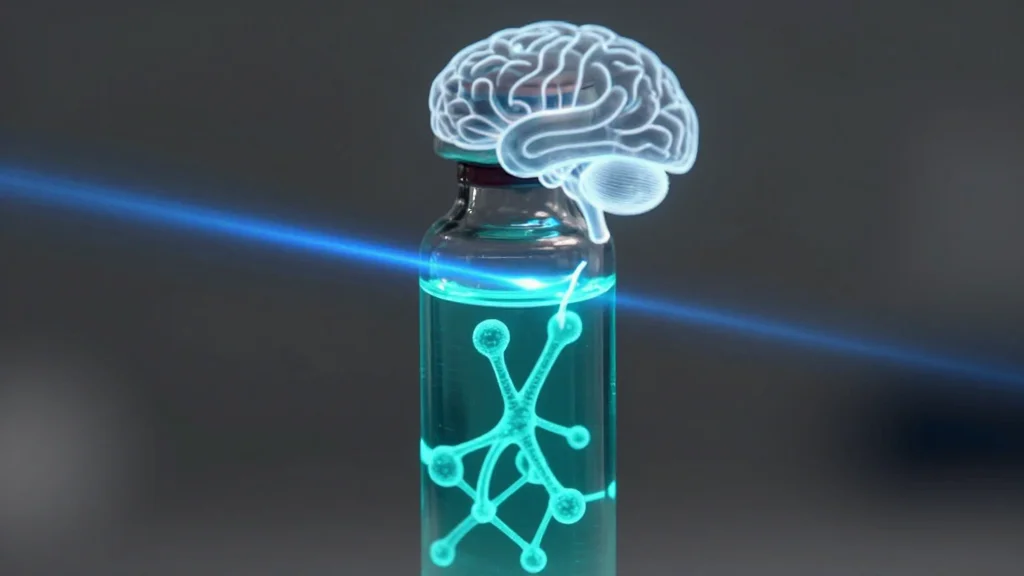
Bidirectional All‐Optical Synapses for Neuromorphic Computing and Vision
Why It Matters
The technology merges sensing and processing in a single photonic device, cutting power and latency versus conventional electronic neuromorphic chips. It paves the way for ultra‑fast, energy‑efficient AI accelerators for vision‑centric applications.
Key Takeaways
- •Bidirectional weight modulation achieved using UV and IR photons
- •Carbon dot hybrid acts as both phosphorescent and photothermal neurotransmitter
- •Enables optical logic gates and real‑time neurovision with 97% accuracy
- •Demonstrates motion tracking, velocity, direction detection optically
- •Offers low‑energy, all‑optical alternative to electronic neuromorphic processors
Pulse Analysis
All‑optical neuromorphic computing has long promised to bypass the bottlenecks of electronic data movement by merging sensing and processing in light‑based hardware. Traditional all‑optical synapses, however, have been limited to unidirectional weight updates, restricting their ability to emulate the full range of neuronal plasticity. The recent introduction of a carbon‑dot hybrid neurotransmitter changes that narrative, providing a material platform that can be toggled between excitation and inhibition using distinct photon energies. This dual‑photon strategy not only expands the functional repertoire of photonic synapses but also aligns with the broader push toward photonic integrated circuits for AI workloads.
In the reported work, ultraviolet photons trigger exciton release, while infrared illumination induces a photothermal response that quenches emission, together delivering bidirectional plasticity. The CDH’s combined phosphorescent and photothermal properties enable real‑time optical logic gates and a neurovision system capable of recognizing object motion, velocity, and direction with 97% accuracy. By processing visual information directly in the optical domain, the system eliminates the need for analog‑to‑digital conversion and reduces latency to the speed of light, offering a compelling alternative to silicon‑based neuromorphic processors that suffer from bandwidth and power constraints.
The implications extend beyond laboratory demonstrations. Industries ranging from autonomous vehicles to surveillance could benefit from ultra‑fast, low‑power vision processors that operate entirely optically. Moreover, the material’s compatibility with existing photonic fabrication techniques suggests a viable path toward scalable manufacturing. As AI models grow in complexity, the demand for energy‑efficient, high‑throughput hardware will intensify, and bidirectional all‑optical synapses may become a cornerstone of next‑generation photonic AI accelerators. Continued research into integration, reliability, and system‑level architectures will determine how quickly this promise translates into commercial products.
Bidirectional All‐Optical Synapses for Neuromorphic Computing and Vision
Comments
Want to join the conversation?
Loading comments...