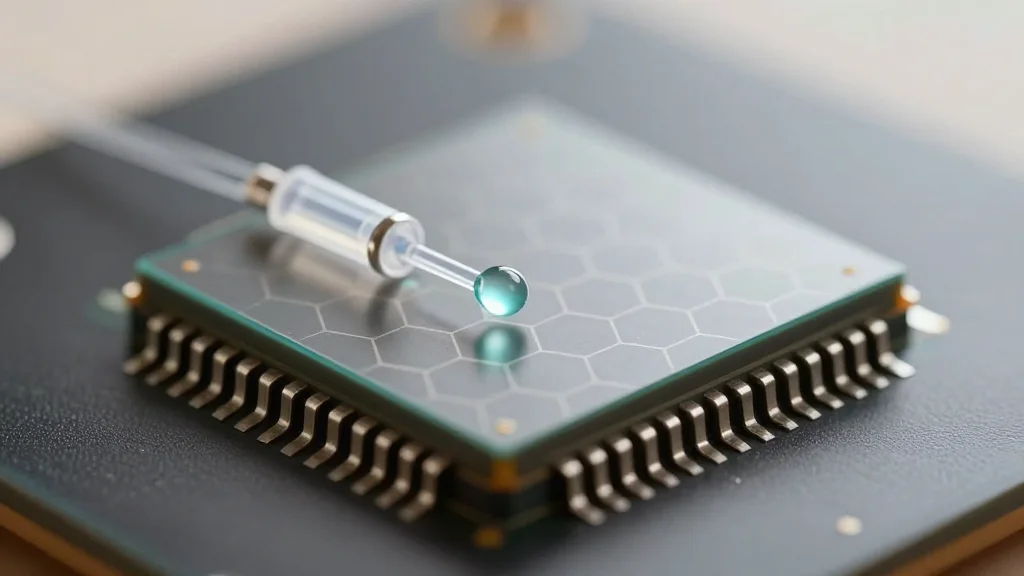
Archer Materials Advances Silicon Biochip Beta Prototype While Reaffirming Graphene as Next‑generation Platform
Companies Mentioned
Why It Matters
Silicon enables faster market entry, while graphene promises future breakthroughs, positioning Archer at the nexus of rapid commercialization and next‑generation sensor performance.
Key Takeaways
- •Silicon chosen for beta prototype to speed development
- •Graphene remains target platform for future performance gains
- •Beta chip integrates cartridge, microfluidics, and readout electronics
- •IMEC collaboration moves to scale‑up and clinical preparation
- •Potassium sensor performance matches expectations on silicon substrate
Pulse Analysis
Archer Materials’ decision to build its next biochip prototype on silicon reflects a pragmatic balance between speed and scalability. Silicon’s mature foundry ecosystem allows Archer to compress design cycles, secure reliable yields, and meet the tight timelines demanded by diagnostic markets. By leveraging its proprietary functionalized‑layer chemistry, the company can demonstrate comparable potassium‑sensor performance without waiting for graphene‑specific process development, thereby de‑risking early‑stage funding and attracting partners who prioritize manufacturability.
The partnership with IMEC, a European leader in advanced semiconductor research, adds credibility and technical depth to Archer’s roadmap. IMEC’s expertise in wafer‑scale integration and packaging accelerates the transition from laboratory‑grade alpha chips to beta prototypes ready for pre‑clinical testing. This collaboration also opens pathways to scale‑up production, essential for meeting regulatory requirements and entering the competitive landscape of quantum‑computing‑adjacent sensors, point‑of‑care diagnostics, and environmental monitoring. The integrated cartridge and microfluidic design underscores a system‑level approach that could shorten time‑to‑value for end users.
Looking ahead, Archer’s dual‑material strategy positions it to capture immediate market share with silicon while investing in graphene for long‑term differentiation. Graphene’s superior electrical conductivity and mechanical flexibility promise ultra‑sensitive detection and lower power consumption, attributes critical for next‑generation wearable and implantable devices. Successful beta validation will likely trigger a shift toward Stage 2 scale‑up, attracting larger venture capital rounds and potential strategic alliances with OEMs seeking to embed advanced bio‑sensing capabilities into their product portfolios. In a market projected to exceed $10 billion by 2030, Archer’s roadmap could set a new benchmark for hybrid semiconductor‑bio interfaces.
Archer Materials advances silicon biochip beta prototype while reaffirming graphene as next‑generation platform
Comments
Want to join the conversation?
Loading comments...