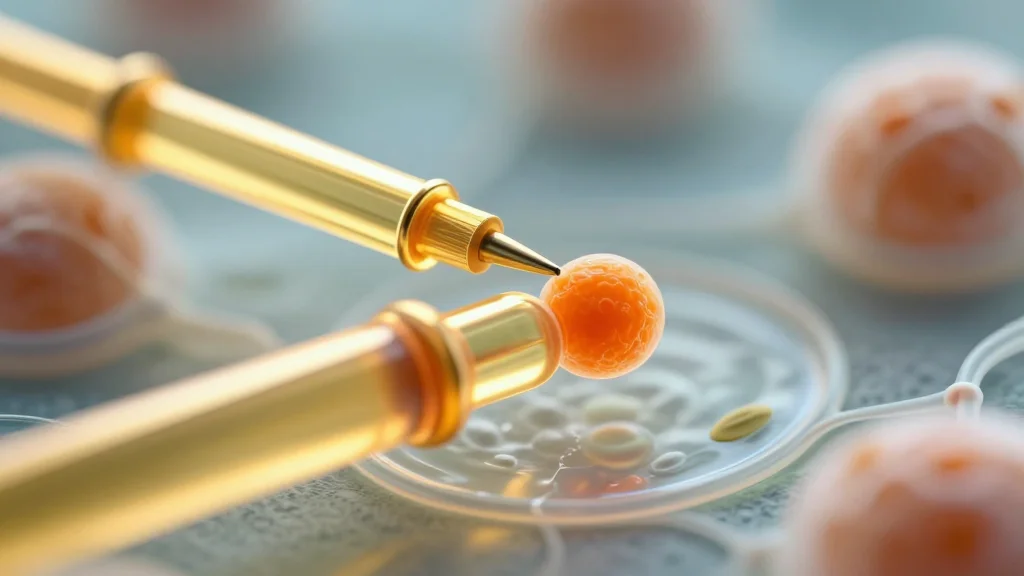
Nanotube Injector Boosts Mitochondrial Performance Through Cytoplasmic Transfer
Why It Matters
The injector offers a scalable, non‑viral method to boost cellular metabolism, opening new pathways for regenerative medicine and precision bio‑manufacturing.
Key Takeaways
- •Nanotube injector transfers cytoplasm with >90% efficiency
- •Cell viability remains around 95% after transfer
- •Dozens of functional mitochondria delivered per cell
- •Recipient cells show markedly increased ATP production
- •Platform promises scalable, non‑viral cell therapy manufacturing
Pulse Analysis
Traditional cytoplasmic extraction relies on harsh lysis or cumbersome microinjection, limiting throughput and damaging delicate biomolecules. The Waseda nanotube injector sidesteps these constraints by employing vertically aligned gold nanotubes that pierce cell membranes without rupturing them. This physical‑fluidic hybrid approach enables precise suction and release of intracellular contents, delivering a level of control previously reserved for genetic tools while maintaining high cell survival rates.
In proof‑of‑concept experiments, the device extracted fluorescent markers and proteins with pressure‑dependent precision, then transferred dozens of mitochondria into target cells. Confocal imaging confirmed mitochondrial localization, and ATP assays revealed a marked increase in cellular energy output compared with controls. Such functional transfer demonstrates that the injector does more than move organelles—it restores metabolic vigor, a critical factor for stem‑cell expansion, immune‑cell manufacturing, and other therapeutic cell pipelines where mitochondrial health often dictates efficacy.
Beyond laboratory curiosity, the technology promises tangible commercial impact. Its reagent‑free, scalable design aligns with Good Manufacturing Practice (GMP) requirements, offering biotech firms a non‑viral alternative for cell engineering. Regenerative medicine could leverage mitochondrial augmentation to treat metabolic disorders, while pharmaceutical developers might use the platform to generate more physiologically relevant disease models for high‑throughput screening. As the field seeks safer, more efficient cell manipulation tools, the nanotube injector positions itself as a versatile bridge between basic research and next‑generation therapeutics.
Nanotube Injector Boosts Mitochondrial Performance Through Cytoplasmic Transfer
Comments
Want to join the conversation?
Loading comments...