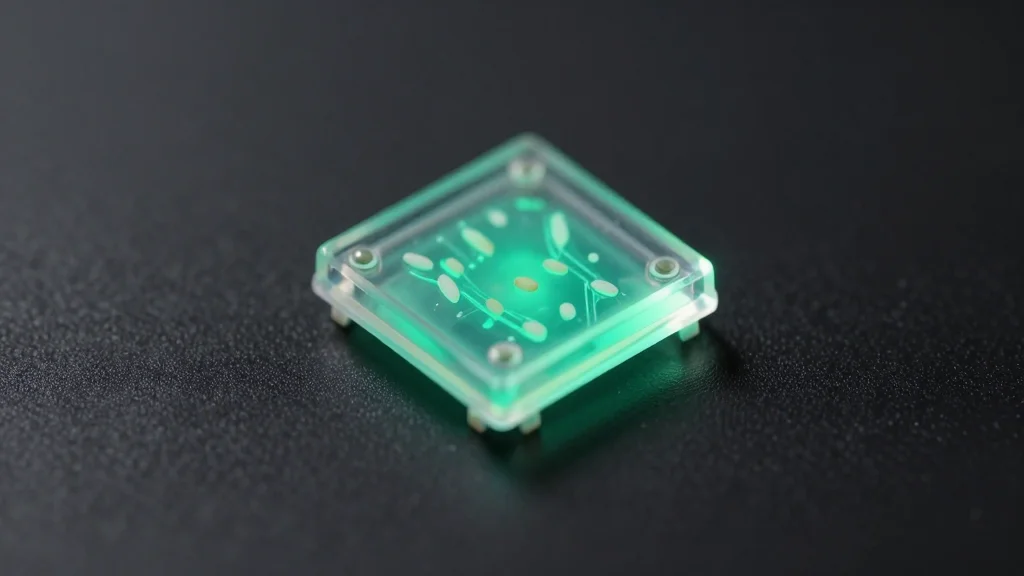
Fluorescent Nanosensor Detects Key Gut Biomarker in Minutes for Faster Testing
Why It Matters
Rapid, low‑cost IPA detection transforms gut‑health monitoring, enabling earlier diagnosis and personalized treatment for diseases such as IBD, diabetes and liver disorders.
Key Takeaways
- •First optical nanosensor to detect indole‑3‑propionic acid in minutes
- •Dual-mode fluorescence enables both lab screening and potential wearable use
- •Validated on 125 plasma samples, distinguishing IBD patients from healthy
- •Moves gut metabolite testing from mass spectrometry to point‑of‑care
- •MIT‑SMART grant backs Singapore startup to commercialize the sensor
Pulse Analysis
The gut microbiome’s metabolic output is emerging as a more actionable health indicator than bacterial composition alone, and indole‑3‑propionic acid (IPA) sits at the forefront of this shift. Produced from dietary tryptophan, IPA modulates inflammation and oxidative stress, linking it to inflammatory bowel disease, type‑2 diabetes and liver dysfunction. Traditional quantification relies on expensive mass‑spectrometry workflows that demand specialized labs and hours of analysis, limiting routine clinical use and large‑scale screening.
The newly reported fluorescent nanosensor sidesteps these bottlenecks by converting IPA binding events into an optical signal detectable within minutes. Its dual‑mode design—visible fluorescence for high‑throughput assays and near‑infrared emission for deeper tissue penetration—offers flexibility for both centralized laboratory testing and future in‑vivo or wearable deployments. In a study of 125 plasma specimens, the sensor reliably differentiated IBD patients, who exhibited lower IPA levels, from healthy controls, demonstrating clinical relevance and robustness in complex biological matrices.
Beyond diagnostics, the platform opens avenues for pharmaceutical development and probiotic research, where rapid feedback on metabolite shifts can accelerate drug efficacy studies. Backed by an Innovation‑to‑Startup grant, the team is incubating a Singapore‑based spin‑out aimed at scaling production and navigating regulatory pathways. If integrated into point‑of‑care kits or wearable patches, the technology could democratize gut‑health monitoring, supporting proactive, personalized medicine and creating a new market segment for real‑time metabolite analytics.
Fluorescent nanosensor detects key gut biomarker in minutes for faster testing
Comments
Want to join the conversation?
Loading comments...