New All-in-One Metal-Organic Framework Makes Solar Hydrogen Production Simpler
Researchers at Tohoku University created a two‑dimensional metal‑organic framework (Co‑HHTP) that functions as an all‑in‑one cocatalyst for photocatalytic overall water splitting. By coating aluminum‑doped strontium titanate (SrTiO₃:Al) with Co‑HHTP through a single self‑assembly step, the system drives both hydrogen and oxygen evolution without a separate oxygen‑blocking layer, achieving an apparent quantum efficiency of 31.5% at 350 nm. The approach relies on inexpensive metal ions and avoids precious‑metal or toxic chromium catalysts, dramatically simplifying fabrication. Published in Nature Chemistry, the work introduces a new design paradigm for multifunctional MOF catalysts.
Twisted Nanoparticles Sorted by Light
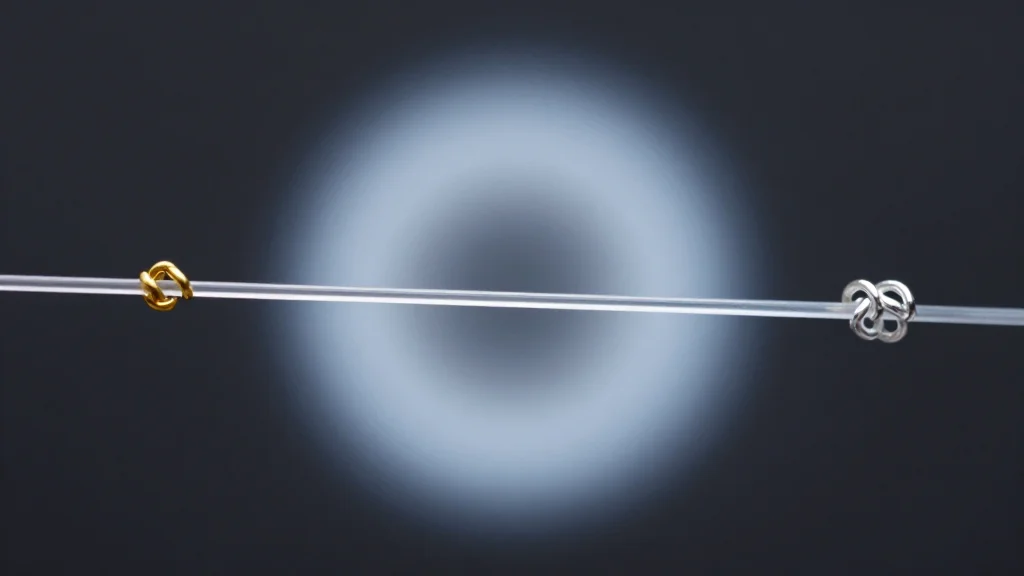
Researchers at Tokyo University of Science, Institute for Molecular Science and Seoul National University have demonstrated a method to sort chiral metallic nanoparticles using the evanescent field of an ultra‑thin optical fiber. By illuminating the fiber with circularly polarized light,...
Strained Graphene Exhibits Oscillating Electron Flow Under Laser Light
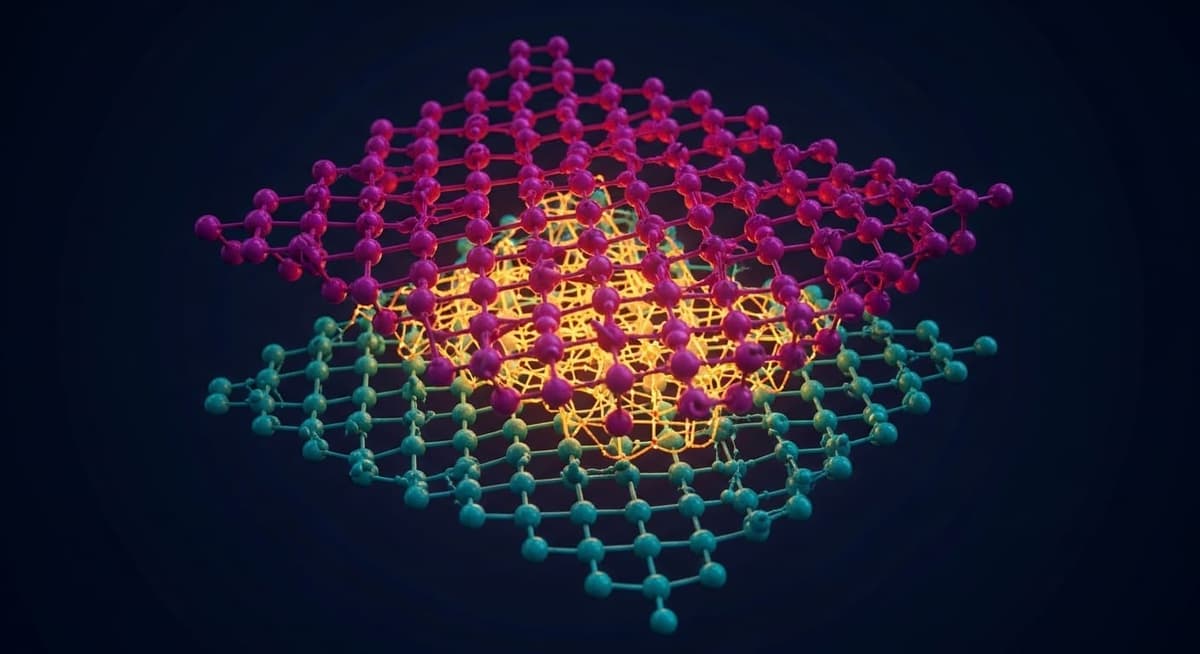
Researchers at Chouäib Doukkali University used a transfer‑matrix model to study electron transport in gapped graphene subjected to uniaxial zigzag strain and laser‑electrostatic barriers. They found that moderate strain can modulate transmission by up to 30 % and generate pronounced Fano‑type...

From University of Stuttgart: Experiments for Data Storage of Future
Researchers at the University of Stuttgart, together with international partners, have experimentally demonstrated a new magnetic state in twisted double‑bilayer chromium triiodide, a two‑dimensional material. By rotating two bilayers by a small angle, they created and directly imaged super‑moiré spin...
How Does Electron Structure Impact Light Responses in Moire Materials?
Researchers at USC demonstrated that the electron arrangement in moiré superlattices forms generalized Wigner crystals, which directly shape how the material interacts with light. Using first‑principles many‑body calculations, they resolved a new type of exciton—dubbed a Wigner crystalline exciton—that follows...
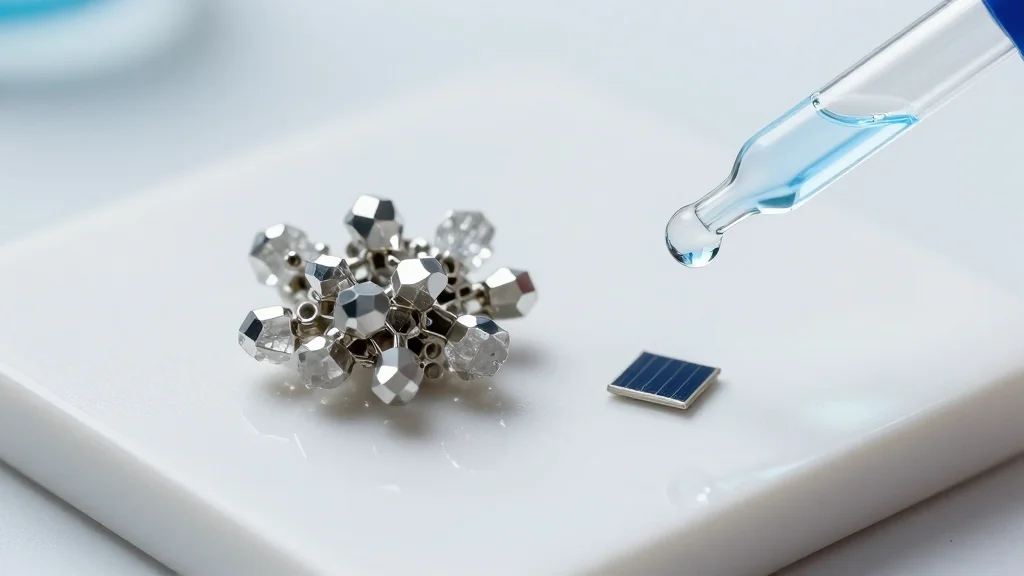
Light-Driven Synthesis Unlocks Precision Metal-Organic Frameworks for Clean Energy
Researchers at INRS and McGill have unveiled a photochemical method that synthesizes metal‑organic frameworks at ambient temperature. The technique uses light to drive assembly of a cobalt‑porphyrin MOF, phoPPF‑3, in just four hours at 15 °C, delivering hourglass‑shaped structures with precise...
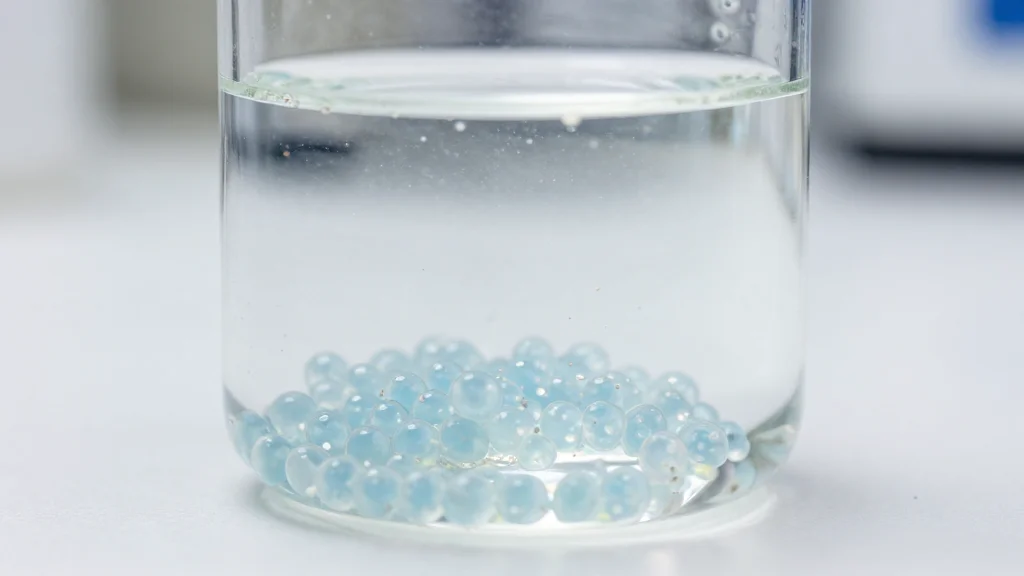
Microgel Glue Captures Nanoplastics that Water Treatment Plants Miss
Researchers at Xiamen University have created a soft polymeric microgel, pVIM, that acts as an adhesive glue for nanoplastic particles in water. The microgel’s flexible chains and imidazole groups bind to plastics via hydrogen bonding, electrostatic attraction and π‑π stacking,...
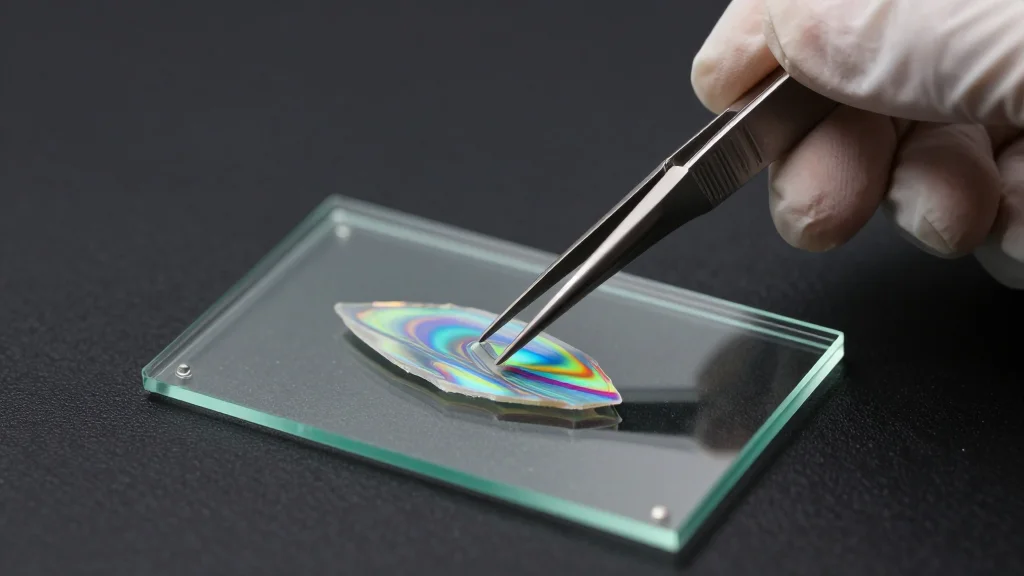
Atomic Moire Ferroelectrics Unlock Low Energy Nanoelectronics Potential
Researchers at Flinders University, together with Monash and Nanyang Technological University, have demonstrated that atomic‑scale moiré superlattices can host ferroelectric order. By misaligning two‑dimensional layers, they created switchable polarization textures that respond on picosecond timescales. The work, published in Small...
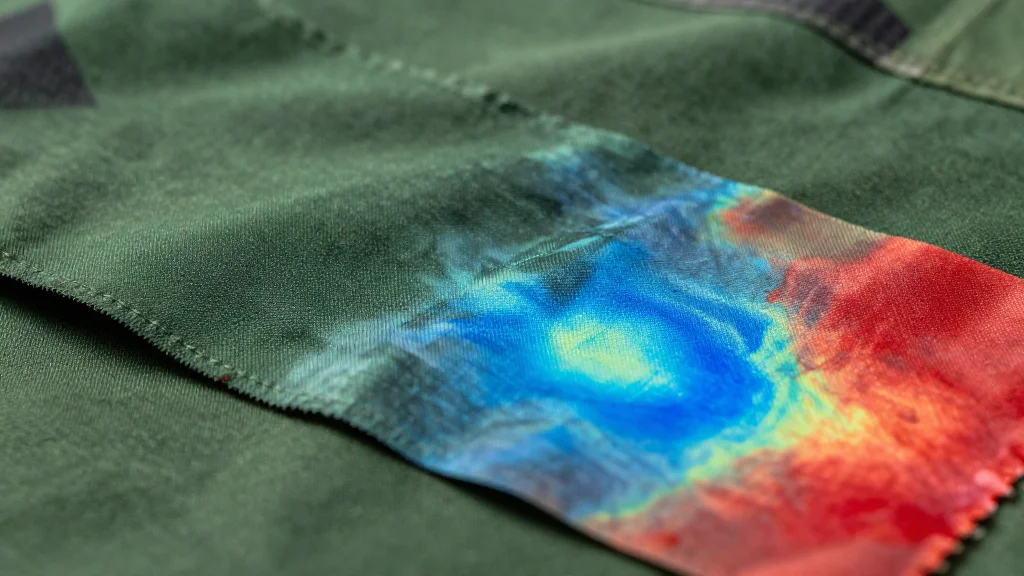
Alchemy, a Waterloo Company Offers Nanotechnology-Enabled Coatings for Camouflage and Other Defence Applications
Alchemy, a Waterloo‑based nanotech startup, has turned a windshield‑frost spray into a thermal‑camouflage coating now used by the Canadian Armed Forces. The company’s "Crypsis Class" nanocomposite can mask mid‑wave and long‑wave infrared signatures on textiles, earning a 95/100 score in...

Bioinspired Aerogel Cleans Heavy Metals From Soil at Depths No Plant Can Reach
Researchers at Zhejiang University have created a bioinspired aerogel that mimics plant transpiration to pull contaminated water from soil depths of up to 1.5 meters. The ice‑templated chitosan‑carbon aerogel features vertically aligned channels that double water‑wicking speed and accelerate copper ion...
Turning Vibrations Into Value - a New Catalyst Converts CO2 Into Useful CO
Researchers at the University of Osaka have created a piezocatalyst that merges single‑atom nickel sites with nitrogen‑doped carbon on a BaTiO₃ piezoelectric scaffold. Under ultrasonic vibration at room temperature and ambient pressure, the material converts CO₂ to CO at a...
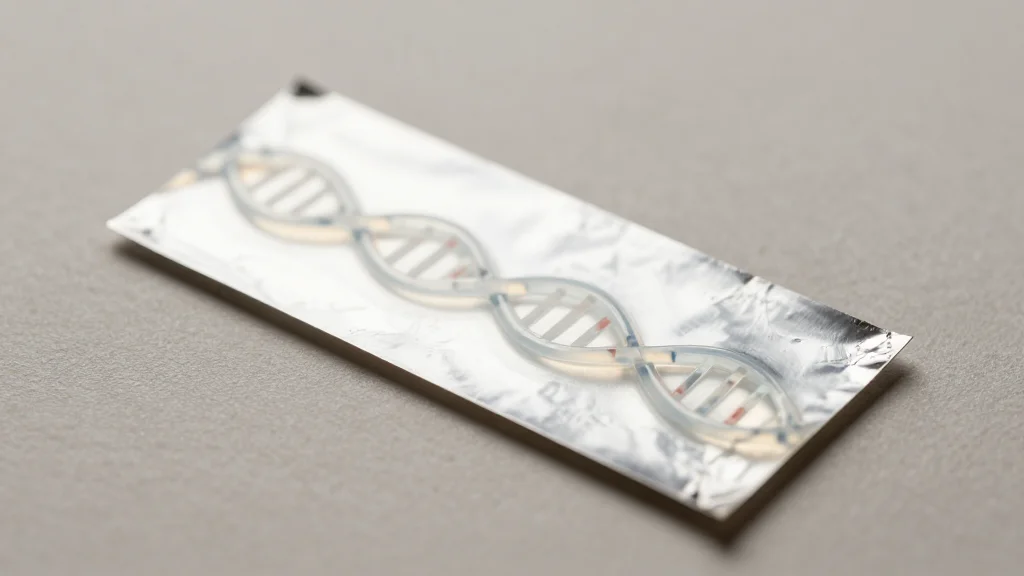
Microsoft Technology Licensing Assigned Patent
Microsoft Technology Licensing has been assigned U.S. Patent 12,595,474 for a DNA‑based data storage system that mounts synthetic DNA onto a two‑dimensional substrate such as metal foil, glass, or plastic. The invention adds a protective silica or thin‑metal coating and...

First Actual Measurement of 'Attempt Time' In Nanomagnets After 70 Years of Assumptions
Researchers at Tohoku University have experimentally measured the nanomagnet attempt time for the first time, finding it to be between 4 and 11 nanoseconds—far longer than the one‑nanosecond value assumed for seven decades. The team used a novel temperature‑independent Arrhenius...

The Nanoscale Engineering Behind China's Grip on the Green Energy Value Chain
China’s dominance in green‑energy hardware stems from aggressive nanoscale engineering, not just subsidies or scale. By mastering nanostructured silicon wafers, ultra‑thin TOPCon layers, and 2‑5 nm carbon coatings on lithium‑iron‑phosphate cathodes, Chinese firms now control over 80% of solar panel production...

Archimedes Tech SPAC Partners II Co. (ATII) to Combine with Forge Nano in $1.3Bn Deal
Archimedes Tech SPAC Partners II Co. (ATII) announced a definitive agreement to merge with nanotechnology firm Forge Nano, creating a combined public entity valued at approximately $1.3 billion. The transaction will deliver roughly $200 million in cash to Forge Nano and grant...
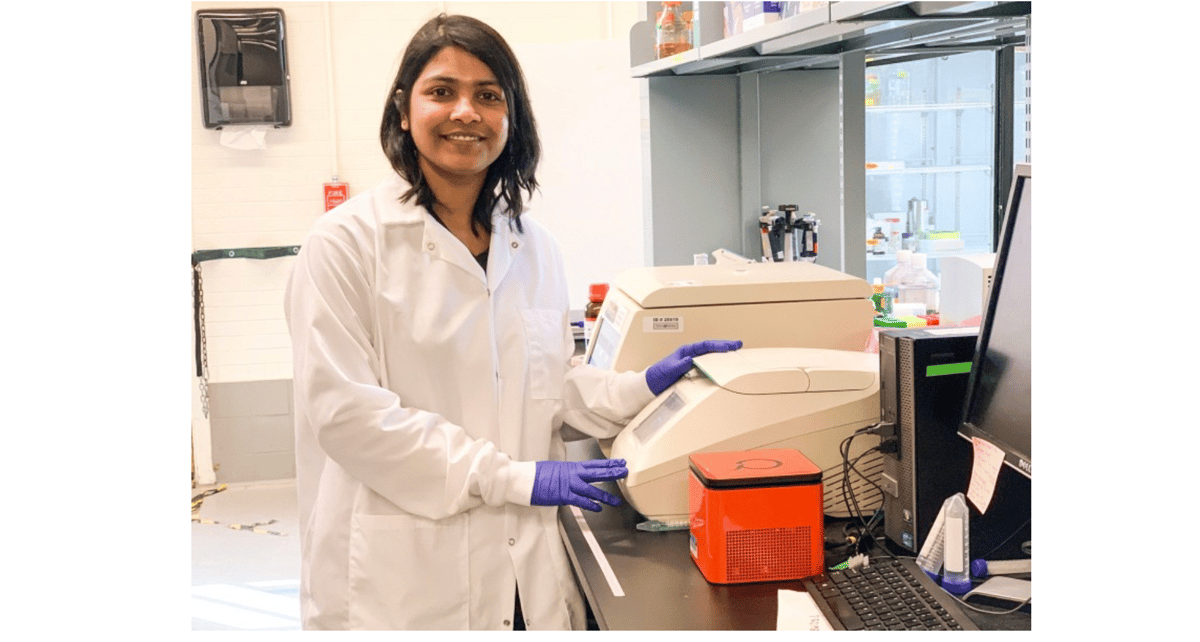
Scientists Say Nanoplastics Can Cause Salmonella to Become Stronger
Researchers at the University of Illinois Urbana‑Champaign discovered that nanoplastics embedded in food‑packaging can boost the virulence of Salmonella bacteria. Laboratory experiments showed the pathogen becomes more aggressive when exposed to nanoplastic particles commonly found on ground‑turkey packaging. The study,...
Twist-Angle Engineering Boosts Perovskite Optoelectronic Performance
Researchers demonstrated that twisting atomically thin hybrid perovskite (PEA)₂PbBr₄ with monolayer WSe₂ at controlled angles dramatically enhances interlayer coupling and photodetector performance. Six heterojunctions ranging from 0° to 15° were fabricated; the 15° device achieved 2.8 A W⁻¹ responsivity at 405 nm, an...

Ultra-Thin Thermal Memory Switches Heat Flow on and Off with Voltage
Researchers at CiQUS, the University of Barcelona and Zaragoza have demonstrated a thermal‑memory prototype that uses a few‑nanometer‑thick hafnium‑zirconium oxide ferroelectric film to toggle thermal conductivity on and off with modest electric voltages. The device exploits the coupling of ferroelectric...

Self-Assembling Luminophores Form Nanotubes with Multidirectional Exciton Transport Transport
Researchers at Chiba University have demonstrated that sterically demanding diphenylanthracene‑based π‑luminophore dyads can fold and self‑assemble into well‑defined supramolecular nanotubes. The folding‑mediated process directs directional π–π stacking and hydrogen bonding, producing hollow cylindrical tubes that support multidirectional exciton transport—55 nm along...

Nanoengineered Wrist Sensor Detects Driver Fatigue Through Pulse Wave Analysis
Researchers at Xi’an Jiaotong‑Liverpool, Soochow and Liverpool universities unveiled a nanoengineered wrist‑worn triboelectric sensor that captures arterial pulse waves with high fidelity even under imperfect skin contact. Coupled with a one‑dimensional convolutional neural network, the device classifies driver fatigue with...

Diamonds Are an MRO’s Best Friend
Massachusetts‑based DUST Identity has unveiled a new platform that embeds its Diamond Unclonable Security Tag (DUST) technology into Maintenance, Repair and Overhaul (MRO) workflows. The solution uses microscopic diamond particles to create tamper‑evident, cryptographically secure identifiers for aircraft components, enabling...

Humid Air Makes This 3D-Printed Nanogenerator Work Better, Not Worse
Researchers have created a 3D‑printable hygroscopic polymer that captures water molecules, turning high humidity into a performance boost for triboelectric nanogenerators (TENGs). The amide‑based resin, enhanced with 5 wt % sulfobetaine methacrylate, delivers 45.6 µA, 802 V and a peak power density of 48.4 W m⁻²...

Turning Plant Waste Into Nanocellulose and Biocomposites for Sustainable Space Missions
The European Space Agency‑funded BioSTEP project demonstrated that plant biomass and discarded packaging can be transformed into nanocellulose and high‑performance biocomposites suitable for Moon and Mars missions. Conducted by NTNU’s CIRiS and RISE PFI during 2024‑25, the study identified crops with...
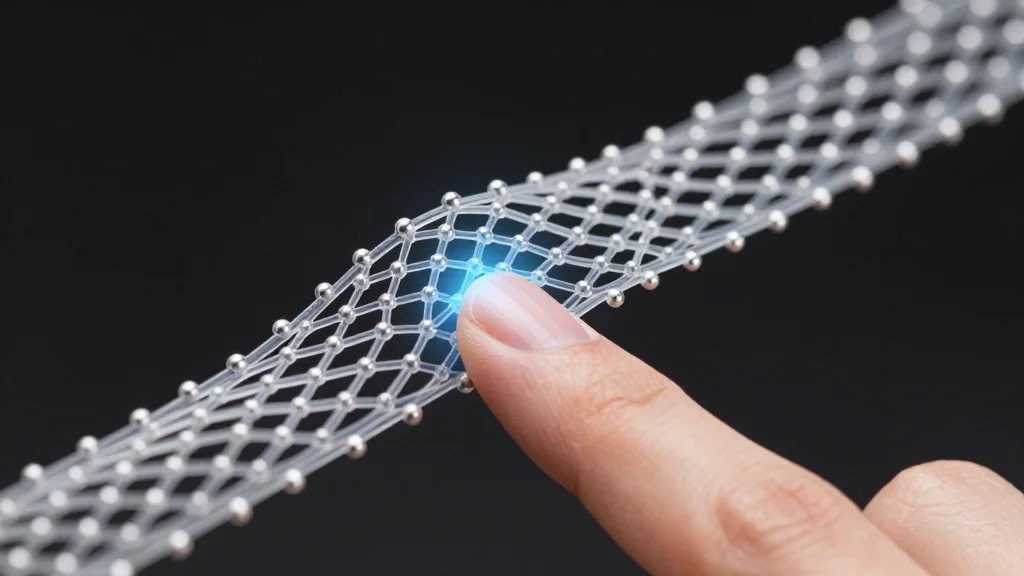
Flexible Capacitive Pressure Sensor Gains Sensitivity Under Increasing Load
Researchers at Zhejiang University unveiled a flexible capacitive pressure sensor whose sensitivity increases with pressure, a reversal of the typical decline seen in conventional designs. The 3‑D cage‑like architecture, created via buckling‑guided assembly and laser cutting, delivers a peak sensitivity...
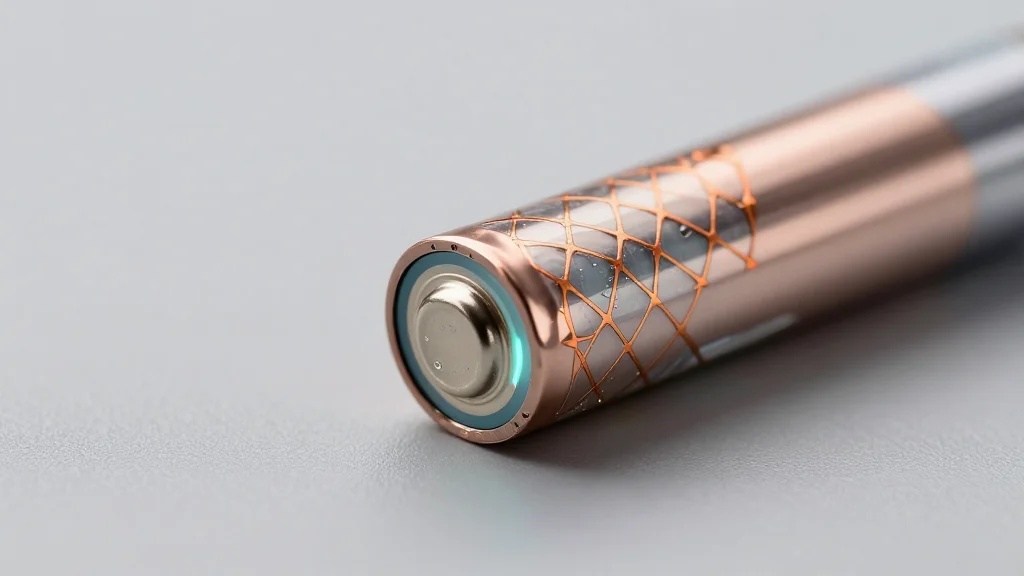
An Ultrathin Solid Electrolyte Keeps Lithium Metal Batteries From Catching Fire
Researchers have created a 20‑µm composite solid electrolyte that embeds trimethyl phosphate inside a copper‑based MOF cage, releasing the flame‑retardant only above 120 °C. The ultrathin electrolyte delivers ionic conductance 880‑times higher than conventional PEO membranes while raising the lithium‑ion transference...

A Single Measurement Sorts Chiral Molecules by Type, Handedness, and Ratio
Researchers have unveiled a terahertz circular dichroism platform that uses an achiral gradient metasurface to identify chiral biomolecules, their handedness, and mixing ratios in a single broadband scan. The metasurface reflects terahertz light from 0.5 to 1.8 THz without adding background...
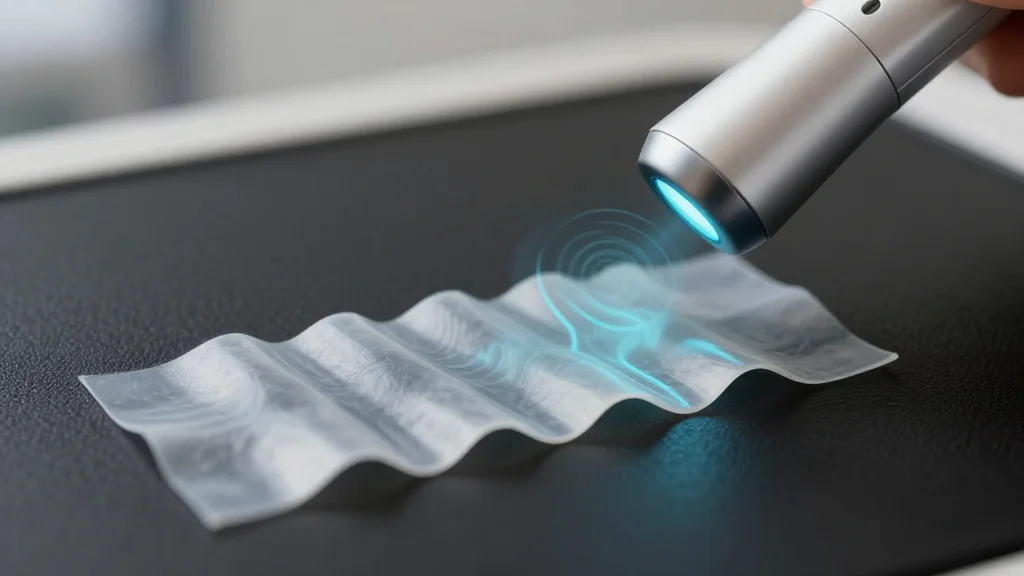
Wavy Membrane Triples Output of Ultrasound-Powered Implant Nanogenerators
Researchers have engineered a wavy polymer membrane that triples the power output of ultrasound‑driven triboelectric nanogenerators (TENGs) compared with conventional flat films. By creating alternating concave and convex regions that deliberately mismatch acoustic impedance, the design amplifies vibration where it...
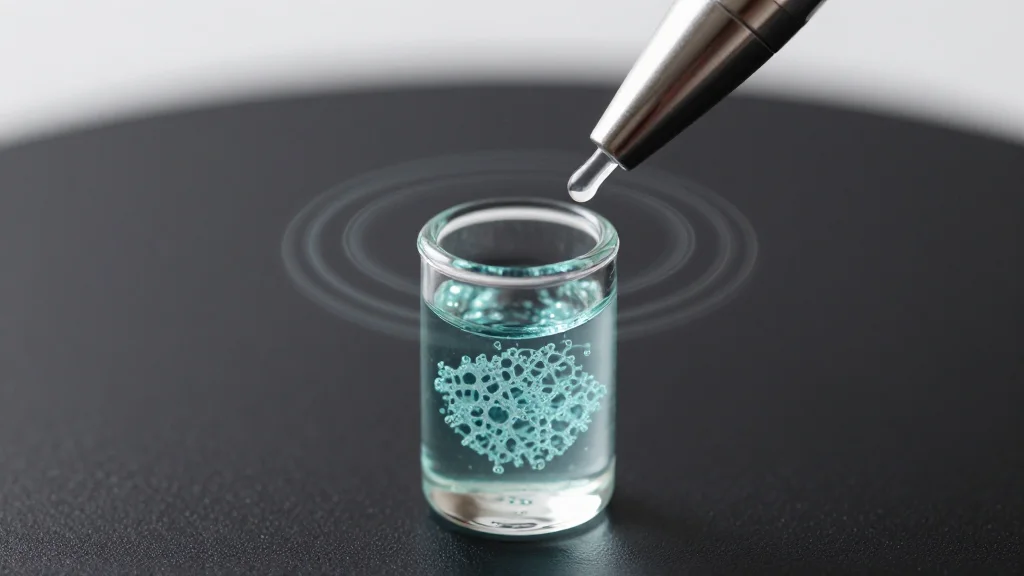
Sonodynamic Therapy with Ferrocene-Modified Frameworks Targets Breast Cancer Metastasis
Researchers at Beijing Institute of Technology have engineered ferrocene‑modified covalent organic frameworks (mCOFs) that act as ultrasound‑activated sonosensitizers. When combined with sonodynamic therapy, the nanoplatform reduces breast cancer cell viability to 24.3% and drives apoptosis above 84%, while simultaneously generating...

Tuning 2D Materials Growth for Quantum Photonics
Researchers at INL have introduced a new atmospheric‑pressure chemical vapor deposition technique that tunes argon flow during ammonia‑borane decomposition to grow large‑area hexagonal boron nitride (h‑BN) films. The optimized process yields high‑quality h‑BN layers that host single‑photon emitters operating at...

Graphene Mirrors Hidden Charges Shaping Water without Changing Wetting
Researchers at the Max Planck Institute have shown that a graphene monolayer, while appearing wetting‑transparent on the macroscopic scale, acts as a nanoscale mirror for substrate charges, reshaping the structure of adjacent water molecules. Using surface‑specific vibrational spectroscopy and molecular dynamics...
Nanozyme Boosts Stem Cell Mitochondria to Accelerate Bone Regeneration
Researchers have engineered a single‑atom nanozyme that mimics cytochrome c oxidase, restoring mitochondrial energy production in stem cells. The nanozyme, anchored with iron and copper on a mesoporous silica scaffold and coated with triphenylphosphonium, targets mitochondria and shifts cell metabolism toward...
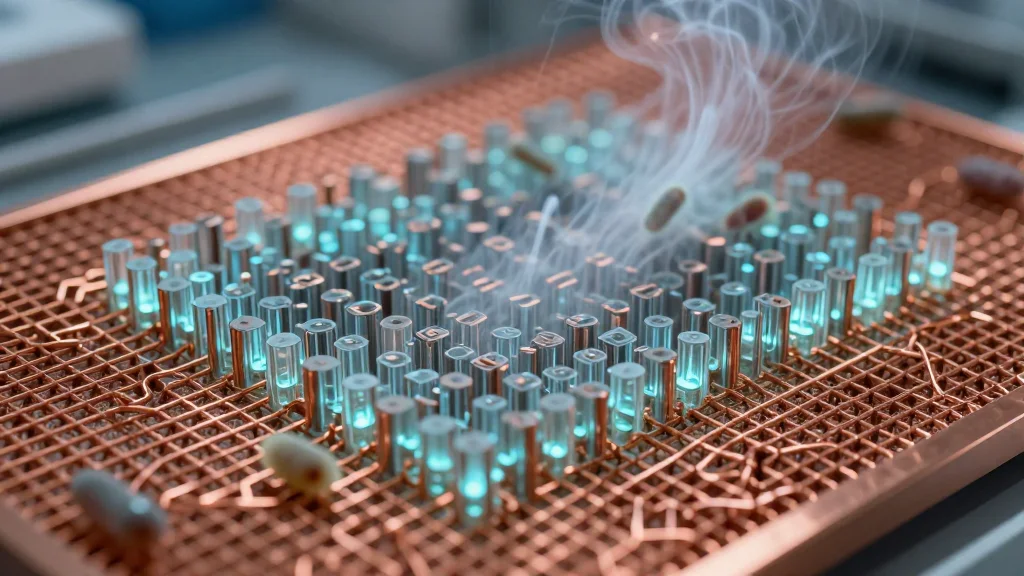
Bimetallic MOF Electrode Sterilizes Airborne Bacteria in Milliseconds
Researchers at Ocean University of China have created a 3D bimetallic MOF electrode on copper mesh that inactivates over 99% of airborne E. coli within 0.0026 seconds at 24 V AC. The 0.3Co‑MOF/Cu@Cu design leverages electroporation and reactive‑oxygen‑species generation through a...

The Pennsylvania State University: Borrowing From Biology to Power Next-Gen Data Storage
Penn State researchers have engineered a bio‑hybrid memristor that couples synthetic DNA doped with silver nanoparticles to quasi‑2D perovskite semiconductors. The device operates at ultra‑low voltage (<0.1 V) and a record‑low power density of 0.01 W cm⁻², while maintaining an ON/OFF ratio above...

Magnetic Fields From Earphones and Mobile Phones 'Suck' Airborne Magnetic Particles Into the Brain, Impairing Cognition and Potentially Contributing to...
A Chinese Academy of Sciences team published in ACS Nano that static magnetic fields from everyday earphones and smartphones dramatically increase brain accumulation of airborne magnetite nanoparticles in mice. The combined exposure amplified nanoparticle uptake by roughly five times and caused...

Researchers Use Nanomaterials and Ultrasound to Create Light Inside the Body
Stanford researchers have created a noninvasive method that uses focused ultrasound to activate biocompatible ceramic nanoparticles, generating light at any point inside the body. The proof‑of‑concept, demonstrated in mice, produced blue 490 nm light that could stimulate neurons and mimic photodynamic...
Precision Boost for Quantum Sensor Technology
Physicists at Julius‑Maximilians‑Universität Würzburg have directly measured the 24‑nanosecond lifetime of a metastable intermediate state in hexagonal boron nitride (hBN) spin defects. By inserting a 150‑nanosecond delay between laser excitation and microwave control, they raised measurement contrast by 26 % and...

How Nanoscale Catalyst Design Could Improve Hydrogen Peroxide Production
A review by Tohoku University researchers details how nanoarchitectonics of graphitic carbon nitride (g‑C₃N₄) can dramatically improve photocatalytic hydrogen peroxide production. The paper outlines defect engineering, metal doping, and semiconductor heterostructure strategies that boost catalyst efficiency. It also stresses that...
Disorder and Illumination
Researchers have long used low‑temperature illumination to improve electronic transport in two‑dimensional (2D) systems. In GaAs‑based quantum wells, a red LED at ~10 K reduces disorder, raising electron mobility and sharpening fractional quantum Hall signatures. A new preprint shows that deep‑UV...

A Biodegradable Supercapacitor Delivers Acupuncture-Style Pain Relief
Researchers have created a biodegradable supercapacitor that uses single‑atom iron (Fe‑O₄) sites on a carbon scaffold to deliver acupuncture‑style pain relief in mice. The iron atoms boost capacitance to 279.5 mF cm⁻² while reducing ion adsorption energy, preserving fast charge‑discharge rates. The...
Magnetic Biochar Nanocomposite Rapidly Removes Antibiotic Pollution From Wastewater
Researchers at Shenyang Agricultural University have engineered a magnetic biochar nanocomposite incorporating Fe₃O₄ and SnO₂ that removes tetracycline from wastewater through combined adsorption and light‑driven photocatalysis. The optimized material achieved 91.8% removal in three hours and retained over 82% efficiency...

TSMC Is Upgrading Japan’s Second Plant to the 3-Nanometer Process. Kumamoto Is Transitioning From a Backup Site to a True...
Taiwan Semiconductor Manufacturing Co. (TSMC) has received approval to launch 3‑nanometer production at its second Japanese fab in Kumamoto, with equipment installation slated for 2026 and volume output expected in 2028. The plant will initially run at a capacity of...
Water Molecules Eliminate Brute Force From MXene Nanosheet Production
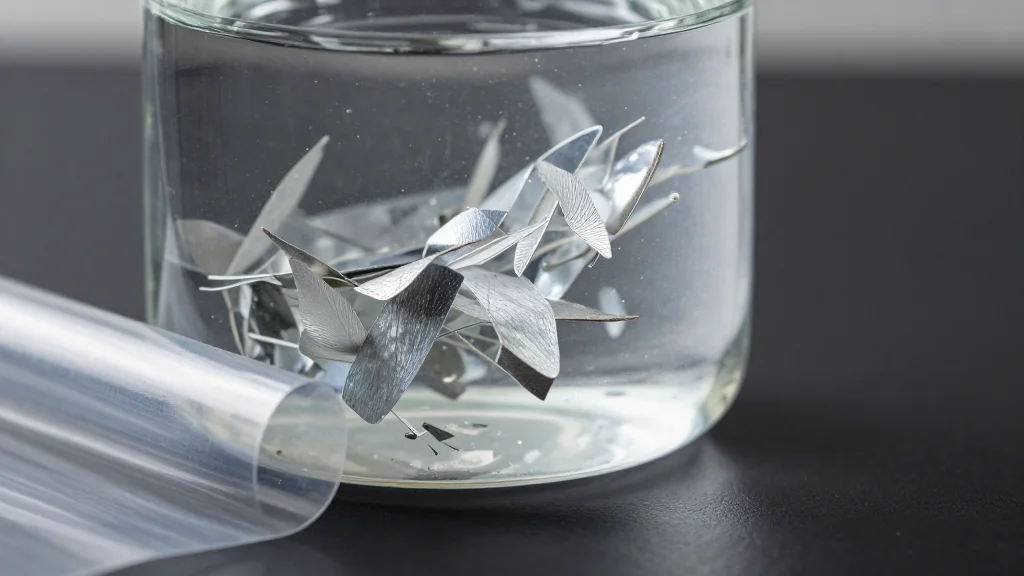
Researchers have introduced a water‑mediated scission method that exfoliates MXene into defect‑free single‑layer nanosheets without mechanical force. By intercalating lithium and soaking the material in water for 12 hours, the process achieves an 84.7% yield and produces sheets averaging 10.46 µm in...
The Role of Graphene in Photocatalytic Composites Revealed by Theoretical Modelling
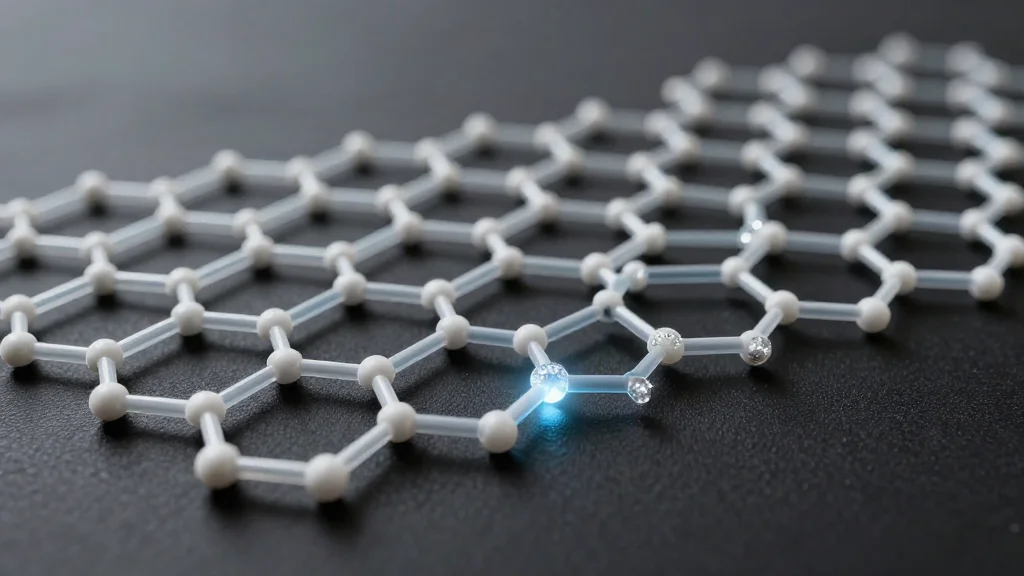
Researchers at the University of Sheffield used advanced computational modelling to show that carbon vacancies in graphene create covalent bonds with TiO₂, forming hybrid electronic states. These hybrid states improve charge separation and suppress electron‑hole recombination, addressing the two main...

Breathing New Life Into Tubercolosis Treatment with Iinhalable Nanomedicine
Scientists at the University of Witwatersrand’s Wits Advanced Drug Delivery Platform have created an inhalable nanocarrier that can encapsulate all four first‑line tuberculosis drugs and release them directly in the lungs. The system bypasses the liver and bloodstream, aiming to...

Octopus-Shaped Nanomachine Reprograms ATP Flow to Starve Cancer Cells
Researchers unveiled an octopus‑shaped nanomachine, HSA‑ABC, that anchors to cancer cell membranes and uses an ATP‑sensing aptamer to trigger photodynamic therapy and rapid doxorubicin delivery. The device creates a self‑amplifying cycle: ATP binding activates a photosensitizer, damaging the membrane, which...
Silver Nanowire Electrodes Achieve 86% Efficiency in CO2 to Ethylene Conversion
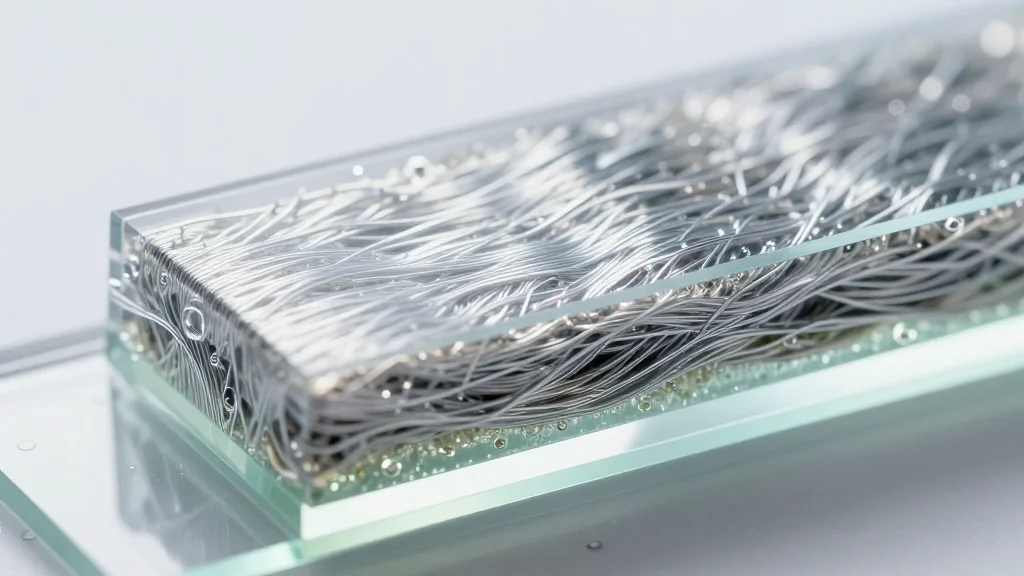
Researchers at KAIST unveiled a three‑layer electrode that uses silver nanowire networks as both conductors and catalysts, achieving up to 86% selectivity for converting CO₂ into ethylene and other multi‑carbon products. The design tackles electrode flooding by pairing a hydrophobic...

Tumor-Inspired Microparticles Reprogram Fat Cells and Improve Insulin Sensitivity
Researchers have engineered injectable silica microparticles that mimic the nanoscale surface roughness of invasive cancer cells, stripping away all biological material. When cultured on these tumor‑inspired topographies, mouse adipocytes rapidly lose their mature phenotype, become multipotent stem‑like cells, and exhibit...

Synthetic Worm-Like Metamaterials that Learn, Adapt and Evolve Like Living Systems
Researchers at the University of Amsterdam unveiled worm‑like metamaterials composed of motorised hinges that can learn, forget, and toggle between multiple shapes without any central controller. Each hinge houses a microcontroller that records rotation, shares data with neighbors, and adjusts...
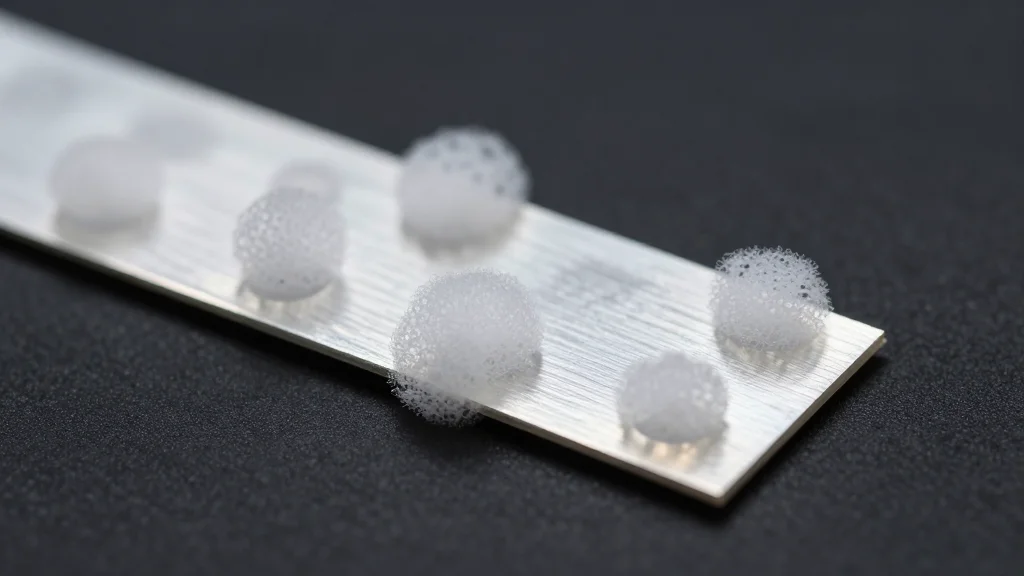
Visible Light Replaces Metal Catalysts in New Method for Making Porous Semiconducting Polymers
Researchers at Koç University introduced a visible‑light‑driven synthesis that uses bismuthene as a photocatalyst to create porous semiconducting polymers without metal catalysts, operating under ambient conditions. The approach revives century‑old diazonium chemistry, yielding high‑molecular‑weight polymers and allowing direct halogen incorporation....
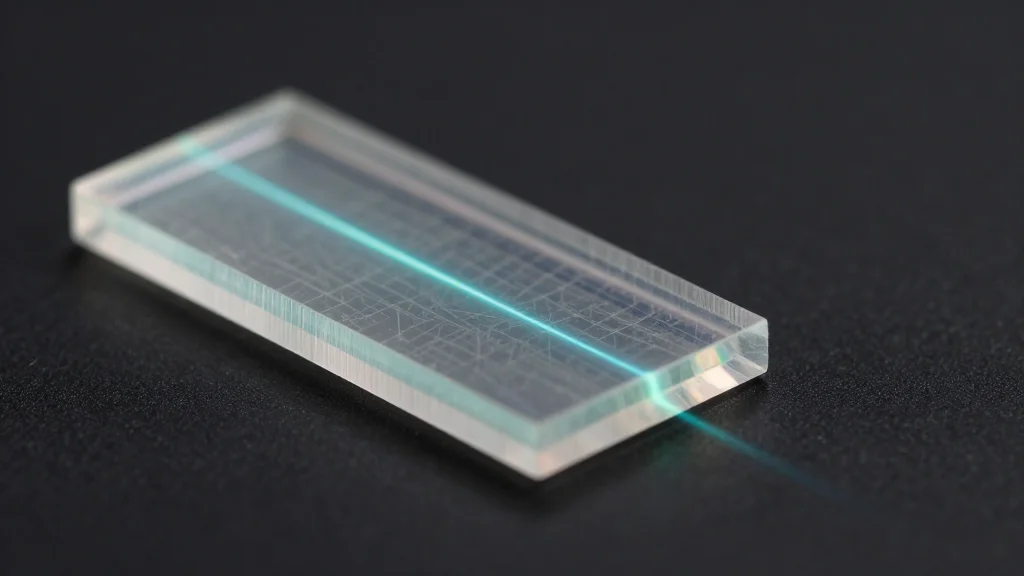
'Perfectly Symmetrical' 2D Perovskites Boost Energy Transport
Rice University researchers have engineered a multilayered two‑dimensional perovskite that approaches perfect crystal symmetry, enabling exciton transport beyond 2 µm at room temperature. The material’s distortion‑free lattice eliminates energy traps, delivering an order‑of‑magnitude improvement over earlier perovskites and matching the performance...