Microsoft Technology Licensing Assigned Patent
Key Takeaways
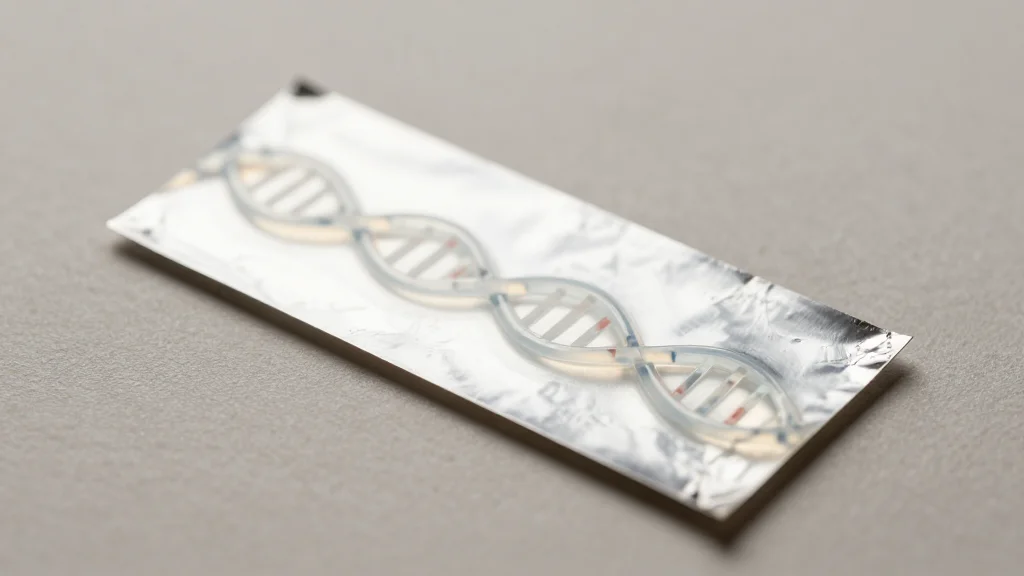
- •Patent covers DNA on metal foil, glass, or plastic substrates.
- •Geometric addressability enables selective data retrieval from DNA storage.
- •Protective silica or metal layer shields DNA from degradation.
- •Functionalized surface improves DNA adhesion and stability.
- •Microsoft may integrate DNA storage into future data center architectures.
Pulse Analysis
DNA data storage has moved from laboratory curiosity to a credible contender for next‑generation archival solutions. By encoding bits in synthetic DNA strands, the medium can achieve petabyte‑per‑gram densities and retain information for centuries without power. However, practical deployment hinges on reliable physical carriers that protect the fragile molecules and allow rapid, targeted access. Two‑dimensional substrates—ranging from metal foils to glass slides—offer a scalable platform for arranging DNA in a grid, enabling addressable reads that bridge the gap between molecular storage and conventional file systems.
Microsoft’s newly assigned patent details a layered architecture that combines a 2D support, surface functionalization, and an encapsulating protective coating. The functionalized layer, often positively charged, binds the negatively charged DNA, while a silica or thin‑metal cap guards against humidity, UV exposure, and mechanical wear. Crucially, the patent introduces geometric addressability: each DNA fragment is mapped to a precise coordinate on the substrate, allowing selective amplification and sequencing without scanning the entire library. This approach could dramatically reduce retrieval latency and simplify integration with existing data‑center workflows, positioning the technology for hybrid storage tiers where hot data resides on flash and cold archives shift to DNA.
The strategic implication for Microsoft is significant. As cloud providers grapple with soaring storage demand and energy costs, DNA’s ultra‑high density and near‑zero standby power present a disruptive alternative for long‑term cold storage. Owning core IP accelerates Microsoft’s ability to prototype in‑house DNA‑storage racks, partner with biotech firms, and potentially offer DNA‑backed archival services to Azure customers. While commercial viability likely remains several years away due to sequencing costs and throughput limits, the patent signals a serious commitment to diversifying the data‑storage portfolio and could spur broader industry investment in molecular memory technologies.
Microsoft Technology Licensing Assigned Patent
Comments
Want to join the conversation?