
Pentacene Dimers Boost Quantum Sensing Towards Single-Proton Detection
Researchers at the Institute of Translational Medicine have shown that pentacene dimers, created via singlet fission, provide a 30% larger interaction cross‑section than traditional pentacene monomers for detecting small ensembles of nuclear spins. Computational modeling using a Lindblad master equation indicates that single‑spin sensitivity remains comparable while ensemble detection improves markedly. The study also demonstrates that sensitivity scales with the number of sensing pulses and is optimized in low‑magnetic‑field environments. These findings lay a theoretical foundation for high‑spin quantum probes in nanoscale magnetic resonance applications.

University of Eastern Finland Demonstrates 2D-Material Photodetectors on Silicon Nitride Chips
Researchers at the University of Eastern Finland have demonstrated photodetectors built from two‑dimensional semiconductor materials directly on silicon nitride waveguide chips. The work, detailed in a doctoral dissertation, shows that cleanroom nanofabrication can integrate ultrathin 2D absorbers with low‑loss waveguides,...

Watching Sunlight Turn Into Fuel and Oxygen, in Real Time
Yale researchers have unveiled a nanoscale method to watch solar photocatalysis in real time, capturing water‑splitting reactions and charge transport at roughly 10 nm resolution. The approach merges amperometric and potentiometric measurements using a quartz nanotip with a platinum core, allowing...

Broadband Nanoprobe Sharpens Optical Imaging Beyond the Diffraction Limit
Researchers at Xi’an Jiaotong University have unveiled a fiber‑based double‑slit plasmonic probe that uses linearly polarized light and Fabry–Pérot energy recycling to achieve broadband nanofocusing. The device delivers a six‑fold electric‑field enhancement and resolves a 28.6 nm slit, essentially matching atomic...

Fullerene's Spherical Symmetry Enables a Reliable Three-State Molecular Switch
Researchers have leveraged the spherical symmetry of C₆₀ fullerene to create a reliable three‑state molecular switch. By mechanically stacking one, two, or three C₆₀ molecules between gold electrodes, they achieved three distinct, fully reversible conductance levels spanning nearly four orders...

Microplastic and Nanoplastic Exposure in the Context of Aging
Recent animal research shows that high-dose nanoplastic accumulation can trigger cellular dysfunction, including oxidative stress and senescence. While these harmful exposure levels exceed current environmental concentrations, older adults may experience greater cumulative burden due to lifelong exposure and age‑related physiological...
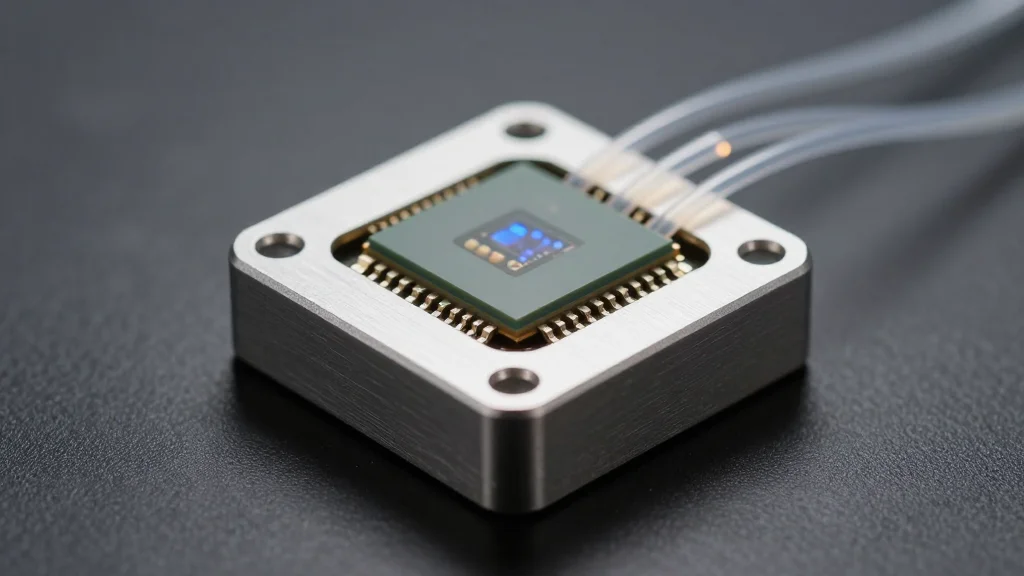
Nanofluidic Chip Holder Integrates Thermal, Electrical, and Optical Control
Researchers at Chalmers University unveiled a compact nanofluidic chip holder that merges heating, cooling, electrical actuation, and real‑time optical spectroscopy into a single platform. The device accommodates 10 mm silicon chips with up to 12 fluidic connections and can maintain temperatures...
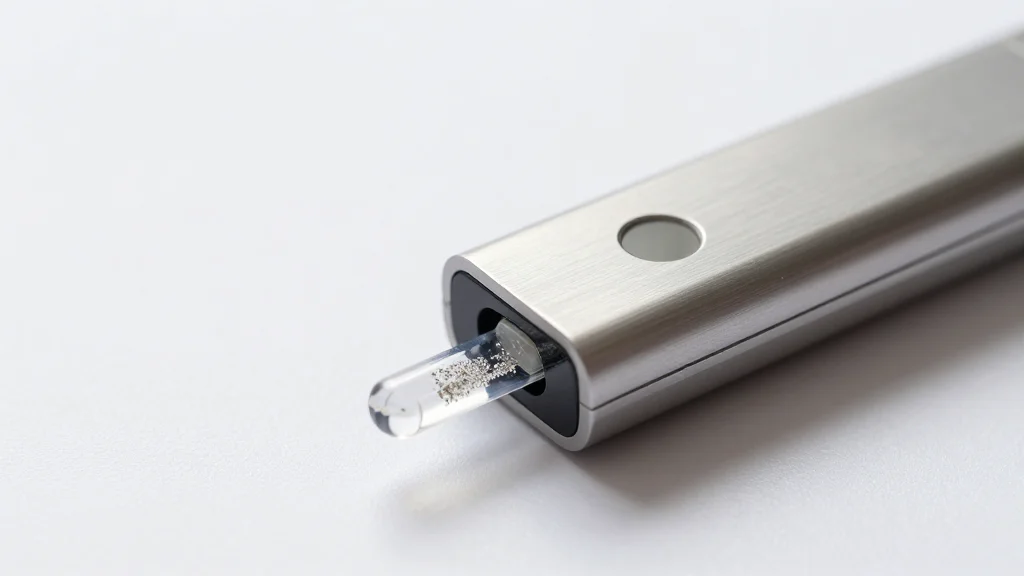
Nanotechnology Sensor Reads Creatinine in Seconds for Rapid Kidney Testing
Researchers at Tohoku University and City College of New York unveiled a nanotechnology‑based creatinine biosensor that reads concentrations from 1 to 300 mg/dL in about 35 seconds. The device uses a platinum‑nanoparticle polymer composite tuned near the percolation threshold, eliminating the...

Durable Nanofilm Electrodes for Monitoring Leaf Health
Researchers at Institute of Science Tokyo unveiled a carbon‑nanotube nanofilm electrode only 70‑320 nm thick that can be pierced by leaf trichomes while remaining transparent and water‑resistant. The device maintains stable electrical contact for weeks, and in some tests stayed functional...

Industrial Papermaking Process Yields a Sorbent that Pulls Drinking Water Even From Dry Air
Researchers have leveraged conventional papermaking lines to produce a hygroscopic sheet infused with lithium chloride and polypyrrole‑chloride, creating a sorbent that captures water from air and releases it using solar heat. The material powers a lightweight, continuously rotating crawler that...
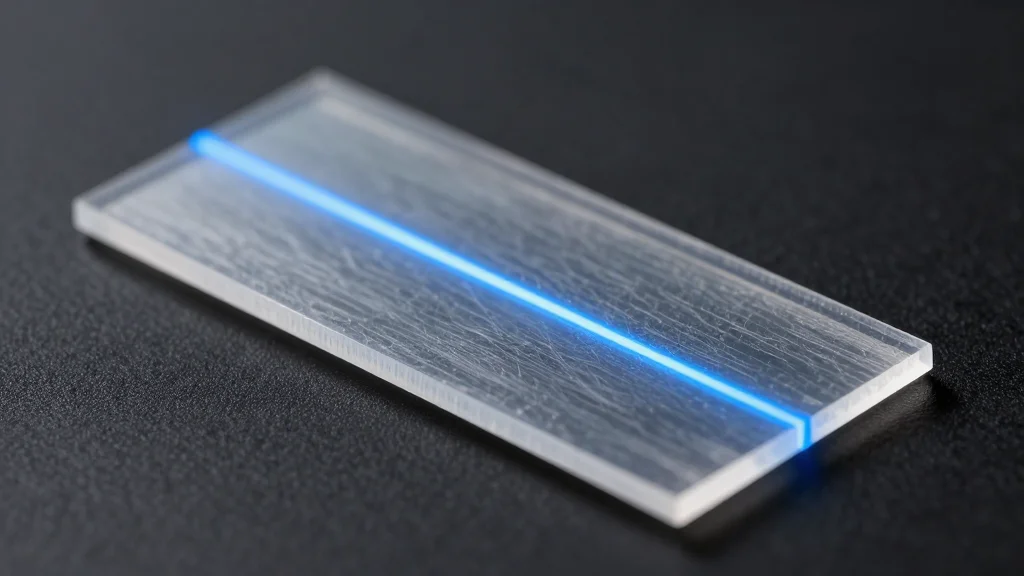
2D Materials Enable Artificial Charged Domain Walls for Nanoelectronics
Researchers at the University of Illinois Urbana‑Champaign have engineered the first artificial charged domain wall (CDW) in a two‑dimensional ferroelectric material by stacking oppositely polarized α‑In₂Se₃ layers. The interface becomes a highly conductive channel with resistance orders of magnitude lower...

Right Through the Skull
Researchers have unveiled a novel calvarial delivery platform that injects drug‑laden nanoparticles into the skull’s bone marrow. Immune cells within the diploic space capture the particles and migrate across skull‑meninges channels, ferrying the therapeutic cargo into the brain. In mouse...
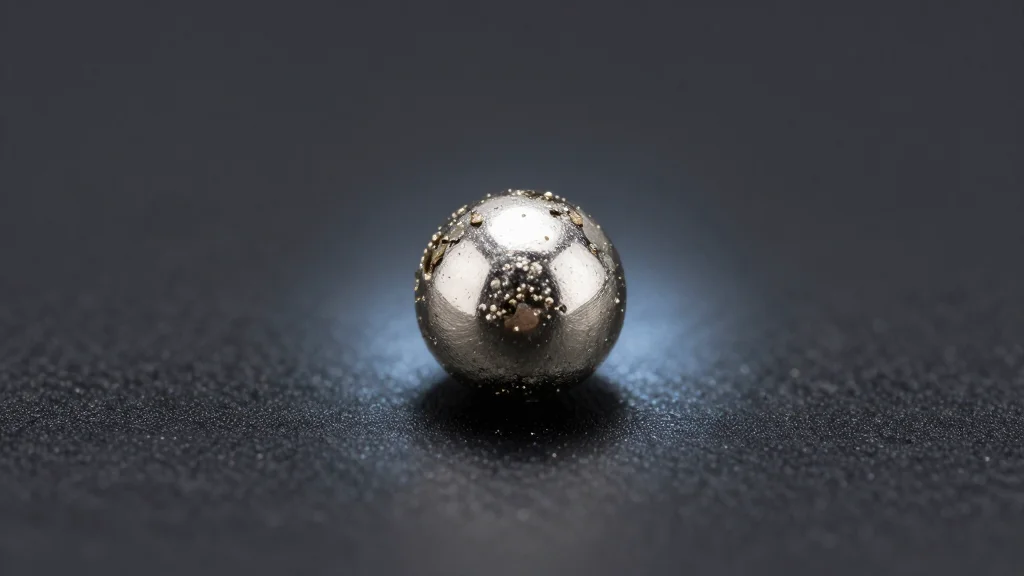
One Nanometer Sits Between Neural Stimulation and Silence
A multi‑institutional team has published a theoretical framework that explains the nonlinear physics of magnetoelectric nanoparticles (MENPs), clarifying why tiny variations in size or composition cause dramatic differences in neural stimulation. The model shows that a single‑nanometer change in a...

Adding Letters to the DNA Alphabet Expands Nanotechnology's Design Options
Researchers have demonstrated that expanding DNA's alphabet with synthetic AEGIS bases enables nanostructures that break the traditional purine‑pyrimidine pairing rule. By pairing large purines with large purines (fat) and small pyrimidines with small pyrimidines (skinny), they created wider helices that...

Diamond Sensors Pinpoint Spins with 0.28 Nanometre Precision
Researchers at the University of Science and Technology of China have achieved sub‑nanometer Fourier magnetic imaging, locating nitrogen‑vacancy (NV) centres in diamond with a spatial resolution of 0.28 ± 0.10 nm and a magnetic‑field measurement deviation of just 9 nT. The compact, ambient‑stable platform...
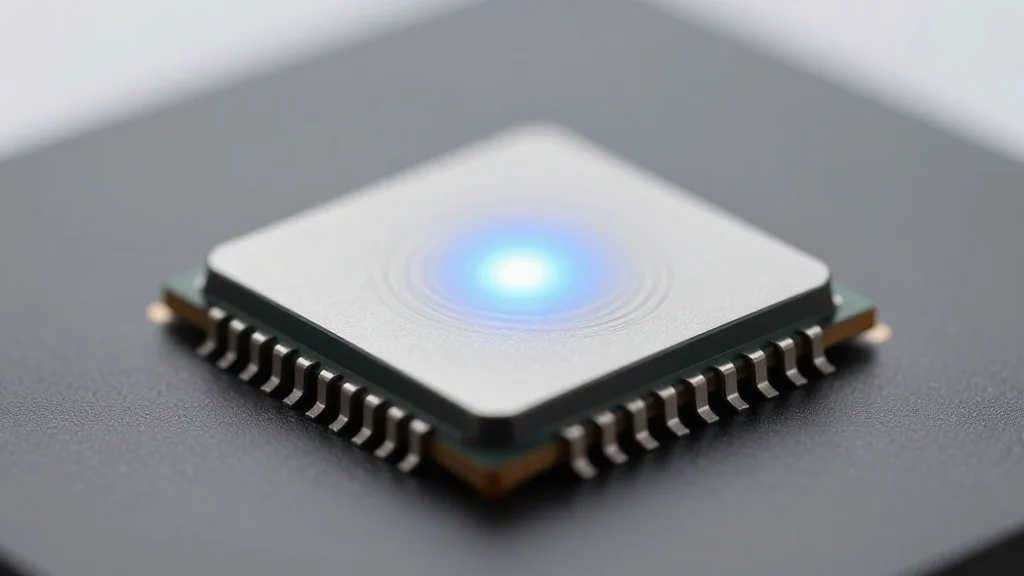
All-Optical Neuron Breaks the Nanosecond Barrier Using Tellurium Phase Transition
Researchers have demonstrated an all‑optical neuron built from a thin tellurium film that melts in under 260 picoseconds, breaking the nanosecond barrier for photonic activation. The device operates with threshold energies as low as 0.4 picojoules and occupies less than 5 µm², enabling...

Transistor-Inspired Triboelectric Nanogenerator Powers Human-Machine Interfaces without Batteries
Researchers at Chonnam National University unveiled an air‑breakdown triboelectric nanogenerator (AB‑TENG) that harvests static electricity from human skin to power ultrathin input devices without batteries. The device delivers up to 290 V and 22 mW at a modest 24 N contact force, outperforming...
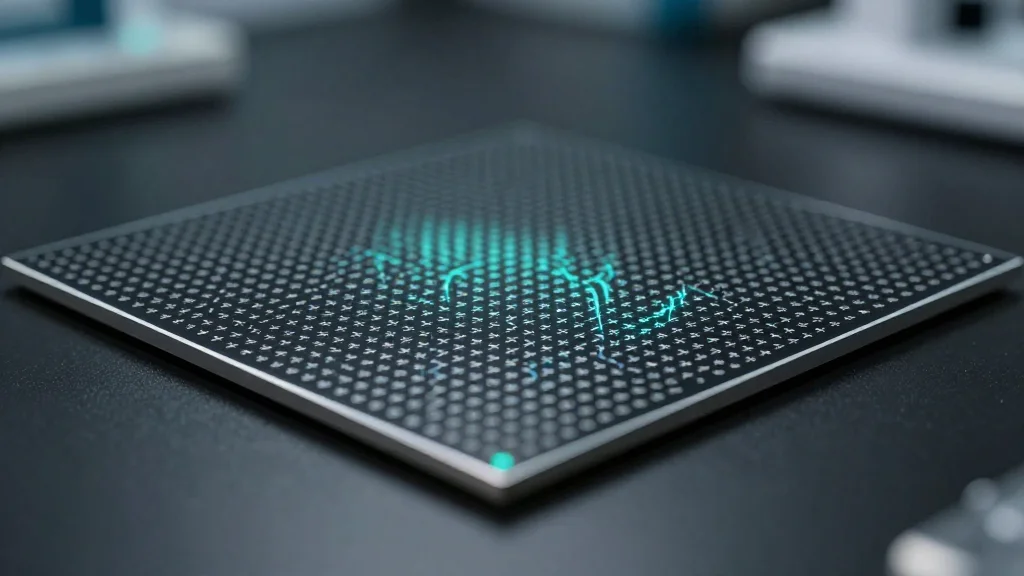
Programmable Metasurface Achieves Beam Scanning and Multi-Band Radar Cross-Section Reduction
Researchers at Xidian University unveiled a programmable metasurface only 0.065 wavelengths thick—87% slimmer than traditional stealth designs—that can dynamically steer beams and suppress radar signatures. The 12 × 12 prototype scans ±45° at 5.2 GHz with a 17.23 dBi peak gain while delivering more than ‑6 dB...
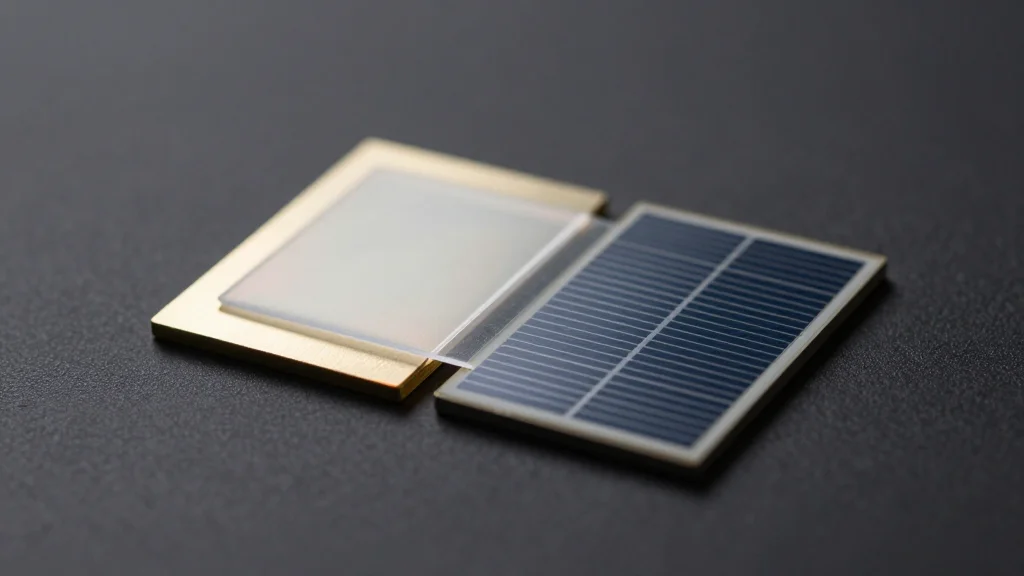
Spin-Flip Emitter Harvests Doubled Excitons for Higher Solar Cell Efficiency
Researchers at Kyushu University and JGU Mainz have created a molybdenum‑based spin‑flip emitter that harvests singlet‑fission triplet excitons with a quantum yield of about 130%. By tuning the metal complex’s energy levels, they suppressed competing Förster resonance energy transfer, allowing...

Chemical Origins of Environmental Modifications to MOR Lithographic Chemistry
Researchers at imec presented new findings on metal‑oxide resists (MORs) for EUV lithography, showing that atmospheric oxygen, not CO₂ or humidity, drives post‑exposure chemical changes. Using the BEFORCE platform, they demonstrated that O₂ induces carbonyl formation and accelerates ligand loss...
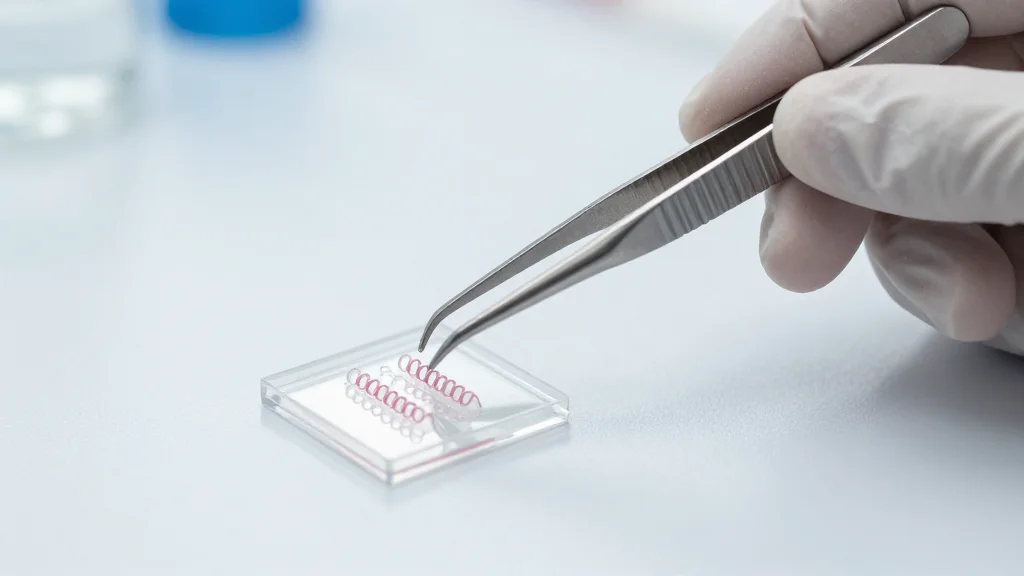
Programmable DNA Origami Nanodevice Reveals Force-Dependent Protein Interactions
Yale researchers have engineered a DNA‑origami nanodevice equipped with programmable hairpin springs that apply 5–9 pN tension to target proteins. The platform generates millions of identical units, enabling bulk pull‑down assays and mass‑spectrometry identification of force‑dependent binding partners. Using the talin1...

3D Nanoscale Imaging Maps Lipid Organization in Cellular Membranes
An international team has unveiled Lipid‑CLEM, a correlative light‑electron microscopy workflow that visualizes individual lipid molecules in three dimensions at nanometer resolution. By using bifunctional lipid probes, photo‑crosslinking, and click chemistry, the method maps lipid distribution within cellular membranes without...

Atoms Linked to Light on a Nanofiber Promise Scalable Quantum Tech
Researchers at Waseda University and NICT have demonstrated a quantum interface that couples photons traveling in a 310 nm optical nanofiber to an array of about 155 individually addressable cesium atoms. The system achieves single‑atom trapping verified by photon‑correlation measurements with...

Vanadium Dioxide Single Crystals Enable Room-Temperature Gas Sensing with High Sensitivity
Researchers at Tohoku University have created belt‑shaped VO₂(B) single crystals that detect ethanol vapor at room temperature with roughly 19 times higher sensitivity than conventional V₂O₅ nanofibers. The crystals are produced via a hydrothermal reduction process, eliminating the need for...

New Design Guidelines for Atom-Thin Oxide Transistors Enable Reliable 3D Chip Integration
Researchers at National Taiwan University introduced a unified analytical framework that captures how channel thickness, trap states, interface quality, and surface roughness together dictate the performance of ultrathin indium‑oxide and tungsten‑doped indium‑oxide transistors. The model accurately reproduces I‑V characteristics across...
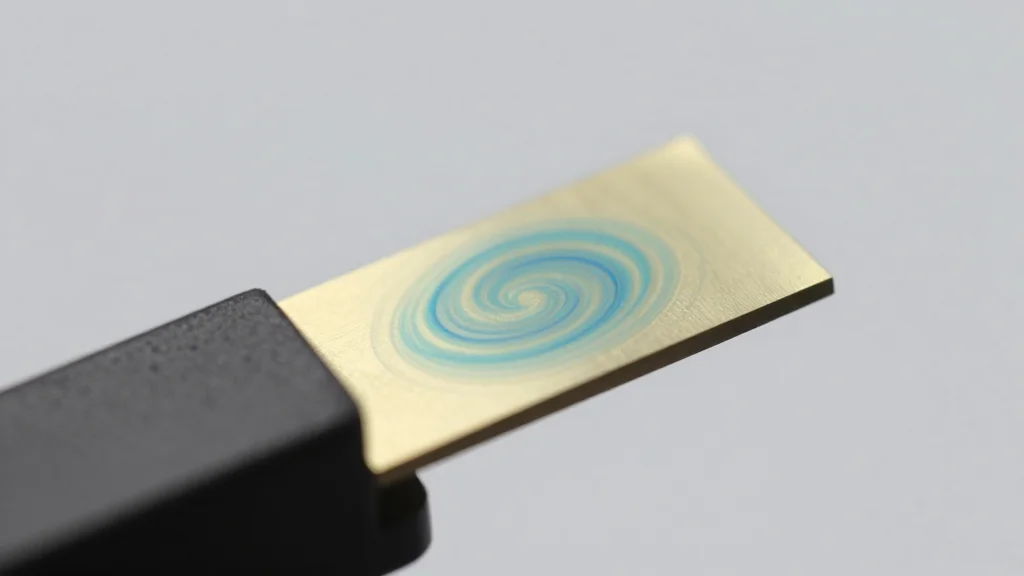
Electric Current Stabilizes Spins at Unstable Points, Opening a Path to New Computing
A team of researchers demonstrated that an electric current can actively stabilize spins in energetically unfavorable states within a near‑isotropic tungsten‑cobalt‑iron‑boron‑magnesium‑oxide thin film. By fine‑tuning the film’s heat treatment, the material allows spins to point in any direction, producing large...
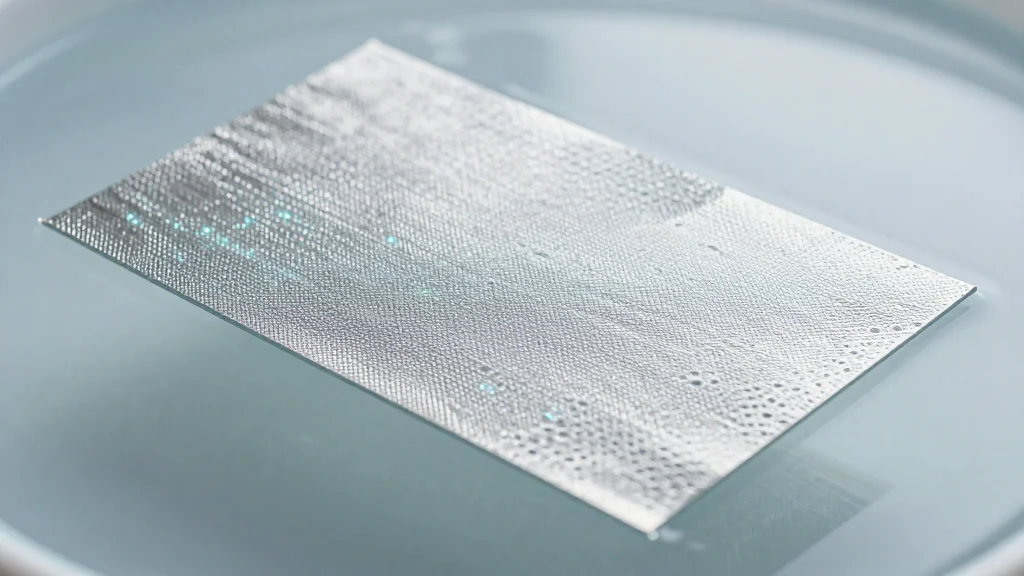
Ion Pump for Clean Water
Scientists at UC Irvine, Tel Aviv University, UMass Boston and Lawrence Berkeley Lab have created a nanoporous membrane that transports ions using a capacitive electrochemical ratchet, eliminating the need for chemical reactions or moving parts. By applying rapid low‑voltage pulses,...

Fluorescent Microneedle Biosensors Turn Skin Biochemistry Into Scannable QR Codes
The article reports a new biodegradable microneedle patch that uses binary fluorescent probes to turn interstitial pH and glucose levels into a scannable QR code. Each of the 25 needles acts as an on/off switch at a predefined concentration, eliminating...

Low-Power Lasers Now Control Material Vibrations for Faster Electronics
Scientists at the Max Planck Institute and collaborators have introduced a phase‑sensitive nonlinear spectroscopic method that monitors and manipulates coherent phonons in few‑layer 2H‑MoTe₂ using only ~10 kW cm⁻² laser power, a reduction of more than three orders of magnitude compared with previous...

DNA-Engineered Silver Nanoclusters Enable Precision Killing of Drug-Resistant Bacteria
A team led by Kirill Afonin at UNC Charlotte engineered programmable DNA scaffolds that organize silver nanoclusters into highly potent antimicrobial agents. The spatially arranged DNA‑AgNCs showed up to 78‑fold greater killing efficiency against ESKAPE pathogens and meningitis‑causing bacteria compared...

4D-Printed Magneto-Plasmonic Microrobots De-Ice Exactly Where and when Needed
Researchers have created 4D‑printed microrobots that embed gold‑magnetite nanofillers, enabling magnetic‑field navigation and near‑infrared‑triggered plasmonic heating. The devices can melt ice with millimeter precision, demonstrated by a miniature ice‑breaker ship that traversed frozen surfaces while heating its hull above freezing....

Magnetic Skyrmions Can Form Through Magnetoelastic Coupling Alone, New Theory Shows
Physicists at KAIST have shown that magnetoelastic coupling, a ubiquitous interaction in magnetic materials, can alone generate alternating skyrmion‑antiskyrmion arrays. Their theoretical model proves that neither crystal inversion asymmetry nor strong spin‑orbit coupling is required for these topological spin textures...

AI Model Uses 3D Lipid Structures to Improve mRNA Nanoparticle Delivery
Researchers at China’s National Center for Nanoscience and Technology have developed an AI‑driven platform that screens ionizable lipids based on their three‑dimensional conformations. The model identified a novel lipid, P1, which delivers mRNA 14.8 times more efficiently than the clinically...

MXene Nanosheet Catalytic Membranes Cut Pharmaceutical Wastewater Treatment Costs
Researchers at the Chinese Academy of Sciences have engineered MXene nanosheet‑based catalytic membranes that degrade antibiotics in pharmaceutical wastewater, integrating them with a membrane bioreactor to cut treatment costs by more than 30 % versus conventional methods. The membranes embed Fe₃O₄,...

Spray-On Fabric Coating Lightens the Environmental Load From Laundry
Researchers have created a spray‑on fabric coating that lets clothes be washed with water alone, eliminating the need for detergents. The bilayer coating, applied in five thin cycles, repels stains and reduces water, energy, and time use by more than...

Challenging a 300-Year-Old Law of Friction
Researchers at the University of Konstanz demonstrated a new type of sliding friction that arises without mechanical contact, driven solely by collective magnetic dynamics. By varying the separation between two magnetic layers, they showed friction peaks at intermediate distances where...

Machine Learning Maps Nanodiamond Nanofluid Performance on Wavy Surfaces
Researchers at Harbin Institute of Technology used a hybrid numerical‑simulation and neural‑network framework to map how nanodiamond aggregation, magnetic field strength, and surface waviness affect convective heat transfer. Aggregated nanodiamond particles lifted the Nusselt number by up to 30 % but...

Laser Process Creates Silicon-Graphene Battery Anodes that Barely Lose Charge
Researchers at Tel Aviv University have unveiled a single‑step laser technique that fabricates prelithiated silicon‑graphene anodes under ambient conditions. The process embeds lithium directly into silicon nanoparticles within a graphene matrix, eliminating binders, conductive additives, and multi‑step chemistries. Resulting electrodes...
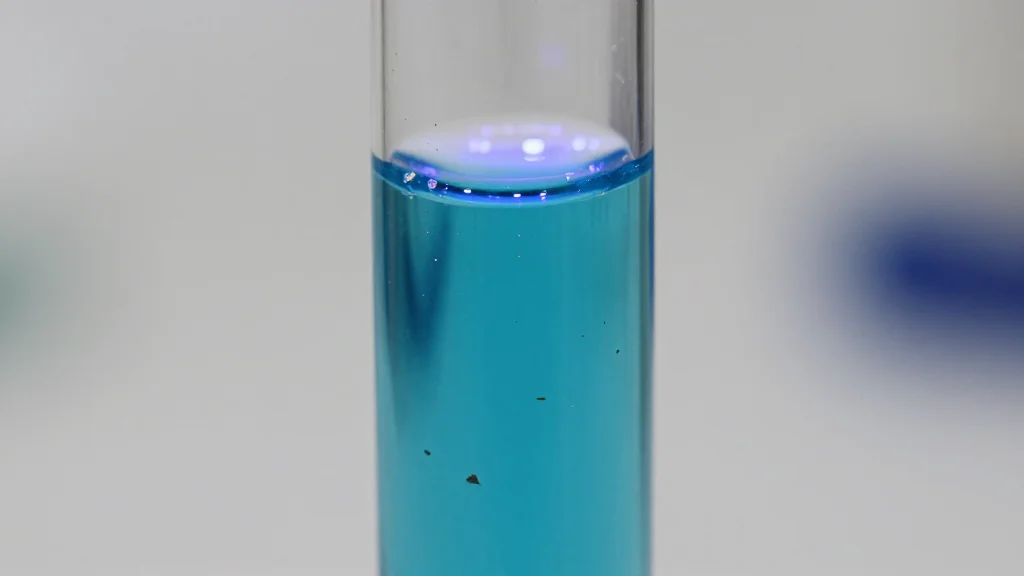
Clean Wastewater of Stubborn Antibiotics with Hybrid Nanocomposite
Researchers at National Taiwan University have unveiled a hybrid nanocomposite that merges graphene oxide, biochar, and titanium dioxide to tackle antibiotic residues in wastewater. The material leverages both adsorption and UV‑activated photocatalysis, achieving over 95% removal of veterinary antibiotics such...
![World’s First Pollen-Based Sunscreen (Derived From Camellia Flower) Is as Effective as Sunscreens with Minerals (Titanium Dioxide [TiO₂] and Zinc...](https://hixhlmpcokxhartfkpyi.supabase.co/storage/v1/object/public/images/thumbnails/468efafa539139c1fc8535c78ad080e7.webp)
World’s First Pollen-Based Sunscreen (Derived From Camellia Flower) Is as Effective as Sunscreens with Minerals (Titanium Dioxide [TiO₂] and Zinc...
Materials scientists at Nanyang Technological University have created the world’s first sunscreen made from Camellia flower pollen. Laboratory tests show the pollen microgel blocks UV rays with SPF 30, comparable to titanium dioxide and zinc oxide formulations, while also keeping skin...
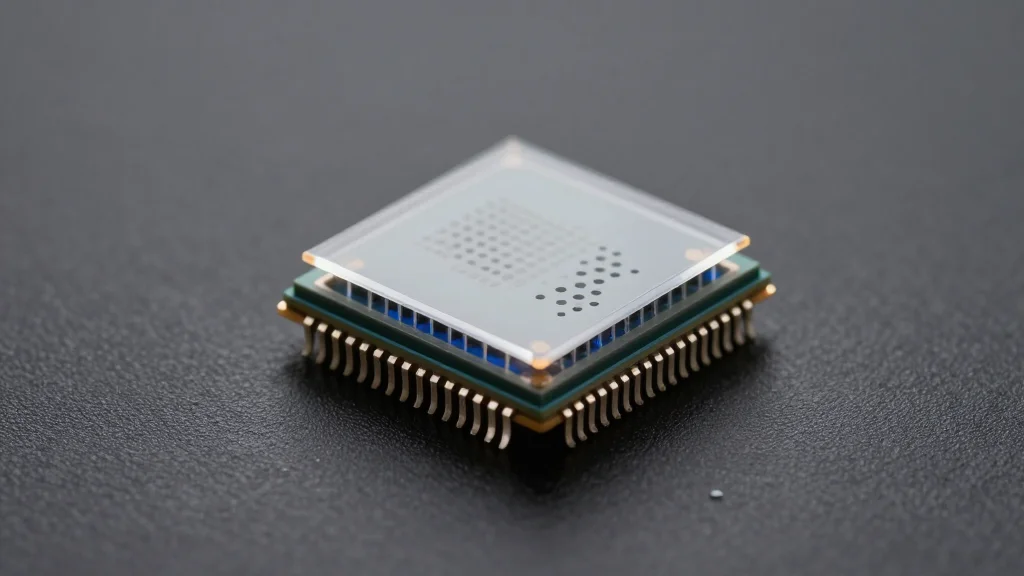
Dual-Gate Vertical Transistor Enables Stable Nanoscale 3D Chip Stacking
Researchers at DGIST unveiled a dual-modulated vertically stacked transistor featuring a graphene top gate and a micro‑hole bottom gate, achieving off‑state leakage as low as 10⁻¹² A. The design eliminates the need for expensive ultra‑precision alignment and operates at low temperatures,...
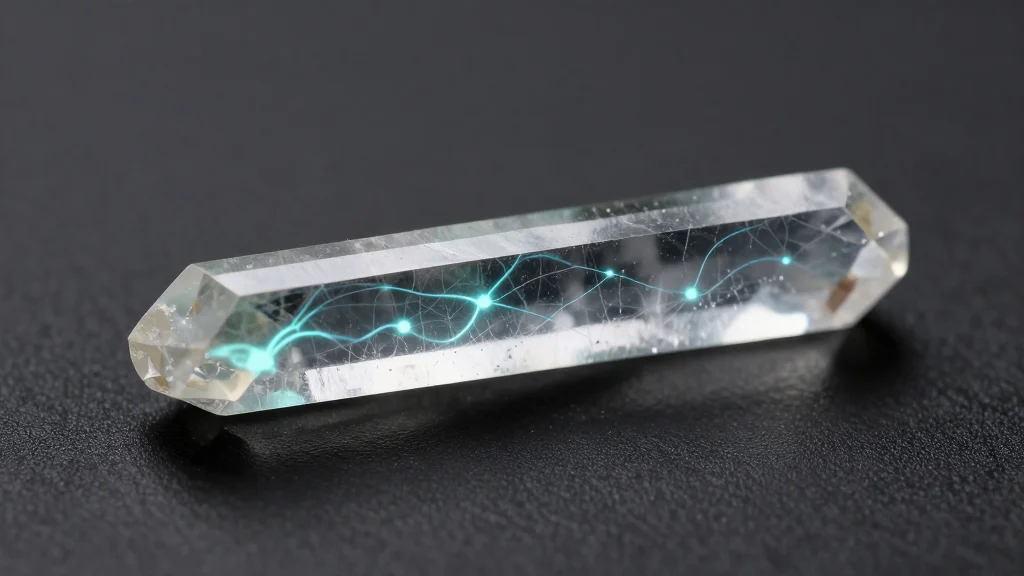
Dislocations Induce Ordered Polar Topologies in Antiferroelectric Thin Films
Researchers have shown that crystal dislocations in antiferroelectric PbZrO₃ thin films act as nucleation sites for ordered polar anti‑hedgehog lattices. Using atomic‑resolution TEM and phase‑field modeling, they demonstrated that electrostrictive and flexoelectric coupling at dislocation cores generates local electric fields...

Silicon Nanotube Arrays Deliver mRNA Into Human Stem Cells While Preserving Pluripotency
A team from Monash and Deakin Universities demonstrated that silicon nanotube arrays can deliver functional mRNA into human induced pluripotent stem cells (hiPSCs) with transfection efficiencies between 55% and 64%. By redesigning nanotube geometry, using low‑molecular‑weight poly‑D‑lysine, and adjusting the...

Hydrogen-Controlled AI Semiconductor Enables Learning and Memory in Two-Terminal Device
Researchers at DGIST have demonstrated the first AI semiconductor that uses electrically controlled hydrogen‑ion migration to perform both computation and memory in a vertical two‑terminal device. The hydrogen‑based resistive switching replaces traditional oxygen‑vacancy mechanisms, delivering uniform, stable operation over more...
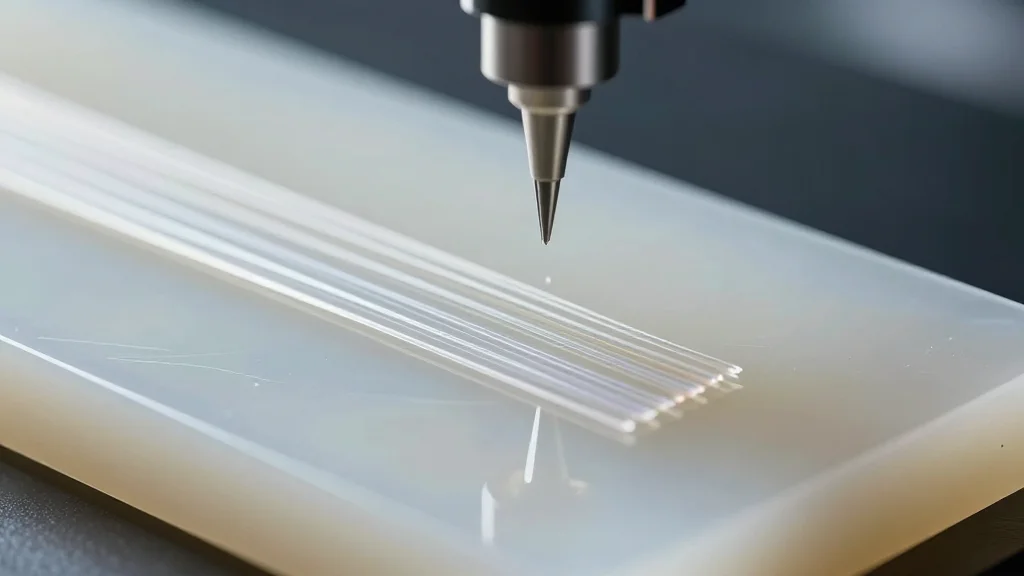
AI Decodes the Rules Behind Self-Assembling Protein Nanoribbons
Researchers at Pacific Northwest National Laboratory used the machine‑learning tool AtomAI to analyze atomic force microscopy images of designed protein nanoribbons on mica. The study discovered that a thin water layer on the mineral surface, not the underlying potassium lattice,...

Magnetic Microbots Turn Nanodiamonds Into Steerable Quantum Sensors
Researchers have mounted nitrogen‑vacancy nanodiamonds on helically shaped magnetic microbots, creating Mobile Quantum Sensors that can be steered through fluid without optical power. The magnetic actuation eliminates heating and preserves the fragile NV spin states, enabling coherent Rabi oscillations while...

Sub-Nanometer Pores in Carbon Nanoreactors Trap Chlorine and Boost Li-Cl2 Battery Performance
Researchers have engineered hollow carbon nanoreactors with sub‑nanometer wall pores that physically trap chlorine‑electrolyte complexes inside Li‑Cl₂ battery cathodes. The 0.8 nm pores block 0.86 nm complexes while allowing lithium and chloride ions to pass, creating confined reaction chambers. This architecture delivers...

Atomic Ratio Tuning in Catalysts Controls Carbon Nanofiber Production From CO2
Researchers reported a two‑stage tandem system that converts CO₂ and water into carbon nanofibers at 450 °C and ambient pressure. By varying the palladium‑to‑copper atomic ratio in a Pd‑Cu electrocatalyst, they tuned the syngas composition, achieving a peak CO partial current...
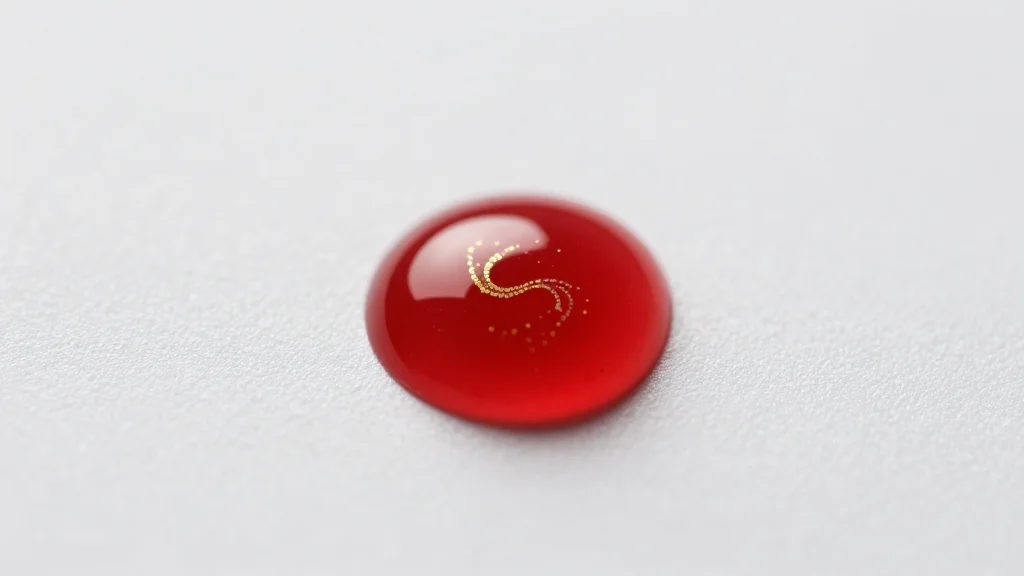
Gold Nanoclusters Could Help in Identifying Diseases
Researchers at the University of Jyväskylä used GPU‑accelerated simulations on the LUMI supercomputer to explore how chiral gold nanoclusters bind small chiral biomolecules. Nearly 100 cluster‑biomolecule pairings and 300 simulation runs revealed that only specific combinations trigger a measurable change...
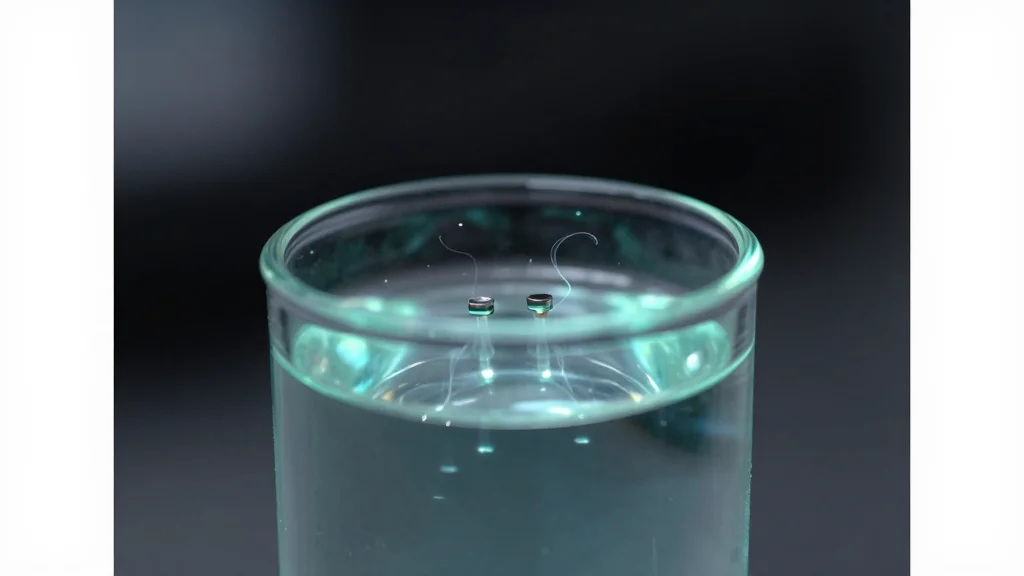
How Invisible Electric Fields Drive Device Luminescence
Researchers at Osaka Metropolitan University employed electroluminescence‑detected magnetic resonance (ELDMR) to directly observe fleeting electron‑hole pairs inside operating polymer light‑emitting electrochemical cells (LECs). Their measurements showed that mobile‑ion migration continuously reshapes the internal electric field, and that a lower, more...