
Nanoparticle-Based Gene Editing Could Expand Treatment Options for Cystic Fibrosis
UCLA researchers have engineered lipid nanoparticles to co‑deliver CRISPR/Cas9 components and a full‑length CFTR gene, achieving precise, mutation‑agnostic insertion in human airway cells. The non‑viral system corrected 3‑4% of cells yet restored up to 100% of normal chloride channel function, offering a potential one‑time therapy for cystic fibrosis patients who lack functional protein. By packaging large genetic cargo in a single particle, the approach overcomes a long‑standing barrier for non‑viral gene editing. The platform’s modularity suggests broader applicability to other large‑gene disorders.
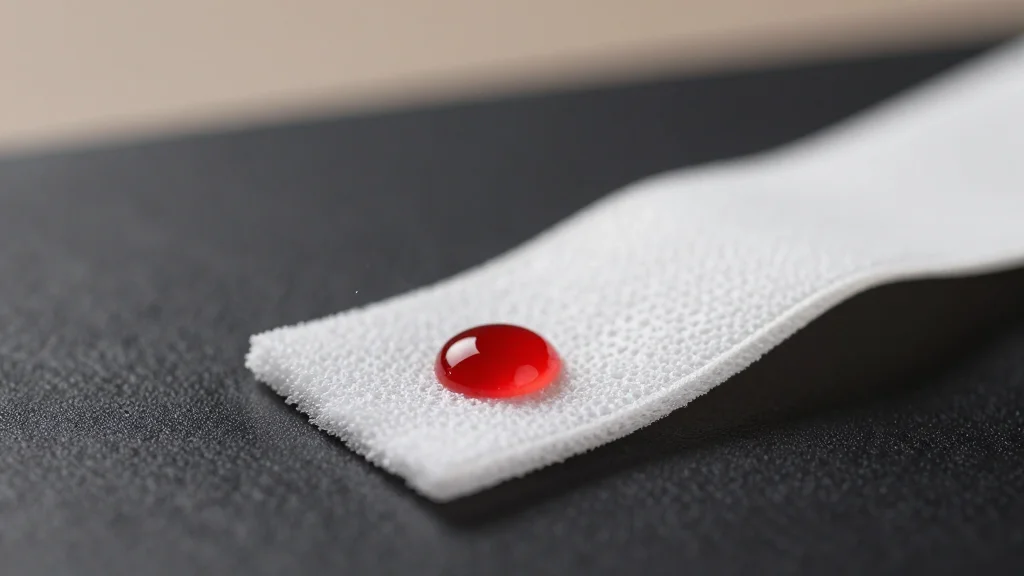
Injectable Nanocomposite Hemostat Speeds Blood Clotting for Trauma Care
Researchers at Texas A&M have created injectable nanocomposite hemostats that cut blood clotting time from six‑seven minutes to one‑two minutes, slashing bleeding duration by up to 70% in internal hemorrhage models. The devices combine clay‑derived nanosilicates with a shape‑memory foam...

World's Smallest QR Code Is Tinier than Most Bacteria, Etched Into Ceramic Film
Researchers at TU Wien and Cerabyte have etched the world’s smallest QR code—just 1.98 square µm, smaller than most bacteria—into a ceramic thin film. The 49 nm pixels are invisible to the naked eye and can only be read with an electron microscope....

Key Obstacle to Integrated Bioelectronic Implants Removed with Use of Solid-State Hydrogel
Swedish researchers have created a photo‑patternable solid‑state hydrogel electrolyte using i‑carrageenan and PEGDA, achieving ionic conductivity above 10 mS cm⁻¹ and feature sizes down to 15 µm. The material replaces liquid electrolytes in organic electrochemical transistors (OECTs), enabling fast, dense, and flexible circuits...
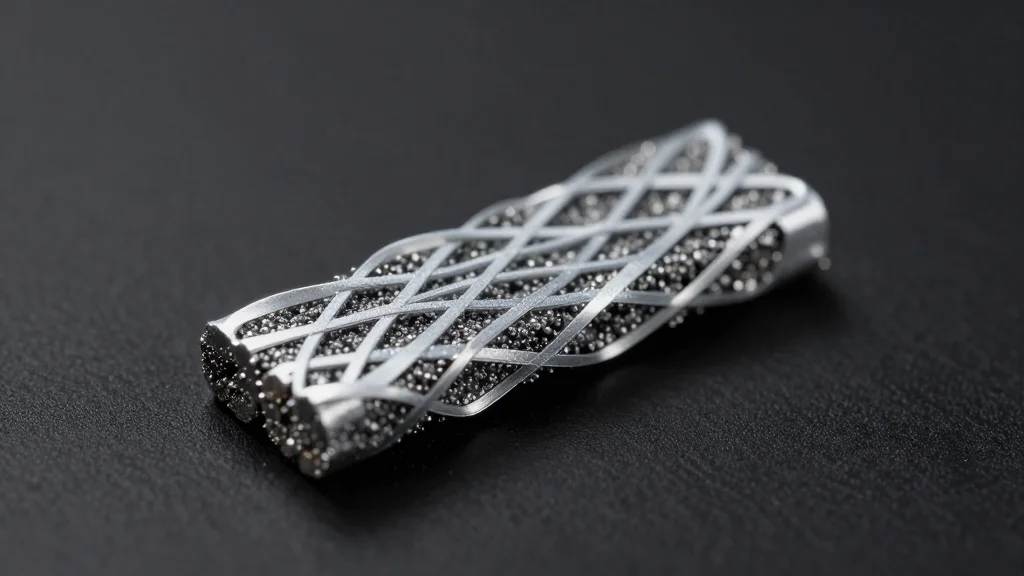
Invisible Battery Parts Finally Seen with Pioneering Technique
Oxford researchers unveiled a patent‑pending staining method that tags lithium‑ion battery polymer binders with silver and bromine, making them visible under electron microscopy. The technique captures nanoscale binder layers and clusters in graphite, silicon and SiOx anodes, revealing distribution patterns...
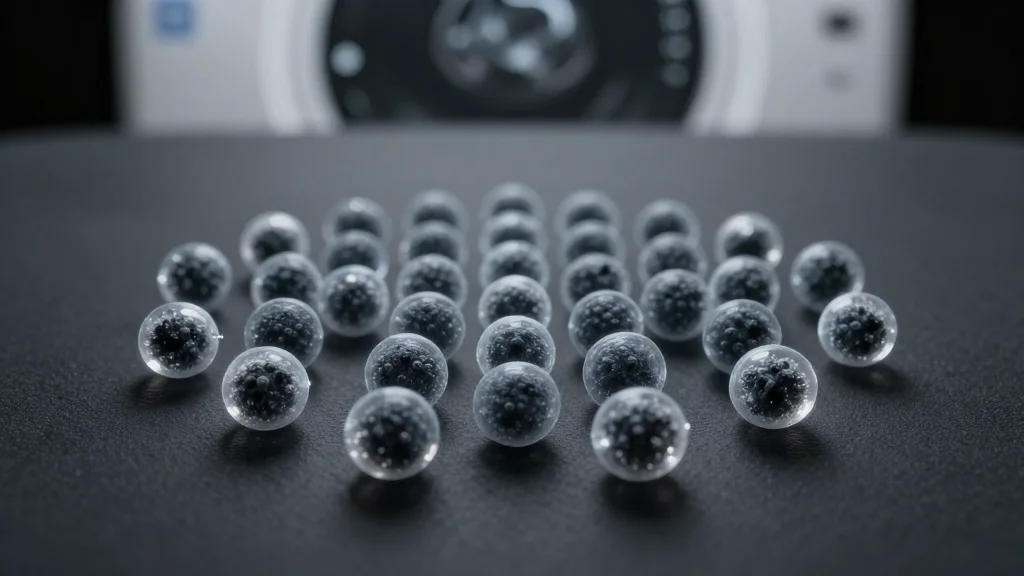
How Magnetic Interactions Between Neighboring Nanoparticles Influence MRI Contrast
Researchers at the Institute of Nanoscience and Materials (INL) demonstrated that precisely controlling the distance between iron‑oxide nanoparticles using silica shells dramatically alters their magnetic dipolar interactions, boosting T2 MRI contrast. The study shows a rapid increase in contrast as...

Engineered Disorder in Graphene Unlocks Localization-Enhanced Thermoelectricity
Researchers at Clemson University used argon‑ion irradiation to create controlled defects in single‑layer graphene and discovered a sharp disorder threshold at an interdefect distance of about 20 nm (Raman I_D/I_G ≈ 0.4) where Anderson localization sets in. At this point electron transport switches...
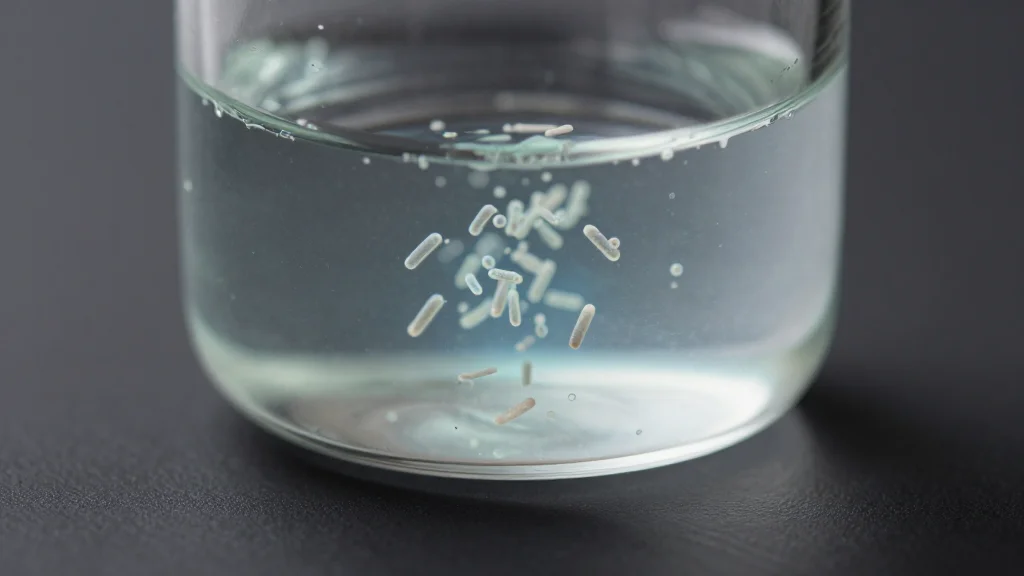
A 'Smart Fluid' You Can Reconfigure with Temperature
Researchers at Hiroshima University and CU Boulder have engineered a temperature‑tunable smart fluid by dispersing porous, perfluorocarbon‑coated silica microrods in a nematic liquid crystal. The surface treatment dramatically reduces anchoring, preventing the strong distortions that cause irreversible particle clumping. By adjusting...
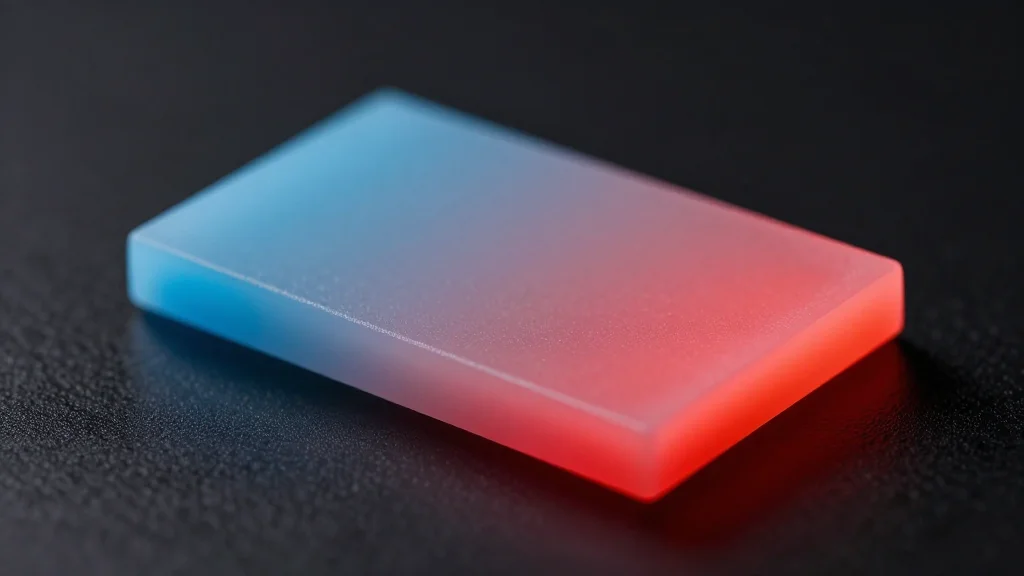
AI Reads Heat: Turning Infrared Images Into Instant Thermal Conductivity Measurements
Researchers at Clemson University have created a physics‑informed machine‑learning model that predicts thermal conductivity of polymer‑composite thermal interface materials directly from infrared images. By converting over 200 IR thermographs into structured temperature fields and training a Random Forest regressor, the...
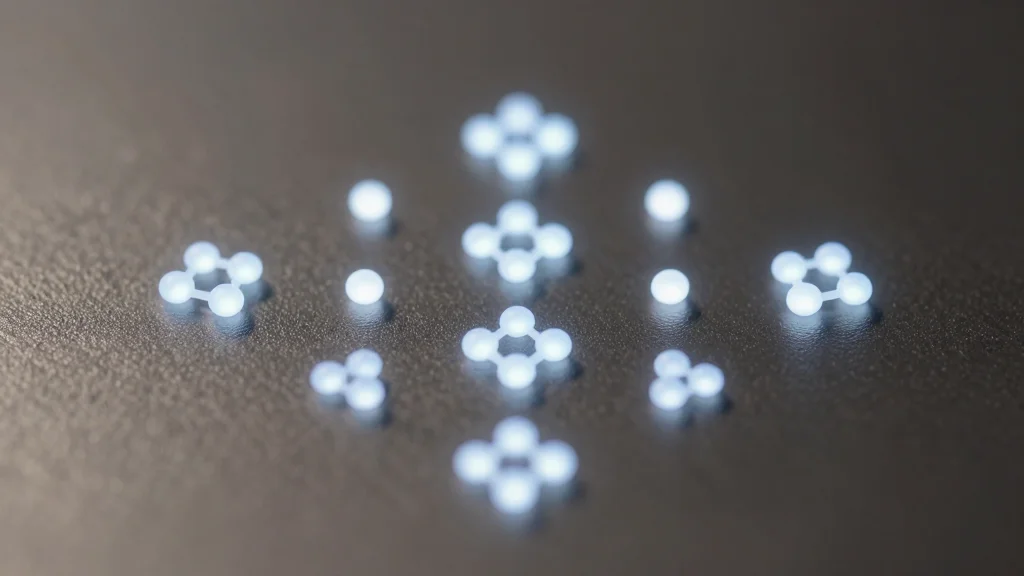
Researchers Reveal Magnetism with Quantum Potential
Researchers at Oak Ridge National Laboratory discovered that a tantalum‑tungsten‑selenium (TaWSe2) crystal self‑organizes into triangular clusters of ten atoms, contrary to the expected random distribution. The clustered arrangement creates localized strain that triggers a magnetic transition when the material is...

Light-Matter Coupling Creates New Quasiparticles for Advanced Physics Exploration
Researchers have demonstrated strong coupling of electrically tunable dipolar excitons in a gated bilayer MoS₂ device integrated with a one‑dimensional photonic crystal. The hybrid system creates composite polariton quasiparticles, with three distinct polariton branches observed as the applied electric field...

New Materials Exhibit Superconductivity After Surface Functionalisation with Common Elements
A first‑principles screening of 128 out‑of‑plane ordered double‑transition‑metal MXenes identified 32 compounds that are mechanically, dynamically and thermodynamically stable and predicted to be superconductors. Transition temperatures range from 0.1 K to a record 52 K, with Mo₂ScN₂O₂ delivering the highest T₍c₎ and...

MRNA-Packed Nanoparticles Restore Fertility in Genetically Infertile Mice and Produce Live Offspring
Researchers at Shanghai Jiao Tong University engineered a lipid nanoparticle (LNP) formulation that delivers therapeutic mRNA directly to spermatocytes in mice. By injecting mRNA encoding the wild‑type Msh5 gene, they transiently restored meiosis in mice with a genetic block, achieving...
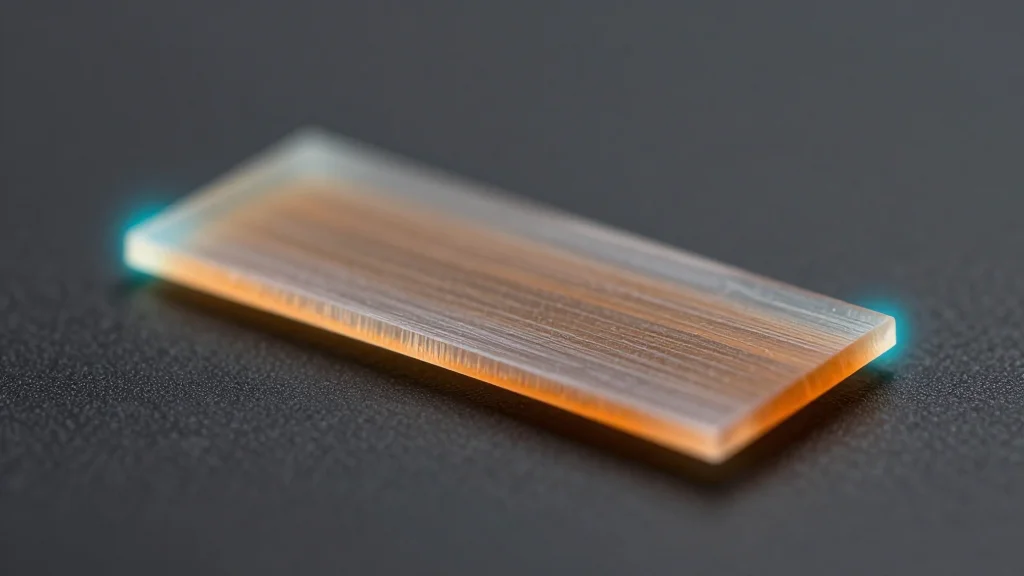
First Real-Time Observation of Polaron Formation in Polar Semiconductors
Scientists at LMU and NTU have directly observed polaron formation in polar semiconductor BiOI nanoplatelets using time‑resolved photoemission electron microscopy. The ultrafast measurements captured a 160‑femtosecond formation time during which the electron’s effective mass doubled and its energy decreased, confirming...
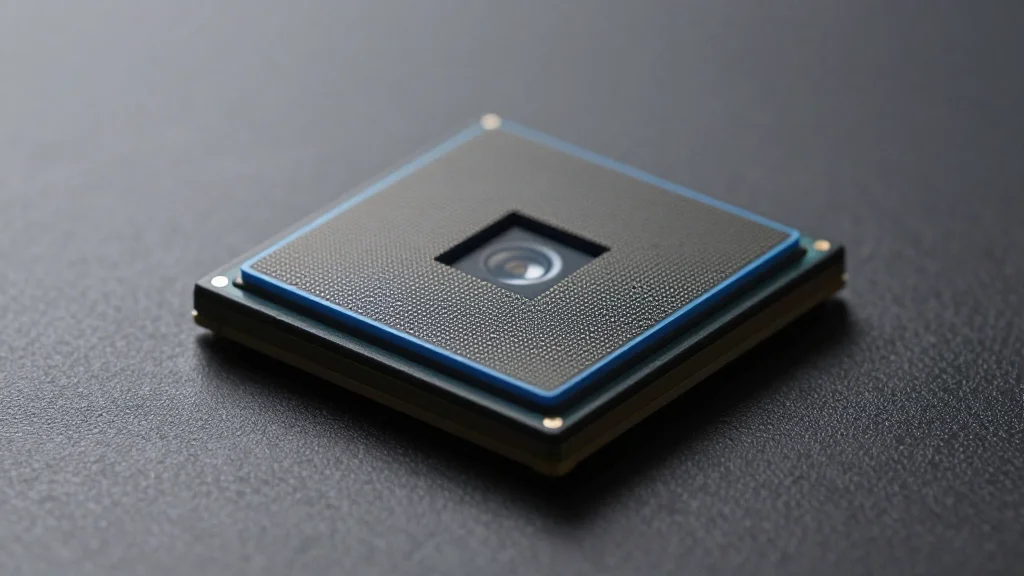
Neuromorphic Night Vision Powered by Quantum Dots with Memory
Researchers have engineered ferroelectric quantum dots that embed internal electric fields, enabling efficient charge separation under dim illumination. By coating cadmium‑selenide dots with a ferroelectric polyvinylidene fluoride polymer, they created a floating‑gate phototransistor that stores light‑induced charges as a persistent...

Slippery Ions Create a Smoother Path to Blue Energy
Researchers at EPFL have coated silicon‑nitride nanopores with lipid‑bilayer lubricants, creating a thin hydration layer that dramatically reduces ion friction. This "hydration lubrication" enables ions to slip through the nanofluidic channels at unprecedented speeds while preserving selectivity. In tests mimicking...

Dry Graphene Transfer at Scale Enabled by a Ferroelectric Polymer that Switches Its Grip on Command
Researchers at NUS and partners have introduced a fully dry graphene transfer technique that uses a ferroelectric polymer, P(VDF‑TrFE), to reversibly switch adhesion. By polarizing the polymer, its grip on graphene overtakes the copper substrate, enabling clean delamination and >99%...

Nanopillar-Studded Plastic Films Physically Destroy Viruses, Cutting Infectivity by 94% without Chemicals
Researchers at RMIT and international partners engineered flexible acrylic films stamped with dense nanopillar arrays using ultraviolet nano‑imprint lithography. The 60 nm pitch configuration reduced human parainfluenza virus type 3 infectivity by up to 94 % within one hour, achieving mechanical rupture of...

DNA Nanomachine Inside Living Cells Measures How Aggressive a Cancer Is
Researchers at Wenzhou and Fuzhou Universities unveiled a three‑wheel DNA nanomachine (TW‑harvester) that rides a gold‑nanoparticle track inside living tumor cells. The device uses a DNA tetrahedron with an aptamer targeting nucleolin and miR‑21‑triggered wheel activation to cleave fluorescent substrates,...
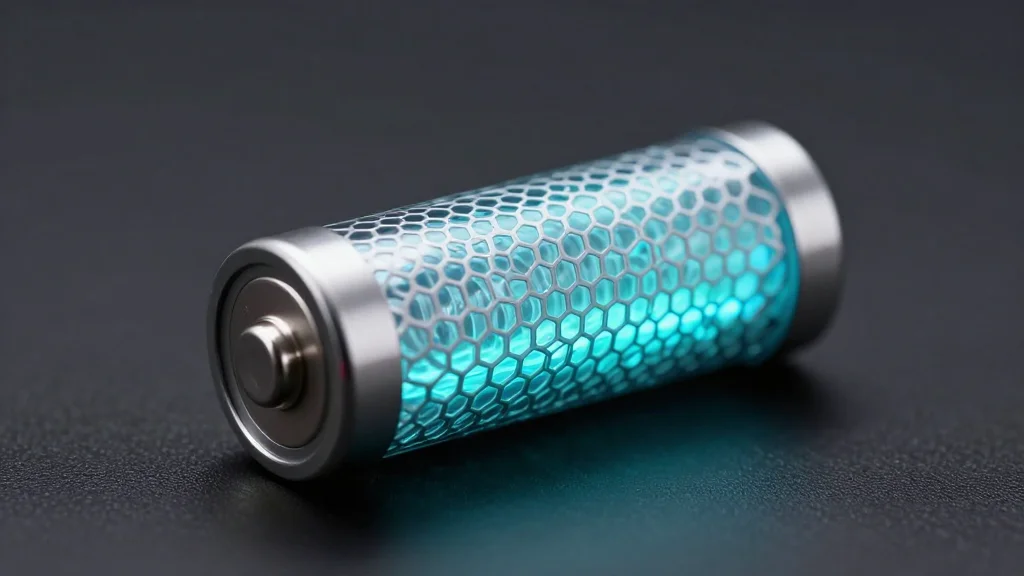
Novel Calcium-Ion Battery Technology Enhances Energy Storage Efficiency and Sustainability
Researchers at HKUST have unveiled a high‑performance quasi‑solid‑state calcium‑ion battery that uses redox‑active covalent organic framework electrolytes. The QSSEs achieve 0.46 mS cm⁻¹ ionic conductivity and enable Ca²⁺ transport rates above 0.53 at room temperature. A full cell delivers 155.9 mAh g⁻¹ specific capacity...

Beyond the Fitbit: Why Your Next Health Tracker Might Be a Button on Your Shirt
Scientists at King’s College London discovered that loose‑fit clothing can track human movement more accurately than tight wearables, delivering 40% higher precision while using 80% less data. The research, published in Nature Communications, suggests that simple fabric elements—such as a...
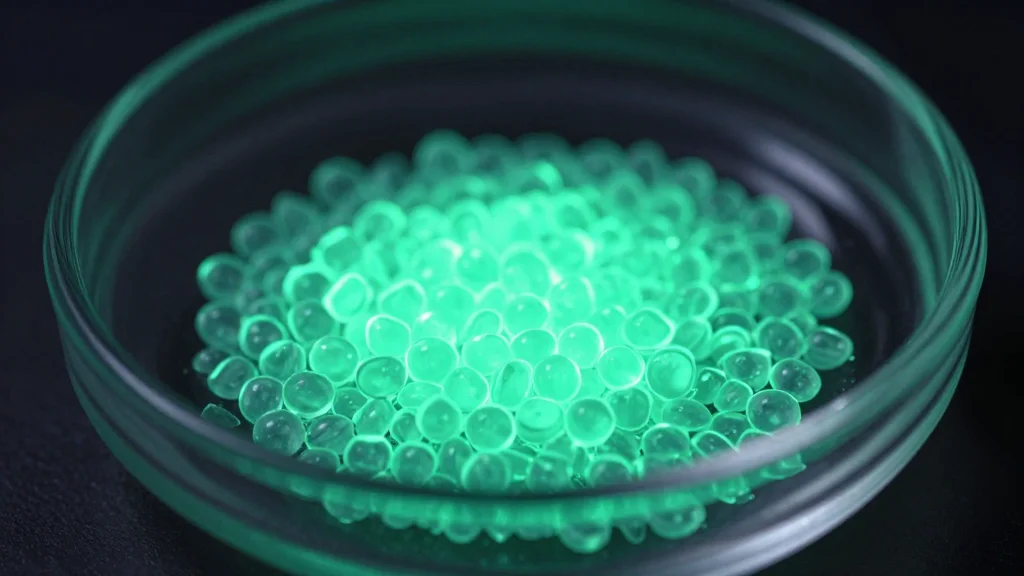
New Fluorescence Strategy Could Enable Real-Time Tracking of Microplastics Inside Living Organisms
Researchers have devised a fluorescence‑monomer synthesis that embeds light‑emitting units directly into microplastic polymers, allowing stable, real‑time imaging of particles inside living organisms. Current detection methods provide only static snapshots and require destructive sampling, limiting insight into particle transport, transformation,...

Fast Microwave Method Produces Advanced Carbon Materials for Efficient CO2 Capture
Scientists have introduced a microwave‑assisted synthesis that converts coal into nitrogen‑doped ultramicroporous carbon in about ten minutes. The rapid method preserves nitrogen and oxygen functional groups, creating pores of 0.6‑0.7 nm that tightly fit CO₂ molecules. The resulting adsorbent captures up...
New Alloy Design Strategy at the Atomic Scale Greatly Enhances Metal Fatigue Resistance
Engineers at the University of Illinois Urbana‑Champaign have uncovered a fundamental deformation mechanism—dynamic plastic delocalization—that spreads plastic strain uniformly across metallic alloys, dramatically boosting fatigue resistance. By leveraging high‑throughput, high‑resolution digital image correlation and atomistic simulations, the team demonstrated that...

NSF Invests Up To $100 Million Over Five Years in National Quantum Research Network
The National Science Foundation announced a $100 million, five‑year National Quantum and Nanotechnology Infrastructure (NQNI) program. The initiative will establish up to 16 open‑access research sites offering advanced fabrication and characterization tools for quantum information science, biotechnology, AI, and semiconductor development....

Is a 96% Lower-Power NAND Coming?
Samsung researchers demonstrated a ferroelectric transistor that can cut NAND flash power consumption by up to 96%, integrating it into planar and 3‑D NAND strings. The approach replaces the traditional polysilicon channel or charge‑trap layer with a hafnium‑based ferroelectric oxide,...
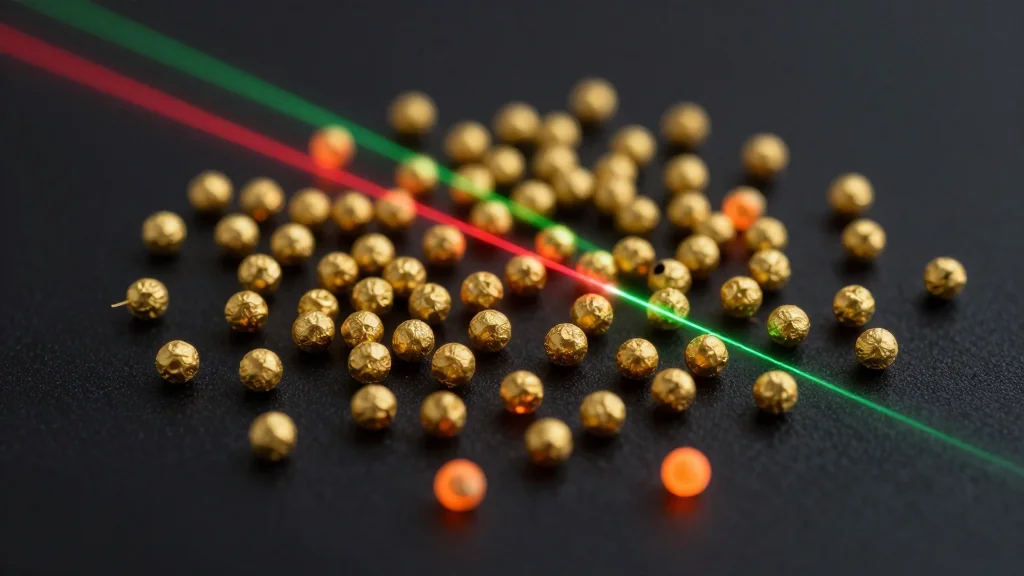
Gold Nanoparticles and Lasers Create Security Tags that Can Be Reset but Never Copied
Researchers at Sungkyunkwan University have created a physical unclonable function (PUF) that uses gold nanoparticles and purely optical processes for fabrication, authentication, and on‑demand reconfiguration. The technique traps ~100 nm particles with a 980 nm laser, fuses them via plasmonic heating, and...
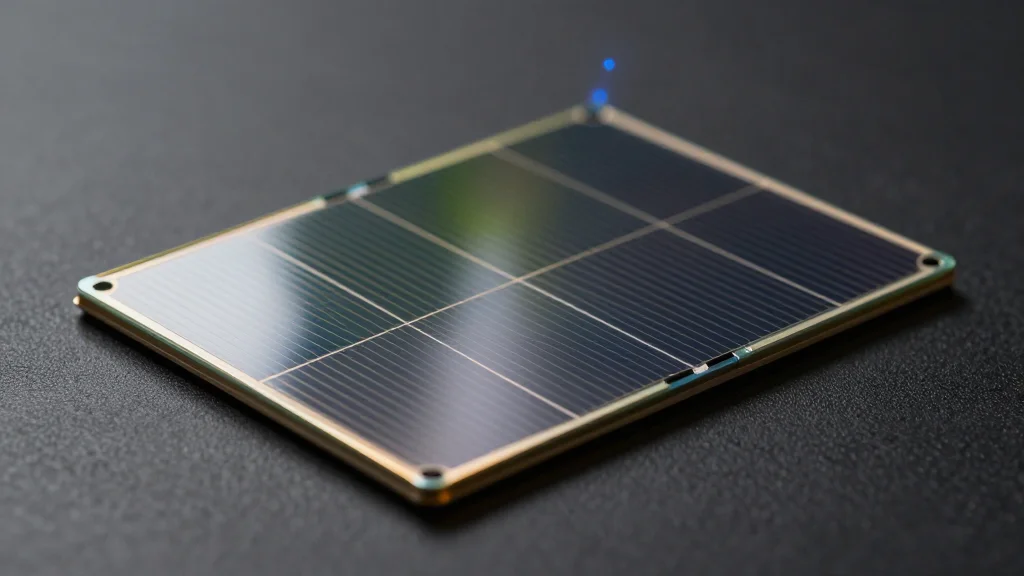
Scaling-Up Global Solar Panel Manufacturing Sustainably
A new life‑cycle assessment published in Nature Communications shows that decarbonising the electricity used to make silicon solar panels could cut manufacturing emissions by up to 8.2 gigatonnes of CO₂ – roughly 6.3 % of the remaining global carbon budget. The research,...

A Chemical Reaction in X-Ray Vision
An international team used time‑resolved synchrotron X‑ray techniques at DESY and ESRF to watch iron‑sulphur nanosheets form in real time. The study uncovered a fleeting, layer‑like intermediate that directs the crumpled nanosheet shape through a topotactic transformation. By simultaneously tracking...

Artificial Neurons Ditch Magnetic Fields for More Powerful, Scalable Computing
Researchers at NTU and IIT Roorkee have demonstrated a spintronic artificial neuron that operates without external magnetic fields, using a ruthenium‑dioxide altermagnet coupled to a synthetic antiferromagnet. The device exploits out‑of‑plane spin‑splitting torque and built‑in exchange coupling to achieve intrinsic...

Novel Microfluidic Method Improves Nanoparticle Separation Accuracy
University of Oulu researchers unveiled a microfluidic technique that merges electrophoretic slip and viscoelastic forces to separate sub‑micron particles. The approach raises the purity of synthetic polystyrene beads by 30‑50% and improves cancer‑cell vesicle purity by over 20%. Unlike conventional...
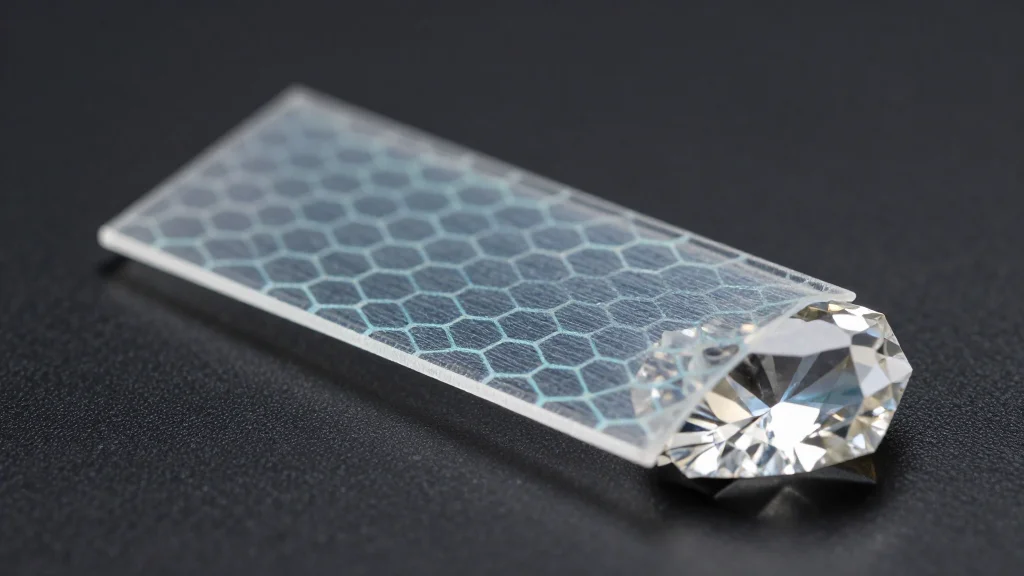
When the Softest Carbon Meets the Hardest
Researchers at Shanghai Jiao Tong University reviewed the emerging field of graphene‑diamond hybrids, materials that combine the flexibility and conductivity of graphene with the hardness and thermal stability of diamond. They categorize hybrids into van der Waals structures with weak...

Microfluidic Reactor System Turns Sunlight and Waste Heat Into High-Efficiency Hydrogen Fuel
Researchers at National Taiwan University and National Tsing Hua University unveiled a compact microfluidic reactor that simultaneously harvests sunlight and waste heat to produce hydrogen. The device couples a Ti₃C₂‑CdS heterostructure catalyst with a thermoelectric generator, achieving a solar‑to‑hydrogen conversion...

Quantum Computation’s Light-Matter Link Mapped with Unprecedented Accuracy
Researchers solved the full Hamiltonian dynamics of a solid‑state spin‑photon interface, deriving exact fidelities for three key quantum protocols: photon‑number superposition generation, a controlled photon‑photon gate, and photonic cluster‑state production. By modeling multi‑mode light fields and incorporating spin hyperfine interactions,...

Diamond Quantum Sensors Detect Immune Cell Inflammation Through Electric Charge Shifts
Researchers at the University of Chicago and the University of Iowa have demonstrated that diamond nanoprobes containing nitrogen‑vacancy (NV) centers can detect inflammation in individual macrophages by measuring electric‑field‑induced shifts in the zero‑field splitting (ZFS) parameter. By introducing a secondary...

Interactions Weaken Precision of Electrical Current in Novel Hybrid Materials
Researchers Sobrino, Taddei, Fazio and colleagues analyzed Andreev‑mediated transport in normal‑superconducting quantum‑dot hybrids, showing that Coulomb interactions renormalize resonant conditions and suppress superconducting coherence. Their real‑time diagrammatic master‑equation approach revealed a marked reduction in current precision, even though average currents...
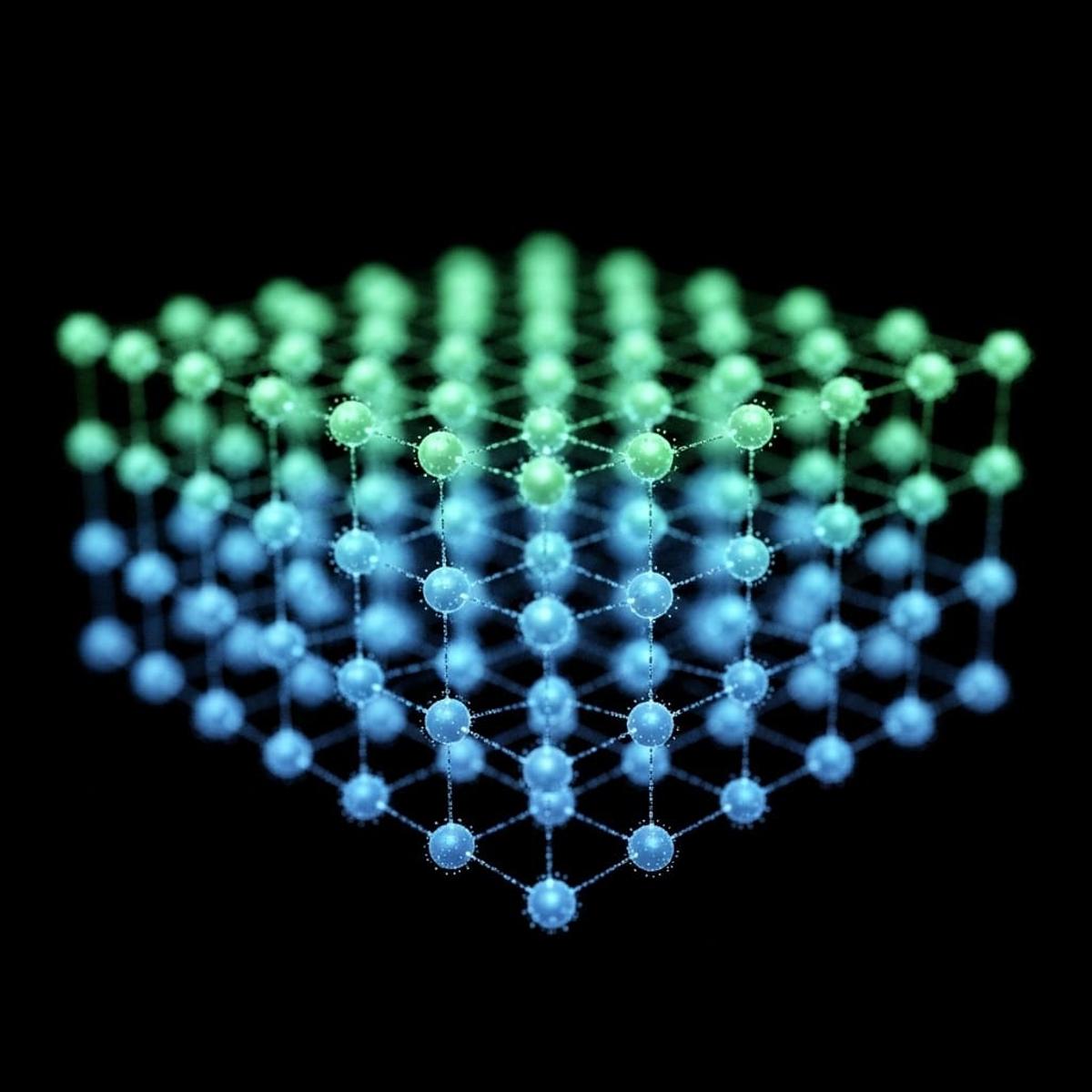
Quantum Simulations Boosted by Technique Correcting Atomic ‘Jitter’ at the Nanoscale
Researchers introduced path‑integral generalized smoothed trajectory analysis (PIGSTA), a post‑processing framework that systematically incorporates nuclear quantum effects into molecular dynamics simulations. By convolving existing trajectories with analytically derived kernels, PIGSTA corrects discretization errors caused by limited bead numbers, achieving exact...

Unveiling Polymeric Interactions Critical for Future Drug Nanocarriers
Researchers at Chiba University have experimentally quantified how poloxamer 407 (P407) micelles interact in phosphate‑buffered saline, a physiologically relevant medium. Using small‑angle X‑ray scattering and dynamic light scattering, they derived the pair interaction potential and observed that micelles become more regularly...
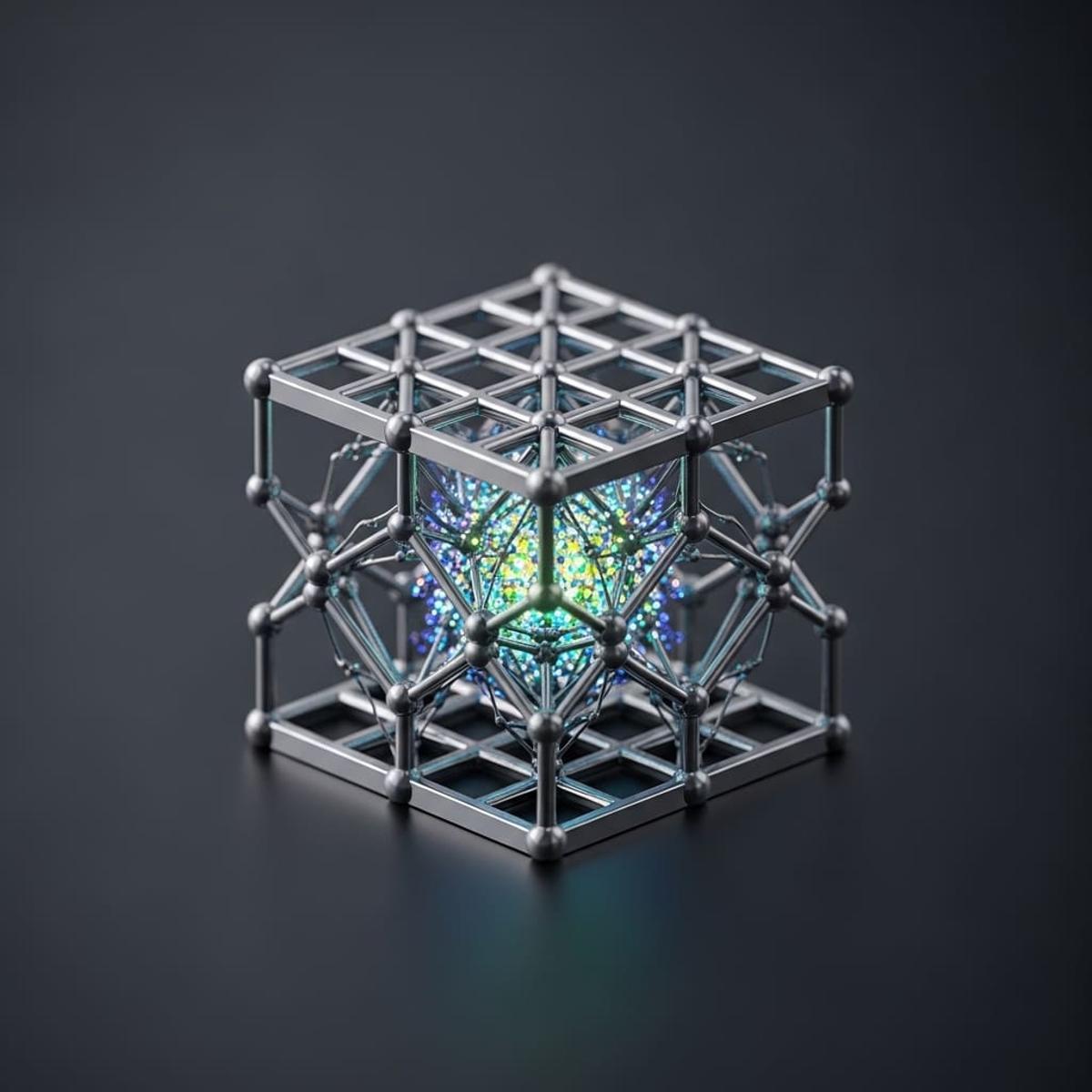
Silicon Breakthrough Unlocks Quantum Effects at Room Temperature for Efficient Electronics
Scientists have optically detected the quantum Hall effect in silicon nanostructures at room temperature, using electroluminescence spectra linked to dipole‑center chains. The study shows nondissipative single‑carrier transport enabled by negative‑U boron dipole chains, producing fractional quantum Hall signatures and terahertz...
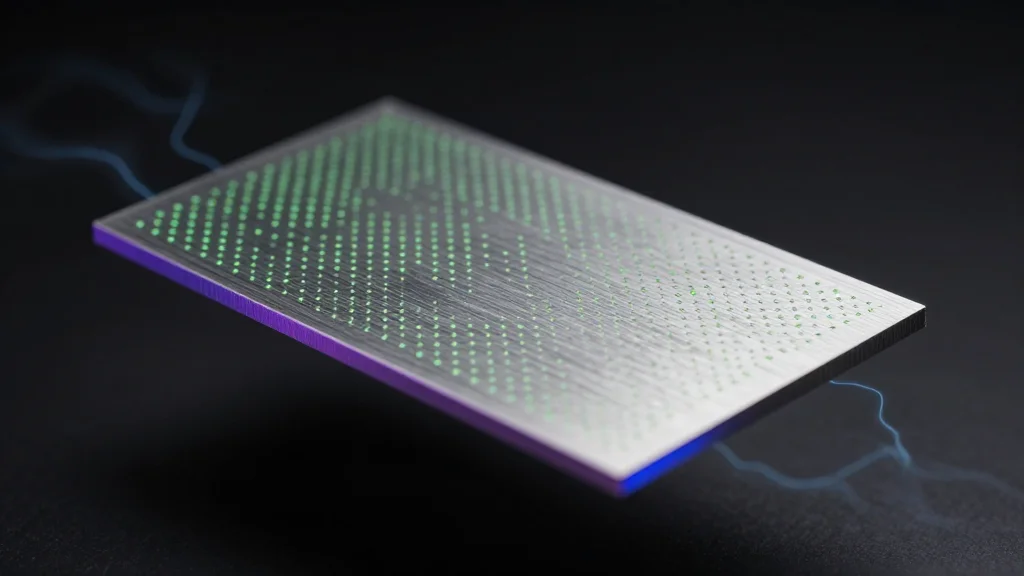
Production of Ultra-Clean MXenes with Outstanding Electrical Performance
An international team introduced a gas‑liquid‑solid (GLS) synthesis that produces MXenes with atomically uniform halogen terminations, eliminating the impurity‑laden surfaces of traditional chemical etching. The method, demonstrated on eight MAX phases, yields titanium carbide Ti₃C₂Cl₂ with a 160‑fold boost in...

New Method Measures Energy Dissipation in the Smallest Devices
Stanford researchers have unveiled a breakthrough technique that directly measures entropy production in quantum dots, providing the first experimental quantification of energy dissipation in a non‑equilibrium nanoscale system. By pulsing a laser to drive the dots far from equilibrium and...

Making Hydrogen Fuel Cells 'Less Precious'
Engineers at Washington University in St. Louis have stabilized inexpensive iron catalysts to replace platinum in hydrogen fuel cells, potentially cutting vehicle costs from $70,000 to $30,000. Platinum currently accounts for about 45 % of fuel‑cell stack expenses, limiting market adoption...

A Color-Changing Microneedle Sensor Made From Food Ingredients Can Detect Spoilage Through Sealed Packaging
Researchers have created a food‑safe gelatin microneedle sensor that pierces sealed packaging and changes color as protein‑rich foods spoil. The device embeds red‑cabbage anthocyanin, shifting from purple to blue when pH rises, providing a visual spoilage cue. Mechanical tests show...
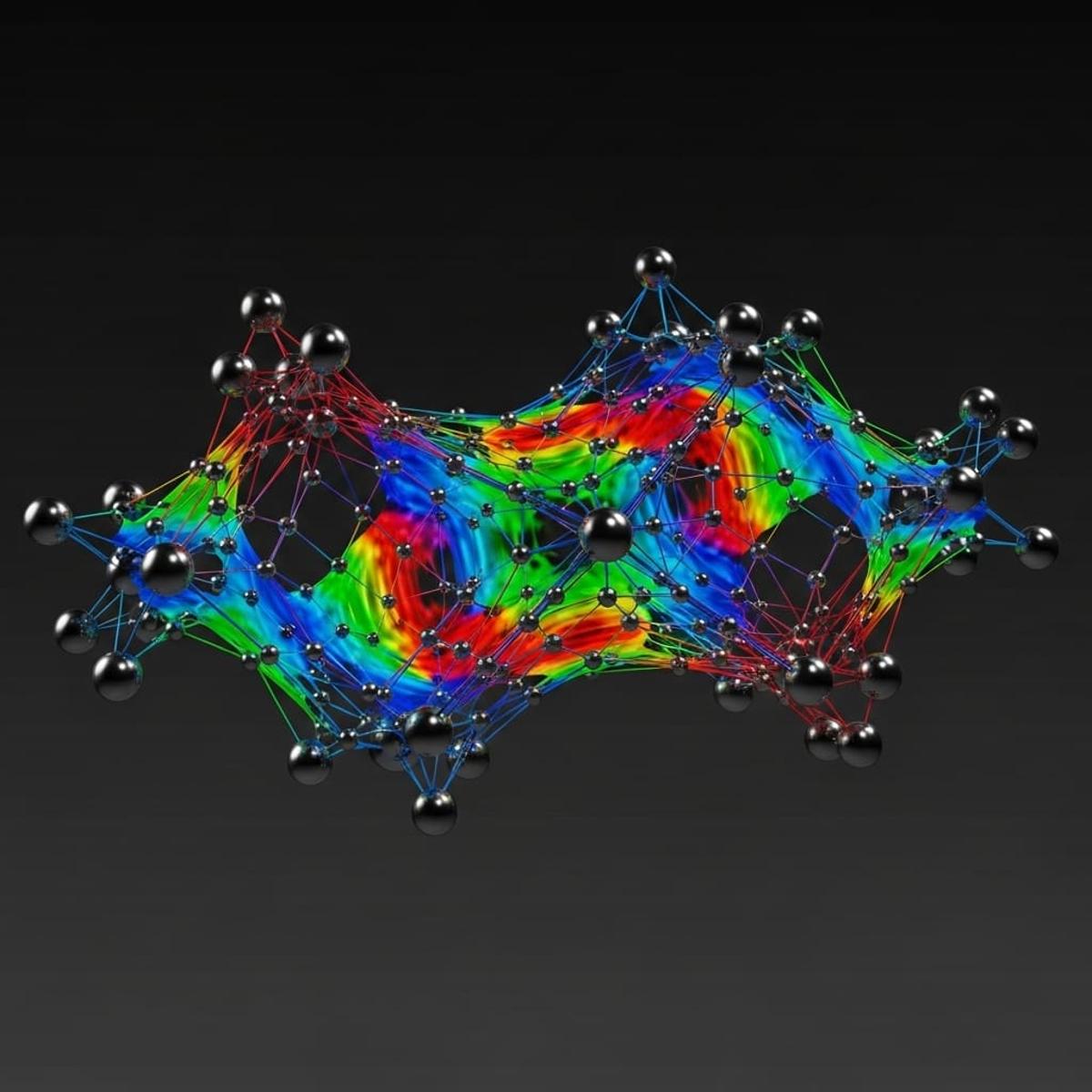
New 2D Material Links Strain and Magnetism in a Novel Way
Researchers have identified a novel topological orbital piezomagnetic effect in two‑dimensional Dirac quadrupole altermagnets. Applying mechanical strain distorts the Dirac points, forming a “Dirac dipole” that generates magnetization without spin contributions. The phenomenon is captured by two minimal theoretical frameworks—a...
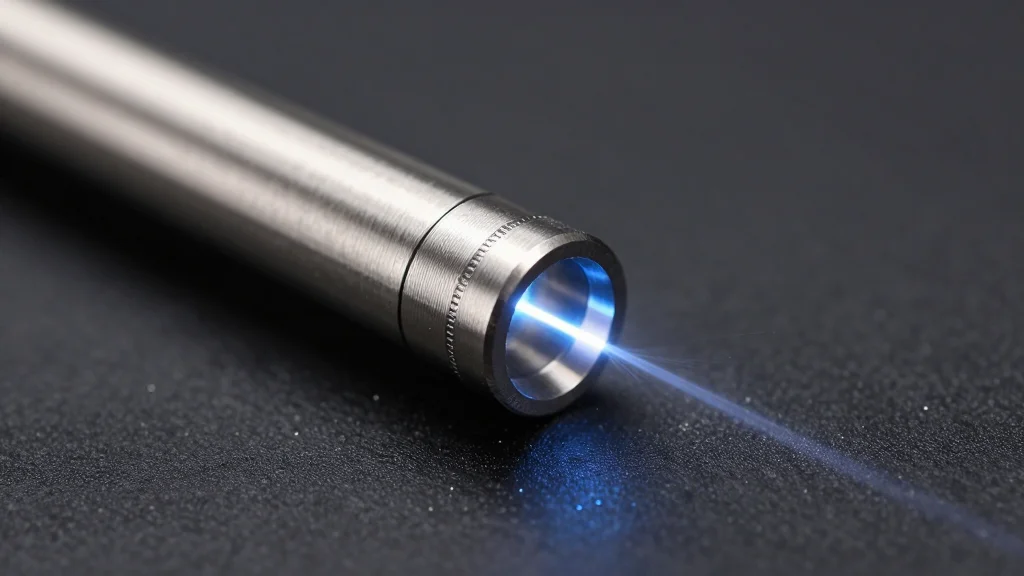
Researchers Find a Way to 3D Print One of Industry's Hardest Engineering Materials
Researchers at Hiroshima University have demonstrated a novel additive‑manufacturing route that uses hot‑wire laser irradiation to 3D print tungsten‑carbide‑cobalt (WC‑Co) cemented carbides. The process softens, rather than fully melts, the material and achieves industrial‑grade hardness above 1400 HV without defects. By...
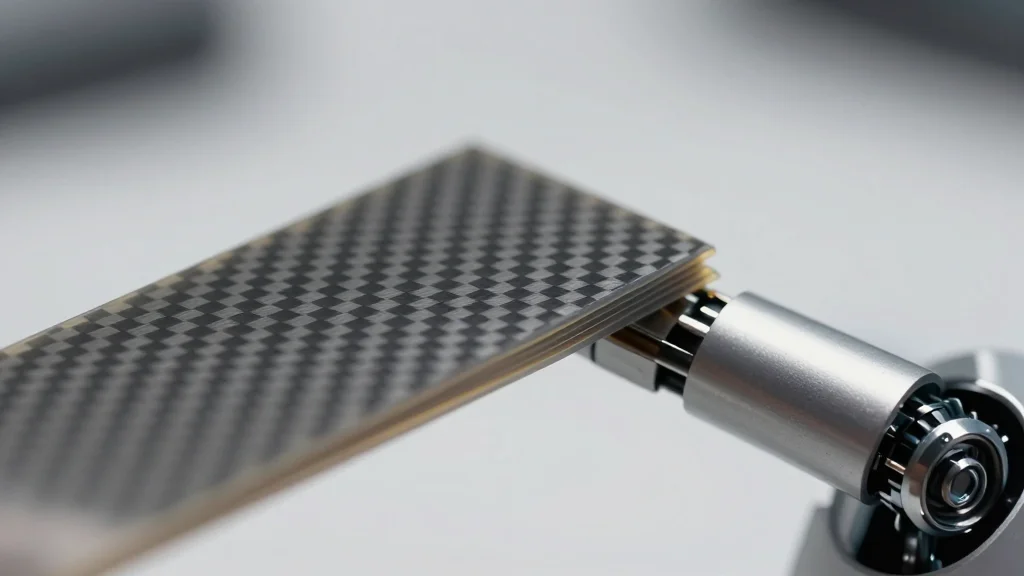
Stacked Carbon Nanotube Films Turn a Touch Sensor Into a Self-Computing Skin
Researchers at Xiamen University have created a flexible electronic skin that uses vertically stacked carbon‑nanotube films to sense both touch location and pressure simultaneously. The multilayer design produces a single analog signal for position and uses the number of activated...

Researchers Break Materials Theory with a New Type of Plastic
Researchers at Wageningen University have created a new class of plastic, dubbed a compleximer, that defies conventional materials theory. The polymer is held together by physical ionic attractions rather than chemical cross‑links, giving it glass‑like reshaping ability while retaining plastic‑like...

DNA Vaccine Scaffolding Boosts HIV Immune Response
Researchers at Scripps Research and MIT engineered a DNA origami scaffold that carries HIV envelope proteins while remaining immunologically silent, eliminating antibodies against the carrier. In mouse models the DNA‑based particles displayed 60 copies of the antigen and generated ten...
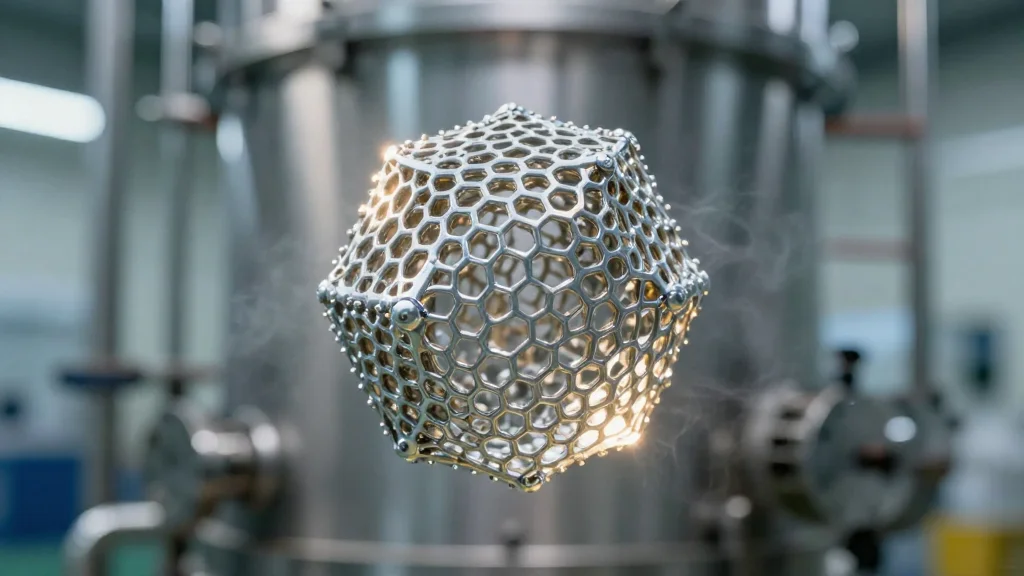
Industrial-Scale Production Could Bring MOFs From Lab to Everyday Pollution Control
Researchers at Kaunas University of Technology have demonstrated that metal‑organic frameworks (MOFs) can be manufactured at industrial scale with a financially viable techno‑economic profile. By adapting laboratory synthesis to existing industrial equipment, the study shows production lines capable of several...