
How Orbital Overlap Dictates Molecular Conductance
Researchers at National Taiwan University introduced single‑atom bismuth and lead layers on gold electrodes to isolate the electronic contribution of the metal‑molecule interface. By measuring the interfacial hopping integral, they linked orbital overlap and molecular tilt directly to single‑molecule conductance. The study demonstrated that this hopping integral serves as a universal, quantitative descriptor that explains decades of measurement variability. The model also retrofits to conventional gold electrodes, confirming its broad applicability.

Functionalized Nanoparticles Could Open the Door to Swallowable Insulin Pills
Researchers have grafted the permeation enhancer 1‑phenylpiperazine onto safe silica nanoparticles, creating a hybrid that boosts intestinal insulin absorption while eliminating toxicity. In obese, insulin‑resistant mice, oral insulin delivered with these functionalized particles lowered blood glucose for 8‑10 hours, outperforming...
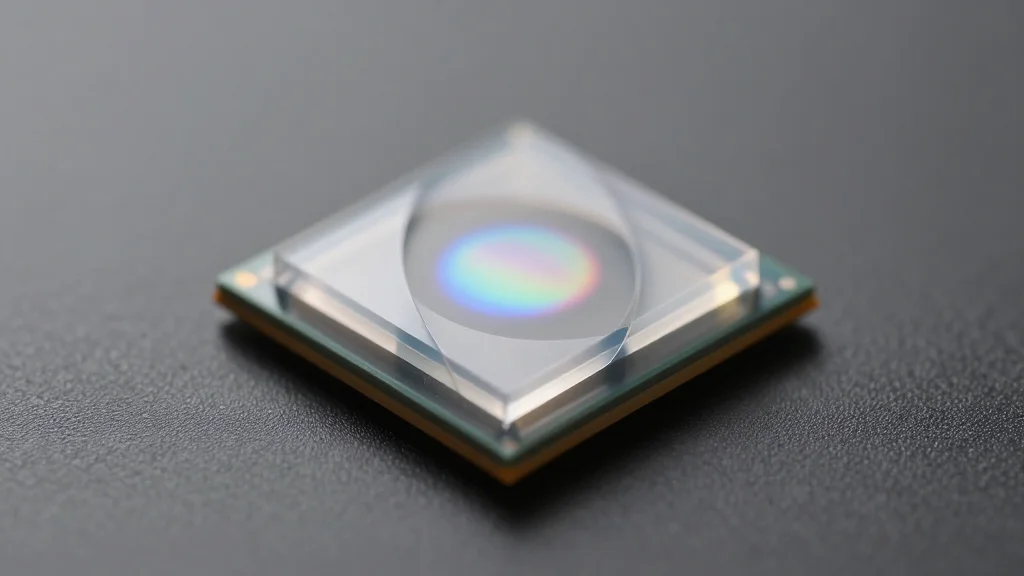
A Dynamic Twist of Light's 'Handedness'
Harvard SEAS engineers have unveiled a MEMS‑integrated twisted bilayer photonic crystal chip that can dynamically adjust its twist angle and inter‑layer spacing to control optical chirality. The reconfigurable device selectively transmits left‑ or right‑handed circularly polarized light, achieving near‑perfect discrimination...
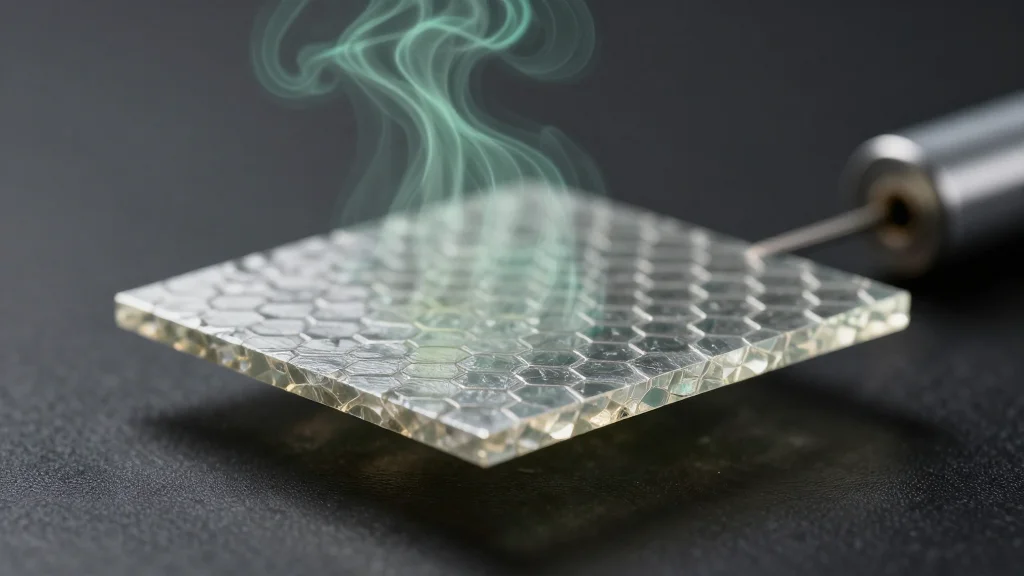
MXenes Move Closer to Real World Use in Energy Storage and Medicine
A Swiss research initiative, TailorX, has advanced the synthesis, modeling, and sustainable production of MXenes, a versatile class of 2‑D transition‑metal carbides and nitrides. The team built a high‑purity library of MAX‑phase precursors, deployed AI models to predict MXene structures...

Graphene Oxide Destroys Bacteria without Harming Human Tissue
Researchers have demonstrated that graphene oxide (GO) selectively kills bacteria by forming hydrogen bonds with a phospholipid, POPG, found only in bacterial membranes. The study shows that GO’s oxygen‑rich surface is essential for this activity, achieving over 99% suppression of...
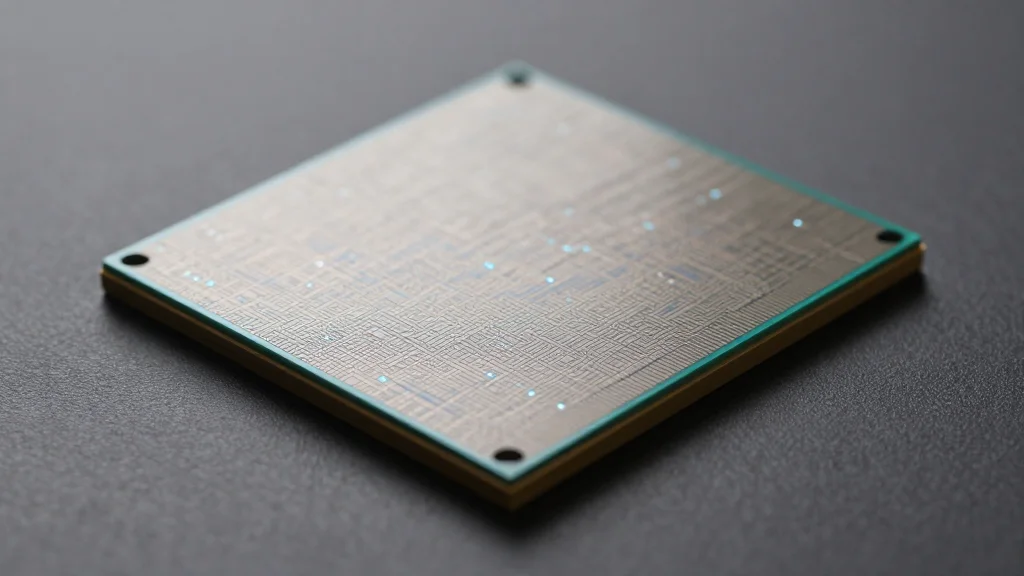
IBM and Lam Research Announce Collaboration to Advance Sub-1nm Logic Scaling
IBM and Lam Research have signed a five‑year partnership to push logic scaling below the 1 nm node. The collaboration will co‑develop novel materials, advanced etch and deposition processes, and High‑NA EUV lithography techniques to enable sub‑1 nm transistors. Leveraging IBM’s Albany...

Molecular Chainmail Made From Thousands of Interlocking DNA Rings
A team has created the first true “Olympic gel,” a material composed of over 16,000 distinct DNA plasmid rings that interlock mechanically rather than through covalent cross‑links. By employing a diversified lock‑and‑key design, each ring preferentially closes on itself, preventing...

Smart Ceramics Reveal a New Way to Control Heat Transfer, Boosting Thermal Conductivity Nearly Threefold
Researchers at Oak Ridge National Laboratory, Ohio State University and Amphenol demonstrated that applying an electric field to relaxor‑based ferroelectric ceramics dramatically extends phonon lifetimes, boosting thermal conductivity by nearly threefold along the field direction. Using inelastic neutron‑scattering at the...

Metal Alloy that Shrinks when Heated Could Advance Precision Nanotechnology
Researchers at Tokyo Metropolitan University discovered that hydrogen‑treated cobalt zirconide contracts when heated due to a ferromagnetic phase transition, a mechanism distinct from the vibrational origin in its unhydrogenated form. The shrinkage occurs uniaxially and can be modulated by adjusting...

Eco-Friendly Cotton that Repels Water and Separates Oil
Researchers at INL have introduced a fluorine‑free technique that coats cotton with hydrophobic nanoparticles and hexadecyltrimethoxysilane, creating a water‑repellent, stain‑resistant fabric. The treatment forms micro‑ and nanoscale textures that preserve breathability while allowing oil to pass, enabling efficient oil‑water separation....

MXene Smart Textiles Could Track Vitals, Kill Bacteria, and Harvest Solar Energy
Researchers at the University of Georgia reviewed MXene‑based smart textiles that can monitor heart rate, blood pressure, and temperature while providing antimicrobial protection and solar energy harvesting. MXenes, a two‑dimensional metal‑derived material, can be coated or printed onto fabrics, turning...

Gradient Wall Microbottle Resonator Enables Large Scale Optical Trapping
The research team introduced a gradient‑thickness microbottle resonator that confines optical fields inside its silica walls, allowing large‑scale nanoparticle trapping over a 195 µm axial range with less than 0.2 mW of laser power. By shaping the wall thickness, peak fields are...

Tiny Thermometers Offer On-Chip Temperature Monitoring for Processors
Researchers at Penn State have created a microscopic on‑chip thermometer using a novel two‑dimensional bimetallic thiophosphate material. The sensor measures just one square micrometer, can be placed thousands of times on a processor, and responds to temperature changes in 100 nanoseconds....
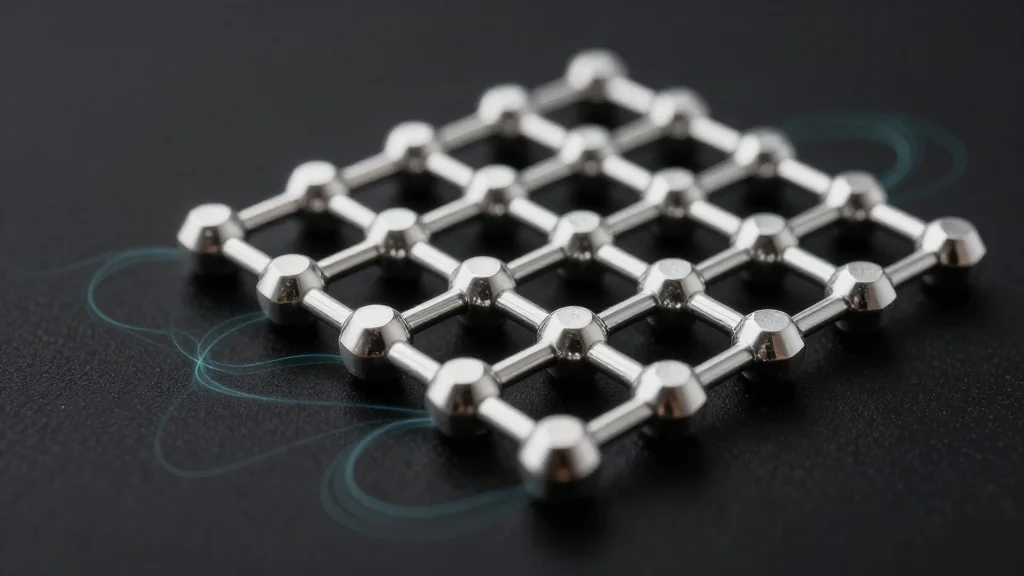
At the Heart of Quantum Matter: Geometry
Researchers from the University of Geneva, the University of Salerno and CNR‑SPIN have directly detected the quantum metric—a geometric property of electron wavefunctions—at the interface of strontium titanate and lanthanum aluminate, as reported in Science (Aug 2025). The quantum metric, previously...

Vocxi Health and Forj Medical Partner to Miniaturise MyBreathPrint Device
Vocxi Health has teamed with Forj Medical to shrink its MyBreathPrint breath‑analysis system from a tabletop prototype to a handheld device the size of a deck of cards. The platform leverages graphene‑based nano sensors and AI‑driven algorithms to detect disease‑linked...

A Quantum Property Is Hiding in One of the Most Common Lab Nanoparticles
Researchers have uncovered a room‑temperature quantum‑spin response in widely used carbon quantum dots, showing that their photoluminescence changes under modest magnetic fields. By heating simple amino‑acid powders, the team produced 19 dot variants, 16 of which displayed measurable magneto‑photoluminescence at...

AI Solves a Key Barrier to Making Hydrogen Cars More Affordable
Korean researchers at KAIST and Seoul National University used artificial intelligence to redesign hydrogen fuel‑cell catalysts, discovering that zinc directs platinum and cobalt atoms into a high‑performance intermetallic structure. The AI‑predicted Zn‑mediated catalyst outperforms commercial platinum catalysts in activity and...

A Crystal that Changes Fluorescence Color and Moves when Heated
Chemists at National Taiwan University reported that a nonporous pentiptycene‑derived crystal can undergo a two‑step solid‑state transformation when gently heated. The first step creates gear‑like molecular rotations that open transient channels, allowing trapped dichloromethane to escape and shifting fluorescence from...

Nanophotonics Boost Quantum Emitter Links on a Chip
Researchers at the University of Southern Denmark and collaborators have unveiled an integrated nanophotonic platform that uses surface‑plasmon‑polariton (SPP) interference to mediate long‑range interactions between solid‑state quantum emitters on a chip. The design achieves a peak concurrence of 0.493, approaching...

Synthetic Hydrogel Helices Amplify Movement without Muscles or Motors
The team from POSTECH and the University of Tokyo introduced a photopolymerization method that creates hydrogel helices with built‑in density gradients, enabling autonomous winding and unwinding. By using a helically wrapped UV‑blocking tape and a dissolved ruthenium absorber, they generate...
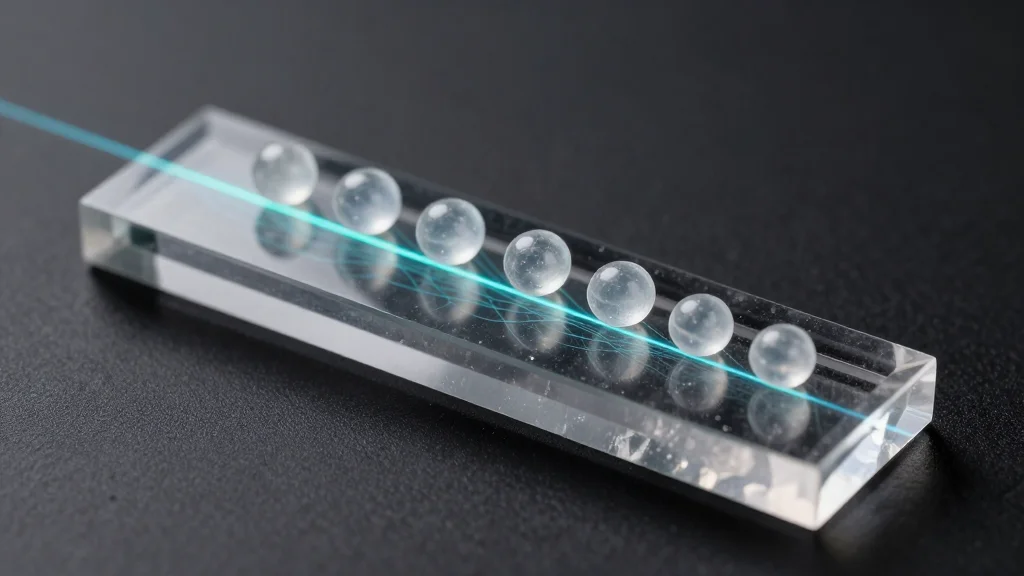
Light Alone Programs and Reprograms a Crystal Surface to Guide Living Cells
Researchers at Italy’s National Research Council have created an all‑optical bio‑photovoltaic interface using iron‑doped lithium niobate crystals. By projecting patterned laser light, they inscribe reversible electric fields that trap, align, and deform fibroblast cells without any electrodes or wiring. Cells...
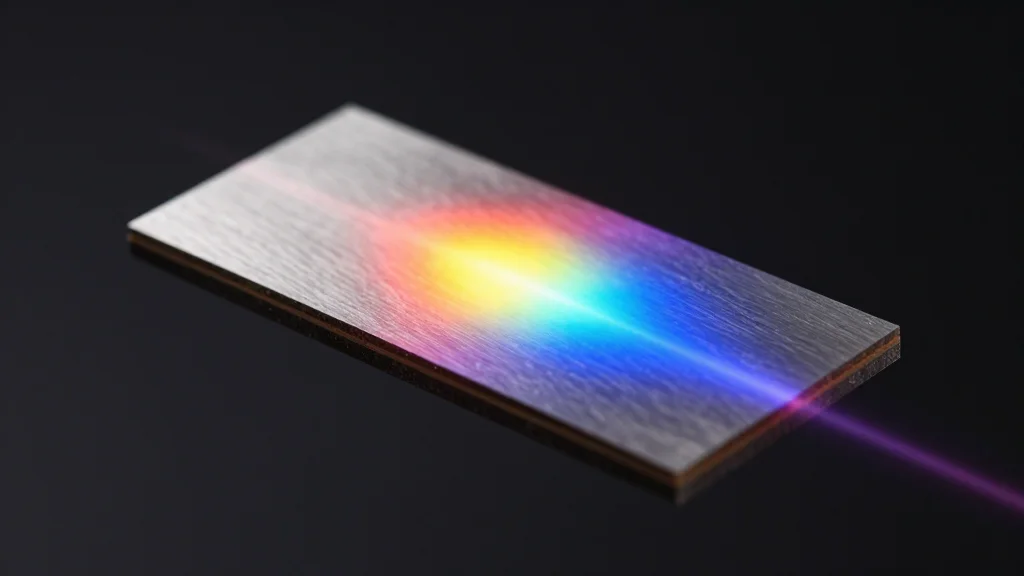
Femtosecond Laser Pulses Enable Ultrafast Broadband Optical Switching
Researchers at Waseda University used femtosecond laser pulses to raise the electronic temperature in an indium‑nitride (InN) film, triggering transient Pauli blocking that makes the material switch from opaque to transparent. The effect spans the visible to near‑infrared spectrum and...

Polar Bear Hair Inspires Graphene Fibers that Sense, Insulate, and Power Smart Clothing
Researchers in China have created hollow graphene aerogel fibers that replicate the hollow, porous structure of polar‑bear hair. The fibers achieve a record‑low thermal conductivity of 1.28 mW·(m·K)⁻¹ and an electrical conductivity of 1,457 S·m⁻¹ after high‑temperature annealing. Their architecture provides exceptional...
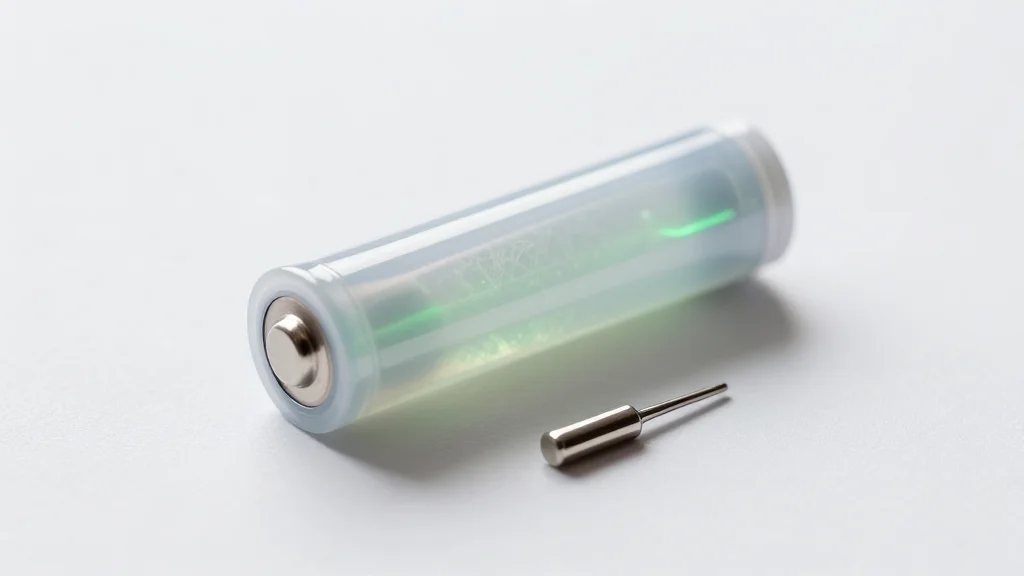
Electric Eel Biology Inspires Powerful Gel Battery
Researchers at Penn State have created a fully hydrogel‑based power source that mimics the ionic discharge of electric eels. By spin‑coating four 20 µm hydrogel layers, they achieved ultra‑thin electrocytes with dramatically lower internal resistance. The resulting gel battery delivers power...

Nanoplastics Can Interact with Salmonella to Affect Food Safety
Researchers at the University of Illinois discovered that polystyrene nanoplastics trigger Salmonella enterica to up‑regulate virulence genes and form thicker biofilms, potentially heightening food‑borne risk. The bacterial response is biphasic: an initial offensive surge followed by a defensive, energy‑conserving mode...

Liquid Metal Droplets Fuse Themselves Into Stretchable Circuits
Researchers at Qingdao University and China University of Petroleum discovered that liquid‑metal droplets can self‑sinter during ordinary solvent evaporation, using a Marangoni‑driven surface‑tension gradient between ethanol and toluene. The process creates a Janus film with a conductive liquid‑metal‑rich layer and...
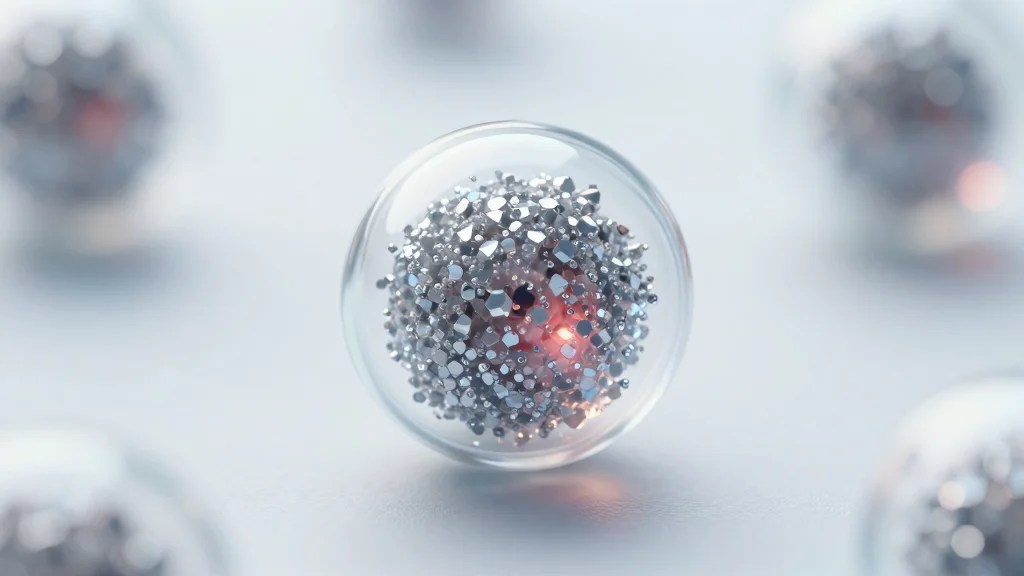
Covalent Organic Frameworks Assembled Inside Tumor Cells Trigger Cancer Cell Death and Immune Activation
Researchers at the University of Macau have demonstrated the first in‑situ synthesis of covalent organic frameworks (COFs) inside lysosomes of cancer cells, using acidic pH‑driven imine condensation of TAPB and DMTP. The crystalline UMCOF1 particles rupture lysosomal membranes, liberating ferrous...

Atomic Precision Unlocks Smarter Oxygen Reduction Catalysts
Researchers at Tohoku University demonstrated that the exact nitrogen coordination around a single cobalt atom dramatically changes its oxygen‑reduction reaction (ORR) performance. By synthesizing Co‑Nx sites with x = 3, 4, and 5 on carbon nanotubes, they showed asymmetric Co‑N₃ delivers the highest overall activity,...
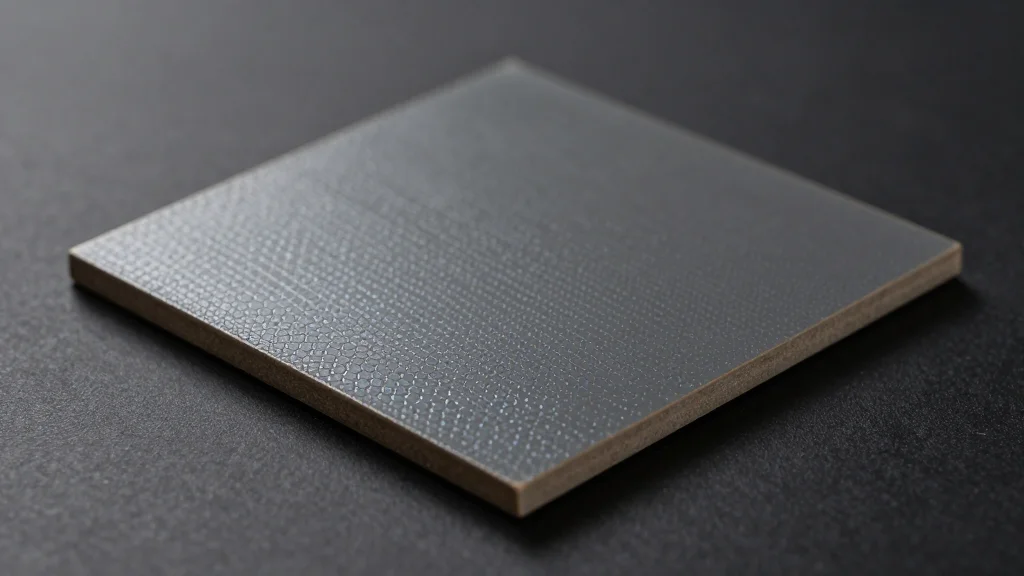
Boron Nitride Nanosheets Create Ceramic that Is Both Tough and Radar-Invisible
Researchers at Nanchang Hangkong University have created a dual‑phase silicon carbide ceramic reinforced with multilayer boron nitride nanosheets, delivering a 94.5% increase in flexural strength to 477 MPa and a 50% boost in fracture toughness. The composite, called DS@4MBNS, also achieves...
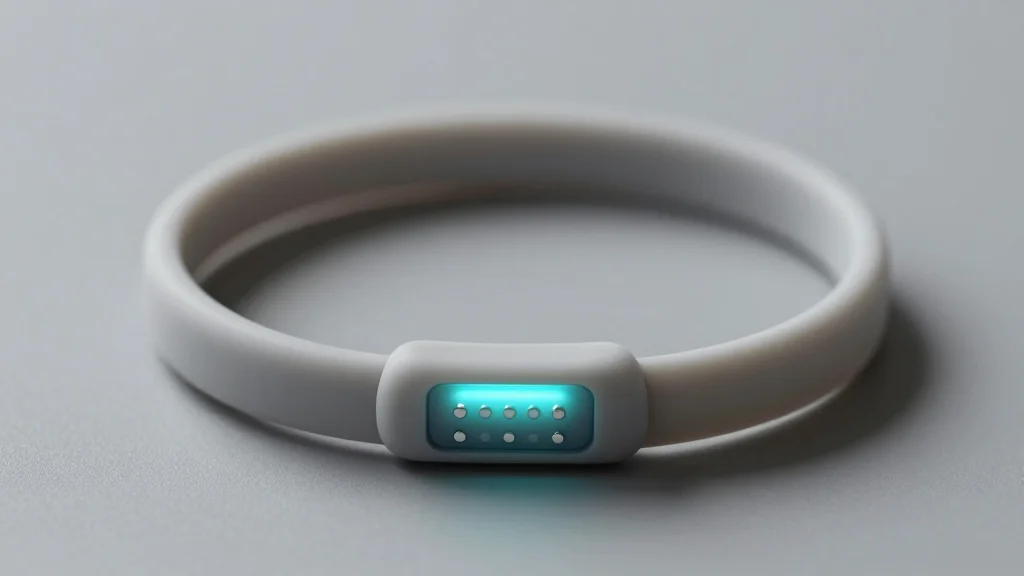
Printable Enzyme Ink Powers Next-Generation Wearable Biosensors
Researchers at Tokyo University of Science have created a water‑based enzyme ink that allows screen‑printing of both anode and cathode layers of enzymatic biofuel cells in a single step. The printed lactate/oxygen biofuel cell delivered a peak power density of...
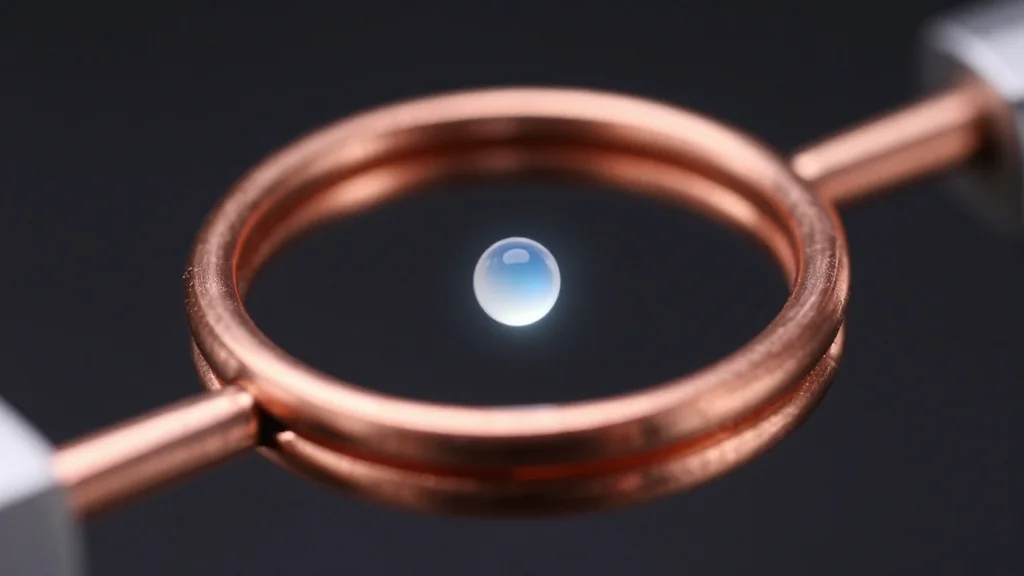
Helium Nanodroplets Trapped for Minutes Unlock New Era in Nanoscale Physics
Researchers at the University of Innsbruck, supported by the University of Greifswald, have stored electrically charged helium nanodroplets in an ion trap for up to one minute—four orders of magnitude longer than the previous millisecond‑scale observations. The breakthrough leverages a...
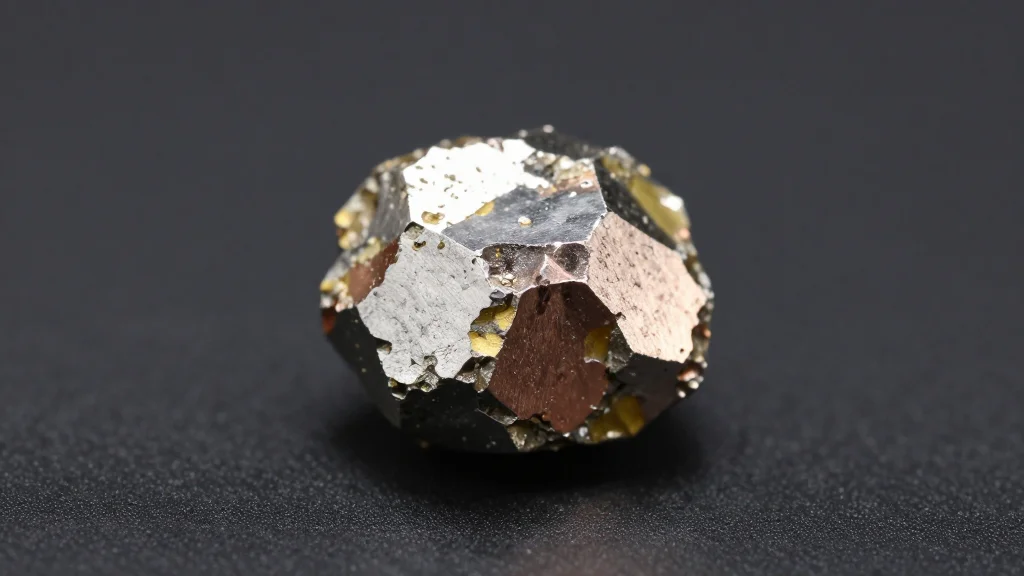
Local Disorder Impacts a Quantum Material's Electronic States
Researchers at UC Davis and the ALS combined spatially resolved ARPES and XPS with AI‑driven analysis to map the surface chemistry of the Weyl semimetal Co₃Sn₂S₂. The study identified not only the expected sulfur‑ and tin‑terminated regions but also intermediate disorder...

MRNA Nanobodies Show Promise in Colorectal Cancer
A preclinical study published in eGastroenterology demonstrates that lipid‑nanoparticle delivery of nucleoside‑modified mRNA encoding anti‑PD‑L1 nanobodies suppresses tumor growth in mouse models of both sporadic and colitis‑associated colorectal cancer. Researchers engineered monomeric and quadruple nanobody formats; the quadruple construct showed...

Physicists Open Door to Future, Hyper-Efficient Orbitronic Devices
Physicists have shown that chiral phonons in non‑magnetic quartz can directly transfer orbital angular momentum to electrons, creating an orbital Seebeck effect without magnets or charge currents. The breakthrough replaces heavy, scarce magnetic metals with inexpensive, abundant crystals, simplifying orbitronic...
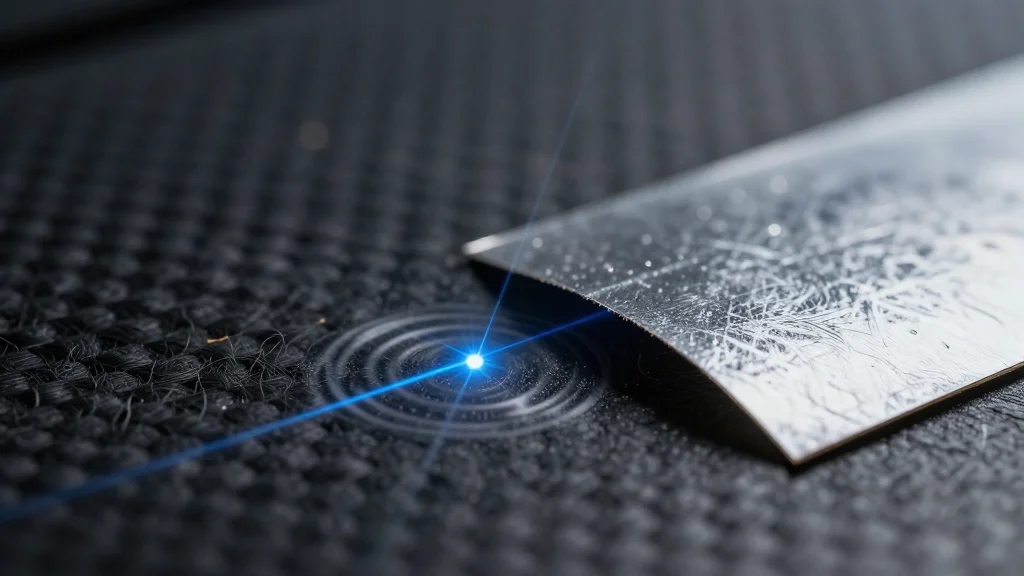
Laser Shockwaves Transform Carbon Nanotube Films Into Graphene-Rich Networks without External Heating
Researchers have demonstrated that nanosecond laser‑induced shockwaves can transform single‑walled carbon nanotube (SWCNT) thin films into multilayer graphene‑rich networks in a single, chemical‑free step. The process applies ~2.27 GPa pressure pulses without external heating, causing the nanotubes to unzip and coalesce...

Hair-Width LEDs Could Replace Lasers
Researchers at UC Santa Barbara have demonstrated hair‑thin microLEDs that outperform conventional designs in efficiency, output power, and beam control. By enclosing the InGaN/GaN emitting region with distributed Bragg reflectors, the devices deliver 20% more air‑side light, over 130% more...
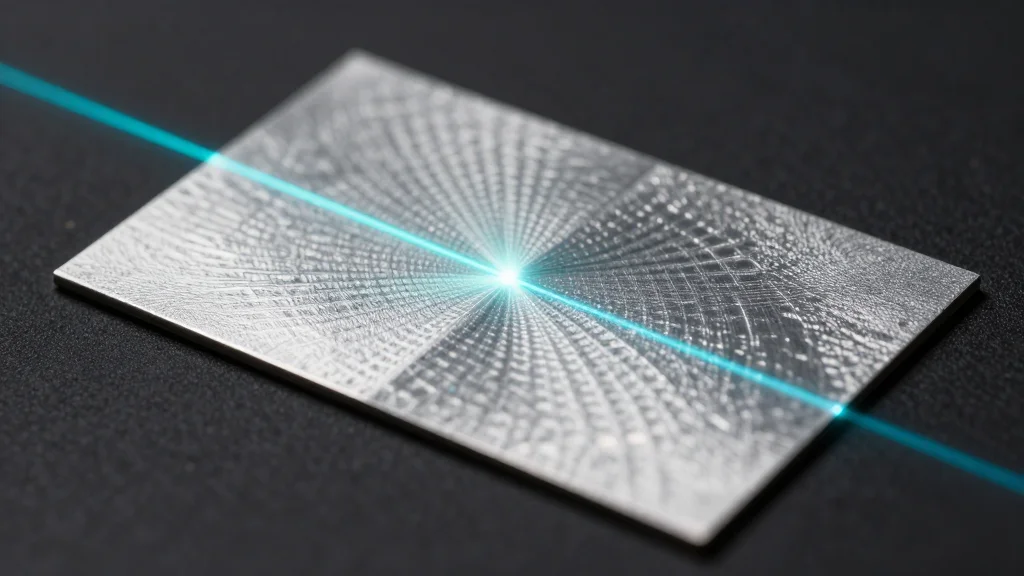
All-Optical Morphological Image Processing at the Speed of Light
Researchers have built a free‑space nanophotonic diffractive network that executes morphological image operations—dilation, erosion, opening, and closing—directly on the optical wavefront. By encoding structuring elements into engineered phase layers, the system transforms incoming light in a single pass, achieving latencies...
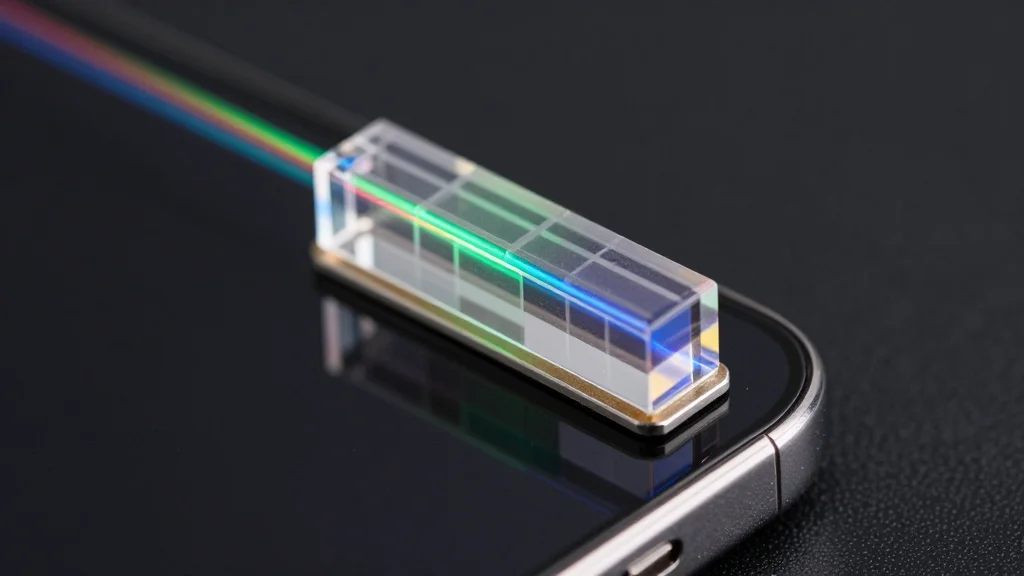
Nanophotonic Color Router Solves Smartphone Camera Angle Problem
Korean researchers at KAIST and Hanyang University have created a metamaterial‑based nanophotonic color router that retains about 78 % optical efficiency across a ±12‑degree angle of incidence. The device separates red, green, and blue light directly on the sensor, addressing the...
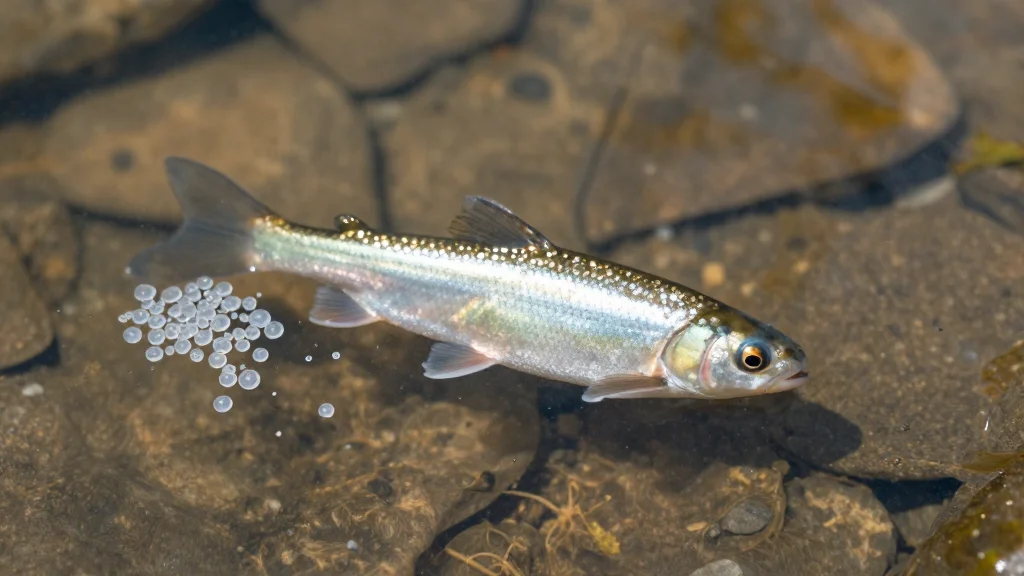
Polystyrene Nanoparticles Can Increase Fish Embryo Early Mortality Especially in a Stressful Environment
A University of Eastern Finland study found that positively charged polystyrene nanoparticles increase early embryo mortality in European whitefish when incubated under stressful, variable‑oxygen conditions. The same particles did not affect sperm motility, and negatively charged nanoparticles showed little toxicity....
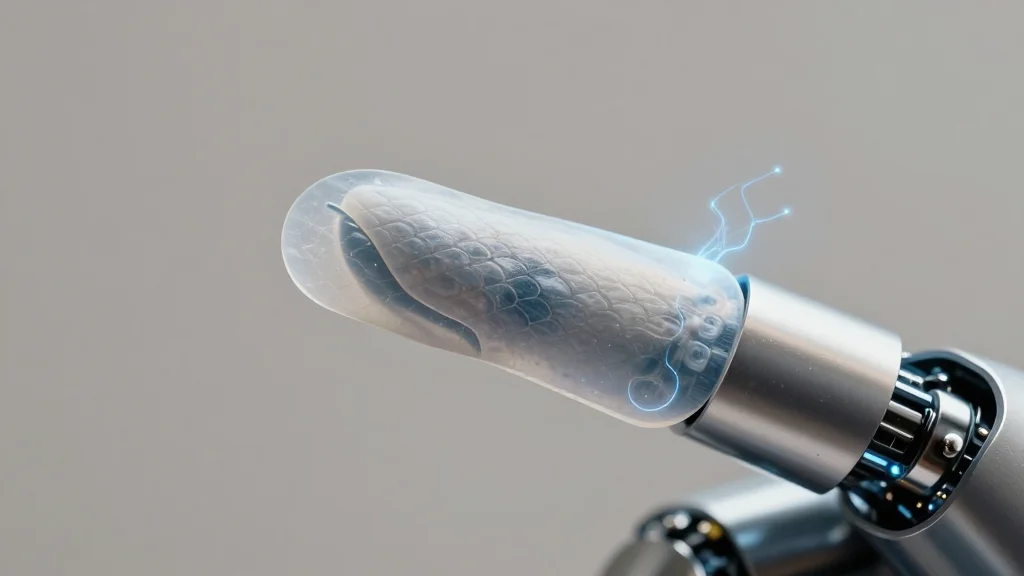
Shark-Inspired Electronic Skin Gives Robotic Hands the Ability to Sense Objects without Touching Them
Researchers at Harbin Institute of Technology have created a shark‑inspired electronic skin that combines electrostatic non‑contact scanning with tactile triboelectric sensing. By embedding a pre‑charged ePTFE electret within a stretchable Ecoflex matrix, the e‑skin amplifies the electric field, achieving detectable...

Neutral Molecule Delivers DNA Into Cells, Promising Safer Gene Therapy Approach
Researchers at Tokyo Metropolitan University have engineered a charge‑free polymer‑DNA complex using a thymine‑modified poly(ethylene glycol) (PEG) that binds plasmid DNA via annealing. In mouse models the formulation boosted cellular DNA uptake and gene expression up to 14‑fold compared with...
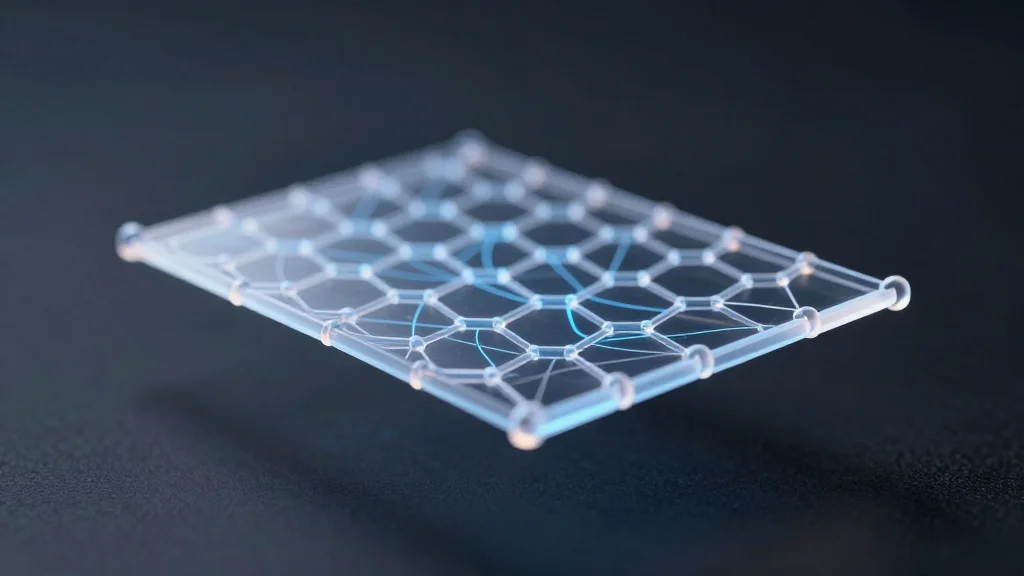
AI/ML, Multiscale Modeling, and Emergence
Artificial intelligence and machine learning are rapidly reshaping materials design, with major tech firms and startups pursuing inverse‑design platforms that translate target properties into synthesizable compounds. Recent reviews highlight efforts from Google DeepMind, Microsoft, Meta, Toyota Research Institute, IBM and...
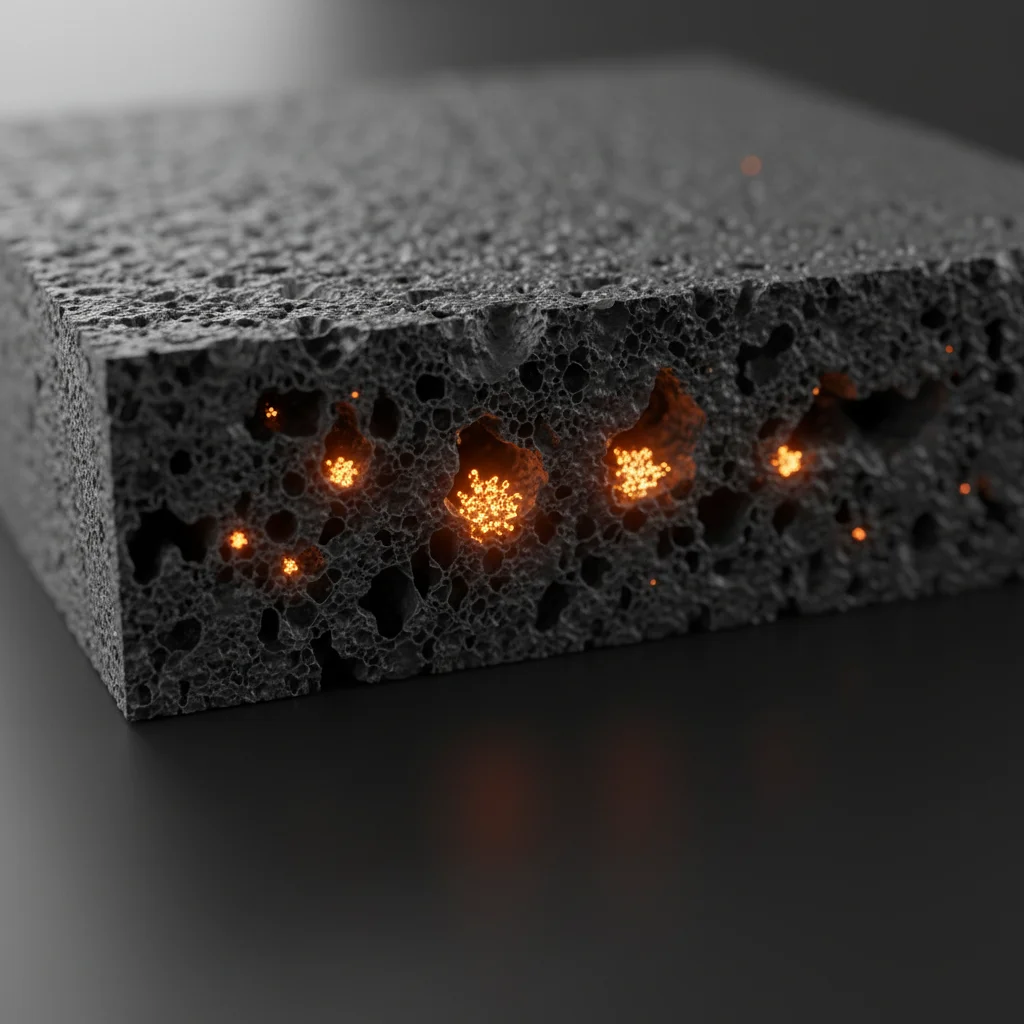
Understanding the Physics at the Anode of Sodium-Ion Batteries
Researchers used DFT‑MD simulations on supercomputers to investigate sodium‑ion behavior in hard‑carbon anodes for sodium‑ion batteries. They identified that sodium ions quickly transition from 2D adsorption to 3D quasi‑metallic clusters, with an optimal nanopore diameter of about 1.5 nm for stable...

How AI Found Better Battery Materials Among 14 Million Possibilities
A collaboration between McGill University, Mila‑Quebec, and Université de Montréal built a closed‑loop system that couples high‑throughput robotic synthesis with multi‑objective Bayesian optimization to explore roughly 14.2 million triple‑doped LiCoPO₄ cathode compositions. Using a set‑transformer surrogate and a multi‑task Gaussian process,...
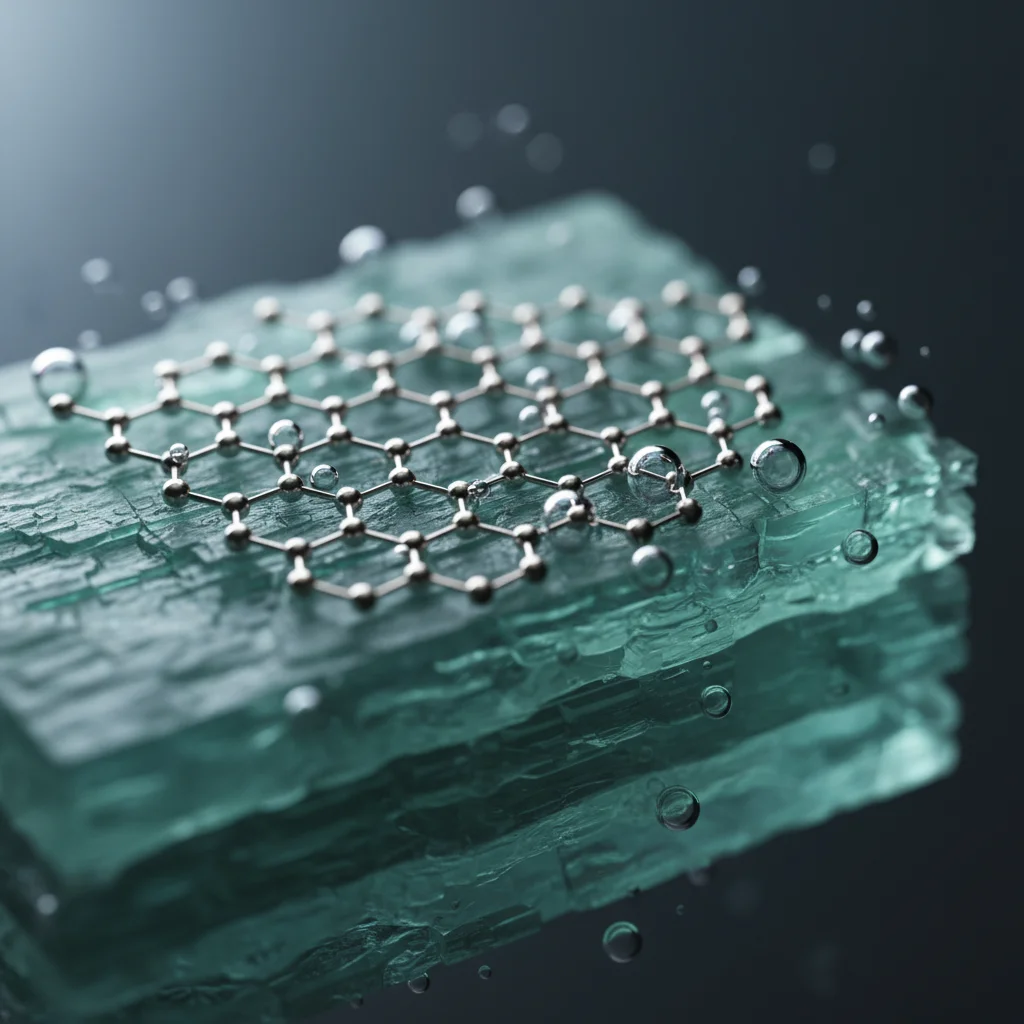
Single-Atom Catalyst Produces Hydrogen and Oxygen Simultaneously, Slashing Costs
Korea Institute of Science and Technology (KIST) scientists have engineered a single‑atom iridium catalyst anchored on a manganese‑nickel‑phytate layered double hydroxide that catalyzes both the hydrogen evolution reaction (HER) and oxygen evolution reaction (OER) on a single electrode. The design...
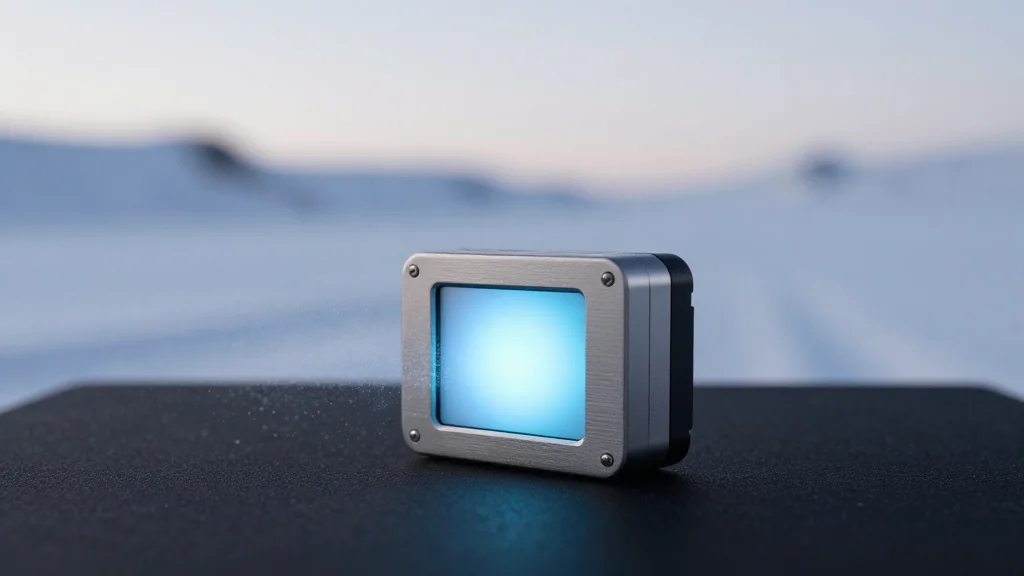
How a Sensor Stuck Into the Lab Found Its Way in the Real World
A nano‑electromechanical sensor originally built at TU Vienna has been transformed into a portable field instrument capable of detecting ultrafine airborne particles in real time. Backed by a €2.2 m European Innovation Council transition grant, the technology now powers the EMILIE FTIR...
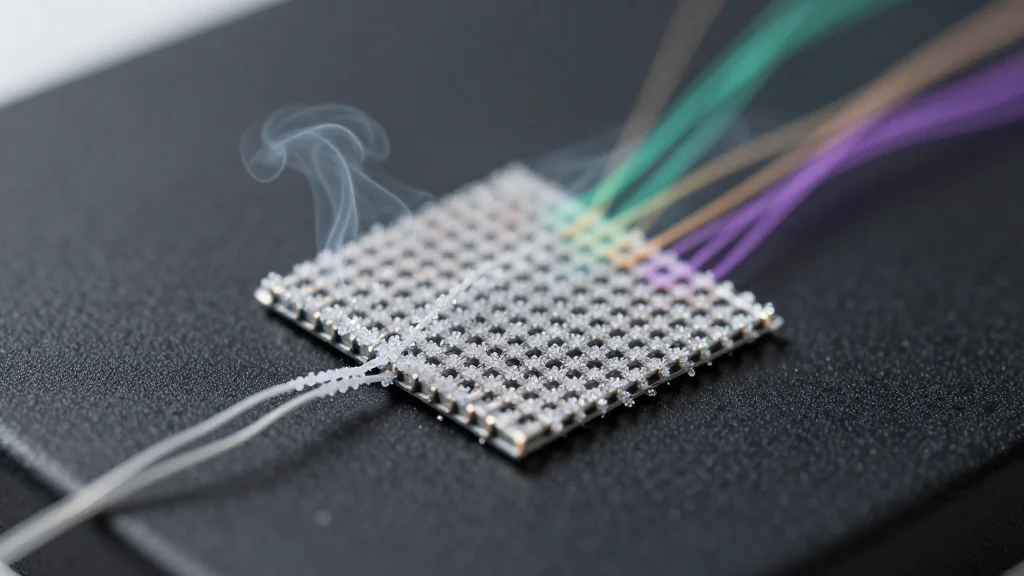
Water Replaces Complex Receptor Molecules in Carbon Nanotube Gas Sensor
Researchers at UNIST have demonstrated that hygroscopic salt films can stably coat carbon‑nanotube chemiresistors, enabling receptor‑free detection of nine toxic gases, including chemical warfare agents. By selecting salts with low deliquescence relative humidity (LiBr, H₃PO₄, LiCl), the aqueous layer remains...

Oral Nanozyme Treats Colitis-Linked Mental Disorders via Gut-Brain Axis
Researchers at Yangzhou and Nanjing Universities have created an oral polysaccharide‑engineered nanozyme—fucoidan‑cerium nanocomplexes (FucCeNCs)—to treat colitis‑associated anxiety and depression. The nanocomplex combines cerium’s superoxide dismutase‑like activity with fucoidan’s prebiotic properties, enabling simultaneous reactive oxygen/nitrogen species scavenging and gut microbiota modulation....

Quantum 'Ghost Imaging' Paves Way for Nanoscale Images at Lower X-Ray Dose
Researchers at Brookhaven National Laboratory’s NSLS‑II have demonstrated quantum‑inspired ghost imaging using entangled X‑ray photon pairs. By correlating a photon that passes through a sample with its untouched partner, they produced high‑resolution images of a tungsten cat and a cardamom...

Antioxidant Nanoparticles May Protect Male Fertility During Chemotherapy
A preclinical study published in Reproductive and Developmental Medicine found that combining melatonin with zinc oxide nanoparticles mitigates cyclophosphamide‑induced reproductive toxicity in male rats. The antioxidant duo restored testosterone and luteinizing hormone levels, lowered oxidative stress markers, and preserved spermatogenic...