
Electric Fields Remove Nanoplastics From Water without the Need for Nanoporous Filters
Researchers at Pohang University unveiled a solar‑powered electrokinetic water filter that eliminates nanoplastics and bacteria without nanoporous membranes. The hierarchical membrane uses a charge‑based depletion zone to repel particles smaller than 10 nm, achieving over 99.9% removal at fluxes above 400 L m⁻² h⁻¹ and pressure drops under 1 kPa. Gravity drives flow, eliminating pumps, while a 50 W photovoltaic panel supplies the required voltage. The prototype demonstrates fouling resistance and scalability, offering a low‑energy solution for off‑grid water treatment.
New 2D Material Combines Magnetism and Quantum Properties at Room Temperature
Scientists have assembled a two‑dimensional iron‑dicyanoanthracene metal‑organic framework directly on a bismuth selenide topological‑insulator surface at room temperature, revealing two distinct structural phases. Phase A conforms to a known close‑packed Fe₁DCA₃ lattice, while Phase B displays a larger, previously unreported unit cell...

Nanomaterial Restoration of Colossal Statues on Mount Nemrut (Türkiye)
Turkey’s Ministry of Culture and Tourism has expanded a nanotechnology‑based conservation program to protect the colossal limestone and sandstone statues on Mount Nemrut, a UNESCO World Heritage site. The project, which began with pilot work in 2022, now uses nano‑lime...

Twisted 2D Layers Reveal Stable Nanoscale Magnetic Structures
Researchers at the University of Stuttgart experimentally created and directly detected skyrmions in a twisted four‑layer chromium iodide (CrI₃) structure. By rotating two bilayers relative to each other, a novel magnetic state emerged that is robust against environmental disturbances. Detection...
Controlling Magnetism to Unlock Better Hydrogen Storage Alloys
Researchers at Tohoku University have shown that magnetic properties control the thermodynamic stability of AB3‑type hydrogen‑storage alloys. By suppressing magnetism—particularly by substituting cobalt with nickel—they identified compositions that combine high gravimetric hydrogen capacity (up to ~3.4 wt %) with stable structures. Advanced...

A 3D-Printed Delivery System Enhances Vaccine Delivery via Microneedle Array Patch
Researchers at the University of Tokyo used 3D‑printing to add a pillar‑backed layer to microneedle array patches (MAPs), preserving more live virus during fabrication. The pillar‑guided MAPs showed higher viral titers and induced protective immunity against SARS‑CoV‑2 in mice. This...
Humidity-Resistant Hydrogen Sensor Can Improve Safety in Large-Scale Clean Energy
Researchers at Chalmers University of Technology have unveiled a fingertip‑sized hydrogen sensor that uses platinum nanoparticles to catalyze a reaction that evaporates a surface water film, producing a color shift that triggers an alarm. The device performs better as humidity...

Terahertz Microscope Reveals the Motion of Superconducting Electrons
MIT physicists have built a terahertz microscope that squeezes THz light to micron‑scale spots using spintronic emitters and a Bragg mirror, overcoming the diffraction limit. The instrument captured the first direct image of a superfluid plasmon—collective terahertz‑frequency jiggles of superconducting...

Uncovering Hidden Quantum Landscapes
Scientists at the Weizmann Institute have unveiled the Atomic Single Electron Transistor (Atomic SET), a scanning microscope that uses a single atom as a quantum sensor. The device achieves roughly one‑nanometer spatial resolution—about 100 × better than existing probes—and can detect...
Shows Valley Photonic Crystals Co-Optimise Band Gap and Chern Number Using PSO
Researchers at IIT Bombay and JNCASR introduced a topology‑aware design framework for valley photonic crystals (VPCs). Using a modified particle‑swarm optimisation (PSO) algorithm, they simultaneously maximised the bulk bandgap and the valley Chern number across a six‑dimensional unit‑cell parameter space....

Shows 76% of WSe2 Monolayer Sites Yield Stable Single-Photon Emitters Via AFM Nanoindentation
Researchers have introduced a displacement‑controlled AFM nano‑indentation technique that reliably creates gate‑tuneable single‑photon emitters in monolayer WSe₂ on SiO₂/Si substrates. Indentations deeper than 150 nm generate defect‑bound excitons with ultra‑narrow ≈200 µeV linewidths that persist up to ~120 K. Second‑order autocorrelation confirms true...

Crab Shell Gel Turns Kimchi Bacteria Into Living Food Safety Sensors
Researchers at Rice University engineered a naphthoquinone‑grafted chitosan hydrogel that embeds the food‑grade bacterium Lactiplantibacillus plantarum, achieving extracellular electron transfer 15.6 times higher than plain chitosan. The tethered quinone mediators stay fixed, preventing leakage and stabilizing performance for up to...

Edible Electronics Harvest Heat From Hot Food to Power Color-Changing Safety Displays
The research team at EPFL unveiled the first fully edible thermoelectric generator made from chitosan and alginate hydrogels cross‑linked with vanillin. The ionic devices convert the heat from hot meals into up to 62 mV /K, and a series of six units...

Test Strip Breakthrough for Accessible Diagnosis
A La Trobe University research team has created a single‑use test strip that detects disease‑related microRNAs at attomolar levels, far surpassing the sensitivity of traditional glucose strips. The device uses a specialised enzyme to amplify an electrical signal, allowing detection...

Superconductivity Achieved in Nanowires Via 5.5m/mT Domain Wall Modulation
Researchers showed that aluminium shells on InAs/EuS nanowires become superconducting only when the EuS layer is in a multi‑domain magnetic state. Scanning SQUID magnetometry and low‑temperature transport revealed that a magnetic domain wall can be shifted at roughly 5.5 µm·mT⁻¹ using...

Oxygen-Modified Graphene Filters Boost Natural Gas Purification
Researchers at Chiba University have demonstrated that ultrathin graphene membranes functionalized with oxygen groups can selectively remove carbon dioxide from methane streams while preserving high gas permeability. Simulations identified a critical pore size near 0.4 nm, where oxygen‑modified edges attract CO₂...

Single-Photon Detector Flaws Unravelled, Paving the Way for Faster Data Transmission
Researchers from Oak Ridge National Lab and Single Quantum have mapped how nanoscale disorder affects superconducting nanowire single‑photon detectors (SNSPDs). By using helium‑ion irradiation to introduce controlled disorder, they combined DC transport, dark‑count, and microwave spectroscopy to separate local instability,...

Anomalous Magnetoresistance Observed in an Antiferromagnetic Kagome Semimetal
Researchers at the Chinese Academy of Sciences have demonstrated anomalous, low‑field oscillatory magnetoresistance in an FeSn/Pt antiferromagnetic kagome semimetal heterostructure. By breaking inversion symmetry at the interface they enhanced the Dzyaloshinskii‑Moriya interaction, allowing precise control of spin configurations. Magnetic force...

Niobium Bilayers: XPS Demonstrates 17 Capping Layers Resist Surface Oxidation
Scientists used X‑ray photoelectron spectroscopy to evaluate 17 niobium capping layers for their ability to block oxygen diffusion. The rapid, non‑destructive XPS method identified metal nitrides and zirconium as the most resilient barriers, while 5 nm noble metals proved ineffective. Resonators...
Researchers Identify Sp Dangling Bonds on H-C(100) Surfaces for Diamond Technologies
Researchers from the Australian National University and La Trobe University introduced a scanning tunnelling spectroscopy (STS) protocol that reliably identifies sp³ dangling bonds on hydrogen‑terminated diamond (H‑C(100)). By pairing high‑resolution STS measurements with density‑functional theory calculations, they mapped defect‑related electronic...

Researchers Demonstrate Collective Emission From Hexagonal Boron Nitride Emitter Ensembles
Researchers have demonstrated superradiant, cooperative light emission from quantum emitters embedded in hexagonal boron nitride (hBN) layers at room temperature. By using localized electron‑beam irradiation to form tightly spaced B‑center defect ensembles, they observed a super‑linear increase in photoluminescence intensity...

How Aircraft Wing Physics Could Accelerate the Next Generation of RNA Medicines
Researchers at University College Dublin have created an aerofoil‑shaped microfluidic platform that delivers consistent lipid nanoparticle (LNP) formulations from milliliter‑scale screening to liter‑scale production. The MiNANO‑form cartridge can run eight parallel, contamination‑free mixes using as little as 0.1 mL of reagents,...

Lam Research & CEA-Leti Partner to Accelerate Next-Gen Specialty Tech Fabrication
Lam Research and France’s CEA‑Leti have signed a multi‑year agreement to speed development of next‑generation specialty‑technology devices. The partnership combines Lam’s etch, deposition and its Prestis™ pulsed laser deposition system with CEA‑Leti’s advanced device‑characterization platform to tackle material and integration...
Thermonat Makes Nanoscale Thermal Prediction Practical for Real-World Chip Design
DARPA’s Thermonat program delivered nanoscale thermal modeling that matches atom‑level accuracy while cutting computation time by over 1,000×. The technology predicts chip temperatures within 1 °C of ground truth, addressing a critical barrier for sub‑10 nm transistor designs. Spin‑outs such as AtomTCAD...
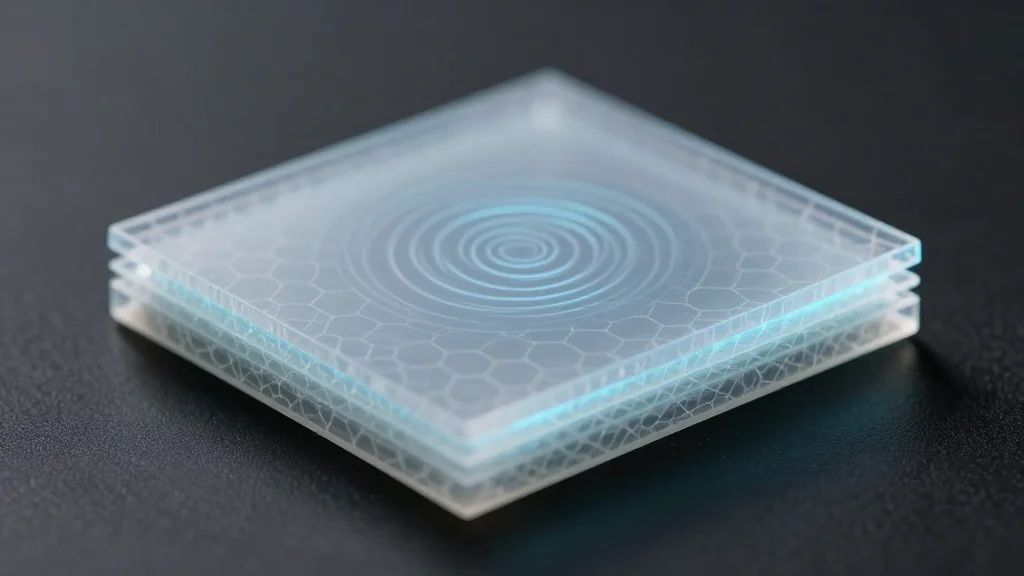
Voltage Tunable Polaritonic Crystals Bring Dynamic Control to Nanoscale Light
Researchers have created a hybrid polaritonic crystal that layers a patterned alpha‑phase molybdenum trioxide film with an electrically gated graphene sheet. The structure supports hybrid phonon‑plasmon polaritons, preserving the low‑loss, directional nature of phonon polaritons while gaining graphene’s voltage‑controlled tunability....

Giant Second-Harmonic Generation Achieves 104 Susceptibility in Bismuth Monolayer
Researchers at Fudan and Sun Yat‑Sen Universities demonstrated that buckling a bismuth monolayer triggers a topological transition, dramatically boosting its second‑harmonic generation (SHG) response. First‑principles calculations show a static susceptibility exceeding that of MoS₂ by two orders of magnitude, with...

Reshaping Nanoporous Gold Leads to New Electronic and Optical Properties
Researchers at Umeå University have shown that reshaping gold into a nanoporous, sponge‑like metamaterial dramatically changes its interaction with light. When exposed to ultrashort laser pulses, the porous film reaches electronic temperatures of about 3200 K, far exceeding the 800 K observed...

Web-Based Tool Visualizes Catalyst Gene Profiles for Materials Design
Researchers at Hokkaido University have launched a web‑based graphical interface that visualizes catalyst gene profiles, turning complex catalyst datasets into intuitive, interactive visualizations. The platform clusters catalysts by sequence similarity, displays synchronized heat maps, and lets users explore global trends...

Molecular Hamiltonian Learning Extracts Parameters From Stm-Iets Data for Single Molecules
Researchers at Aalto University introduced "molecular Hamiltonian learning," a machine‑learning framework that infers the full Hamiltonian of single‑molecule magnets directly from set‑point‑dependent scanning tunneling spectroscopy (STM‑IETS) data. By training on a library of theoretical spectra that include crystal‑field, Coulomb and...
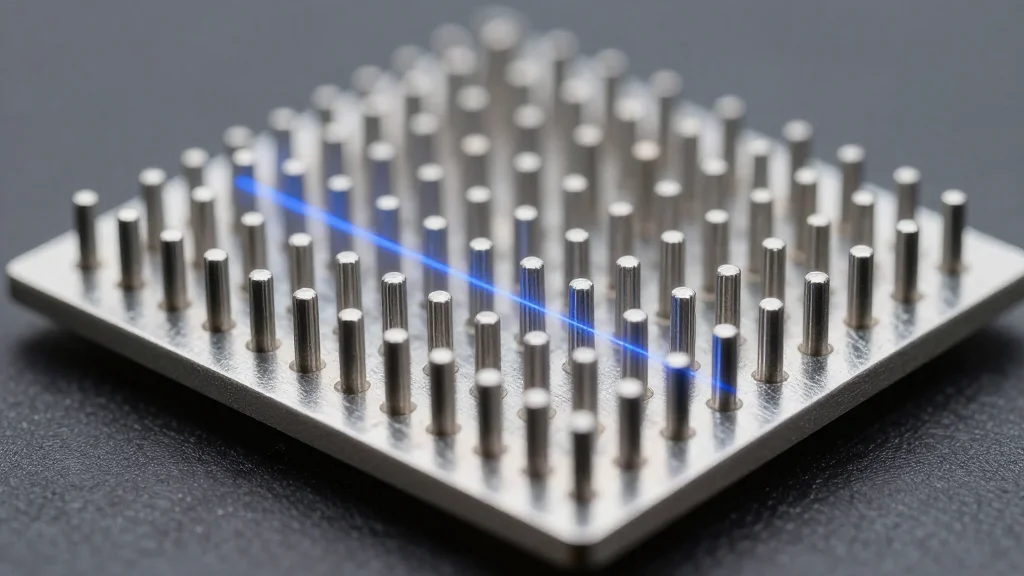
Tiny Titanium Pillars Move Hydrogen-Powered Flight Closer to Reality
Researchers at the University of Birmingham and Loughborough University have used digital design and laser micromachining to create ultrathin titanium flow distributors for polymer electrolyte fuel cells. The optimized micropillar structures achieved a record peak power density of 1.62 W cm⁻², translating...
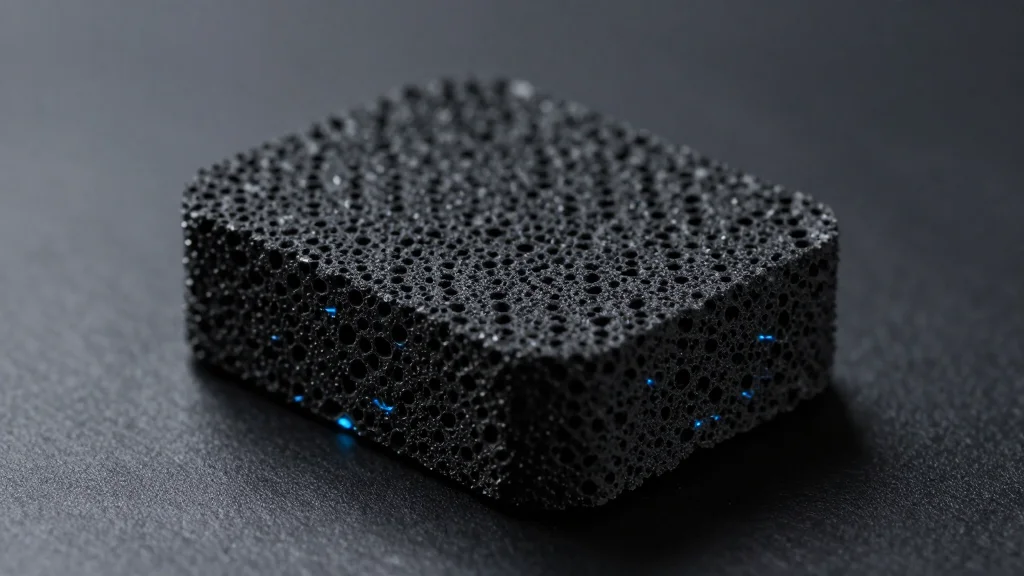
Cigarette Butts Could Power the Next Generation of Energy Storage
Researchers at Henan University have developed a scalable method to turn discarded cigarette butts into high‑performance carbon electrodes for supercapacitors. By combining hydrothermal carbonization with potassium hydroxide activation, they produced nanoporous carbon with a surface area of 2,133.5 m² g⁻¹ and a...
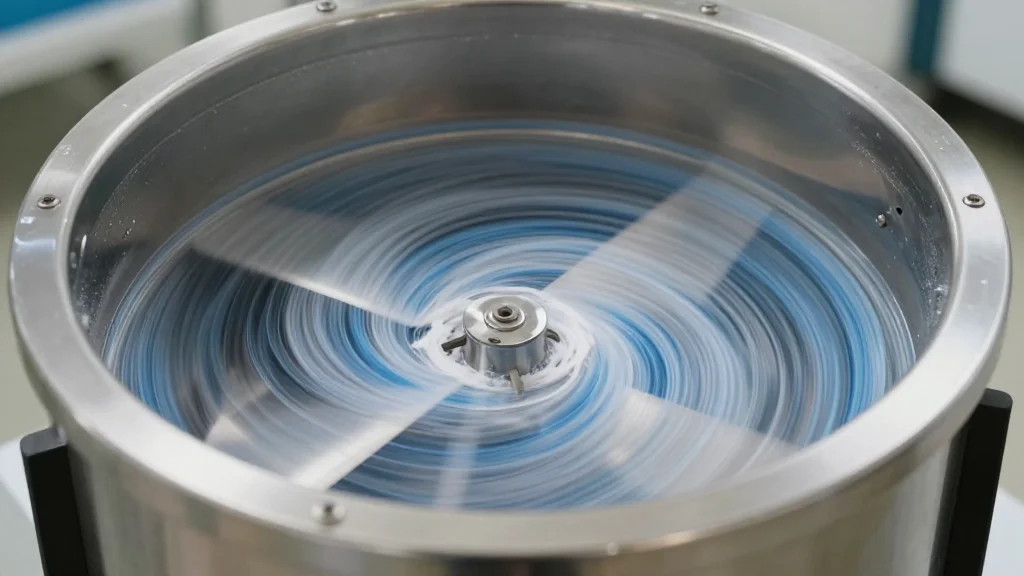
Mini Tornadoes Spin Out Dried Cellulose Nanofibers
Researchers at the University of Maine and Oak Ridge National Laboratory have unveiled a patent‑pending vortex drying technique that uses counter‑rotating, Mach‑3 heated air streams to rapidly remove water from cellulose nanofiber slurries. The high‑shear method avoids the fiber aggregation...

Quantum Capacitance Advances Kitaev Chain Identification with Minimal 1-Dot Coupling
Researchers led by Chun‑Xiao Liu demonstrate that quantum capacitance can precisely locate the optimal operating regime of a quantum‑dot‑based Kitaev chain. Their theoretical framework couples a normal‑metal lead to the chain and uses semiclassical rate equations to model parity switching...

Advances Chiral-Induced Spin Selectivity Understanding Via Enhanced Spin-Orbit Coupling Models
Researchers led by Ruggero Sala and colleagues present a comprehensive mini‑review that re‑examines the microscopic origins of Chiral‑Induced Spin Selectivity (CISS) in light‑element materials. By integrating molecular chirality, electric fields, and structural distortions, they demonstrate how effective spin‑orbit coupling (SOC)...

Computing Beyond Silicon May Depend on Circuits Built Molecule by Molecule
Molecular electronics that rely on quantum tunneling are emerging as a viable alternative to silicon scaling, with integration densities projected at 10^14 devices per cm²—about a thousand times current chip densities. Recent review research shows that atomic‑precision assembly, self‑assembled monolayers,...
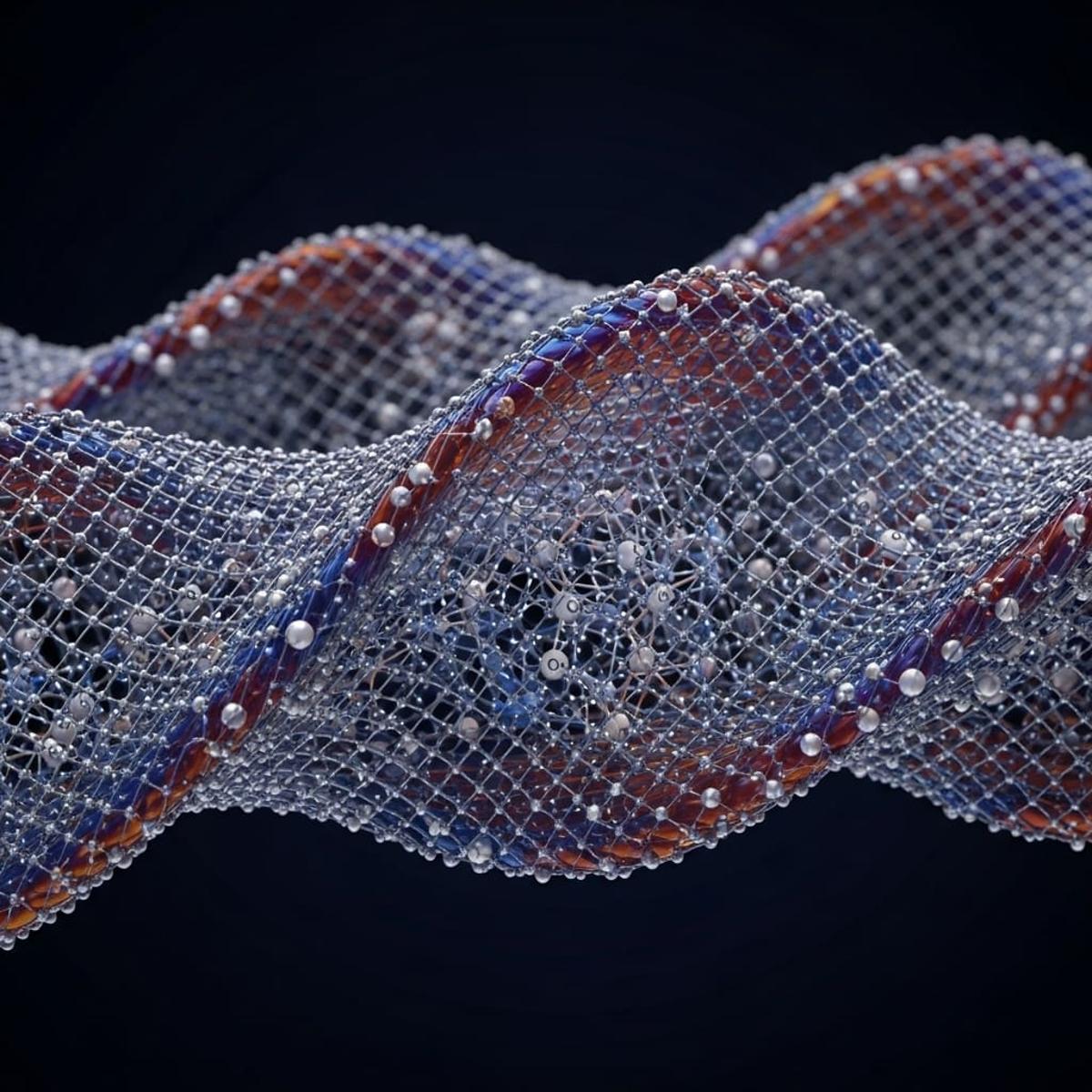
Atomic Coherence Achieved in Twisted NaNbO3 Membranes Via Controlled Oxygen Treatment
Researchers have demonstrated atomic‑scale coherence in twisted NaNbO₃ oxide membranes by applying a controlled oxygen annealing process. The treatment chemically reconstructs the interface, eliminating amorphous carbon layers and establishing a perovskite registry with measurable lattice contraction. Strain mapping shows a...

High-Q Resonators Achieve 10^7 Quality Factor with Optical Nanofiber Fabrication
Researchers at Waseda University and collaborators have demonstrated a single‑shot femtosecond laser ablation method that fabricates defect‑free optical nanofiber photonic crystal resonators with intrinsic quality factors exceeding 2.9 × 10⁷. The process uses a flame‑brush tapered nanofiber (500 nm diameter, 13 mm waist) and...

Near-Frictionless Motion of Pico- to Nanoliter Droplets with Liquid-Repellent Particle Coating
Scientists at Japan’s MANA have created a liquid‑repellent particle coating that lets pico‑ and nanoliter droplets move with near‑zero friction. By spraying fluorocarbon‑modified fumed titania nanoparticles onto droplets, the team turned them into “micro liquid marbles” that slide via solid‑solid...
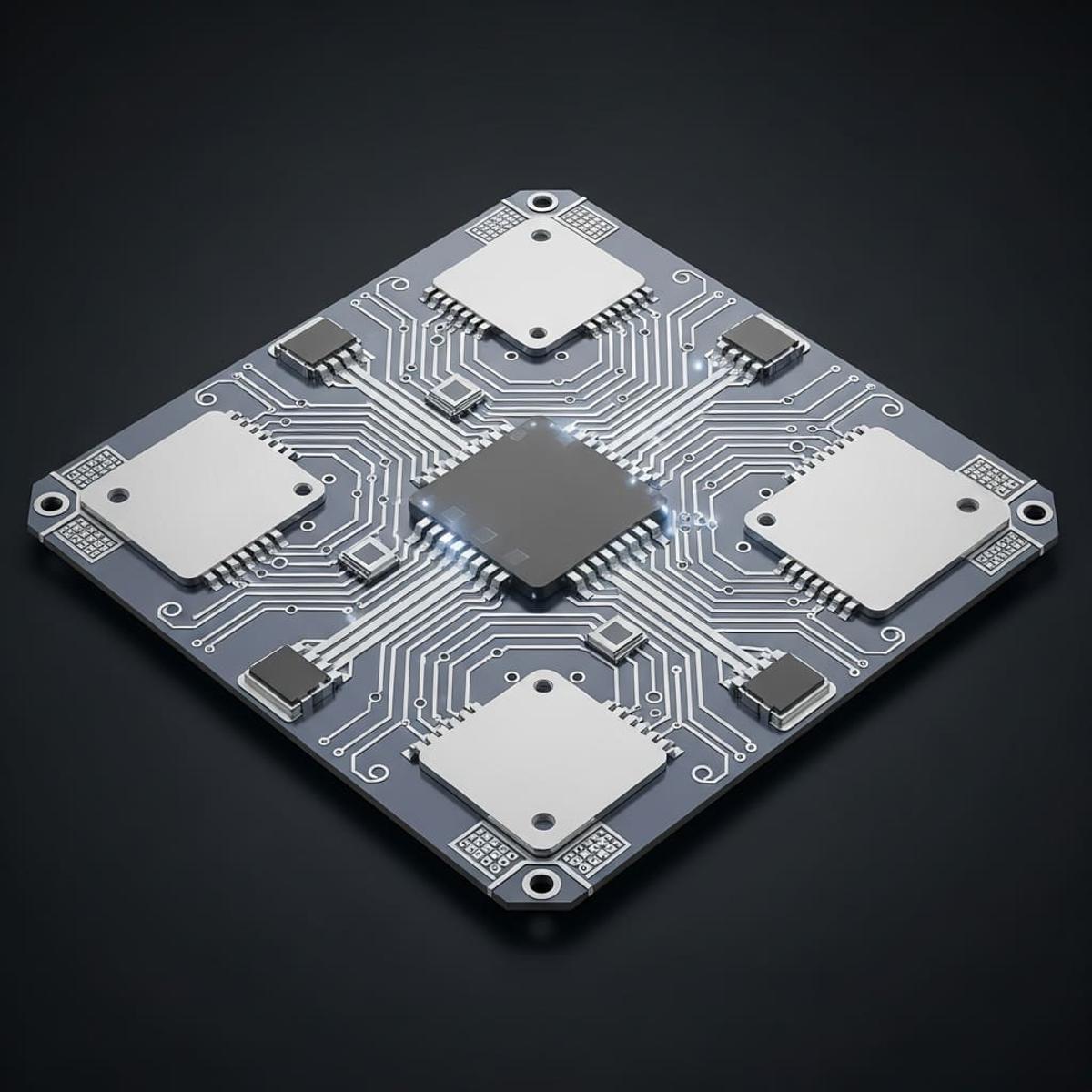
Flux-Tunable Transmon Achieves Robust Performance with 4hb-Tas Josephson Junctions
Researchers at Technion have demonstrated a flux‑tunable transmon qubit that incorporates a van‑der‑Waals 4Hb‑TaS₂ crystal via an Al/AlOₓ/4Hb‑TaS₂ Josephson junction. The hybrid fabrication process is fully compatible with conventional transmon manufacturing and yields coherent qubit operation inside a 3D cavity....
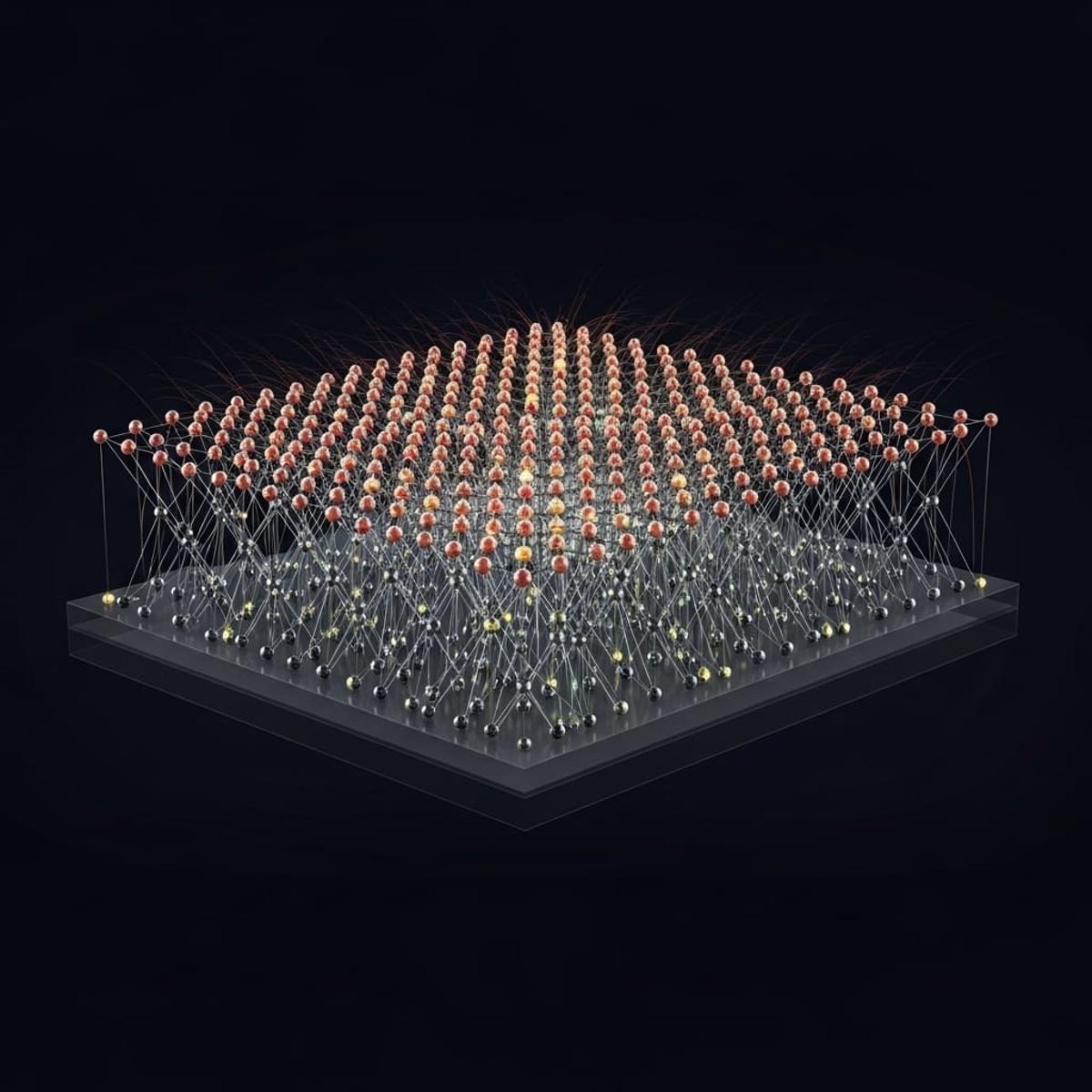
Silicon-On-Insulator Achieves Coupled Colour Centre Formation for Photon Sources
Researchers have demonstrated controlled formation of multiple colour centres—including T, W, G, and the newly observed CN—in silicon‑on‑insulator (SOI) platforms. By systematically varying carbon and hydrogen ion implantation, annealing temperature (200‑600 °C) and duration (30‑600 s), they identified optimal conditions such as...
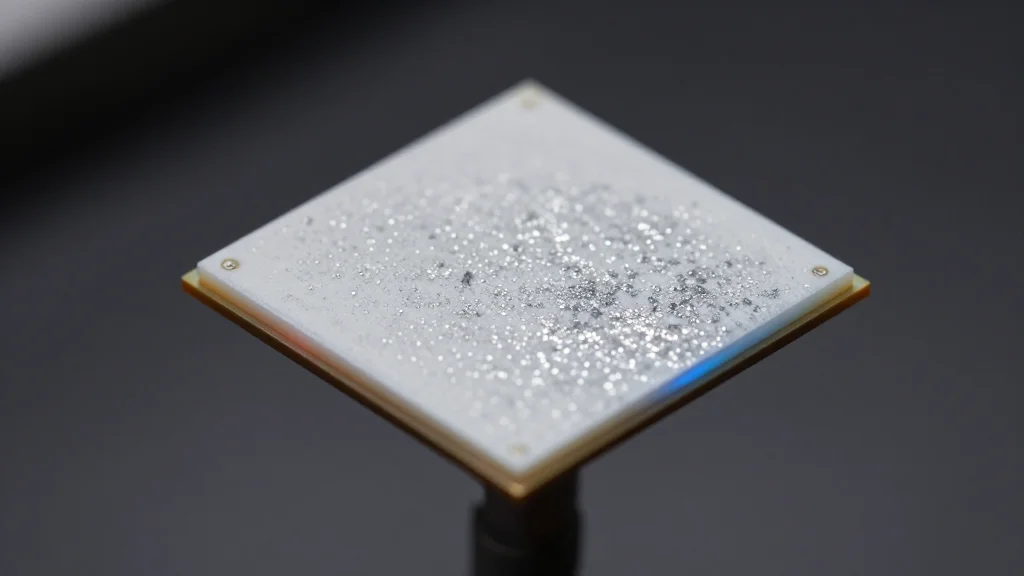
Nanosheet Sensor Detects Ethanol at Parts-per-Billion Levels Using Minimal Power
Researchers at Yonsei University have created a chemiresistive gas sensor that combines a tin‑dioxide thin film with ruthenium‑dioxide nanosheets, achieving ethanol detection down to 5 ppb while consuming less than 30 mW. The hybrid structure leverages catalytic activity and electronic sensitization to...

Metasurfaces Smooth Light to Boost Magnetic Sensing Precision
Researchers at Beihang and Westlake Universities introduced a polarization‑encoded metasurface that transforms a Gaussian laser beam into a uniform intensity profile for optical pumping. The chip‑scale device uses silicon nanoantennas to map intensity into polarization, producing a flat beam that...

Nitral Superconducting Density of States Advances Cosmic Radiation Device Quality
Researchers used scanning tunneling microscopy to map the superconducting density of states in nitridized‑aluminum (NitrAl) thin films. The study found a clean, near‑zero in‑gap density, a gap centered at ~360 µeV—larger than pure Al—and only ~10 % nanometer‑scale variation across the film....
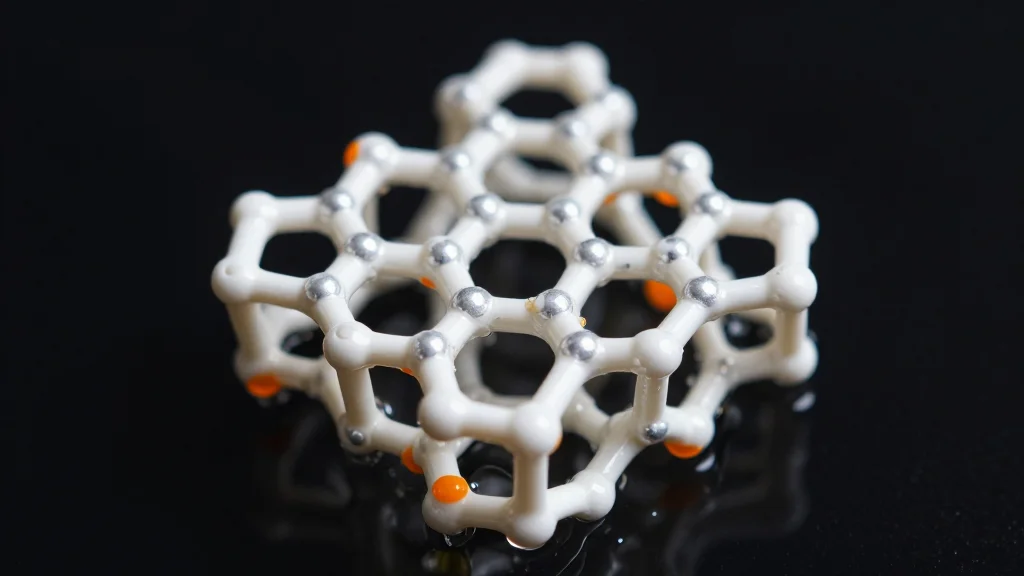
3D Covalent Organic Framework Offers Sustainable Solution for Wastewater Treatment
Researchers at Tohoku University unveiled TU-123, a three‑dimensional imidazole‑linked covalent organic framework that captures anionic dyes from wastewater with unprecedented efficiency. The material achieves a maximum adsorption capacity of 495 mg g⁻¹ for Acid Orange 7 and removes over 86 % of the dye...
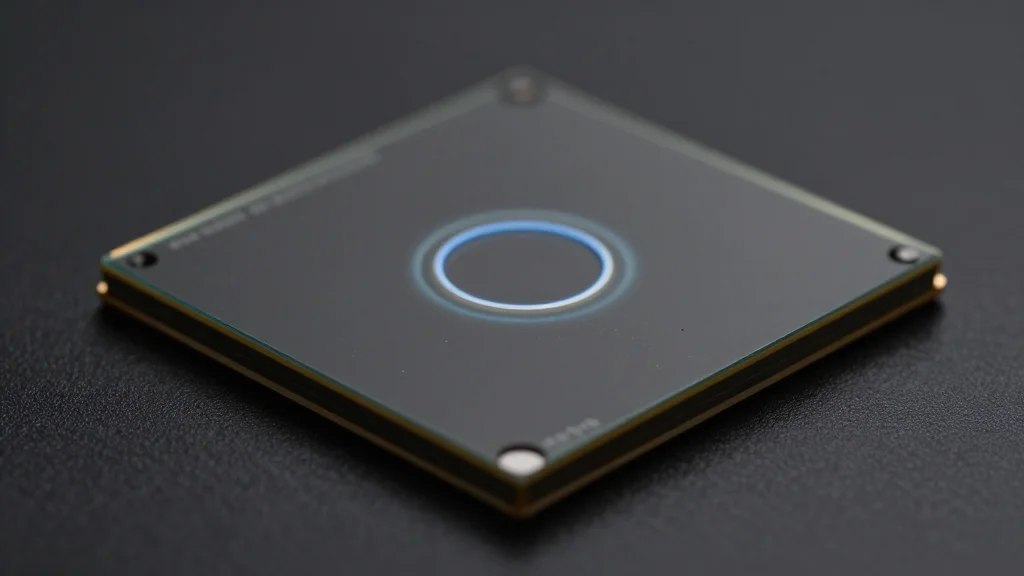
Atomic Layer Processing for Silicon Carbide-Based Quantum Photonic Circuits
Atomic‑layer etching (ALE) is being applied to silicon carbide (SiC) photonic components, dramatically reducing surface roughness and optical losses in waveguides and ring resonators. The ALP‑4‑SiC project, a collaboration between the Max Planck Institute for the Science of Light and Fraunhofer...
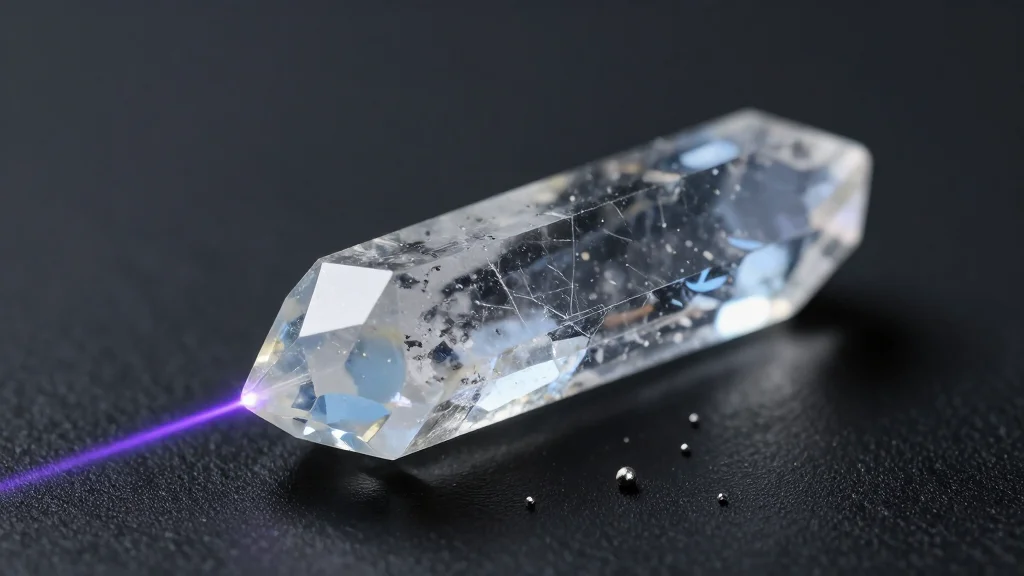
Zinc Doping Enables Visible-Light Programming of Ferroelectric Memristors for Neuromorphic Computing
Researchers at Hebei University have demonstrated that adding 5 mol % zinc ions to lithium niobate crystals reduces the ferroelectric polarization‑switching barrier by roughly 69 %, enabling reliable, non‑volatile programming of memristors with low‑intensity visible light. The zinc‑doped LiNbO₃ memristors operate with a...

New Study Reveals Hidden Topological Structure in Polarons
A new PNAS study reveals that polarons can host symmetry‑protected vortex‑like atomic distortion patterns, giving them a hidden topological structure that is stable across many crystalline solids. The research, led by the University of Texas at Austin, used large‑scale supercomputing...
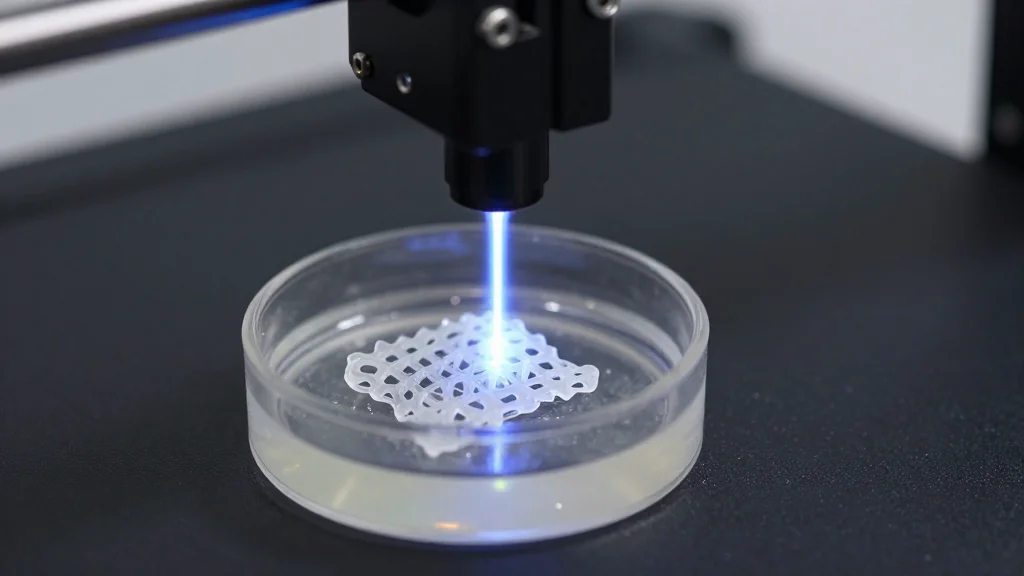
Light-Based 3D Printing Method Lets Scientists Program Plastic Properties at the Microscale
Researchers at Lawrence Livermore National Laboratory and partner institutions unveiled CRAFT, a light‑based 3D printing method that regulates thermoplastic crystallinity at the microscale. By adjusting light intensity during polymerization, the technique creates spatially varying rigid and flexible zones within a...

Low-Frequency Excitations Could Soon Be Mapped with Nanometer Precision
Researchers at ICFO have introduced wave‑mixing cathodoluminescence (WMCL), a theoretical method that captures low‑frequency far‑infrared and terahertz excitations with nanometer spatial resolution. The technique combines an electron beam‑induced excitation with a visible laser, using nonlinear wave mixing to encode terahertz...
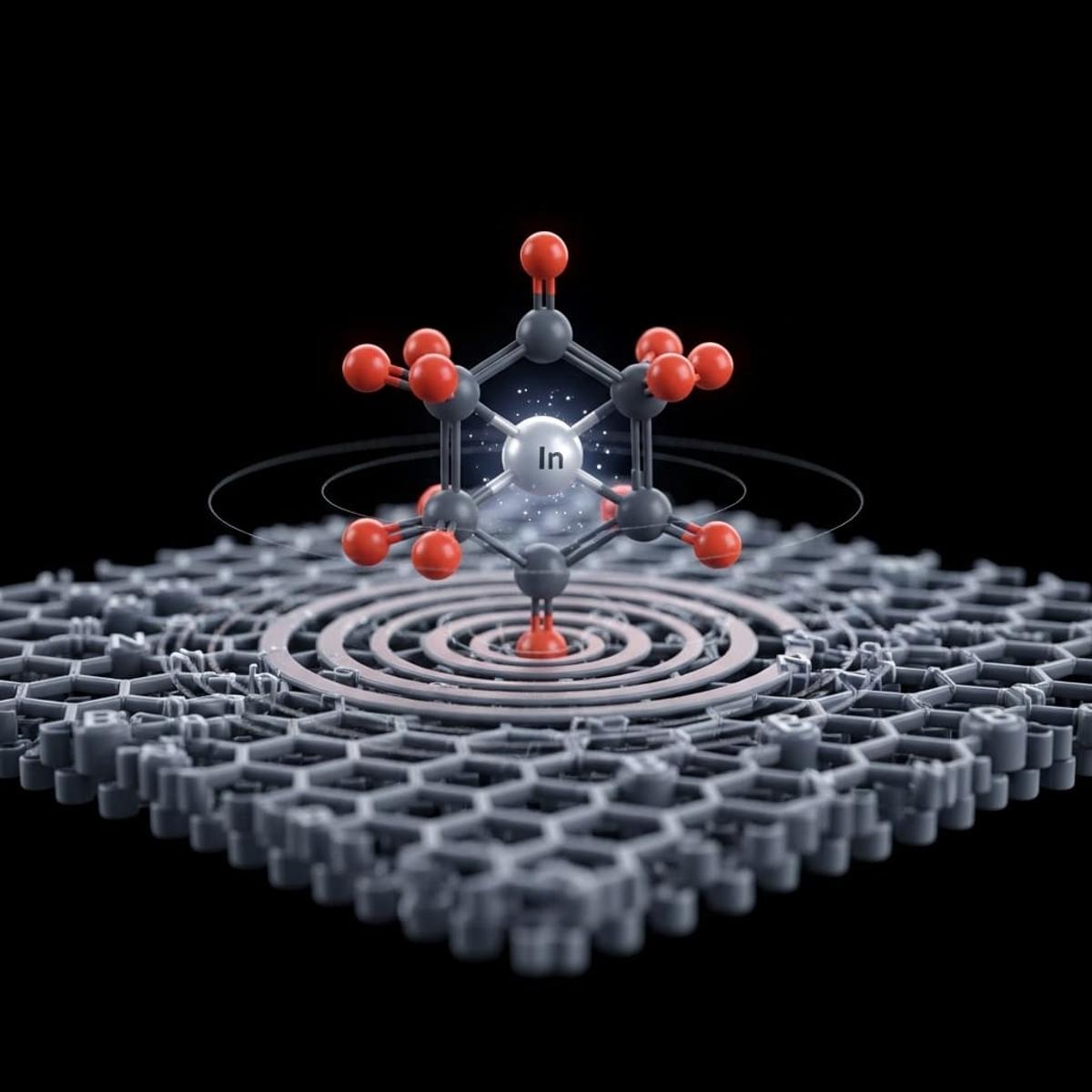
S Coherence Achieved in Surface-Scaffolded Molecular Qubit Via hBN Stabilisation
Scientists at the University of Chicago and Northwestern University have created a surface‑scaffolded molecular qubit by placing deuterated pentacene molecules on hexagonal boron nitride (hBN). The platform achieves a record‑breaking 214 µs coherence time under dynamical decoupling, surpassing shallow nitrogen‑vacancy (NV)...