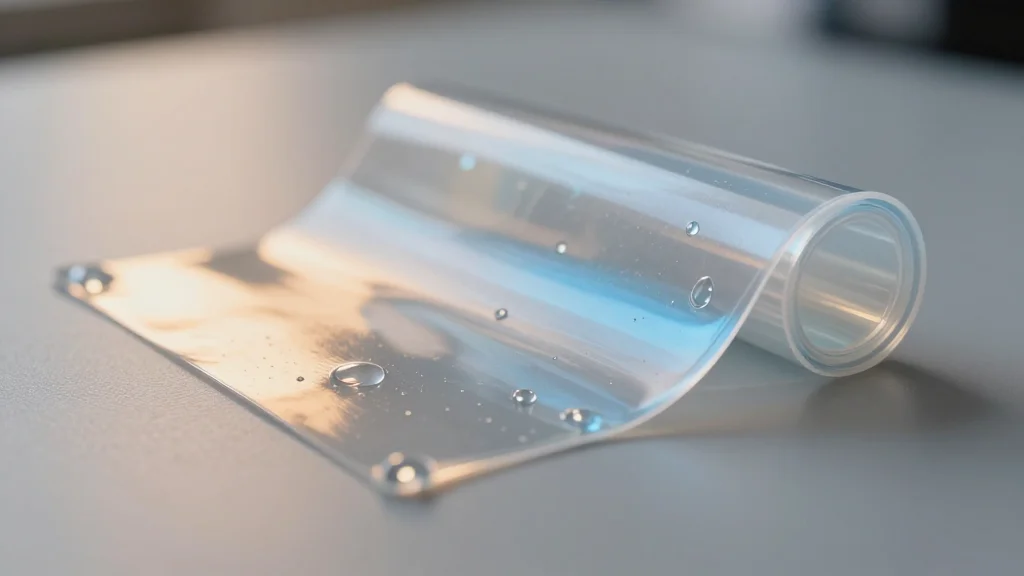
New Thermochromic Film Autonomously Switches Between Heating and Cooling for Year-Round Thermal Management
Researchers at the University of Science and Technology of China have created a thermochromic composite film that autonomously toggles between passive heating and radiative cooling based on ambient temperature. The film embeds 4‑6 µm phase‑change microcapsules in a porous PVDF‑HFP matrix, achieving high infrared emissivity in the 8‑13 µm atmospheric window while independently modulating visible solar absorption. Laboratory tests report net heating power of ~245 W m⁻² and cooling power of ~86 W m⁻², with field trials maintaining up to 10 °C sub‑ambient temperatures and average cooling of ~103 W m⁻². Energy‑plus simulations suggest annual building energy reductions exceeding 30 MJ m⁻² and CO₂ cuts of 5 kg m⁻² yr⁻¹, with applications in vehicles and UAVs.

New AI Method Revolutionises the Design of Enzymes
Researchers at TU Graz and the University of Graz unveiled Riff‑Diff, a novel AI‑driven platform that builds enzyme scaffolds directly around a chosen active centre. The method combines generative models like RFdiffusion with atomistic refinement, achieving angstrom‑level precision and producing enzymes...
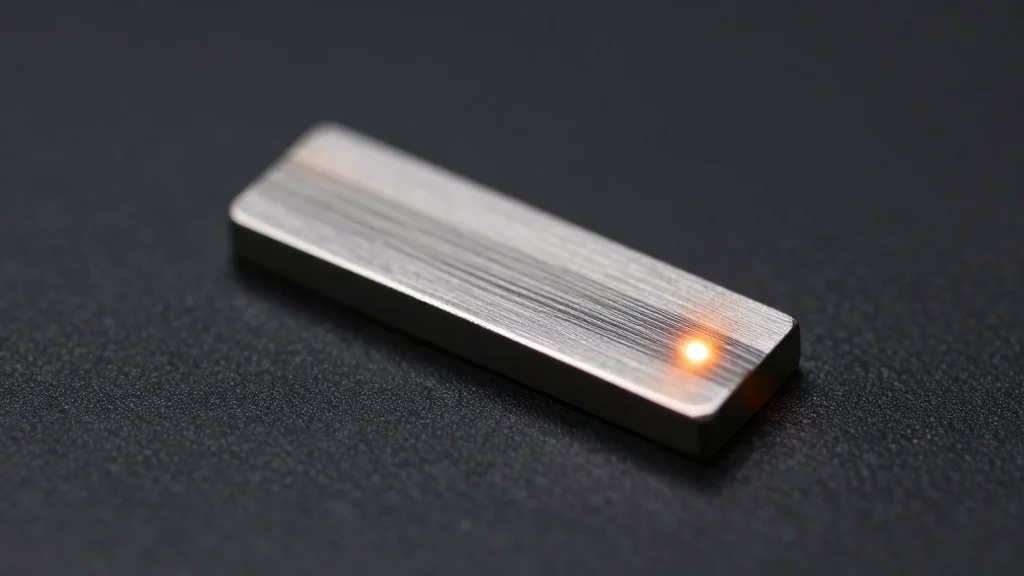
Next-Generation Materials for Additive Manufacturing
Scientists at Lawrence Livermore National Laboratory have demonstrated that adjusting laser scan speed during additive manufacturing of a eutectic high‑entropy alloy can directly control atomic‑scale microstructures and resulting mechanical properties. By coupling thermodynamic modeling with molecular dynamics, they showed faster...

Physicists Experimentally Realize a Two-Dimensional Topological Crystalline Insulator
Physicists have experimentally realized a two‑dimensional topological crystalline insulator by growing a bilayer tin telluride (SnTe) film on a niobium diselenide (NbSe₂) substrate. Using molecular‑beam epitaxy and low‑temperature scanning tunneling microscopy, they observed conducting edge states protected by crystal symmetry...
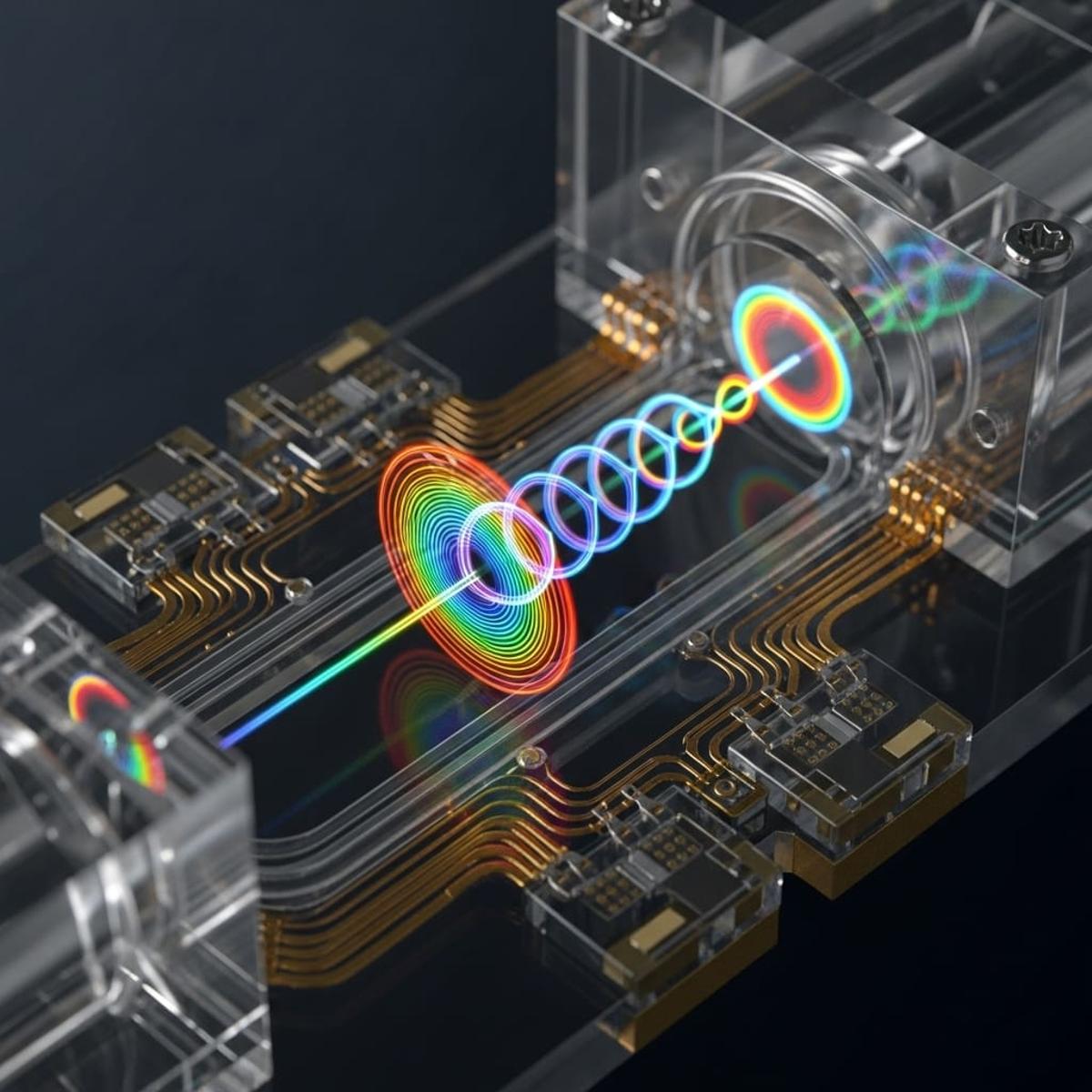
Electrical Detection Achieves Direct Readout of Optical Orbital Angular Momentum
Researchers at Peking University have demonstrated a silicon‑on‑chip photodetector that directly converts optical orbital angular momentum (OAM) into electrical currents. The device covers topological charges from –9 to +9, achieving a record‑high OAM responsivity of 226 nA W⁻¹. By employing momentum‑matched plasmonic...
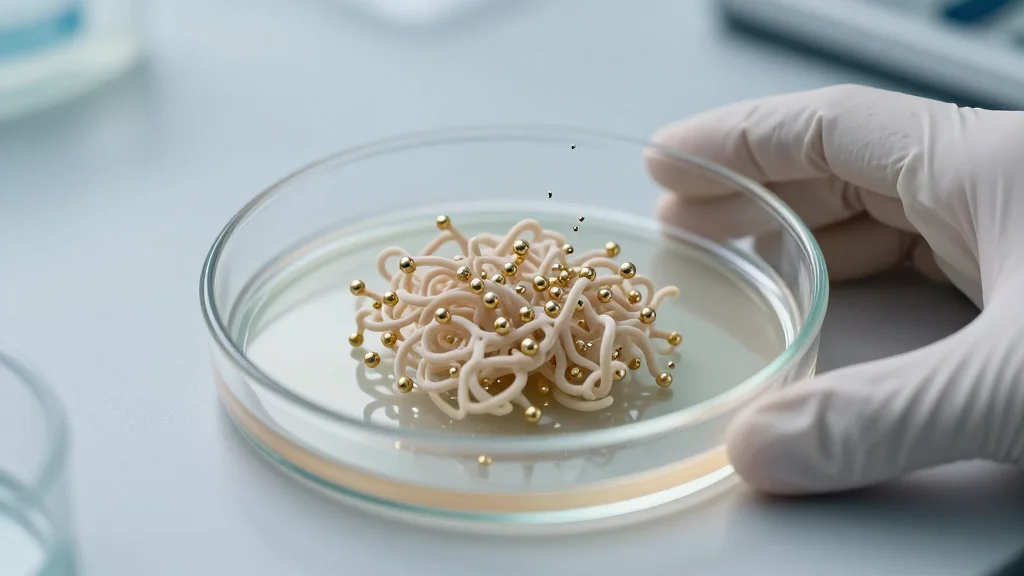
New Nanoparticle Technology Offers Hope for Hard-to-Treat Diseases
A team led by Prof. Bingyang Shi at UTS has unveiled nanoparticle‑mediated targeting chimeras (NPTACs), engineered particles that bind and degrade disease‑causing proteins both inside and outside cells. The technology can cross the blood‑brain barrier, enabling precision treatment of hard‑to‑reach...

Tuning Color Through Molecular Stacking: A New Strategy for Smarter Pressure Sensors
Researchers at Osaka Metropolitan University discovered that initially stacked benzene layers, specifically a [2.2]paracyclophane moiety, dramatically amplify fluorescence color shifts when subjected to pressure. The study compared two organoboron crystals: pCP‑H, which forms π‑stacked dimer layers and exhibits a pronounced...

Al/Ingaas System Achieves Continuous Films with No Detectable Indium Interdiffusion
Scientists have demonstrated a robust method for growing epitaxial aluminium films on indium‑gallium arsenide (InGaAs) using molecular‑beam epitaxy at near‑room temperature. By depositing aluminium at 3 Å s⁻¹ onto a 14 °C substrate, they achieved continuous, superconducting layers with no detectable indium interdiffusion....
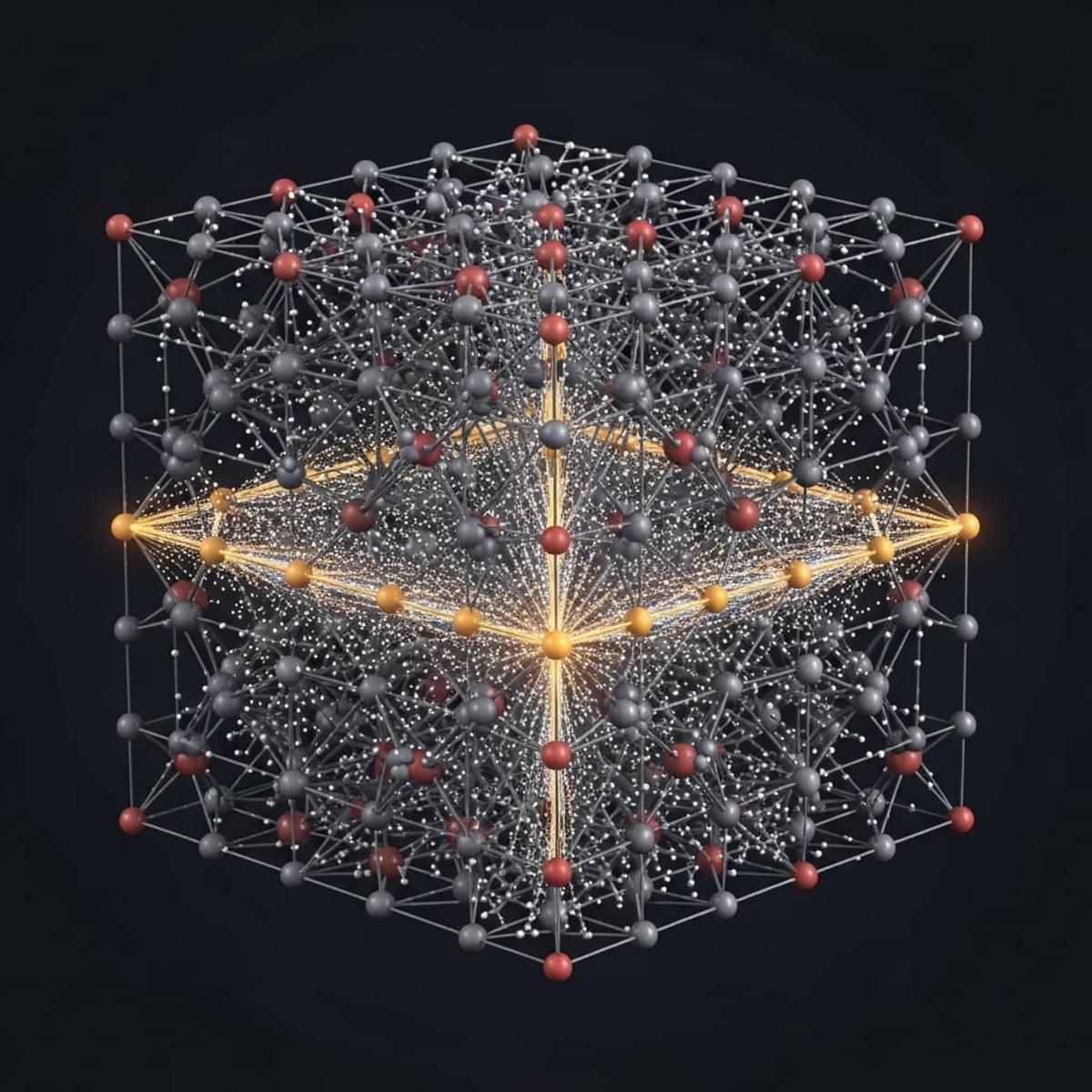
Electrons Meet Ferroelastic Walls in Strontium Titanate, Advancing Oxide Electronics
Researchers have shown that ferroelastic domain walls in strontium titanate (SrTiO₃) are active participants in electron transport, exhibiting emergent polar order, glass‑like relaxations and memory effects. Using resonant piezospectroscopy, electric‑field‑dependent optical imaging, scanning SQUID and single‑electron‑transistor microscopy, they visualized wall...

Using Magnetic Frustration to Probe New Quantum Possibilities
UC Santa Barbara researchers led by Stephen Wilson have shown that magnetic and bond frustration can coexist in a triangular‑lattice antiferromagnet, creating a dual‑frustrated system. By embedding lanthanide moments in a crystal that also hosts strained dimer bonds, they demonstrated that tiny...
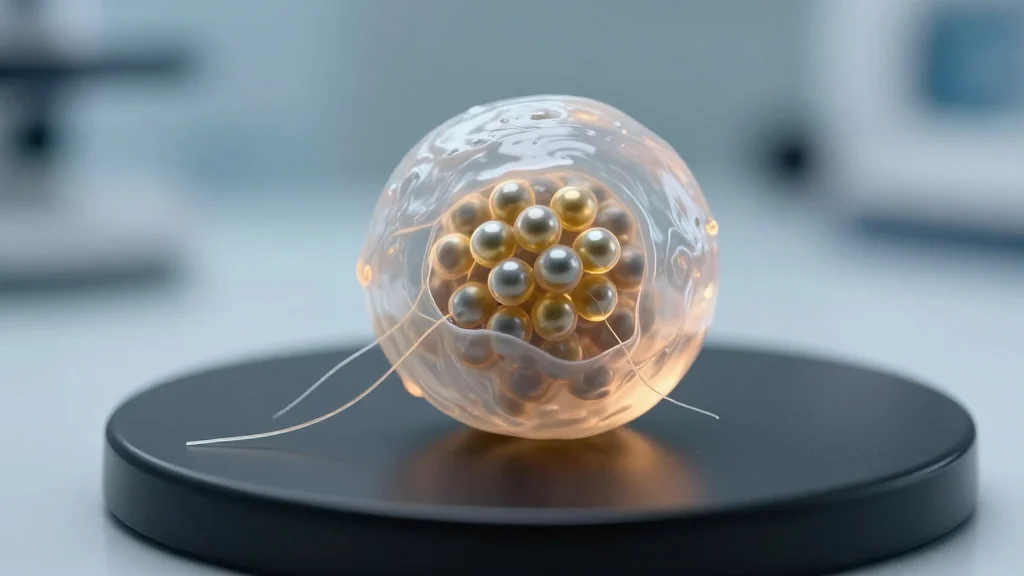
Soft Nanoparticles Exploit Membrane Stiffness to Deliver mRNA Selectively Into Cancer Cells
Researchers at Xidian University have engineered soft‑membrane nanoparticles (PGC@FM) that fuse selectively with cancer cells, exploiting the lower membrane stiffness of tumors. The particles deliver mRNA directly to the cytoplasm, bypassing lysosomal degradation that plagues conventional lipid nanoparticles. In mouse...
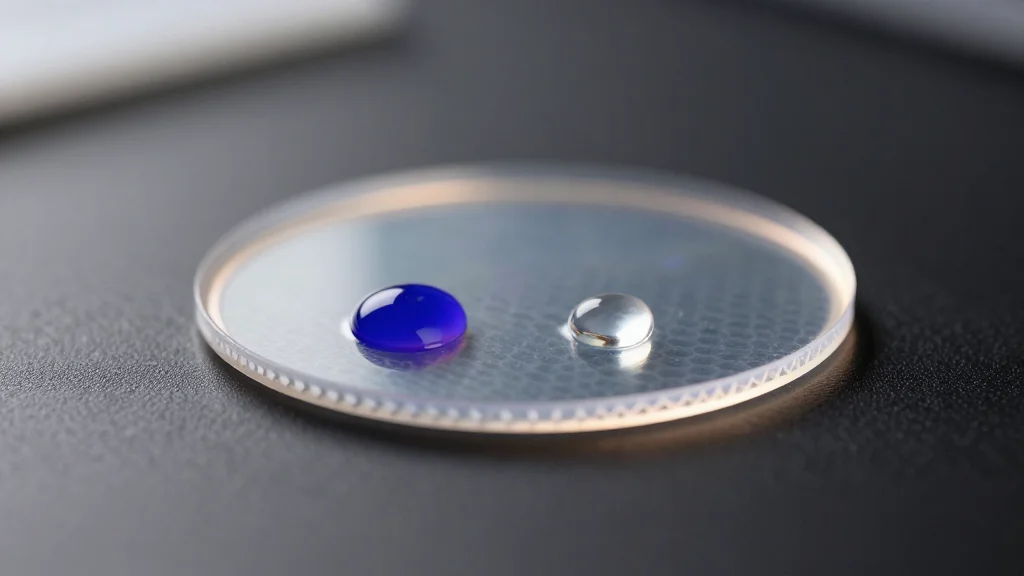
When Scientists Build Nanoscale Architecture to Solve Textile and Pharmaceutical Industry Challenges
Scientists from CSMCRI, IIT Gandhinagar, NTU Singapore and S N Bose have created ultra‑selective crystalline membranes called POMbranes, featuring permanent 1 nm pores. The membranes achieve ten‑fold higher separation performance than conventional polymer filters while remaining flexible, chemically stable and scalable. Laboratory tests show...

Quantum Dots Achieve 0.7 Energy Shifts Via Phononic Crystal Waveguide Coupling
Researchers from Wrocław University of Science and Technology and the University of Münster have theoretically demonstrated strong coupling between quantum dots and gigahertz phononic crystal waveguides, achieving energy shifts up to 0.7 meV. By combining k·p and configuration‑interaction modeling, they show...

Room-Temperature Microscopy Achieves Spatially-Resolved Coherence in Molecular Spin Thin-Films
Researchers at UNSW Sydney have demonstrated room‑temperature, optically detected coherent control of organic molecular spins combined with microscopy to map spatial coherence in pentacene‑doped p‑terphenyl thin‑films and crystals. The study reveals that thin‑films exhibit up to 7.6 % variability in magnetic‑field...

Tungsten Oxide Nanorods with Removable Dopants Enable Low-Cost Sodium-Based Smart Windows
Researchers at Seoul National University of Science and Technology have introduced thermally removable dopants into hexagonal tungsten‑oxide nanorods, unlocking sodium‑ion electrochromic activity. The dopant‑free tunnels allow low‑cost sodium electrolytes to deliver near‑infrared (NIR) modulation comparable to lithium‑based systems, even with...

Tackling Thermal Management Challenges in Portable Fuel Cell Reactors
Researchers in Japan have unveiled a palm‑sized solid‑oxide fuel cell (SOFC) microreactor that can reach 600 °C within five minutes and generate electricity for edge devices. The device uses a yttria‑stabilized zirconia cantilever structure and a multilayer insulation system to eliminate...
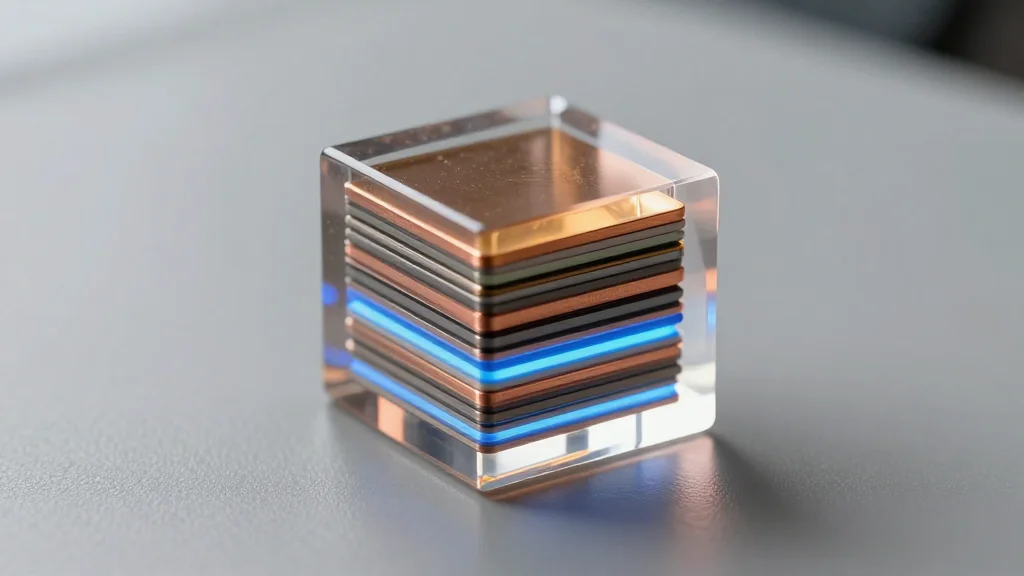
Stacked Memristor Arrays Compute Euclidean Distance in Memory to Accelerate Self-Organizing Maps
Researchers at Hanyang University have built a three‑dimensional stacked memristor cross‑bar array that computes squared Euclidean distance directly in memory, eliminating the need for external arithmetic circuits. The 2 × 32 × 32 architecture stores raw weights in a lower layer and their squares...
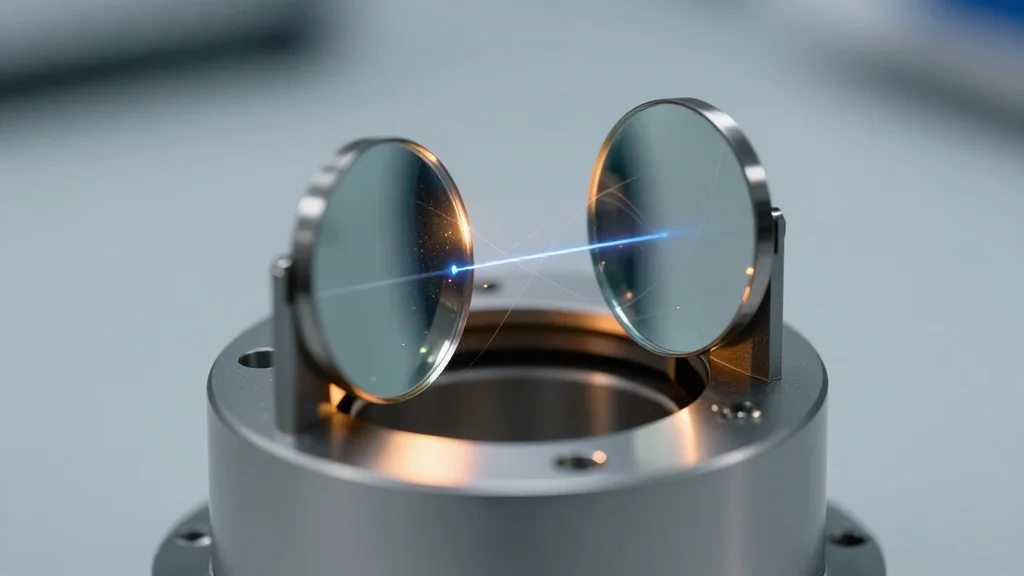
Double-Cycle Circular Cavity Raman System Enables Stable, High-Sensitivity Gas Detection
A research team at the Chinese Academy of Sciences has unveiled a double‑cycle circular confocal Raman‑spectroscopy system (C‑CERS) that doubles the optical path length and tolerates misalignment. By arranging spherical mirrors in a confocal ring and adding a retro‑reflector, the...

Untangling Tree-Like Structures Within Thin-Films
Researchers at Tokyo University of Science unveiled a novel method to analyze dendritic growth in thin‑film materials. By combining persistent homology, a topological data analysis technique, with principal component analysis, they correlated dendrite shapes to Gibbs free energy gradients. The...
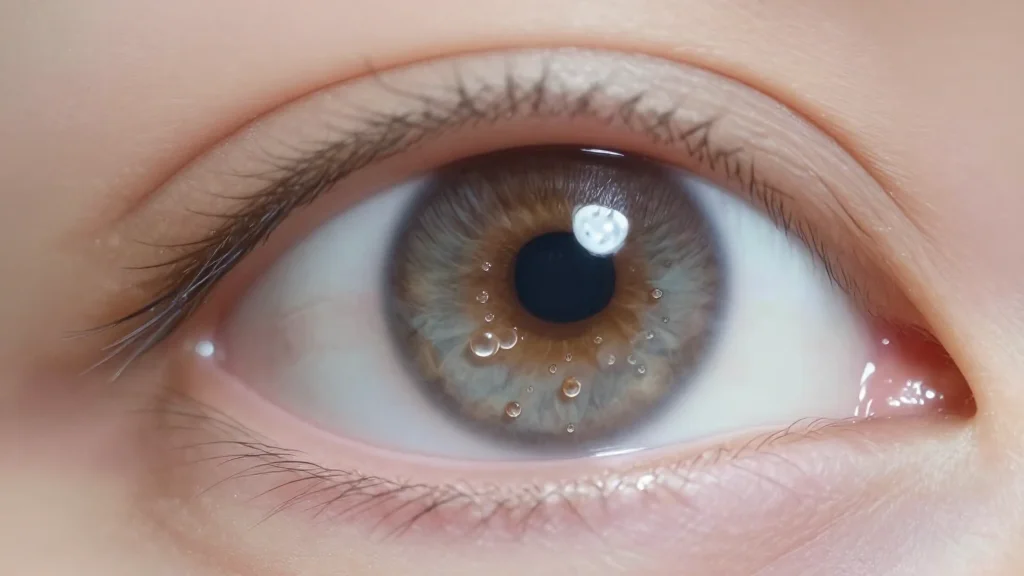
Nanoparticles that Shrink over Time Deliver Eye Drugs to the Retina without Injections
Researchers at Wenzhou Medical University have engineered size‑evolving nanoparticles that can be administered as eye drops to deliver the anti‑VEGF protein bevacizumab to the retina. The particles begin at roughly 214 nm, linger on the ocular surface, and shrink to about...
New Quantum Boundary Discovered: Spin Size Determines How the Kondo Effect Behaves
Researchers at Osaka Metropolitan University have experimentally realized a Kondo‑necklace model using an organic‑inorganic hybrid crystal, allowing direct comparison of spin‑½ and spin‑1 lattices. Thermodynamic measurements show that spin‑½ moments form non‑magnetic singlets, while spin‑1 moments develop long‑range magnetic order....

Db Signal Boost Achieved by Mitigating Nonlinear Transduction Noise in Cavity Optomechanics
Researchers at the Technical University of Denmark introduced a nonlinear transform that fully suppresses thermal intermodulation noise (TIN) in high‑cooperativity cavity optomechanics. By inverting the full cavity response, they eliminated TIN of all orders, including the first experimental detection of...
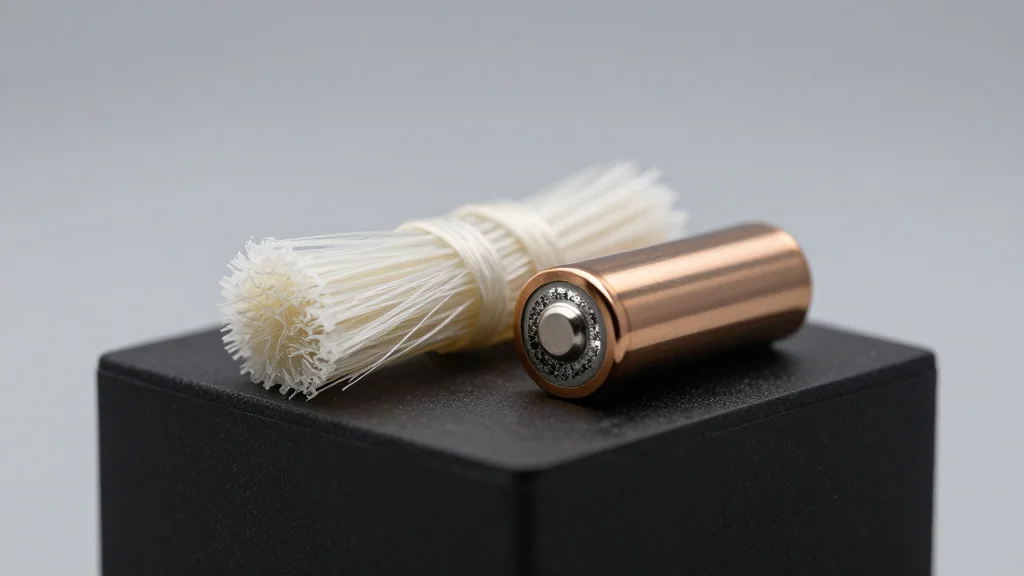
Turning Retired Wind Turbine Blades Into High-Performance Lithium-Ion Battery Anodes
Retired wind turbine blades, made of glass‑fiber‑reinforced plastics, can be upcycled into high‑performance silicon‑carbon anodes for lithium‑ion batteries. Researchers at Hebei University of Technology devised a multistep chemical route that transforms the silica‑rich fibers into a porous silicon framework with...

Defect Engineered MoS2 Films Boost Solar CO2 Conversion
Researchers at National Taiwan University have introduced a capped vapor‑liquid‑solid (VLS) method to synthesize wafer‑scale ultrathin Mo₁₋ₓVₓS₂ alloy films with engineered sulfur vacancies. The vanadium‑sulfur‑vacancy (V‑S‑vac) pairs act as highly active sites, boosting solar‑driven CO₂‑to‑CO conversion rates to roughly five...

A Self-Assembling Shortcut to Better Organic Solar Cells
Osaka Metropolitan University researchers have engineered a donor‑acceptor‑donor molecule, TISQ, that self‑assembles into built‑in p/n junctions essential for organic thin‑film solar cells. Depending on solvent polarity, TISQ forms nanoparticle‑like J‑type aggregates or fibrous H‑type aggregates, each exhibiting distinct charge‑transport behavior....

Dual Closed-Loop Insulin System Adds Chemical Safeguard to Protect Against Dangerous Overdoses
Researchers unveiled a wearable dual closed‑loop insulin system that combines a Transformer‑based AI controller with a glucose‑responsive polymer insulin. The chemical safeguard releases insulin only when blood glucose rises, while the AI predicts glucose trends and directs pump delivery. In...

Atomistic Simulation Software CP2K Enables AI Models
CP2K, the open‑source atomistic simulation suite, has released a comprehensive overview aimed at newcomers in theoretical chemistry and materials science. The paper details CP2K’s hybrid classical‑quantum methods, its ability to run on tens of thousands of CPUs or thousands of...
Ultrafast Spectroscopy Allows New Insights Into Energy Flow in Semiconductors
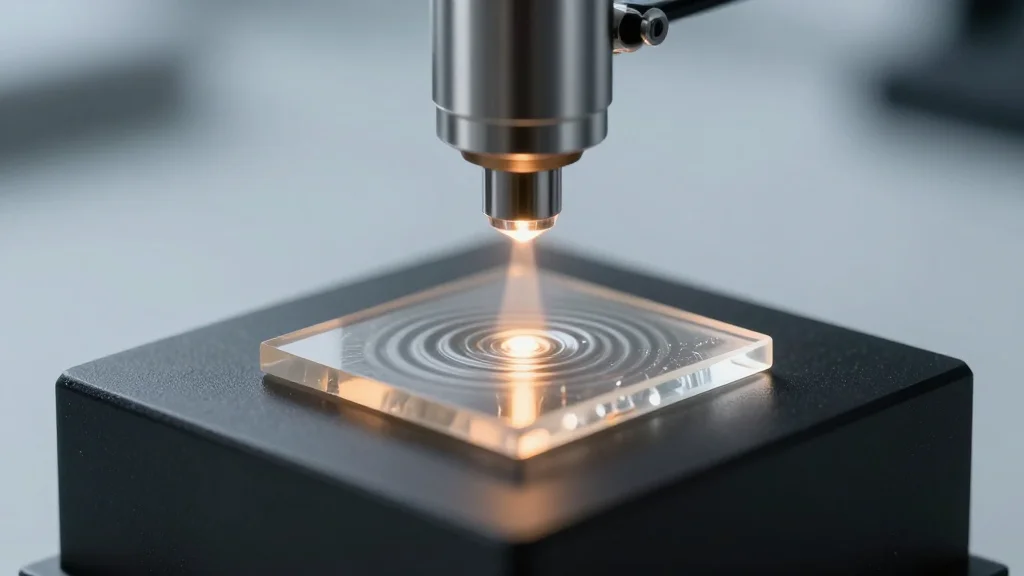
Researchers at the University of Basel employed ultrafast spectroscopy to map energy flow in germanium, a key semiconductor material. By pairing time‑resolved Raman spectroscopy with transient reflection, they tracked electron‑to‑phonon transfer after 30‑fs laser excitation with picosecond resolution. The method...

Atomic Force Microscopy Reveals Nanoscopic Raft Dynamics on Cell Membranes
Scientists at National Taiwan University combined atomic force microscopy with a Hadamard product‑based image reconstruction algorithm to directly visualize membrane raft dynamics on live cells for the first time. The study captured the formation, fusion, and dissolution of nanoscopic rafts...

Atomic-Scale Channels Destroy Water Pollutants that Treatment Plants Cannot Touch
Researchers have engineered a copper‑single‑atom catalyst confined within MXene interlayer nano‑channels (Cu‑SACs/MXene) that achieves 94.9% removal of bisphenol A in just five minutes. The 1.37 nm channels concentrate oxidants and accelerate mass transport, while the isolated Cu atoms cycle between Cu⁺/Cu²⁺ to...

Team Develops a Better Method to Create 2D Superlattices with a Twist
Stanford chemist Fang Liu unveiled a gold‑tape technique that produces ultraclean twisted 2D moiré superlattices with near‑100% yield and centimeter‑scale dimensions. The method replaces the low‑yield Scotch‑tape approach, enabling uniform samples of graphene, MoS₂ and other semiconductors. Using SSRL’s X‑ray...

Voltage Pulses Can Flip, Create, and Erase Magnetic Bimerons in Two-Dimensional Ferroelectrics
Researchers have demonstrated that voltage pulses can write, erase, and invert magnetic bimerons in a two‑dimensional ferroelectric by flipping the material's polarization. The flip reverses the Dzyaloshinskii‑Moriya interaction (DMI) chirality, changing the bimeron's topological charge from +1 to ‑1, while an antiferroelectric...

Upcoming US Clinical Trial to Test a Tiny Eye Implant that Could Restore Sight for Age-Related Macular Degeneration (AMD)
USC’s Roski Eye Institute, together with Regenerative Patch Technologies, is launching a phase 2b, multicenter, masked clinical trial of a stem‑cell‑derived retinal pigment epithelium (RPE) implant for advanced dry age‑related macular degeneration (AMD). The ultra‑thin patch, derived from embryonic stem...
Relief From Tooth Sensitivity with Magnetically Guided Nanobots
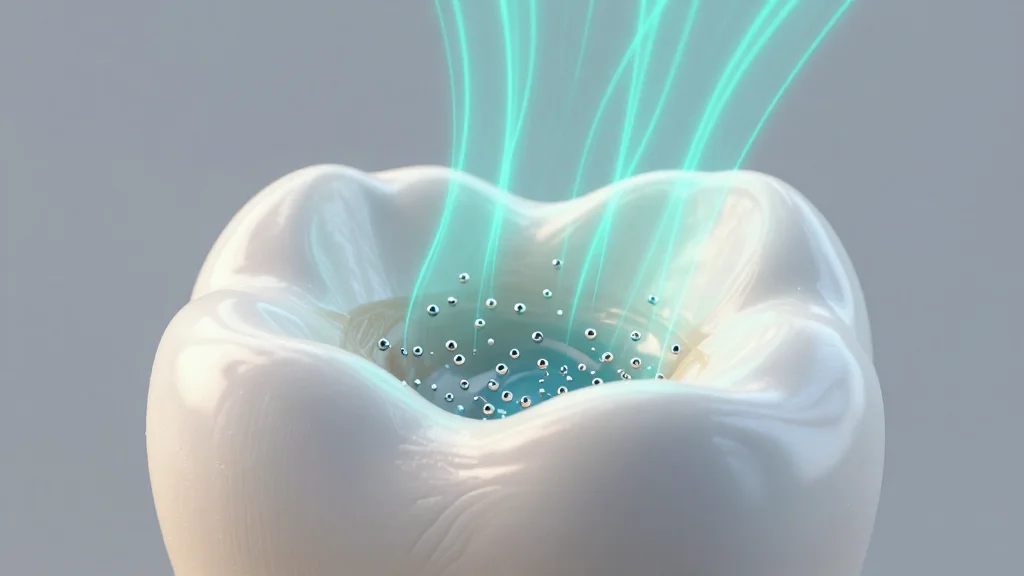
Researchers at IISc and deep‑tech startup Theranautilus have engineered CalBots, magnetic nanobots that penetrate dentinal tubules and form durable bioceramic seals to alleviate tooth hypersensitivity. The 400‑nm particles are guided by an external magnetic field, reaching depths of 300‑500 µm and...
A Bioinspired Hydrogel Patch with Controllable Adhesion Properties for Enhanced Soft Tissue Repair
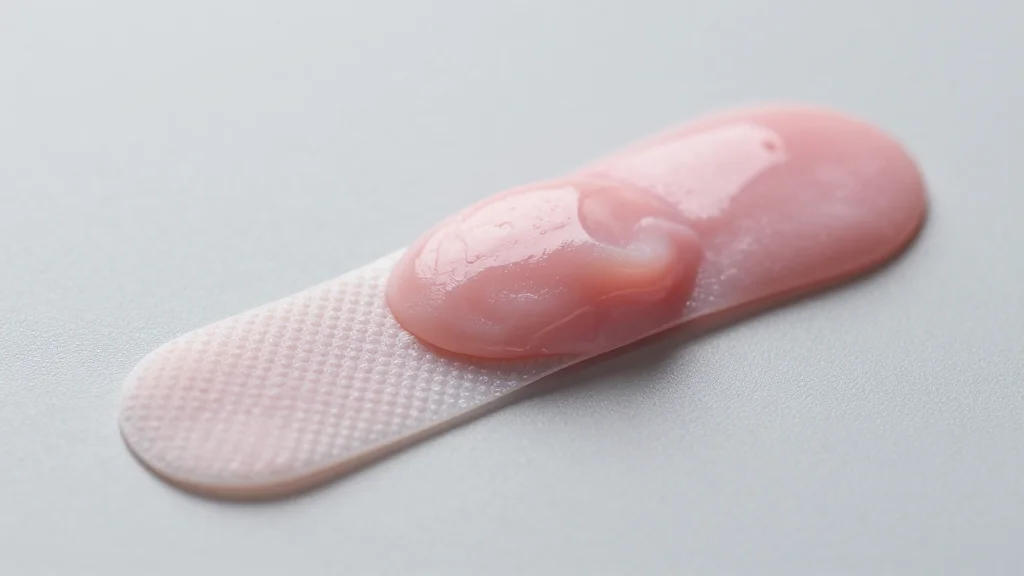
Researchers from Shenzhen University, the Chinese Academy of Sciences and Hong Kong Polytechnic University have created a bioinspired hydrogel patch with controllable adhesion for soft tissue repair. The dual‑sided device combines a suction‑cup‑like adhesive layer that can be repositioned and...

Healing Brain Cells and Tackling Neurodegenerative Diseases with Nanoflowers
Researchers at Texas A&M have shown that metallic “nanoflower” nanoparticles can protect and repair brain cells by improving mitochondrial health. In cell cultures, the nanoflowers sharply lowered reactive oxygen species and enhanced mitochondrial integrity within a day, and in C....
Updated: CM/Nano Primer - 2026 Edition
The blog post "CM/nano primer – 2026 edition" aggregates over thirty concise articles covering foundational and advanced topics in nanoscale and condensed‑matter physics. Updated for the first time since 2019, it links to explanations of temperature, quasiparticles, quantum effects, material...