
New Light-Based Nanotechnology Could Enable More Precise, Less Harmful Cancer Treatment
Researchers at NYU Abu Dhabi have engineered hydroxyapatite‑based nanoparticles loaded with a near‑infrared II (NIR‑II) dye for photothermal cancer therapy. The particles are coated with lipids and polymers to prolong circulation and feature an acidic‑responsive peptide that promotes tumor‑cell entry. When activated by NIR‑II light, they generate localized heat and emit fluorescent and thermal signals, enabling simultaneous tumor ablation and real‑time imaging. This dual‑mode platform promises a more precise, less toxic alternative to chemotherapy, radiation, and surgery.
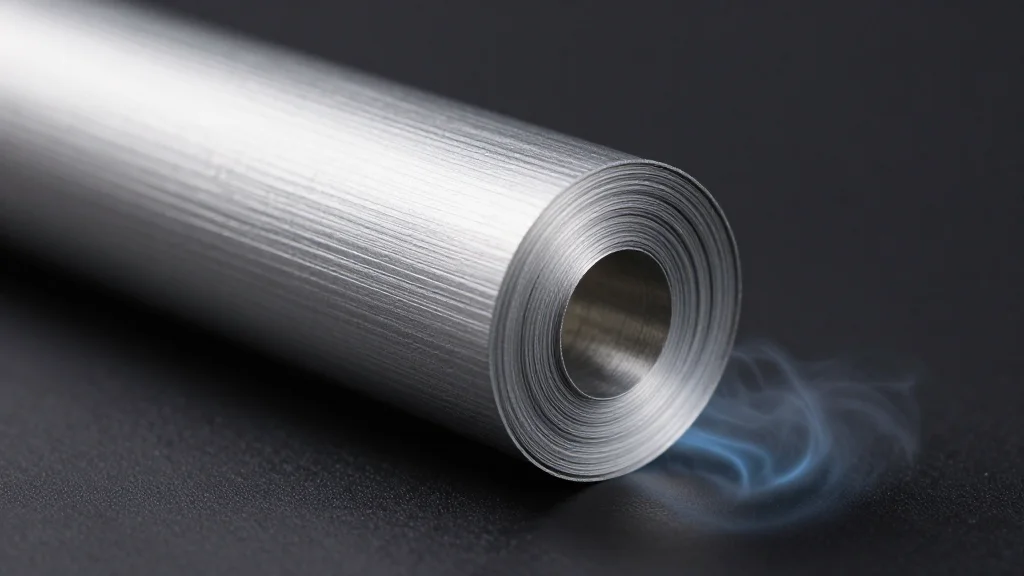
A New Method Rolls MXene Into Scrolls by the Gram Unlocking Superconductivity and Faster Ion Transport
Researchers at Drexel University and the University of Pennsylvania have devised a scalable method to roll MXene sheets into tubular scrolls, producing up to 10 g per batch with 45 % delamination efficiency. The scrolls exhibit a 33‑fold increase in electrical conductivity...

Engineering Graphene to Block and Detect Malaria
A recent review in Advanced NanoBiomed Research maps how graphene and its derivatives could be deployed at multiple points in the malaria fight. It details synthesis routes—from mechanical exfoliation to green chemistry— and highlights three intervention zones: physical barriers on...

Flexible Photodetector Selects Wavelengths Through Electrical Control
Researchers at Xi’an Jiaotong University have created a flexible photodetector that switches its peak wavelength response using only a gate voltage. The device leverages an asymmetric graphene‑MoS₂‑carbon‑nanotube heterostructure, delivering up to 40.3 A W⁻¹ responsivity and a detectivity of 1.3 × 10¹¹ Jones. Spectral tuning...
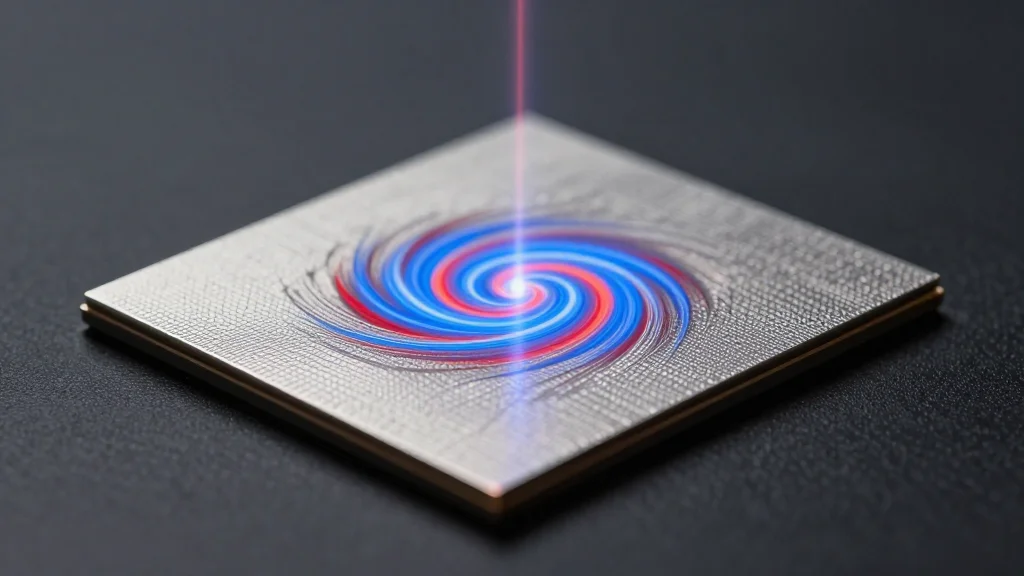
New Device Switches Terahertz Pulses Between Electric and Magnetic Skyrmions
Researchers at Tianjin University and Nanyang Technological University have demonstrated an optical device that can generate and actively switch between electric and magnetic skyrmion vortex patterns in free‑space terahertz pulses. The switching is achieved using a nonlinear metasurface illuminated by...

MXene Hydrogel Sensor Enables Heart and Breathing Monitoring in Endurance Sports
A stretchable MXene‑based hydrogel sensor has been demonstrated to monitor heart rate and respiration continuously during intense endurance exercise. The dual‑network polymer retains over 94 % of its water content after six hours at 38 °C, stretches up to 800 % strain, and...

Reading Neurochemical Signals with Integrated Graphene-CMOS
Researchers at INL unveiled a CMOS platform that simultaneously reads 32 graphene field‑effect transistor sensors at 16 kS/s per channel, enabling real‑time, high‑resolution mapping of neurochemical signals. The integrated chip converts minute ionic currents into digital data while maintaining low power...
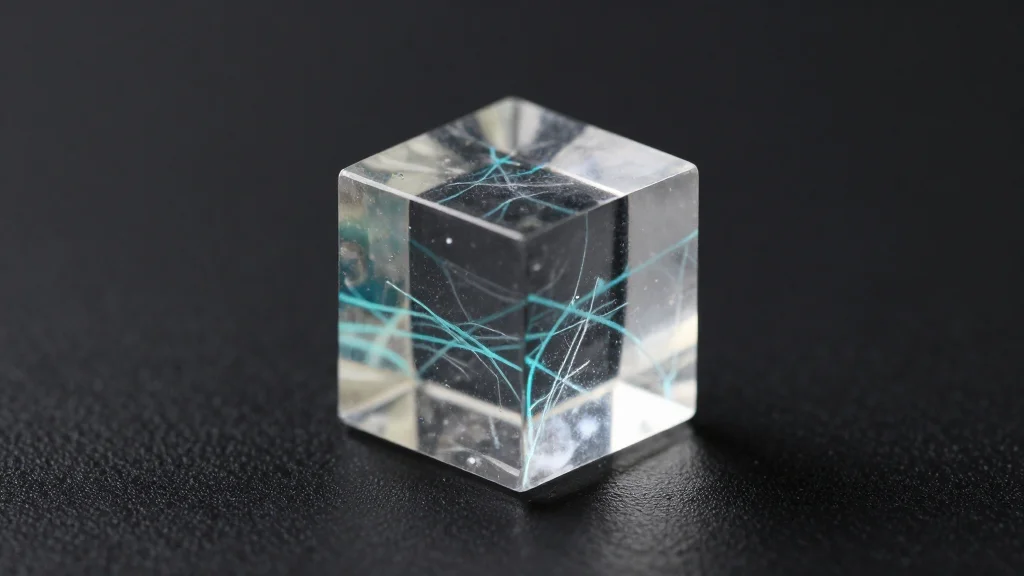
Battery Electrolyte Stays Solid at Room Temperature yet Conducts Ions Like a Liquid
Researchers at UNIST and KAIST have created a solid‑state electrolyte from ethylene carbonate that remains crystalline at room temperature yet conducts lithium ions at 0.64 mS cm⁻¹. By using a very low concentration of LiTFSI, the mixture (EC₀.₂ₜ) freezes around 29 °C, forming...

How Topological Surfaces Boost Clean Energy Catalysts
Researchers at Tohoku University demonstrated that monolayer PtBi₂ retains its topological surface states even when covered by a hydroxyl layer during the oxygen reduction reaction (ORR). The hydroxyl‑induced electrochemical surface state reshapes the electronic structure, creating spin‑orbit‑coupled states with high...

One-Step 3D Microfluidic Chip Brings Cells Closer to Real Tissues
Researchers at the University of Macau introduced a digital microfluidic chip fabricated in a single 3D‑printing step that incorporates micro‑structured wells directly onto the electrodes. The device precisely moves droplets, captures cells, and rapidly forms viable 3D spheroids that persist...
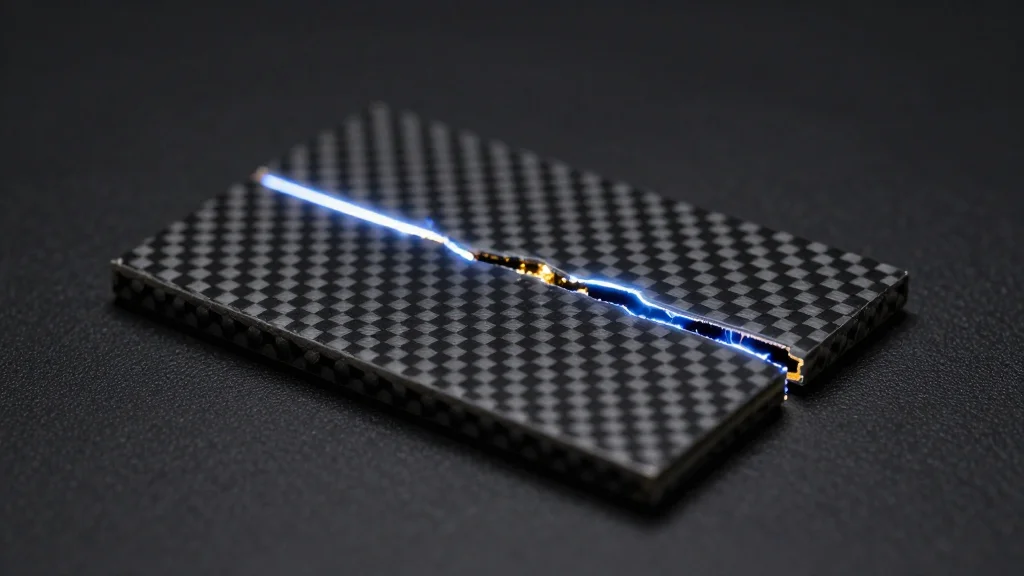
Self-Powered Nanocomposite Material Detects Its Own Cracks
Researchers at Tohoku University have created a carbon‑fiber‑reinforced polymer (CFRP) composite that incorporates a lead‑free piezoelectric nanomaterial, potassium sodium niobate (KNN), to harvest vibration energy and detect internal cracks. The material generates up to 13.6 V under vibration, and the output...

Atomic Spins Set Quantum Fluid in Motion
Researchers at the Institute of Science Tokyo have experimentally demonstrated the Einstein–de Haas effect in a quantum fluid by using a Bose–Einstein condensate of highly magnetic europium atoms. By lowering a weak magnetic field from 1 µT to a few nT, spin...
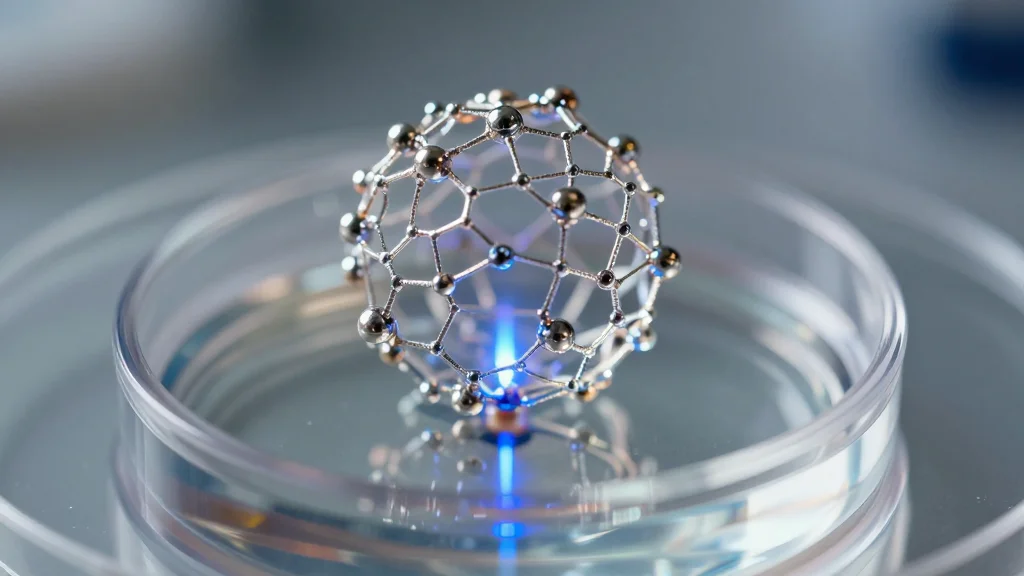
Beyond Polymers: New State-of-the-Art 3D Micro and Nanofabrication Technique Overcomes Material Limitations
Researchers at the Max Planck Institute and NUS have unveiled an optofluidic laser technique that assembles micro‑ and nanoparticles in liquid to create 3D structures without relying on polymers. By focusing a femtosecond laser inside a particle suspension, a localized thermal...

Light Changes a Magnet's Polarity
Scientists at the University of Basel and ETH Zurich have demonstrated that a femtosecond laser pulse can permanently reverse the polarity of a ferromagnetic state in a twisted MoTe₂ bilayer without heating the material. The technique exploits topological Chern‑number control...
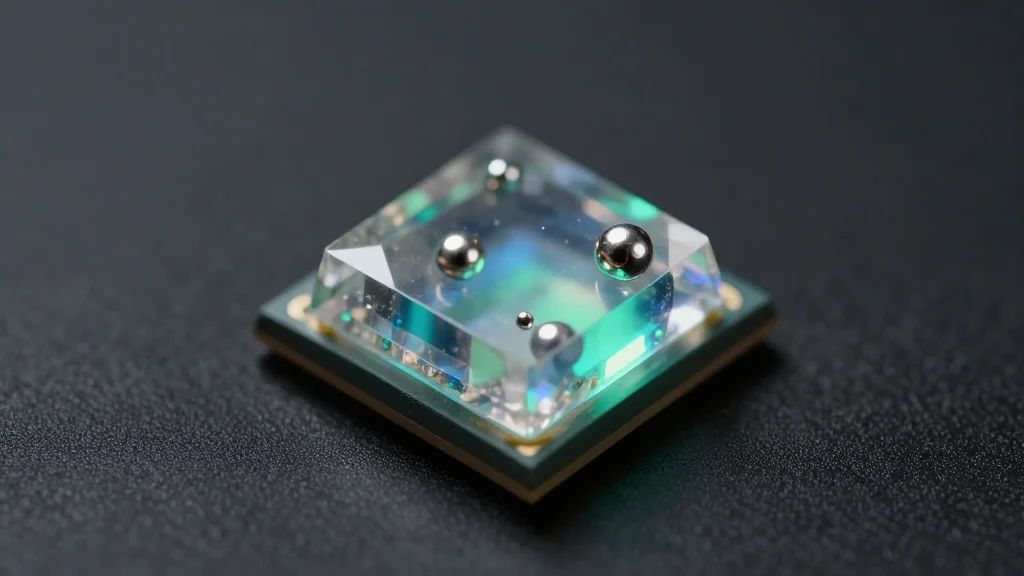
Crystalline Nitride Alloys Pushed to Glass-Like Limits of Thermal Insulation
Researchers at Waseda University and HKUST have engineered a yttrium‑barium nitride alloy that drives the thermal conductivity of wurtzite AlN down to 0.98 W·m⁻¹·K⁻¹, essentially matching the glass‑like limit of its amorphous counterpart. By substituting a small fraction of aluminum with...
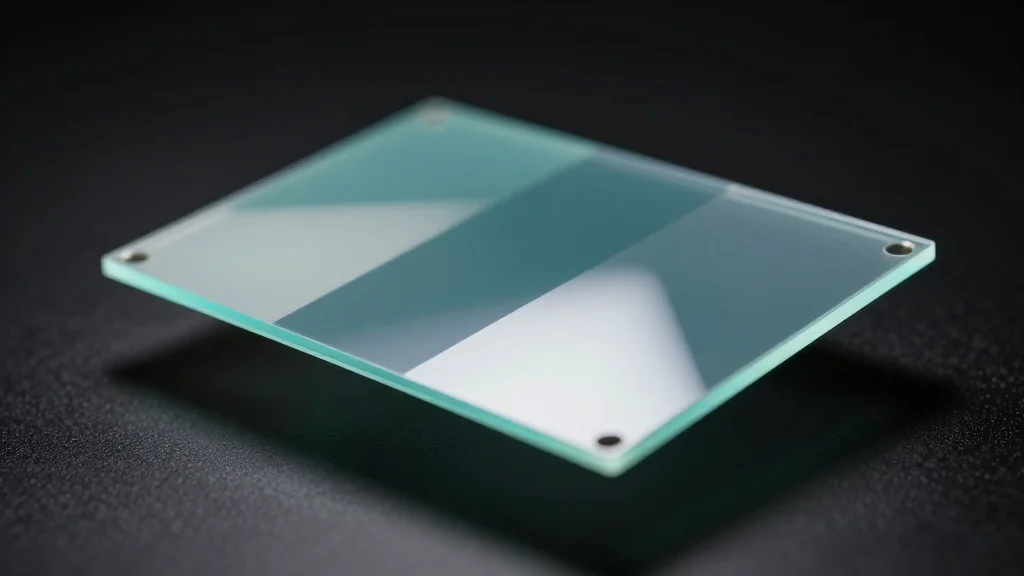
Periscope-Inspired Solar Windows Achieve Record 92% Transparency While Generating Electricity
Researchers have unveiled a periscope‑inspired reflection‑mode semi‑transparent organic photovoltaic that delivers 92.2% average visible transmittance while generating 8.27% power‑conversion efficiency. By using dual‑angle mirrors to bounce visible light around the active layer, the device avoids parasitic absorption and reaches a...

How Iron-Sulfur Nanolayers Are Formed: X-Ray View Into Chemical Reactions
Researchers at the University of Hamburg, University of Toulouse and European synchrotron facilities captured the real‑time formation of iron‑sulfur nanolayers using time‑resolved X‑ray spectroscopy. The study revealed a short‑lived, two‑dimensional intermediate that transforms topotactically into the final crumpled nanosheet, preserving...
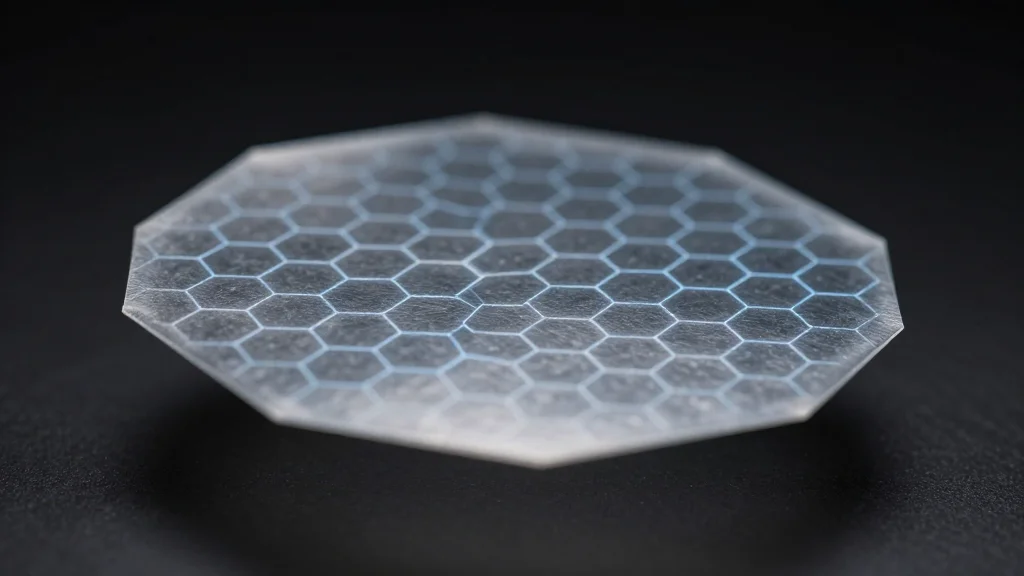
Scientists Create Ultra Thin Metal with Never Before Seen Quantum Behaviour
Researchers at Monash University have engineered a three‑nanometre‑thin Mn₃Sn kagome film that exhibits a genuine three‑dimensional flat electronic band across the full momentum space. The team used molecular‑beam epitaxy and photon‑energy‑dependent ARPES to confirm the band’s existence, demonstrating that quantum...
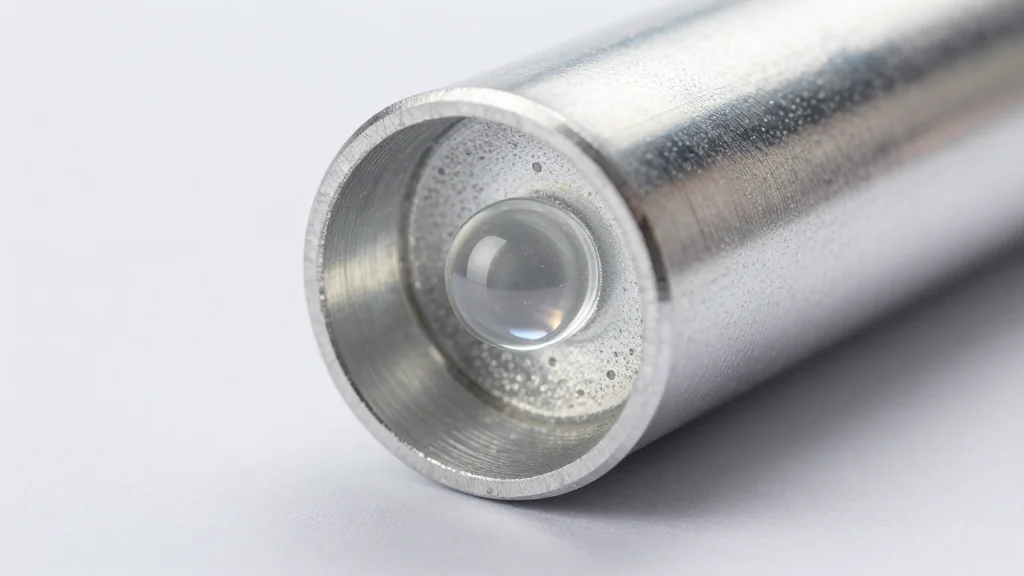
Engineers Etch Tiny Pits Into Metal Tubes to Create Unsinkable Aluminum (W/Video)
Researchers at the University of Rochester’s Institute of Optics have engineered aluminum tubes that remain afloat regardless of submersion depth or damage by etching micro‑ and nano‑scale pits inside the metal. The etched interior renders the surface superhydrophobic, trapping a...
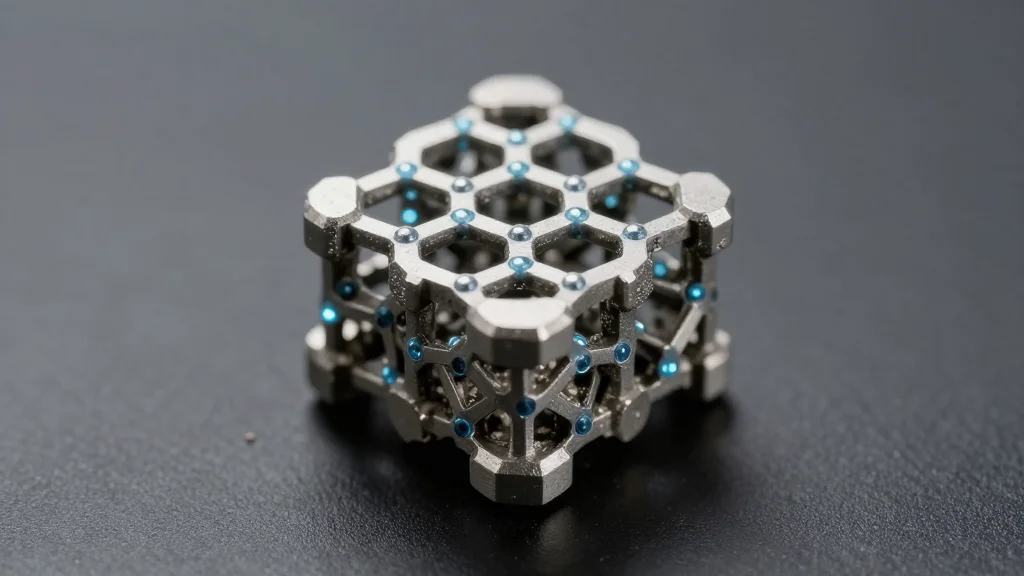
3D Material Mimics Graphene's Electronic Speed without the Fragility
University of Liverpool researchers discovered that hafnium stannide (HfSn₂) exhibits graphene‑like, ultra‑fast electron transport within a fully three‑dimensional honeycomb chiral lattice. The material decouples structural and electronic dimensionality, preserving 2D mobility through Weyl points while remaining mechanically robust. This breakthrough...

La Luce Cristallina Launches Scalable Oxide Pseudo-Substrate for Quantum & RF Applications
La Luce Cristallina announced a CMOS‑compatible oxide pseudo‑substrate that allows high‑quality strontium titanate films to be grown directly on standard 200‑mm silicon and SOI wafers. The platform replaces expensive single‑crystal substrates, offering film thicknesses from 4 nm to 50 nm and enabling scalable production...
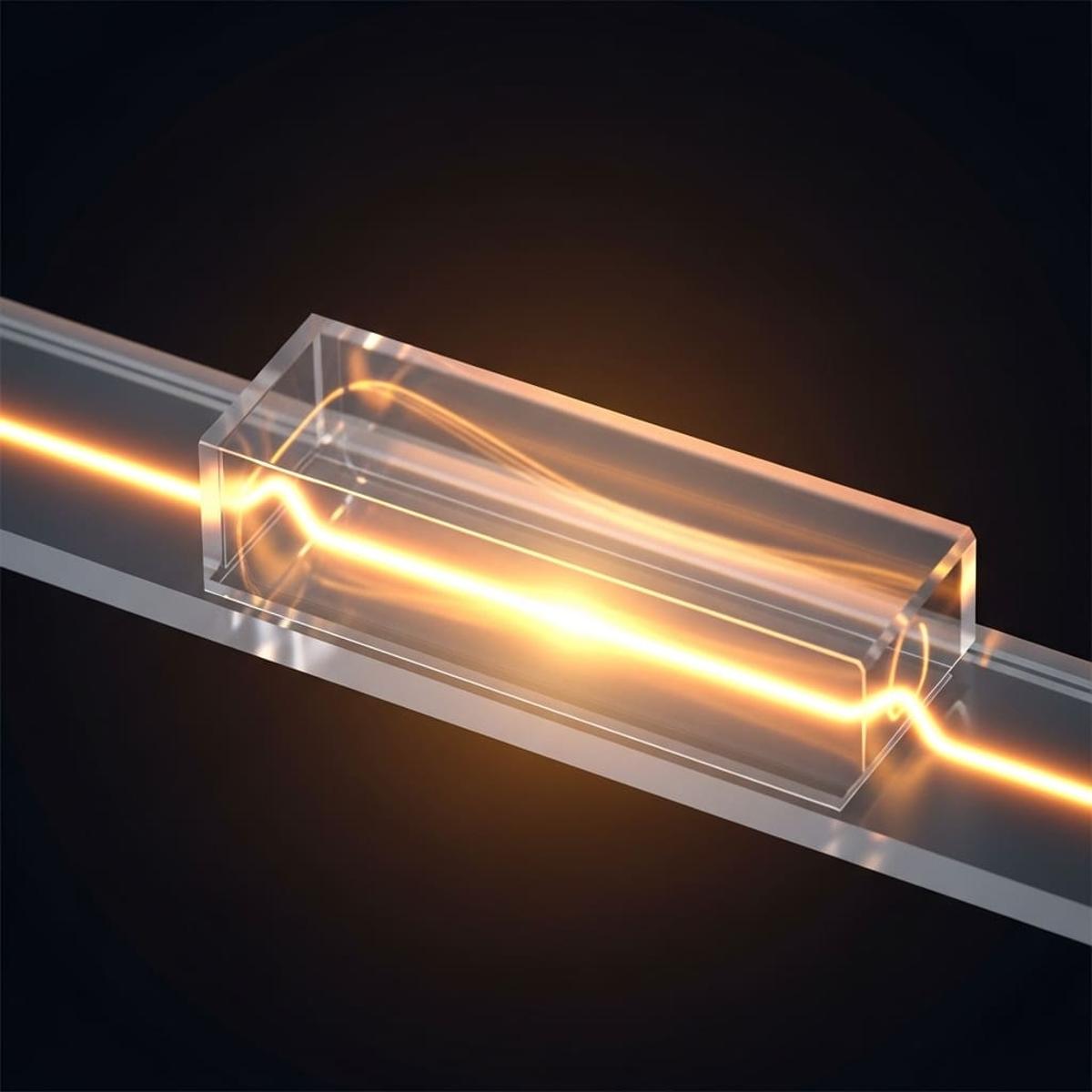
High-Temperature Operation Advances Lithium Niobate Waveguide Power Thresholds
Researchers at Paderborn University demonstrated that an auxiliary 532 nm laser can suppress photorefractive damage in titanium‑in‑diffused periodically‑poled lithium niobate (Ti:PPLN) waveguides. The method restores degraded sum‑frequency generation phase‑matching spectra and reduces pyroelectric distortions both at elevated temperatures and at cryogenic...

How AI Agents Are Transforming Solid Electrolyte Discovery
AI agents are reshaping solid‑electrolyte discovery by uniting data analysis, materials modeling, simulation, and experimental planning into adaptive, closed‑loop workflows. This integrated approach moves beyond isolated predictions, enabling rapid screening of sulfide, oxide, and halide chemistries while pinpointing degradation mechanisms...
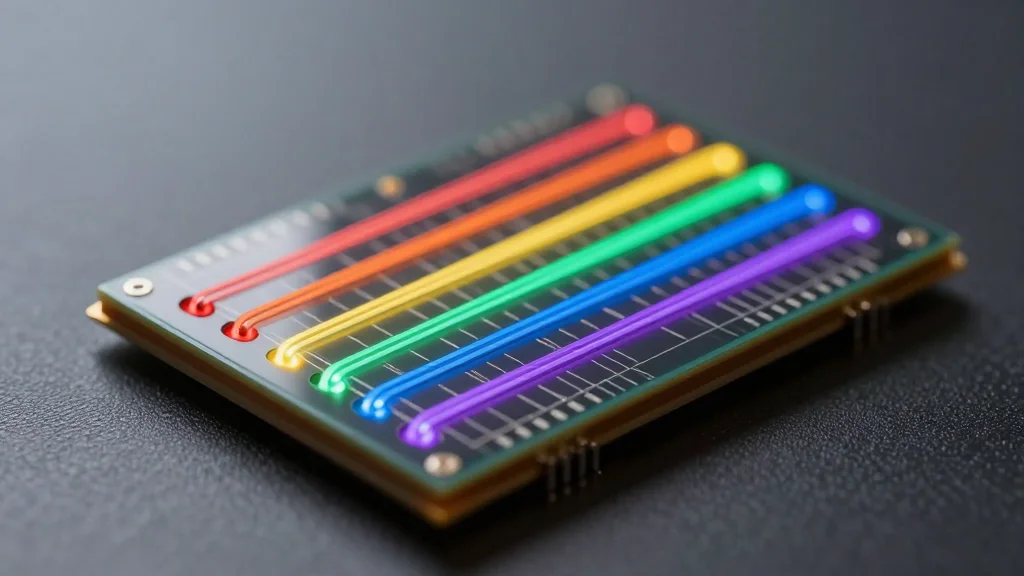
New Approach to Circuit Design Introduces Next-Level Quantum Computing
Researchers at the University of Osaka have unveiled a nanophotonic circuit that routes six distinct laser wavelengths through integrated waveguides to control trapped‑ion qubits. The design uses innovative bubble‑sort and blockwise‑duplication patterns to split, rearrange, and independently switch beams while...
Green Hydrogen From Water Splitting via Unique Two-Dimensional Photocatalysts
A team led by National Taiwan University researchers engineered two‑dimensional SrTiO₃ nanoplatelets by hydrothermally converting Bi₄Ti₃O₁₂ precursors, creating a 2D/2D epitaxial SrTiO₃/Bi₄Ti₃O₁₂ heterostructure. The process produces rough, high‑surface‑area platelets that dramatically lower charge‑carrier recombination and accelerate interfacial charge transfer. Photocatalytic...

Atomic Scale Features Explain Why some Rare Earth Magnets Resist Demagnetization
Researchers have identified an ultra‑thin copper‑rich layer at the boundary of a critical phase in samarium‑cobalt magnets that acts as a pinning barrier, suppressing demagnetization. Advanced microscopy, magnetic measurements and micromagnetic simulations revealed that this one‑to‑two‑atom‑thick layer is present only...

Holes in Silicon Are Heavier than Expected - Solving a Mystery in Quantum Electronics
Physicists at UNSW Sydney, together with imec and Diraq, proved that holes in silicon travel slower because they have an intrinsically higher effective mass, not because of defects. Record‑high mobilities were measured, reaching 40,000 cm² V⁻¹ s⁻¹ for electrons and 2,000 cm² V⁻¹ s⁻¹ for holes....

Spectral Slimming for Single-Nanoparticle Plasmons
Researchers at Singapore University of Technology and Design have demonstrated that engineering the photonic substrate beneath a single metal nanoparticle can dramatically sharpen its plasmon resonance, achieving quality factors over 80 times higher than on conventional dielectric supports. Numerical simulations...
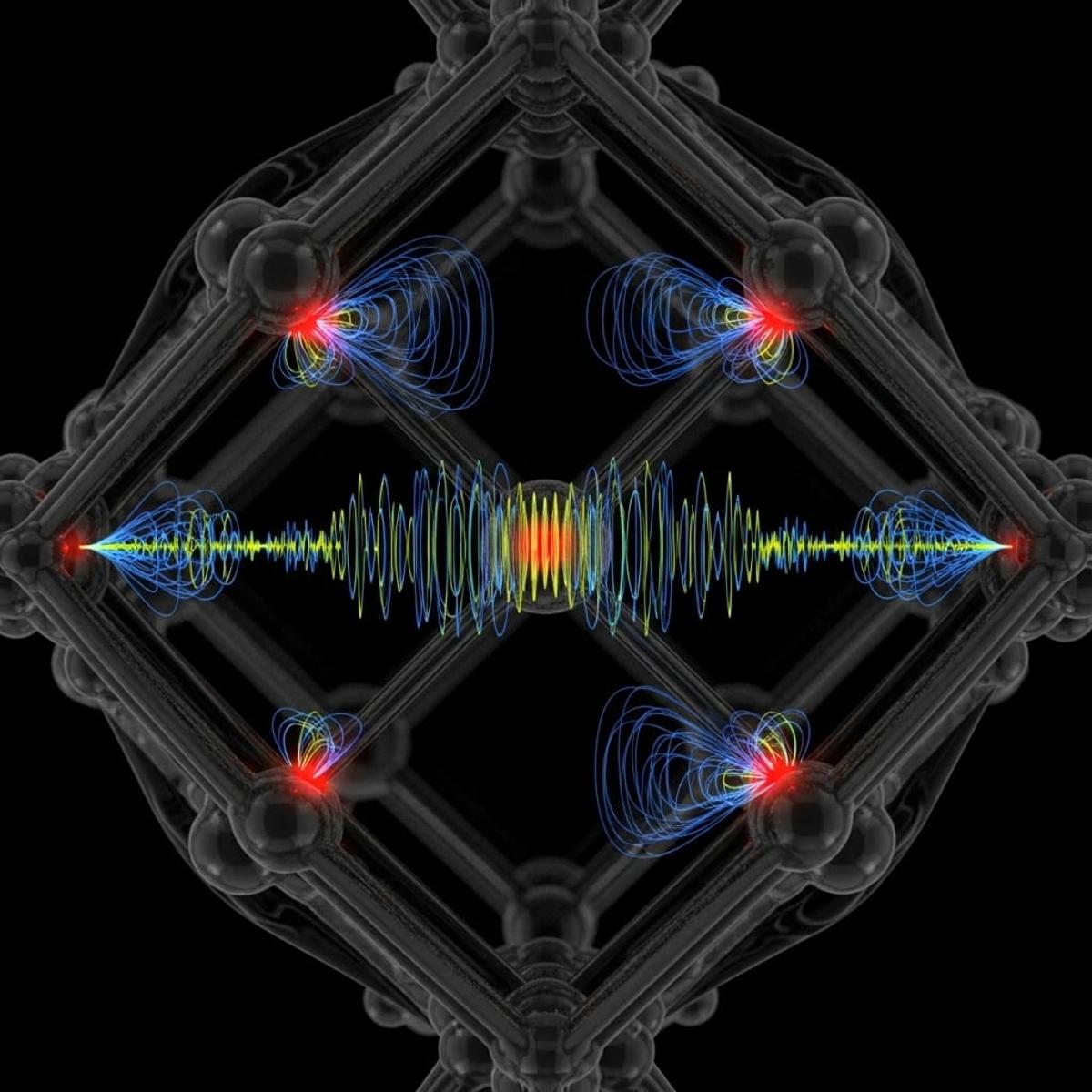
Ultrafast Diamond Sensor Achieves 10-Fs Electric Field Detection
A team from the University of Tsukuba has created an ultrafast diamond nonlinear photonic sensor that uses shallow‑depth nitrogen‑vacancy (NV) centres to image surface electric fields with nanometer‑femtosecond precision. By exploiting the NV‑induced second‑order nonlinear susceptibility, the probe generates a...
Snspds Achieve Intrinsic Limits with 40% Performance Boost up to 0.1mm
Scientists at NIST and Caltech have demonstrated in‑situ tuning of superconducting nanowire single‑photon detectors from an edge‑limited to a bulk‑limited regime using current‑biased rails. The rail architecture suppresses edge current crowding, cutting dark‑count rates by nine orders of magnitude and...
The Hidden Dangers of Nanoplastics
Researchers at Virginia Tech have shown that nanoplastics in drinking‑water systems can enhance biofilm formation, making bacterial communities more robust and resistant to disinfectants. The study found nanoplastics trigger prophage activation and quorum‑sensing signals, leading to thicker, chemically resilient biofilms...
Graphene Speakers Bend, Stretch, and Fold without Losing Their Sound
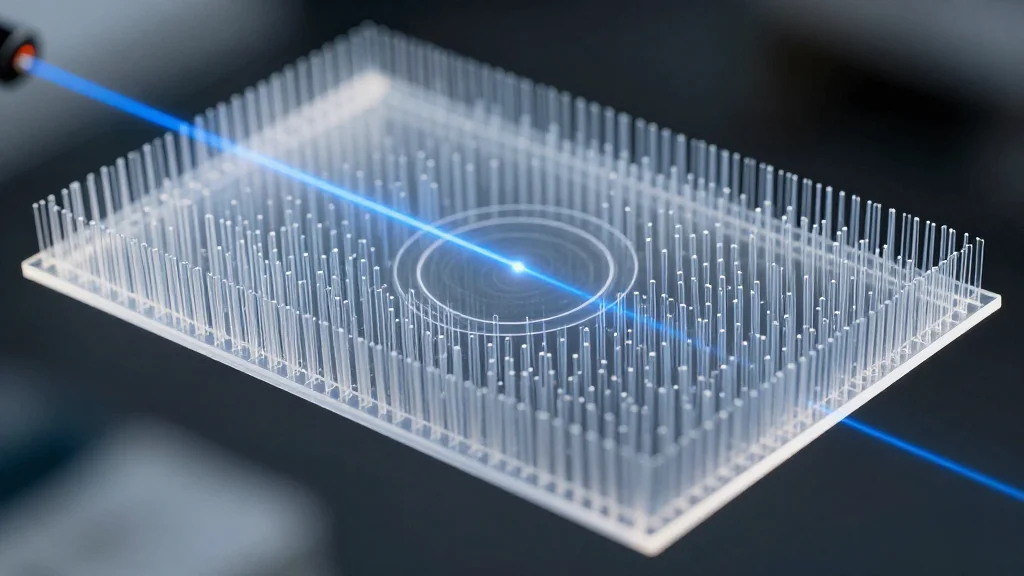
Researchers at Korea Research Institute of Chemical Technology have created vertically aligned reduced graphene oxide (VrGO) thermoacoustic speakers that break the traditional thickness‑performance trade‑off. By using a dual‑laser process to convert flat graphene oxide films into 3‑D micro‑forests, the devices...

Researchers Pioneer Defect-Free High-Quality Graphene Electrodes
Researchers at Chungnam National University unveiled a one‑step free patterning (OFP‑G) technique that etches graphene without photoresists, achieving sub‑5 µm features on large‑area monolayer sheets. The vacuum‑based process uses a conductive glass substrate at 380 °C and 1,000 V to convert carbon bonds...

Specially Textured Metasurfaces for Identifying Aggressive Cancer
Researchers at Hebrew University have created textured metasurfaces that reveal aggressive cancer cells through their physical interactions, not genetic markers. The nano‑patterned surfaces cause aggressive cells to grip more tightly, engulf particles, and alter shape, behaviors missed on flat substrates....
Nb Cl Demonstrates F > 1 Frustration and Potential Quantum Spin Liquid Behaviour
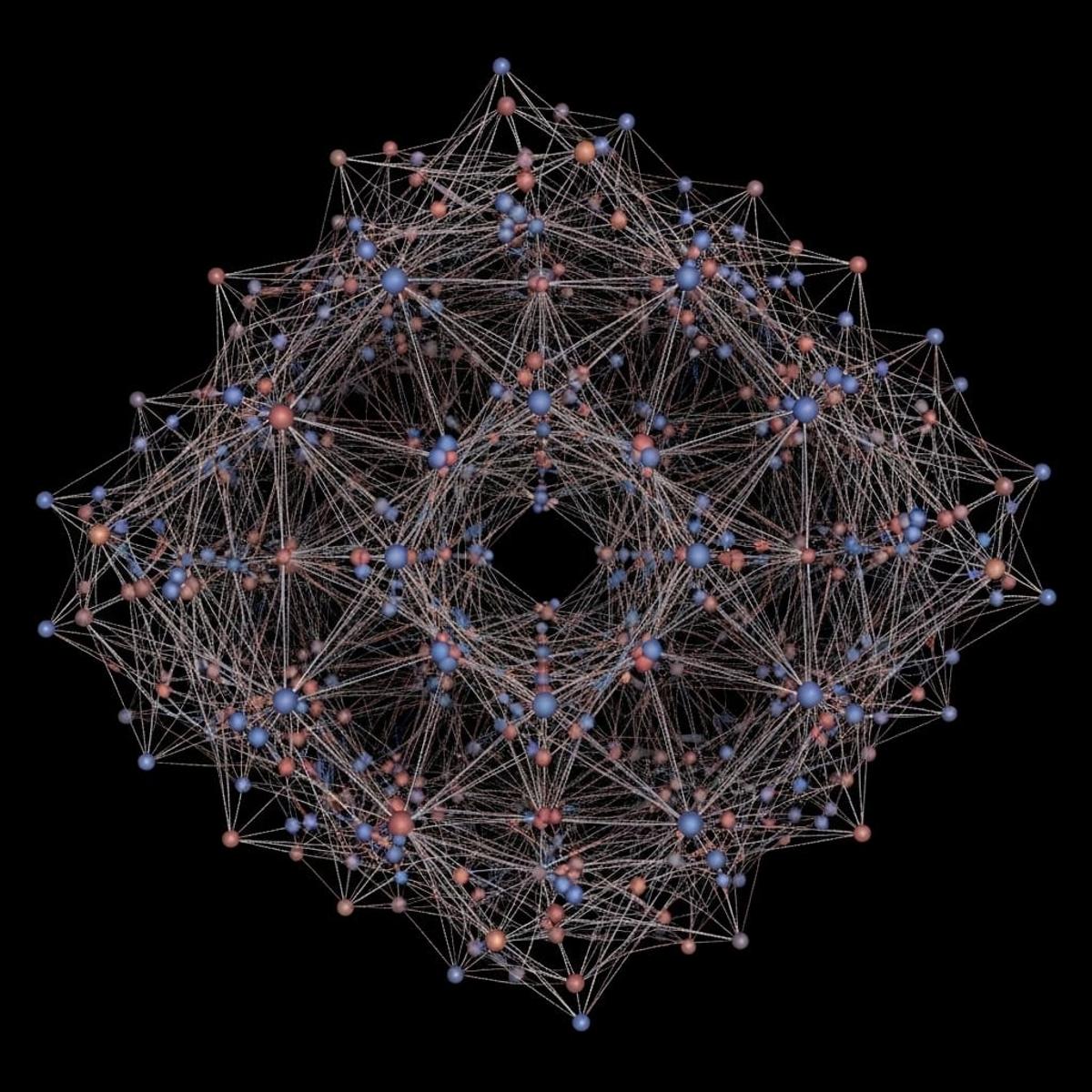
Researchers at the University of Washington have shown that the two‑dimensional material NbCl exhibits short‑range antiferromagnetic correlations and strong magnetic frustration, hallmarks of a quantum spin‑liquid candidate. Using ab initio density‑functional calculations with Hubbard‑U and spin‑orbit coupling, they mapped anisotropic exchange...
Stacked Atom Thin Materials Enable a New Form of Ultralow Power Memory
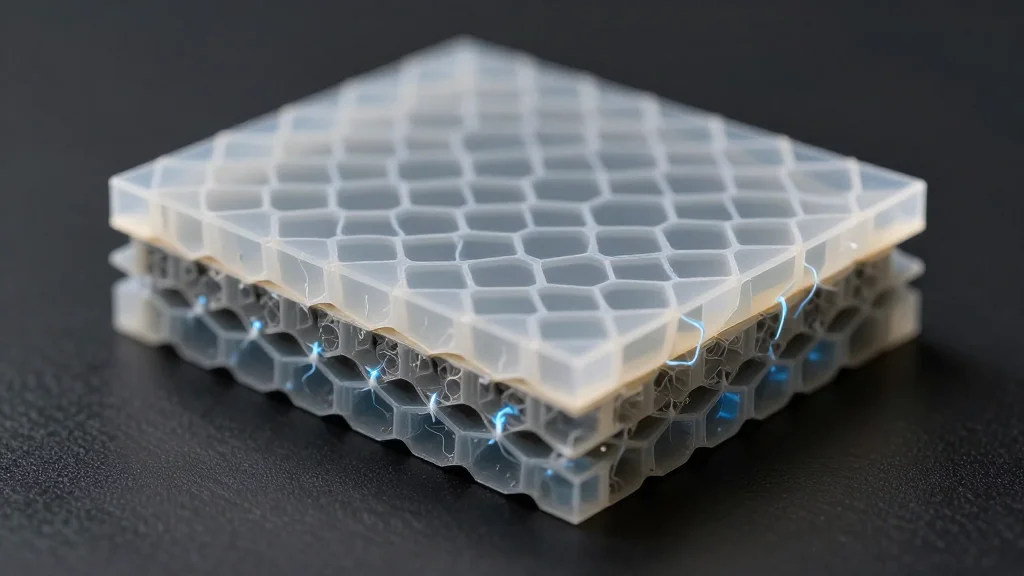
Researchers at DGIST and KAIST demonstrated a new memory principle by stacking graphene, hexagonal boron nitride, and α‑RuCl₃ into a heterostructure. The sandwich‑like stack induces interfacial dipoles that behave like ferroelectric material, allowing data to be written and erased electrically....
A Spinning 3D Printer Creates Air-Powered Soft Robots that Curl, Twist, and Grip
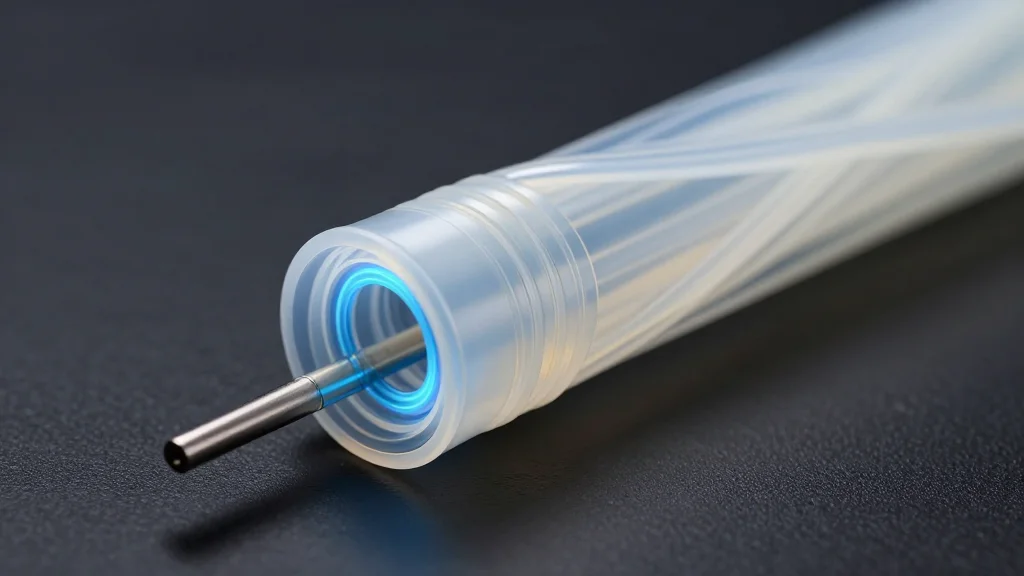
Harvard and Stanford researchers unveiled a rotational multimaterial 3D‑printing process that embeds asymmetrical pneumatic channels inside elastomeric filaments in a single continuous operation. By co‑extruding a photocurable urethane acrylate and a fugitive Pluronic ink through a rotating nozzle, they can...

Watching Atoms Roam Before They Decay
Scientists have, for the first time, visualized how atoms rearrange before undergoing electron‑transfer‑mediated decay (ETMD) after X‑ray excitation. Using a COLTRIMS reaction microscope at BESSY II and PETRA III, they tracked a NeKr₂ trimer for up to a picosecond, capturing the roaming...

Two-Faced Nanoparticles Revive Antibiotics Against Superbugs
Researchers at the University of Osaka have engineered amphiphilic Janus nanoparticles that physically breach the outer membrane of drug‑resistant Gram‑negative bacteria. By creating pores, these two‑faced particles enable conventional antibiotics to enter cells and kill pathogens such as Escherichia coli...

Scientists Directly Visualize the Hidden Spatial Order of Electrons in a Quantum Material
A team led by KAIST professor Yongsoo Yang used liquid‑helium‑cooled 4D‑STEM to directly image charge‑density‑wave (CDW) amplitude in 2H‑NbSe₂ across its phase transition. The nanoscale maps reveal that CDW strength is highly inhomogeneous, with regions of strong order interspersed with...

Researchers Discover Record-Setting Heat-Conducting Metallic Material
UCLA researchers have identified metallic theta‑phase tantalum nitride (θ‑TaN) as the most thermally conductive metal ever measured, achieving roughly 1,100 W m⁻¹ K⁻¹—about three times copper’s performance. The breakthrough was confirmed with ultrafast optical spectroscopy, X‑ray scattering, and theoretical modeling that reveal unusually...

Graphene May Have Been Unintentional Byproduct of Edison's 1879 Light Bulb Experiments
Researchers at Rice University have shown that Thomas Edison’s 1879 carbon‑filament light bulbs likely generated turbostratic graphene through flash Joule heating. By applying a 110‑volt DC pulse for just 20 seconds, the carbon filaments reached 2,000‑3,000 °C, a temperature regime known...

Octopus Antioxidant Shields Perovskite Solar Cells From Decay
Researchers introduced a thin taurine interlayer between tin‑oxide electron‑transport layers and perovskite absorbers, dramatically slowing oxygen‑induced decay. The antioxidant quenches superoxide radicals, regenerates via a peroxide cycle, and reduces interfacial trap density, enabling 97% efficiency retention after 450 h at 65 °C....
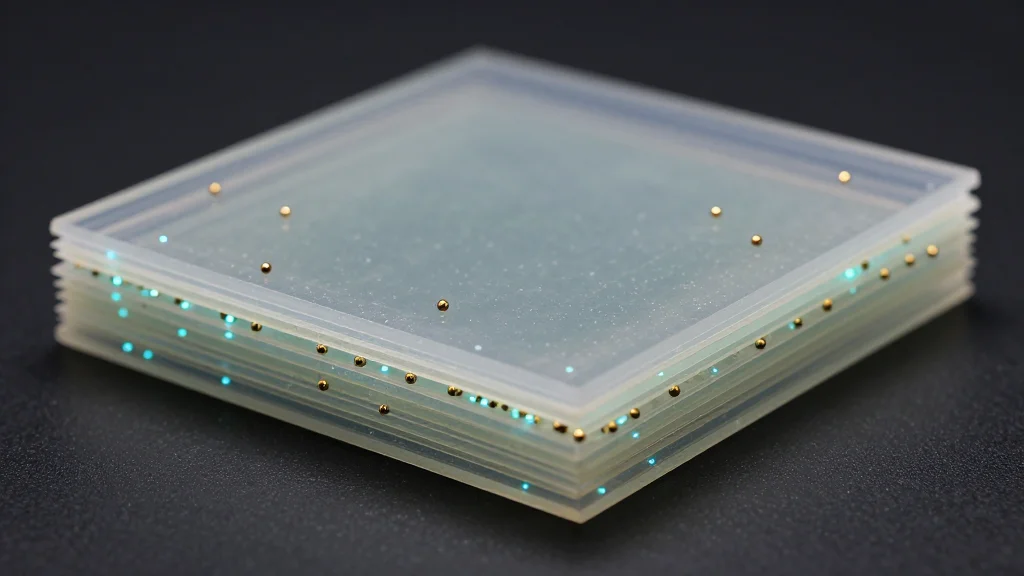
The Art of Custom-Intercalating 42 Metals Into Layered Titanate Nanostructures
A UNIST research team unveiled a one‑step synthesis that directly intercalates up to 42 different metal cations into layered‑titanate nanostructures. The proton‑rich H‑LT precursor exchanges its H⁺ ions for a broad spectrum of metals, from alkali to rare‑earth elements, without...
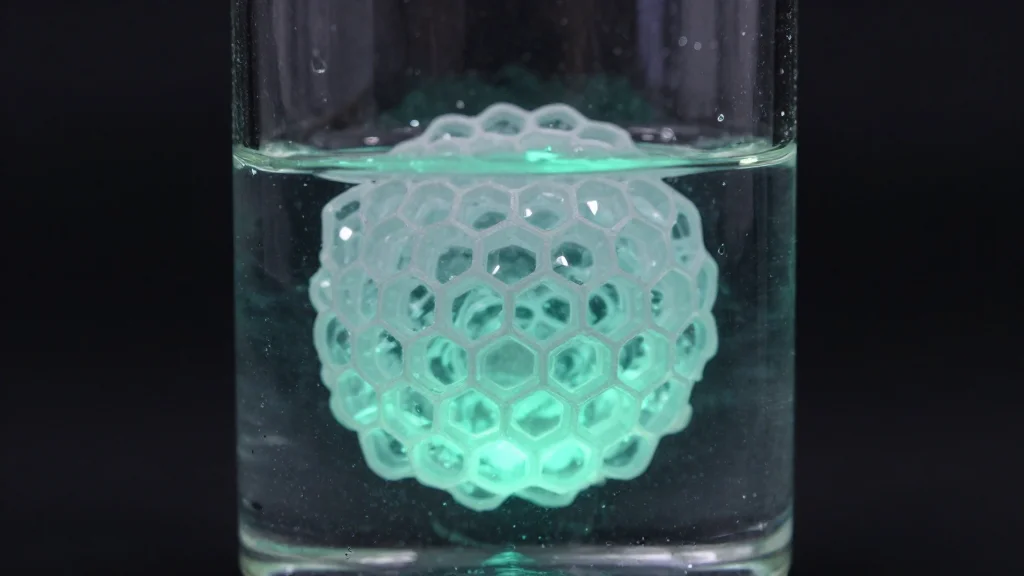
New Metal-Organic Framework Material Achieves Real-Time Fluoride Removal and Detection in Water
Researchers at the Chinese Academy of Sciences have created a metal‑organic framework (MOF) that simultaneously removes fluoride ions from water and emits a visible fluorescence signal. By engineering interfacial water to expose specific crystal facets, the dual‑metal La/Fe‑MOF achieves high...

Researchers Redefine Capacitor Behavior at the Nanoscale
Researchers at Stony Brook University have introduced a quantum‑mechanical framework that accurately models nanocapacitors, overcoming the failures of conventional physics at the nanoscale. The method cleanly separates electrode and dielectric contributions, establishing fundamental size limits and enabling first‑principles evaluation of...

Stacked 2D Materials Unlock Diamond-Based Electronics Circuits
Researchers at Argonne National Laboratory have demonstrated that a monolayer of molybdenum disulfide (MoS₂) stacked on boron‑doped p‑type diamond creates a functional PN junction that operates at room temperature. The heterointegration uses electrostatic doping rather than traditional chemical dopants, allowing...

A New Implantable Scaffold Captures and Destroys Circulating Tumor Cells in the Bloodstream
Researchers in China have created an implantable vascular scaffold equipped with magneto‑optical probes that capture circulating tumor cells (CTCs) directly from the bloodstream and eliminate them with near‑infrared (NIR) light. In rabbit and goat models the system achieved capture efficiencies...

Spin Control Advances Kitaev Chain Coherence, Enabling Exponentially Scalable Qubits
Researchers at QuTech and Delft demonstrated spin‑based control of phase differences in Kitaev chains, eliminating the need for external magnetic flux. Using a three‑site InSbAs 2DEG device with quantum‑dot‑superconductor hybrids, they tuned the superconducting phase via the spin state of...
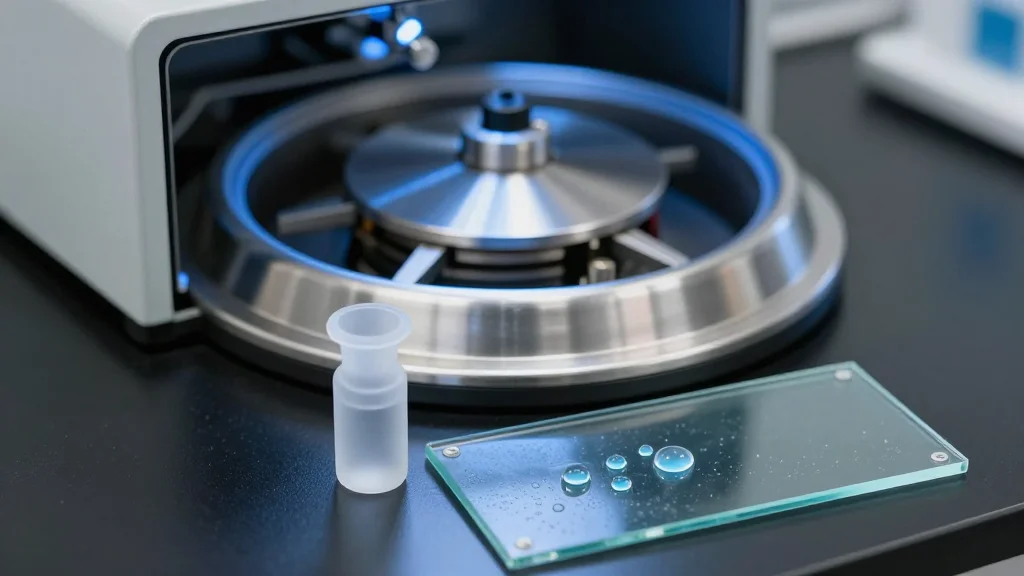
A New Optical Centrifuge Is Helping Physicists Probe the Mysteries of Superfluids
Physicists at the University of British Columbia and the University of Freiburg have demonstrated the first controlled rotation of molecules embedded in liquid‑helium nanodroplets using a novel optical centrifuge. By introducing a timed delay between laser pulses, the team achieved...